
Best Gongs 2026
Alright, so you're thinking about adding a gong to your arsenal. They're not just for Tibetan monks or movie soundtracks - a well-chosen gong can add a seriously unique sonic texture to everything from ambient soundscapes to hard-hitting rock tracks. But gongs are weird. They're not like cymbals; they're a whole different beast, and knowing what to look for can save you a lot of frustration and cash. Let's break it down.
Last updated: September 28, 2026
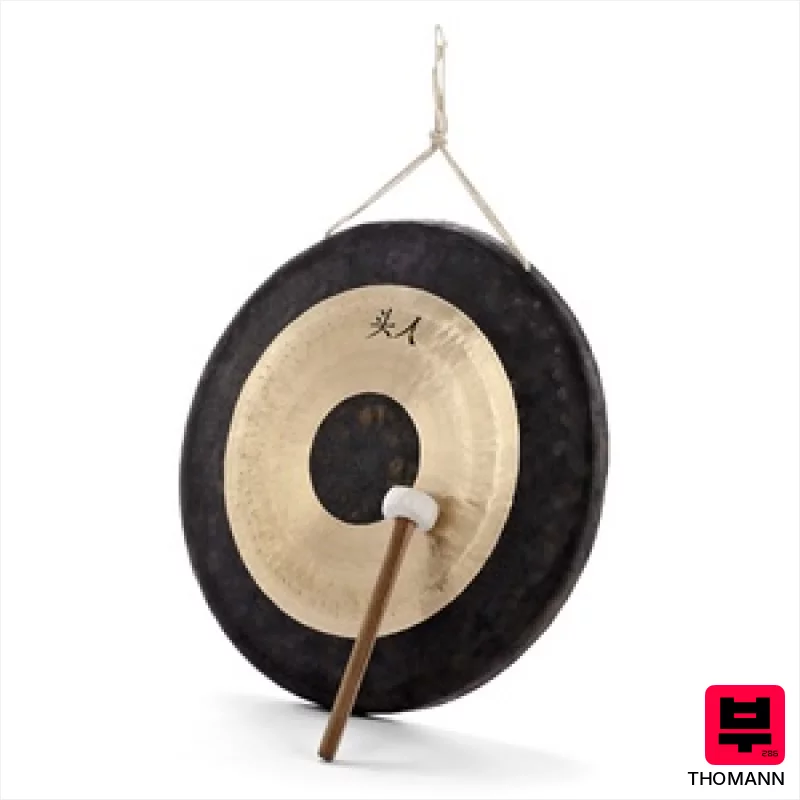
Thomann Wuhan Tam Tam 80
- • Produces a remarkably deep, resonant fundamental tone ideal for orchestral passages.
- • Handmade construction ensures a unique sonic character, avoiding the sterile uniformity of machine-made gongs.
- • The large 32 in diameter maximizes the gong’s sustain and projection capabilities.
- • Wuhan’s bronze alloy delivers a warm, earthy timbre suitable for diverse applications.
- • At 13 kg, it's quite heavy, requiring a sturdy stand and careful handling.
- • The handmade nature means sonic variation exists between individual units.
- • Limited tonal versatility compared to multiple cymbals or percussion instruments.
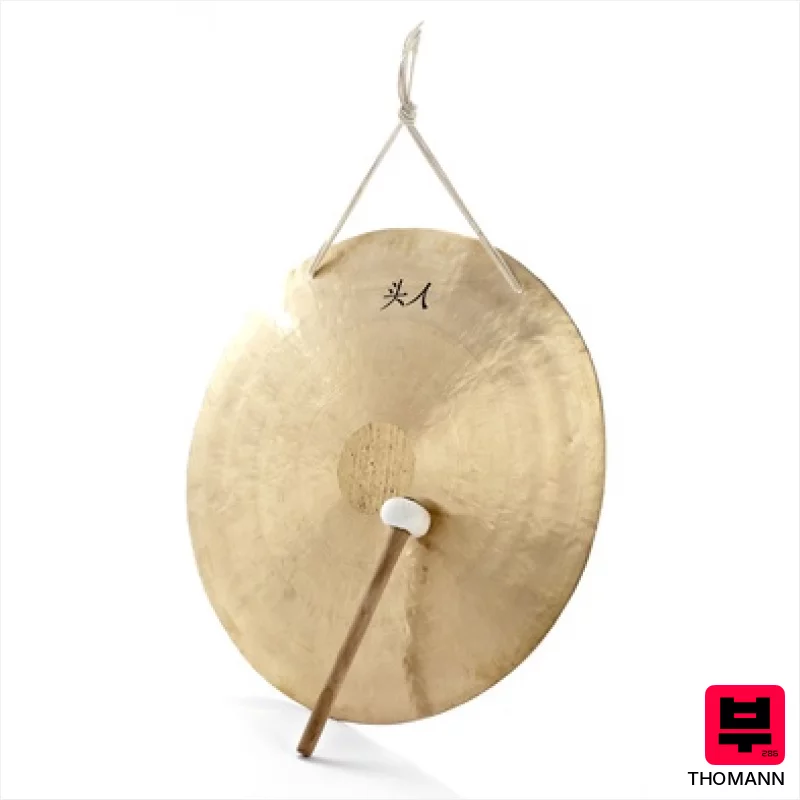
Thomann Wind Gong 80
- • Deep, resonant tone achieved through careful hammering techniques.
- • Large 32in diameter maximizes sustain and sonic complexity.
- • Handmade construction ensures unique tonal character and subtle variations.
- • Wuhan-made gongs offer a strong reputation for quality and value.
- • Significant weight (over 23 lbs) makes transport and mounting challenging.
- • Lacks a dedicated stand; requires separate purchase for mounting.
- • Handmade nature means tonal inconsistencies are possible between individual units.
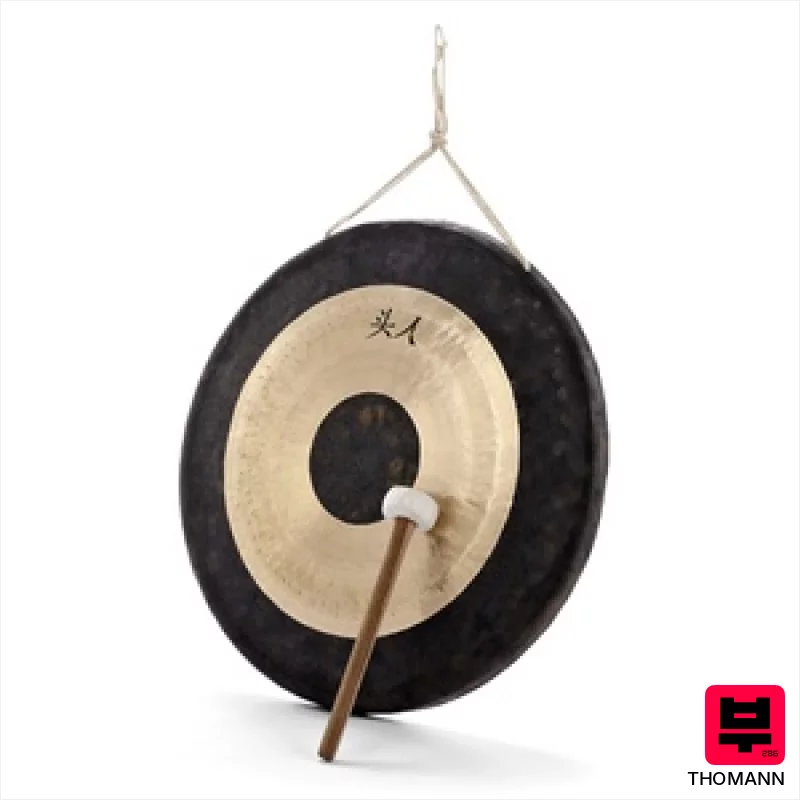
Thomann Wuhan Tam Tam 75
- • Deep, resonant tones offer expansive soundscapes.
- • Handmade construction ensures unique tonal character and build quality.
- • Wuhan bronze provides a warm, complex harmonic profile.
- • Large 30in diameter maximizes low-frequency projection and sustain.
- • Significant weight (9kg) makes transport and mounting challenging.
- • The 'may vary in colour' note suggests inconsistent aesthetic appeal.
- • Limited tonal versatility compared to multiple gongs or cymbals.
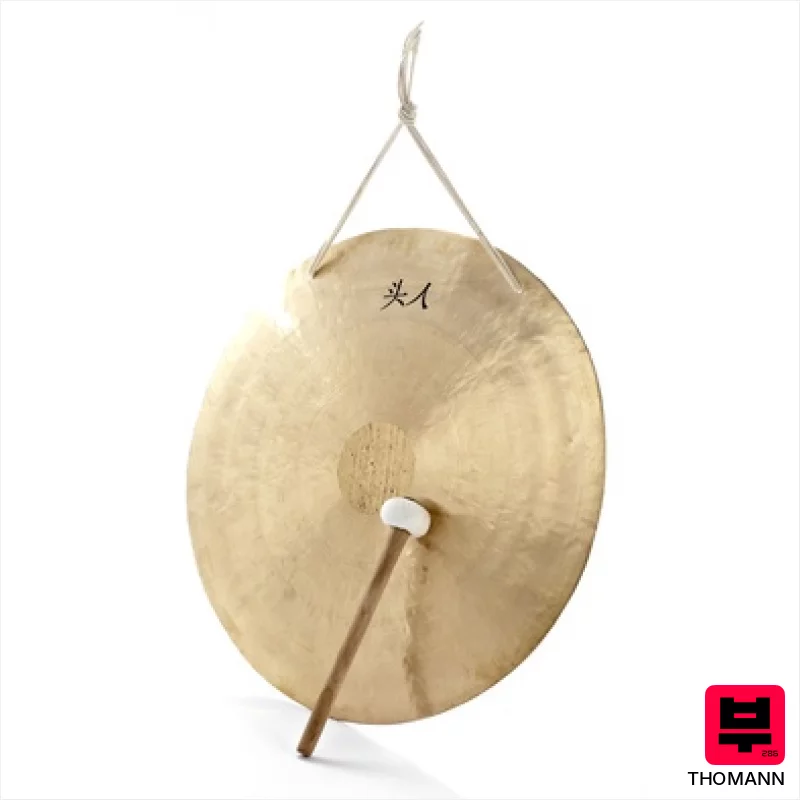
Thomann Wind Gong 75
- • Deep, resonant tones create a captivating atmospheric wash.
- • Handmade in Wuhan ensures a degree of individual character and craftsmanship.
- • 75cm diameter provides a substantial and powerful sonic projection.
- • Relatively affordable for a wind gong of this size and quality.
- • The raw finish requires careful handling to avoid scratching or marking.
- • Lacks a dedicated stand, increasing the overall investment.
- • Sound is quite fixed – limited tonal shaping options compared to other percussion.
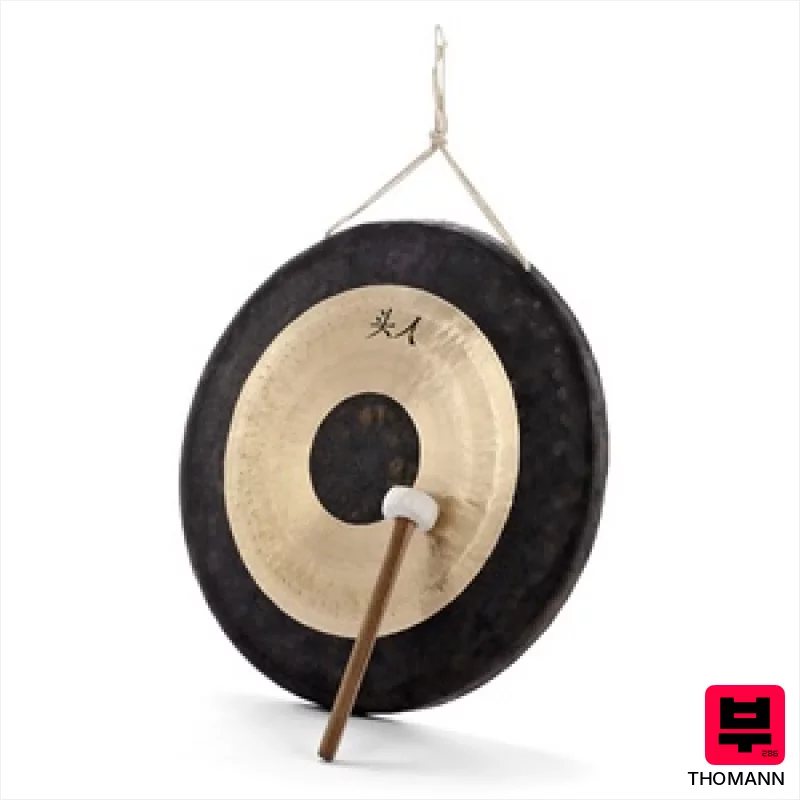
Thomann Wuhan Tam Tam 70
- • Deep, resonant tones ideal for meditative practices.
- • Handmade construction provides unique tonal character variations.
- • Wuhan bronze offers a warm, complex harmonic profile.
- • Large 70cm diameter maximizes low-frequency projection.
- • Significant weight (7.7kg) makes transport and mounting challenging.
- • The inherent variability in handmade instruments may require experimentation.
- • Limited versatility compared to a wider range of percussion instruments.
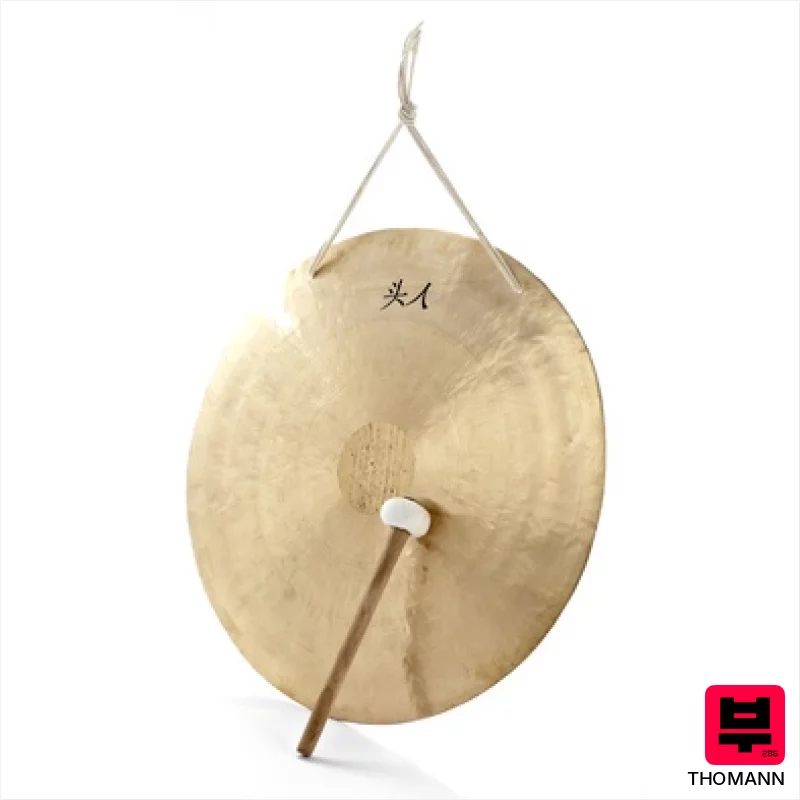
Thomann Wind Gong 70
- • Deep, resonant tone with surprising sustain for its size.
- • Handmade in Wuhan ensures a degree of craftsmanship and tonal complexity.
- • 70cm diameter provides a substantial, impactful sound.
- • Relatively affordable entry point into the world of wind gongs.
- • The 'may vary in colour and sound' note indicates inconsistent quality control.
- • Requires a dedicated, robust stand – not included, adding to the overall cost.
- • Lacks the shimmering, ethereal qualities of higher-end, finely tuned gongs.
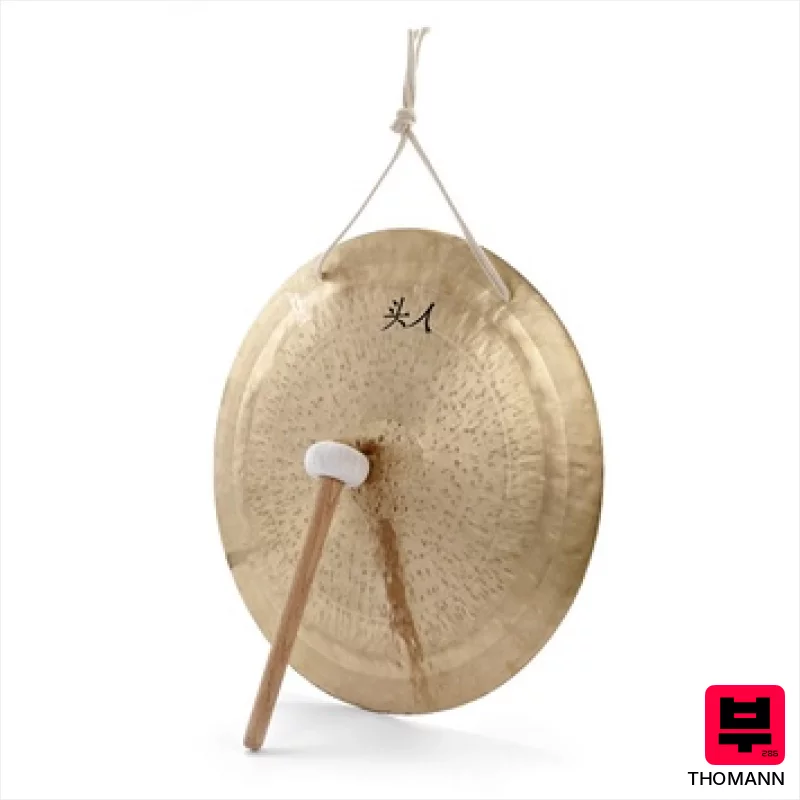
Thomann Wind Gong 65
- • Deep, resonant tones provide a truly atmospheric soundscape.
- • Handmade construction ensures a unique character and tonal complexity.
- • 65cm diameter offers a substantial and impactful sonic presence.
- • Wuhan craftsmanship delivers a surprisingly high level of build quality for the price.
- • The weight (nearly 12.5 lbs) makes transport and mounting challenging.
- • Lack of a dedicated stand requires a separate purchase, adding to overall cost.
- • Tonal variation due to handmade nature might not suit all studio precision needs.
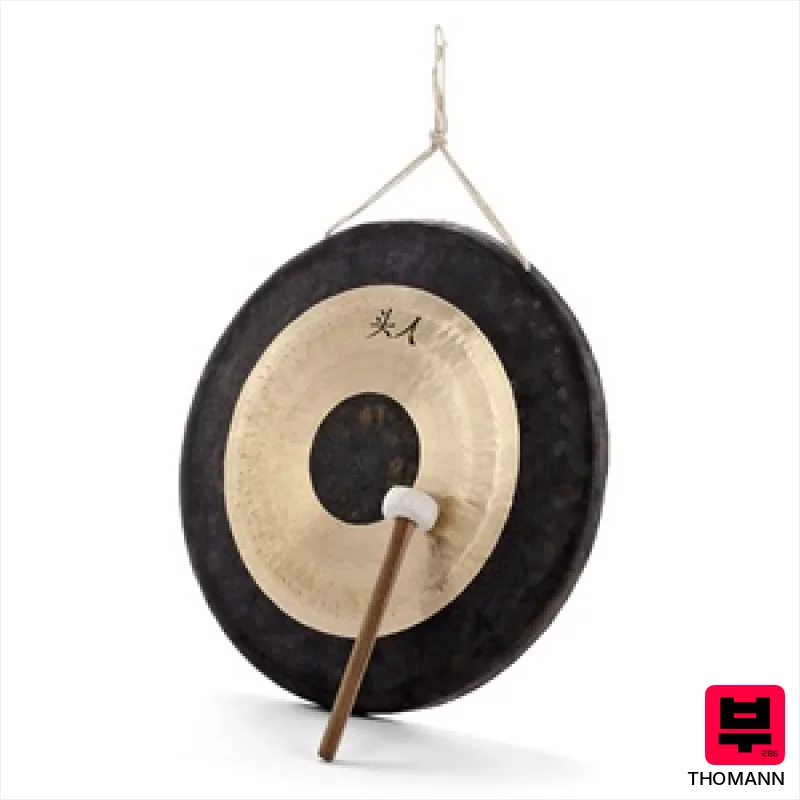
Thomann Wuhan Tam Tam 65
- • Rich, complex overtones characteristic of Wuhan bronze.
- • Hand-hammered construction provides a nuanced, organic feel.
- • 65cm diameter offers a substantial, resonant sound projection.
- • Relatively affordable entry point into larger Tam Tam sounds.
- • Inherent manufacturing variations mean each one sounds subtly different.
- • Weight makes it less suitable for travel or smaller setups.
- • Sound can be overwhelming in quieter, more intimate settings.
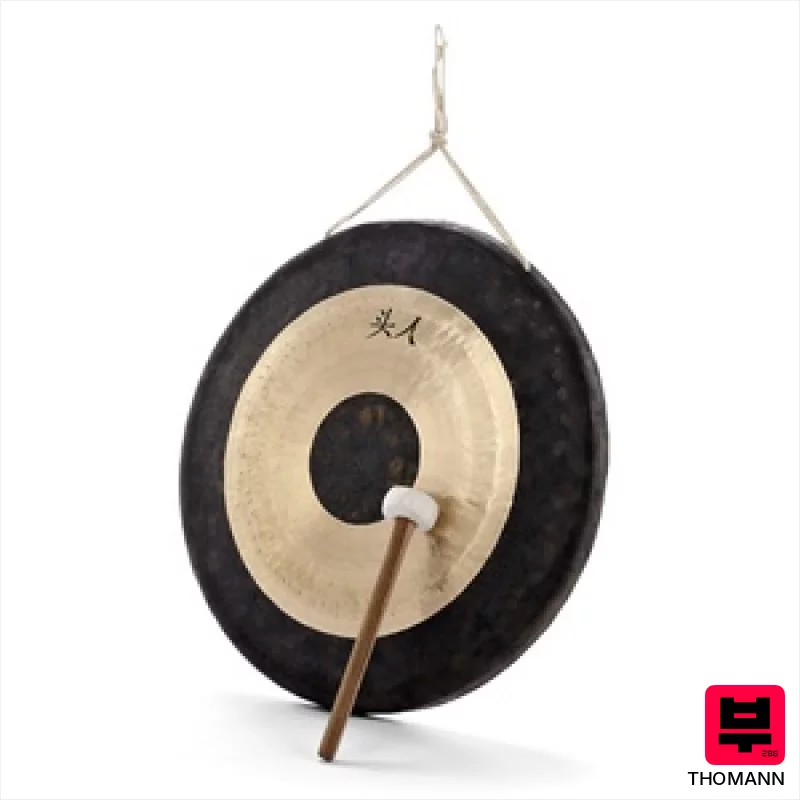
Thomann Wuhan Tam Tam 60
- • Deep, resonant tones offer a truly atmospheric soundscape.
- • Handmade construction ensures unique character and tonal variation.
- • Wuhan bronze provides a warm, complex overtone series.
- • Generous 24in diameter maximizes the gong's sonic projection.
- • Finish can be inconsistent due to the handmade nature; expect some blemishes.
- • Lacks a dedicated stand, requiring a separate purchase for optimal use.
- • The sustain can be overwhelming in smaller or more intimate spaces.
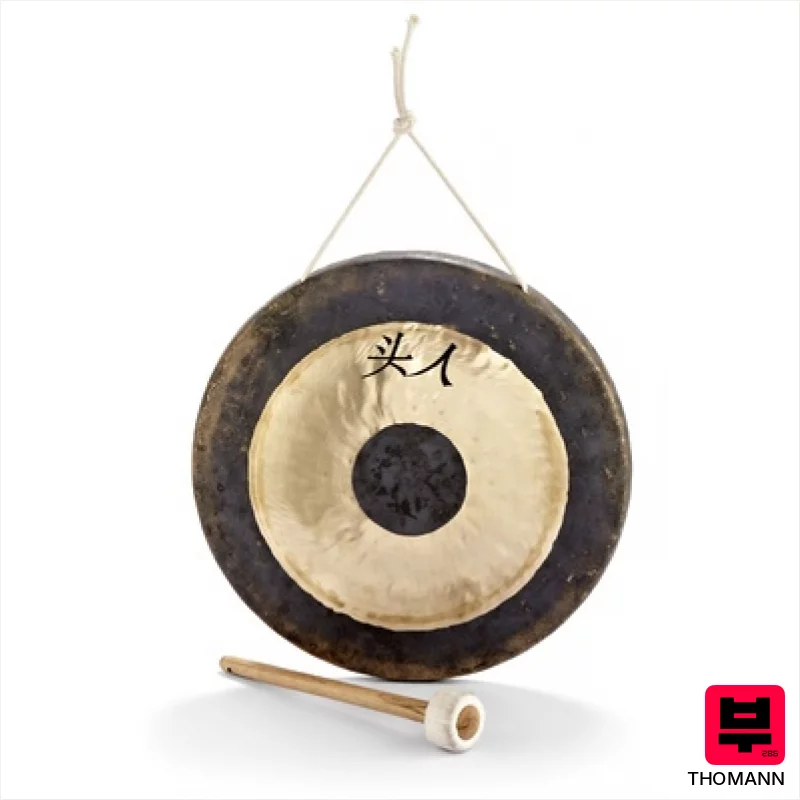
Thomann Wuhan Tam Tam 50
- • Handmade construction offers unique tonal variations and character.
- • Wuhan production ensures a reasonable level of quality control for the price.
- • 50cm diameter provides a substantial, resonant wash of sound.
- • Relatively lightweight (2.9kg) for a 20in Tam Tam, making it manageable.
- • Variability in color and sound is inherent; consistency is not guaranteed.
- • The bronze alloy is likely a lower-grade, resulting in a less complex sustain.
- • Lacks the refined overtones of more premium, hand-hammered Tam Tams.
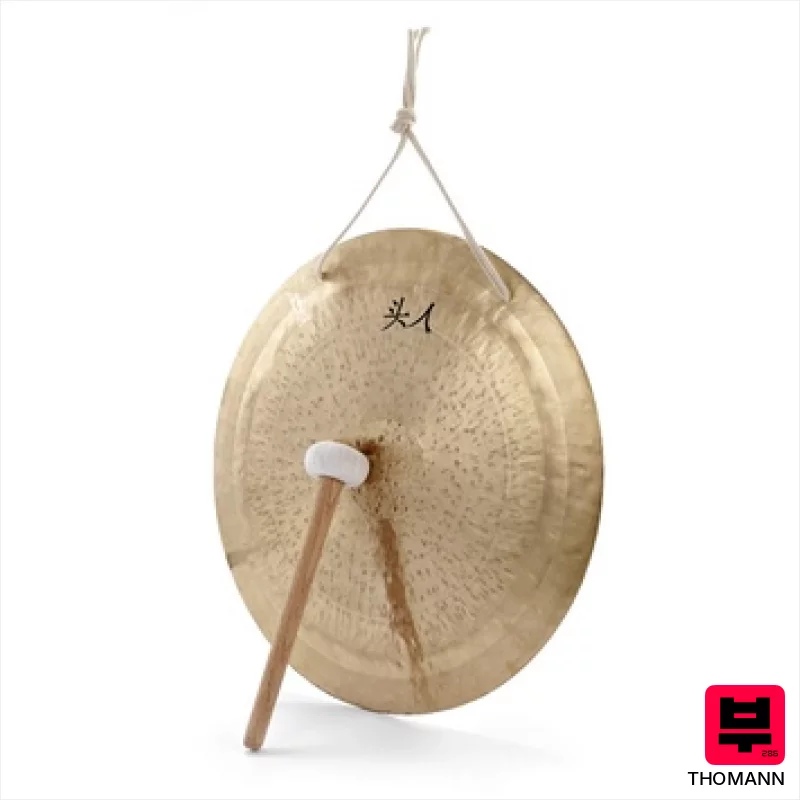
Thomann Wind Gong 55
- • Produces a surprisingly deep, resonant tone for its size and price.
- • Handmade in Wuhan ensures a degree of craftsmanship and sonic variation.
- • The bronze alloy delivers a warm, complex overtone structure.
- • Relatively lightweight (3.1kg) making it manageable for most percussionists.
- • Lacks a dedicated stand, requiring a separate purchase for proper mounting.
- • The 'may vary in colour and sound' disclaimer means consistency is not guaranteed.
- • The bronze is likely a lower-grade alloy; durability might be a concern with heavy use.
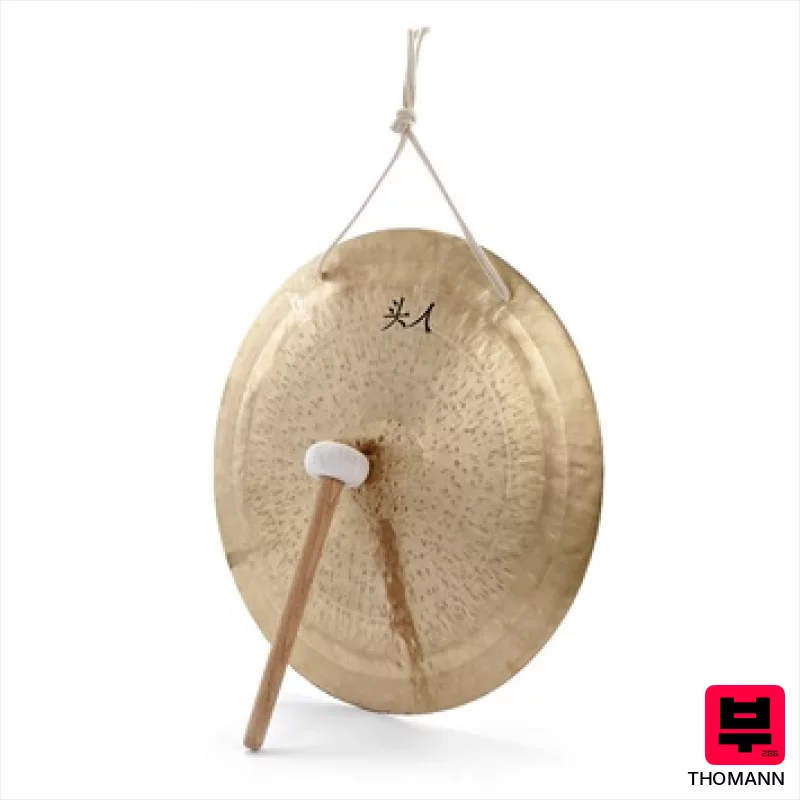
Thomann Wind Gong 50
- • Rich, sustained tones ideal for ambient and meditative soundscapes
- • Handmade construction offers a degree of tonal variation and character
- • Solid bronze construction provides excellent resonance and projection
- • Large 20in diameter maximizes the gong's sonic potential and impact
- • Wuhan-made gongs can exhibit inconsistencies in finish and hammering
- • Lacks a dedicated stand, requiring separate purchase for mounting
- • The deep, resonant tones may not suit all musical genres
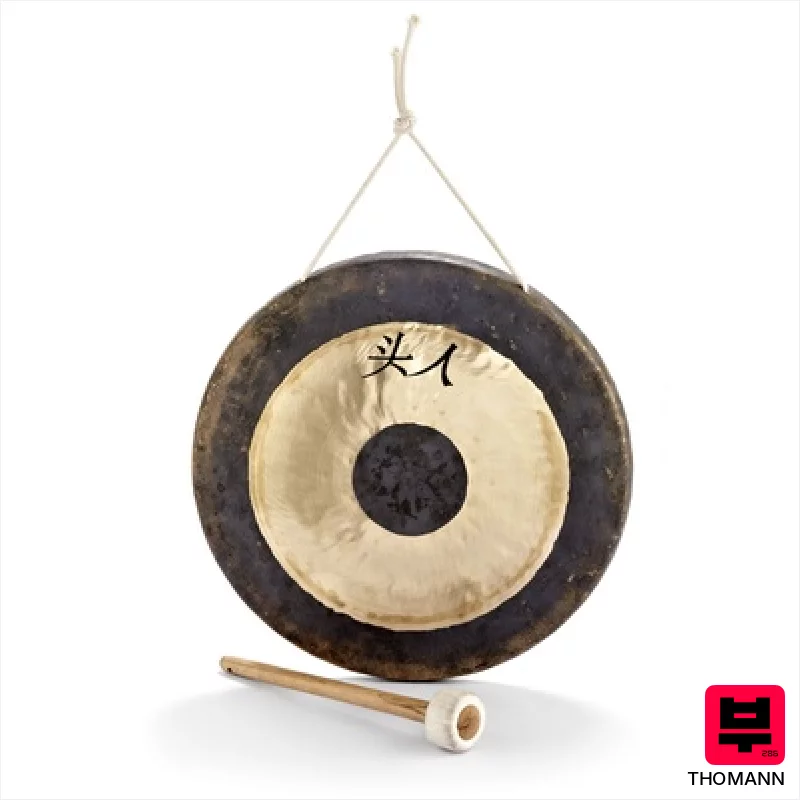
Thomann Wuhan Tam Tam 40
- • Offers a surprisingly deep, resonant tone for its size and price.
- • Handmade construction provides a unique character and tonal variation.
- • Wuhan bronze alloy delivers a warm, complex wash of sound.
- • Relatively lightweight (1.7 kg) making it manageable for various percussion setups.
- • The finish can be inconsistent due to the handmade nature – expect blemishes.
- • Limited sustain compared to larger, more expensive gongs.
- • May require careful mounting to avoid unwanted resonances or instability.
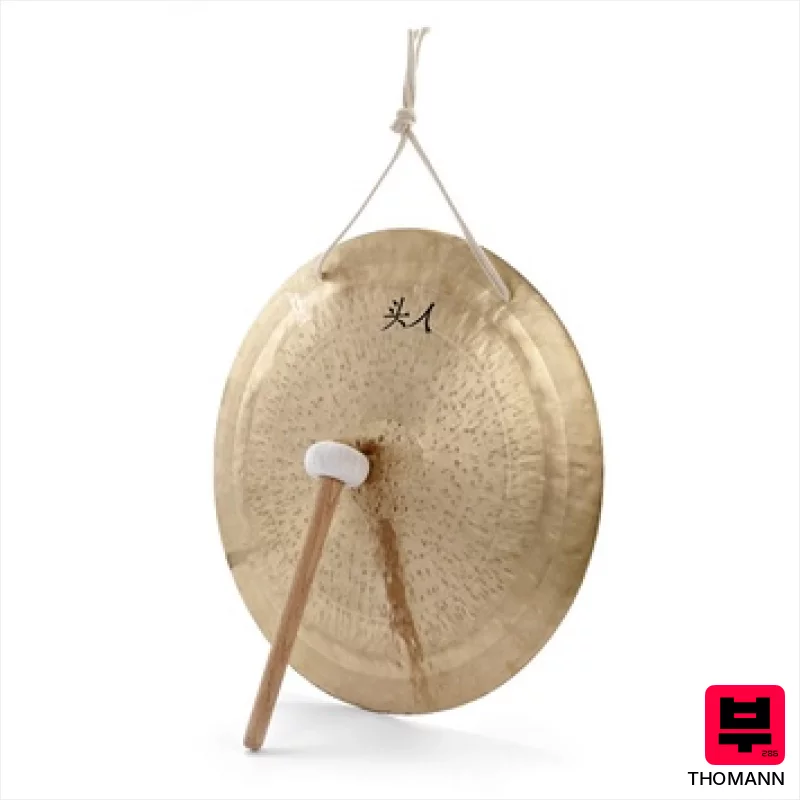
Thomann Wind Gong 45
- • Handmade in Wuhan ensures a degree of tonal complexity and craftsmanship.
- • 45 cm diameter provides a substantial, resonant wash of sound.
- • Wind gongs offer a unique, ethereal texture unlike standard cymbals.
- • The single-piece construction, while variable, can yield truly unique sonic signatures.
- • The 'may vary in colour and sound' disclaimer means consistency is not guaranteed.
- • Lacks a dedicated stand, requiring a separate purchase for proper mounting.
- • The relatively thin bronze will be prone to dings and marks with regular use.
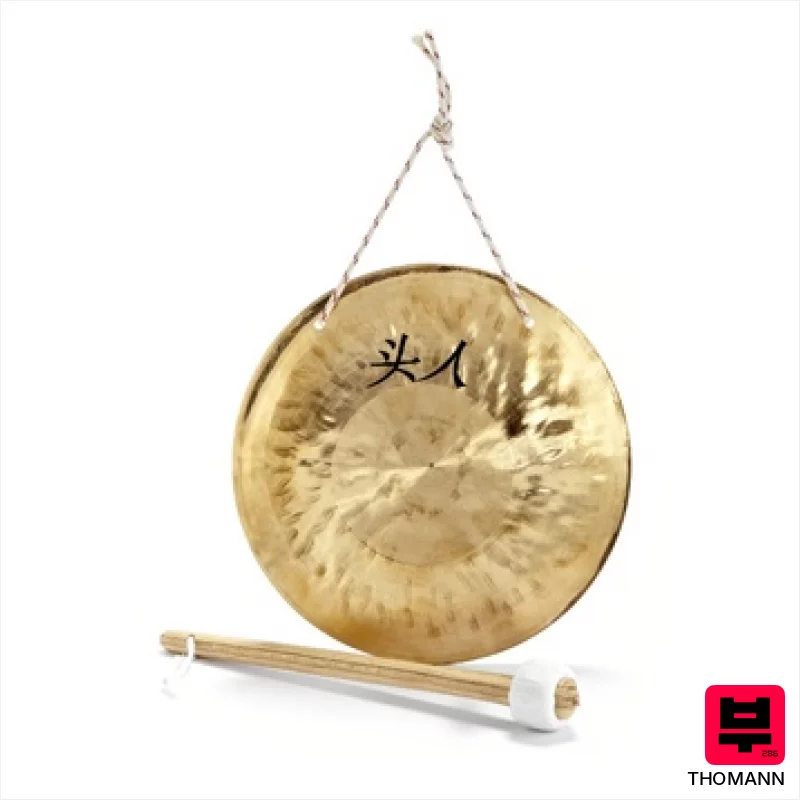
Thomann Wind Gong 40
- • Rich, resonant tone characteristic of Wuhan-made gongs.
- • Handmade construction offers subtle tonal variation and character.
- • 40cm size provides a manageable, versatile soundscape.
- • Affordable entry point into the world of wind gongs.
- • Handmade nature means tonal consistency can vary between units.
- • Lacks a dedicated stand, requiring separate purchase for mounting.
- • The thinner bronze may be more susceptible to dents with rough handling.
Every gongs that matches
81 models match this page. The 15 above are covered in detail; the rest are listed here with their published specifications.
Gongs by the numbers
Measured across all 81 models in this category, so «wide», «short» or «expensive» mean something you can check.
How to Choose the Best Gongs
Size
Bigger isn't always better. A smaller 16" or 18" gong is surprisingly versatile for tight spaces and controlled swells, while a 32" or larger will give you that massive, room-filling wash. Think about your application - a bedroom studio needs different dimensions than a stadium gig.
Material & Alloy
Traditionally, gongs are bronze, but the exact alloy drastically affects the tone. Higher tin content (like a Paiste Bronze gong) tends to be brighter and more complex, while lower tin content (like a Chau gong) will have a deeper, more fundamental tone with a more pronounced low-end thump. This is a huge factor in how it cuts through the mix.
Shape & Profile
A flat gong will generally have a more even tone and a cleaner articulation. A 'wind gong' (more deeply domed) will have a more ethereal, swirling sound with longer sustain and more overtones, but can be harder to control. This impacts how easily you can get a clean hit versus a wash.
Fundamental vs. Overtones
Every gong has a fundamental tone (the main pitch) and a collection of overtones. A good gong will have a clear fundamental but also a complex and pleasing arrangement of overtones - not a harsh, ice-picky mess. Cheap gongs often lack this balance and just sound clangy.
Mallet Compatibility
Different mallets (hard, soft, wrapped) will drastically alter the gong's sound. Some gongs respond beautifully to soft felt mallets for subtle textures, while others demand a harder mallet to really bring out their power and projection. Consider what sounds you're going for.
Buying Guide
Don't get lured in by the price tag. Cheap gongs often use inferior alloys and sloppy manufacturing, resulting in a thin, brittle sound with a lot of unwanted high-frequency ringing. Spending a bit more on a reputable brand (Paiste, Chau, Earthworks) generally guarantees a more musically useful instrument. Listen to sound samples online, but if possible, try before you buy - the subjective nature of gongs makes that crucial.
How This List Is Built
We don't play these instruments — we're a catalog, not a review desk, and we'd rather say so than pretend otherwise. This page covers 81 gongs from the Thomann catalogue, which is the largest single source of specification data in this category: 15 in detail, the rest listed with their specifications.
Position is computed, not curated. We parse the manufacturer's own description into actual values — nut width, scale, fret count, fingerboard radius, size, alloy — and rank on them: how many specifications a model has published, how many of them are measurable numbers, and how precisely it meets this page's criterion. A product image adds a little. Price is not a ranking signal: it tells you nothing about whether a neck fits your hand. The same inputs always produce the same order, so nothing here is shuffled to look fresh.
What this list is good for: narrowing a category down to a shortlist by spec and budget. What it isn't: a substitute for hearing an instrument. Before you buy, read hands-on reviews and, where you can, play it. Full methodology.

