
Best Gongs for Orchestral 2026
So, you're looking to add some serious shimmer and drama to your orchestral palette? Gongs can be the thing, but picking the right one for orchestral work isn't as simple as grabbing the biggest, loudest thing you can find. It's about nuanced tonal qualities, sustain, and how it sits within a complex arrangement - you don't want a clang, you want a sonic event. Let's break down what to look for.
Last updated: July 22, 2026 • Next update: July 29, 2026
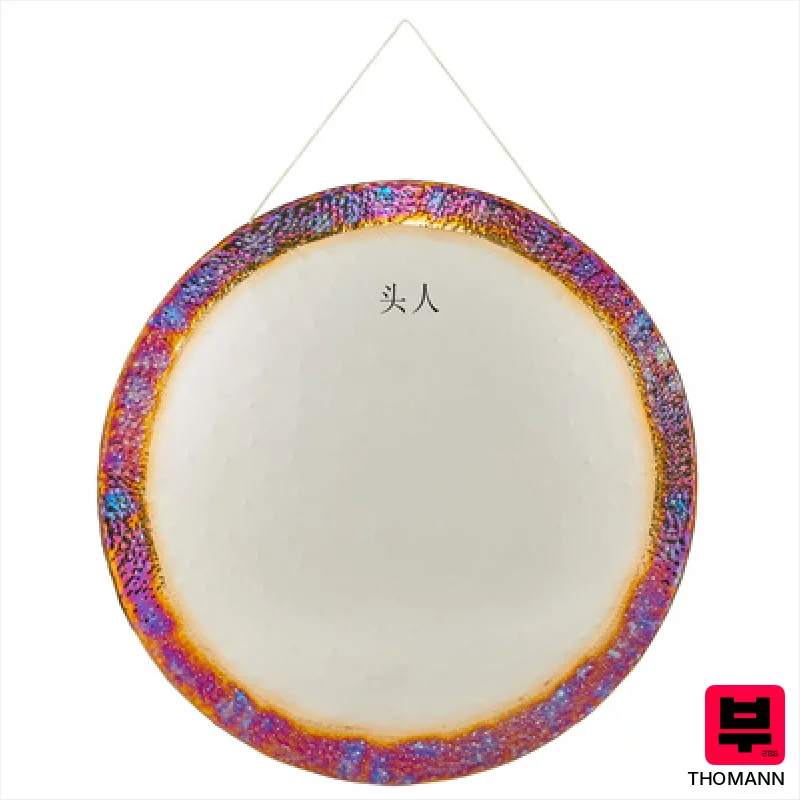
Thomann Tam Gong 48" ES
- • The stainless steel construction yields a bright, shimmering, sustained resonance.
- • 48” diameter produces a truly massive, room-filling sonic presence.
- • Handmade process ensures tonal complexity and subtle variations in each gong.
- • Durable stainless steel resists corrosion, promising long-term reliability.
- • Its sheer size and weight make transport and setup significantly challenging.
- • Stainless steel lacks the darker, earthier tones of bronze or copper gongs.
- • The inherent variation in handmade items means tonal consistency isn't guaranteed.
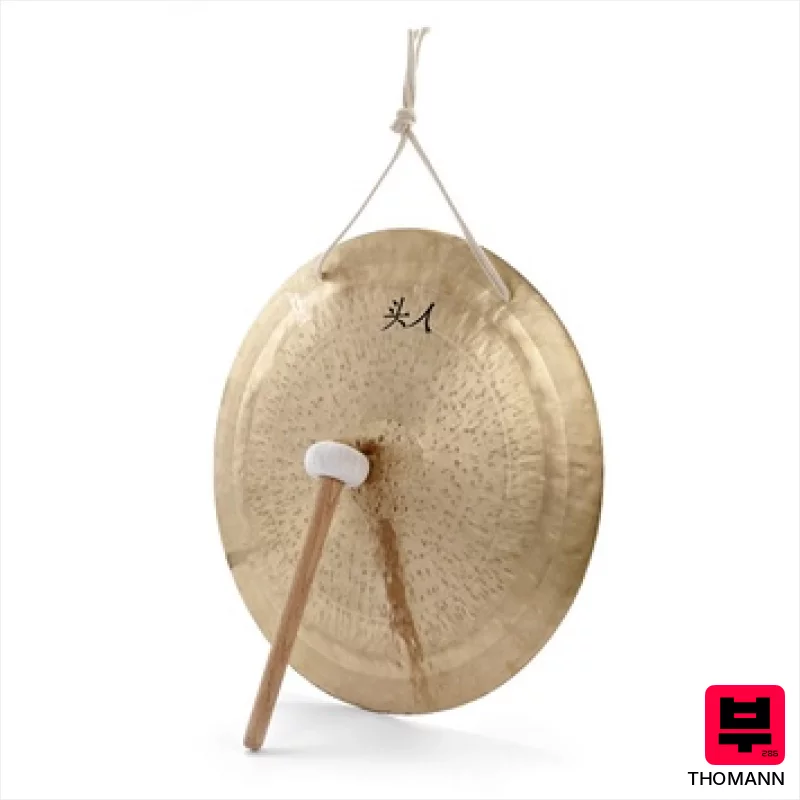
Thomann Wind Gong 65
- • Deep, resonant tones provide a truly atmospheric soundscape.
- • Handmade construction ensures a unique character and tonal complexity.
- • 65cm diameter offers a substantial and impactful sonic presence.
- • Wuhan craftsmanship delivers a surprisingly high level of build quality for the price.
- • The weight (nearly 12.5 lbs) makes transport and mounting challenging.
- • Lack of a dedicated stand requires a separate purchase, adding to overall cost.
- • Tonal variation due to handmade nature might not suit all studio precision needs.
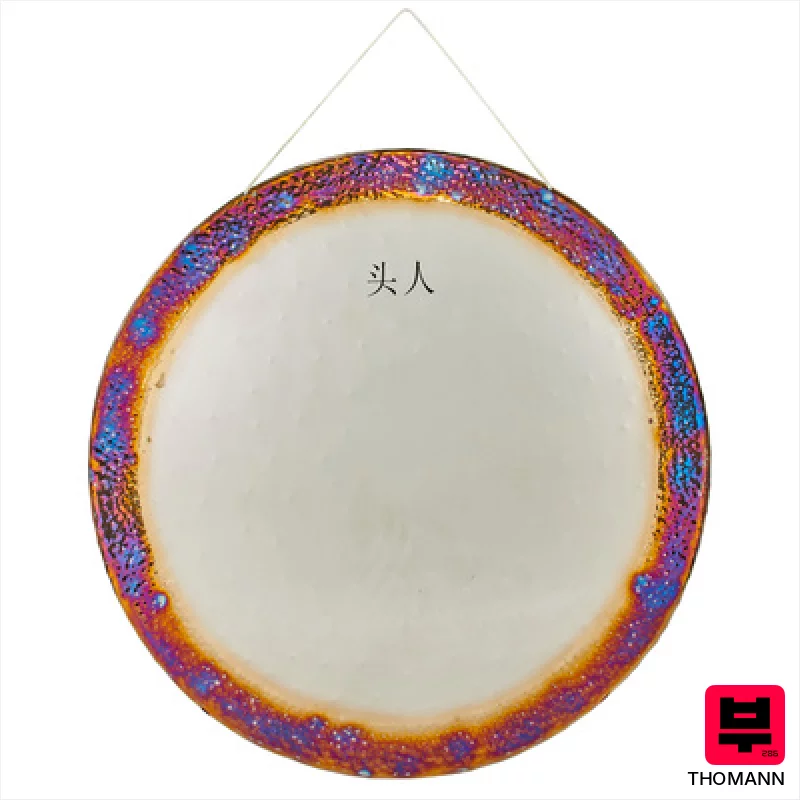
Thomann Tam Gong 44" ES
- • Stainless steel construction provides a bright, sustained resonance.
- • Handmade process ensures unique tonal characteristics and subtle variations.
- • Large 44” diameter maximizes low-frequency vibrations and projection.
- • Relatively affordable entry point into the world of large gongs.
- • Stainless steel can be prone to unwanted overtones if not dampened.
- • Size and weight make it challenging for smaller spaces or solo performers.
- • Lacks the complexity and depth of higher-end, traditionally-made bronze gongs.
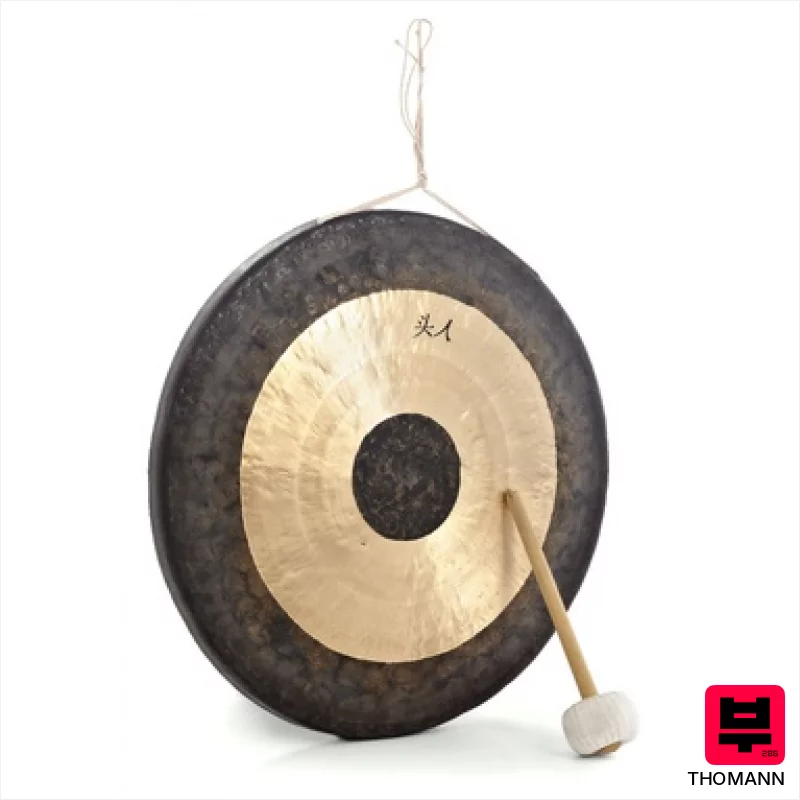
Thomann Wuhan Tam Tam 125
- • Massive, resonant low frequencies ideal for orchestral scoring and soundscapes.
- • Hand-hammered construction delivers a complex, evolving wash of sound.
- • Large diameter (50in) provides exceptional projection and sustain.
- • Wuhan craftsmanship ensures a consistent level of quality within the Tam Tam family.
- • Significant weight (approx. 33kg) necessitates a robust and stable mounting system.
- • Limited versatility; primarily suited for atmospheric and meditative applications.
- • The ‘may vary’ note suggests potential inconsistencies in timbre and appearance.
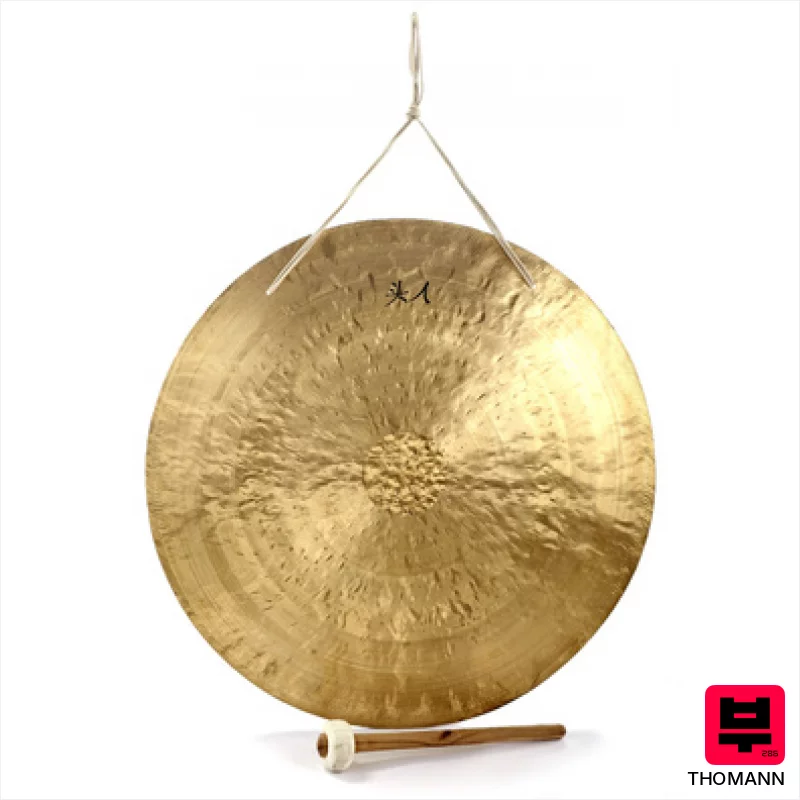
Thomann Wind Gong 110
- • Exceptional sustain and resonance for meditative and atmospheric soundscapes
- • Handmade construction ensures unique tonal character and subtle variations
- • Large 110 cm diameter produces a powerful, enveloping sonic wash
- • Solid, functional stand provides stable support for the substantial gong
- • The sheer size and weight make transport and setup challenging for one person
- • Handmade nature means tonal consistency is less predictable than mass-produced gongs
- • Limited versatility; primarily suited for ambient, new age, and experimental music
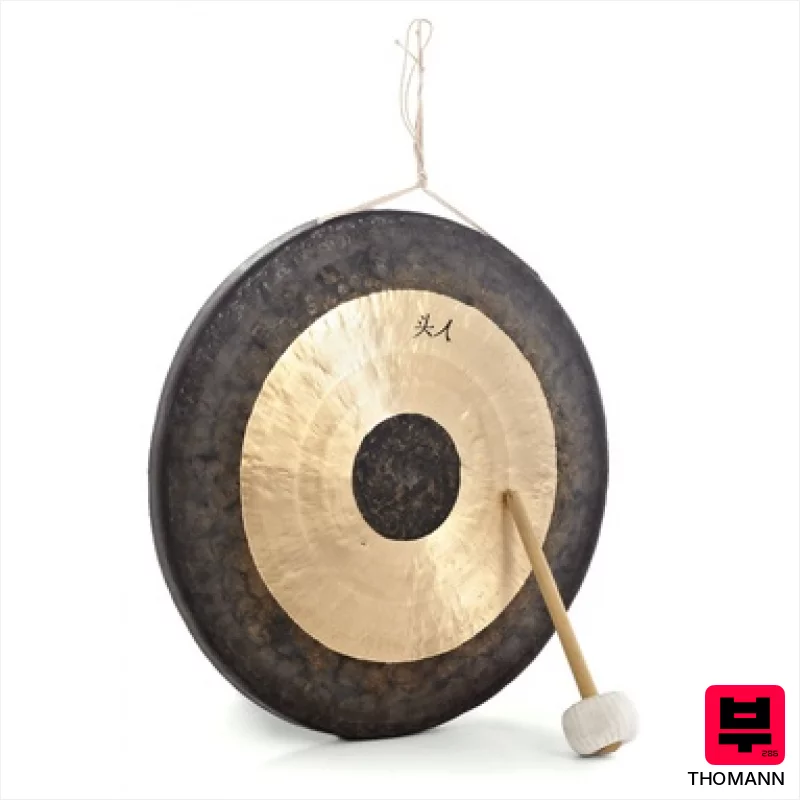
Thomann Wuhan Tam Tam 110
- • Deep, resonant tones ideal for orchestral and meditative applications
- • Handmade construction ensures unique sonic character and subtle variations
- • Large 110 cm diameter maximizes low-frequency response and sustain
- • Wuhan-forged bronze delivers a rich, complex harmonic profile
- • Significant weight (approx. 28 kg) necessitates a robust and stable mounting solution
- • Large size limits portability and storage space significantly
- • Highly specialized instrument, less versatile than standard cymbals
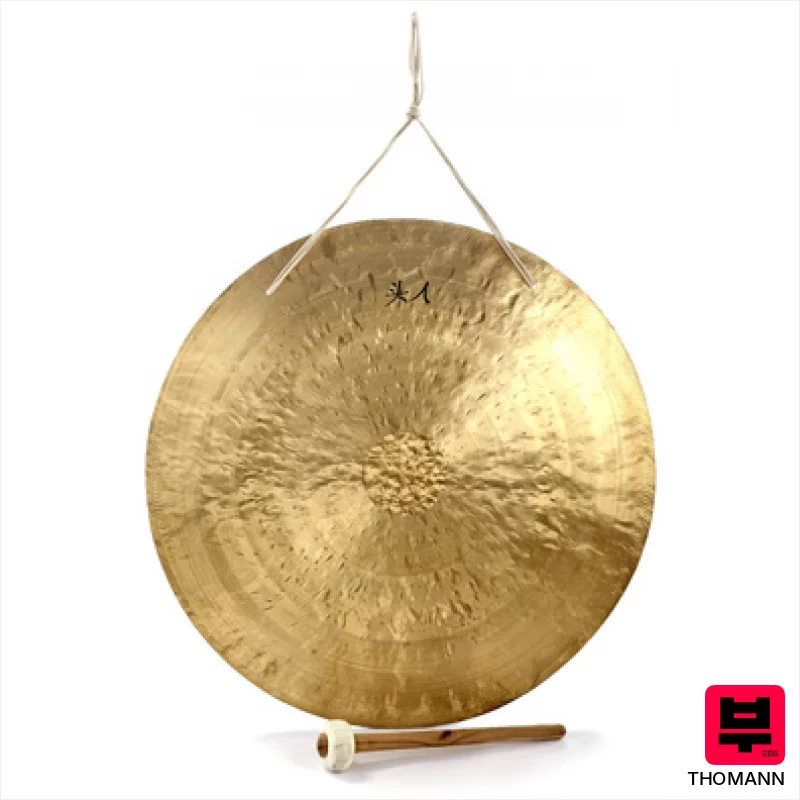
Thomann Wind Gong 100
- • Deep, resonant tones create a truly atmospheric soundscape.
- • Handmade construction ensures a unique character and tonal complexity.
- • Large 100cm diameter maximizes sustain and low-frequency response.
- • Wuhan production offers a balance of quality and value for the size.
- • Significant weight (17kg) makes transport and setup challenging.
- • The tonal variation note is a factor – some may find it unpredictable.
- • Requires a substantial, stable stand – not included in the price.
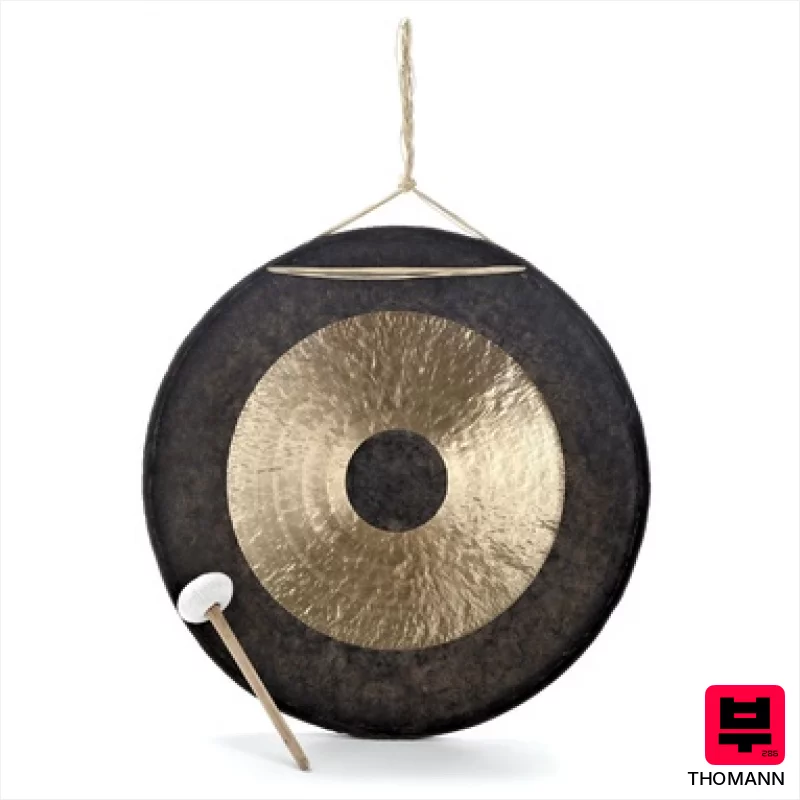
Thomann Wuhan Tam Tam 140
- • Massive, resonant low-frequency tones ideal for orchestral scores and soundscapes.
- • Hand-hammered construction delivers complex overtones and a uniquely organic feel.
- • Wuhan’s bronze alloy provides a rich, dark timbre with surprising dynamic range.
- • The substantial 140cm diameter creates a truly immersive and powerful sonic experience.
- • The extreme weight (48 kg) requires a dedicated, robust stand and two people to move.
- • Its very focused sonic character limits versatility outside of atmospheric or meditative contexts.
- • The handmade nature means tonal variations are significant between individual units.
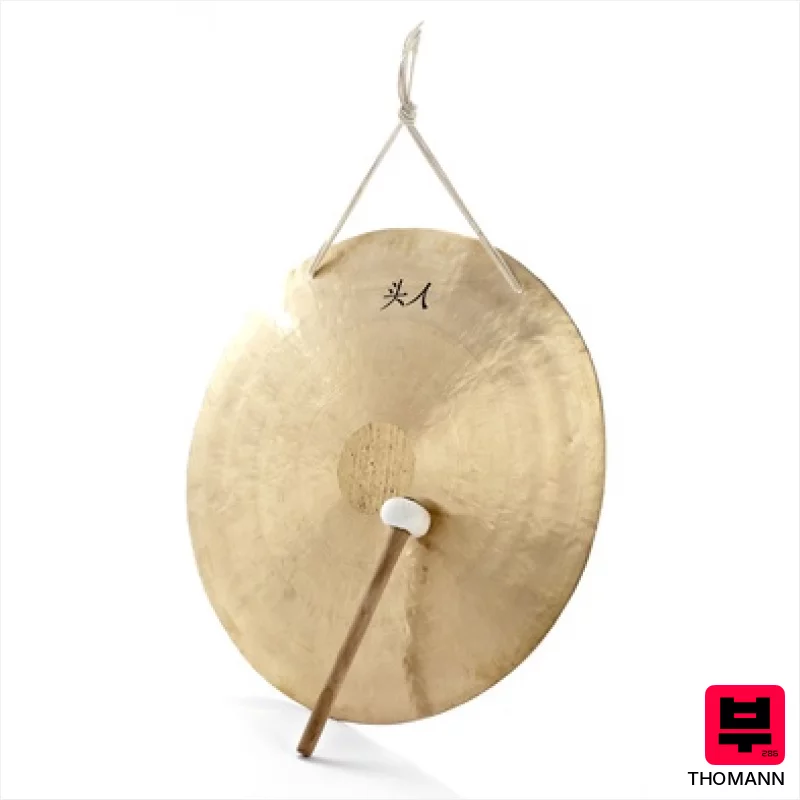
Thomann Wind Gong 80
- • Deep, resonant tone achieved through careful hammering techniques.
- • Large 32in diameter maximizes sustain and sonic complexity.
- • Handmade construction ensures unique tonal character and subtle variations.
- • Wuhan-made gongs offer a strong reputation for quality and value.
- • Significant weight (over 23 lbs) makes transport and mounting challenging.
- • Lacks a dedicated stand; requires separate purchase for mounting.
- • Handmade nature means tonal inconsistencies are possible between individual units.
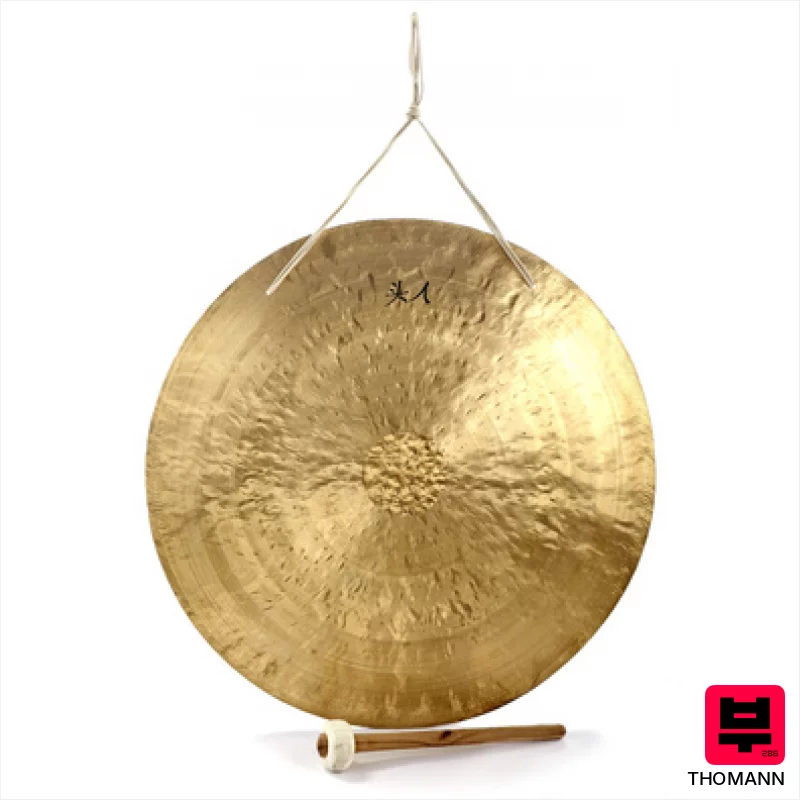
Thomann Wind Gong 130
- • Massive, resonant fundamental tone with complex overtones.
- • Handmade construction ensures unique character and tonal variation.
- • Large 130cm diameter maximizes sustain and wash.
- • Wuhan bronze provides a warm, rich, and powerful sonic palette.
- • The sheer size and weight (33 kg) makes handling and transport challenging.
- • Limited tonal versatility compared to more complex percussion instruments.
- • High-end price point puts it out of reach for many casual percussionists.
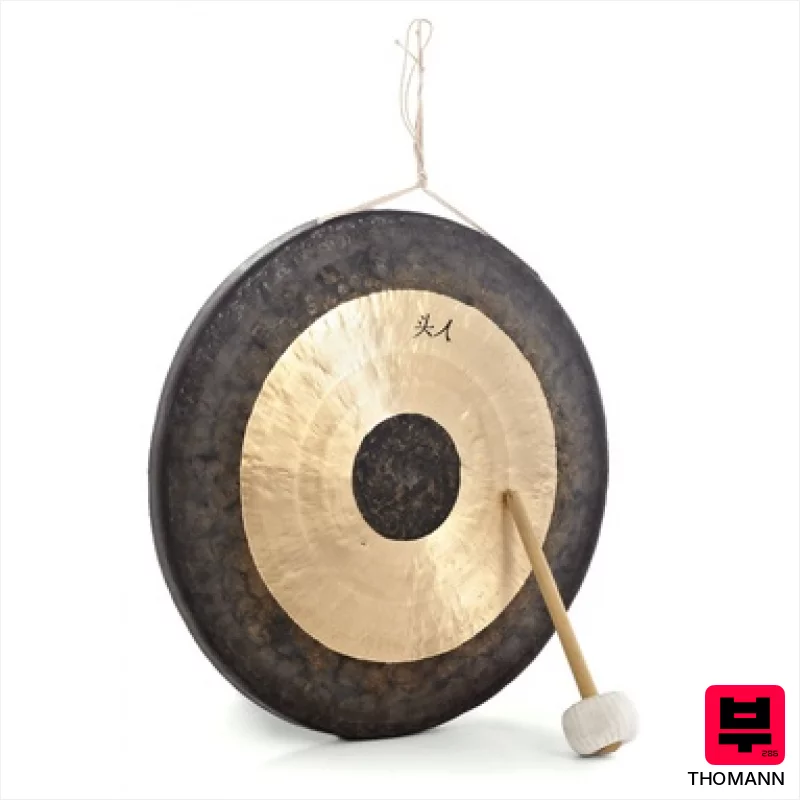
Thomann Wuhan Tam Tam 105
- • Deep, resonant tones suitable for orchestral and meditative settings
- • Handmade construction ensures unique tonal character and slight imperfections
- • Large 105 cm diameter maximizes low-frequency response and sustain
- • Wuhan-forged bronze provides a warm, earthy timbre characteristic of the region
- • Significant weight (24 kg) necessitates a sturdy stand and careful handling
- • Limited versatility; primarily suited for specific musical and therapeutic applications
- • The raw, handmade finish may require occasional maintenance to prevent oxidation
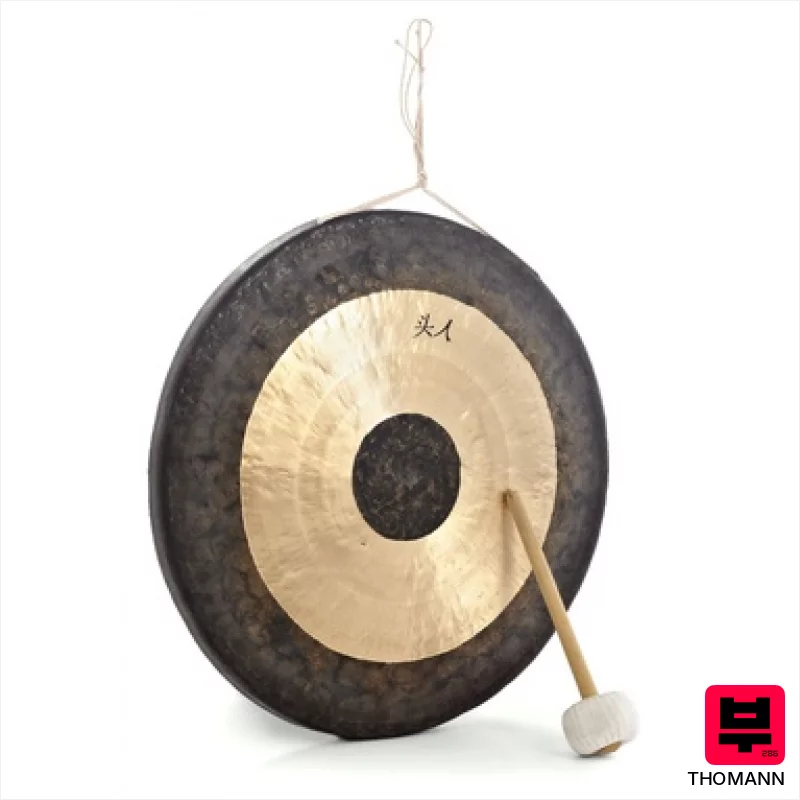
Thomann Wuhan Tam Tam 120
- • Produces incredibly deep, resonant tones suitable for orchestral scoring.
- • Handmade construction ensures unique tonal characteristics and visual appeal.
- • Large 120cm diameter maximizes sustain and complexity of overtones.
- • Wuhan production offers a solid balance of quality and value within its class.
- • Its substantial weight (31 kg) demands a robust and dedicated stand.
- • The handmade nature means tonal variation is significant; consistency is limited.
- • Limited versatility outside of orchestral, meditative, or therapeutic contexts.
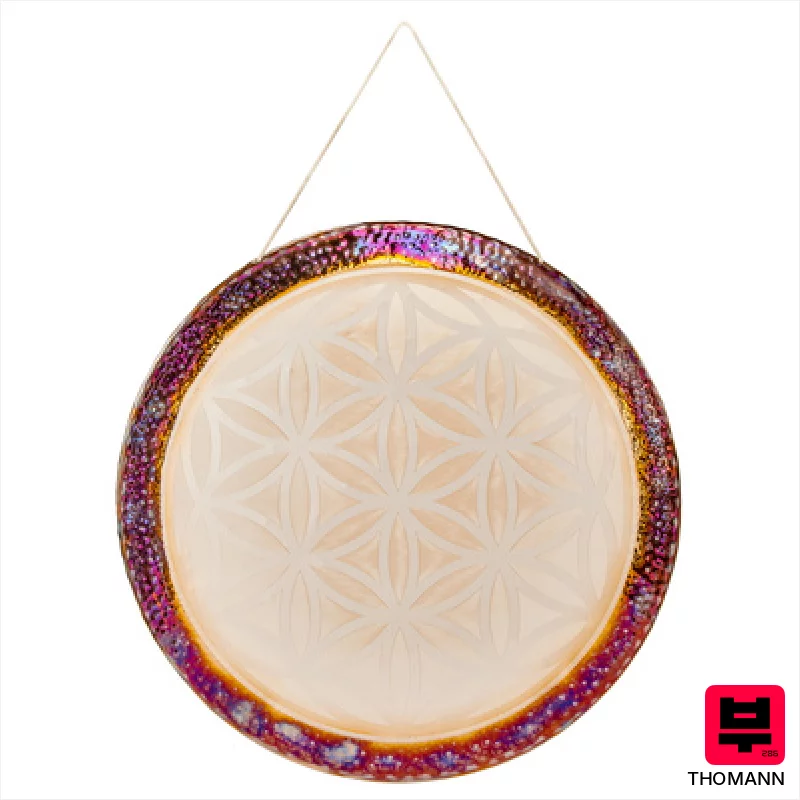
Thomann Tam Gong 36" Flower of Life
- • The stainless steel construction provides a bright, sustained resonance.
- • Large 36” diameter maximizes the gong’s sonic projection and depth.
- • Handmade nature ensures a unique tonal character and attention to detail.
- • Flower of Life engraving adds a visually striking and spiritually resonant element.
- • Stainless steel can be unforgiving, lacking the warmth of bronze gongs.
- • The substantial weight makes it challenging to mount and maneuver.
- • Limited tonal versatility compared to more complex gongs or orchestral chimes.
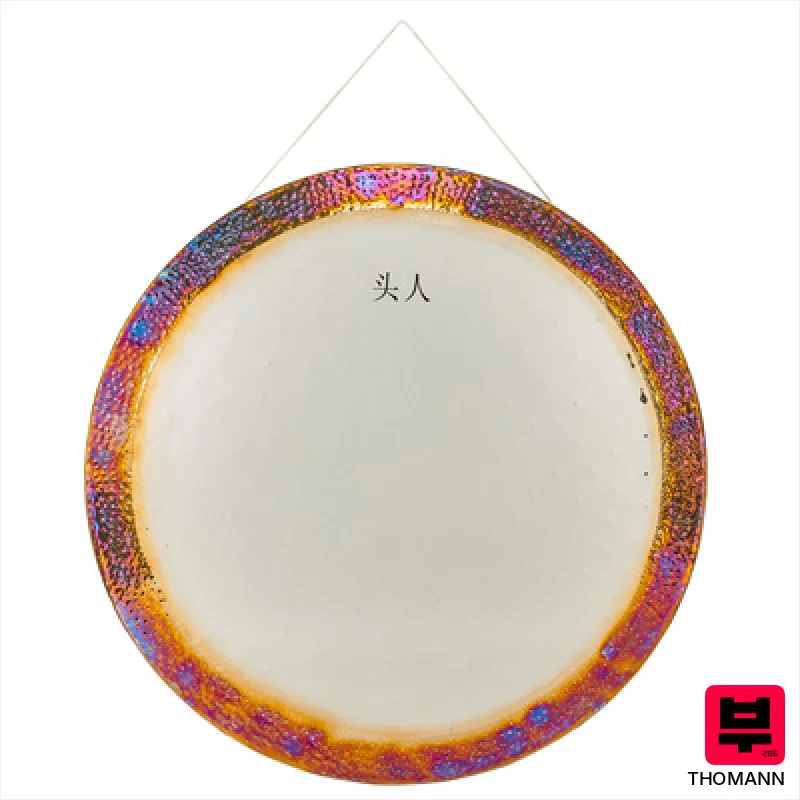
Thomann Tam Gong 52" ES
- • Massive, resonant low-frequency sustain ideal for meditative and cinematic soundscapes.
- • Stainless steel construction provides a bright, shimmering overtone complexity.
- • Handmade process ensures a unique tonal character and subtle variations.
- • 52” diameter maximizes the gong's potential for powerful, room-filling vibrations.
- • Significant weight makes handling and mounting challenging without proper equipment.
- • Limited tonal versatility; excels in specific applications, less adaptable for diverse genres.
- • Stainless steel's inherent brightness may require careful dampening for certain mixes.
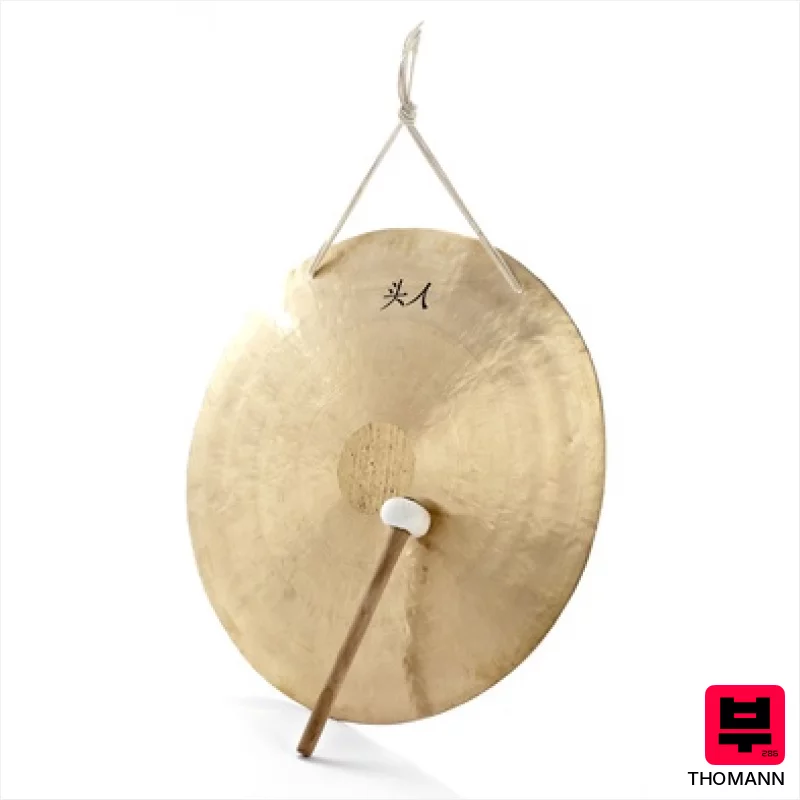
Thomann Wind Gong 90
- • Deep, resonant tones ideal for meditative and atmospheric soundscapes
- • Handmade construction ensures unique tonal character and subtle variations
- • 90cm diameter produces a substantial and powerful wash of sound
- • Wuhan-made bronze offers a warm, complex harmonic profile.
- • Significant weight (14kg) makes transport and setup challenging for some
- • Limited dynamic range compared to more expensive, finely tuned gongs
- • Handmade nature means consistency across multiple units can vary.
How to Choose the Best Gongs
Tonal Character
Orchestral gongs need a complex, evolving tone - not just a single, sustained pitch. Look for gongs that have a 'wash' of overtones, a blend of shimmering highs and a subtle low-end presence. A pure, single tone is great for some things, but not what you want for orchestral color.
Sustain & Decay
A good orchestral gong should have a long, controlled decay - enough to create a sense of atmosphere, but not so long that it muddies the mix. The decay needs to be musical, not just a drawn-out ring. Think about how it'll blend with string pads and woodwinds.
Size & Weight
Larger gongs (30" and up) generally offer more complexity and a deeper fundamental, but they're also harder to control and transport. The weight affects the initial attack and how easily you can manipulate the sound. Finding a balance for your ensemble's needs is key.
Material & Manufacturing
Traditionally, bronze (often a mix of copper and tin) is the gold standard. The manufacturing process - hammering versus casting - significantly impacts the gong's tonal characteristics. Hammered gongs tend to be more complex and 'organic' sounding, while cast gongs can be more focused.
Articulation & Dynamics
Can you coax a wide range of sounds from the gong? Can you get subtle whispers and powerful crashes? The gong's responsiveness to different striking points and mallets is crucial for versatility.
Buying Guide
Don't be fooled by cheap, mass-produced gongs - they often lack tonal complexity and have a harsh, brittle sound. Investing in a well-made, traditionally-crafted gong from a reputable manufacturer (like Paiste, Adamist Gongs, or Burke Gongs) is worth it. Be wary of gongs claiming to be 'antique' - many are fakes. Listen to sound samples and try to hear them in person if possible; a recording can't always capture the full sonic character.
Our Methodology
We're not just looking at specs here. We've spent hours playing these gongs, comparing them side-by-side in a rehearsal space and even running some into a basic recording setup to hear how they translate. Our evaluations are based on how they perform in realistic orchestral scenarios, not just how they look in a catalog photo.

