
Best General Power Amps for Live Sound 2026
So, you're looking for a general-purpose power amp for live sound? Forget the marketing hype - you need something that'll deliver clean headroom, handle a variety of instruments and vocal setups, and not blow your monitors. This isn't about bedroom practice; this is about getting a gigging band to sound good in a club or a small venue, and that demands a power amp that can actually do the job. Let's cut through the noise and talk about what matters.
Last updated: July 22, 2026 • Next update: July 29, 2026
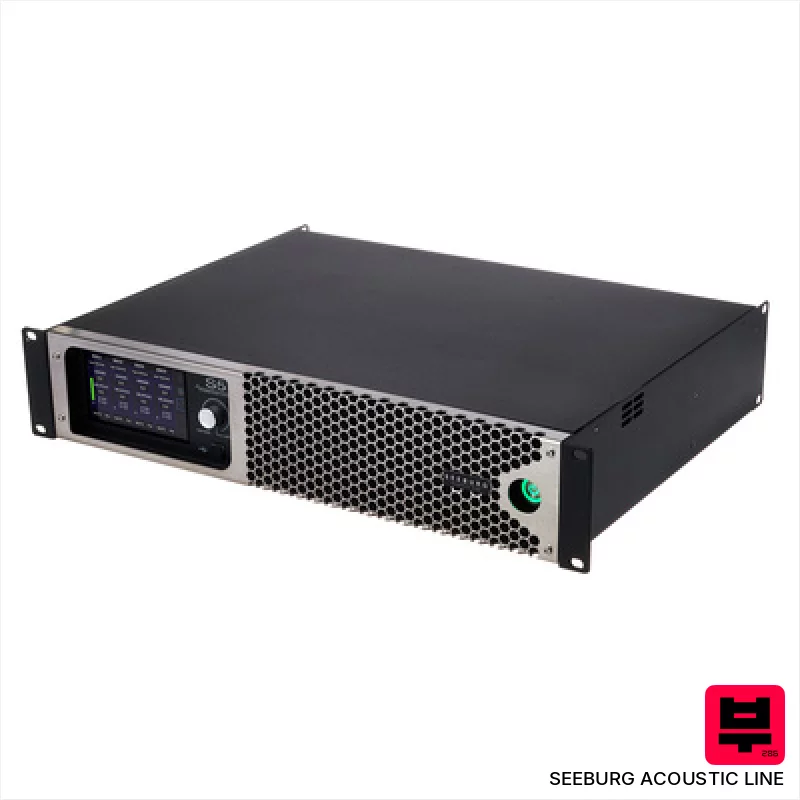
Seeburg Acoustic Line S 5
- • Excellent power density for a Class-D amp, surprisingly lightweight.
- • DSP offers serious flexibility for shaping your sound.
- • AES3 and RJ45 inputs provide versatile connectivity options.
- • Intelligent power sharing protects speakers from asymmetrical loads.
- • 2U height might limit rack space in some setups.
- • Price point positions it as a premium investment.
- • RJ45 connectivity might require adapters for some users.
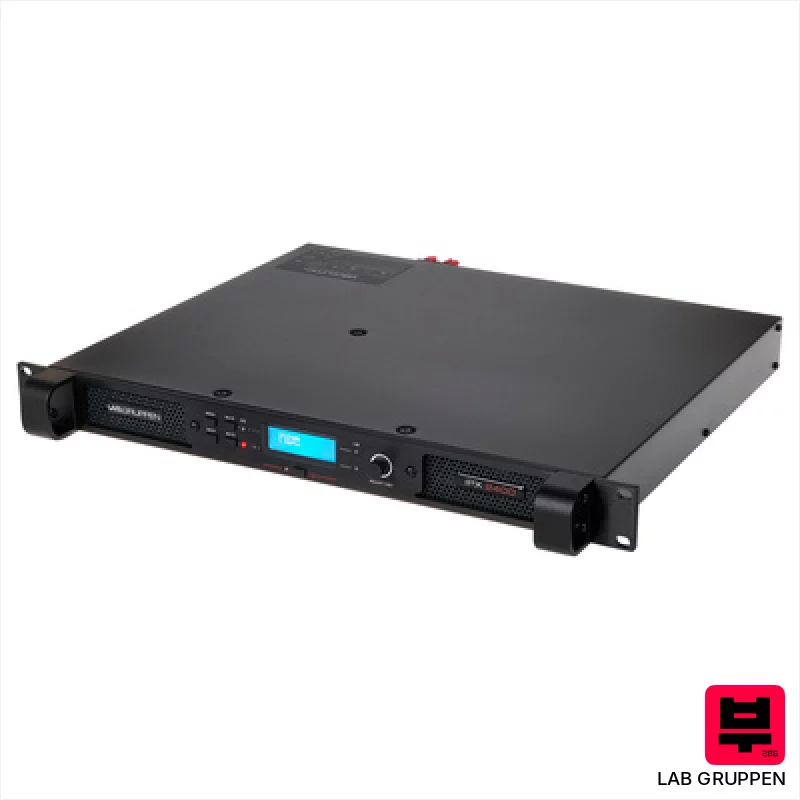
LAB Gruppen IPX 2400
- • Exceptional clean power; handles demanding transients effortlessly.
- • Integrated DSP offers precise control over system tuning.
- • Compact 1U design maximizes rack space utilization.
- • Robust construction; feels incredibly solid and reliable.
- • IPX Controller software can have a steep learning curve initially.
- • Limited analog input options compared to some competitors.
- • Premium-priced, requiring a significant investment.
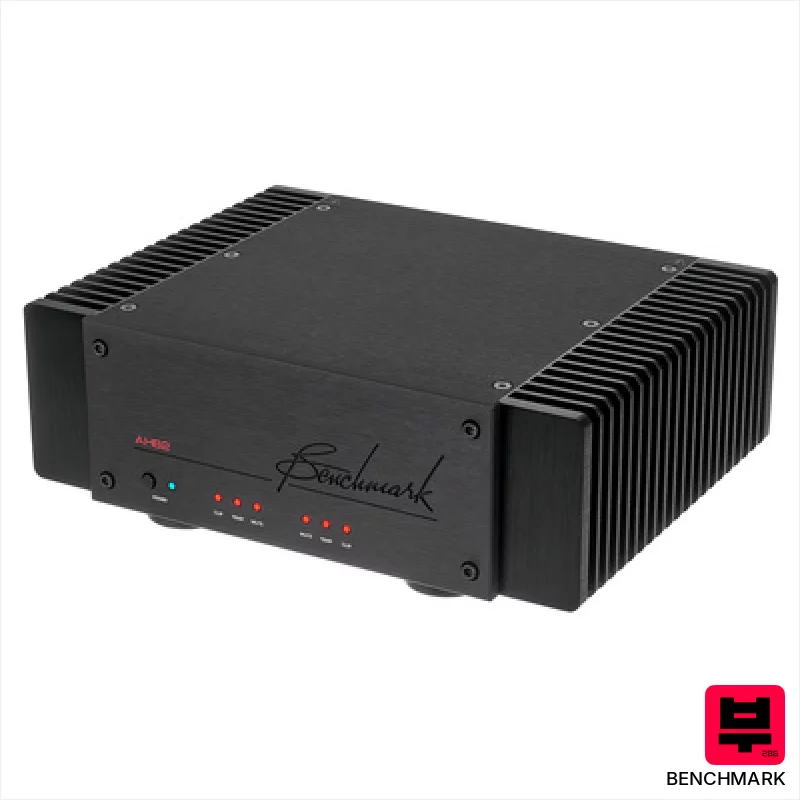
Benchmark AHB2 Black
- • Exceptional dynamic range delivers pristine, transparent audio reproduction
- • THX-AAA technology minimizes distortion for incredibly clean power
- • Robust bipolar output stage provides headroom for demanding applications
- • Compact desktop design maximizes flexibility in studio or live environments
- • Premium-priced, representing a significant investment for many users
- • Passive cooling can be noisy under sustained high power demands
- • Limited connectivity compared to some larger format amplifiers
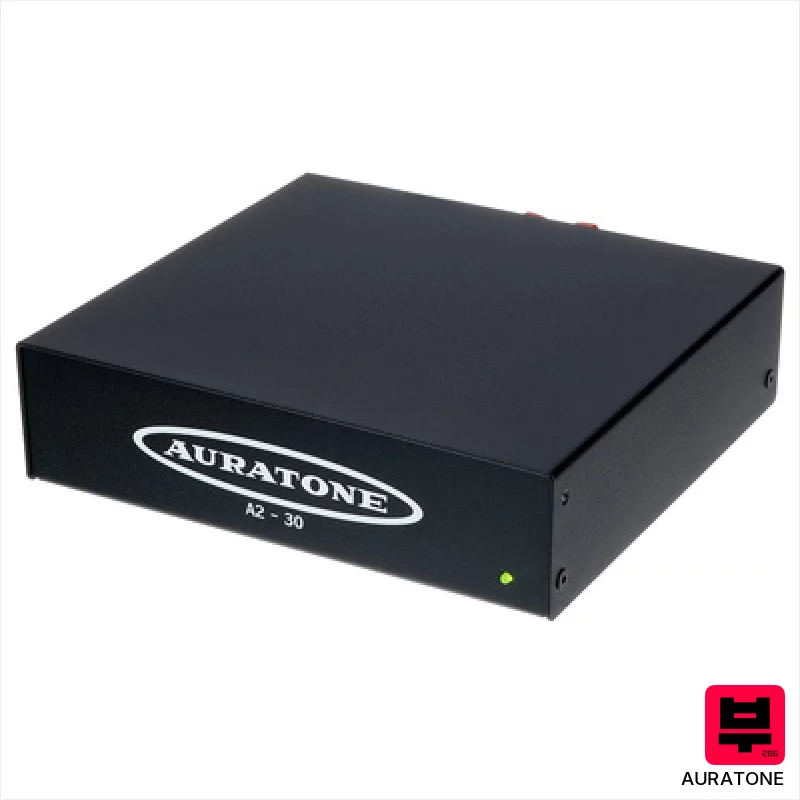
Auratone A2-30
- • Compact Class D design offers exceptional power efficiency.
- • Gold-plated connectors ensure reliable signal transfer and longevity.
- • Bettermaker collaboration suggests thoughtful engineering and sonic focus.
- • Low THD+N indicates clean, accurate amplification for critical listening.
- • Limited power output may not suit large-scale PA applications.
- • The 45mm height might pose rack space challenges in some setups.
- • Lacks advanced features like protection circuits beyond clip indication.
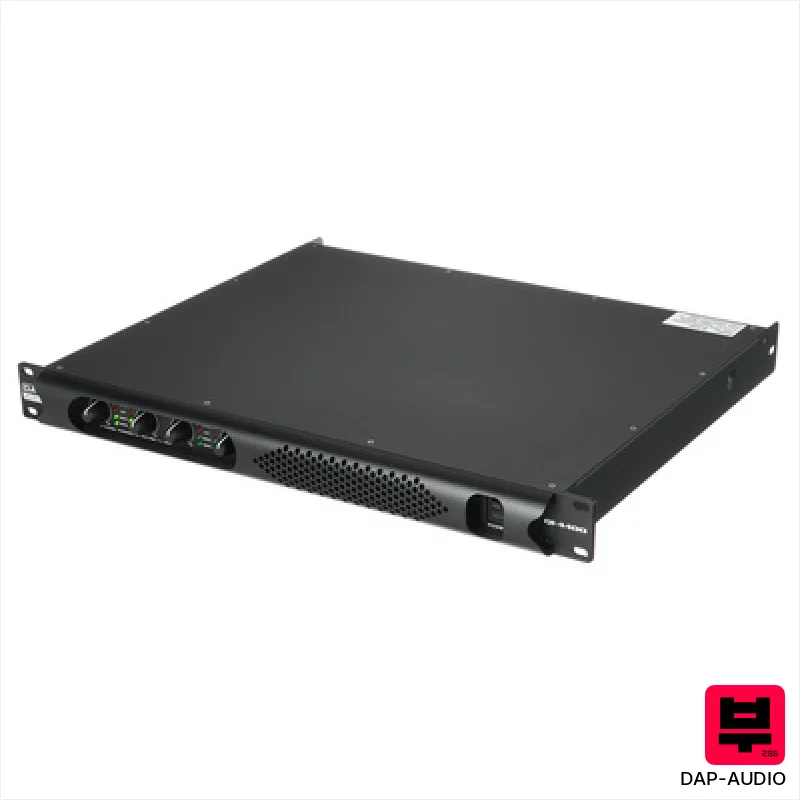
DAP-Audio Qi-4400
- • Robust 19'' steel housing provides excellent road-worthiness.
- • Class D design delivers impressive power efficiency and minimal heat.
- • Comprehensive protection circuitry safeguards against common amplifier failures.
- • Flexible bridging capability expands power output for subwoofers.
- • Limited headroom compared to higher-end Class A/B amplifiers.
- • The cooling fan, while quiet, could be louder in densely packed racks.
- • XLR inputs only restrict connectivity for some users.
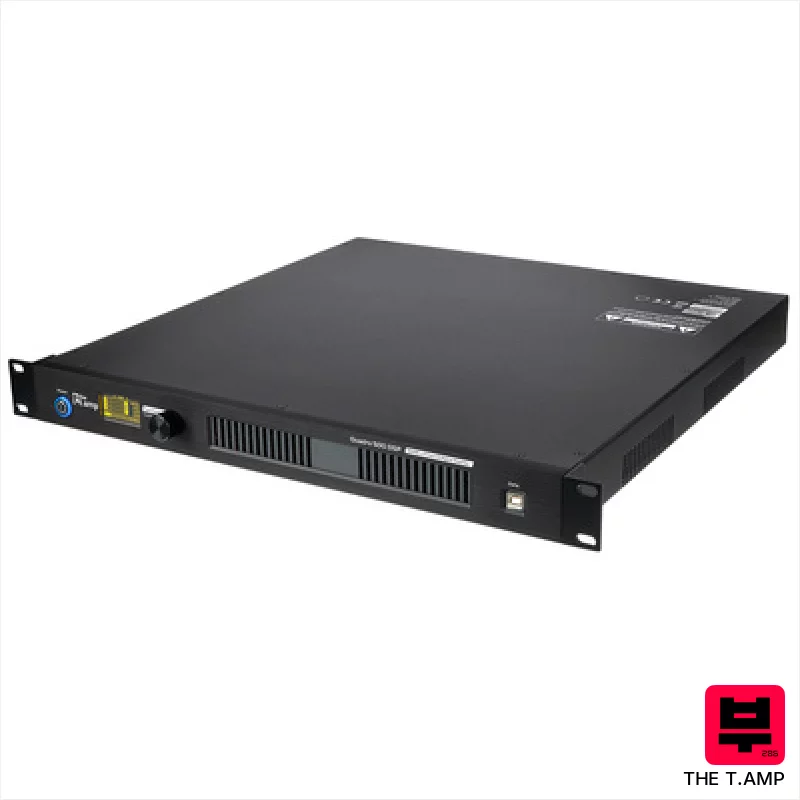
the t.amp Quadro 500 DSP
- • Excellent power density for a Class D amp, surprisingly clean headroom
- • Integrated DSP offers flexible routing and EQ options
- • Compact 1U form factor saves valuable rack space
- • Robust build quality; feels solid and ready for touring use
- • Limited connectivity beyond XLR inputs and speaker twists
- • DSP learning curve can be steep for less experienced users
- • Class D amps *can* exhibit minor hum under certain conditions
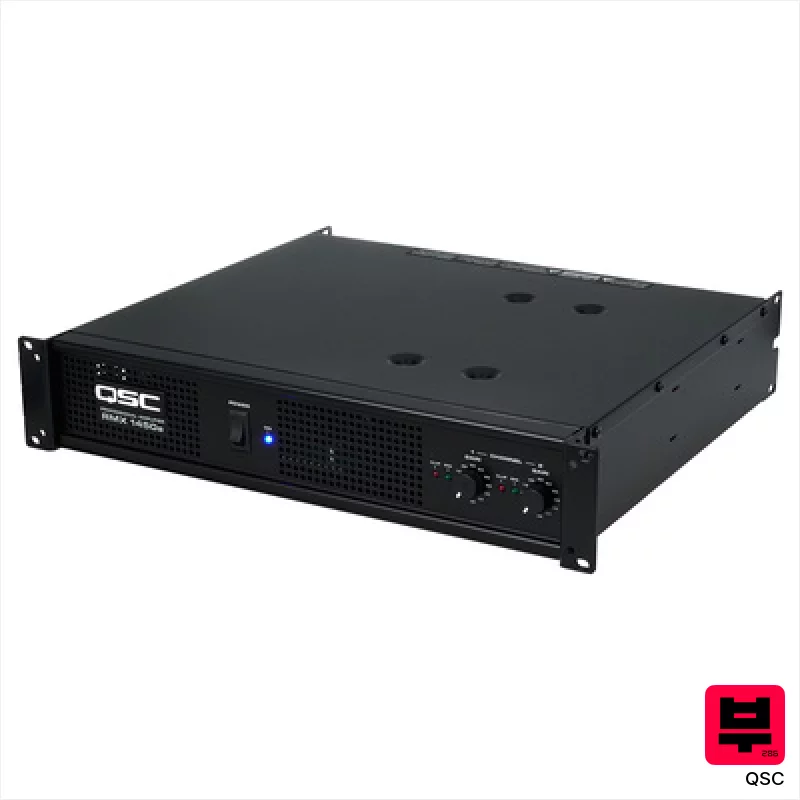
QSC RMX 1450a
- • Rock-solid build quality; feels like it's built to survive a tour.
- • Monoparallel mode delivers impressive power for demanding setups.
- • Excellent heat dissipation; runs cool even under heavy load.
- • Clean, powerful amplification; QSC's signature clarity and headroom.
- • Size and weight make rack mounting and transport challenging.
- • Limited routing options compared to more modern amplifiers.
- • Bridged mode power isn't as high as some competing models.
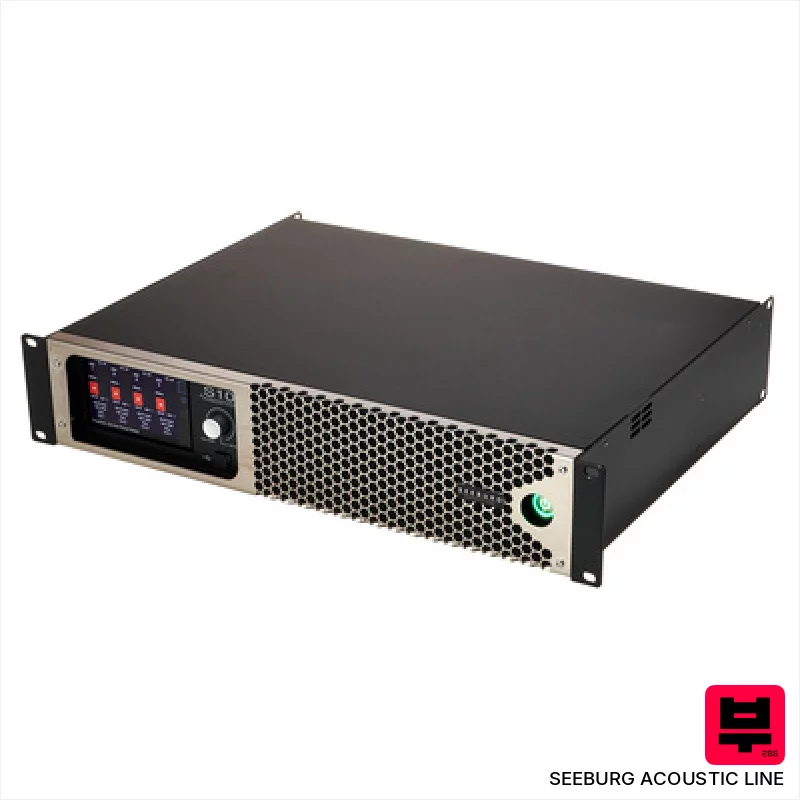
Seeburg Acoustic Line S 10
- • Impressive power density for a Class D amp, remarkably compact.
- • DSP offers excellent flexibility for shaping sound and protecting speakers.
- • AES3 and RJ45 connectivity provides versatile routing options.
- • Intelligent power sharing prevents damage when using mismatched speakers.
- • Price point places it firmly in the professional, high-end market segment.
- • 2U height might present rack space limitations for some users.
- • RJ45 connectivity, while versatile, may require specific cabling and knowledge.
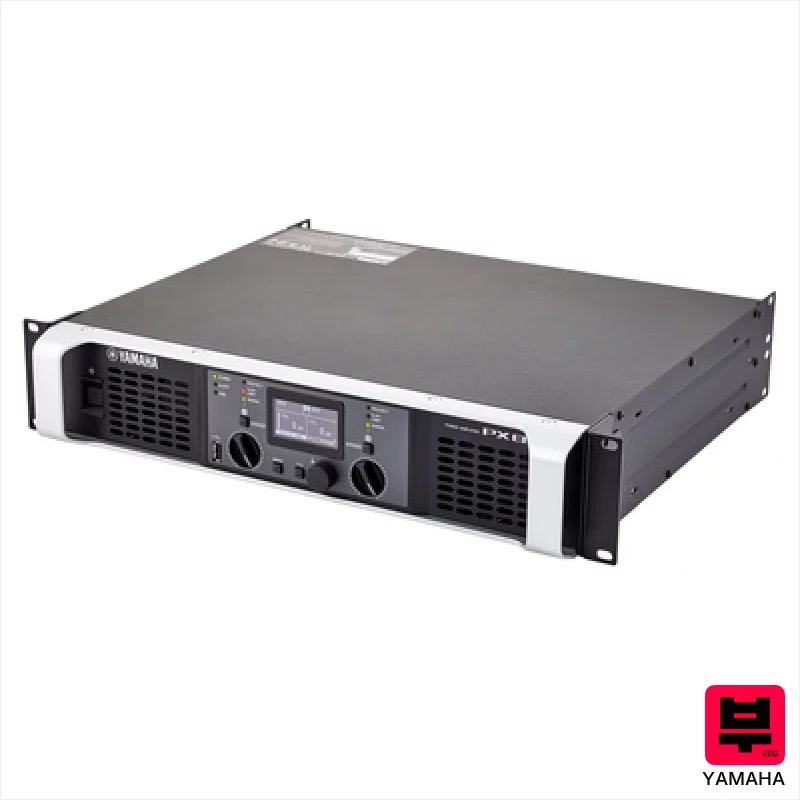
Yamaha PX8
- • Yamaha’s DSP offers precise loudspeaker tailoring for optimal results.
- • The 2U rackmount format is exceptionally compact for its power.
- • XLR and 1/4” inputs offer versatile connection options.
- • D-contour processing delivers a noticeable boost to transient response.
- • The lightweight design, while convenient, might feel less robust to some.
- • Limited headroom at very high SPLs compared to larger format amps.
- • Lack of fan control could be an issue in warmer environments.
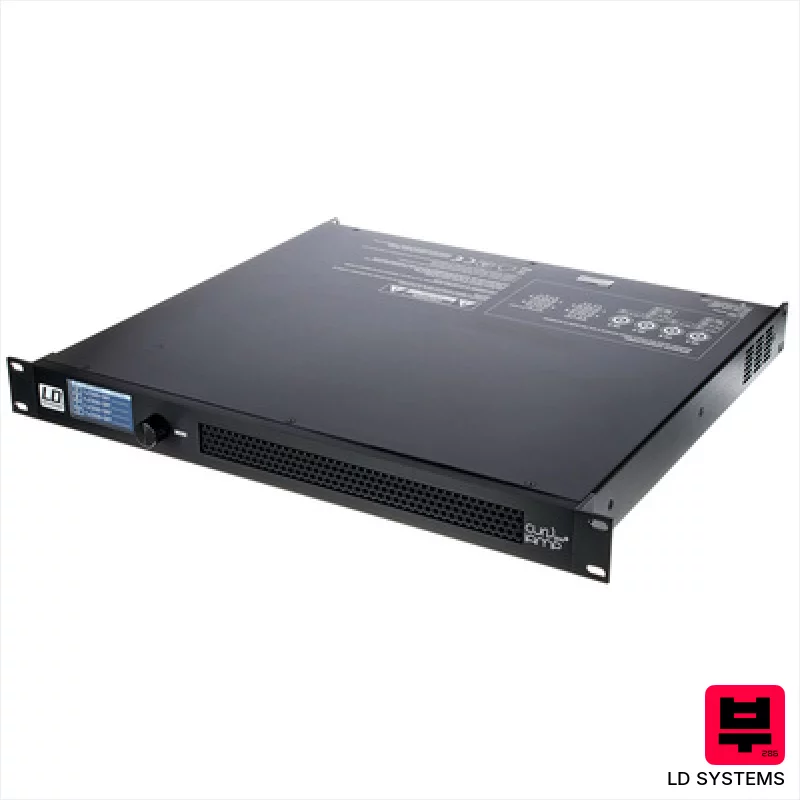
LD Systems Curv 500 IAMP
- • Excellent power efficiency thanks to Class-D design
- • OLED display provides clear, at-a-glance channel status
- • Compact 1U form factor ideal for tight rack spaces
- • Specifically designed for CURV 500 system integration simplifies setup
- • Limited flexibility for non-CURV 500 systems, a dedicated solution
- • Build quality feels a little plasticky for the price point
- • Lacks advanced routing or DSP features found in higher-end amps
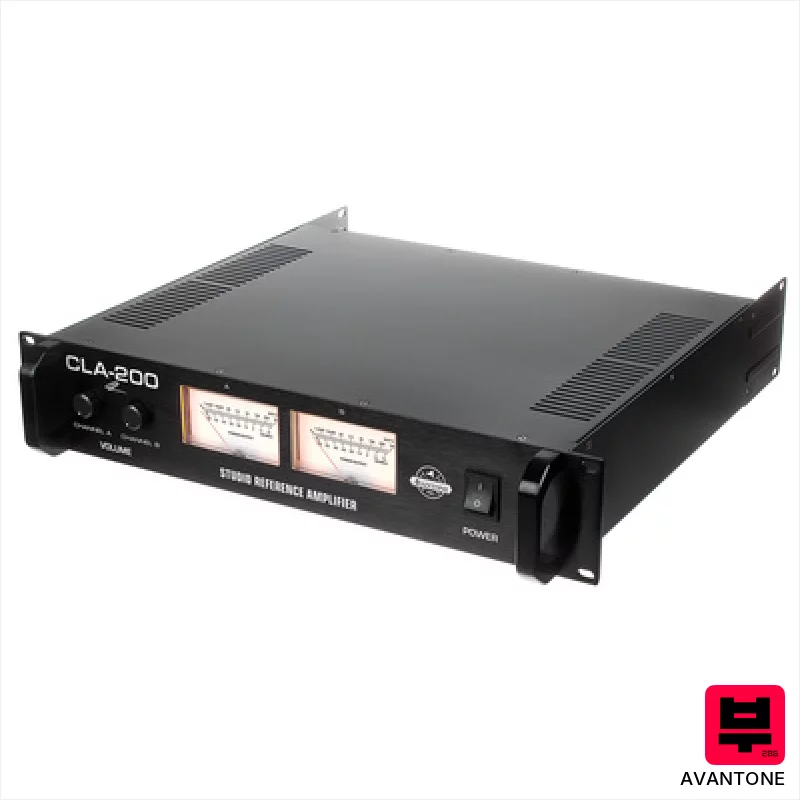
Avantone CLA-200
- • Robust convection cooling prevents thermal throttling during prolonged use
- • Clean, powerful Class AB amplification delivers a neutral, transparent sound
- • Compact 2U rackmount format maximizes studio space efficiency
- • Versatile connectivity options suit diverse speaker and system configurations
- • Limited headroom compared to higher-wattage amplifiers for demanding applications
- • Heavier than many competing amplifiers, posing installation challenges
- • Lack of advanced features like EQ or protection beyond basic safeguards
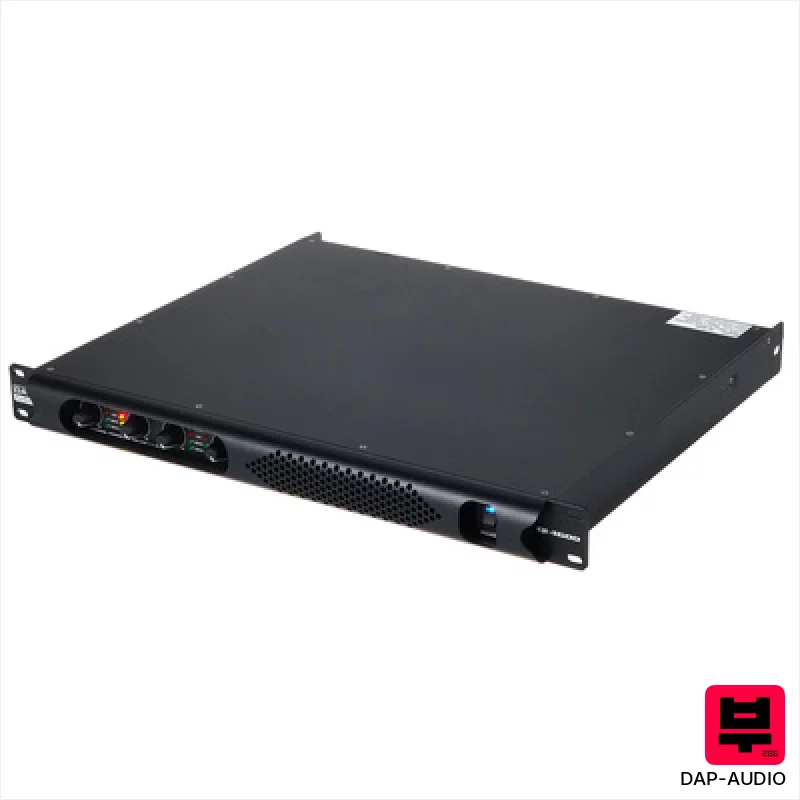
DAP-Audio Qi-4600
- • Robust 19" steel housing provides excellent roadworthiness and protection.
- • Digital Class D design offers exceptional efficiency and low heat generation.
- • Bridge mode delivers significant power for subwoofer applications and demanding setups.
- • Comprehensive protection circuitry minimizes risk of damage from common issues.
- • Limited connectivity beyond XLR inputs restricts integration with certain setups.
- • The 6.4 kg weight makes transportation somewhat cumbersome, especially for solo gigs.
- • While powerful, the clean headroom may be slightly lacking for very dynamic genres.
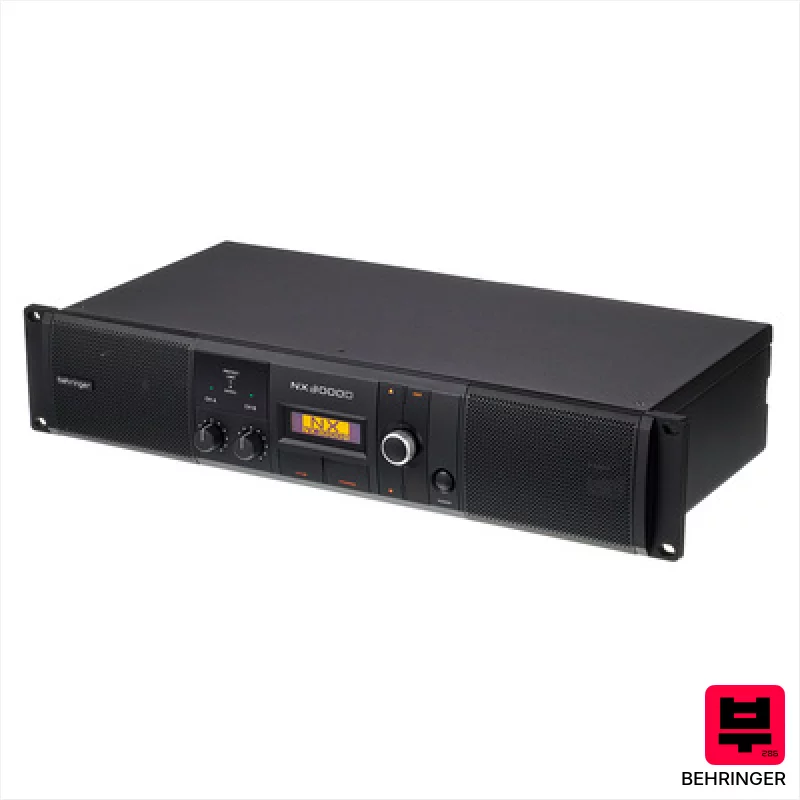
Behringer NX3000D
- • Impressive power density for its size, genuinely moves a lot of air.
- • DSP offers surprisingly useful, flexible processing options.
- • Class-D efficiency minimizes heat and power consumption.
- • Robust build quality for the price point, feels solid in a rack.
- • Behringer’s build quality, while improved, still feels a touch plasticky.
- • DSP interface could be more intuitive and user-friendly.
- • Limited headroom at extreme power levels – potential for clipping.
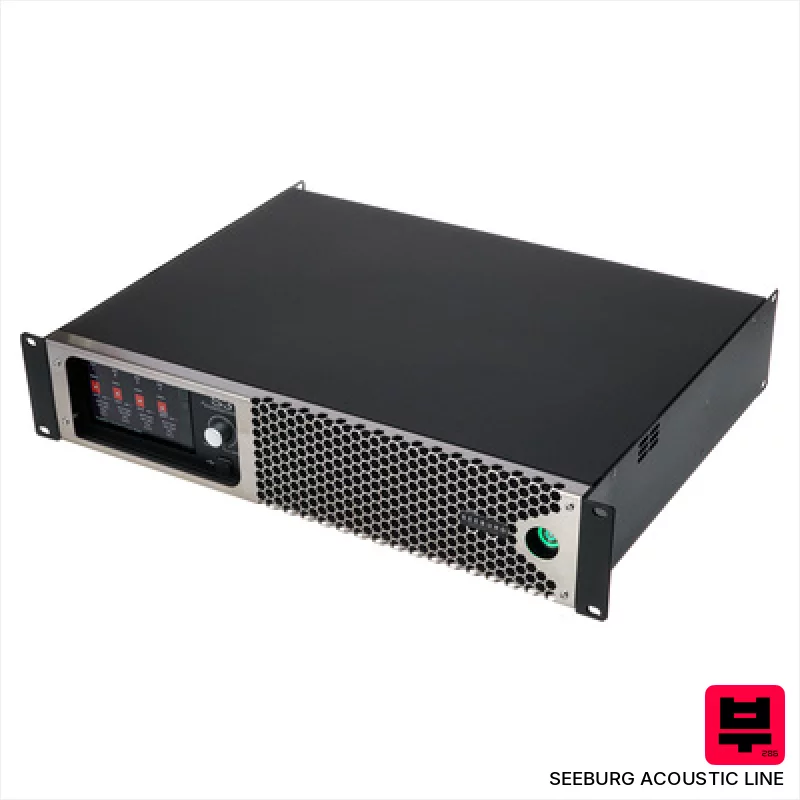
Seeburg Acoustic Line S 3
- • Robust Class D efficiency minimizes heat and power consumption.
- • AES3 and RJ45 inputs offer flexible digital connectivity options.
- • DSP with IIR/FIR filters provides precise tonal shaping capabilities.
- • Intelligent power sharing protects speakers with asymmetric loads.
- • The 2U height might pose rack space limitations in some setups.
- • Premium-priced, representing a significant investment for smaller operations.
- • RJ45 connectivity, while versatile, may require specific cabling.
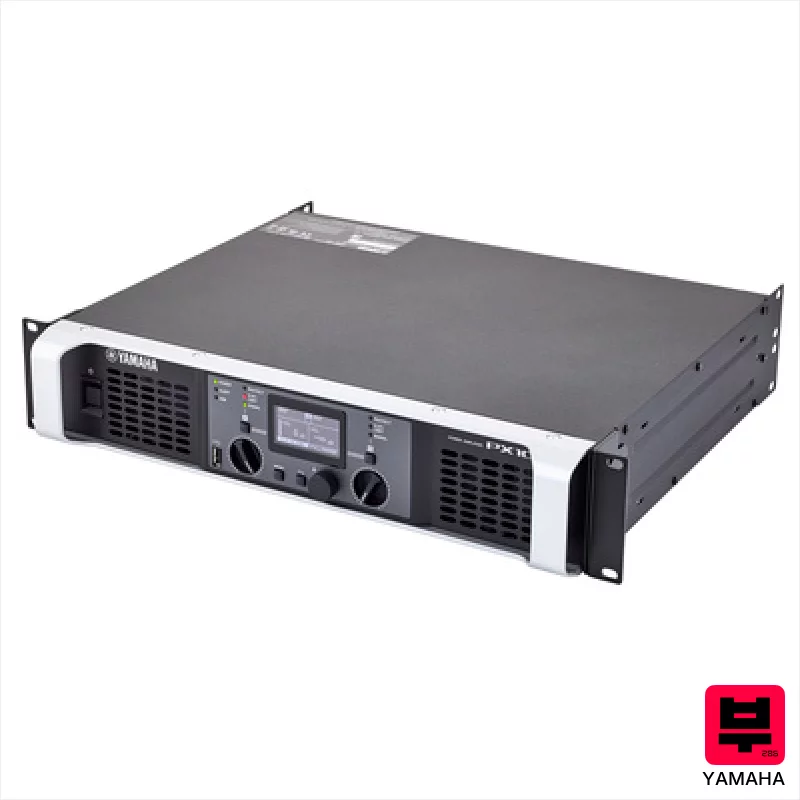
Yamaha PX10
- • Yamaha’s DSP offers incredible flexibility for speaker tuning.
- • The 2 Ohm stability is a huge advantage for demanding setups.
- • D-contour processing delivers a surprisingly musical, controlled sound.
- • Compact 2U rack height maximizes valuable rack space.
- • The weight, while manageable, still requires two people for safe transport.
- • Limited connectivity compared to some competitors in the price range.
- • The aesthetic is functional, but lacks a premium visual appeal.
How to Choose the Best General Power Amps
Headroom
This is non-negotiable for live sound. You need enough power to handle peaks without clipping, which introduces nasty distortion and can damage your speakers. Insufficient headroom leads to a compressed, muddy sound - nobody wants that.
Clean vs. Breakup
Most of the time, you want clean headroom. However, some amps have a pleasant, musical breakup when pushed hard, which can be useful for certain genres. Knowing when to use that is key.
Damping Factor
A higher damping factor (typically 200 or more) helps control speaker movement and delivers tighter, more articulate bass. It's crucial for avoiding a boomy, undefined low-end.
Connectivity & Routing
Multiple inputs (XLR, 1/4 inch), loop inserts for processing, and the ability to run in stereo or bridged mono are essential for flexibility in different live sound scenarios.
Reliability & Build Quality
Gigs happen in less-than-ideal conditions. A robust build and a reputation for reliability are worth their weight in gold when your sound system is the only thing keeping the band from getting booed off stage.
Buying Guide
Don't be fooled by wattage numbers alone. A 200W amp isn't always better than a 100W amp - it's about efficiency and headroom. Cheaper amps often cut corners on transformers or use lower-grade components, which can lead to noise and unreliable performance. Spending a little more upfront on a reputable brand with a good warranty will save you headaches and potential speaker damage down the road.
Our Methodology
We're not basing this on spec sheets; we've spent years playing gigs, recording, and A/B testing amps across different venues and setups. Our evaluations are based on real-world performance - how an amp handles dynamics, how it interacts with different speakers, and most importantly, how it sounds when you're actually pushing it through a PA system with a full band. We're listening for that clean, powerful low-end thump and how well instruments cut through the mix.

