
Best General Power Amps for Band 2026
Alright, so you're building a band rig and need a power amp. It's a critical piece - the heart of your sound. Too often, bands skimp here, and it shows: muddy lows, brittle highs, and a general lack of headroom that makes everything sound compressed and stressed. Let's find you something that'll actually let your band breathe and cut through a live mix.
Last updated: July 22, 2026 • Next update: July 29, 2026
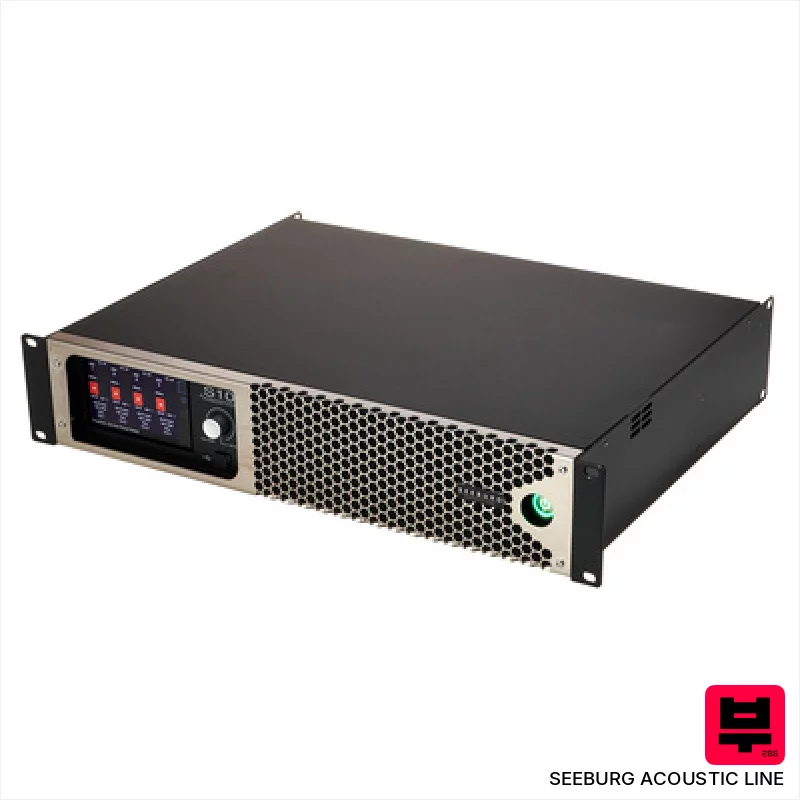
Seeburg Acoustic Line S 10
- • Impressive power density for a Class D amp, remarkably compact.
- • DSP offers excellent flexibility for shaping sound and protecting speakers.
- • AES3 and RJ45 connectivity provides versatile routing options.
- • Intelligent power sharing prevents damage when using mismatched speakers.
- • Price point places it firmly in the professional, high-end market segment.
- • 2U height might present rack space limitations for some users.
- • RJ45 connectivity, while versatile, may require specific cabling and knowledge.
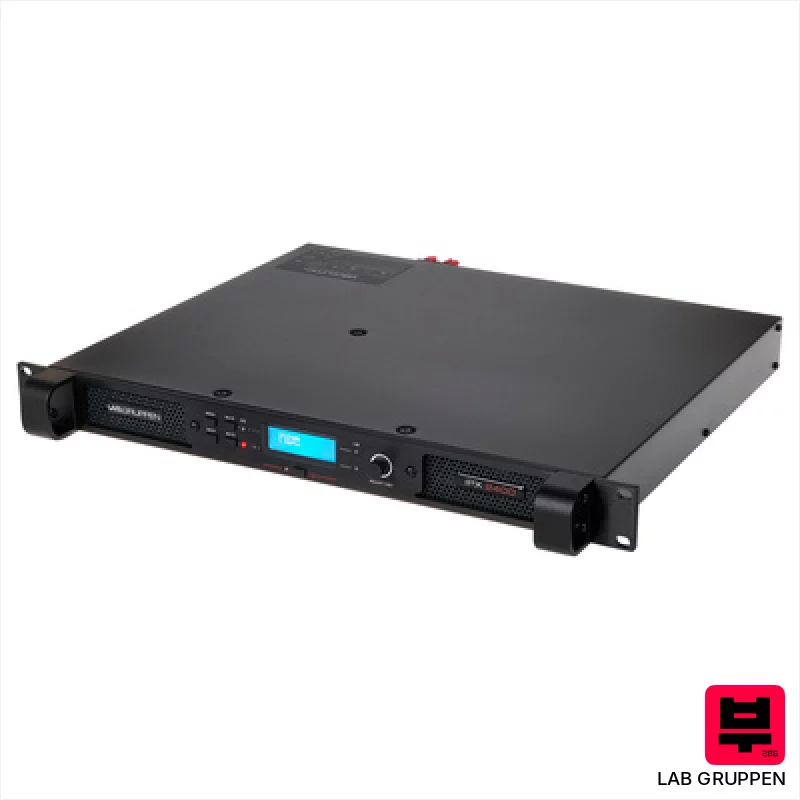
LAB Gruppen IPX 2400
- • Exceptional clean power; handles demanding transients effortlessly.
- • Integrated DSP offers precise control over system tuning.
- • Compact 1U design maximizes rack space utilization.
- • Robust construction; feels incredibly solid and reliable.
- • IPX Controller software can have a steep learning curve initially.
- • Limited analog input options compared to some competitors.
- • Premium-priced, requiring a significant investment.
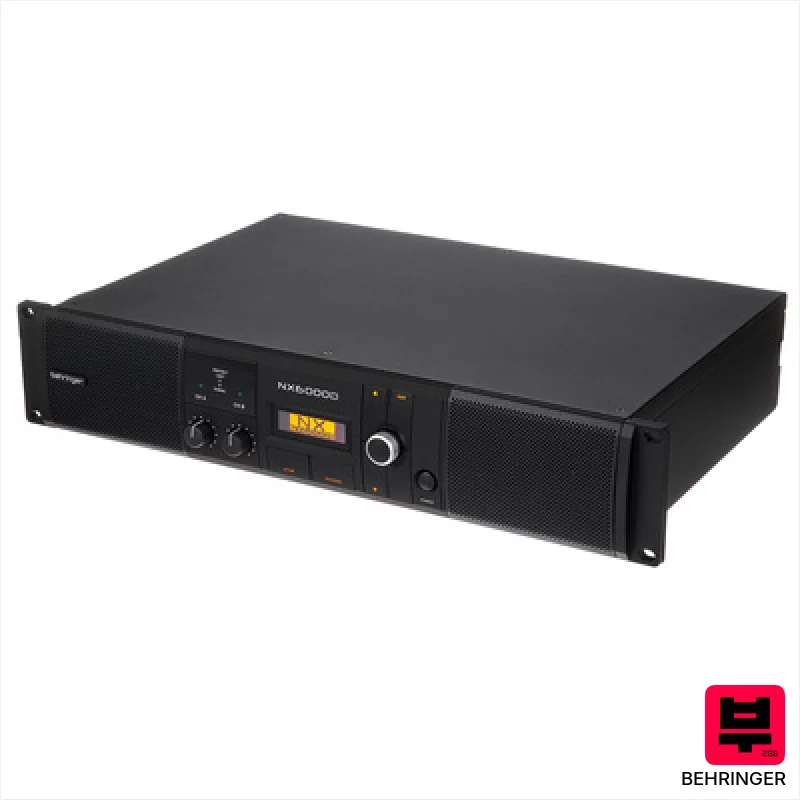
Behringer NX6000D
- • Impressive power density for its size; Class D efficiency minimizes heat
- • Built-in DSP offers significant flexibility for sound shaping
- • Compact 2U rack height saves valuable rack space
- • Robust speaker twist connectors handle heavy-duty cabling
- • Behringer’s build quality, while improved, still feels somewhat plasticky
- • DSP interface might be daunting for users unfamiliar with parametric EQ
- • Limited protection circuitry compared to higher-end amplifiers
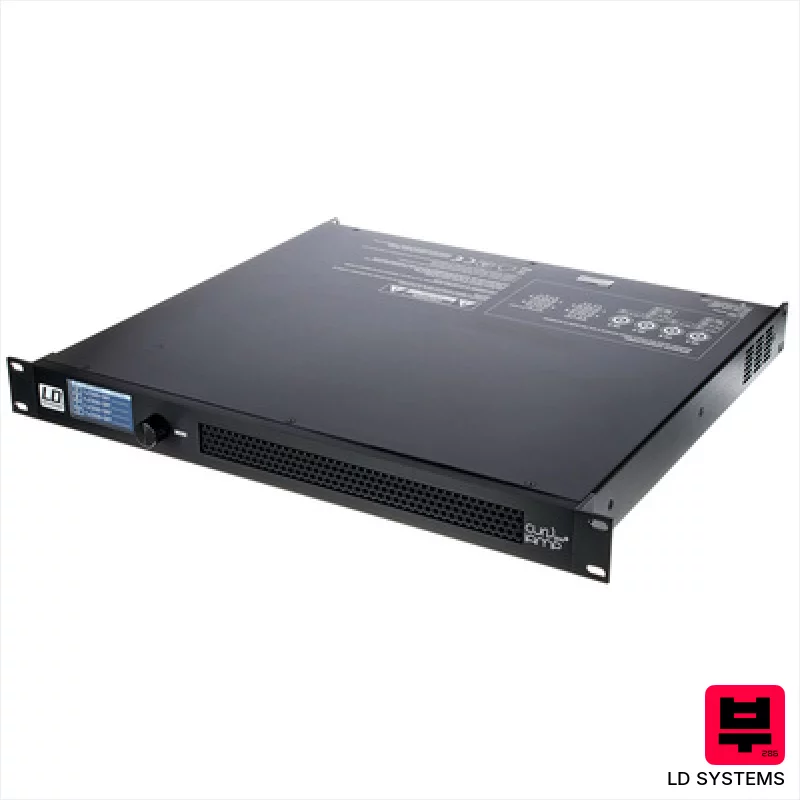
LD Systems Curv 500 IAMP
- • Excellent power efficiency thanks to Class-D design
- • OLED display provides clear, at-a-glance channel status
- • Compact 1U form factor ideal for tight rack spaces
- • Specifically designed for CURV 500 system integration simplifies setup
- • Limited flexibility for non-CURV 500 systems, a dedicated solution
- • Build quality feels a little plasticky for the price point
- • Lacks advanced routing or DSP features found in higher-end amps
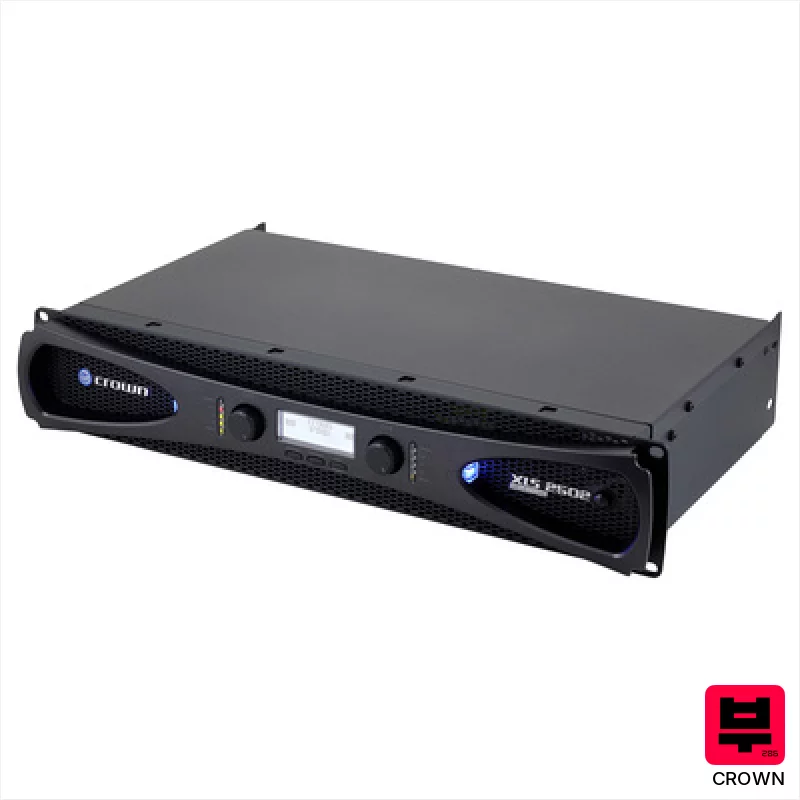
Crown XLS 2502
- • Robust metal chassis provides excellent physical protection during transport.
- • DriveCore Class-D design delivers impressive power efficiency and minimal heat.
- • Flexible amplifier modes cater to diverse PA and live sound applications.
- • PeakX limiters offer channel protection against accidental signal overload.
- • Limited headroom compared to higher-end, more expensive power amplifiers.
- • The fan, while quiet, can become audible under heavy, prolonged use.
- • RCA inputs feel like an afterthought in a predominantly professional-grade amp.
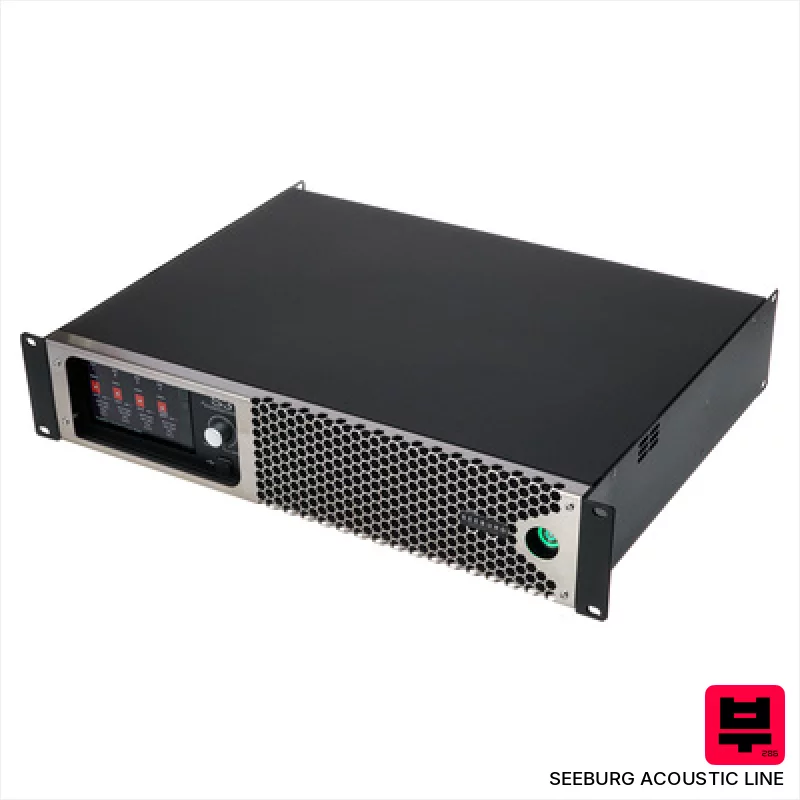
Seeburg Acoustic Line S 3
- • Robust Class D efficiency minimizes heat and power consumption.
- • AES3 and RJ45 inputs offer flexible digital connectivity options.
- • DSP with IIR/FIR filters provides precise tonal shaping capabilities.
- • Intelligent power sharing protects speakers with asymmetric loads.
- • The 2U height might pose rack space limitations in some setups.
- • Premium-priced, representing a significant investment for smaller operations.
- • RJ45 connectivity, while versatile, may require specific cabling.
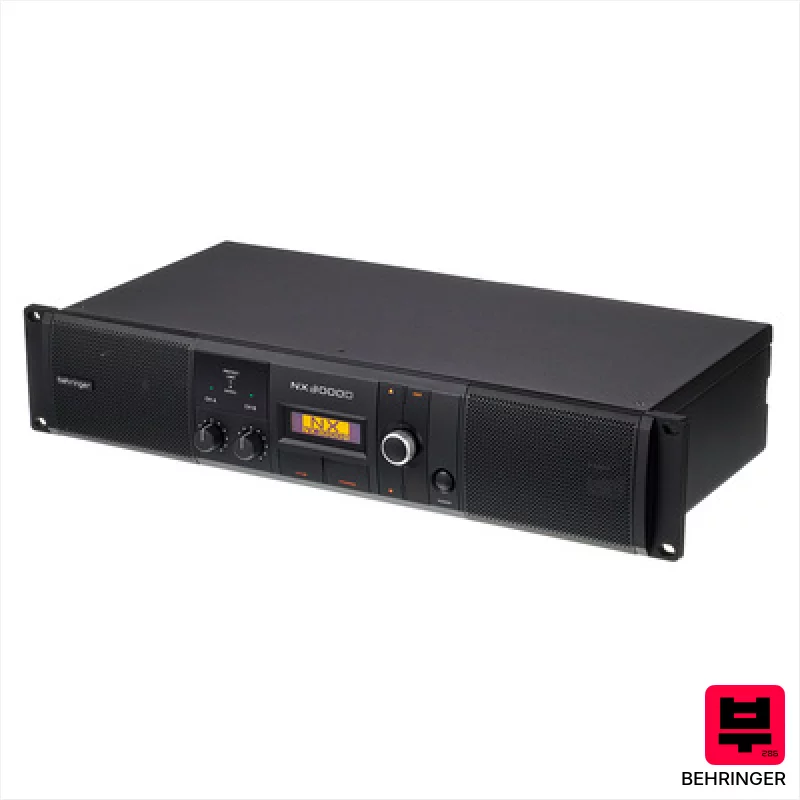
Behringer NX3000D
- • Impressive power density for its size, genuinely moves a lot of air.
- • DSP offers surprisingly useful, flexible processing options.
- • Class-D efficiency minimizes heat and power consumption.
- • Robust build quality for the price point, feels solid in a rack.
- • Behringer’s build quality, while improved, still feels a touch plasticky.
- • DSP interface could be more intuitive and user-friendly.
- • Limited headroom at extreme power levels – potential for clipping.
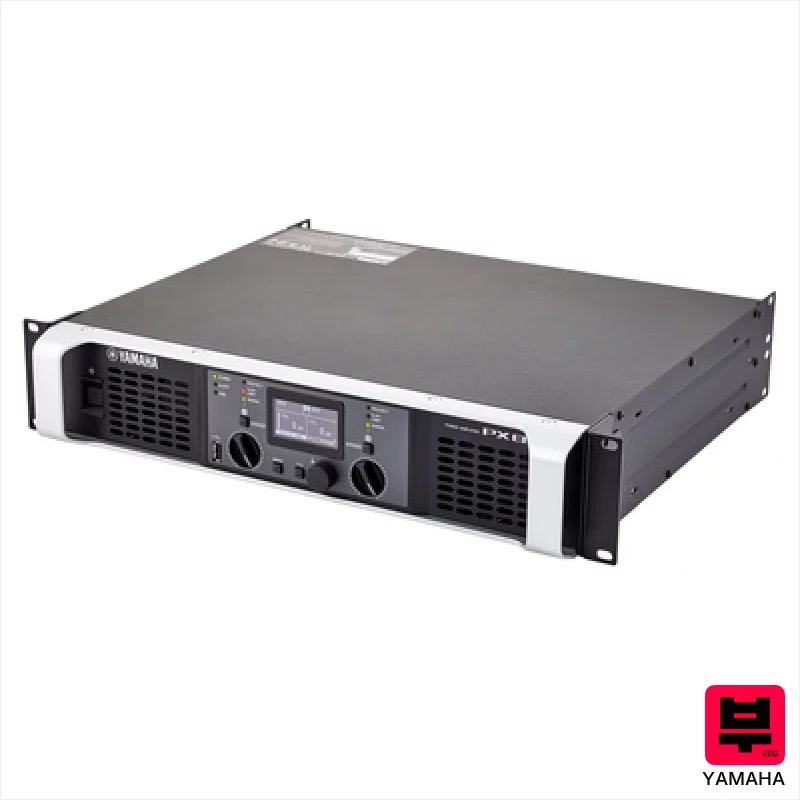
Yamaha PX8
- • Yamaha’s DSP offers precise loudspeaker tailoring for optimal results.
- • The 2U rackmount format is exceptionally compact for its power.
- • XLR and 1/4” inputs offer versatile connection options.
- • D-contour processing delivers a noticeable boost to transient response.
- • The lightweight design, while convenient, might feel less robust to some.
- • Limited headroom at very high SPLs compared to larger format amps.
- • Lack of fan control could be an issue in warmer environments.
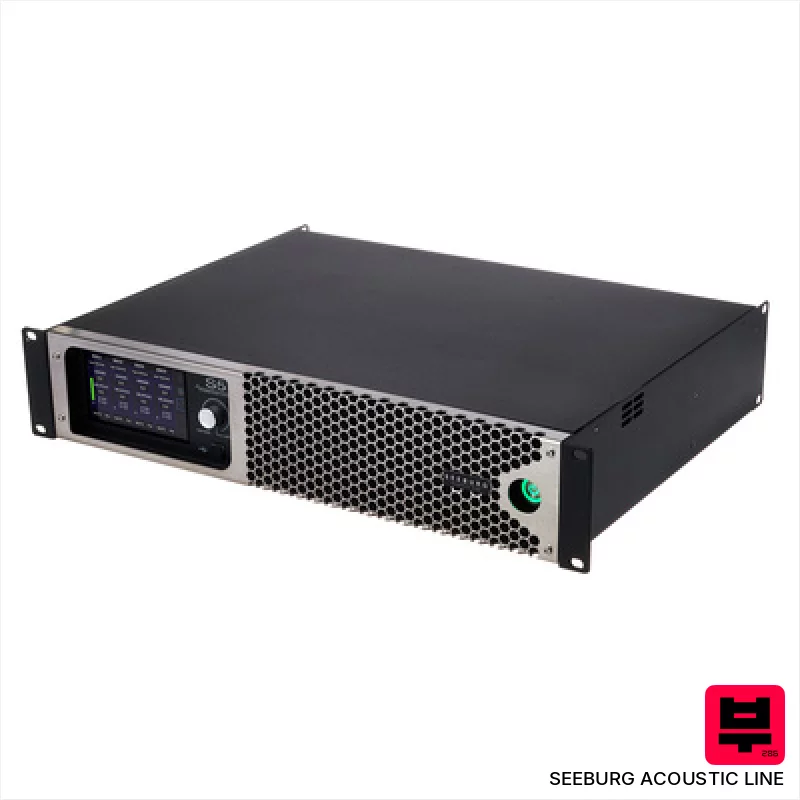
Seeburg Acoustic Line S 5
- • Excellent power density for a Class-D amp, surprisingly lightweight.
- • DSP offers serious flexibility for shaping your sound.
- • AES3 and RJ45 inputs provide versatile connectivity options.
- • Intelligent power sharing protects speakers from asymmetrical loads.
- • 2U height might limit rack space in some setups.
- • Price point positions it as a premium investment.
- • RJ45 connectivity might require adapters for some users.

the t.amp E-1500
- • Impressive power for the size and price point, bridging capability expands versatility.
- • Class H design offers efficient power delivery with reduced heat.
- • Robust 19in rackmount format simplifies integration into existing setups.
- • Solid build quality; feels durable and ready for gigging.
- • Limited input sensitivity may require preamps for some signal sources.
- • Cooling, while adequate, could be improved for sustained high-power use.
- • Bridged mode frequency response is limited to 1kHz, impacting low-end extension.
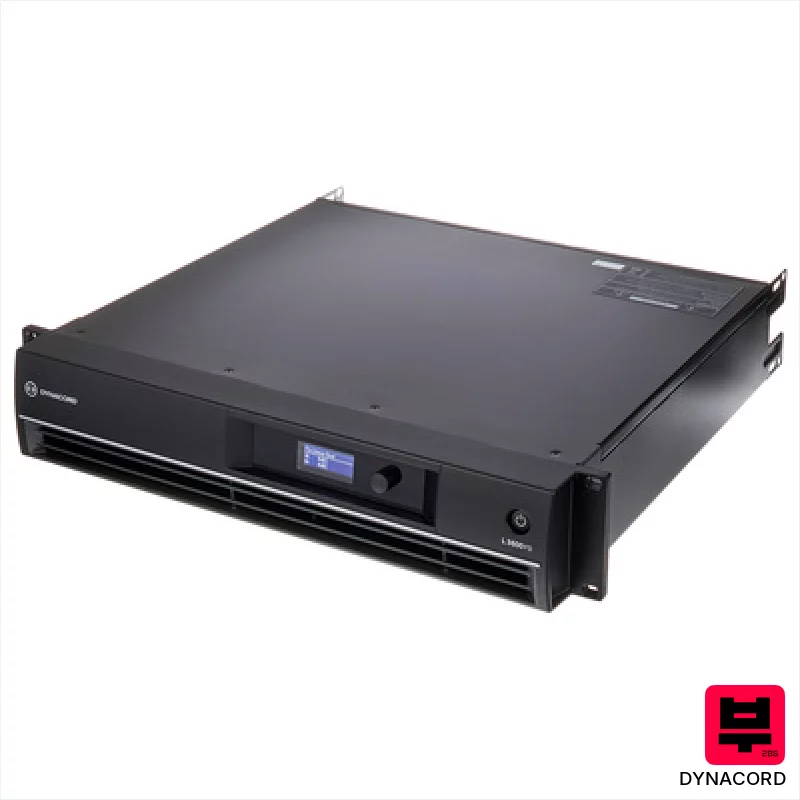
Dynacord L3600FD DSP
- • Robust, all-steel chassis offers excellent durability for touring.
- • Dynacord's DSP provides precise control over speaker performance.
- • Speaker Twist connectors simplify cable management and reduce connection errors.
- • Impressive power output delivers headroom for demanding live sound applications.
- • Size and weight make transportation and installation challenging for solo operators.
- • DSP functionality may be overwhelming for users unfamiliar with digital audio processing.
- • Limited flexibility in routing compared to more complex mixing consoles.

Avantone CLA-400
- • Robust steel chassis provides excellent shielding and rigidity.
- • Class A/B design offers a good balance of power and efficiency.
- • Large VU meters offer precise visual feedback of output levels.
- • Flexible bridging and parallel modes increase versatility for different setups.
- • Convection cooling limits maximum power output in warm environments.
- • Relatively heavy, making rack mounting a two-person job.
- • Limited input options compared to some more feature-rich amplifiers.
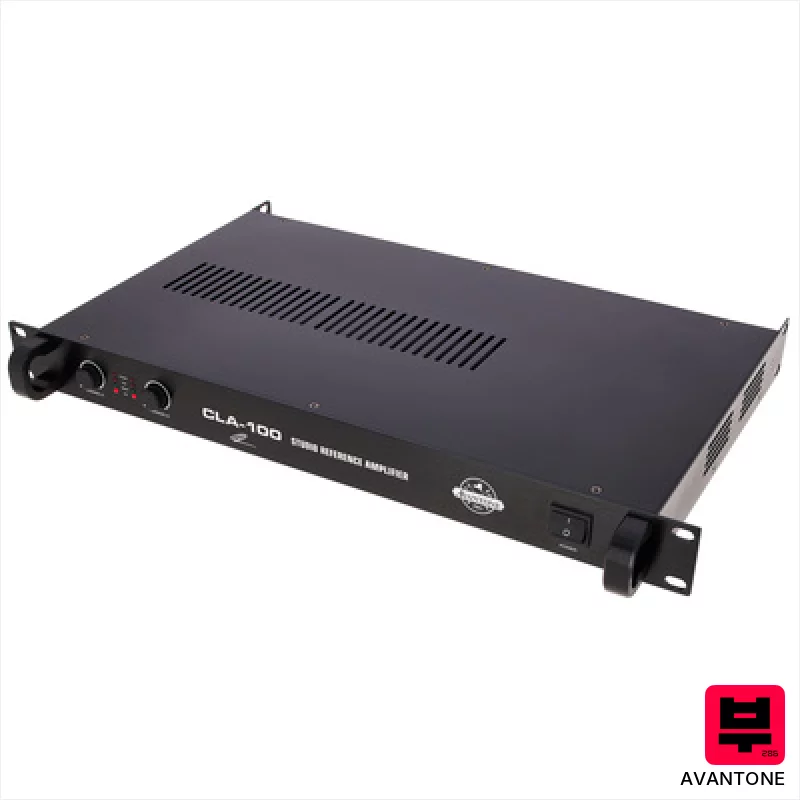
Avantone CLA-100
- • Solid Class AB design delivers clean, powerful amplification.
- • Convection cooling minimizes fan noise, crucial for studio environments.
- • Compact 1U rackmount saves valuable space in tight studios.
- • Versatile XLR and screw terminal connections offer broad compatibility.
- • Limited power compared to higher-end, multi-channel amplifiers.
- • The all-black aesthetic can feel a bit plain for some users.
- • Lacks advanced features like protection circuits found in pricier models.
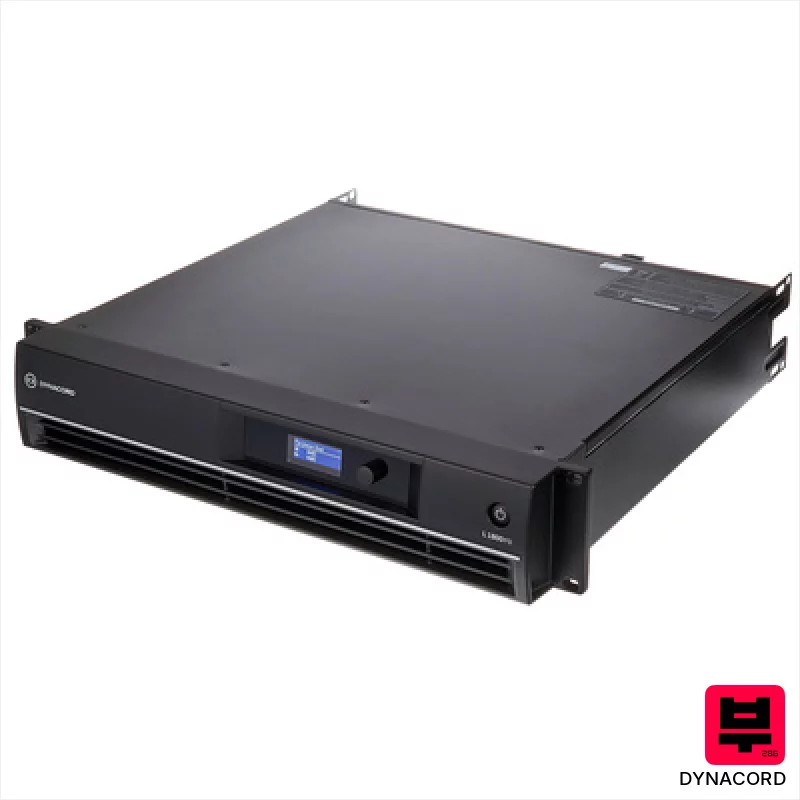
Dynacord L1800FD DSP
- • Robust, all-steel chassis inspires confidence and long-term reliability
- • Dynacord's DSP provides excellent speaker protection and tuning options
- • Speaker Twist connectors simplify speaker connections and ensure secure fit
- • Impressive power output delivers headroom for demanding live sound applications
- • Size and weight (15.2 kg) make transport and setup a two-person job
- • DSP features might be overwhelming for users unfamiliar with digital amplification
- • Limited connectivity beyond XLR and Speaker Twist connectors
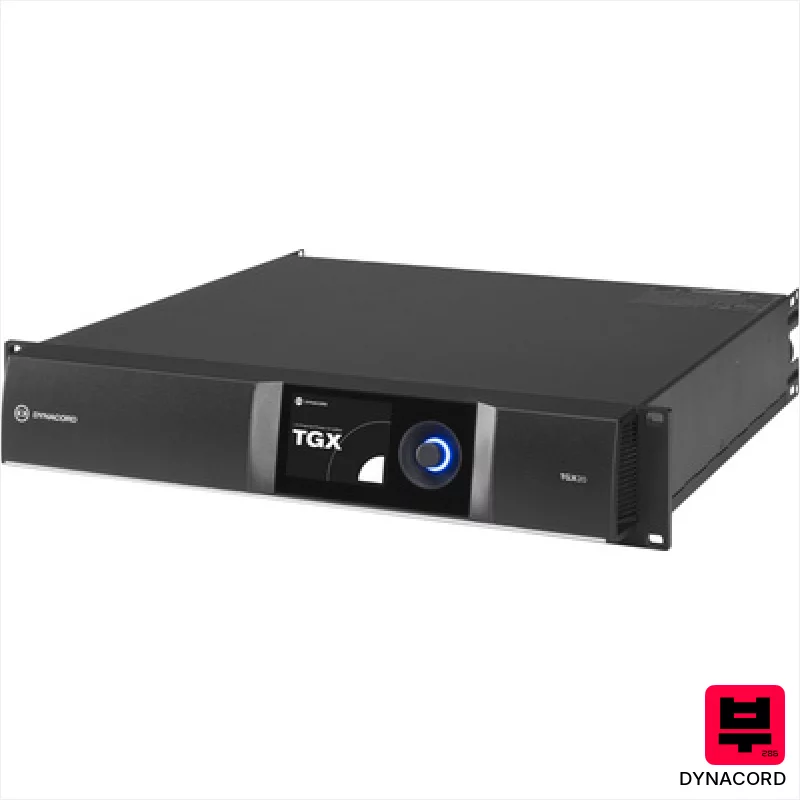
Dynacord TGX20
- • Exceptional headroom with massive power output across multiple impedances
- • Dynacord's FIR-Drive delivers precise, distortion-free amplification
- • Integrated Dante and OMNEO offer unparalleled network flexibility
- • Intuitive touchscreen interface simplifies complex DSP routing
- • The substantial weight makes rack installation and transport challenging
- • Premium-priced positioning limits accessibility for smaller venues/productions
- • Limited analog input options compared to some competing amplifiers
How to Choose the Best General Power Amps
Headroom
This isn't just about volume; it's about clean headroom. A band needs to be able to handle the dynamic range of a full band without the amp instantly compressing and losing definition. You want to be able to hit those loud sections without it turning into a muddy mess.
Tonal Character
Some amps are sterile and 'clean,' which is fine for some applications, but a band needs some grit. Look for something with a touch of warmth, a hint of that midrange honk that helps instruments cut through, and the ability to naturally break up when pushed. That 'ice-picky' harshness isn't what we're after.
Reliability & Build Quality
Gigging is brutal on gear. Cheap components and flimsy construction mean an early demise. Look for robust connectors, a solid heatsink, and a reputation for dependability - you don't want it quitting mid-set.
Connectivity & Routing
Multiple inputs (XLR, TRS, 1/4") are essential for a band with varying signal levels. Speaker selector switches are a huge convenience for bi-amping or daisy-chaining cabs. A good amp will offer flexibility without a ton of confusing extra features.
Power Output & Efficiency
Matching the amp's wattage to your speaker setup is crucial. Too little power and you'll clip, too much and you're wasting money. Class D amps offer incredible efficiency, meaning more power with less heat and weight - a big win for transport.
Buying Guide
Don't chase wattage alone; tonal character and headroom matter way more for a band. Cheap amps often cut corners on components, leading to noise and unreliable performance. Spending a bit more on a reputable brand with a solid reputation will save you headaches down the line. Consider Class D for portability and efficiency, but be aware some older designs can lack that 'analog' feel - listen carefully.
Our Methodology
We don't just look at wattage and THD+N specs. We've spent years in rehearsal rooms, on stage, and in studios, A/B'ing amps through various speaker setups and mic'd cabs. It's about how the amp feels - how it responds to dynamics, how it handles breakup, and ultimately, how it makes your band sound live and in recordings.

