
Best General Power Amps for Events 2026
So, you're running events - corporate gigs, weddings, outdoor festivals, you name it. You need power, and you need it reliable. A blown amp mid-set during a first dance is not a good look. Let's cut through the marketing hype and talk about power amps that'll actually handle the demands of event work, keeping your sound solid and your reputation intact.
Last updated: July 22, 2026 • Next update: July 29, 2026
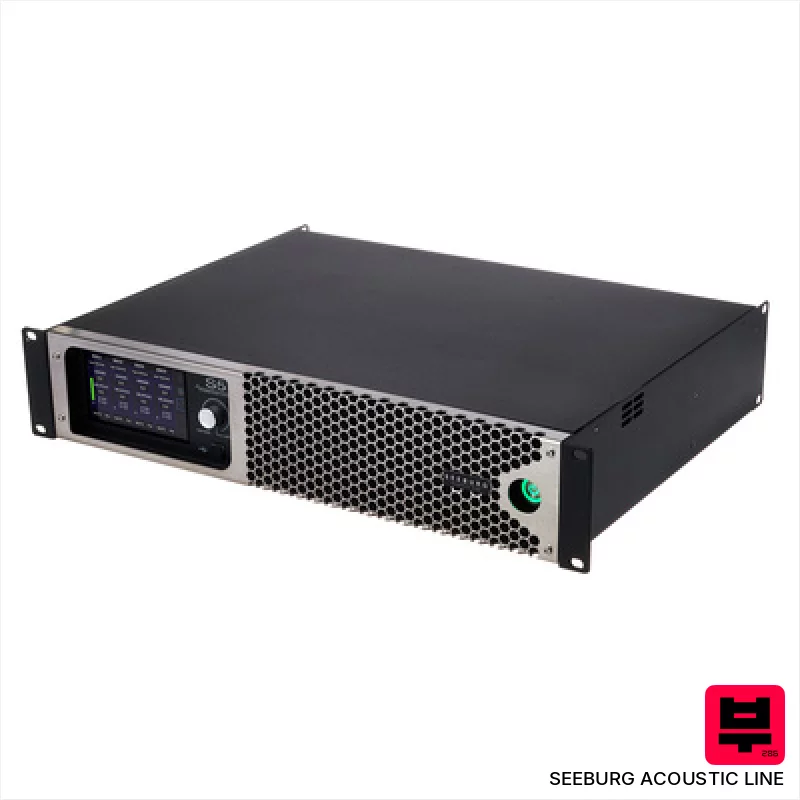
Seeburg Acoustic Line S 5
- • Excellent power density for a Class-D amp, surprisingly lightweight.
- • DSP offers serious flexibility for shaping your sound.
- • AES3 and RJ45 inputs provide versatile connectivity options.
- • Intelligent power sharing protects speakers from asymmetrical loads.
- • 2U height might limit rack space in some setups.
- • Price point positions it as a premium investment.
- • RJ45 connectivity might require adapters for some users.
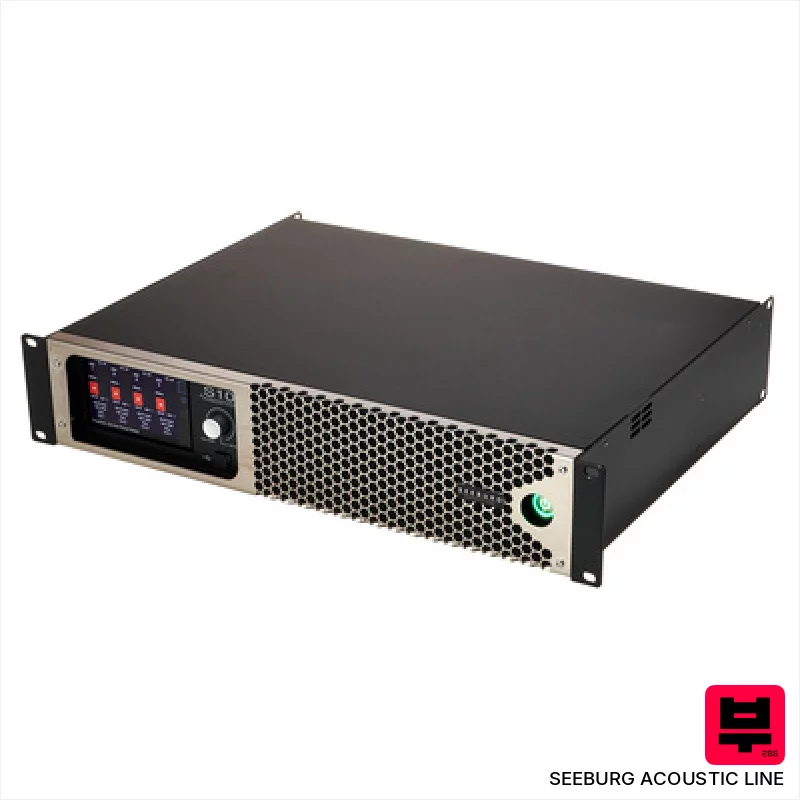
Seeburg Acoustic Line S 10
- • Impressive power density for a Class D amp, remarkably compact.
- • DSP offers excellent flexibility for shaping sound and protecting speakers.
- • AES3 and RJ45 connectivity provides versatile routing options.
- • Intelligent power sharing prevents damage when using mismatched speakers.
- • Price point places it firmly in the professional, high-end market segment.
- • 2U height might present rack space limitations for some users.
- • RJ45 connectivity, while versatile, may require specific cabling and knowledge.
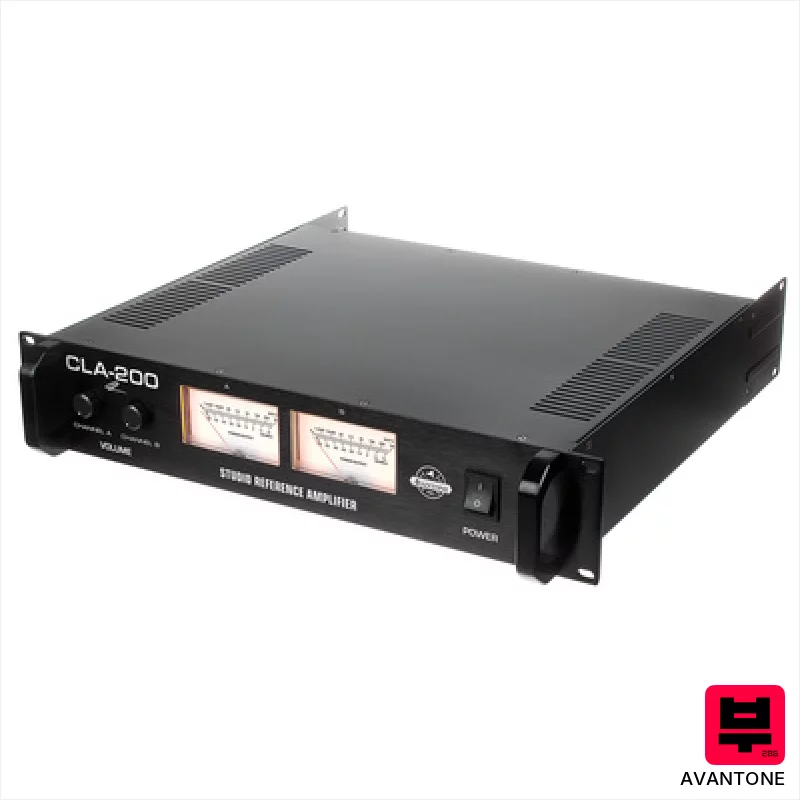
Avantone CLA-200
- • Robust convection cooling prevents thermal throttling during prolonged use
- • Clean, powerful Class AB amplification delivers a neutral, transparent sound
- • Compact 2U rackmount format maximizes studio space efficiency
- • Versatile connectivity options suit diverse speaker and system configurations
- • Limited headroom compared to higher-wattage amplifiers for demanding applications
- • Heavier than many competing amplifiers, posing installation challenges
- • Lack of advanced features like EQ or protection beyond basic safeguards

Avantone CLA-400
- • Robust steel chassis provides excellent shielding and rigidity.
- • Class A/B design offers a good balance of power and efficiency.
- • Large VU meters offer precise visual feedback of output levels.
- • Flexible bridging and parallel modes increase versatility for different setups.
- • Convection cooling limits maximum power output in warm environments.
- • Relatively heavy, making rack mounting a two-person job.
- • Limited input options compared to some more feature-rich amplifiers.
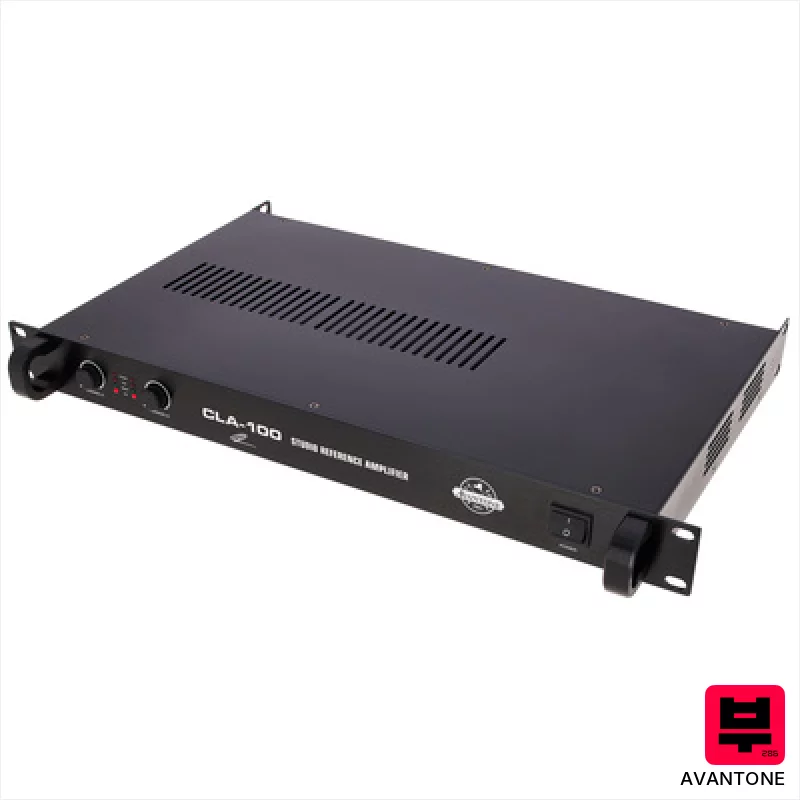
Avantone CLA-100
- • Solid Class AB design delivers clean, powerful amplification.
- • Convection cooling minimizes fan noise, crucial for studio environments.
- • Compact 1U rackmount saves valuable space in tight studios.
- • Versatile XLR and screw terminal connections offer broad compatibility.
- • Limited power compared to higher-end, multi-channel amplifiers.
- • The all-black aesthetic can feel a bit plain for some users.
- • Lacks advanced features like protection circuits found in pricier models.
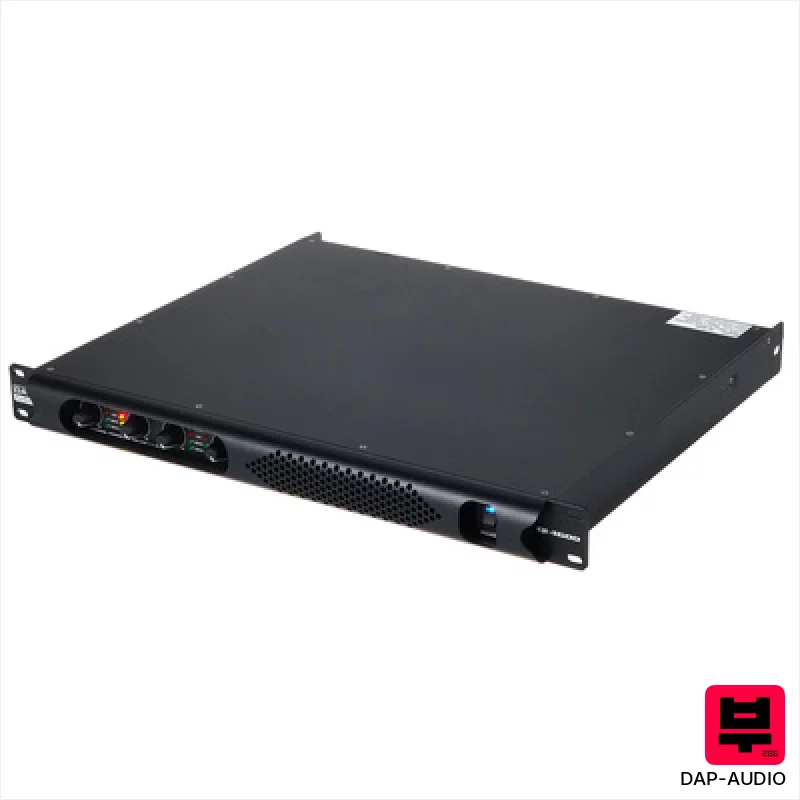
DAP-Audio Qi-4600
- • Robust 19" steel housing provides excellent roadworthiness and protection.
- • Digital Class D design offers exceptional efficiency and low heat generation.
- • Bridge mode delivers significant power for subwoofer applications and demanding setups.
- • Comprehensive protection circuitry minimizes risk of damage from common issues.
- • Limited connectivity beyond XLR inputs restricts integration with certain setups.
- • The 6.4 kg weight makes transportation somewhat cumbersome, especially for solo gigs.
- • While powerful, the clean headroom may be slightly lacking for very dynamic genres.
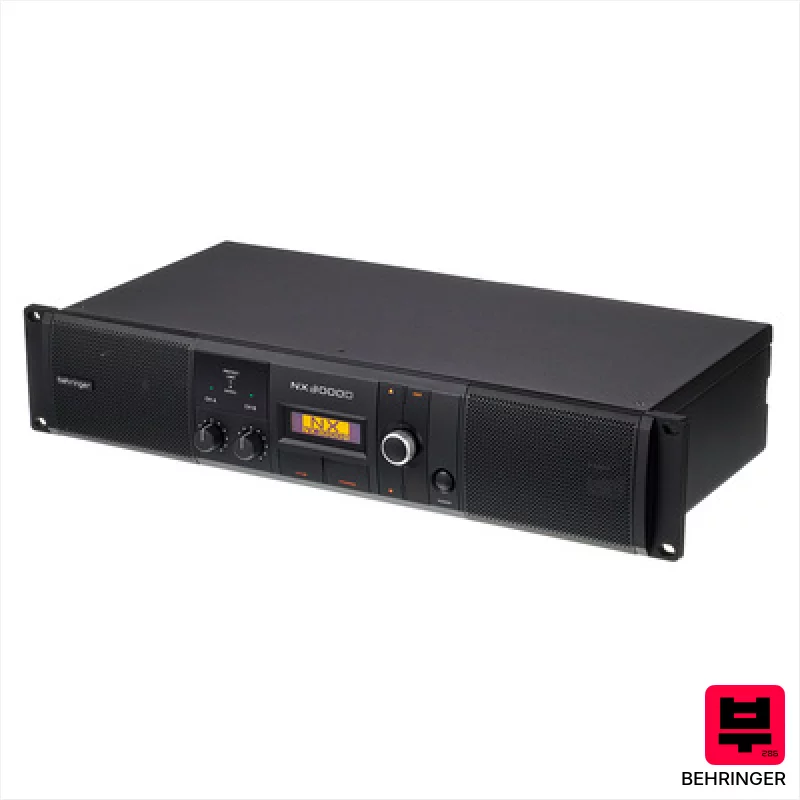
Behringer NX3000D
- • Impressive power density for its size, genuinely moves a lot of air.
- • DSP offers surprisingly useful, flexible processing options.
- • Class-D efficiency minimizes heat and power consumption.
- • Robust build quality for the price point, feels solid in a rack.
- • Behringer’s build quality, while improved, still feels a touch plasticky.
- • DSP interface could be more intuitive and user-friendly.
- • Limited headroom at extreme power levels – potential for clipping.
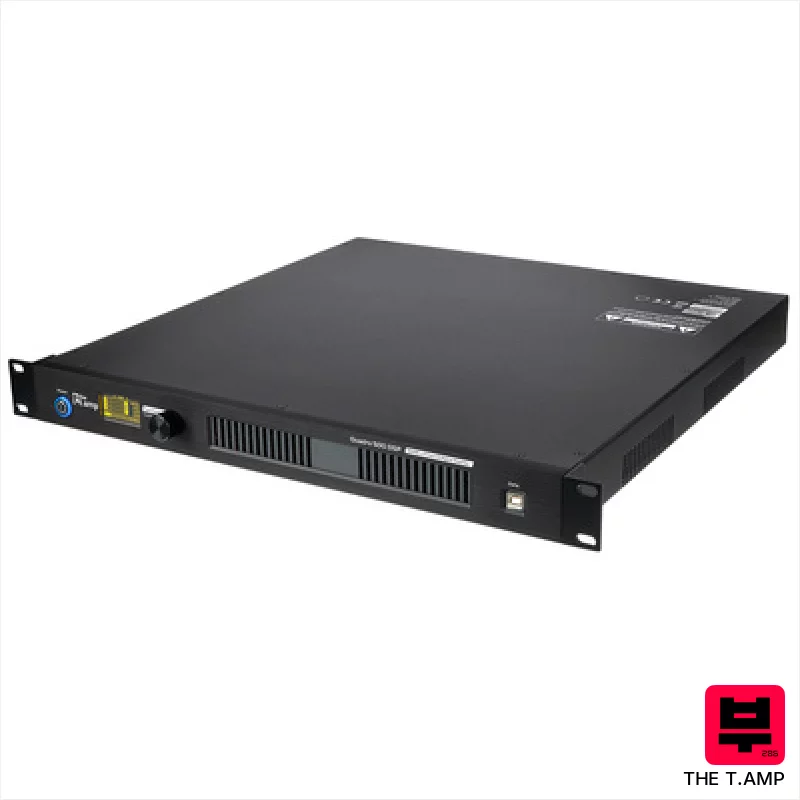
the t.amp Quadro 500 DSP
- • Excellent power density for a Class D amp, surprisingly clean headroom
- • Integrated DSP offers flexible routing and EQ options
- • Compact 1U form factor saves valuable rack space
- • Robust build quality; feels solid and ready for touring use
- • Limited connectivity beyond XLR inputs and speaker twists
- • DSP learning curve can be steep for less experienced users
- • Class D amps *can* exhibit minor hum under certain conditions
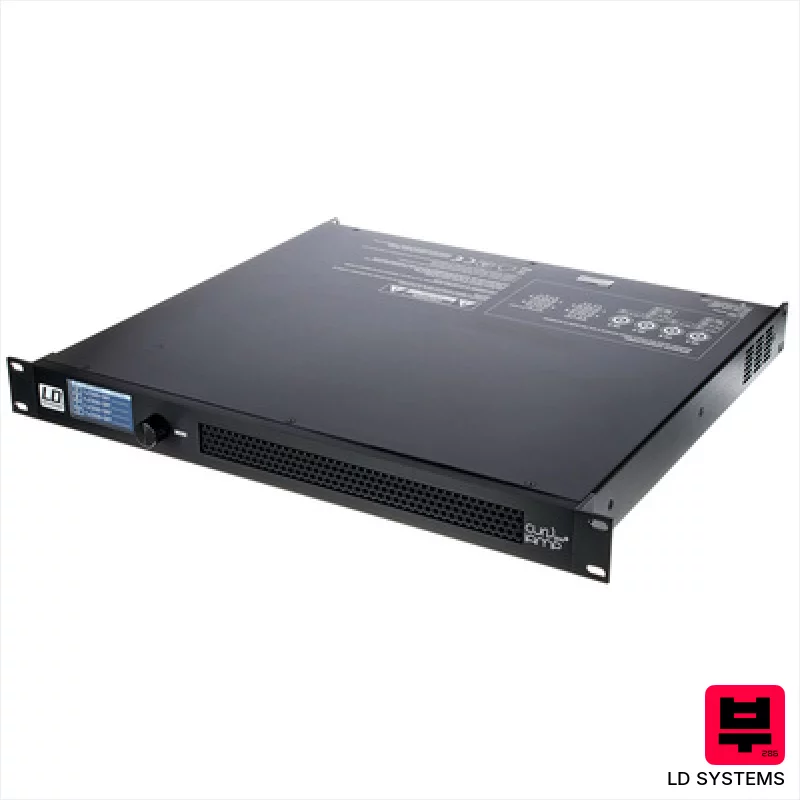
LD Systems Curv 500 IAMP
- • Excellent power efficiency thanks to Class-D design
- • OLED display provides clear, at-a-glance channel status
- • Compact 1U form factor ideal for tight rack spaces
- • Specifically designed for CURV 500 system integration simplifies setup
- • Limited flexibility for non-CURV 500 systems, a dedicated solution
- • Build quality feels a little plasticky for the price point
- • Lacks advanced routing or DSP features found in higher-end amps
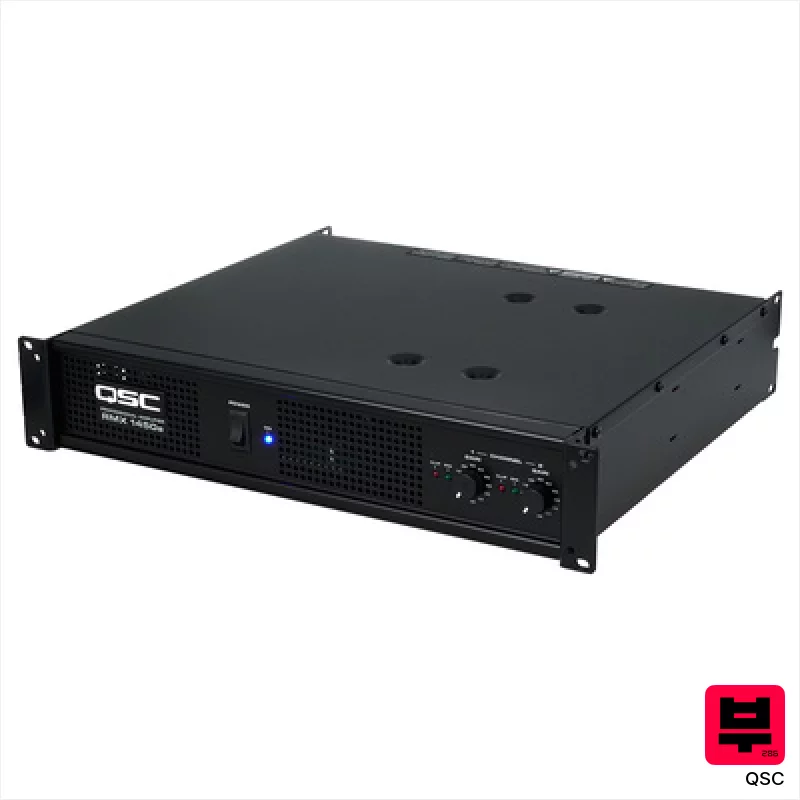
QSC RMX 1450a
- • Rock-solid build quality; feels like it's built to survive a tour.
- • Monoparallel mode delivers impressive power for demanding setups.
- • Excellent heat dissipation; runs cool even under heavy load.
- • Clean, powerful amplification; QSC's signature clarity and headroom.
- • Size and weight make rack mounting and transport challenging.
- • Limited routing options compared to more modern amplifiers.
- • Bridged mode power isn't as high as some competing models.
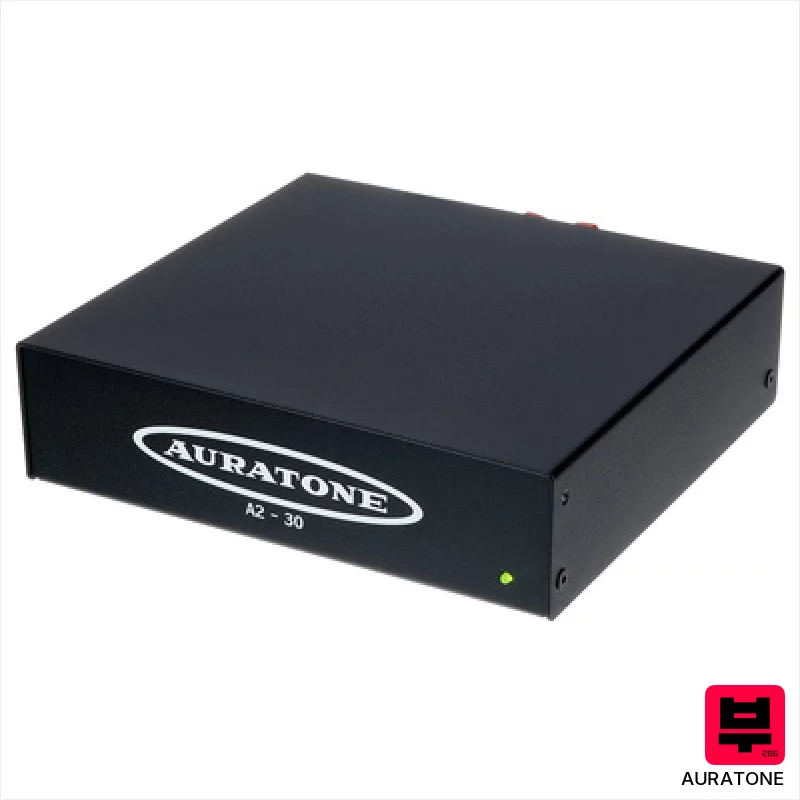
Auratone A2-30
- • Compact Class D design offers exceptional power efficiency.
- • Gold-plated connectors ensure reliable signal transfer and longevity.
- • Bettermaker collaboration suggests thoughtful engineering and sonic focus.
- • Low THD+N indicates clean, accurate amplification for critical listening.
- • Limited power output may not suit large-scale PA applications.
- • The 45mm height might pose rack space challenges in some setups.
- • Lacks advanced features like protection circuits beyond clip indication.
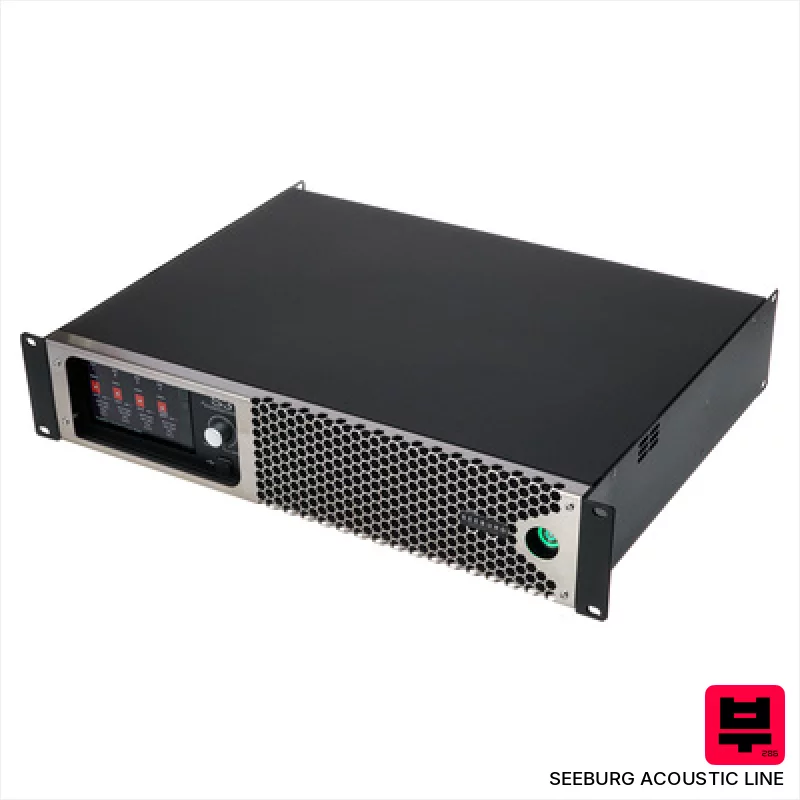
Seeburg Acoustic Line S 3
- • Robust Class D efficiency minimizes heat and power consumption.
- • AES3 and RJ45 inputs offer flexible digital connectivity options.
- • DSP with IIR/FIR filters provides precise tonal shaping capabilities.
- • Intelligent power sharing protects speakers with asymmetric loads.
- • The 2U height might pose rack space limitations in some setups.
- • Premium-priced, representing a significant investment for smaller operations.
- • RJ45 connectivity, while versatile, may require specific cabling.
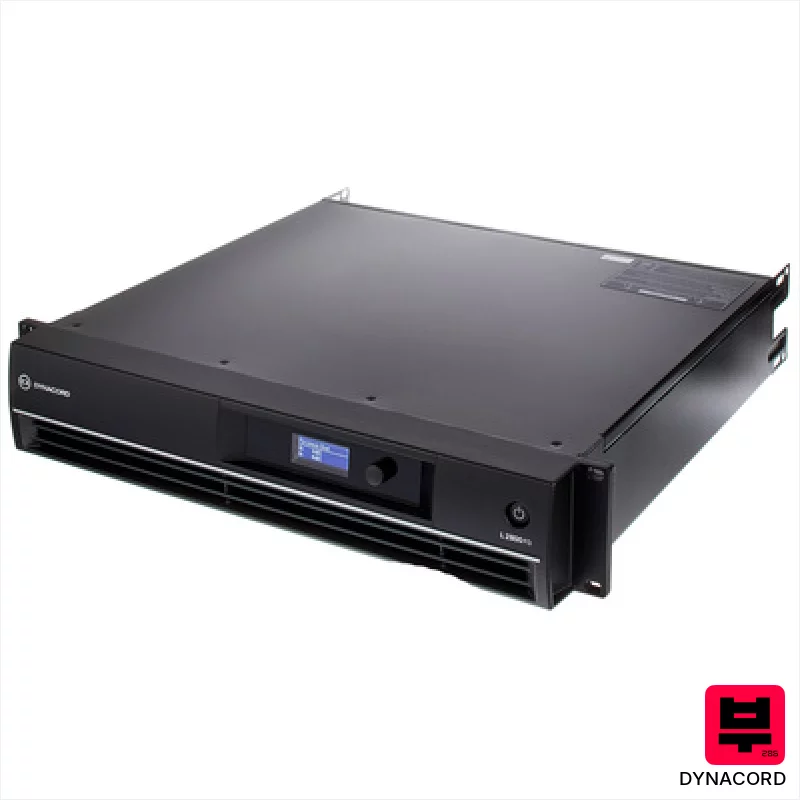
Dynacord L2800FD DSP
- • Dynacord’s DSP provides exceptional flexibility for complex system tuning.
- • Robust build quality; feels incredibly solid and durable for frequent gigging.
- • Speaker Twist connectors offer secure, reliable speaker connections, simplifying setup.
- • Impressive power headroom ensures clean output even at high volume levels.
- • The weight (16.2 kg) makes transport and setup a two-person job.
- • The DSP software, while powerful, has a steeper learning curve than simpler amps.
- • Limited connectivity beyond XLR and Speaker Twist; lacks modern digital options.
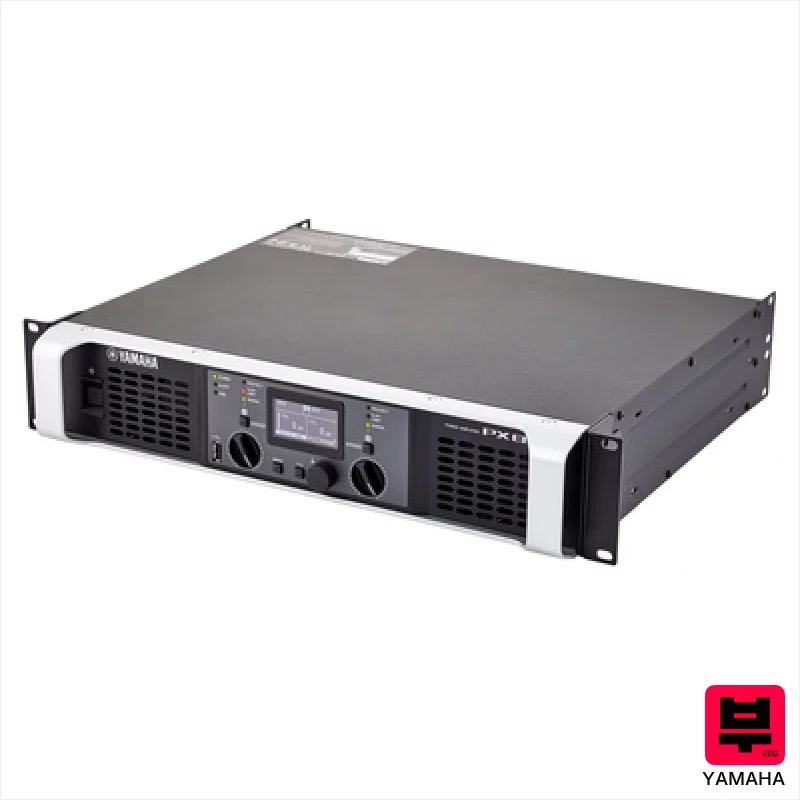
Yamaha PX8
- • Yamaha’s DSP offers precise loudspeaker tailoring for optimal results.
- • The 2U rackmount format is exceptionally compact for its power.
- • XLR and 1/4” inputs offer versatile connection options.
- • D-contour processing delivers a noticeable boost to transient response.
- • The lightweight design, while convenient, might feel less robust to some.
- • Limited headroom at very high SPLs compared to larger format amps.
- • Lack of fan control could be an issue in warmer environments.
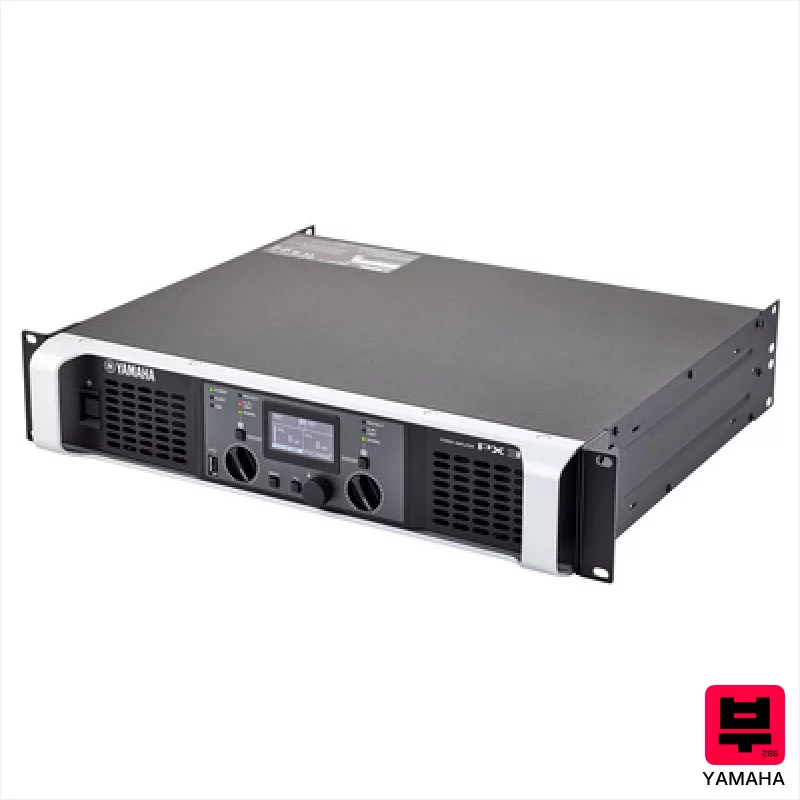
Yamaha PX3
- • Yamaha’s D-Contour processing delivers genuinely improved speaker response.
- • Compact 2U rack height makes it surprisingly space-efficient for the power.
- • Robust speaker twist connectors offer a secure, reliable connection.
- • Digital Class-D design provides exceptional efficiency and minimal heat.
- • Limited routing options compared to more complex, mixing-integrated amplifiers.
- • The fan noise, while not excessive, is noticeable in very quiet environments.
- • Lacks advanced metering or diagnostics beyond basic power indication.
How to Choose the Best General Power Amps
Headroom
Events rarely involve delicate acoustic sets. You need amps that can handle a full band, subs pumping, and a PA that can actually move some air without clipping. Headroom isn't just about volume; it's about clean power when things get loud.
Reliability
This is paramount. A power amp is a workhorse. We're looking for build quality, decent heat dissipation, and a track record of consistent performance. A cheap amp might sound okay for a while, but will it still be working a year from now?
Tonal Transparency
You don't want the amp coloring your sound. Events often involve a wide range of genres - from pop and rock to country and even the occasional brass band. The amp should be as neutral as possible, letting your speakers and EQ do the talking.
Connectivity & Routing
Events often require complex setups - multiple speaker zones, crossovers, and signal chains. Multiple input options (XLR, 1/4"), loop sends, and bridgeable channels are a huge plus for flexibility.
Cool Running & Noise
A roaring fan can be a major distraction for guests and performers. We're looking for amps that run relatively cool and quiet, especially important for indoor events.
Buying Guide
Don't chase wattage numbers alone. An amp rated for 2000 watts might sound thin and brittle if it's poorly designed. Pay attention to the power rating at different impedances (8 ohms, 4 ohms) - that's where the real story lies. Budget amps often cut corners on component quality, leading to increased noise and reduced reliability. Spending a bit more upfront for a reputable brand can save you headaches (and replacement costs) down the line.
Our Methodology
We're not looking at spec sheets here; we're talking about real-world performance. We've put these amps through the wringer - band rehearsals with a drummer who likes to hit hard, extended DJ sets pushing the limits, and A/B comparisons against amps we've used on countless gigs over the years. We're judging on what you actually hear and what you can depend on.

