
Best General Power Amps for General Applications 2026
Alright, let's talk power amps. You're not chasing a boutique tube dream here; you need something reliable to drive your mains for gigs, rehearsals, or even just a full band in your garage. A decent power amp is the unsung hero of any setup - it's what lets your speakers breathe and gives your sound that headroom when things get loud. We're focusing on general-purpose amps, the workhorses that handle a bit of everything.
Last updated: July 22, 2026 • Next update: July 29, 2026
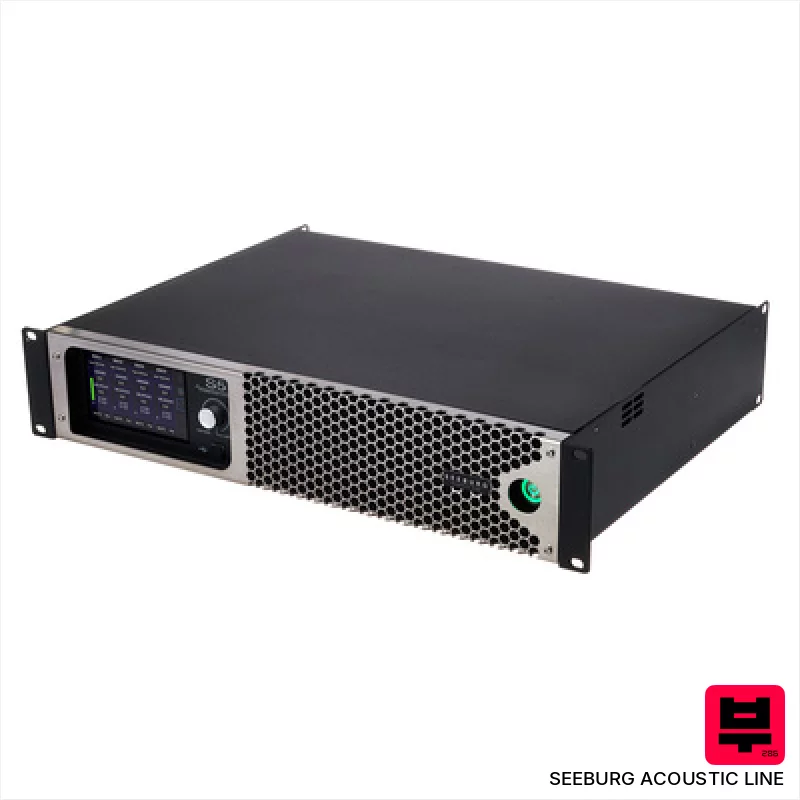
Seeburg Acoustic Line S 5
- • Excellent power density for a Class-D amp, surprisingly lightweight.
- • DSP offers serious flexibility for shaping your sound.
- • AES3 and RJ45 inputs provide versatile connectivity options.
- • Intelligent power sharing protects speakers from asymmetrical loads.
- • 2U height might limit rack space in some setups.
- • Price point positions it as a premium investment.
- • RJ45 connectivity might require adapters for some users.
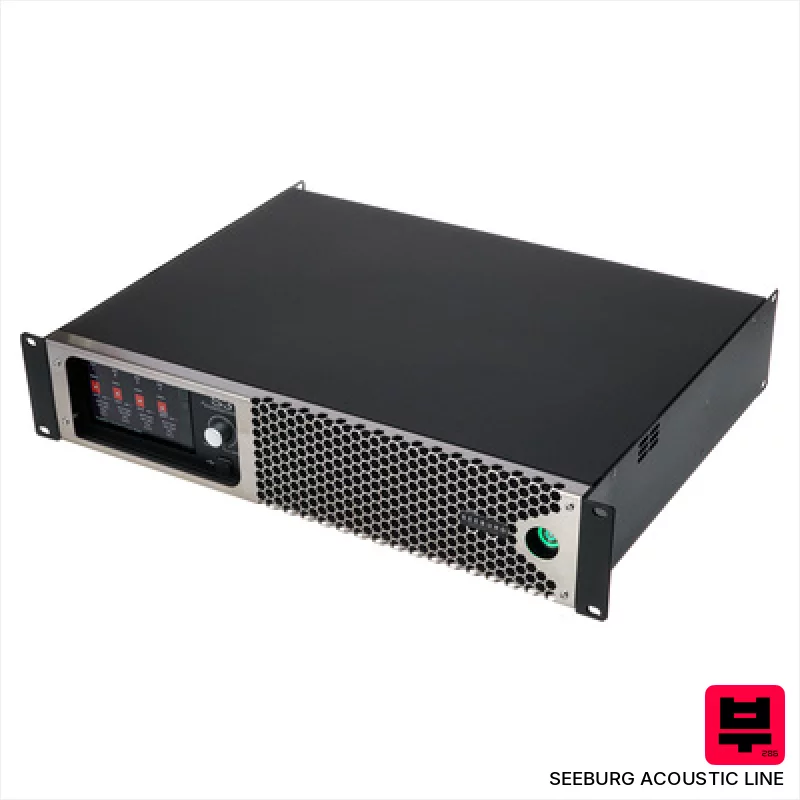
Seeburg Acoustic Line S 3
- • Robust Class D efficiency minimizes heat and power consumption.
- • AES3 and RJ45 inputs offer flexible digital connectivity options.
- • DSP with IIR/FIR filters provides precise tonal shaping capabilities.
- • Intelligent power sharing protects speakers with asymmetric loads.
- • The 2U height might pose rack space limitations in some setups.
- • Premium-priced, representing a significant investment for smaller operations.
- • RJ45 connectivity, while versatile, may require specific cabling.
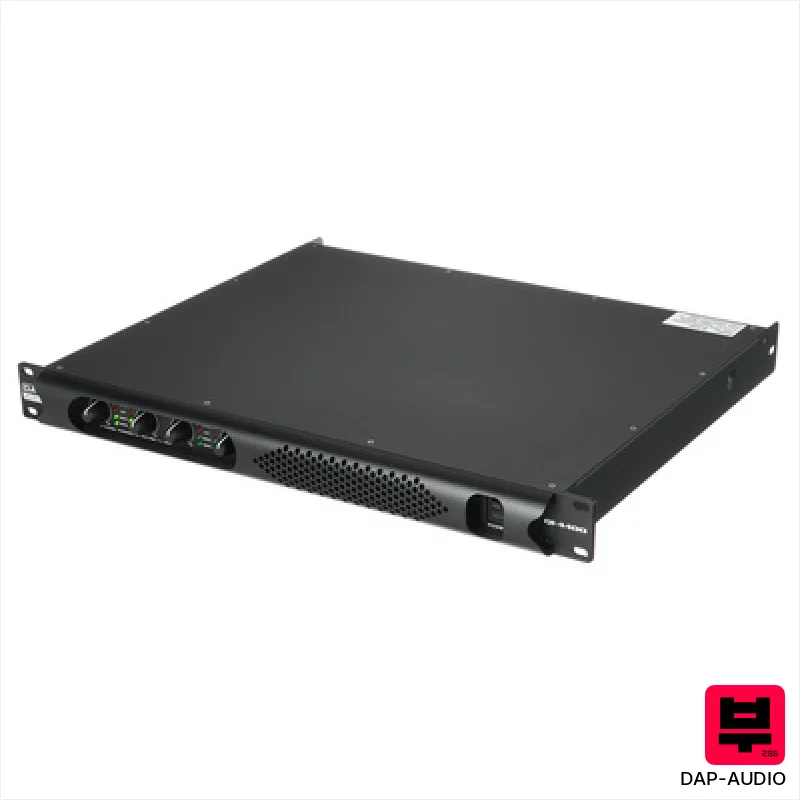
DAP-Audio Qi-4400
- • Robust 19'' steel housing provides excellent road-worthiness.
- • Class D design delivers impressive power efficiency and minimal heat.
- • Comprehensive protection circuitry safeguards against common amplifier failures.
- • Flexible bridging capability expands power output for subwoofers.
- • Limited headroom compared to higher-end Class A/B amplifiers.
- • The cooling fan, while quiet, could be louder in densely packed racks.
- • XLR inputs only restrict connectivity for some users.
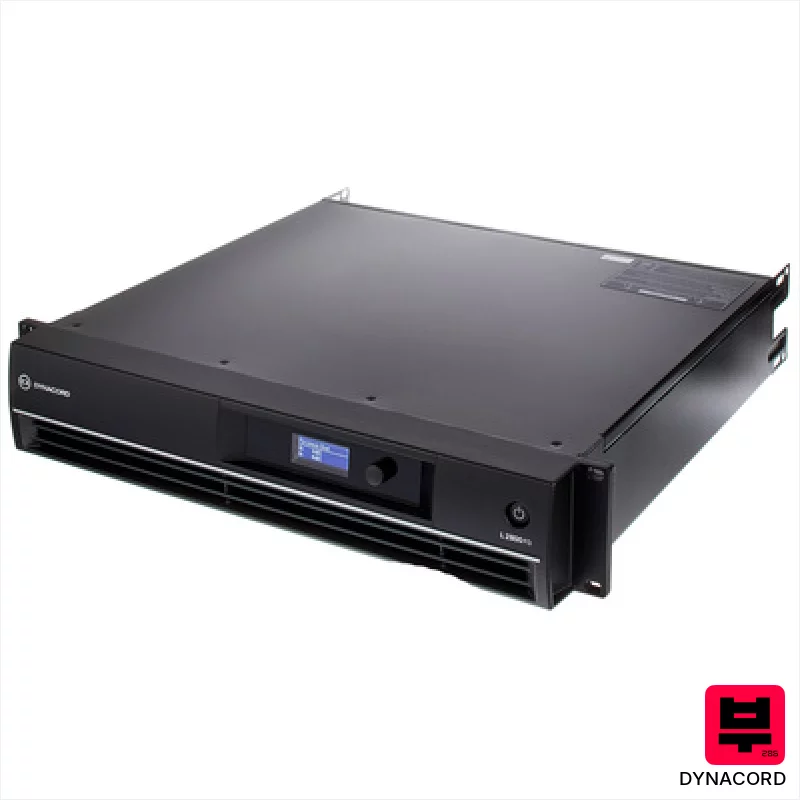
Dynacord L2800FD DSP
- • Dynacord’s DSP provides exceptional flexibility for complex system tuning.
- • Robust build quality; feels incredibly solid and durable for frequent gigging.
- • Speaker Twist connectors offer secure, reliable speaker connections, simplifying setup.
- • Impressive power headroom ensures clean output even at high volume levels.
- • The weight (16.2 kg) makes transport and setup a two-person job.
- • The DSP software, while powerful, has a steeper learning curve than simpler amps.
- • Limited connectivity beyond XLR and Speaker Twist; lacks modern digital options.
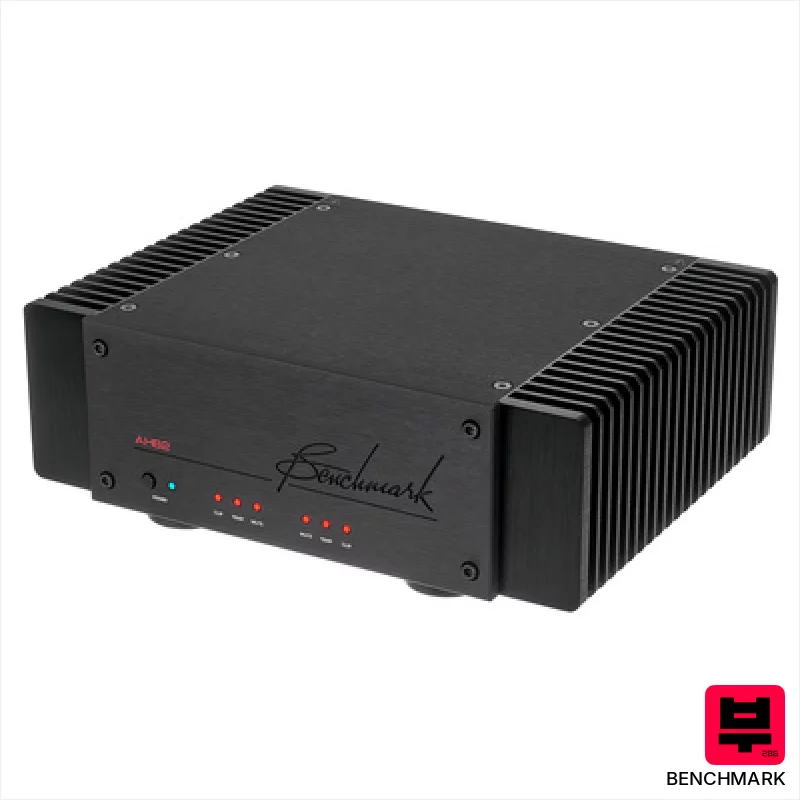
Benchmark AHB2 Black
- • Exceptional dynamic range delivers pristine, transparent audio reproduction
- • THX-AAA technology minimizes distortion for incredibly clean power
- • Robust bipolar output stage provides headroom for demanding applications
- • Compact desktop design maximizes flexibility in studio or live environments
- • Premium-priced, representing a significant investment for many users
- • Passive cooling can be noisy under sustained high power demands
- • Limited connectivity compared to some larger format amplifiers
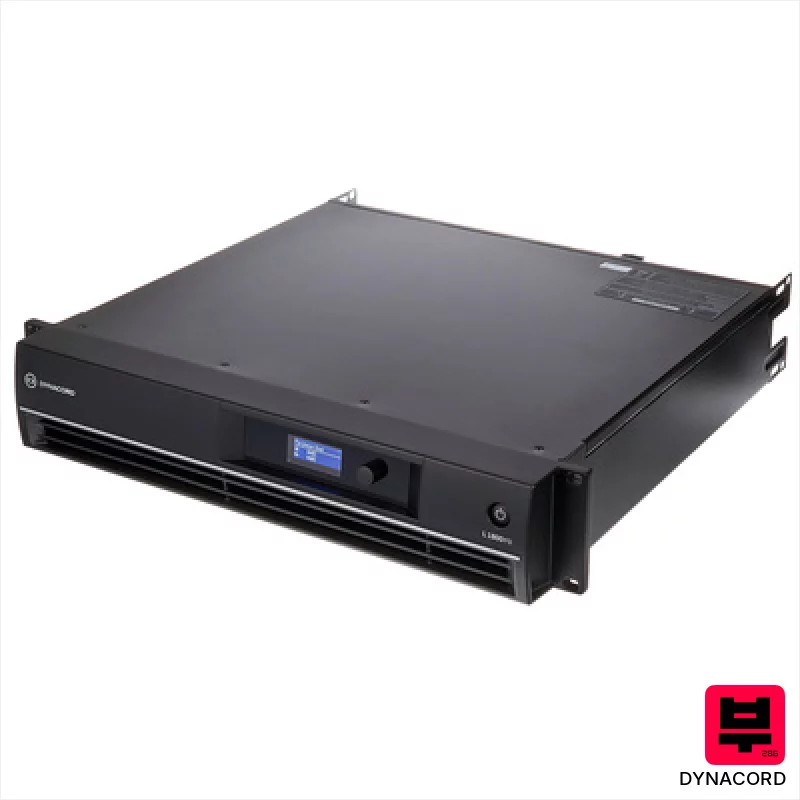
Dynacord L1800FD DSP
- • Robust, all-steel chassis inspires confidence and long-term reliability
- • Dynacord's DSP provides excellent speaker protection and tuning options
- • Speaker Twist connectors simplify speaker connections and ensure secure fit
- • Impressive power output delivers headroom for demanding live sound applications
- • Size and weight (15.2 kg) make transport and setup a two-person job
- • DSP features might be overwhelming for users unfamiliar with digital amplification
- • Limited connectivity beyond XLR and Speaker Twist connectors
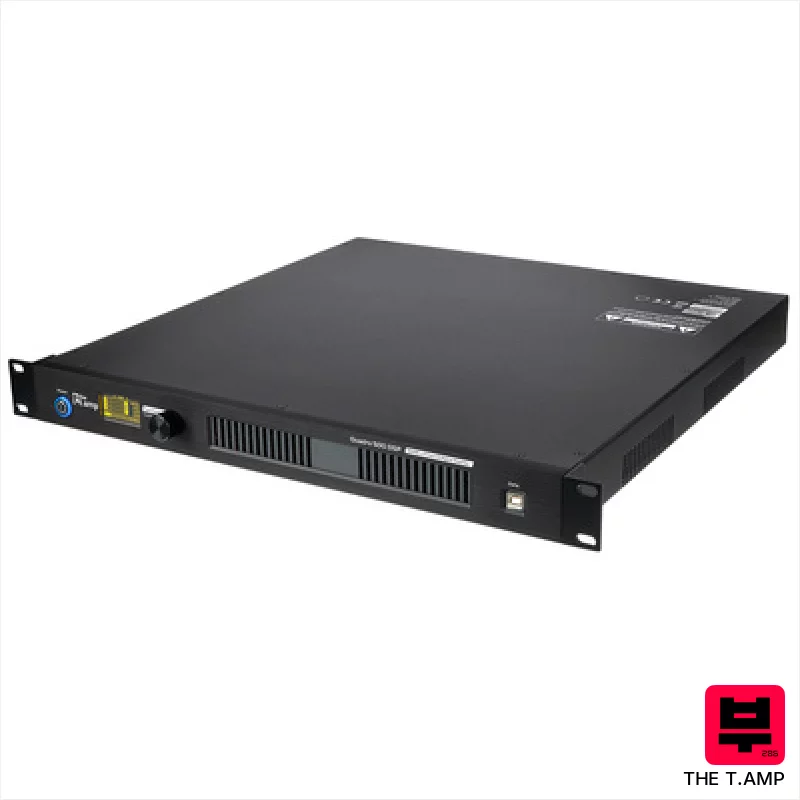
the t.amp Quadro 500 DSP
- • Excellent power density for a Class D amp, surprisingly clean headroom
- • Integrated DSP offers flexible routing and EQ options
- • Compact 1U form factor saves valuable rack space
- • Robust build quality; feels solid and ready for touring use
- • Limited connectivity beyond XLR inputs and speaker twists
- • DSP learning curve can be steep for less experienced users
- • Class D amps *can* exhibit minor hum under certain conditions
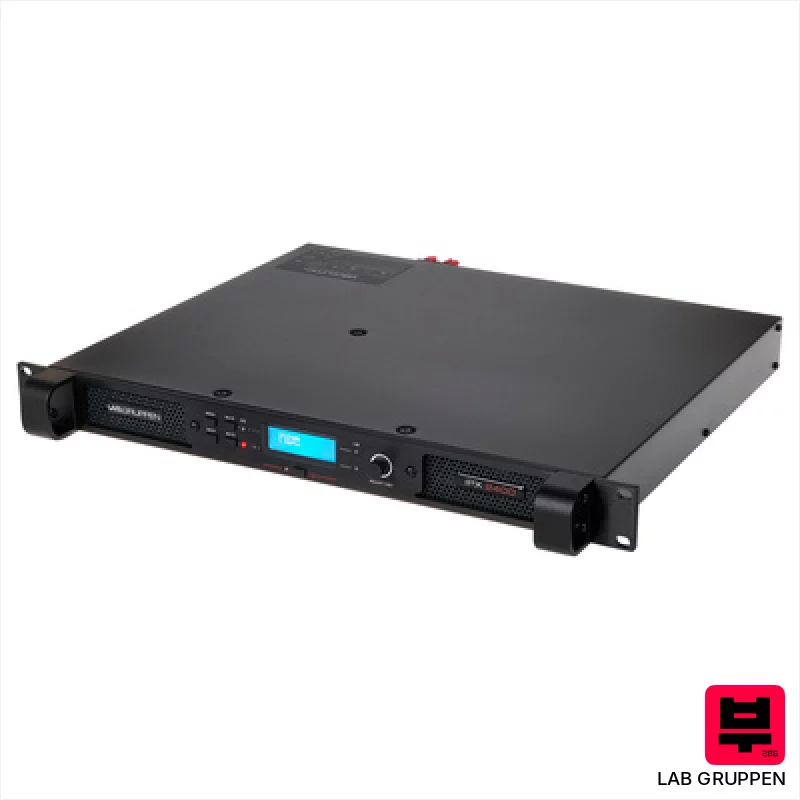
LAB Gruppen IPX 2400
- • Exceptional clean power; handles demanding transients effortlessly.
- • Integrated DSP offers precise control over system tuning.
- • Compact 1U design maximizes rack space utilization.
- • Robust construction; feels incredibly solid and reliable.
- • IPX Controller software can have a steep learning curve initially.
- • Limited analog input options compared to some competitors.
- • Premium-priced, requiring a significant investment.
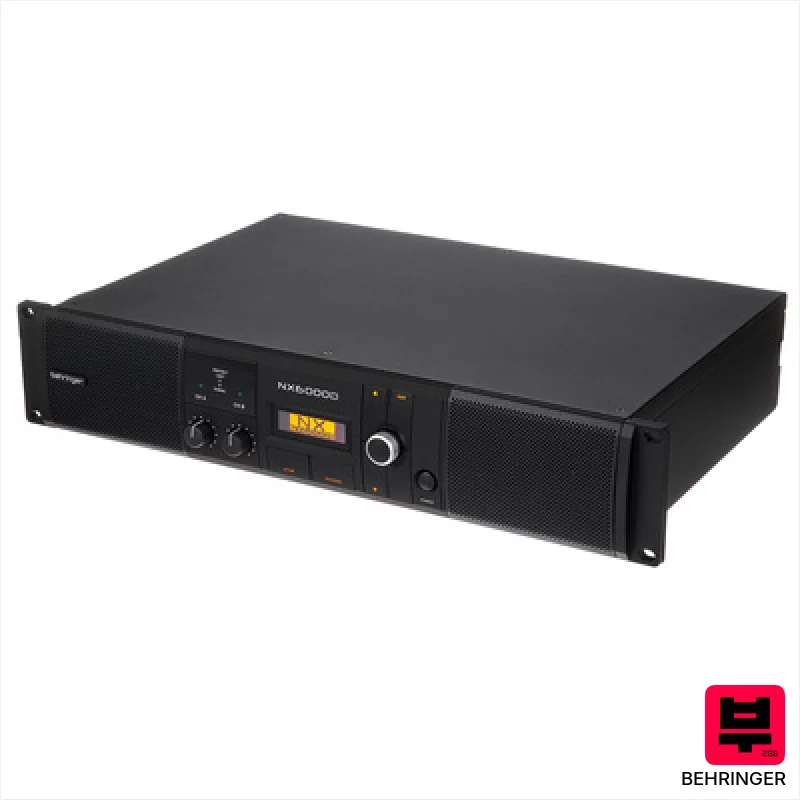
Behringer NX6000D
- • Impressive power density for its size; Class D efficiency minimizes heat
- • Built-in DSP offers significant flexibility for sound shaping
- • Compact 2U rack height saves valuable rack space
- • Robust speaker twist connectors handle heavy-duty cabling
- • Behringer’s build quality, while improved, still feels somewhat plasticky
- • DSP interface might be daunting for users unfamiliar with parametric EQ
- • Limited protection circuitry compared to higher-end amplifiers
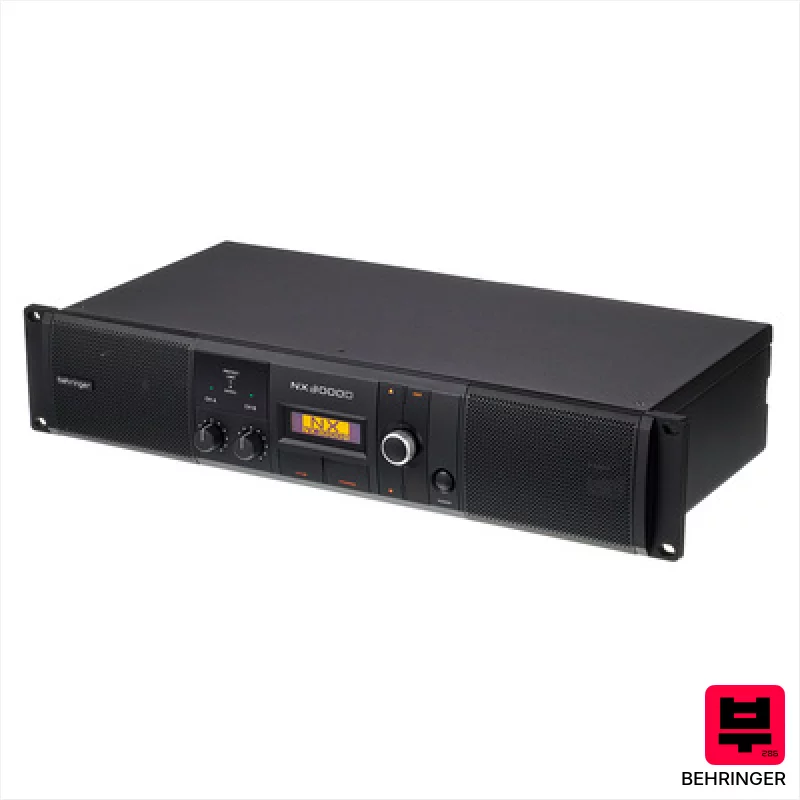
Behringer NX3000D
- • Impressive power density for its size, genuinely moves a lot of air.
- • DSP offers surprisingly useful, flexible processing options.
- • Class-D efficiency minimizes heat and power consumption.
- • Robust build quality for the price point, feels solid in a rack.
- • Behringer’s build quality, while improved, still feels a touch plasticky.
- • DSP interface could be more intuitive and user-friendly.
- • Limited headroom at extreme power levels – potential for clipping.
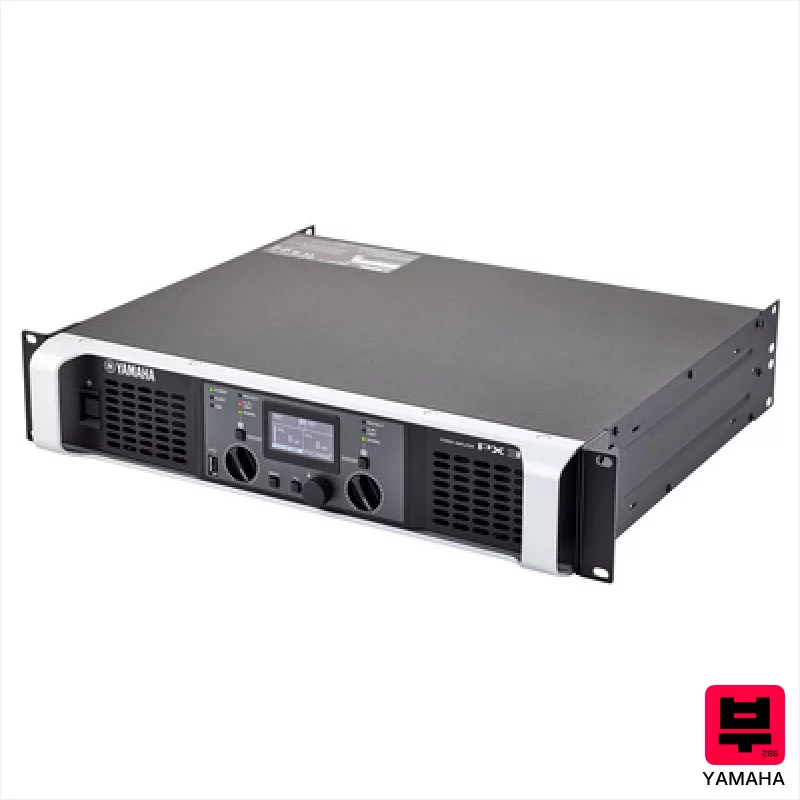
Yamaha PX3
- • Yamaha’s D-Contour processing delivers genuinely improved speaker response.
- • Compact 2U rack height makes it surprisingly space-efficient for the power.
- • Robust speaker twist connectors offer a secure, reliable connection.
- • Digital Class-D design provides exceptional efficiency and minimal heat.
- • Limited routing options compared to more complex, mixing-integrated amplifiers.
- • The fan noise, while not excessive, is noticeable in very quiet environments.
- • Lacks advanced metering or diagnostics beyond basic power indication.
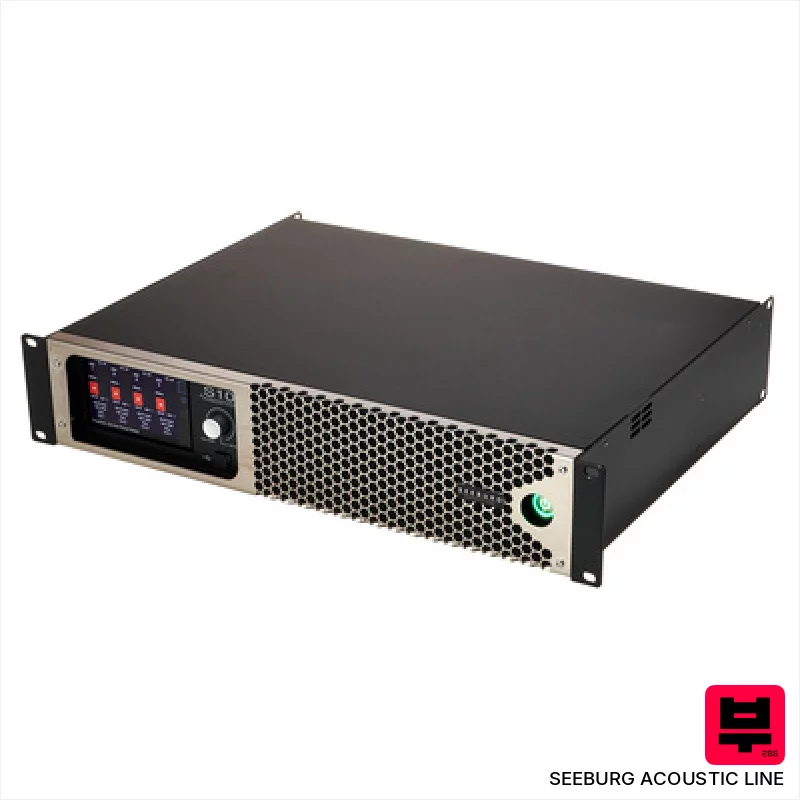
Seeburg Acoustic Line S 10
- • Impressive power density for a Class D amp, remarkably compact.
- • DSP offers excellent flexibility for shaping sound and protecting speakers.
- • AES3 and RJ45 connectivity provides versatile routing options.
- • Intelligent power sharing prevents damage when using mismatched speakers.
- • Price point places it firmly in the professional, high-end market segment.
- • 2U height might present rack space limitations for some users.
- • RJ45 connectivity, while versatile, may require specific cabling and knowledge.
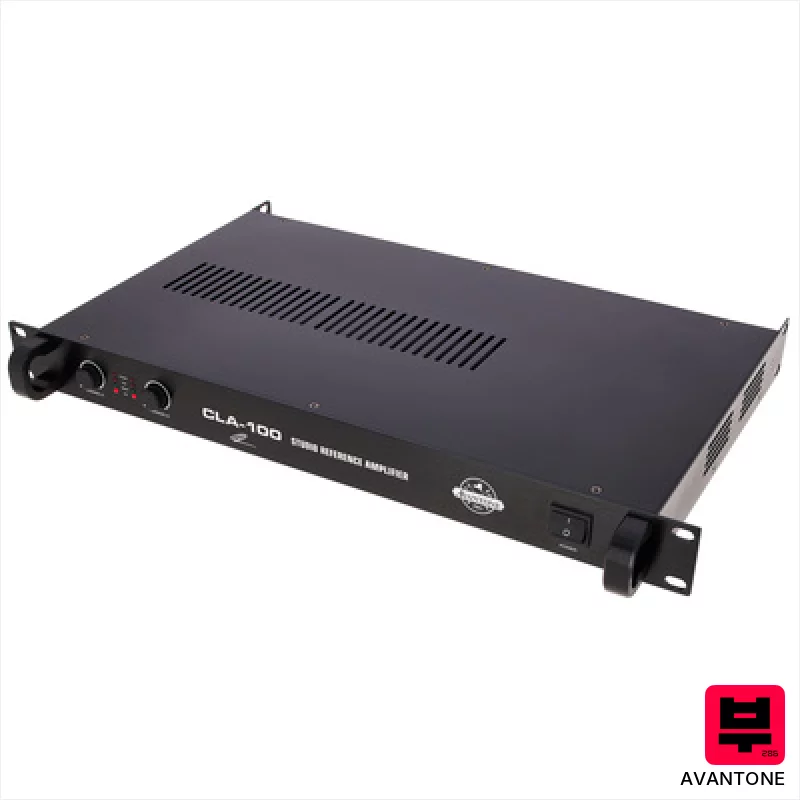
Avantone CLA-100
- • Solid Class AB design delivers clean, powerful amplification.
- • Convection cooling minimizes fan noise, crucial for studio environments.
- • Compact 1U rackmount saves valuable space in tight studios.
- • Versatile XLR and screw terminal connections offer broad compatibility.
- • Limited power compared to higher-end, multi-channel amplifiers.
- • The all-black aesthetic can feel a bit plain for some users.
- • Lacks advanced features like protection circuits found in pricier models.
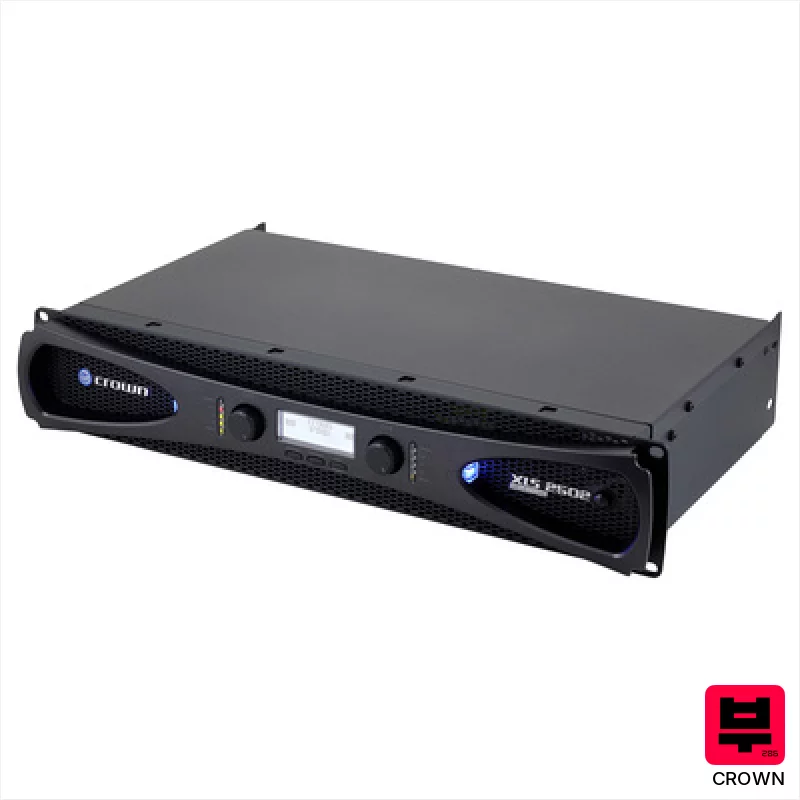
Crown XLS 2502
- • Robust metal chassis provides excellent physical protection during transport.
- • DriveCore Class-D design delivers impressive power efficiency and minimal heat.
- • Flexible amplifier modes cater to diverse PA and live sound applications.
- • PeakX limiters offer channel protection against accidental signal overload.
- • Limited headroom compared to higher-end, more expensive power amplifiers.
- • The fan, while quiet, can become audible under heavy, prolonged use.
- • RCA inputs feel like an afterthought in a predominantly professional-grade amp.
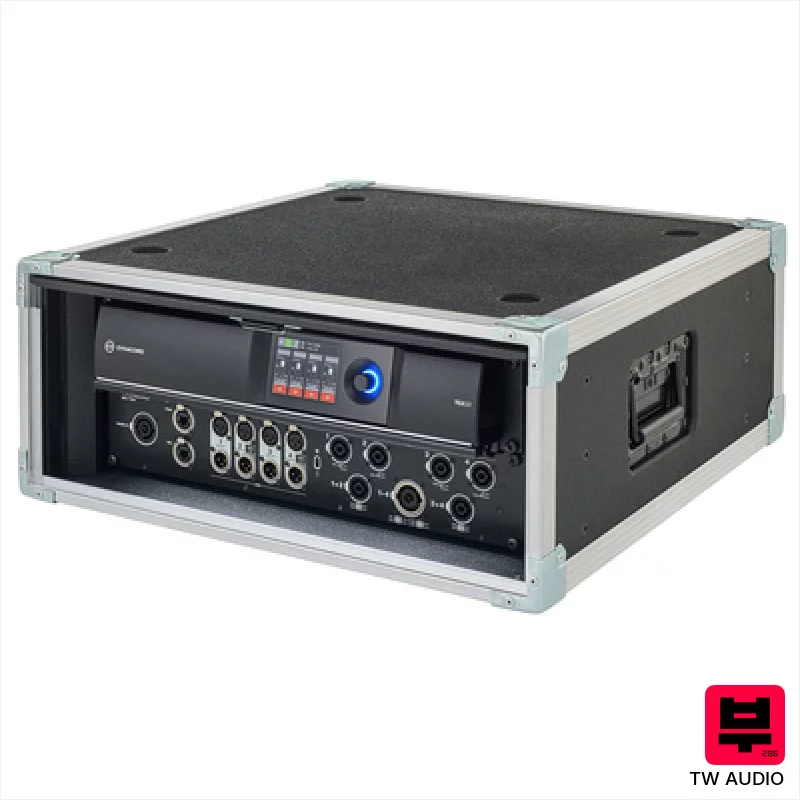
TW AUDiO SYSRACK-TGX10
- • Dynacord TGX series power delivers exceptional headroom and clarity.
- • Integrated DSP with FIR-Drive offers precise sonic tailoring and control.
- • OMNEO/Dante integration provides seamless network connectivity and redundancy.
- • Robust 4U rack design ensures durability for demanding touring applications.
- • Premium-priced, making it a significant investment for smaller installations.
- • Size and weight (34kg) require careful planning for transportation and setup.
- • Limited flexibility for non-standard configurations without advanced DSP knowledge.
How to Choose the Best General Power Amps
Headroom
Crucial for avoiding that flubby, distorted sound when your drummer starts laying into the kit. You want clean headroom that lets your EQ shine, then a usable, musical breakup if you need it - not just clipping.
Cleanliness
A general-purpose amp needs to be clean at reasonable levels. We're not talking sterile, but you don't want a constant hiss or muddiness masking your signal. It's about a transparent delivery, not adding unwanted color.
Reliability & Build Quality
This isn't about aesthetics; it's about surviving the road. Sturdy connectors, decent heatsinking, and a well-built chassis are non-negotiable. A power amp failing mid-set is a nightmare.
Connectivity & Features
Balanced inputs are a huge bonus for reducing noise, especially with longer cable runs. Multiple speaker outputs (allowing for parallel wiring or bridging) add serious versatility for different PA setups.
Power Output (Wattage)
Matching the wattage to your speakers and the venue size is key. Too little power and you're clipping; too much and you're wasting money and potentially damaging your speakers. Think about your typical SPL requirements.
Buying Guide
Don't chase the cheapest option - corners are always cut somewhere. A power amp is a long-term investment. Look for reputable brands with a history of reliability. Paying a bit more for balanced inputs and a slightly beefier build is worth it to avoid headaches down the line. Also, check the THD+N (Total Harmonic Distortion + Noise) specs - lower is generally better, but don't get hung up on tiny differences; listen first.
Our Methodology
We don't just look at the numbers on a spec sheet. We've spent years gigging with a lot of amps, pushing them to their limits in rehearsals and tracking sessions. Our evaluations are based on how they sound in a band context, how they handle dynamics, and how they hold up to the inevitable abuse of a gigging musician's life.

