AudioFu Chart · October 2026
Best Martin Guitar Folk Acoustic Guitars 2026
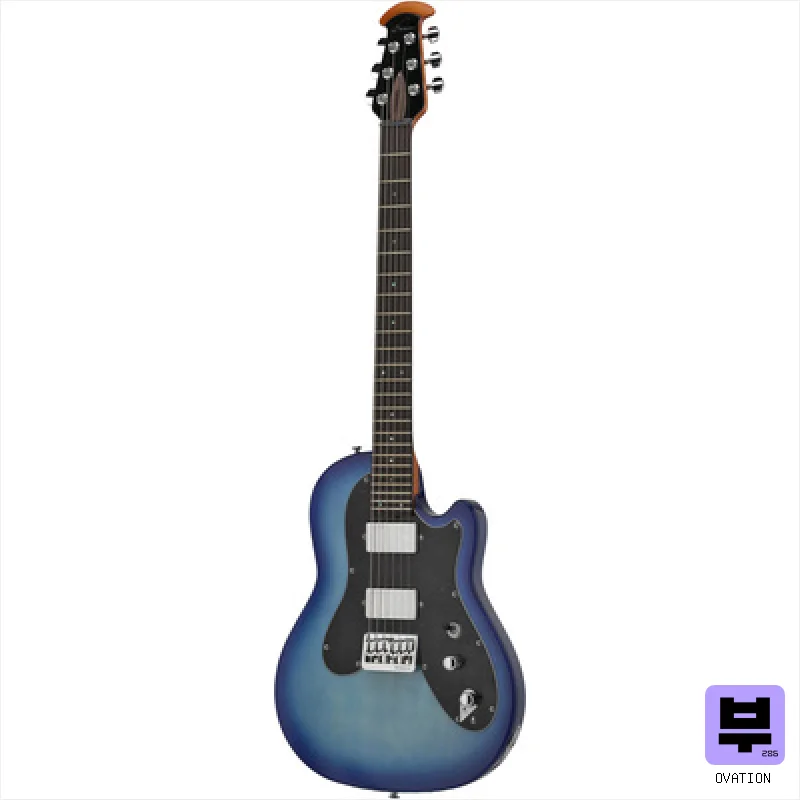
The top pick is Martin Guitar SC-13E MOD Ziricote Burst Sp ($2,241). Martin Guitar SCE all Satin Black BS gives you the most for the money at $1,344. Martin Guitar 00DB Jeff Tweedy LH leads the high end. Ranked by the AudioFu Index from 12 models, prices checked every night.
Last updated: October 21, 2026
Top 10
Full detail for the 10 highest AudioFu Index scores. Every other model is listed below.
-
- Scale645 mm (25.39")
- Frets20 frets
- FingerboardEbony fingerboard
This guitar feels solid and plays well because of its spruce top and Ziricote back. The L.R. Baggs pickup makes it ready for gigging right out of the box. It suits players who want a warm tone and easy access to the high frets.
Pros
- Premium Ziricote wood on back and sides for rich tone
- Solid spruce top responds well to player dynamics
- L.R. Baggs Element pickup ensures reliable sound
Cons
- No listed weight means you must check it yourself
- Electronics system lacks specific impedance details
56AudioFu
Index↓ 23.1%since Aug 17$2,915 · Aug 17$2,241 now$2,241€1,998 at Thomann · in stockCheck price ↗ -
- Scale645 mm (25.39")
- Frets20 frets
- FingerboardEbony fingerboard
This guitar feels solid thanks to its Ziricote body and spruce top. The cutaway shape makes it easy to play chords up the neck. It has a built-in pickup so you can play loud without distorting. It suits players who want a warm tone but need reliable electronics for gigs.
Pros
- Ziricote wood back and sides for rich warmth
- Spruce top offers bright attack and projection
- Fishman MX-T pickup ensures reliable sound
Cons
- Satin black finish hides wood grain detail
- White corian nut may feel slippery to touch
48AudioFu
Index↓ 20.1%since Aug 17$1,681 · Aug 17$1,344 now$1,344€1,198 at Thomann · in stockCheck price ↗ -
- Nut width44.5 mm (1.75")
- Scale632 mm (24.88")
- Frets20 frets
- BodyMahogany body
- FingerboardRosewood fingerboard
This left-handed concert guitar plays well thanks to its solid mahogany body and rosewood fretboard. The Jason Isbell signature model brings a warm sound perfect for fingerstyle players. It is a solid choice for those who prefer a smaller acoustic over a jumbo.
Pros
- Solid mahogany body offers warm, focused tone
- Left-handed design fits specific playing style
- Jason Isbell signature model ensures quality
Cons
- Concert body size lacks large projection
- Steel strings may feel harsh to some
48AudioFu
IndexStableno change since Aug 17Aug 17$1,513 now$1,513€1,349 at Thomann · in stockCheck price ↗ -
- Nut width44.5 mm (1.75")
- Scale632 mm (24.88")
- Frets20 frets
- FingerboardEbony fingerboard
This guitar sounds great because it mixes a warm mahogany top with bright Sapele sides. The included pickup makes it ready for gigs without extra gear. It suits players who want clear highs and rich mids in a single package.
Pros
- Modern Sapele wood delivers a bright, cutting top-end tone.
- Mahogany top provides a warm, mid-focused resonance.
- Included pickup system ensures easy playability in venues.
Cons
- No specific weight rating is provided for player comfort.
- Neck wood material is not detailed in the description.
46AudioFu
IndexStableno change since Aug 17Aug 17$1,524 now$1,524€1,359 at Thomann · in stockCheck price ↗ -
- Nut width44.5 mm (1.75")
- Scale632 mm (24.88")
- Frets20 frets
- FingerboardEbony fingerboard
This left-handed guitar uses solid sapele on top and sides for a warm, focused sound. The Wilco signature model feels special to fans, but the Auditorium body is smaller than a standard dreadnought. It works well for fingerstyle and strumming without needing heavy amplification.
Pros
- Solid sapele top and sides offer strong, clear tone
- Left-handed design makes playing comfortable for lefties
- Wilco signature model brings a distinct player vibe
Cons
- No specific body weight or depth listed in specs
- Auditorium shape can be less resonant than Dreadnought
46AudioFu
IndexStablesince Aug 17$1,681 · Aug 17$1,681 now$1,681€1,499 at Thomann · in stockCheck price ↗ -
- Nut width44.5 mm (1.75")
- Scale632 mm (24.88")
- Frets20 frets
- FingerboardEbony fingerboard
This guitar feels like a vintage model from the 1930s. The solid spruce top hits hard when you play, while the Sapele woods give it a deep, warm sound. It works great plugged in thanks to the built-in pickup. It is perfect for a player who wants a classic look and a compact, focused voice.
Pros
- Solid spruce top for strong, responsive attack
- Sapele back and sides offer rich dark tone
- Martin E1 pickup ensures clear electric tone
Cons
- Grand Concert body is small for larger players
- No weight listed makes carrying difficult to judge
43AudioFu
IndexStableno change since Aug 17Aug 17$1,793 now$1,793€1,599 at Thomann · in stockCheck price ↗ -
- Nut width44.5 mm (1.75")
- Scale645 mm (25.39")
- Frets20 frets
- FingerboardEbony fingerboard
This Martin GPC-13E brings a bright, cutting sound thanks to its Koa back and sides. The cutaway shape helps you reach high frets without straining, while the ebony fingerboard stays smooth under your fingers. It works well for players who want a solid acoustic tone with built-in pickup support. Perfect for folk singers or session musicians who need clarity on stage.
Pros
- Koa wood back and sides offer rich, bright tone
- Cutaway design makes high notes easier to reach
- Ebony fingerboard provides smooth playability
Cons
- Natural finish requires more care than darker woods
- No weight specification listed in the description
43AudioFu
IndexStableno change since Aug 17Aug 17$2,242 now$2,242€1,999 at Thomann · in stockCheck price ↗ -
- Nut width44.5 mm (1.75")
- Scale645 mm (25.39")
- Frets20 frets
- FingerboardEbony fingerboard
This guitar uses solid mahogany for a warm, mid-range sound perfect for folk and singer-songwriter styles. As a left-handed signature model, it offers a comfortable feel with a wide nut for clear strumming. It comes with a case but lacks electronics, so it's best played unplugged.
Pros
- Solid mahogany top and back for warm tone
- Left-handed design for right-handed players
- Jeff Tweedy signature style for folk music
Cons
- No electronic pickup system included
- Mahogany back limits high-end brightness
43AudioFu
IndexStableno change since Aug 17Aug 17$5,158 now$5,158€4,599 at Thomann · in stockCheck price ↗ -
- Scale645 mm (25.39")
- Frets20 frets
- BodyMahogany body
- FingerboardEbony fingerboard
This Jeff Tweedy signature guitar feels fast and warm under your fingers. The solid mahogany top gives it a rich, mid-heavy tone perfect for folk or country strumming. While it lacks built-in pickups, the solid construction makes it a solid choice for players who want a classic acoustic sound.
Pros
- Solid mahogany body delivers warm, focused midrange tone.
- Mahogany neck provides a fast, responsive play feel.
- Ebony fingerboard ensures a smooth, durable surface.
Cons
- No electronics included for stage amplification.
- Single tone wood limits high-frequency sparkle.
43AudioFu
IndexStableno change since Aug 17Aug 17$5,158 now$5,158€4,599 at Thomann · in stockCheck price ↗ -
- Nut width44.5 mm (1.75")
- Scale645 mm (25.39")
- Frets20 frets
This GPC-13EL-01 is a seriously refined instrument. The Ziricote gives it a warm, articulate voice with a surprising amount of snap, and the E1 pickup makes it stage-ready. It’s perfect for the discerning left-handed player who appreciates a smaller body size but still wants a big, balanced sound and professional amplification.
Pros
- Ziricote back/sides deliver a uniquely complex, overtone-rich tone.
- Spruce top and X-bracing provide excellent projection and responsiveness.
- Martin E1 pickup offers natural amplified tone with surprising clarity.
Cons
- Ziricote can be a visually polarizing wood; not universally appealing.
- The 16” radius fingerboard might feel less familiar to players used to flatter profiles.
40AudioFu
IndexStableno change since Aug 17Aug 17$2,018 now$2,018€1,799 at Thomann · in stockCheck price ↗
All 12 folk acoustic guitars
Same index, same nightly prices — compact. Colour options of one model share a row. Tap a photo to zoom.
- 11
Martin Guitar 0-17Martin Guitar40Stable$3,363€2,999$3,363€2,999Check ↗
- 12
Martin Guitar 5-28 TerzMartin Guitar40Stable$5,046€4,499$5,046€4,499Check ↗
Folk Acoustic Guitars by the numbers
Measured across all 165 models we track, not a sample.
Median $2,018 — half of all folk acoustic guitars here cost less.
median of 157 models · 42 mm (1.65")–46 mm (1.81")
median of 158 models · 570 mm (22.44")–650 mm (25.59")
median of 131 models · 18–21
most common · 32 models
How to choose the best folk acoustic guitars
Heritage & Construction
Martin's history is interwoven with American music. Their dovetail neck joints and X-bracing patterns - pioneered by them - are foundational to acoustic guitar design. You're getting a lineage of refinement, and it shows in the projection and sustain.
Tone Characteristics
That classic Martin tone is often described as 'woody' but it's more nuanced than that. Expect a strong low-end thump with a balanced midrange - not a scooped-out, overly-bright sound. The high end is sparkly but controlled, avoiding that ice-picky harshness you find on some other guitars.
Neck Profile
Martin's neck profiles have evolved, but they generally offer a comfortable feel, leaning towards a medium-oval that's accessible for most players. The feel is critical; a neck that doesn't sit right will kill your playing, no matter how good the guitar sounds.
Sustain & Articulation
Martin guitars excel at clarity and sustain. Individual notes ring out, chords have definition, and you can really hear the nuances of your playing. This is crucial for fingerstyle players and anyone wanting to record clean, detailed parts.
Build Quality & Materials
Martin uses high-grade tonewoods, and the attention to detail is generally superb. However, lower-end models might use less desirable bracing wood or finishes that don't resonate as freely - those are the compromises to be aware of.
Buying guide
So you're looking for a Martin folk acoustic? Smart move. They're the benchmark, the gold standard for a reason - but 'best' is subjective, and a Martin's character can vary wildly depending on the model. Let's break down what makes a Martin a Martin, and which models are genuinely going to nail that warm, woody, and articulate vibe you're after for everything from campfire singalongs to cutting through a band mix.
Don't chase the hype; find a guitar that feels right in your hands. The action can be adjusted, but the neck profile is what you live with. Listen for that balanced tone - a Martin shouldn't be overly boomy or brittle.
Paying extra for solid wood tops and genuine mahogany/rosewood back and sides is almost always worth it for the tonal complexity and longevity.
How the AudioFu Index works
Five measured signals and nothing else — no stars from strangers, no “tested by experts” we didn’t do. The weights are fixed and public. We don’t play these instruments; we measure the market around them.
This chart covers 19 folk acoustic guitars from the Thomann catalogue (of 165 in the category). Before you buy, read hands-on reviews and, where you can, play it. Full methodology.
AudioFu earns a commission when you buy through our Thomann links. It never changes the order — the index does.
- Demand40%
How many of this exact model are for sale on Reverb right now — what musicians actually buy and resell.
- Lineup20%
How many finishes Thomann stocks — makers expand the models that sell.
- Price15%
Where the price has moved since we started tracking in August.
- Specs15%
How completely the maker documents it.
- Maker10%
How deep the brand’s range is in this category.
Questions
Are Martin guitars really worth the money?
That's a loaded question. They're an investment, but a well-maintained Martin will last a lifetime and sound incredible doing it. Cheaper guitars might sound decent initially, but they often don't age well.
What's the difference between a Standard and a Custom Martin?
Standards are the core models, built with consistent specifications. Customs are higher-end, often with upgraded tonewoods, more refined finishes, and sometimes, fancier appointments. The sonic difference is noticeable, but consider if the extra cost aligns with your needs.
I've heard Martins need a 'break-in' period. Is that true?
Yeah, to some extent. The wood settles, the finish opens up a bit, and the tone becomes richer over time. It's not a dramatic change, but you'll hear a difference after a few months of regular playing.
Which Martin is best for recording?
It depends on the genre, but generally, a 000-18 or a D-18 are excellent all-around choices. They offer a good balance of warmth, clarity, and projection, allowing you to capture a detailed and intimate sound. Consider a smaller body size for more focused tone.
What about Martin pickups? Are they any good?
Martin's Fishman pickups are decent, but they're rarely the highlight. Aftermarket options like LR Baggs or K&K are often a significant upgrade, offering more natural-sounding amplified tone - especially important for gigging.