
Best Folk Acoustic Guitars for Classical Crossover 2026
So, you're diving into Classical Crossover - that sweet spot where the precision of classical guitar meets the warmth and expressiveness of folk. It's a demanding genre, needing a guitar that can handle intricate fingerstyle work and cut through with a band. Forget the bright, jangly bluegrass boxes; we need something with a bigger voice, more sustain, and a responsiveness that lets your dynamics shine. Let's find the right axe.
Last updated: July 8, 2026 • Next update: July 15, 2026
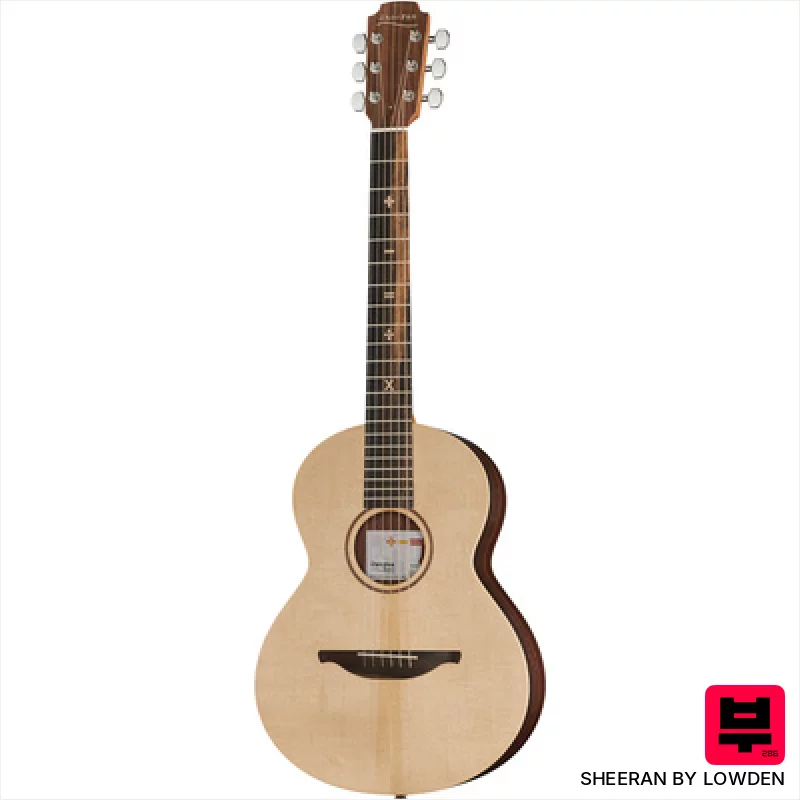
Sheeran by Lowden Tour Edition Lefthand
- • Solid Spruce top delivers a bright, responsive, and articulate tone.
- • Rosewood back & sides add warmth and sustain, balancing the spruce's brightness.
- • LR Baggs EAS VTC system offers a clean, amplified sound ideal for stage use.
- • Ebony fingerboard provides smooth playability and excellent note definition.
- • The WL body size may feel small for players accustomed to larger dreadnoughts.
- • Limited availability due to the tour-exclusive nature makes it harder to acquire.
- • Rosewood's tonal characteristics may not suit all playing styles – less versatile.
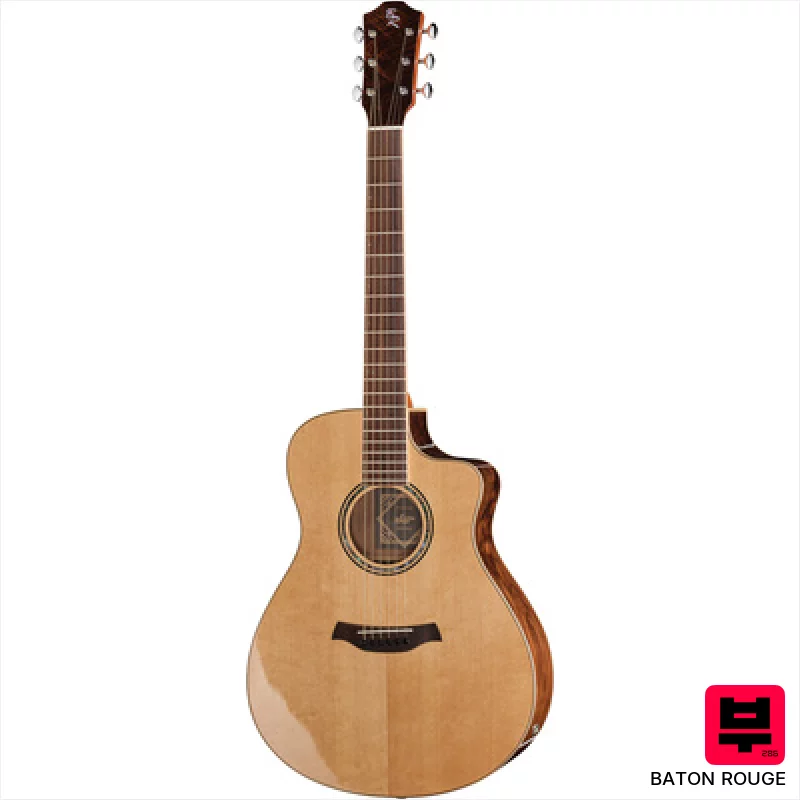
Baton Rouge X35S/FCE
- • Solid spruce top delivers a clear, responsive voice with surprising projection.
- • Black walnut back and sides add warmth and complexity to the tone.
- • The Mings MB-3 pickup system provides a usable, amplified sound with good clarity.
- • Okoume neck offers a comfortable feel and contributes to the guitar's overall resonance.
- • High-gloss finish may feel a bit plasticky to players preferring a more open tone.
- • Ovangkol fingerboard, while durable, can be a bit harder than rosewood.
- • Open-gear tuners are charming but may require slightly more frequent adjustments.
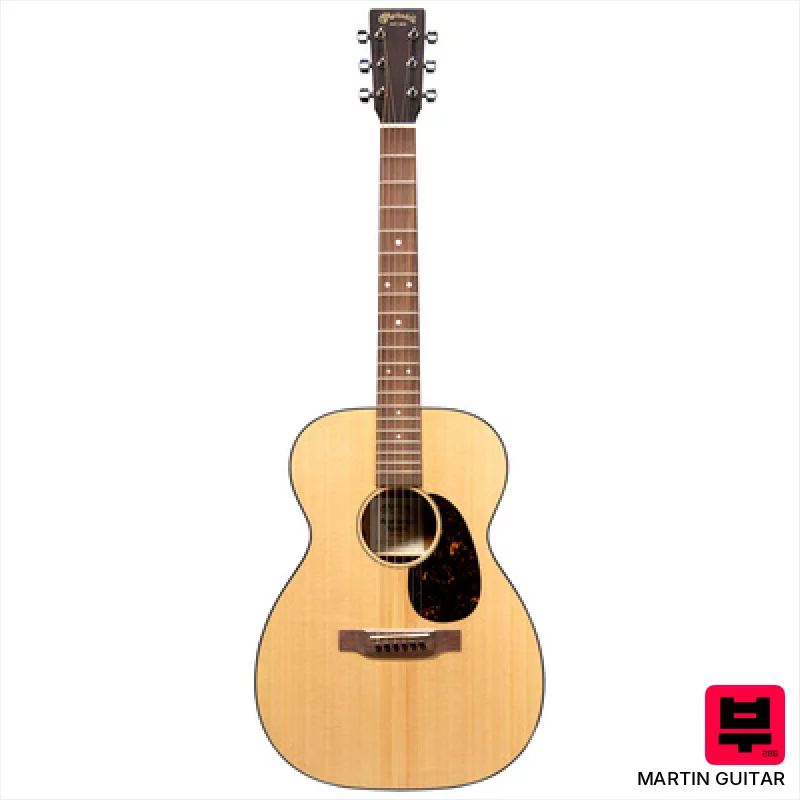
Martin Guitar 11SP0010E Road Series Special
- • Solid spruce top delivers balanced, responsive projection and clarity.
- • Sapele back and sides add warmth and sustain, a great tonal complement.
- • Martin E1 pickup system provides usable, natural amplified sound for stage.
- • Style 28 fingerboard inlays offer a premium aesthetic and comfortable playability.
- • Road Series construction prioritizes affordability, slightly impacting finish refinement.
- • Sapele can be a bit 'woody' sounding initially, requires a break-in period.
- • Grand Concert body might feel small for players accustomed to larger dreadnoughts.
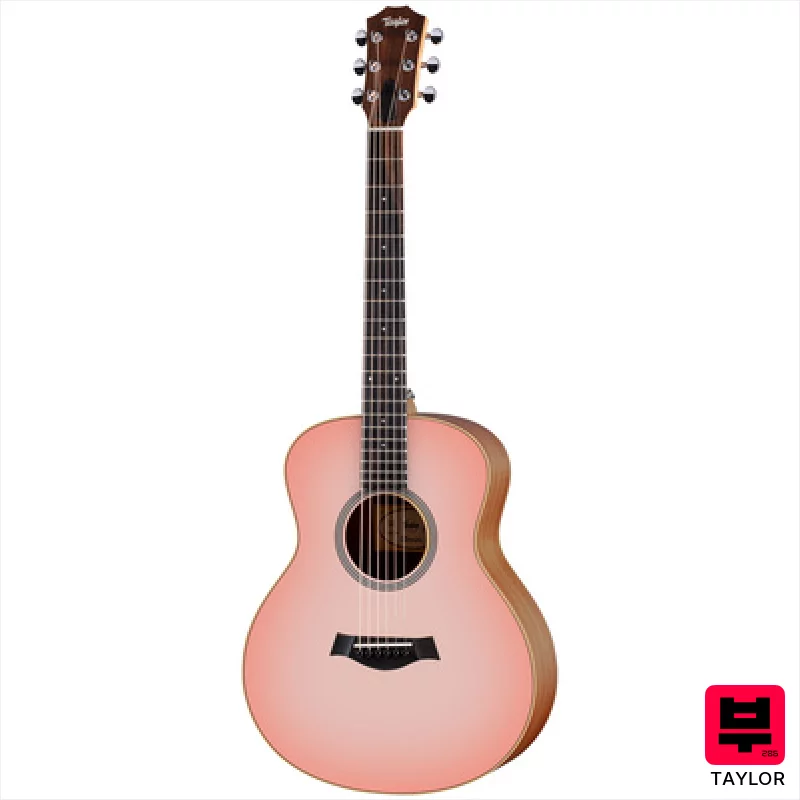
Taylor GS-Mini-e Sakuraburst
- • Solid torrefied Sitka top delivers a warm, mature tone instantly.
- • Sapele laminate back/sides provide excellent projection and sustain.
- • Taylor ES-B system offers exceptional amplified clarity and feedback resistance.
- • Ebony fingerboard provides a smooth, comfortable playing experience for fast runs.
- • Sakuraburst finish, while beautiful, may not appeal to all aesthetic preferences.
- • Smaller body size limits low-end response compared to full-size guitars.
- • Premium-priced, representing a significant investment for beginner players.
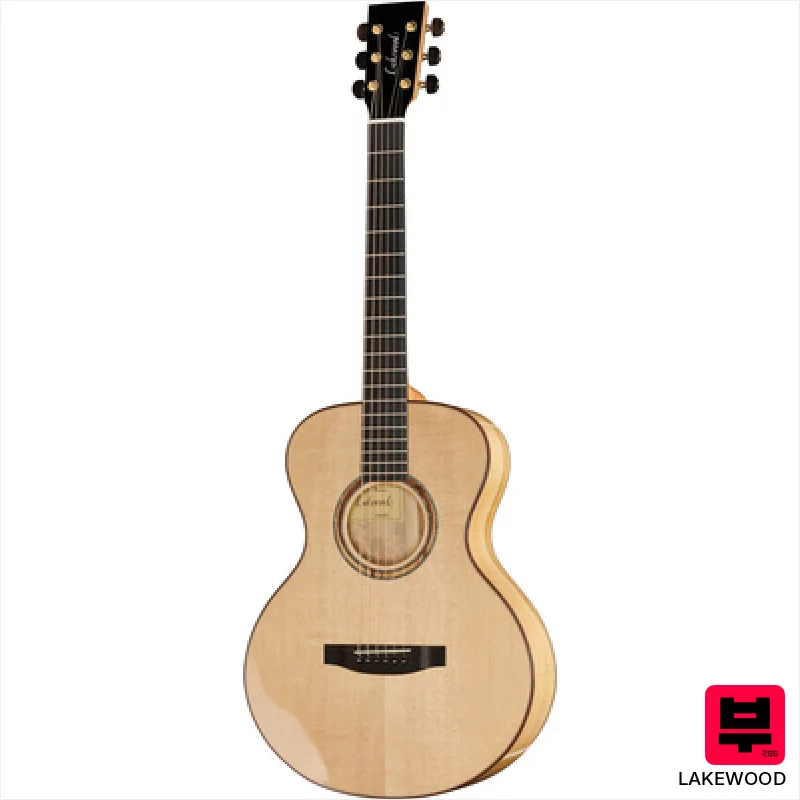
Lakewood A-52 Premium
- • AAAA Sitka spruce top delivers exceptional projection and shimmering highs.
- • Myrtle back and sides offer a unique, complex tonal character with warmth.
- • Cedro neck provides a smooth, comfortable feel and responsive playability.
- • Gotoh SGL-510Z tuners ensure rock-solid tuning stability and a premium feel.
- • Myrtle's tonal complexity might not suit players seeking a very bright, traditional sound.
- • The neck profile, while comfortable, might be too slim for some larger hands.
- • Premium-priced, making it a significant investment for many players.
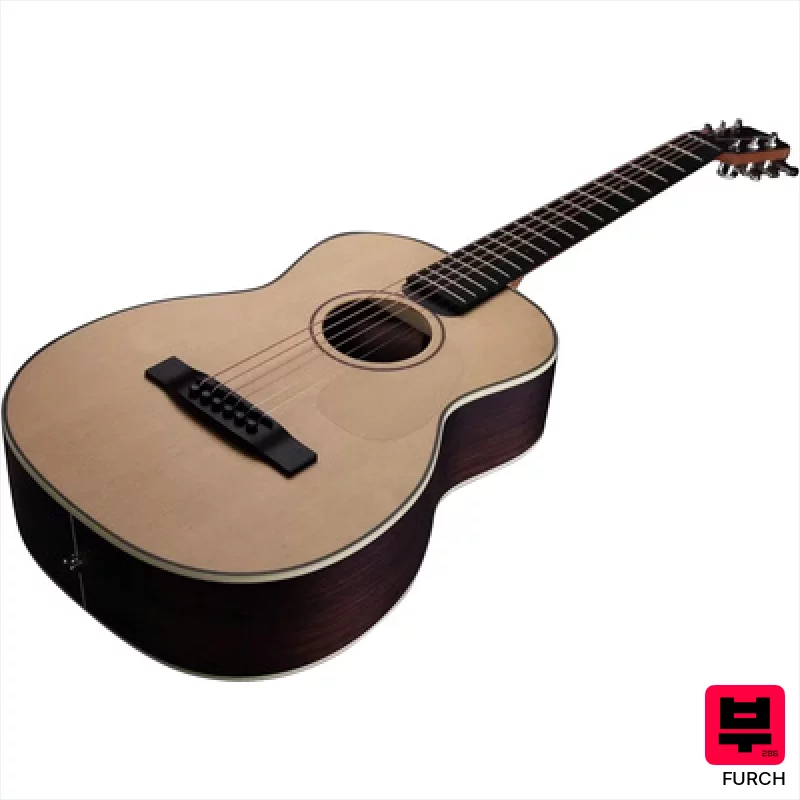
Furch LJ 11-SR Little Jane
- • AAA spruce top delivers a clear, articulate, and responsive tone.
- • Solid rosewood back/sides add warmth and sustain, beautifully balanced.
- • Carbon-reinforced mahogany neck enhances stability and reduces unwanted flex.
- • Ebony fingerboard and bridge offer excellent clarity and note definition.
- • The smaller body size might lack projection for large ensemble playing.
- • The 'Soft V' neck profile isn't for everyone – can feel a bit unusual.
- • Folding design, while convenient, may slightly impact overall resonance.
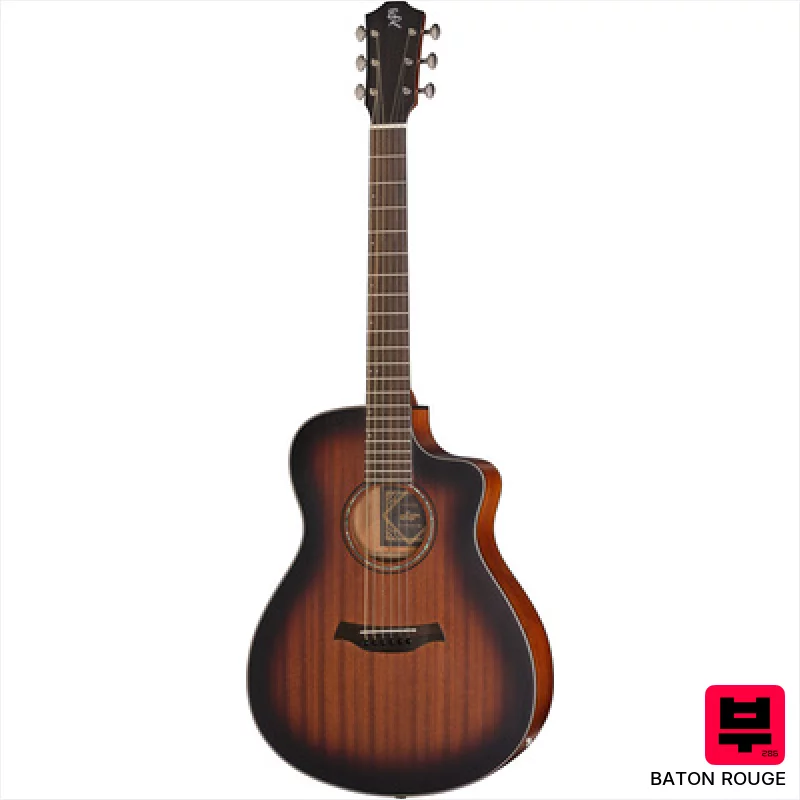
Baton Rouge X11LM/FCE-MB
- • Mahogany top delivers warm, focused tone with surprising projection.
- • Ovangkol fingerboard offers smooth playability and a pleasing feel.
- • The Mings MB-3 pickup system provides a usable, clean amplified sound.
- • Solid mahogany construction contributes to a resonant, balanced acoustic voice.
- • Open-pore finish can feel slightly rough compared to gloss finishes.
- • 46mm nut width might feel narrow for players accustomed to wider necks.
- • While capable, the pickup isn't suited for high-gain, distorted tones.
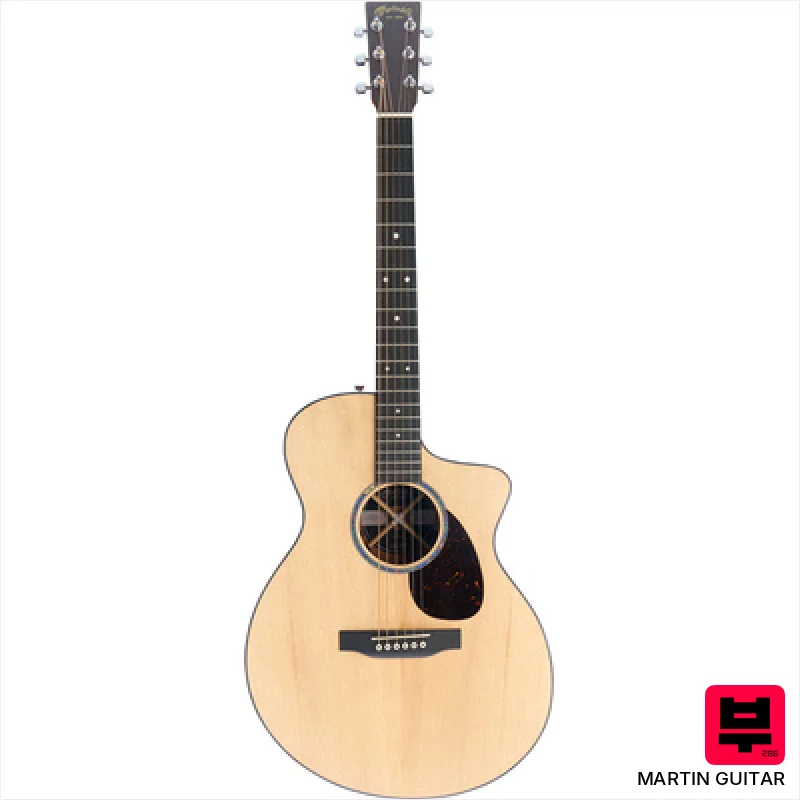
Martin Guitar SC-10E Spruce
- • Solid Sapele back/sides deliver a warm, balanced, and mature tone.
- • Spruce top provides excellent projection and responsiveness across the range.
- • Martin E1 electronics offer a natural amplified sound with discreet controls.
- • Richlite fingerboard and bridge offer stability and a smooth playing experience.
- • SC body style lacks the traditional dreadnought bass response some players prefer.
- • Richlite, while stable, lacks the aesthetic appeal of traditional ebony or rosewood.
- • The faux tortoise pickguard feels a bit like a cost-saving measure.
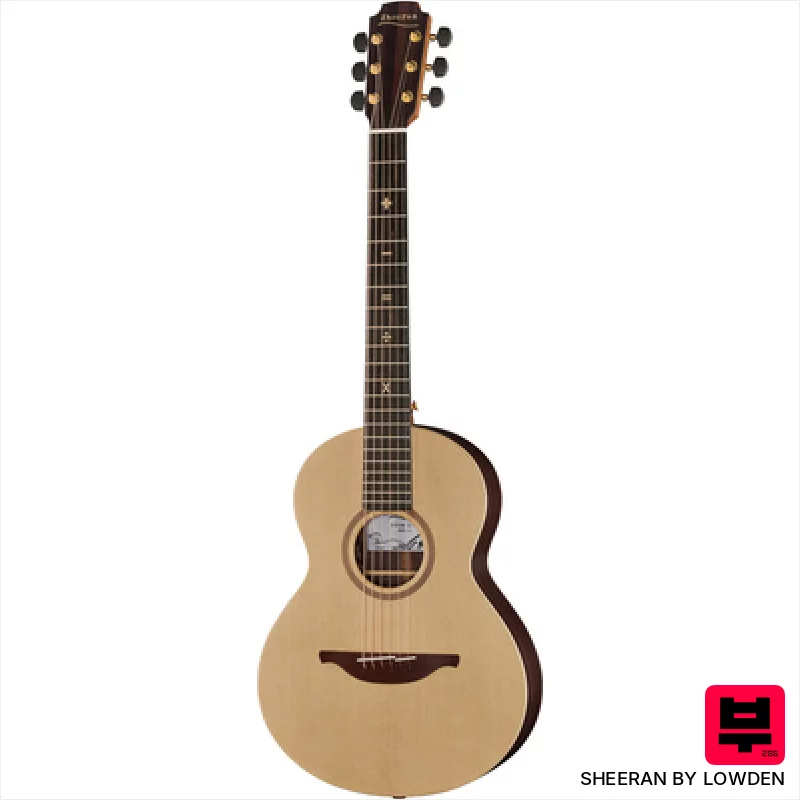
Sheeran by Lowden Stadium Edition
- • Exceptional spruce top delivers clarity and responsiveness for dynamic performance.
- • Rosewood back/sides provide rich overtones and a balanced sonic foundation.
- • The L.R. Baggs Element VTC pickup system offers transparent amplified sound.
- • Hand-signed by Sheeran and Lowden adds significant collector's value and prestige.
- • The thin body, while comfortable, might lack the projection of a full-sized dreadnought.
- • Limited edition nature restricts availability and resale potential.
- • The neck profile, while comfortable for Sheeran, may not suit all playing styles.
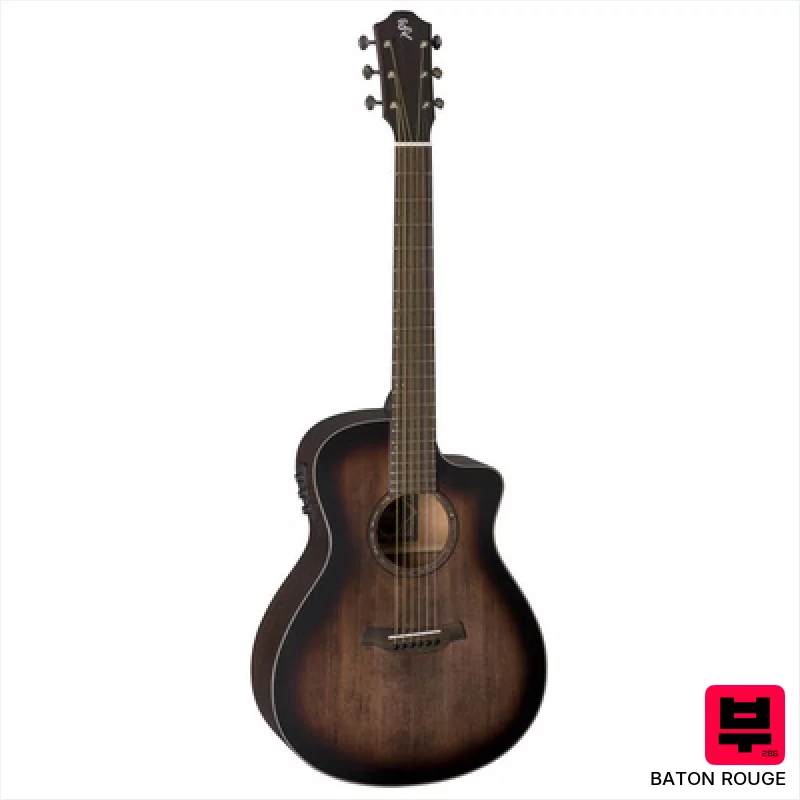
Baton Rouge X11LS/FCE-W-AB
- • Spruce top delivers bright, articulate tone with good projection.
- • Mahogany back/sides add warmth and sustain, balancing the top.
- • Wide neck caters to fingerstyle players and those preferring a classic feel.
- • Rechargeable MB-3 pickup offers convenient, stage-ready amplification.
- • Open pore finish can be a bit more susceptible to moisture and fingerprints.
- • Ovangkol fingerboard, while durable, can feel slightly less smooth than ebony.
- • 630mm scale length might feel a touch long for smaller hands.
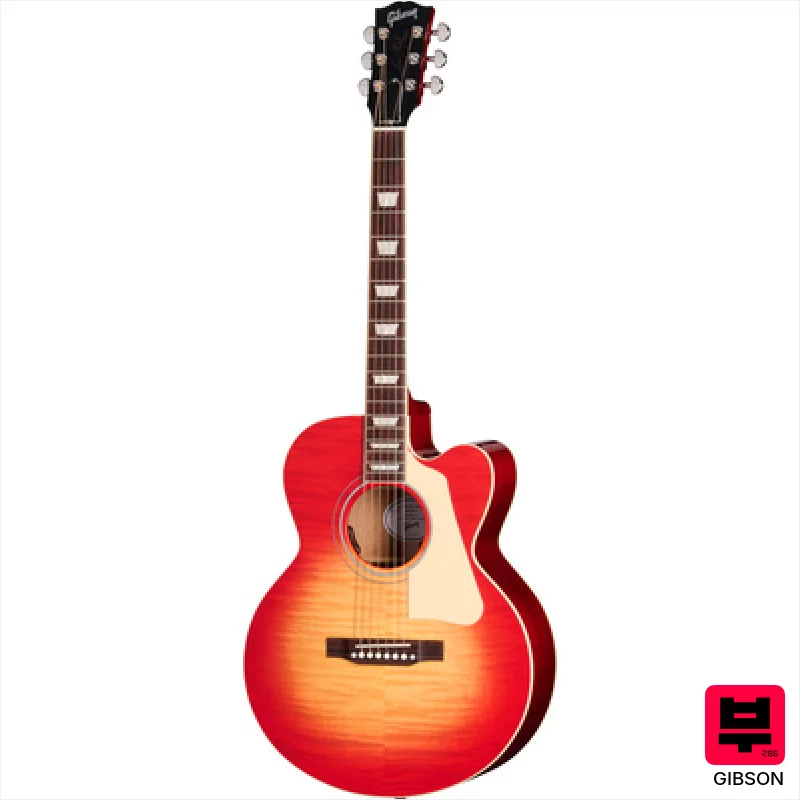
Gibson Les Paul Parlor Acoustic VCS
- • Solid AAA flamed maple top delivers a rich, complex, and articulate tone.
- • Mahogany back and sides provide warmth and sustain, balancing the maple's brightness.
- • L.R.Baggs VTC+4 system offers a high-quality amplified sound with excellent feedback rejection.
- • Grover Rotomatic tuners ensure precise and stable tuning, a welcome upgrade.
- • Parlor size limits low-end response; not ideal for deep bass-heavy styles.
- • Premium-priced, making it a significant investment for many players.
- • Relatively compact body may be less comfortable for players with larger hands.
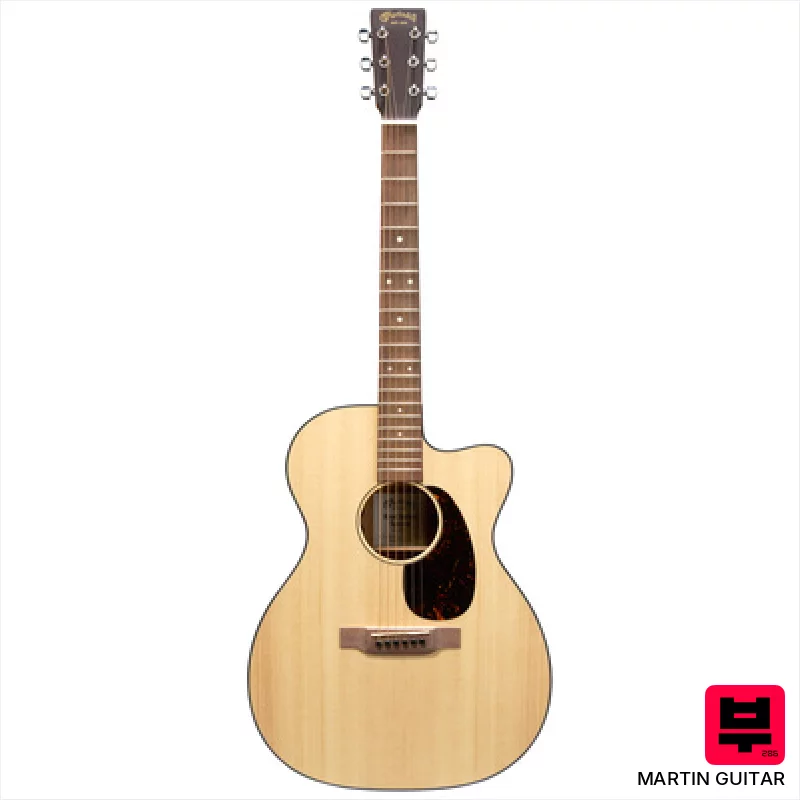
Martin Guitar SPOMC10E Road Series Special
- • Solid spruce top delivers focused projection and clarity.
- • Sapele back/sides offer warmth and a balanced tonal response.
- • Martin E1 pickup provides natural amplified sound for stage use.
- • Style 28 inlays add a touch of elegance and classic Martin aesthetic.
- • Road Series construction means slightly less refined cosmetic finishing.
- • Sapele can be a bit 'woody' sounding initially, requiring some break-in.
- • Auditorium body might not be ideal for aggressive percussive playing.

Journey Instruments OF422C
- • Solid spruce top delivers a bright, responsive acoustic tone.
- • Rosewood back & sides add warmth and sustain for a balanced sound.
- • Detachable neck is genuinely convenient for travel and storage.
- • Carbon-fiber reinforced neck ensures stability and resists warping.
- • The 00 size might feel a bit small for players accustomed to larger bodies.
- • While the pickup is decent, it's not a high-end amplified solution.
- • The shorter scale length slightly alters string tension and feel.
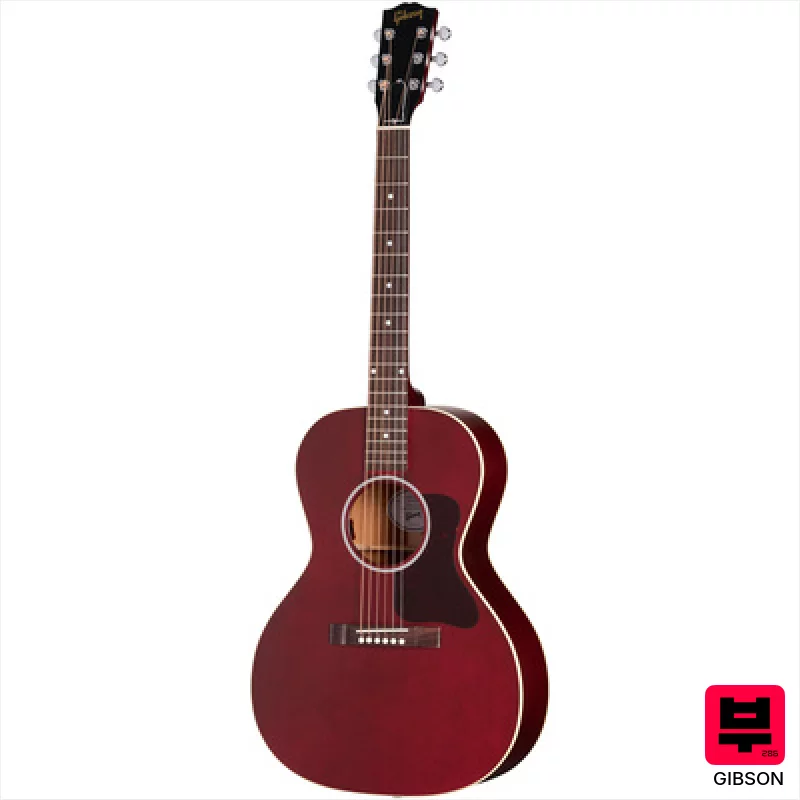
Gibson L-00 Special Wine Red
- • Sitka spruce top delivers bright, articulate projection and clarity.
- • Mahogany back/sides provide warmth and focused midrange response.
- • Slim taper neck profile offers comfortable playability for various hand sizes.
- • L.R. Baggs Element Bronze pickup system delivers amplified tone with natural character.
- • Wine Red finish might not appeal to players seeking more traditional aesthetics.
- • Smaller 00 body size limits bass response compared to larger dreadnoughts.
- • Premium-priced, placing it out of reach for budget-conscious players.
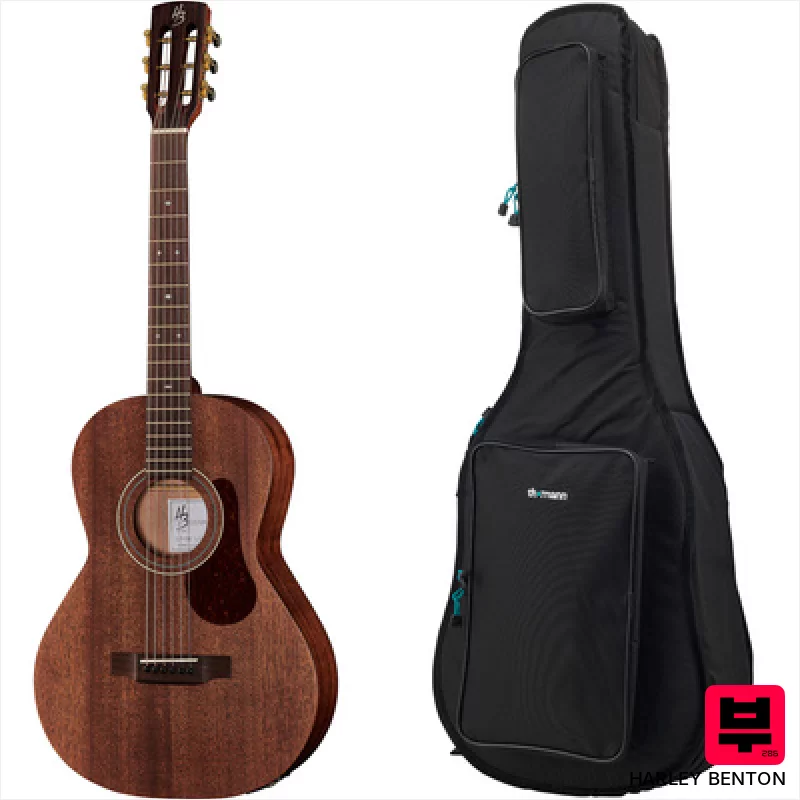
Harley Benton CLP-15ME SolidWood w/Bag
- • Solid Okoume construction delivers a warm, resonant tone with surprising projection.
- • Fishman Presys II pickup system provides a clean, amplified sound suitable for performance.
- • Pau Ferro fingerboard offers a smooth playing experience with a slightly faster feel.
- • Deluxe tuners ensure stable tuning, a significant upgrade for this price bracket.
- • Okoume, while lovely, lacks the tonal complexity of mahogany or rosewood.
- • The Oval C neck profile may not suit players preferring a flatter or more vintage feel.
- • Parlor size limits low-end response and may feel cramped for larger hands.
How to Choose the Best Folk Acoustic Guitars
Tonewoods
Mahogany and Adirondack Spruce are your friends. Mahogany gives you that warm, fundamental richness perfect for the lower registers in crossover pieces. Adirondack Spruce offers headroom and clarity, resisting breakup when you dig in for those powerful passages. Avoid overly bright, thin-sounding Sitka Spruce unless you're intentionally going for a more percussive tone.
Bracing Pattern
Forward-shifted bracing is generally preferred for responsiveness and a more even frequency response. Scalloped bracing can enhance sustain, but be careful - too much scalloping can lead to a boxy, less defined sound. A balanced approach is key.
Neck Profile & Scale Length
A comfortable, slim to medium C neck profile will allow for accurate fingerstyle work. A slightly longer scale length (25.5" or even 26") can provide a bit more clarity and projection, especially when playing with other instruments. A shorter scale can feel more comfortable for some, but can compromise some clarity.
String Spacing & Nut Width
Classical crossover often involves wider stretches and intricate fingerpicking. A wider string spacing at the nut (1 3/4" or even 1 7/8") gives you more room to maneuver without accidentally muting adjacent strings. This is absolutely critical.
Headroom & Projection
Classical crossover demands you cut through the mix, whether it's a string quartet or a full band. The guitar needs to project without sounding harsh or brittle. Listen for a balanced frequency response - not too much ice-picky high-end, but enough clarity to articulate those complex passages.
Buying Guide
Don't get caught up in aesthetics alone. A beautiful guitar that sounds thin and lifeless is just a pretty paperweight. Be honest about your playing level - a complex bracing pattern might be wasted on a beginner. Ultimately, the best guitar is the one that feels right in your hands and inspires you to play. Spend the money on good quality tuners - cheap tuners will fight you and ruin your intonation, which is vital for crossover's precision.
Our Methodology
We're not relying on spec sheets here. We've spent countless hours playing these guitars, A/B'ing them against each other, and, crucially, putting them through the paces - bedroom practice, studio tracking, and even a few rehearsals with full bands. We're listening for nuance, responsiveness, and that elusive 'feel' that separates a good guitar from a great one.

