
Best Filter Modules for Subtractive Synthesis 2026
Alright, let's talk filters. Subtractive synthesis is the bedrock of so much classic electronic music - from Moog basslines to glassy pads - and the filter is everything. It's not just about removing frequencies; it's about sculpting tone, adding character, and creating that sweet spot between clean and grit. Picking the right filter module can elevate your sound from generic to instantly recognizable, so let's dive in.
Last updated: July 15, 2026 • Next update: July 22, 2026

Weston Precision Audio SF1 Dual / Stereo Filter
- • Exceptional filter character, offering a wide palette of sonic textures.
- • Stereo operation expands creative possibilities for sound design.
- • Robust build quality; Weston's reputation for durable modules is evident.
- • Flexible CV routing allows for intricate modulation and dynamic filtering.
- • 18HP footprint can be restrictive in smaller Eurorack cases.
- • The overdrive, while useful, can become harsh at higher settings.
- • Limited filter modes compared to some more expansive filter modules.
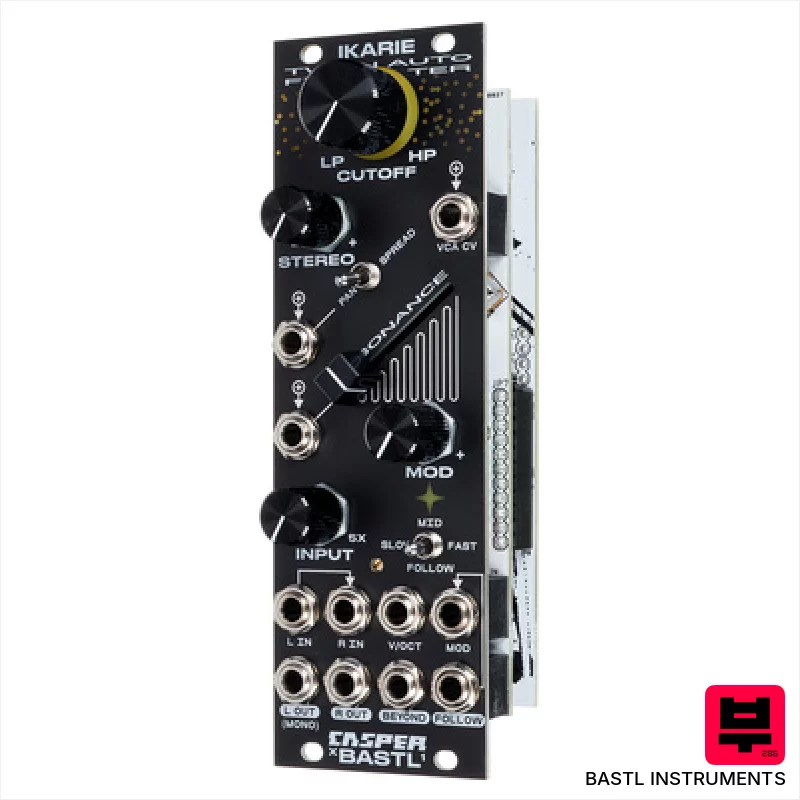
Bastl Instruments Ikarie
- • Unique crossfade offers incredibly flexible tonal shaping possibilities.
- • Envelope follower adds rhythmic movement without external modulation.
- • Stereo capabilities provide expansive soundscapes and creative panning.
- • Bastl's build quality is evident – robust metal chassis and solid components.
- • 8HP footprint can be restrictive in smaller Eurorack cases.
- • Limited filter modes compared to some larger, more complex filter modules.
- • The built-in VCA, while functional, isn’t as refined as dedicated modules.
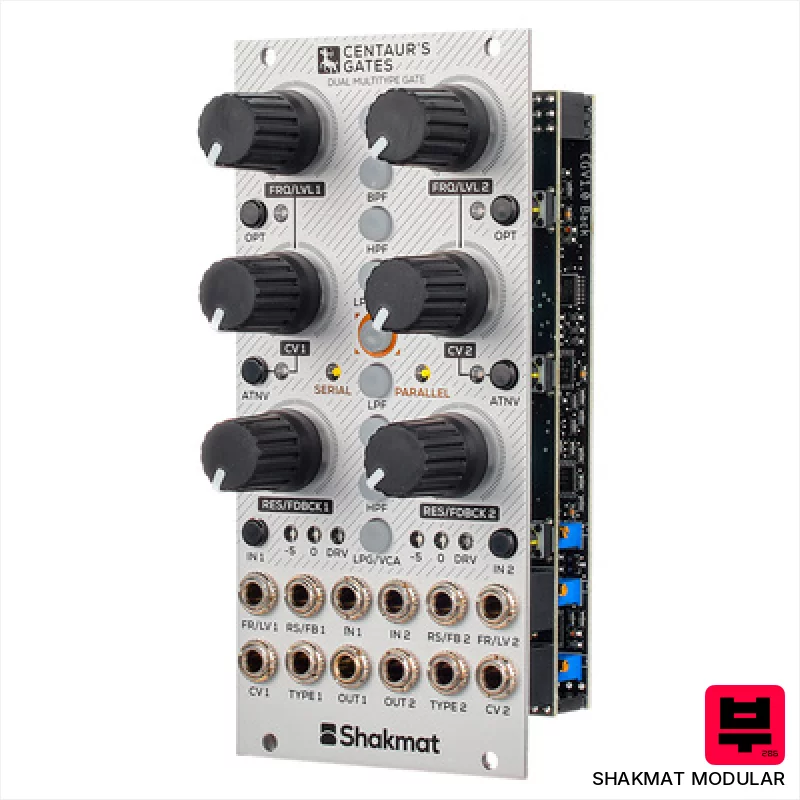
Shakmat Modular Centaur´s Gate
- • Analog signal path delivers rich, organic gate responses.
- • Dual channels offer flexible routing and complex rhythms.
- • Vactrol simulation adds warmth and subtle modulation.
- • Select Bus compatibility streamlines patching in larger systems.
- • 12HP footprint can be restrictive in smaller racks.
- • Aggressive resonance settings can easily become unruly.
- • Limited filter type selection compared to dedicated filter modules.

Vostok Instruments Atlas
- • Four channels offer incredible textural possibilities for sound design.
- • Normalization between channels creates evolving, complex filter sweeps effortlessly.
- • Scan section with crossfader is intuitive and provides dynamic control.
- • Compact 16HP footprint maximizes space in dense modular setups.
- • Limited filter characteristics per channel compared to dedicated filters.
- • Power draw of 170mA per rail can strain smaller power supplies.
- • Lack of drive or distortion circuitry within the module itself.
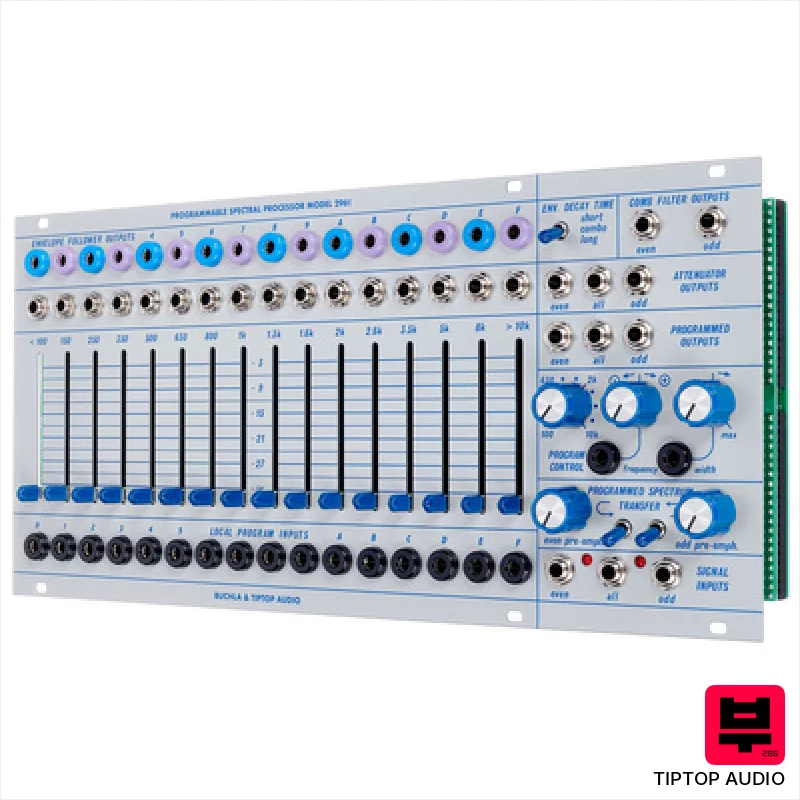
Tiptop Audio Model 296t
- • Exceptional sonic sculpting capabilities with 16 distinct bands.
- • Robust build quality; Tiptop's signature metal chassis feels solid.
- • Envelope follower outputs offer unique modulation possibilities.
- • Flexible routing options provide creative signal path manipulation.
- • Steep learning curve; mastering the complex routing takes dedication.
- • Power hungry; demands a substantial amount of current from your PSU.
- • Limited overall filter types; primarily excels as a resonant filter bank.
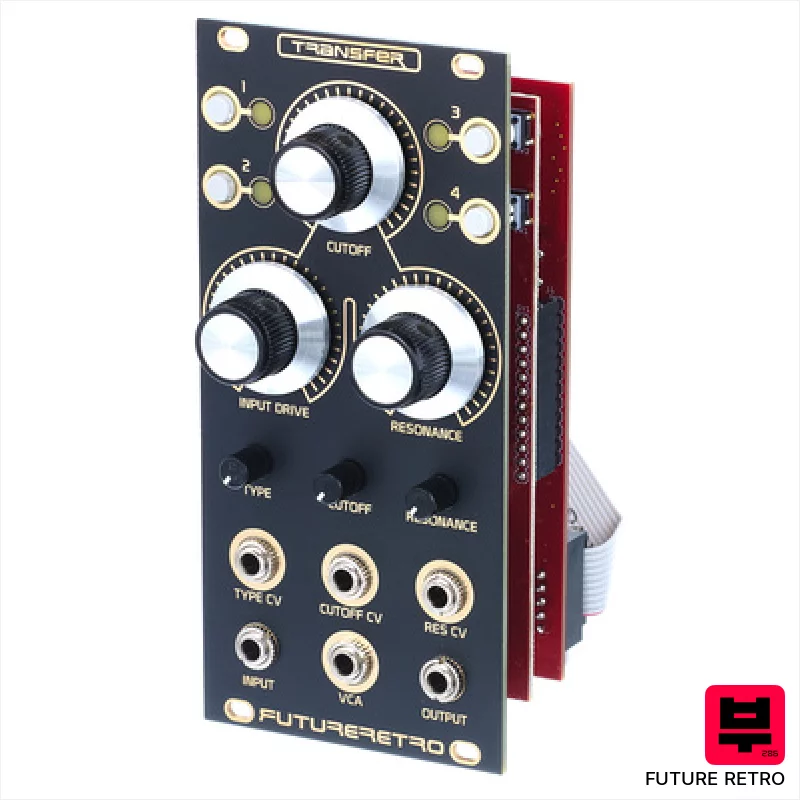
Future Retro Transfer
- • Exceptional filter variety offers a truly unique sonic palette.
- • Integrated VCA simplifies patching and adds immediate utility.
- • Bipolar attenuators provide nuanced, precise control over parameters.
- • Solid build quality; feels robust and well-engineered for rack use.
- • 12HP footprint can be restrictive in smaller modular setups.
- • Power draw is noticeable, impacting overall system power budget.
- • Limited input gain control; overdrive can be aggressive without careful adjustment.
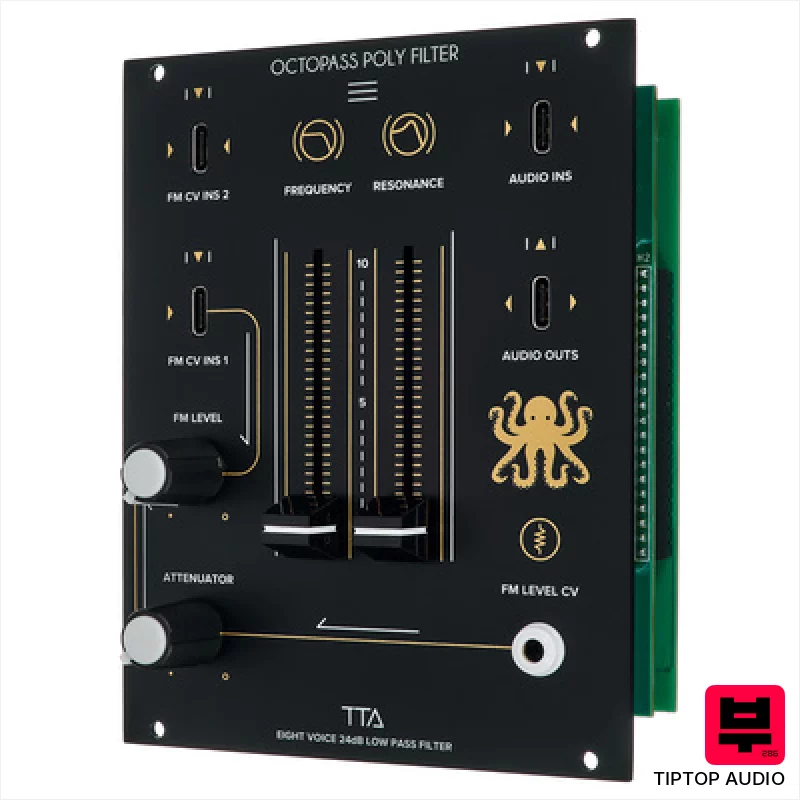
Tiptop Audio Octopass
- • Exceptional 24dB low-pass character, classic Moog-inspired warmth.
- • Polytip system enables genuinely polyphonic Eurorack workflows.
- • Robust build quality with Tiptop's signature metal chassis.
- • Cutoff CV input with bipolar attenuator offers precise control.
- • Polytip cables are proprietary and add to the overall expense.
- • 20HP footprint can be restrictive in smaller Eurorack cases.
- • Limited filter modes compared to more complex filter modules.
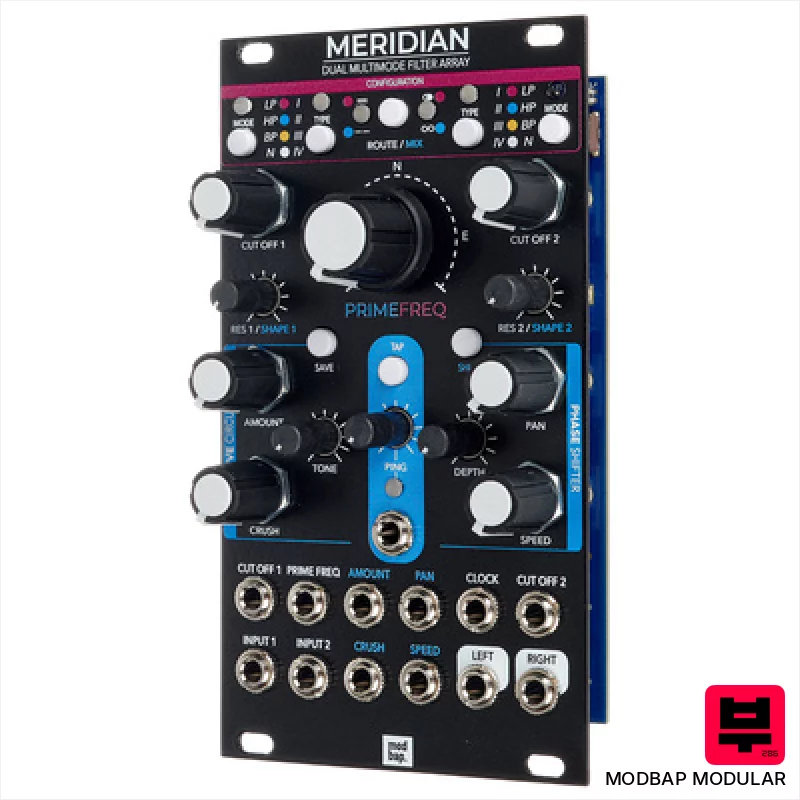
Modbap Modular Meridian
- • Excellent filter variety; Ladder/OTA sounds surprisingly authentic.
- • Ping function adds unique rhythmic textures and character.
- • Flexible routing options provide considerable sonic sculpting ability.
- • Overdrive section delivers grit without becoming muddy or harsh.
- • Depth (34mm) might be restrictive in shallower Eurorack cases.
- • OTA filter models lack the ultimate clarity of higher-end emulations.
- • Limited preset memory; four slots can fill quickly with experimentation.
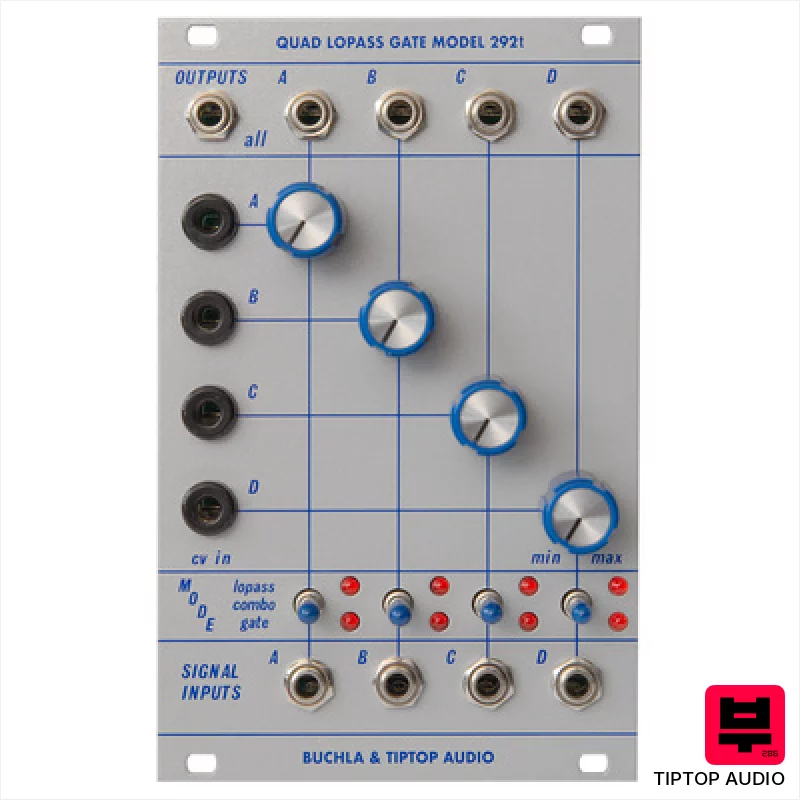
Tiptop Audio Model 292t
- • Robust aluminum chassis feels exceptionally solid and well-built.
- • Versatile routing options allow for complex modulation and sound design.
- • Four independent channels provide a surprising amount of sonic flexibility.
- • Lowpass gate mode offers a unique and characterful percussive effect.
- • Lacks optocoupler, potentially introducing more noise than some purists prefer.
- • 16HP footprint can be restrictive in smaller Eurorack cases.
- • Sum output can muddy the signal if gain staging isn't carefully managed.
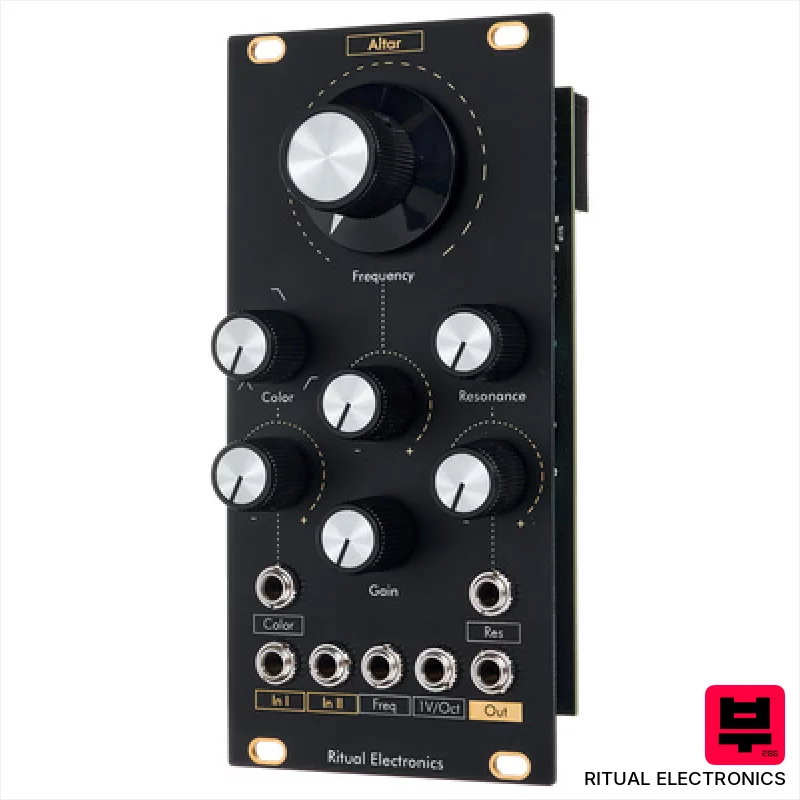
Ritual Electronics Altar II
- • Exceptional filter character – a sweet, organic, almost Moog-like tone.
- • The 'Colour' control offers genuinely useful filter type morphing.
- • Well-implemented bipolar CV attenuators provide excellent control range.
- • Compact depth allows for use in a wider range of Eurorack cases.
- • Limited input gain – can be noisy with hot signals.
- • Filter resonance can become unruly at higher settings, requiring careful modulation.
- • While versatile, it's a filter; lacks oscillator or modulation capabilities.
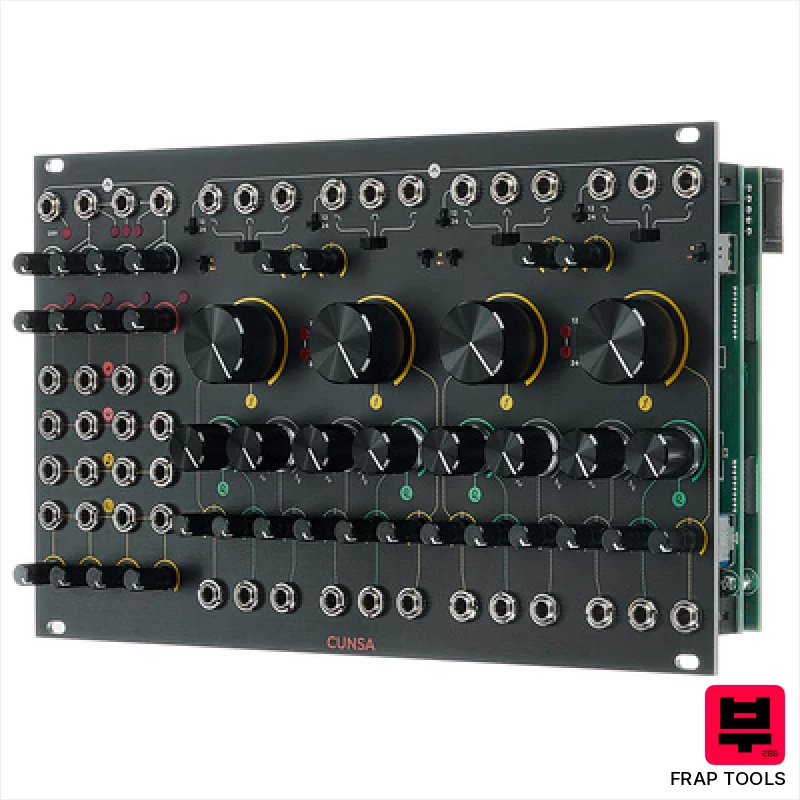
Frap Tools Cunsa
- • Exceptional filter character; truly unique and musical voicing.
- • Robust build quality with Frap's signature meticulous craftsmanship.
- • Comprehensive CV control allows for deep, dynamic sound sculpting.
- • Mixer section provides incredible flexibility in signal processing.
- • 42HP is substantial; requires a larger Eurorack case.
- • Price point positions it as a premium investment for serious users.
- • Saturation can quickly become overwhelming without careful attenuation.
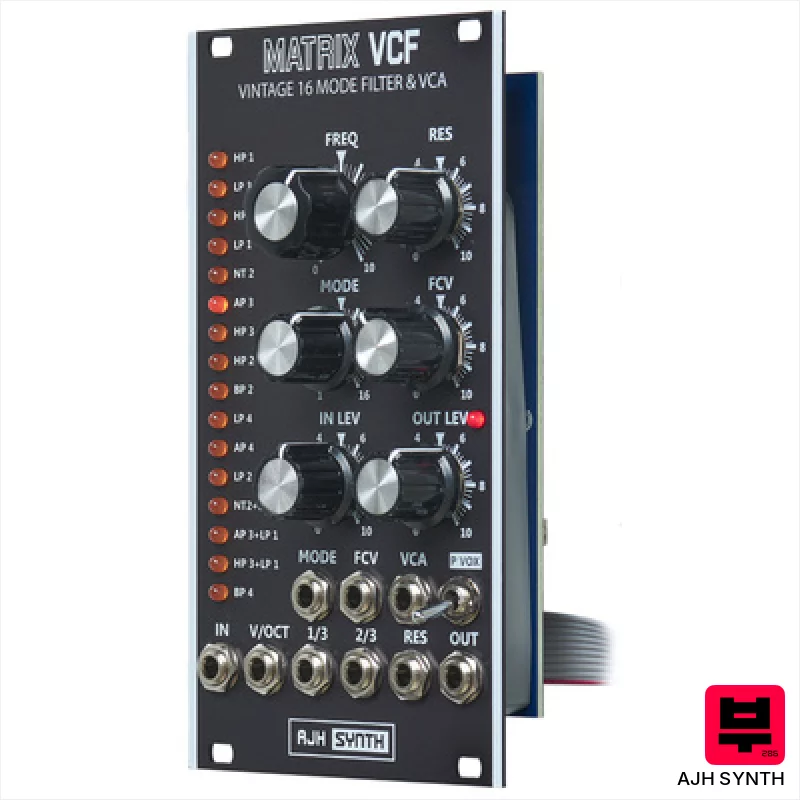
AJH Synth Matrix VCF black
- • Exceptional filter flexibility with 16 distinct modes.
- • The built-in VCA simplifies routing and signal flow.
- • Solid build quality; feels robust for its size and price.
- • Resonance characteristics offer a wide range of tonal possibilities.
- • 14HP footprint can be restrictive in smaller Eurorack cases.
- • Limited modulation destinations beyond the core parameters.
- • The VCA, while convenient, isn't a high-end studio-grade unit.

Intellijel Designs SVF 1U
- • Excellent filter character, distinctly Intellijel's signature warmth and clarity.
- • Compact 1U format maximizes space in dense modular setups.
- • Versatile multimode options provide a wide palette of sonic textures.
- • Robust build quality with Intellijel’s trademark meticulous construction.
- • Limited modulation inputs may restrict complex modulation routings.
- • SVF's sound isn't as aggressive as some other filter designs.
- • 1U height can be challenging for patching and visual organization.

XAOC Devices Oradea
- • Exceptional resonance creates complex, evolving textures.
- • Four independent channels offer incredible sonic layering possibilities.
- • Phase reverse switches add significant tonal shaping flexibility.
- • Compact 20HP footprint maximizes space in tight modular setups.
- • Requires Arad Resonator Commander for full feature set; a separate investment.
- • Can be overwhelming for beginners due to its complexity.
- • High resonance settings can introduce aliasing artifacts at higher frequencies.
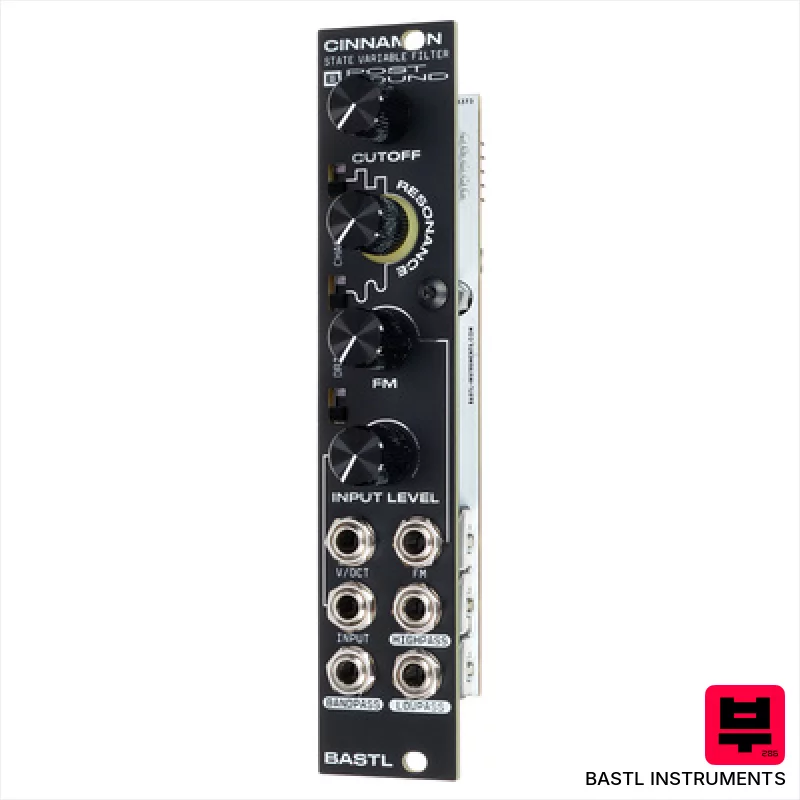
Bastl Instruments Cinnamon
- • Warm, vintage-inspired filter character with a distinct analog vibe.
- • Character switch delivers a pleasingly aggressive resonance boost.
- • Compact 5U format saves valuable space in your Eurorack case.
- • Drive switch provides subtle grit or full-blown distortion for tonal flexibility.
- • Limited filter modes compared to more complex, multi-mode filters.
- • Input gain can be a bit sensitive, requiring careful gain staging.
- • While robust, the metal chassis lacks the premium heft of some high-end modules.
How to Choose the Best Filter Modules
Resonance
The sweet spot for subtractive is that singing, self-oscillating resonance that can add a lot of character. Too little, and it's just a filter; too much, and it's a feedback nightmare. We're looking for a resonance that's controllable and musical, not just a dial to crank to 11.
Filter Slope (dB/octave)
12dB/octave (2-pole) is a good starting point for a gentle, warm cut. 24dB/octave (4-pole) gives you steeper filtering, more aggressive low-cut, and a more pronounced resonance peak - great for those screaming leads or sub-bass textures. The choice depends on your tonal goals.
Filter Type (Moog, State Variable, Ladder, etc.)
Moog-style filters (like the classic CEM3340) offer that fat midrange honk and a characteristic saturation when pushed. State Variable filters are known for their clean, precise response and ability to create complex filter sweeps. Ladder filters can be aggressive and resonant, often emulating vintage synths.
Drive/Saturation
Subtle drive can add harmonic richness and warmth, while more extreme saturation can create distorted, overdriven sounds - perfect for aggressive basses or distorted leads. It's about adding character and pushing the filter beyond its clean limits.
Modulation Options
Being able to modulate the cutoff frequency and resonance with envelopes, LFOs, or even other signals is key to creating dynamic and evolving sounds. Look for modules with multiple modulation inputs and flexible routing options.
Buying Guide
Don't get caught up in the hype. A cheap filter module might look cool, but corners get cut somewhere - often in the components, leading to a dull or noisy response. Spending a bit more on a module from a reputable manufacturer usually guarantees better build quality, a more musical response, and a quieter operation. Think about your sonic goals - do you want a warm Moog vibe or a surgically precise State Variable?
Our Methodology
We're not just looking at spec sheets here. We've spent countless hours patching these filters into various subtractive synths - oscillators, envelopes, LFOs - to hear them in action. We've A/B'd them against classics, thrown them into band rehearsal situations to see how they cut through the mix, and recorded them to evaluate their behavior in a stereo field. It's about real-world performance, not theoretical numbers.

