
Best Digital Mixer Expansion Cards for Studio Integration 2026
So, you're running a digital mixer - great choice! But the real power unlocks when you start integrating it into your studio workflow. Expansion cards aren't just about extra I/O; they're about shaping your sound, adding crucial routing flexibility, and ultimately, making the whole recording process smoother. Let's break down which cards will actually make a difference, beyond just adding a few more XLRs.
Last updated: July 22, 2026 • Next update: July 29, 2026
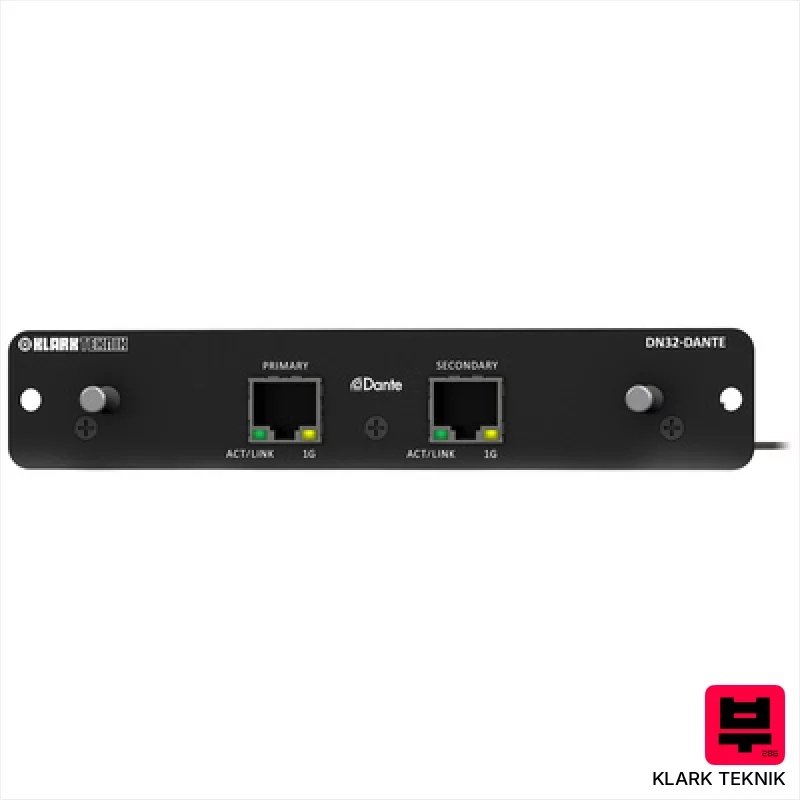
Klark Teknik DN32 Dante
- • Seamless Dante integration expands Midas/X32’s channel count.
- • Provides high-quality, low-latency bidirectional audio transport.
- • Dante Virtual Soundcard enables direct recording to computers.
- • PTP synchronization ensures rock-solid timing across the network.
- • Requires existing Midas or Behringer console for functionality.
- • Dante networking infrastructure is a separate investment.
- • Limited flexibility without the host console’s processing.
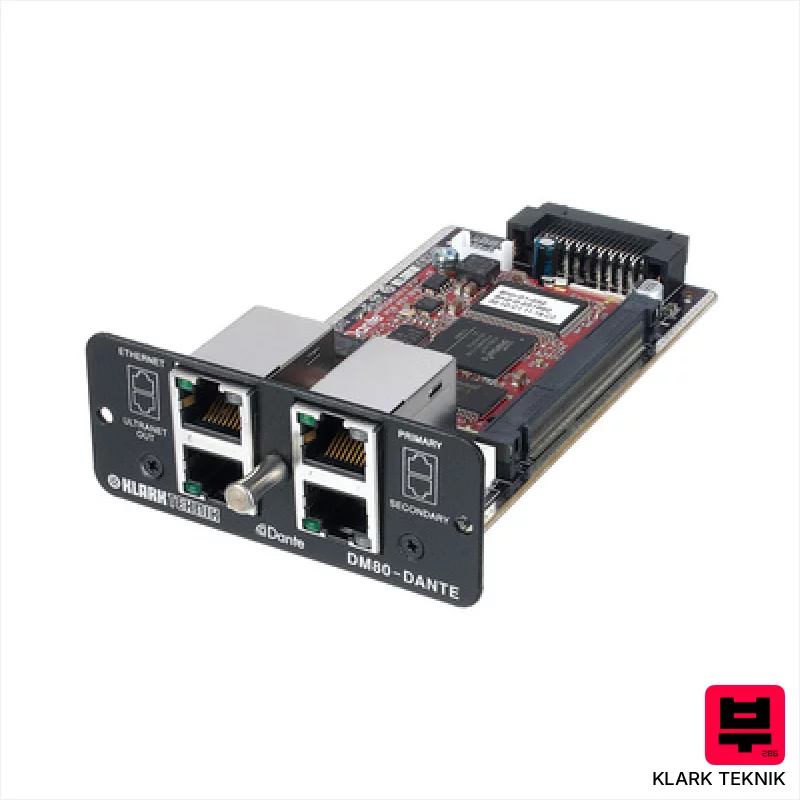
Klark Teknik DM80-Dante
- • Dante connectivity unlocks scalable, flexible audio routing possibilities.
- • Transformer isolation effectively eliminates troublesome ground loop hum.
- • Expands DM8000's channel count significantly for larger setups.
- • Ethernet control provides deep, granular customization options.
- • Requires a Dante-enabled network infrastructure, adding complexity.
- • Limited to 48kHz sample rate, potentially restrictive for high-res workflows.
- • DM8000 dependency; not a standalone solution.
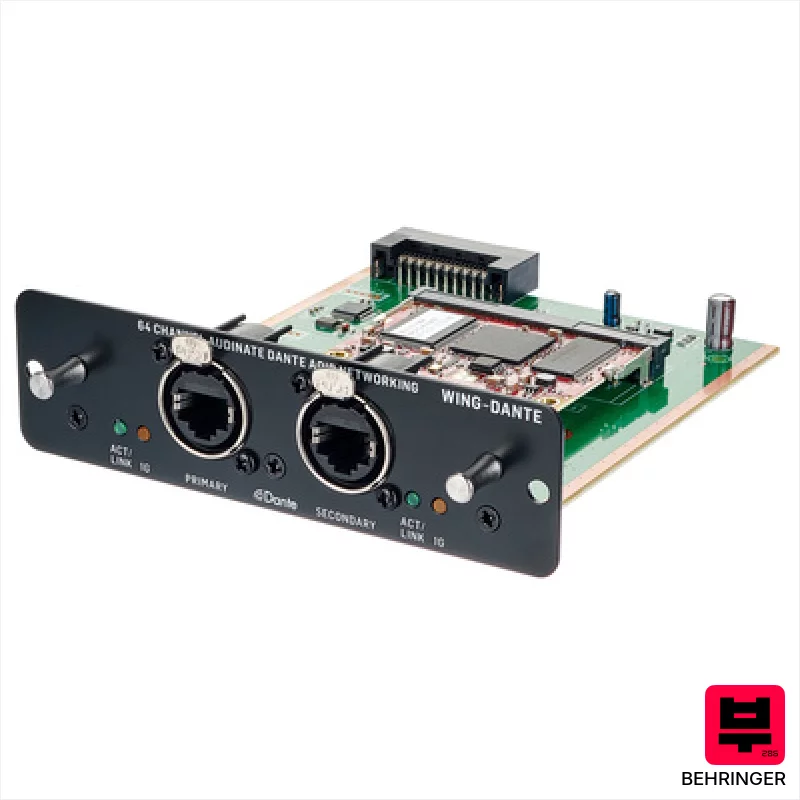
Behringer Wing-Dante
- • Seamless Dante integration expands WING's channel count significantly.
- • Bidirectional signal flow simplifies complex routing scenarios.
- • Co-existing sample rates offer flexibility for varied setups.
- • Integrated Ethernet switch enables convenient remote WING control.
- • Dante infrastructure requires existing network hardware investment.
- • WING mixer itself is a prerequisite; card is not standalone.
- • Potential latency introduced with Dante network depending on configuration.

DiGiCo DMI A3232
- • Extends DiGiCo’s channel count with rock-solid reliability.
- • Ethercon connectors ensure robust, gig-ready connectivity.
- • Compact size minimizes rack space; ideal for mobile setups.
- • Cascade mode provides substantial expansion for complex routing needs.
- • Requires existing DiGiCo stagebox and console for functionality.
- • Price point positions it as a premium investment for serious users.
- • Limited standalone operation; reliant on DiGiCo ecosystem.

Allen & Heath M-SQ-DANT64-AX
- • Unmatched Dante channel count expands SQ mixer capabilities.
- • Low latency performance crucial for demanding live sound applications.
- • Rock-solid build quality; Allen & Heath’s reputation for durability holds true.
- • Seamless integration with existing Allen & Heath SQ series workflows.
- • Significant investment; a premium-priced option for smaller setups.
- • Requires Dante infrastructure; adds complexity and potential cost.
- • SQ series dependency limits versatility outside that ecosystem.

Allen & Heath M-SQ-WAVES3-A
- • Seamless Waves plugin integration expands sonic possibilities.
- • Redundant ports offer rock-solid reliability for live events.
- • Internal Control Network Bridge simplifies complex routing setups.
- • 64x64 channel count handles massive, intricate productions easily.
- • The Waves Plugin Server dependency can add complexity for some users.
- • Price point places it firmly in the professional, high-end mixer category.
- • Requires existing Allen & Heath M series mixer for functionality.

Soundcraft SI-Dante Card
- • Seamless Dante integration expands SI mixer capabilities significantly
- • Dual RJ45 connectors offer redundancy and flexible network options
- • Robust construction feels solid, indicative of Soundcraft’s build quality
- • Provides high channel count expansion for complex live sound setups
- • Price point places it in the premium-priced expansion card category
- • Requires existing Soundcraft SI series mixer for functionality – not standalone
- • Dante network infrastructure is a prerequisite for full utilization
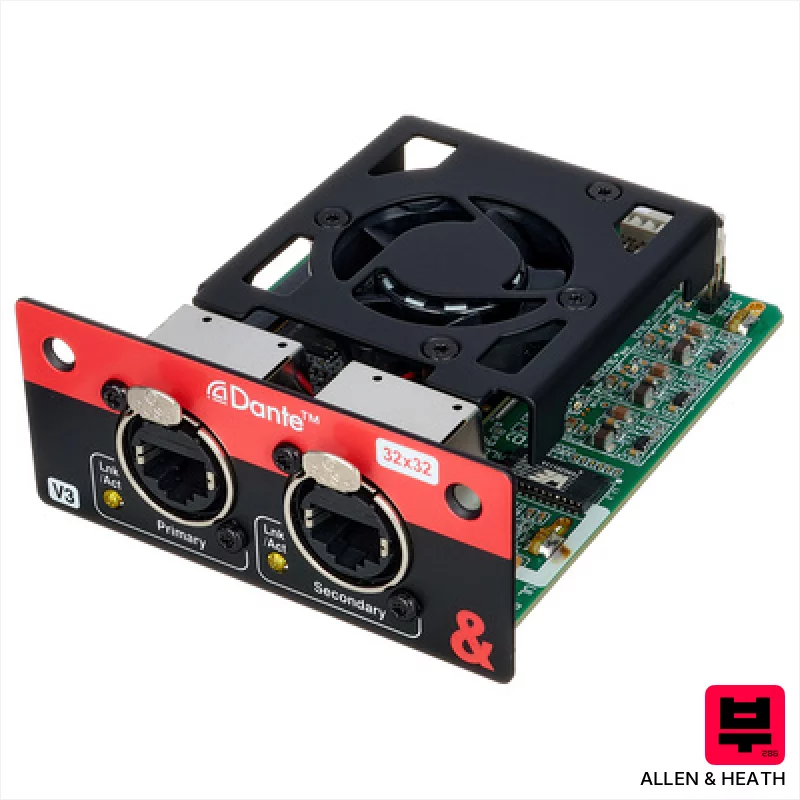
Allen & Heath M-SQ-DANT32
- • Seamless Dante integration expands mixer I/O significantly.
- • Robust construction; feels like a genuine Allen & Heath component.
- • 96kHz resolution provides headroom for demanding audio applications.
- • Dante's network flexibility simplifies complex routing scenarios.
- • Adds considerable complexity for users unfamiliar with Dante workflows.
- • Relatively high cost compared to analog expansion options.
- • Requires a Dante-enabled network infrastructure for full functionality.
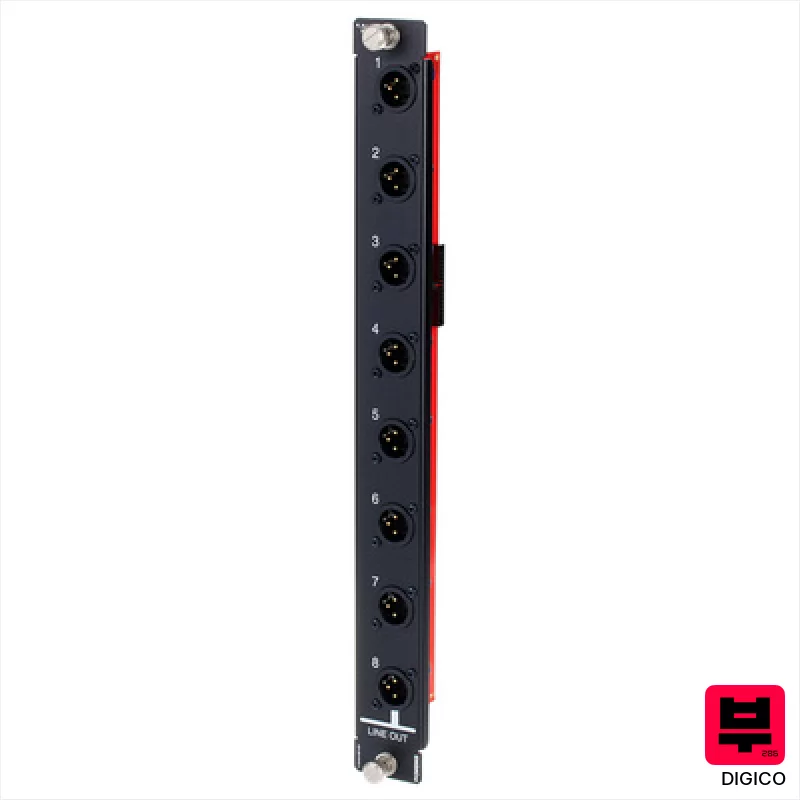
DiGiCo D2-Rack analog OP card
- • Robust, road-ready build quality typical of DiGiCo’s standards
- • Provides pristine, low-jitter analog outputs for critical monitoring
- • Seamless integration within the D2-Rack ecosystem simplifies routing
- • Offers flexible gain staging for precise level control
- • Limited to 8 outputs, potentially restrictive for larger setups
- • Requires a D2-Rack chassis, increasing overall system cost
- • Analog-only; lacks digital output options for direct recording
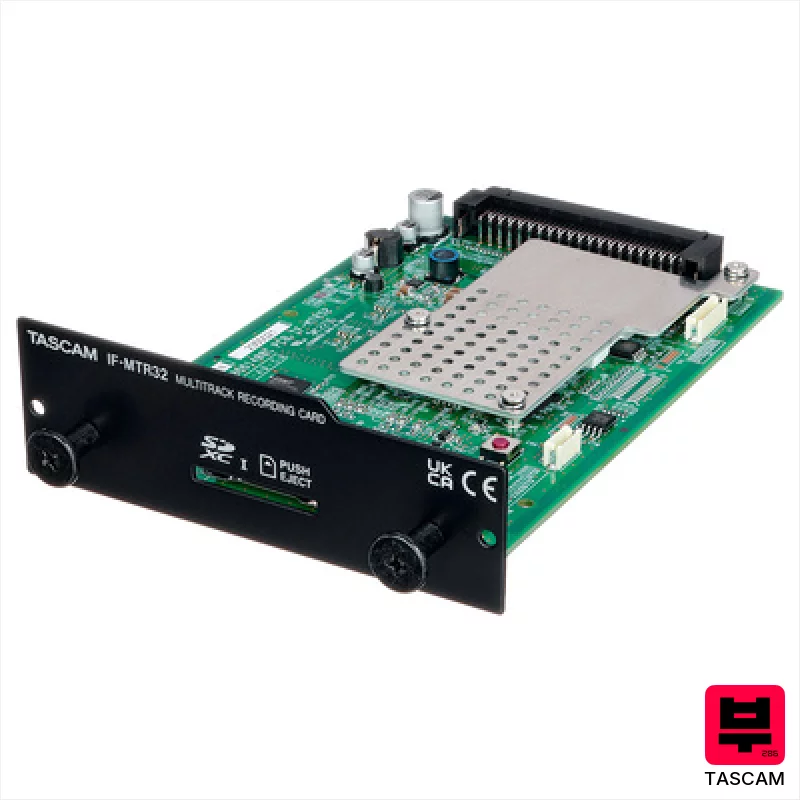
Tascam IF-MTR32
- • Extends Sonicview's capabilities to a full 32-track recording
- • 32-bit depth provides exceptional dynamic range and headroom
- • BWF format ensures critical recording metadata is preserved
- • Compact size makes integration into existing setups surprisingly easy
- • Requires Sonicview platform; not a standalone recording solution
- • SD card reliance introduces potential for data corruption risks
- • Limited file format options restrict compatibility with some DAWs

DiGiCo DMI Dante 2 Z Chip
- • Unmatched Dante density for complex routing needs
- • Redundant mode provides crucial system uptime reliability
- • Seamless integration across DiGiCo's extensive platform
- • EtherCON connections offer robust, road-ready connectivity
- • Significant investment for smaller, less demanding setups
- • Requires existing DiGiCo console or compatible hardware
- • Dante infrastructure demands careful network planning and management

Waves WSG-PY64 I/O for Yamaha DM7
- • Seamless SoundGrid integration expands DM7’s processing capabilities.
- • 64x64 I/O offers unparalleled routing flexibility for complex setups.
- • Low latency (0.8ms) ensures pristine real-time performance.
- • Waves’ renowned audio quality elevates DM7’s sonic potential.
- • High-end price point represents a significant investment.
- • Limited to Yamaha DM7; not a universal SoundGrid solution.
- • Requires SoundGrid network for full functionality; adds complexity.
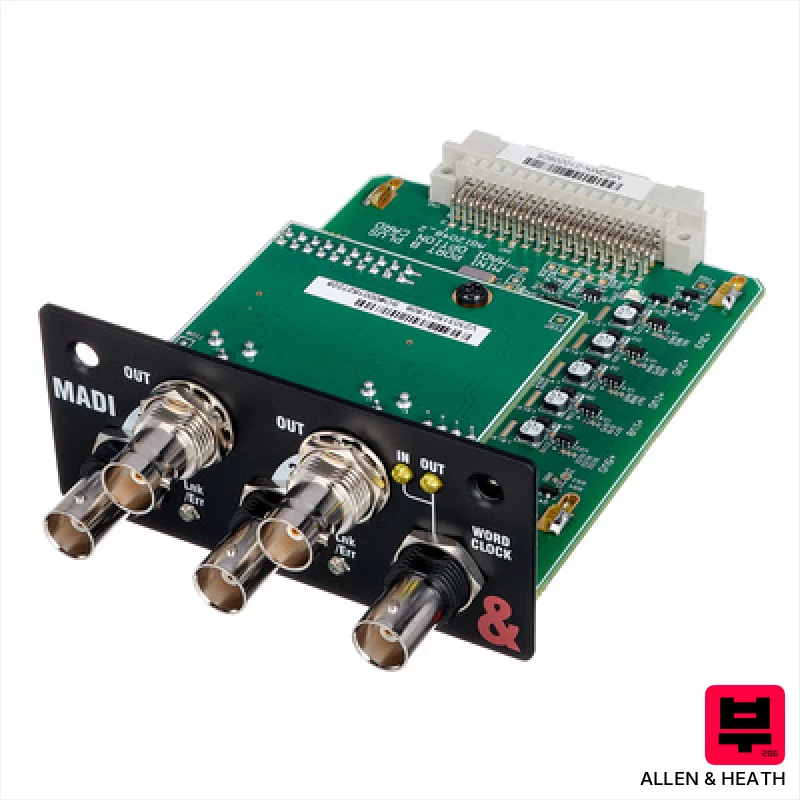
Allen & Heath SQ MADI Interface Card
- • Rock-solid MADI connectivity for extensive I/O expansion.
- • HighSpeed mode offers exceptional bandwidth for complex routing.
- • Allen & Heath’s renowned DSP integration ensures pristine audio quality.
- • Robust BNC connectors guarantee reliable signal transfer and longevity.
- • SQ series consoles are a significant investment upfront.
- • MADI cabling can be bulky and requires dedicated infrastructure.
- • Limited flexibility if you aren't already invested in the Allen & Heath ecosystem.
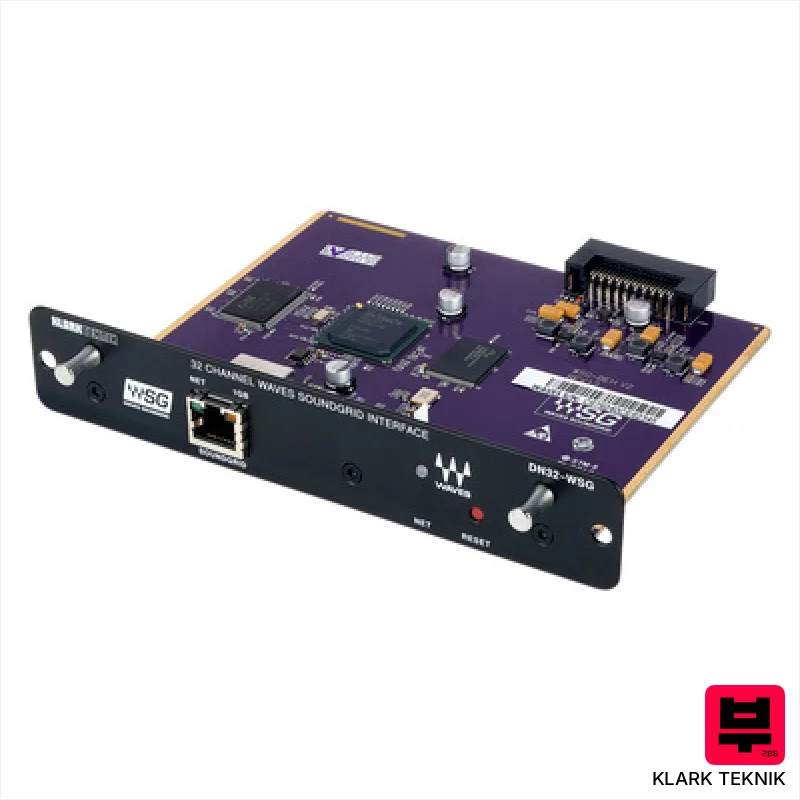
Klark Teknik DN32-WSG
- • Seamless Soundgrid integration expands X32/M32 capabilities.
- • Low-latency AOIP drastically improves remote recording workflows.
- • 32 channels offer substantial flexibility for complex setups.
- • Compact size minimizes rack space usage without compromise.
- • Relies entirely on Soundgrid ecosystem; limited standalone functionality.
- • Requires Soundgrid studio application for full functionality and ASIO/Core Audio.
- • Adds complexity to an already feature-rich mixing console.
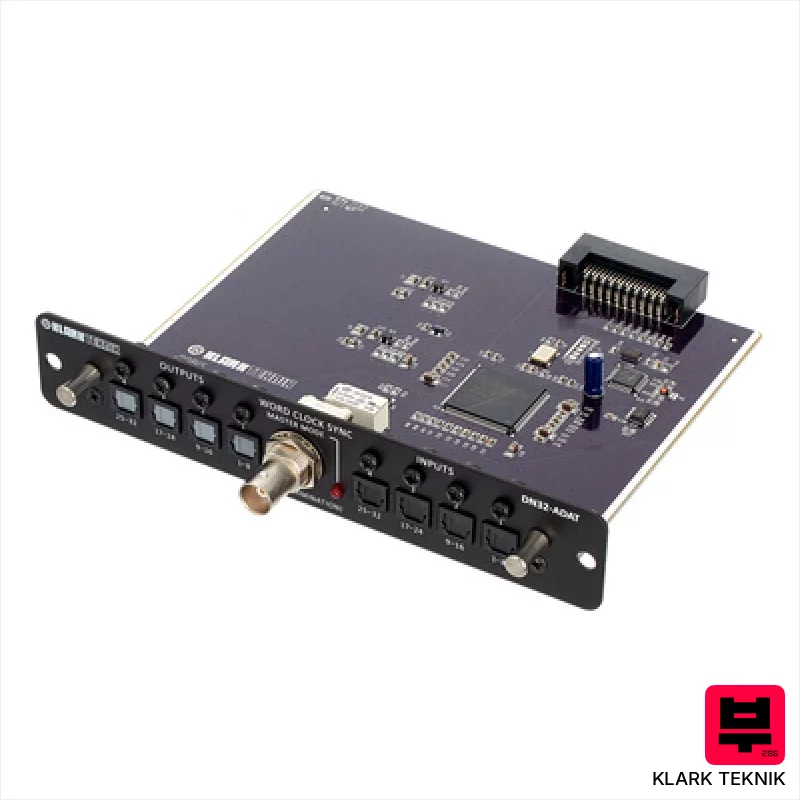
Klark Teknik DN32 ADAT
- • Excellent channel count for expanded Midas/Behringer workflows
- • Optical TOSLINK connection offers clean, reliable digital transfer
- • Word clock I/O ensures precise synchronization with external gear
- • Compact form factor minimizes rack space requirements.
- • Limited to 48kHz sample rate, restricts high-resolution recording
- • Relies on Midas/Behringer ecosystem; less versatile standalone
- • Potential latency issues depending on system configuration.
How to Choose the Best Digital Mixer Expansion Cards
Preamps
A lot of cards offer built-in preamps. Don't expect boutique-level magic, but a decent card will offer a cleaner, more transparent signal than the stock preamps, especially useful for tracking quieter instruments or when you need a little extra headroom. The difference in that subtle harmonic character can be huge on vocals.
DSP Effects
Some cards pack powerful DSP - think compressors, EQs, reverbs. These aren't always a replacement for your favorite plugins, but they're incredibly handy for quick processing on the fly, especially during tracking. A good plate reverb on a vocal can save a whole mix.
Routing Flexibility
This is huge. Can you route signals internally? Can you create aux sends with custom EQ curves? The more routing options, the more creative you can be, and the less likely you are to fight with your mixer's limitations later on.
Clocking Quality
A card with a rock-solid clock signal can significantly reduce jitter and improve the overall clarity of your recordings. This is especially noticeable with sensitive microphones and high-end interfaces - that subtle phase shift from jitter can muddy the low-end thump.
I/O Options & Quality
Beyond just the number of inputs/outputs, consider the quality of the connectors. Solid construction, gold-plated contacts - these things matter when you're dealing with fragile mic cables and the inevitable wear and tear of gigging and studio use.
Buying Guide
Don't fall for the 'more is always better' trap. A card with a few high-quality preamps and routing options is better than a card crammed with cheap, noisy I/O. Pay attention to the clocking specs - a weak clock will introduce more noise than it solves. And remember, the best card is the one that solves your specific workflow bottlenecks, not just the one with the longest feature list.
Our Methodology
We're not just looking at spec sheets here. We've spent countless hours A/B'ing these cards through various interfaces, mics, and plugins, tracking everything from acoustic guitars to full drum kits. We've also thrown them into real-world scenarios - band rehearsals, live tracking sessions, and even just late-night bedroom recording - to see how they perform under pressure and in less-than-ideal conditions.

