
Best Digital Converters for Sample Rate Conversion 2026
Okay, so you're wrestling with sample rate conversion. Maybe you've got some old recordings at 44.1kHz you need to bump up to 96kHz for a modern project, or you're integrating plugins from different DAWs that don't play nice. It's a surprisingly common problem, and trust me, cheaping out here can leave you with a phasey, smeary mess that'll suck the life out of your tracks. This isn't just about numbers; it's about preserving the vibe of your source material.
Last updated: July 15, 2026 • Next update: July 22, 2026
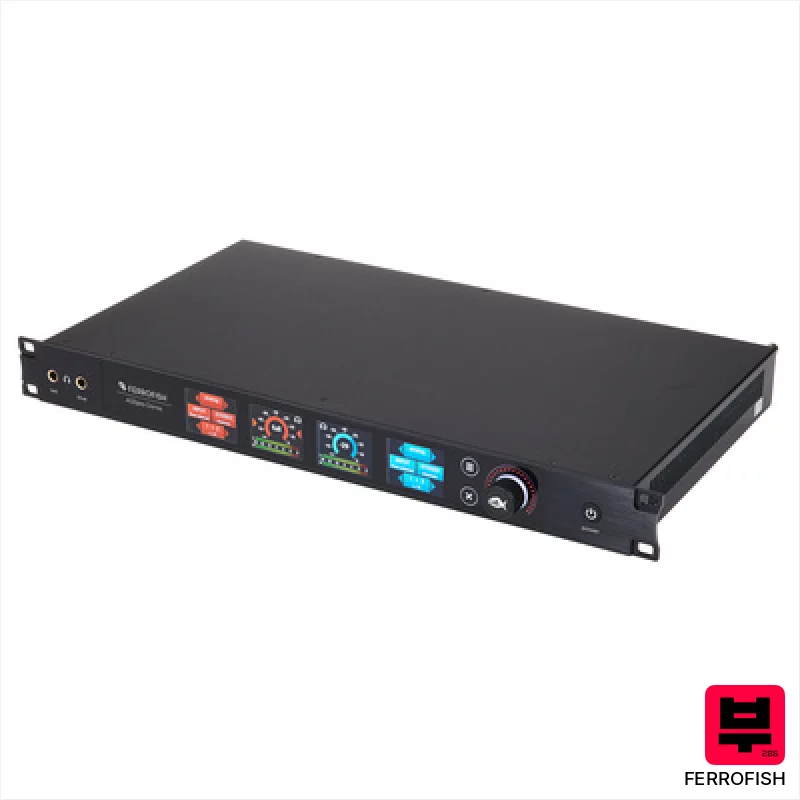
Ferrofish A32 Pro Dante MM
- • ESS Sabre32 Ultra DACs deliver exceptional clarity and dynamic range.
- • Dual Dante ports with redundancy ensure rock-solid network stability.
- • Flexible routing matrix simplifies complex signal flow scenarios.
- • Intuitive touchscreen interface significantly eases workflow and setup.
- • The D-Sub connectors for analog I/O feel somewhat dated in design.
- • Its size and weight make it less ideal for mobile or small studio setups.
- • The sheer number of options can present a steep learning curve initially.
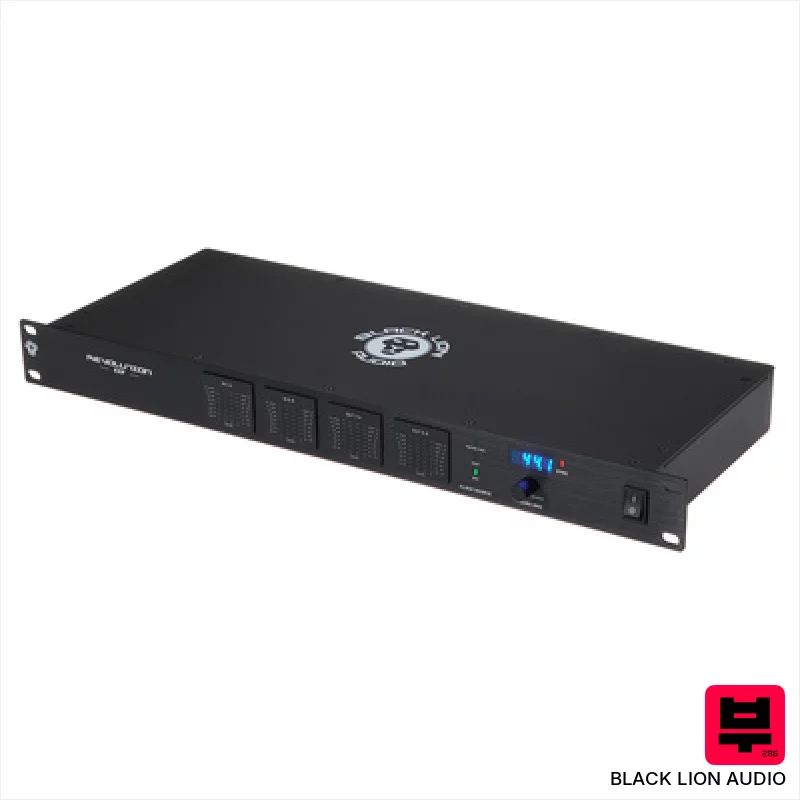
Black Lion Audio Revolution EXP
- • Robust build quality with solid internal components, noticeable upgrade over consumer converters
- • Precise macro-MMC clocking minimizes jitter for cleaner recordings
- • ADAT connectivity provides flexible expansion and routing options
- • Balanced TRS connections ensure low-noise signal transfer and professional workflow
- • Size and weight make it less ideal for portable or smaller studio setups
- • Limited input/output options compared to more expensive, high-end converters
- • External power supply adds to clutter and potential cable management issues

Palmer River Lahn
- • Robust aluminum-steel housing provides excellent protection for internal components.
- • Neutrik connectors ensure reliable, secure connections for audio and network.
- • Automatic muting prevents unwanted audio when Dante signal is lost—a crucial safety feature.
- • Simple front panel configuration streamlines setup and operation in live or studio settings.
- • Limited to 2x2 I/O; not ideal for complex, multi-channel recording scenarios.
- • Power supply unit adds to the footprint and potential for cable clutter.
- • Lacks advanced routing or processing capabilities found in higher-end converters.

RME M-32 DA Pro II-D
- • Exceptional 120 dBA signal-to-noise ratio minimizes noise floor significantly.
- • Robust, fully balanced circuit design ensures pristine, clean audio reproduction.
- • Integrated SyncCheck and ICC simplify clocking and troubleshooting workflows.
- • Customizable channel labeling and magnetic cover enhance workflow and organization.
- • The Sub-D connectors feel dated and less convenient than modern alternatives.
- • Premium-priced, representing a significant investment for smaller studios.
- • USB 2.0 feels limiting given the device’s high-end capabilities.
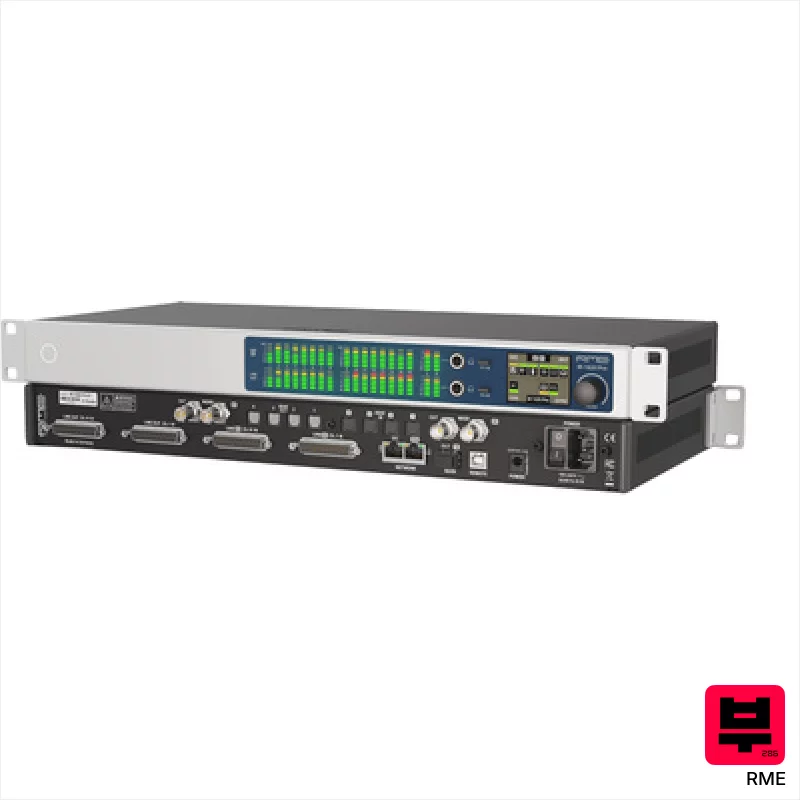
RME M-1620 Pro D
- • Exceptional transparency and low noise floor, revealing subtle details.
- • Flexible Dante integration provides immense routing and scalability.
- • Rock-solid build quality with robust metal chassis and reliable connectors.
- • Comprehensive routing matrix simplifies complex studio workflows.
- • Premium-priced, a significant investment for smaller studios.
- • Steep learning curve for mastering the advanced routing capabilities.
- • Size and weight make rack mounting and transport a consideration.

Appsys Multiverter MVR MKII
- • Exceptional channel count (704x704) enables truly massive routing flexibility.
- • Dante Virtual Soundcard integration offers seamless PC-based workflow.
- • Comprehensive remote control simplifies complex, multi-console operations.
- • Triple redundant power supply guarantees rock-solid reliability in demanding environments.
- • The sheer complexity demands significant technical expertise to fully utilize.
- • Premium-priced, representing a substantial investment for smaller studios.
- • Physical size and weight limit portability; truly an OB van tool.

Presonus AVB-D16
- • Robust metal housing offers excellent protection during transport and studio use
- • AVB and Dante bridge simplifies complex routing and distribution workflows
- • Supports high sample rates for detailed audio capture and playback
- • Compact size minimizes rack space, ideal for smaller studios or mobile setups
- • Limited sample rate support compared to dedicated high-end converters
- • AVB ecosystem still relatively niche, limiting compatibility with some gear
- • Dante licensing may be required for full feature utilization

RME M-32 AD Pro II
- • Exceptional 120 dBA SNR minimizes noise floor for pristine recordings.
- • Robust, fully balanced circuitry ensures clean signal paths and headroom.
- • Comprehensive metering (peak/RMS) simplifies gain staging and monitoring.
- • Redundant power supply guarantees uninterrupted operation in critical environments.
- • The Sub-D connectors feel dated and can be a cabling headache.
- • Premium-priced, making it inaccessible for smaller, budget-conscious studios.
- • USB 2.0 feels limiting given the unit's high-end capabilities.

DirectOut Andiamo
- • Exceptional transparency, revealing subtle nuances in source material.
- • Robust build quality; feels like it's designed for constant studio use.
- • Flexible network options (Ravenna, Dante, SoundGrid) for complex setups.
- • Redundancy features offer peace of mind in critical recording environments.
- • High-end price point puts it out of reach for many home studios.
- • SUBD-25 connectors require specialized cables and adapters.
- • Size and weight necessitate careful rack space planning.
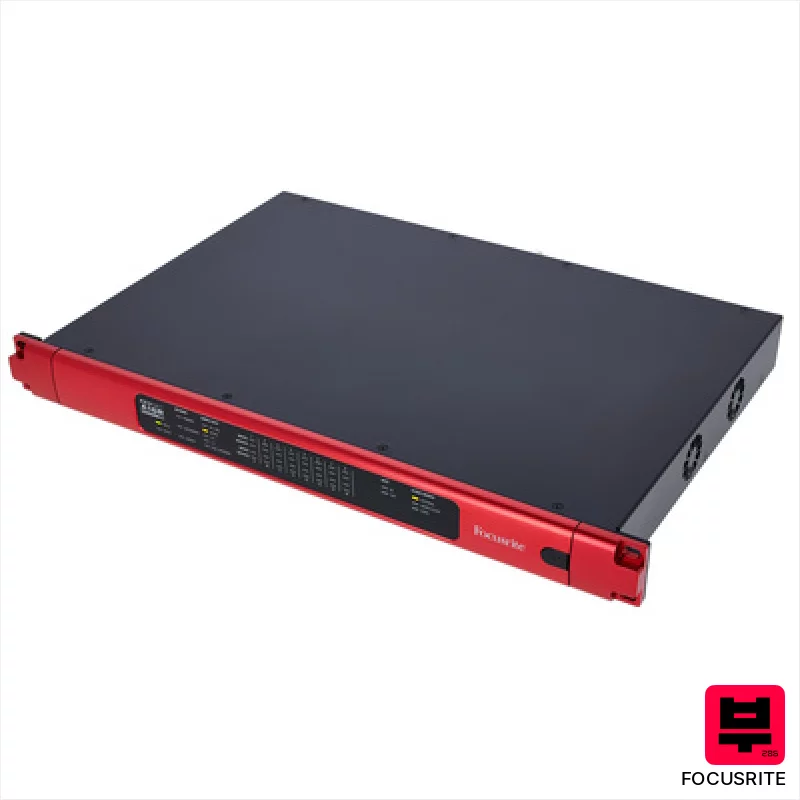
Focusrite RedNet A16R MKII
- • Exceptional 119dB dynamic range minimizes noise floors for pristine recordings
- • Redundant power and network connections guarantee rock-solid reliability in pro environments
- • Dante integration offers unparalleled flexibility and scalability for complex setups
- • Robust 1U rack design with premium internal components ensures long-term durability
- • Price point places it firmly in the high-end professional audio category
- • Dante infrastructure requires existing network setup or additional investment
- • Physical size (482 x 44 x 327 mm) can be restrictive in smaller studios
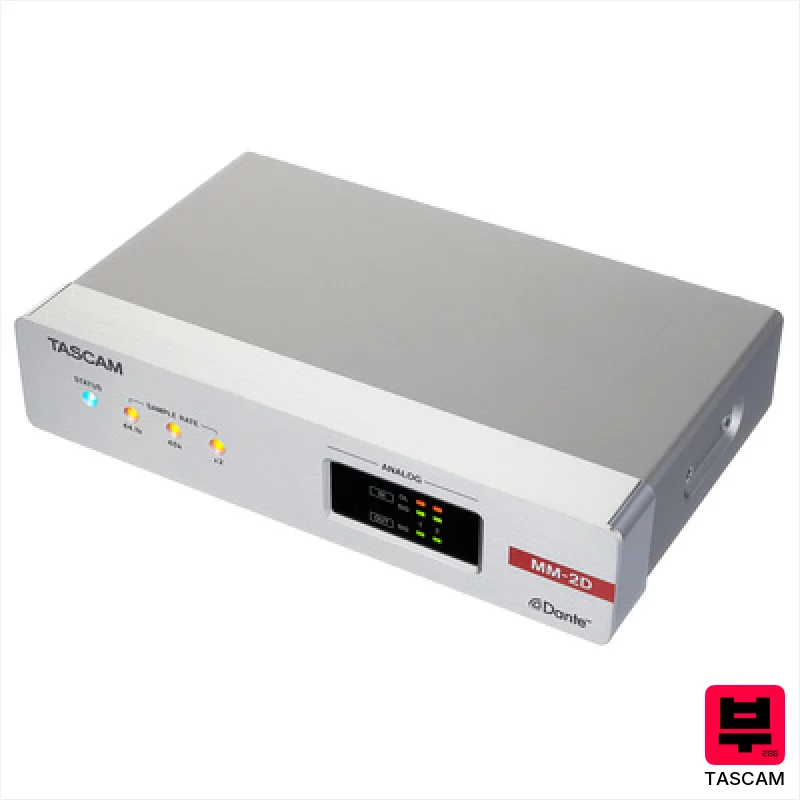
Tascam MM-2D-X
- • Dante integration offers unparalleled network flexibility for complex setups.
- • DSP mixer with 4-band EQ provides immediate tonal shaping capabilities.
- • Phantom power supports condenser mics, expanding input options significantly.
- • Robust build quality suggests long-term reliability in studio environments.
- • Lack of included power supply adds to the overall cost and setup complexity.
- • DCP Connect software might be overkill for simple, end-user applications.
- • Limited preset storage (50) could become restrictive for users with many setups.

Lynx Studio Hilo 2 USB
- • SynchroLock 2 ensures rock-solid clocking, vital for critical tracking scenarios.
- • Exceptional dynamic range (122dB) reveals subtle details in recordings.
- • Color touchscreen offers comprehensive metering and analysis in a clear format.
- • Robust build quality and premium components suggest long-term reliability.
- • The price point places it firmly in the high-end, professional tier.
- • Limited to two channels restricts its use in larger, multi-mic recording setups.
- • Physical size and weight can be a factor for portable or mobile recording.

RME ADI-2/4 Pro SE
- • Exceptional jitter performance thanks to SteadyClock FS for pristine audio.
- • RIAA equalization provides accurate vinyl playback without external phono stages.
- • Flexible I/O options cover virtually any studio or live setup.
- • The IPS display is incredibly clear and provides vital information at a glance.
- • Desktop format makes it less portable than some rackmount alternatives.
- • USB 2.0 connection feels dated given its premium price point.
- • The breakout cable for AES can be a bit fiddly for some users.
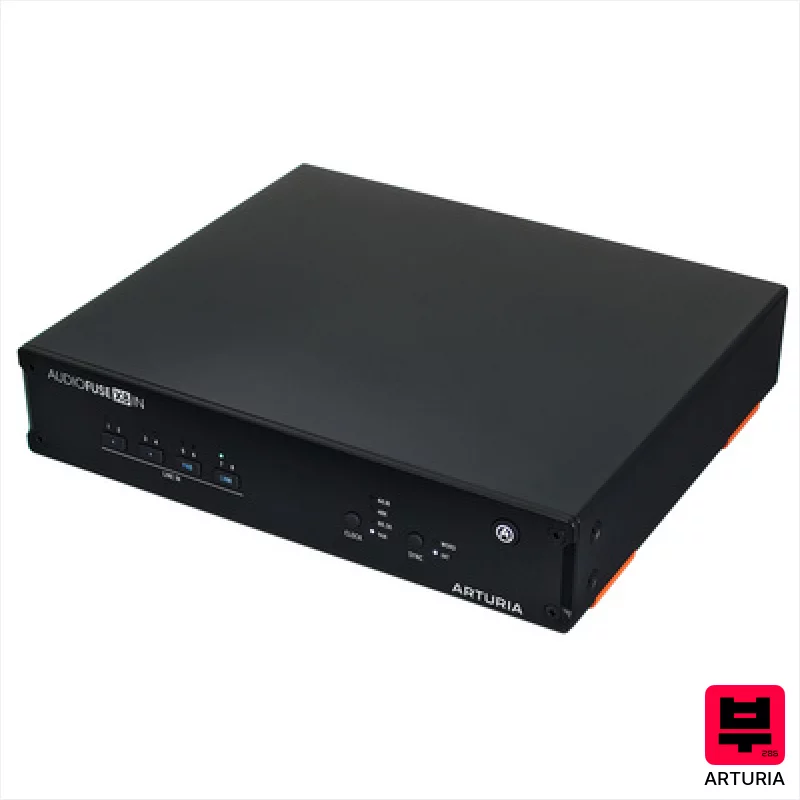
Arturia AudioFuse X8 IN
- • Solid, compact build quality with a robust 1U half-rack design.
- • AKM AD converters deliver transparent, low-noise digital conversion.
- • Flexible front panel controls simplify routing and channel management.
- • SMUX support allows for higher sample rates over ADAT for expanded workflow.
- • Limited connectivity beyond the eight analog inputs and ADAT.
- • Desktop design may not be ideal for all studio environments or rack setups.
- • Relatively basic feature set compared to higher-end, more expensive converters.
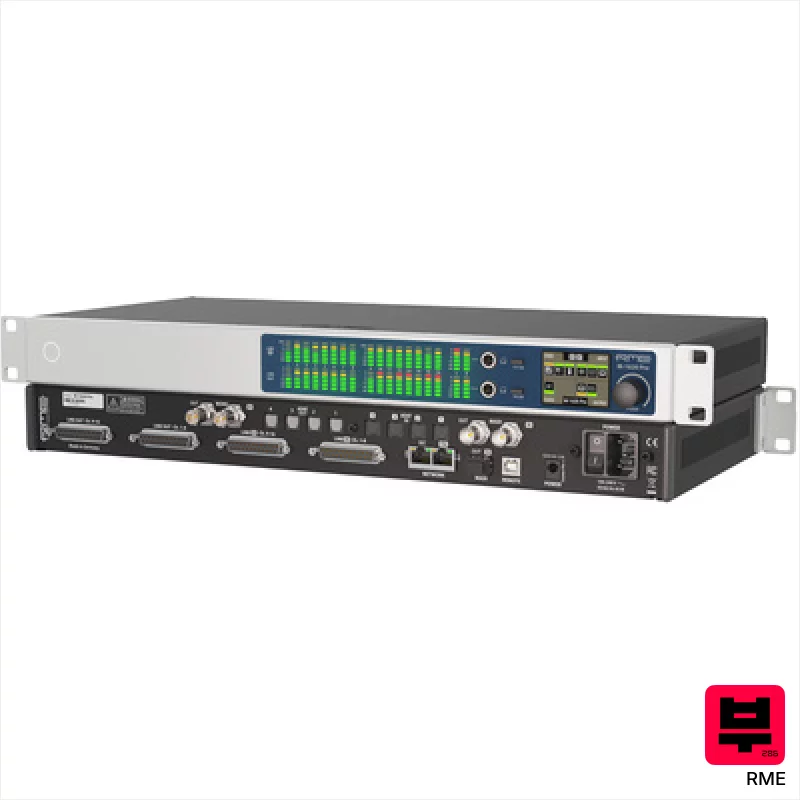
RME M-1620 Pro
- • Exceptional transparency and dynamic range, revealing subtle nuances.
- • Robust build quality; feels incredibly solid and durable.
- • Flexible routing matrix simplifies complex studio workflows.
- • AVB/Milan certification future-proofs connectivity and network integration.
- • Sub-D25 connectors are a bit archaic and require specialized cables.
- • Size and weight make it less suitable for mobile or smaller setups.
- • Steep learning curve for mastering the advanced routing capabilities.
How to Choose the Best Digital Converters
Phase Response
This is the big one. Phase distortion is the silent killer in SRC - it'll make your drums sound lifeless, your guitars phasey, and your vocals thin. Look for converters with minimal phase shift across the frequency spectrum. A slight bump in the mids is often acceptable, but anything that messes with the transient response is a no-go.
Noise Floor
SRC inherently adds a tiny bit of noise. A low noise floor is crucial, especially when upsampling - that added noise gets amplified. You want to hear the source, not the converter's hum.
Jitter Performance
Jitter is the timing errors in the digital signal. It manifests as a kind of grainy, unpleasant texture, particularly noticeable on sustained notes or delicate reverbs. Lower jitter equals cleaner conversions.
Algorithm Quality
Some converters use more sophisticated algorithms than others. These algorithms attempt to reconstruct the signal with greater accuracy, minimizing artifacts. Look for things like sinc interpolation or polyphase filters - they're not magic, but they're better than basic linear interpolation.
Latency
For real-time applications like reamping or plugin chains, latency is a factor. While SRC latency is generally low, some converters add more than others, which can throw off your timing and feel.
Buying Guide
Don't expect miracles. Sample rate conversion is inherently a compromise. The cheaper units often use basic algorithms that introduce noticeable artifacts - a kind of sterile, unnatural quality. Paying more generally gets you better algorithms, lower noise, and tighter phase response. If you're working with critical material-like a vintage drum kit sample library-the extra investment is worth it. Otherwise, a mid-range unit with a reputation for transparency will probably do the job.
Our Methodology
We're not relying on spec sheets here. We've put these converters through the wringer - A/B comparisons against known clean sources, running test signals through different conversion rates, and critically listening in a variety of mixes, from bedroom practice to full band rehearsals. We're looking for artifacts, phase shifts, and any sonic degradation that creeps in during the conversion process - because those things will be noticeable.

