
Best Digital Converters for Format Conversion 2026
So, you've got a killer vintage tape machine spitting out pristine analog, or maybe a field recorder capturing some incredible ambience, but your DAW only speaks digital? Format conversion - getting that analog signal into your digital world - is a critical link, and the quality of your converter absolutely dictates how much of that original vibe you preserve. It's not just about getting a 'clean' signal; it's about capturing the nuances, the warmth, the grit - the soul of the original. Let's look at some converters that won't leave you feeling like you lost something in translation.
Last updated: July 15, 2026 • Next update: July 22, 2026

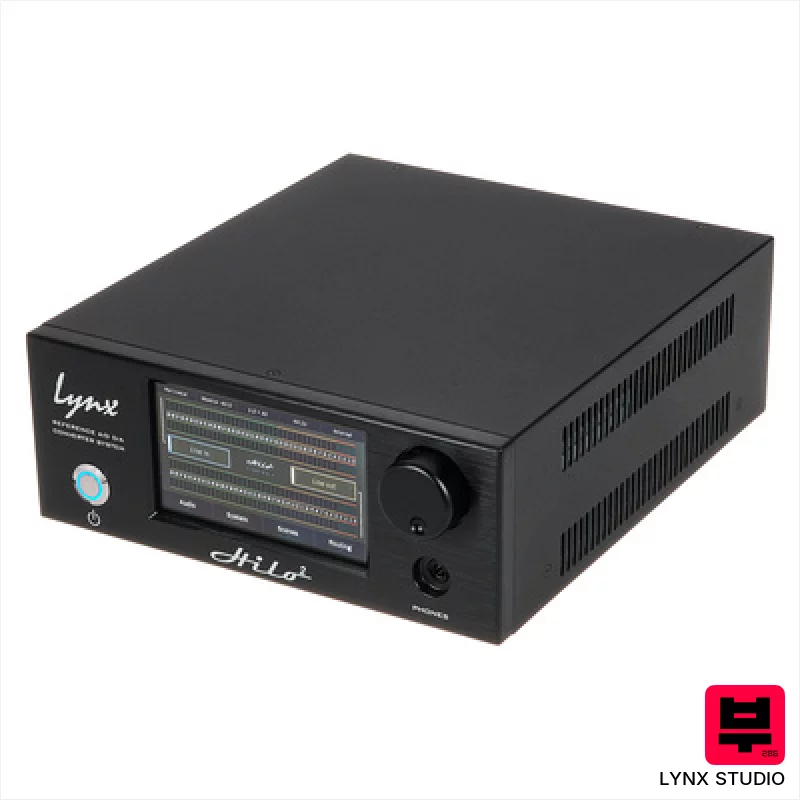
Lynx Studio Hilo 2 USB
- • SynchroLock 2 ensures rock-solid clocking, vital for critical tracking scenarios.
- • Exceptional dynamic range (122dB) reveals subtle details in recordings.
- • Color touchscreen offers comprehensive metering and analysis in a clear format.
- • Robust build quality and premium components suggest long-term reliability.
- • The price point places it firmly in the high-end, professional tier.
- • Limited to two channels restricts its use in larger, multi-mic recording setups.
- • Physical size and weight can be a factor for portable or mobile recording.
Lynx Studio Hilo 2 TB3
- • SynchroLock 2 ensures rock-solid clocking, minimizing drift issues.
- • The dual-line input/output architecture provides exceptional flexibility.
- • Stunning dynamic range (122dB) reveals subtle details in recordings.
- • Color touchscreen simplifies complex metering and analysis.
- • Premium-priced, placing it out of reach for many home studios.
- • The TB3 connection, while robust, limits future upgrade paths.
- • Physical size and weight require dedicated rack space and careful transport.
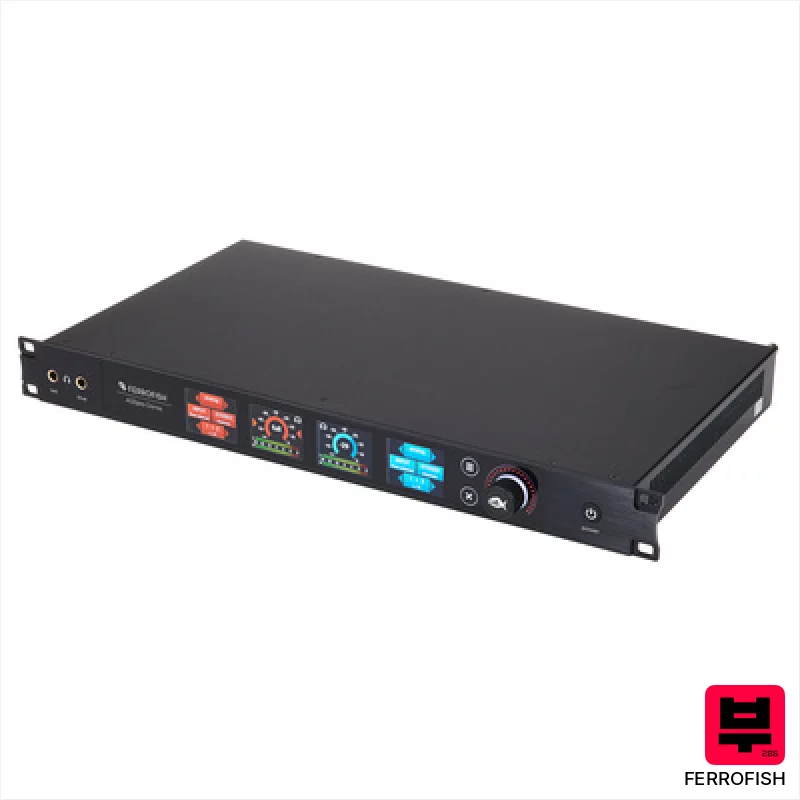
Ferrofish A32 Pro Dante MM
- • ESS Sabre32 Ultra DACs deliver exceptional clarity and dynamic range.
- • Dual Dante ports with redundancy ensure rock-solid network stability.
- • Flexible routing matrix simplifies complex signal flow scenarios.
- • Intuitive touchscreen interface significantly eases workflow and setup.
- • The D-Sub connectors for analog I/O feel somewhat dated in design.
- • Its size and weight make it less ideal for mobile or small studio setups.
- • The sheer number of options can present a steep learning curve initially.
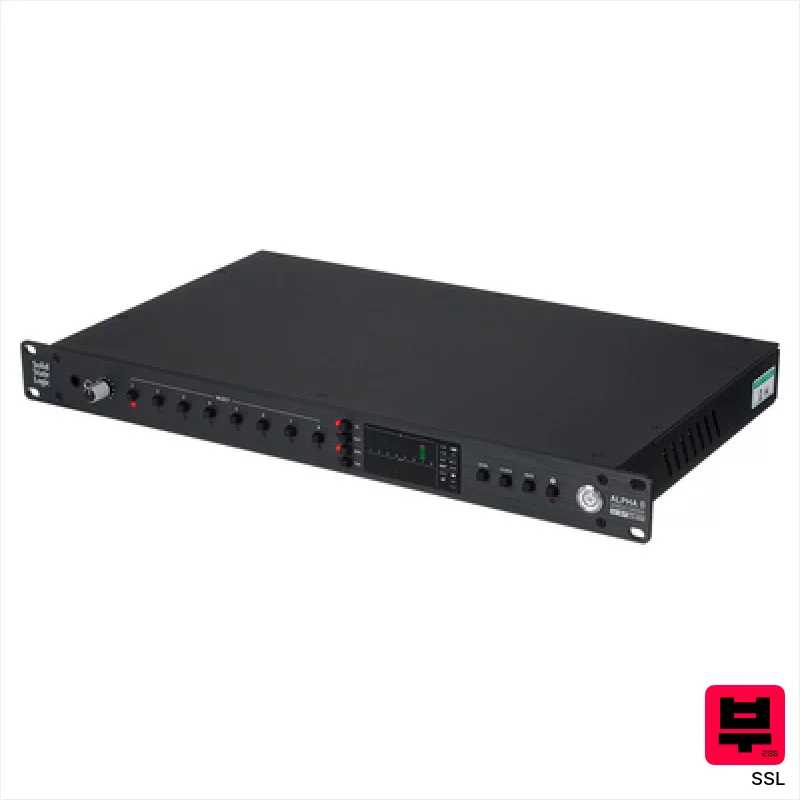
SSL Alpha 8
- • Solid build quality; feels like a proper SSL rack unit.
- • Flexible input/output configuration for varied studio setups.
- • DC-coupled outputs allow for accurate control of analog gear.
- • SSL Production Pack adds immediate value for content creators.
- • Limited connectivity compared to more expensive, full-featured interfaces.
- • ADAT only offers 8 channels, potentially restrictive for larger projects.
- • USB-C connection might require a newer computer for optimal performance.

DirectOut Andiamo
- • Exceptional transparency, revealing subtle nuances in source material.
- • Robust build quality; feels like it's designed for constant studio use.
- • Flexible network options (Ravenna, Dante, SoundGrid) for complex setups.
- • Redundancy features offer peace of mind in critical recording environments.
- • High-end price point puts it out of reach for many home studios.
- • SUBD-25 connectors require specialized cables and adapters.
- • Size and weight necessitate careful rack space planning.

Neve StarNet ADA16
- • Neve's legendary sonic character translates beautifully to digital conversion.
- • Exceptional dynamic range (122dB) ensures pristine, noise-free recordings.
- • Dante connectivity offers robust, scalable network integration for complex setups.
- • Compact 1U form factor maximizes rack space without sacrificing performance.
- • Tascam D-Sub25 connectivity limits compatibility with modern, readily available cabling.
- • Premium-priced, requiring significant investment for smaller studios or home setups.
- • Relatively limited input/output flexibility compared to more versatile converters.

RME M-32 DA Pro II-D
- • Exceptional 120 dBA signal-to-noise ratio minimizes noise floor significantly.
- • Robust, fully balanced circuit design ensures pristine, clean audio reproduction.
- • Integrated SyncCheck and ICC simplify clocking and troubleshooting workflows.
- • Customizable channel labeling and magnetic cover enhance workflow and organization.
- • The Sub-D connectors feel dated and less convenient than modern alternatives.
- • Premium-priced, representing a significant investment for smaller studios.
- • USB 2.0 feels limiting given the device’s high-end capabilities.
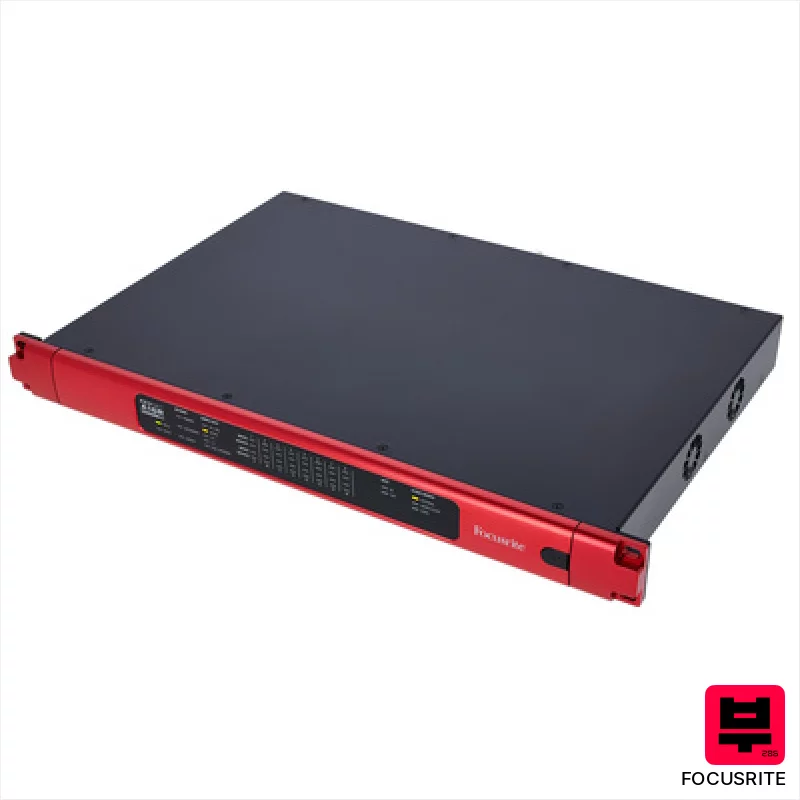
Focusrite RedNet A16R MKII
- • Exceptional 119dB dynamic range minimizes noise floors for pristine recordings
- • Redundant power and network connections guarantee rock-solid reliability in pro environments
- • Dante integration offers unparalleled flexibility and scalability for complex setups
- • Robust 1U rack design with premium internal components ensures long-term durability
- • Price point places it firmly in the high-end professional audio category
- • Dante infrastructure requires existing network setup or additional investment
- • Physical size (482 x 44 x 327 mm) can be restrictive in smaller studios

Appsys Multiverter MVR MKII
- • Exceptional channel count (704x704) enables truly massive routing flexibility.
- • Dante Virtual Soundcard integration offers seamless PC-based workflow.
- • Comprehensive remote control simplifies complex, multi-console operations.
- • Triple redundant power supply guarantees rock-solid reliability in demanding environments.
- • The sheer complexity demands significant technical expertise to fully utilize.
- • Premium-priced, representing a substantial investment for smaller studios.
- • Physical size and weight limit portability; truly an OB van tool.

Presonus AVB-D16
- • Robust metal housing offers excellent protection during transport and studio use
- • AVB and Dante bridge simplifies complex routing and distribution workflows
- • Supports high sample rates for detailed audio capture and playback
- • Compact size minimizes rack space, ideal for smaller studios or mobile setups
- • Limited sample rate support compared to dedicated high-end converters
- • AVB ecosystem still relatively niche, limiting compatibility with some gear
- • Dante licensing may be required for full feature utilization

RME M-32 AD Pro II-D
- • Exceptional 120 dBA signal-to-noise ratio ensures pristine, noise-free recordings.
- • DANTE connectivity provides rock-solid, low-latency digital audio transport.
- • Robust, fully balanced circuit design minimizes noise and maximizes headroom.
- • Intuitive rotary knob and backlit display simplify complex workflows significantly.
- • The Sub-D 25-pin connectors can be a hassle for modern studio setups.
- • Premium-priced, representing a significant investment for smaller studios.
- • USB 2.0 feels dated; a USB 3.0 implementation would be a welcome upgrade.
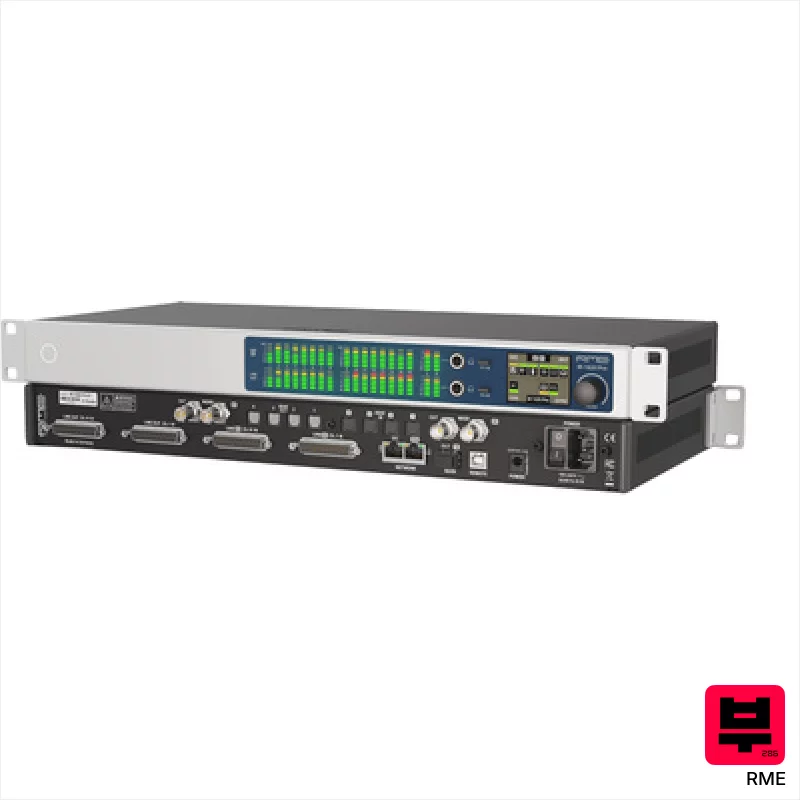
RME M-1620 Pro D
- • Exceptional transparency and low noise floor, revealing subtle details.
- • Flexible Dante integration provides immense routing and scalability.
- • Rock-solid build quality with robust metal chassis and reliable connectors.
- • Comprehensive routing matrix simplifies complex studio workflows.
- • Premium-priced, a significant investment for smaller studios.
- • Steep learning curve for mastering the advanced routing capabilities.
- • Size and weight make rack mounting and transport a consideration.
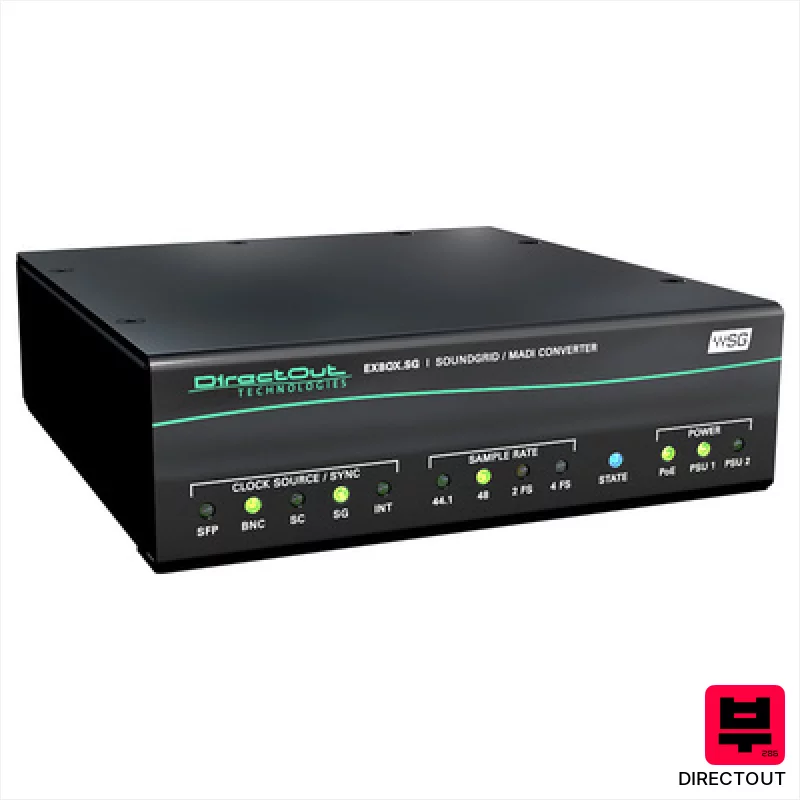
DirectOut EXBOX.SG Rev. 2.0
- • Rock-solid MADI connectivity via multiple port options.
- • EARS processing provides exceptional synchronization and stability.
- • Channel-based routing offers unmatched flexibility for complex setups.
- • Robust build quality; feels immediately durable and professional.
- • Premium-priced, a significant investment for smaller studios.
- • Complexity requires careful planning and understanding of MADI workflows.
- • Physical size can be restrictive in cramped rack spaces.
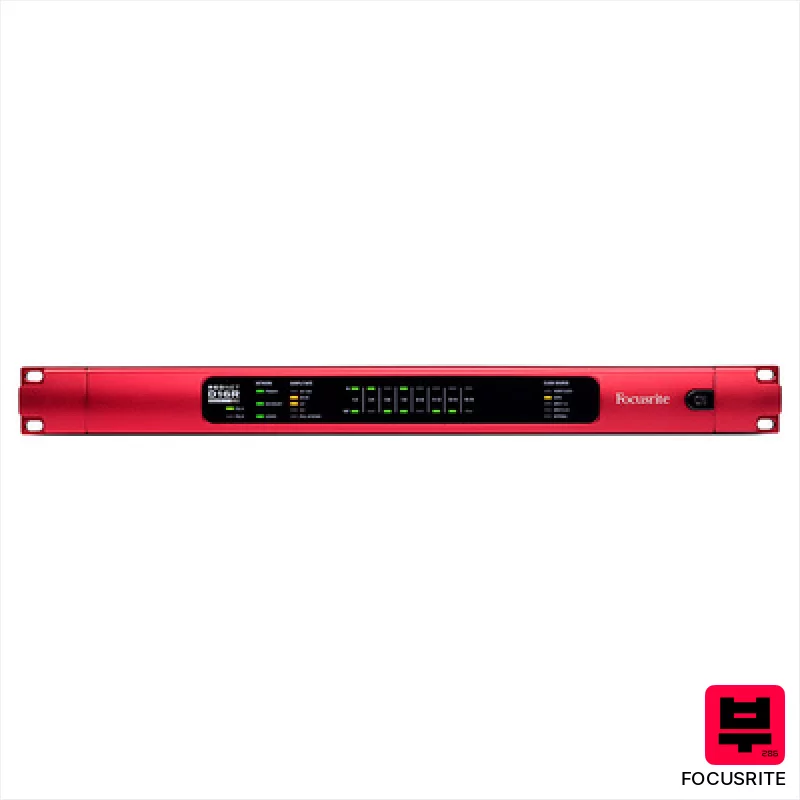
Focusrite RedNet D16R MKII
- • Rock-solid build quality with robust metal chassis and EtherCON connectors
- • Exceptional AES3 conversion clarity, minimal noise floor noticeable even at high gain
- • Redundant power and Ethernet provide unparalleled reliability for critical applications
- • Flexible routing options via Dante and RedNet Control software streamline workflows
- • Price point puts it firmly in the professional, high-end category
- • Requires Dante network infrastructure for full functionality, adding complexity
- • The sheer number of connection options can be overwhelming for novice users
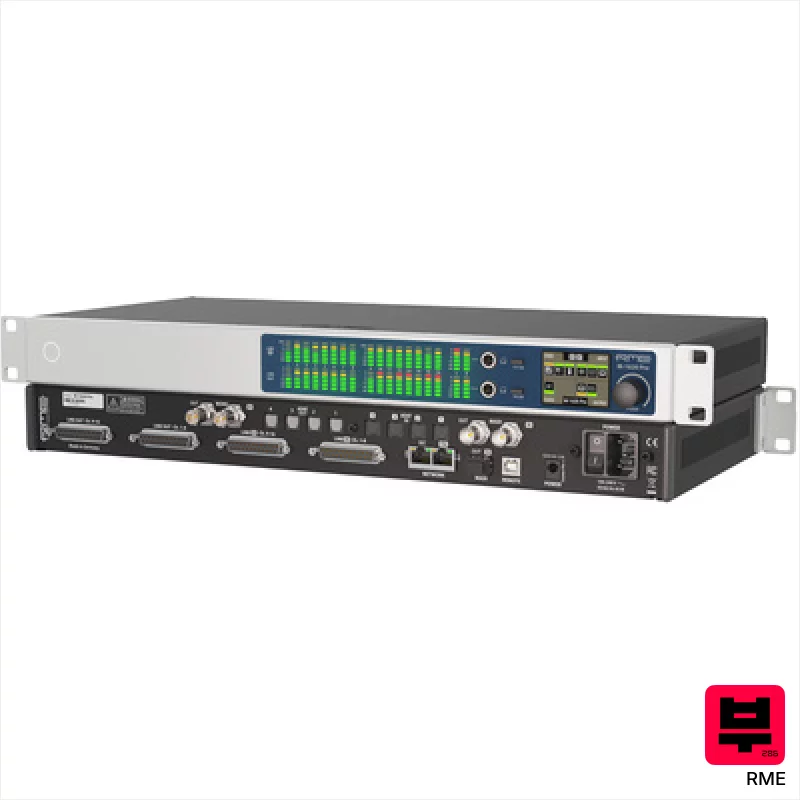
RME M-1620 Pro
- • Exceptional transparency and dynamic range, revealing subtle nuances.
- • Robust build quality; feels incredibly solid and durable.
- • Flexible routing matrix simplifies complex studio workflows.
- • AVB/Milan certification future-proofs connectivity and network integration.
- • Sub-D25 connectors are a bit archaic and require specialized cables.
- • Size and weight make it less suitable for mobile or smaller setups.
- • Steep learning curve for mastering the advanced routing capabilities.
How to Choose the Best Digital Converters
Dynamic Range
This is the big one. Low noise floor and high headroom are essential for capturing subtle details without introducing unwanted hiss or distortion. A poor dynamic range just squashes everything together, robbing your recordings of depth.
Transparency
Ideally, a format converter shouldn't do anything to the signal - it should be a neutral conduit. But some converters impart a subtle character, often described as 'warmth' or 'color.' The trick is finding one that complements your source material without masking it.
Clocking Stability
Jitter - tiny timing errors - can muddy the low end and smear transients. A rock-solid internal clock or the ability to sync to an external clock is crucial for clean, accurate conversions. Especially important when bouncing between multiple pieces of gear.
Sample Rate/Bit Depth Support
Modern DAWs demand flexibility. Make sure the converter supports the sample rates and bit depths you work with, especially if you're planning on doing any high-resolution recording or mastering.
Connectivity & Routing
Beyond just stereo I/O, consider options like ADAT, S/PDIF, AES/EBU, and word clock. Having flexible routing options can save you headaches when integrating the converter into a complex studio setup.
Buying Guide
Don't fall for marketing hype. A cheap USB converter might look good on paper, but those components often cut corners on noise performance. Spending a bit more on a reputable brand with a solid reputation for transparency and dynamic range will pay dividends. If you're primarily converting tape, a converter with a slight warmth can actually be a benefit, but for pristine digital sources, neutrality is key. Always check reviews from other musicians - not just audiophiles.
Our Methodology
We don't just throw spec sheets at these things. We've run these converters through the wringer: A/B'ing with known good references, tracking drums and guitars, re-amping cabinets, and even running them through old analog effects chains to see how they handle complex signals. We're listening for subtle shifts in tone, dynamic range, and overall character - the stuff that separates a decent conversion from a truly inspiring one.

