
Best Digital Converters for Digital Routing 2026
So, you're diving into digital routing - smart move. It's how you route signals between synths, effects, preamps, and your interface, bypassing the limitations of physical patching. But the weakest link in that chain is the digital-to-analog converter (DAC). A bad DAC will smear your transients, choke your low-end, and generally make everything sound muddy and lifeless, even if your gear is stellar - trust me, I've been there. Let's find the right converters to make your digital routing shine.
Last updated: July 22, 2026 • Next update: July 29, 2026
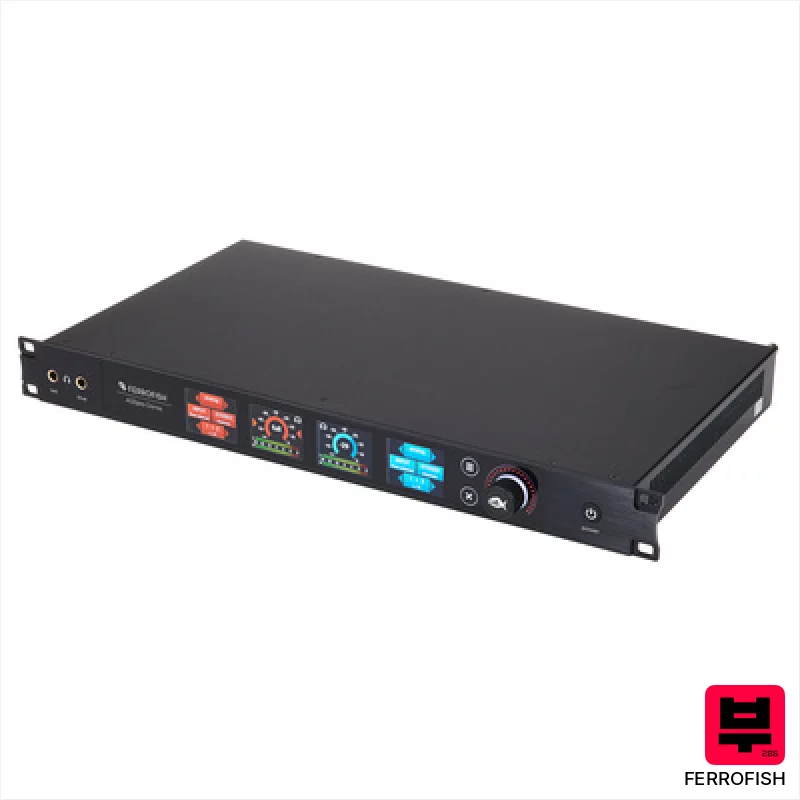
Ferrofish A32 Pro Dante MM
- • ESS Sabre32 Ultra DACs deliver exceptional clarity and dynamic range.
- • Dual Dante ports with redundancy ensure rock-solid network stability.
- • Flexible routing matrix simplifies complex signal flow scenarios.
- • Intuitive touchscreen interface significantly eases workflow and setup.
- • The D-Sub connectors for analog I/O feel somewhat dated in design.
- • Its size and weight make it less ideal for mobile or small studio setups.
- • The sheer number of options can present a steep learning curve initially.

Presonus AVB-D16
- • Robust metal housing offers excellent protection during transport and studio use
- • AVB and Dante bridge simplifies complex routing and distribution workflows
- • Supports high sample rates for detailed audio capture and playback
- • Compact size minimizes rack space, ideal for smaller studios or mobile setups
- • Limited sample rate support compared to dedicated high-end converters
- • AVB ecosystem still relatively niche, limiting compatibility with some gear
- • Dante licensing may be required for full feature utilization
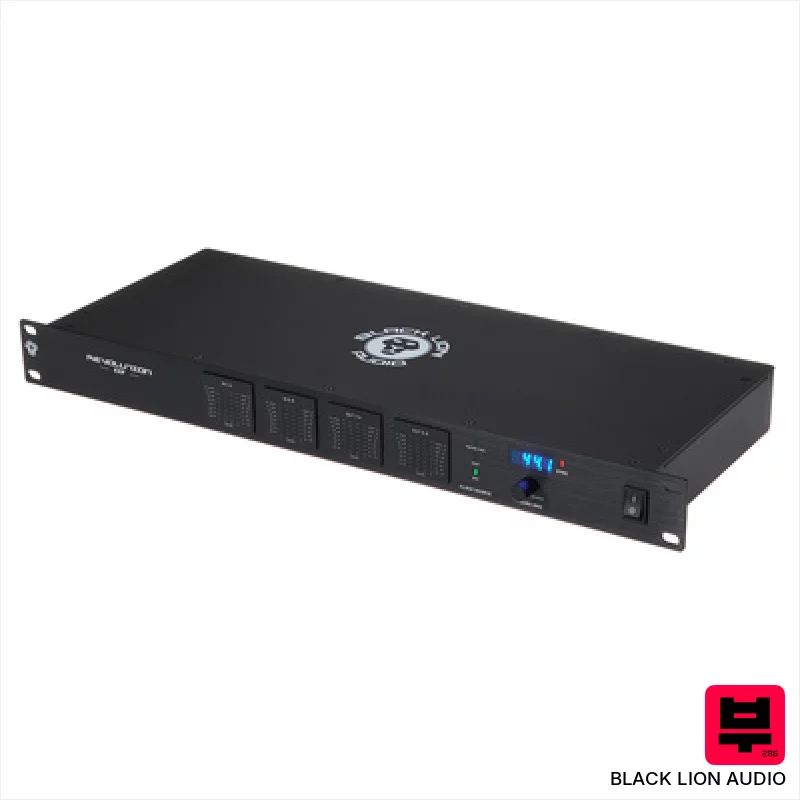
Black Lion Audio Revolution EXP
- • Robust build quality with solid internal components, noticeable upgrade over consumer converters
- • Precise macro-MMC clocking minimizes jitter for cleaner recordings
- • ADAT connectivity provides flexible expansion and routing options
- • Balanced TRS connections ensure low-noise signal transfer and professional workflow
- • Size and weight make it less ideal for portable or smaller studio setups
- • Limited input/output options compared to more expensive, high-end converters
- • External power supply adds to clutter and potential cable management issues
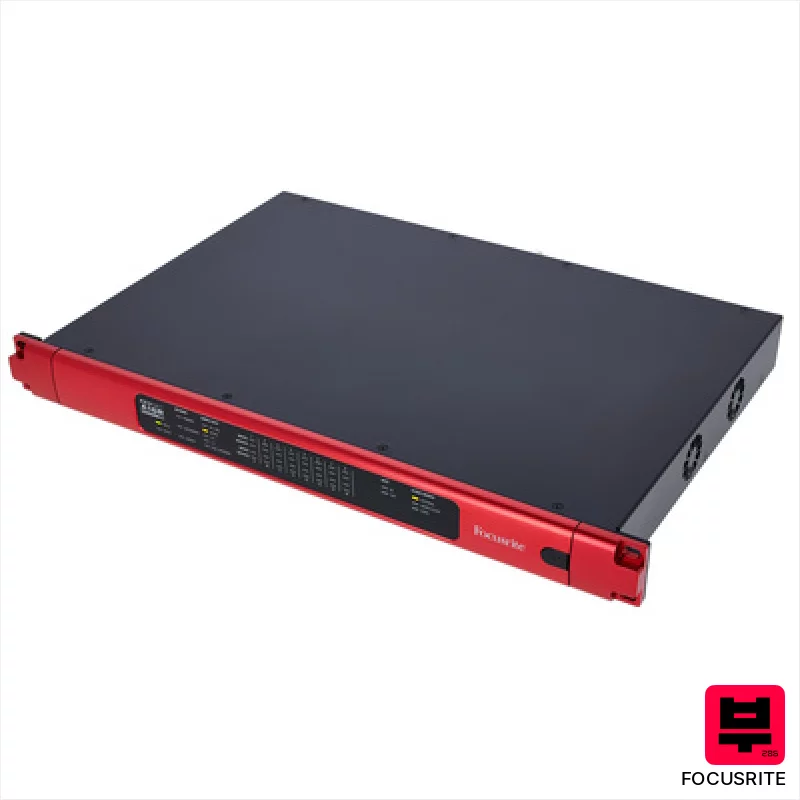
Focusrite RedNet A16R MKII
- • Exceptional 119dB dynamic range minimizes noise floors for pristine recordings
- • Redundant power and network connections guarantee rock-solid reliability in pro environments
- • Dante integration offers unparalleled flexibility and scalability for complex setups
- • Robust 1U rack design with premium internal components ensures long-term durability
- • Price point places it firmly in the high-end professional audio category
- • Dante infrastructure requires existing network setup or additional investment
- • Physical size (482 x 44 x 327 mm) can be restrictive in smaller studios

Ferrofish Pulse8 AE
- • Excellent AD/DA conversion for its class, transparent and clean sound.
- • Flexible ADAT connectivity allows for expansion and routing options.
- • Compact size makes it ideal for smaller studios or mobile setups.
- • Robust build quality with solid 6.3mm jack connectors.
- • Limited routing capabilities compared to more expensive, dedicated mixing consoles.
- • USB-C connection primarily for control and updates, not audio I/O.
- • SMUX mode introduces a slight increase in latency for some workflows.

Lynx Studio Hilo 2 USB
- • SynchroLock 2 ensures rock-solid clocking, vital for critical tracking scenarios.
- • Exceptional dynamic range (122dB) reveals subtle details in recordings.
- • Color touchscreen offers comprehensive metering and analysis in a clear format.
- • Robust build quality and premium components suggest long-term reliability.
- • The price point places it firmly in the high-end, professional tier.
- • Limited to two channels restricts its use in larger, multi-mic recording setups.
- • Physical size and weight can be a factor for portable or mobile recording.
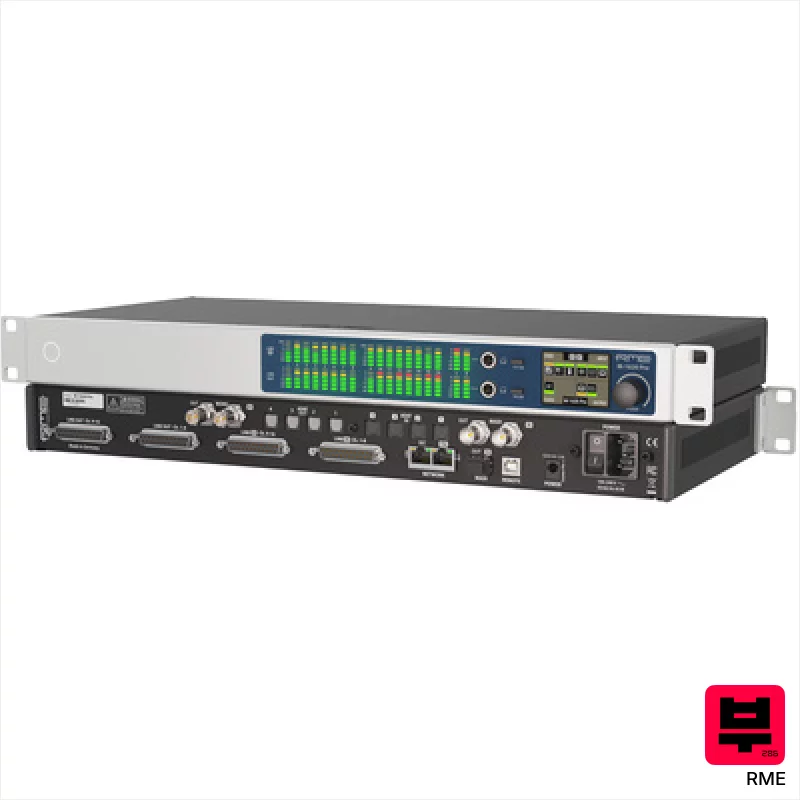
RME M-1620 Pro
- • Exceptional transparency and dynamic range, revealing subtle nuances.
- • Robust build quality; feels incredibly solid and durable.
- • Flexible routing matrix simplifies complex studio workflows.
- • AVB/Milan certification future-proofs connectivity and network integration.
- • Sub-D25 connectors are a bit archaic and require specialized cables.
- • Size and weight make it less suitable for mobile or smaller setups.
- • Steep learning curve for mastering the advanced routing capabilities.
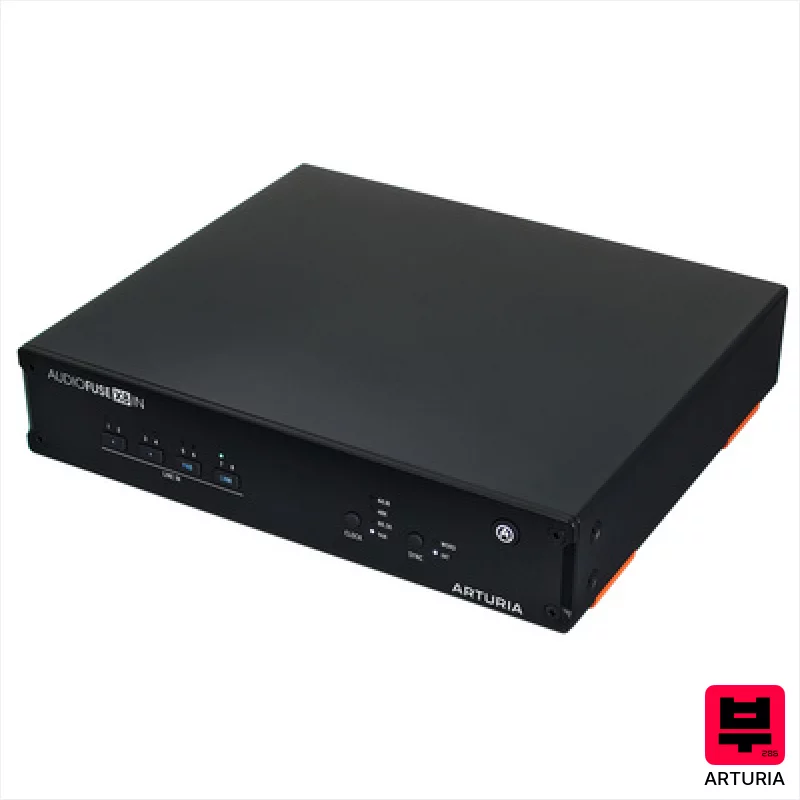
Arturia AudioFuse X8 IN
- • Solid, compact build quality with a robust 1U half-rack design.
- • AKM AD converters deliver transparent, low-noise digital conversion.
- • Flexible front panel controls simplify routing and channel management.
- • SMUX support allows for higher sample rates over ADAT for expanded workflow.
- • Limited connectivity beyond the eight analog inputs and ADAT.
- • Desktop design may not be ideal for all studio environments or rack setups.
- • Relatively basic feature set compared to higher-end, more expensive converters.

DirectOut Andiamo
- • Exceptional transparency, revealing subtle nuances in source material.
- • Robust build quality; feels like it's designed for constant studio use.
- • Flexible network options (Ravenna, Dante, SoundGrid) for complex setups.
- • Redundancy features offer peace of mind in critical recording environments.
- • High-end price point puts it out of reach for many home studios.
- • SUBD-25 connectors require specialized cables and adapters.
- • Size and weight necessitate careful rack space planning.

RME M-32 AD Pro II-D
- • Exceptional 120 dBA signal-to-noise ratio ensures pristine, noise-free recordings.
- • DANTE connectivity provides rock-solid, low-latency digital audio transport.
- • Robust, fully balanced circuit design minimizes noise and maximizes headroom.
- • Intuitive rotary knob and backlit display simplify complex workflows significantly.
- • The Sub-D 25-pin connectors can be a hassle for modern studio setups.
- • Premium-priced, representing a significant investment for smaller studios.
- • USB 2.0 feels dated; a USB 3.0 implementation would be a welcome upgrade.

RME M-32 DA Pro II-D
- • Exceptional 120 dBA signal-to-noise ratio minimizes noise floor significantly.
- • Robust, fully balanced circuit design ensures pristine, clean audio reproduction.
- • Integrated SyncCheck and ICC simplify clocking and troubleshooting workflows.
- • Customizable channel labeling and magnetic cover enhance workflow and organization.
- • The Sub-D connectors feel dated and less convenient than modern alternatives.
- • Premium-priced, representing a significant investment for smaller studios.
- • USB 2.0 feels limiting given the device’s high-end capabilities.
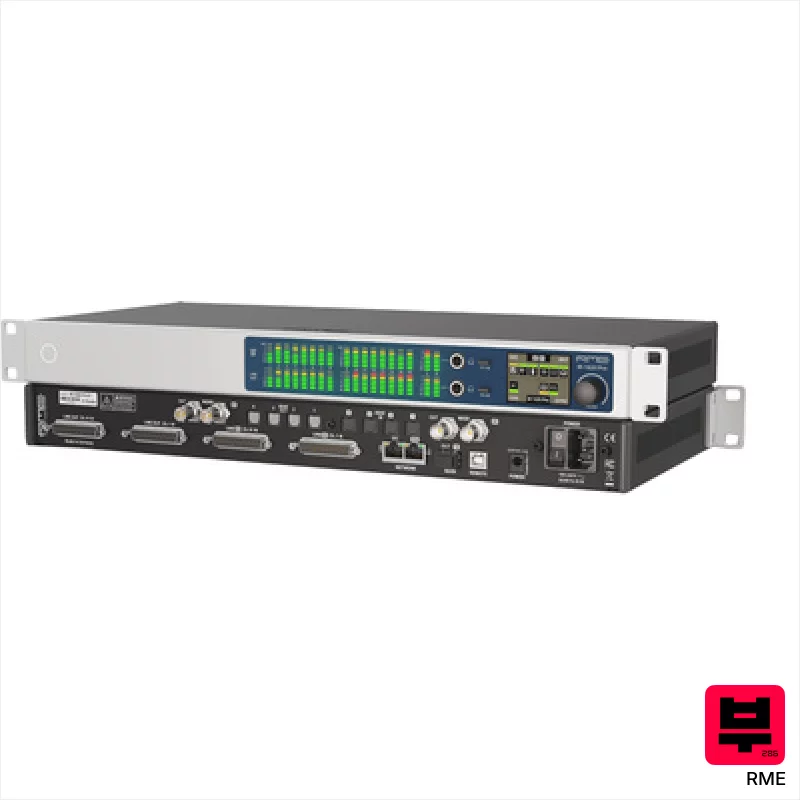
RME M-1620 Pro D
- • Exceptional transparency and low noise floor, revealing subtle details.
- • Flexible Dante integration provides immense routing and scalability.
- • Rock-solid build quality with robust metal chassis and reliable connectors.
- • Comprehensive routing matrix simplifies complex studio workflows.
- • Premium-priced, a significant investment for smaller studios.
- • Steep learning curve for mastering the advanced routing capabilities.
- • Size and weight make rack mounting and transport a consideration.
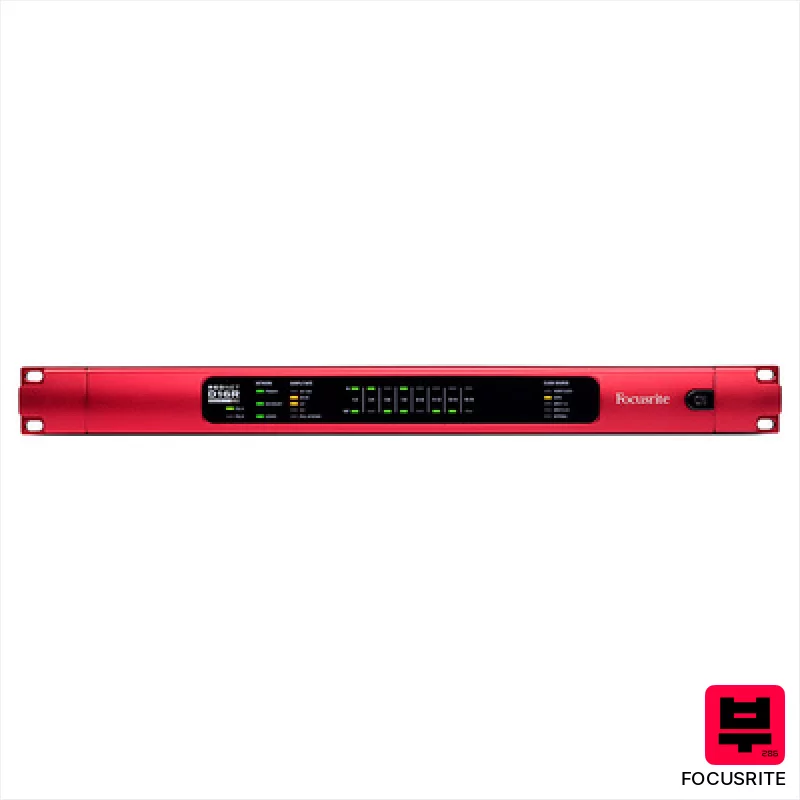
Focusrite RedNet D16R MKII
- • Rock-solid build quality with robust metal chassis and EtherCON connectors
- • Exceptional AES3 conversion clarity, minimal noise floor noticeable even at high gain
- • Redundant power and Ethernet provide unparalleled reliability for critical applications
- • Flexible routing options via Dante and RedNet Control software streamline workflows
- • Price point puts it firmly in the professional, high-end category
- • Requires Dante network infrastructure for full functionality, adding complexity
- • The sheer number of connection options can be overwhelming for novice users
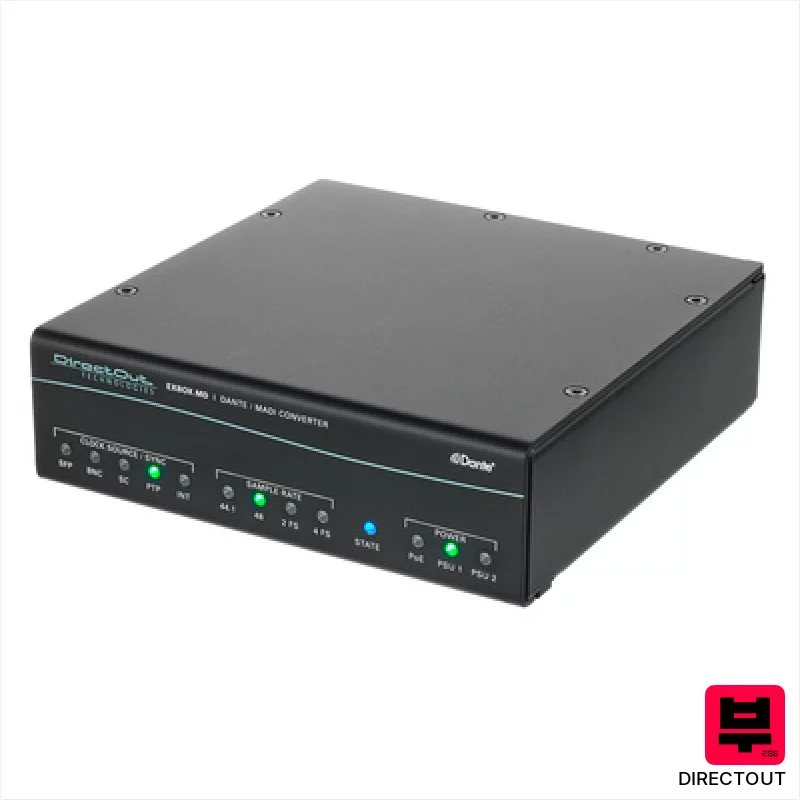
DirectOut EXBOX.MD Rev, 2.0
- • Exceptional channel density: 64 channels bridged MADI/Dante efficiently.
- • Fast-SRC provides pristine audio conversion quality, minimizing artifacts.
- • Flexible routing matrix simplifies complex signal flow management easily.
- • Integrated Dante switch with redundancy enhances network reliability significantly.
- • Premium-priced, represents a significant investment for smaller studios.
- • Physical size can be restrictive in cramped rack spaces.
- • EARS license adds to overall cost, potentially limiting flexibility.

Neve StarNet ADA16
- • Neve's legendary sonic character translates beautifully to digital conversion.
- • Exceptional dynamic range (122dB) ensures pristine, noise-free recordings.
- • Dante connectivity offers robust, scalable network integration for complex setups.
- • Compact 1U form factor maximizes rack space without sacrificing performance.
- • Tascam D-Sub25 connectivity limits compatibility with modern, readily available cabling.
- • Premium-priced, requiring significant investment for smaller studios or home setups.
- • Relatively limited input/output flexibility compared to more versatile converters.
How to Choose the Best Digital Converters
Latency
A killer DAC is useless if it adds noticeable delay. Routing adds latency already, so you want converters with sub-1ms roundtrip latency - anything higher and you'll fight it in a live setting or when tracking. This isn't just about numbers; it's about feel.
Dynamic Range & Noise Floor
Routing is all about preserving signal integrity. A low noise floor and wide dynamic range ensure that subtle nuances aren't buried in the noise, especially when dealing with quiet sources like ribbon mics or delicate synth pads.
Transparency
The ideal routing DAC shouldn't do anything - it should just pass the signal cleanly. We're looking for converters that don't impart their own coloration or introduce unwanted artifacts. A slight warmth can be nice, but it shouldn't be a character - it should be invisible.
Connectivity & Routing Flexibility
Consider how many inputs and outputs you need and what types (XLR, TRS, AES/EBU). Some converters offer advanced routing options like sample rate conversion and loopback, which can be invaluable for complex setups.
Headroom
Insufficient headroom introduces clipping and distortion, even at moderate levels. Routing chains can easily push levels, so a DAC with ample headroom is crucial for maintaining a clean signal, especially when layering multiple effects or instruments.
Buying Guide
Don't fall for marketing hype. A lot of converters claim 'audiophile' quality, but many just add a slight, artificial sheen that sounds fake. For routing, transparency is key. Spending a little more on a reputable brand known for clean conversion is almost always worth it - you're protecting your investment in other gear. Be wary of converters that rely heavily on USB - while convenient, they often introduce more latency and noise than dedicated hardware.
Our Methodology
We're not looking at spec sheets here. We've spent countless hours A/B-ing these converters through a variety of setups - from bedroom recording to live rigs and full studio chains. We're listening for how they handle dynamic range, transient response, and subtle tonal shifts, because that's what matters when you're chasing pristine signal paths.

