
Best Compressors, Gates and De-essers for Live Sound 2026
Look, live sound is brutal. You're battling feedback, unruly monitors, and a drummer who thinks he's Bonham. Compression, gating, and de-essing aren't luxuries; they're survival tools. Getting the right ones can save your ears, your reputation, and your band's sanity - let's break down what actually works out on the road.
Last updated: July 22, 2026 • Next update: July 29, 2026
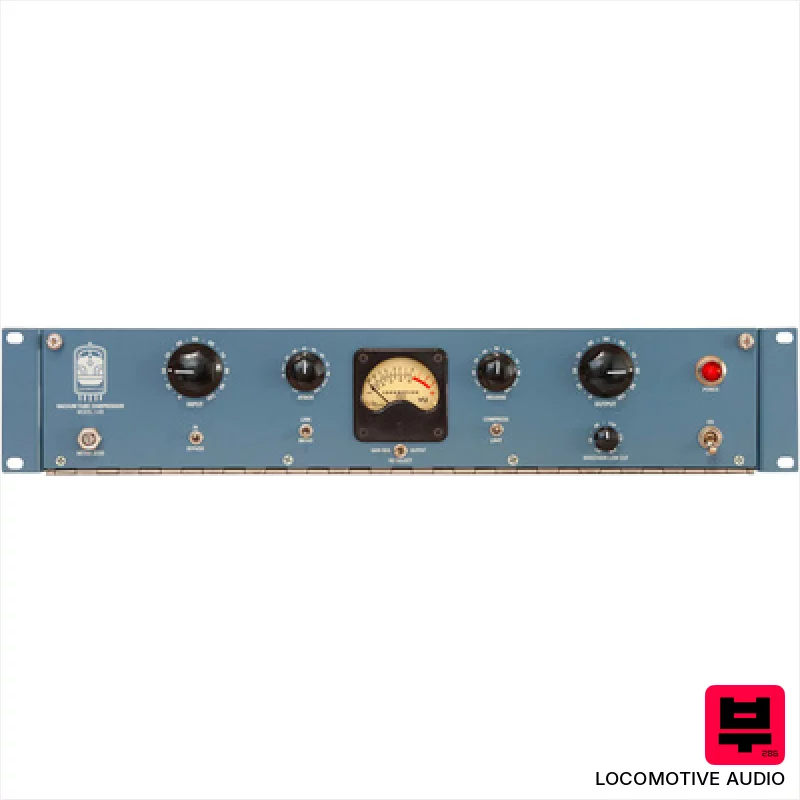
Locomotive Audio 14B
- • Cinemag input transformers deliver a substantial, harmonically rich signal.
- • The vari-mu design imparts a smooth, musical compression characteristic.
- • Handmade build quality and robust components ensure long-term reliability.
- • Line amp function provides a clean, powerful boost for tracking or mixing.
- • High-end price point puts it out of reach for many home studios.
- • Single-channel operation limits its use for stereo buss compression.
- • Transformer-based design can introduce subtle coloration, not always desired.

Heritage Audio Tubesessor
- • Fully tube-based amplification delivers a warm, harmonically rich compression.
- • Transformer-balanced I/O ensures pristine signal integrity and robust handling.
- • Dedicated saturation circuit adds a pleasing, controllable tube 'glow'.
- • Flexible sidechain filters provide precise control over compression response.
- • Significant weight makes it less ideal for portable or rack-mounted setups.
- • Relatively limited compression ratio range compared to some digital options.
- • Tube components require occasional maintenance and may impact long-term costs.

Rupert Neve Designs Master Bus Transformer
- • Exceptional Rupert Neve sonic signature – warmth, depth, and clarity.
- • Super Silk circuit adds nuanced harmonic richness, genuinely musical.
- • EQ section provides precise tonal shaping with broad flexibility.
- • Robust build quality; feels like a tank, built to last decades.
- • Significant investment; a premium-priced piece of mastering gear.
- • Width section can introduce phase issues with certain stereo material.
- • Limited dynamic range compared to purely digital mastering solutions.
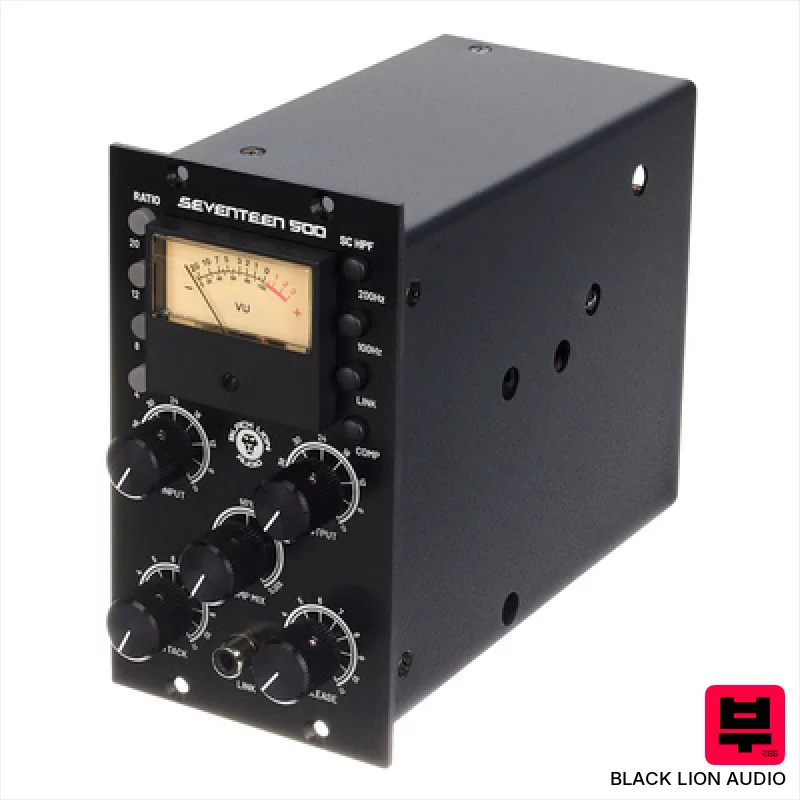
Black Lion Audio Seventeen-500
- • Excellent FET compression character, recalling classic Neve designs.
- • Transformer-optimized output adds pleasing harmonic richness and warmth.
- • Flexible sidechain HPF provides precise control over low-frequency pumping.
- • Creative ratio combinations allow for nuanced dynamic shaping.
- • Unbalanced RCA stereo link feels like a cost-saving compromise.
- • Limited attack/release range might feel restrictive for some users.
- • 500 format requires a dedicated rack or module frame.
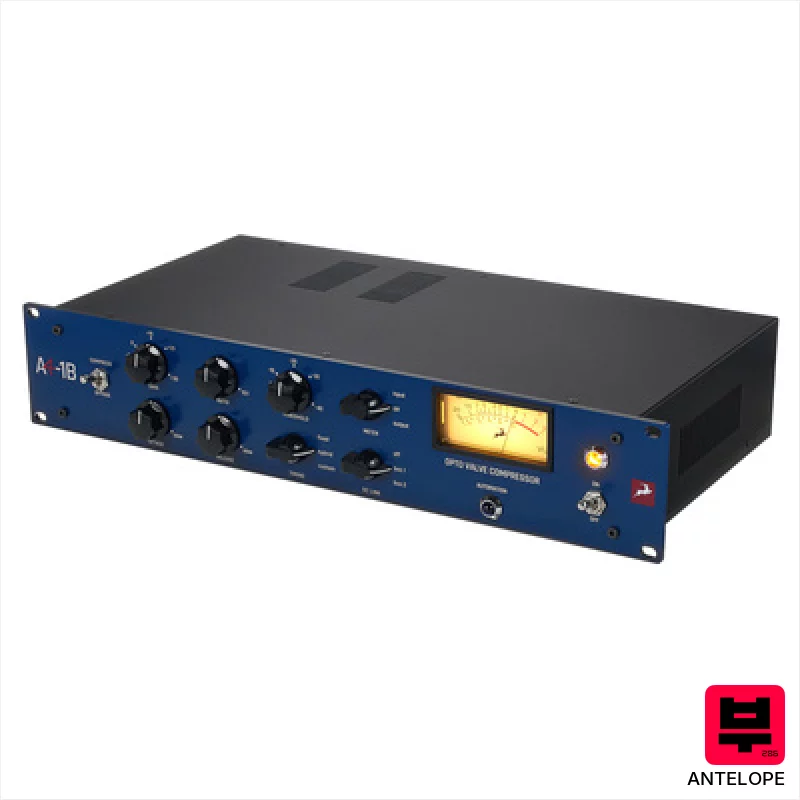
Antelope A4-1B Complete Edition
- • UK output transformers deliver a signature warmth and punch.
- • Motorised potentiometers offer precise recall and automation capabilities.
- • Fully analogue signal path ensures pristine, transparent compression.
- • Complete Edition includes valuable DAW plugin, extending its utility.
- • Premium-priced, placing it out of reach for many home studios.
- • Relatively large footprint; requires significant rack space.
- • The complex controls might have a steeper learning curve for beginners.

Lindell Audio LiN2A
- • T4BLA opto cell delivers authentic, creamy tube compression character.
- • Cinemag transformers add warmth and subtle harmonic saturation.
- • Versatile control modes allow for both gentle compression and aggressive limiting.
- • Solid 19” rack construction feels robust and well-built for studio use.
- • Limited control set compared to more complex, modern compressors.
- • VU meter is calibrated, but lacks detailed gain reduction markings.
- • Relatively heavy for a 2U rack unit; transport can be cumbersome.
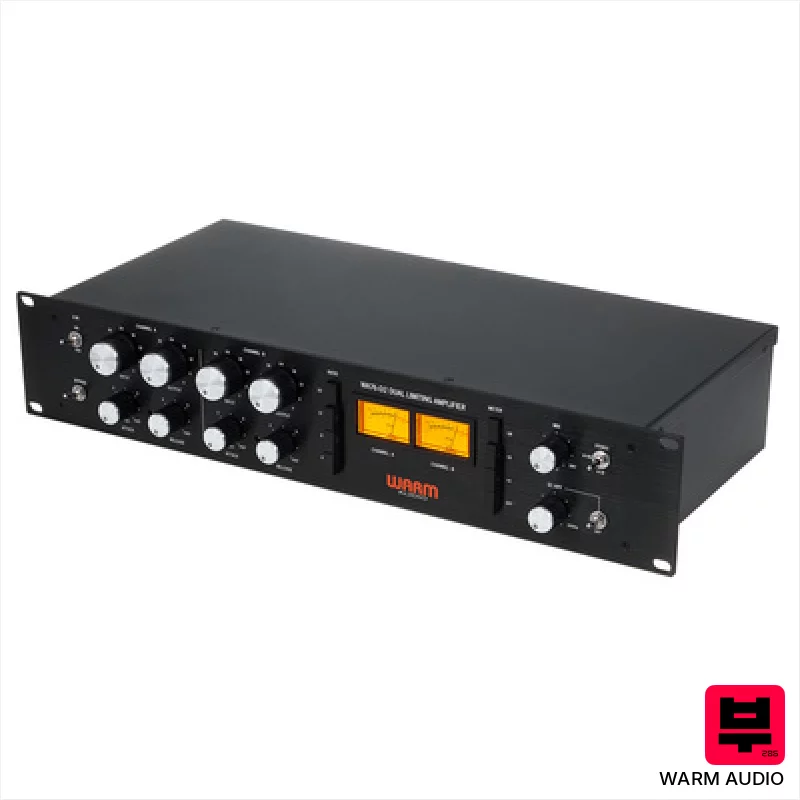
Warm Audio WA76-D2
- • CineMag transformers deliver authentic 70s SSL warmth and punch.
- • Discrete Class-A output provides a clean, powerful signal boost.
- • Flexible stereo linking options cater to diverse mixing scenarios.
- • Dry/Wet control simplifies parallel compression techniques significantly.
- • The 'All Buttons In' setting can be overly aggressive for subtle compression.
- • Build quality, while decent, doesn't match genuinely vintage SSL units.
- • Limited headroom compared to some modern, more transparent compressors.

Heritage Audio LANG P.LANE Type 436
- • Gorgeous tube coloration adds warmth and subtle harmonic richness.
- • The JJ E88CC tube provides a robust power platform for consistent headroom.
- • Excellent build quality with a solid 19” chassis and quality connectors.
- • DC threshold control offers precise gain reduction tailoring for subtle or aggressive compression.
- • Single-channel operation limits its application in stereo workflows.
- • The 6H5P tube is a less common type and may require occasional replacement.
- • Limited attack time options restrict its versatility on very transient sources.
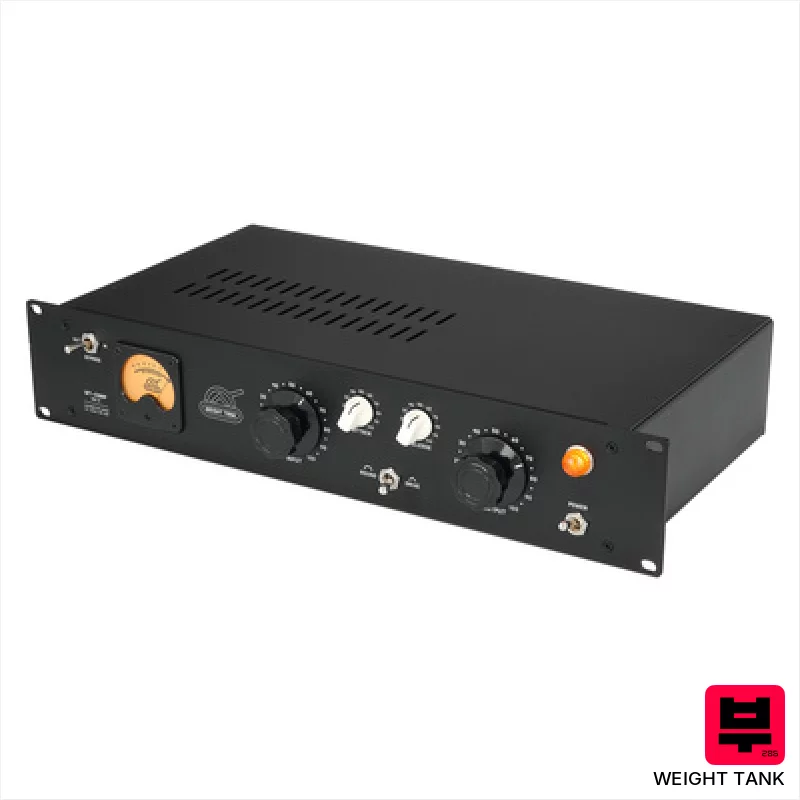
Weight Tank WT-Comp
- • Transformer-based input/output adds warmth and character to the signal.
- • 6BC8 tube provides a smooth, musical compression characteristic.
- • VU meter offers precise visual feedback for gain reduction.
- • Stereo linking expands versatility for tracking and mixing.
- • High-end price point puts it out of reach for many home studios.
- • Single channel limits its use in stereo buss compression scenarios.
- • Attack times, while usable, lack the ultra-fast response for transient taming.
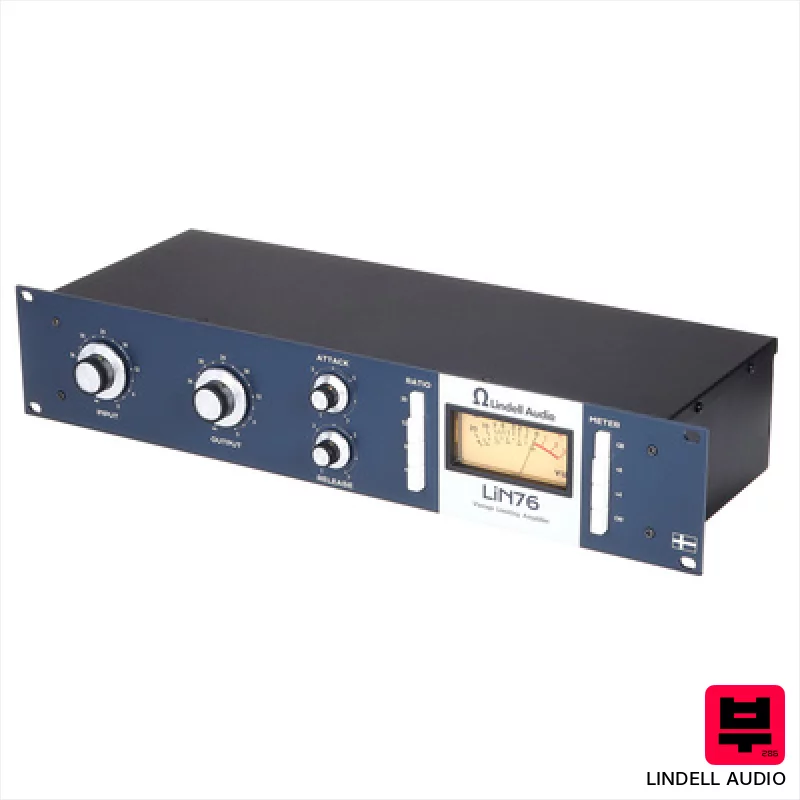
Lindell Audio LiN76
- • US-sourced transformers deliver a thick, vintage-inspired tone.
- • The discrete FET design provides aggressive, punchy compression.
- • VU meter calibration offers accurate gain staging and metering.
- • Solid 19” 2U build feels robust despite the external power supply.
- • External power supply adds clutter and limits portability.
- • Attack times, while adjustable, lack finer resolution than some competitors.
- • Limited ratio options restrict versatility for highly nuanced compression tasks.
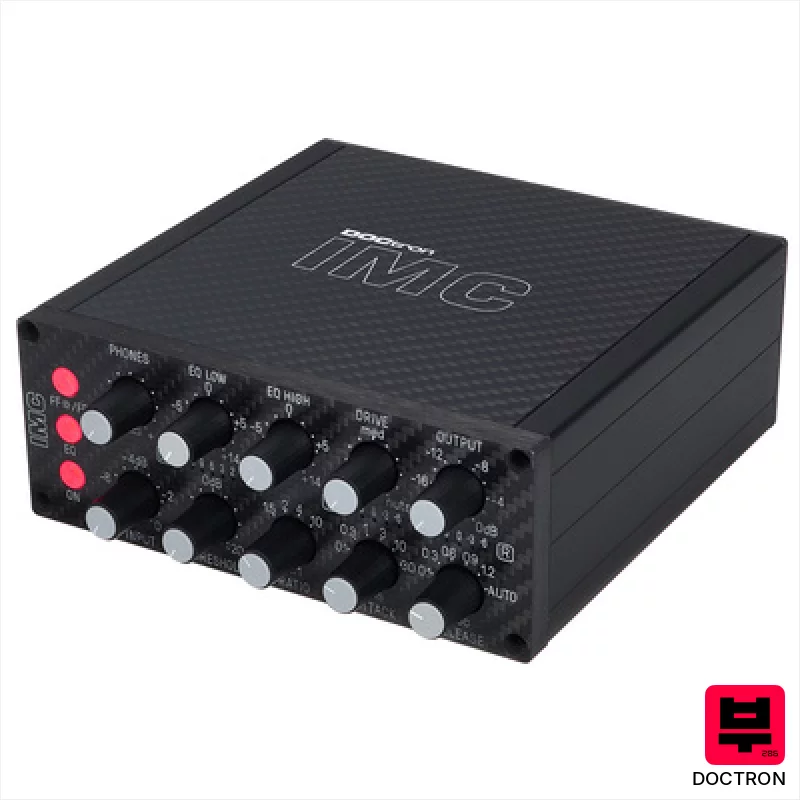
DOCtron IMC MK2
- • Lundahl transformer adds warmth, subtle saturation is gorgeous.
- • THAT VCA delivers clean, transparent compression performance.
- • Flexible EQ with shelving design provides precise tonal shaping.
- • Compact size belies a powerful, professional-grade signal chain.
- • Price point positions it firmly in the high-end mastering territory.
- • Limited EQ bands might restrict complex tonal sculpting needs.
- • Feed-forward/feedback sidechain offers less flexibility than some competitors.
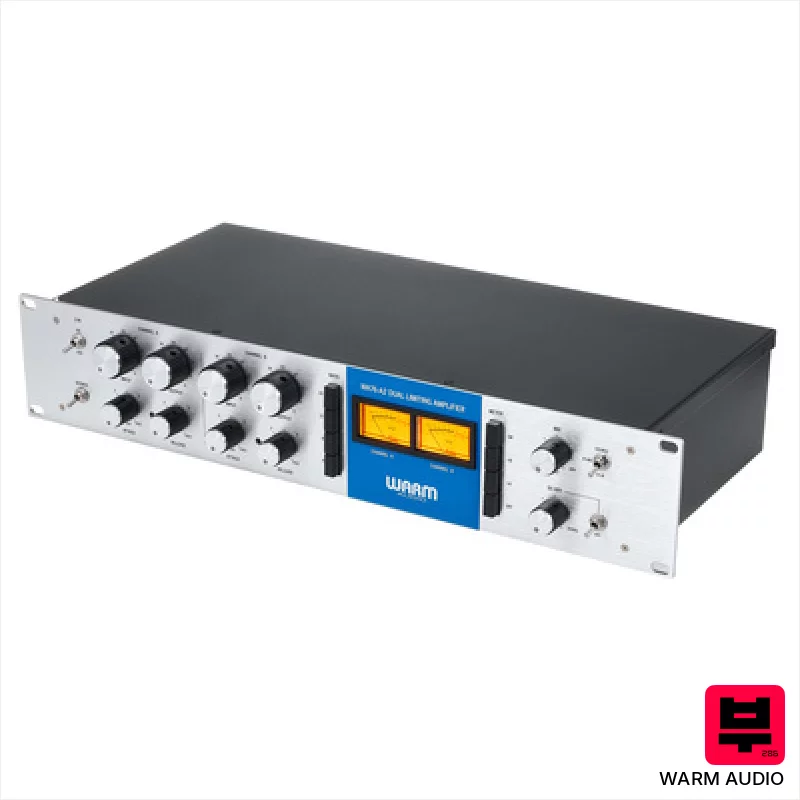
Warm Audio WA76-A2
- • CineMag output transformers deliver that classic '76 punch and character.
- • Dual-mono operation preserves signal integrity for critical tracking applications.
- • Active bypass provides a clean, usable line amp when compression isn't needed.
- • Variable sidechain filter offers precise tonal shaping for various instruments.
- • The stepped controls can feel less precise than continuous pots for subtle adjustments.
- • While versatile, it's primarily a FET compressor; lacks the flexibility of some multi-mode units.
- • The 'All Buttons In' setting can be aggressive, requiring careful gain staging.
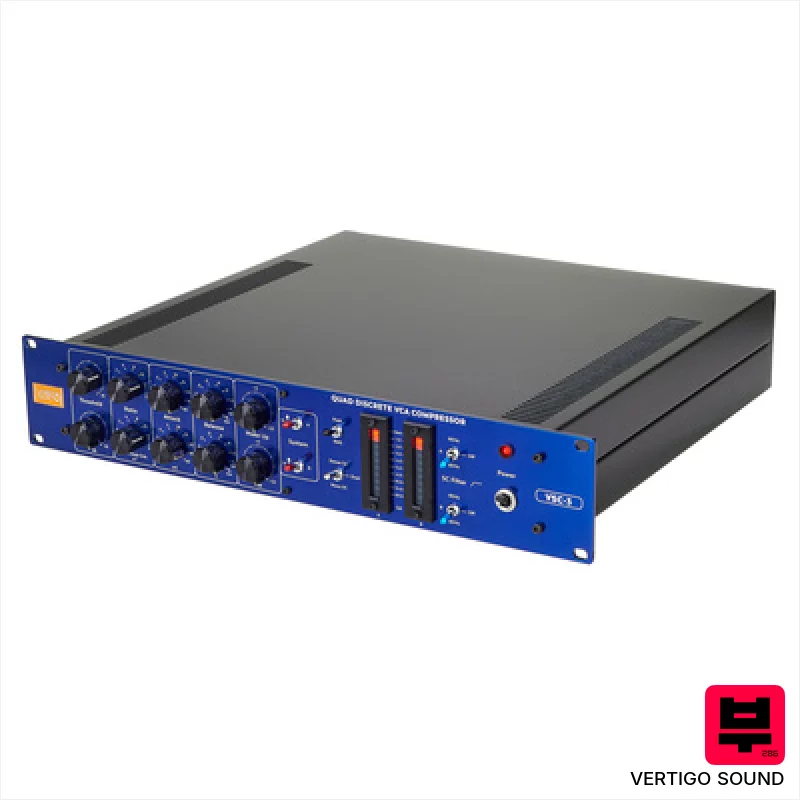
Vertigo Sound VSC-3
- • Discrete VCA design delivers exceptional transient response and clarity.
- • Cinemag transformers impart a warmth and subtle saturation.
- • Extremely flexible attack/release options shape dynamics precisely.
- • Build quality is rock-solid, clearly designed for studio longevity.
- • Premium-priced, a significant investment for most studios.
- • The sheer number of controls can be daunting for novice users.
- • Its character, while excellent, might not suit every genre.
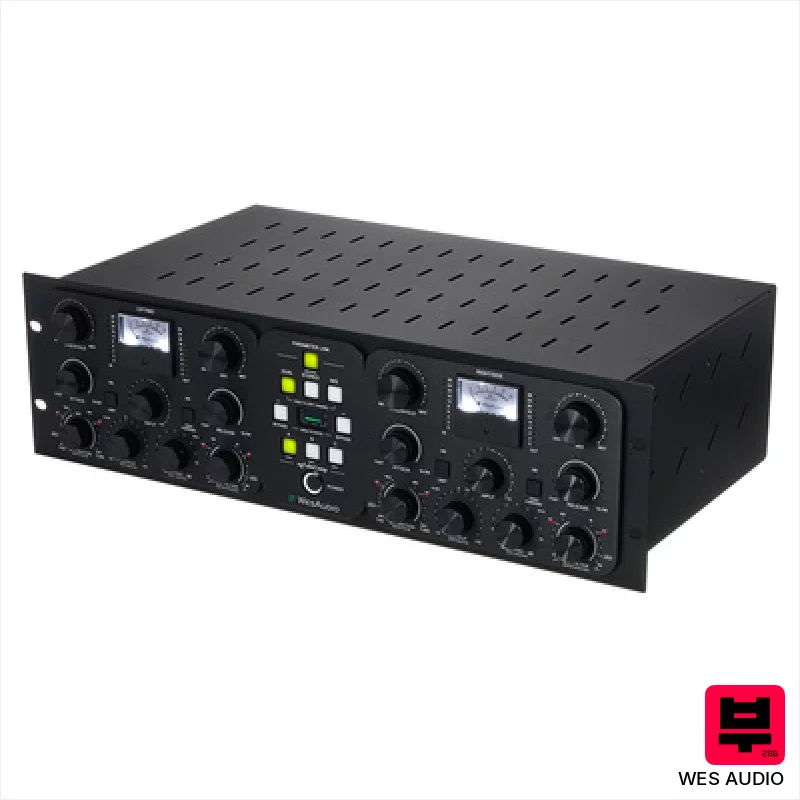
WES Audio ngTubeComp
- • Carnhill transformer imparts a lush, vintage warmth and significant headroom.
- • Adjustable THD offers unprecedented tonal sculpting capabilities for subtle or aggressive saturation.
- • MS mode provides exceptional stereo width control and nuanced processing.
- • Robust build quality with 6 tubes and 4 transformers promises longevity and reliability.
- • The substantial weight (over 35 lbs) makes rack mounting a logistical challenge.
- • Limited input headroom compared to fully digital compressors – sensitive to hot signals.
- • The complex feature set demands a significant learning curve to fully exploit its potential.

Chandler Limited RS660 Tube Compressor
- • Exceptional THD mode delivers aggressive, vintage Neve-esque coloration.
- • Hand-matched ECC83 double triode provides warm, musical compression.
- • Variable output impedance offers tonal flexibility for different downstream gear.
- • Robust 19” 2U chassis exudes professional build quality and durability.
- • Premium-priced, representing a significant investment for most studios.
- • Single channel limits its application for stereo buss compression tasks.
- • Discrete controls require careful gain staging to avoid unwanted distortion.
How to Choose the Best Compressors, Gates and De-essers
Transient Response
Live sound demands quick, clean gating and compression. Slow attack times on a gate can let bleed through, while sluggish compressors will muddy up the dynamics and lose that initial punch.
Noise Floor
A noisy gate or compressor is worse than no processing at all. You're already fighting a noisy environment; don't add to it. Pay attention to the self-noise specs and, more importantly, listen for it.
Versatility/Controls
Gigging musicians need flexibility. Multiple threshold ranges, adjustable attack and release times, sidechain filtering - these aren't just buzzwords; they're essential for tackling different instruments and vocal styles.
Build Quality/Reliability
Road life is hard. Plastic knobs and flimsy construction won't last a tour. Solid build quality and robust components are worth the extra investment - downtime is expensive.
Artifacts/Pumping
Cheap compressors often exhibit audible pumping or distortion when pushed. While some controlled breakup can be cool, unwanted artifacts just sound unprofessional and can ruin a performance.
Buying Guide
Don't chase the 'best' - chase the right tool for the job. A $2000 compressor might sound amazing in a studio, but it's overkill for a weekend gigging band. Often, a well-chosen mid-range unit will outperform a high-end one in a live setting, where noise and feedback are constant concerns. Be wary of units that promise 'invisible' compression; live sound is about shaping dynamics, not erasing them entirely.
Our Methodology
We're not looking at spec sheets here. We've spent years on stages of all sizes, from smoky dive bars to outdoor festivals. Our evaluations are based on real-world performance - how a compressor handles a screaming vocal, how a gate cleans up a muddy bass, and how a de-esser tames a harsh snare. We A/B tested against industry standards, judged by ear, and considered the practicalities of setup and reliability.

