
Best IGS Audio Compressors, Gates and De-essers 2026
Okay, let's talk IGS Audio. You're probably not as familiar with them as you are with API or SSL, but if you're chasing a vibe that's a little less "sterile" and a little more... musical, these guys deserve a serious listen. I've seen them used on everything from indie rock drum buses to country vocal chains, and they consistently deliver a character that sits just right. They're not trying to be something they're not, and that's a huge part of their appeal.
Last updated: April 11, 2026

IGS Audio V8 Compressor
- • Discrete circuitry delivers a remarkably clean and musical compression character.
- • Custom IGS transformers impart a subtle warmth and harmonic richness.
- • The sidechain HP filter offers precise low-frequency control, avoiding muddy compression.
- • Elma potentiometers ensure smooth, precise control and long-term reliability.
- • The size and weight make it less ideal for smaller or mobile setups.
- • High-end price point positions it firmly in professional studios only.
- • Limited versatility compared to more flexible multi-band compressors.
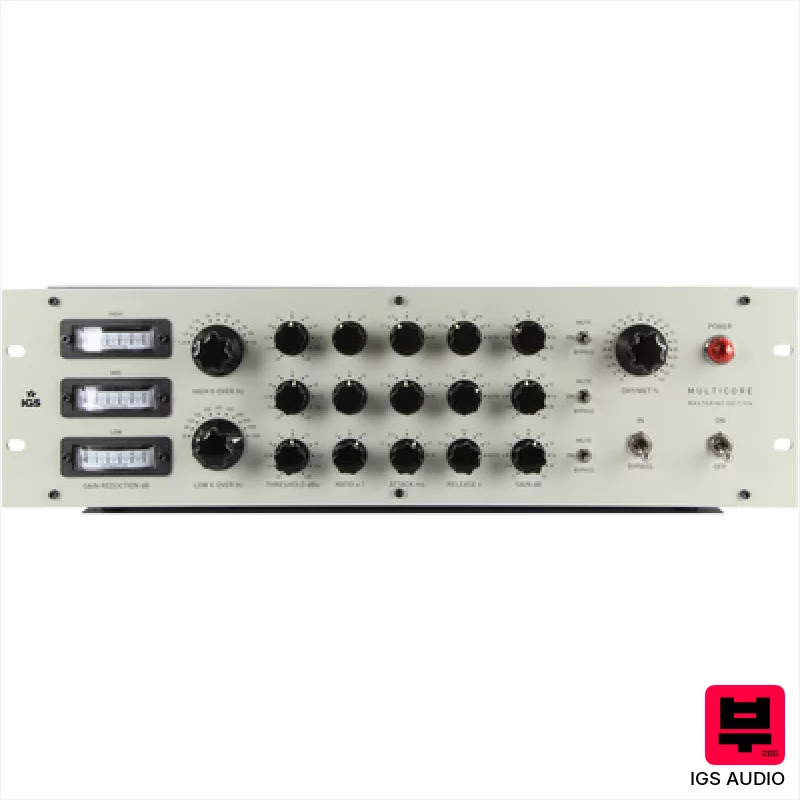
IGS Audio Multicore
- • Analog VCA compression delivers a musical, responsive feel.
- • Excellent dynamic range minimizes noise and maximizes headroom.
- • Versatile 3-band architecture handles complex signal shaping.
- • Robust 19in rackmount design ensures roadworthiness.
- • The limited ratio choices might restrict extreme compression needs.
- • High-end price point places it beyond many home studios.
- • 3U height may pose rack space challenges in smaller setups.
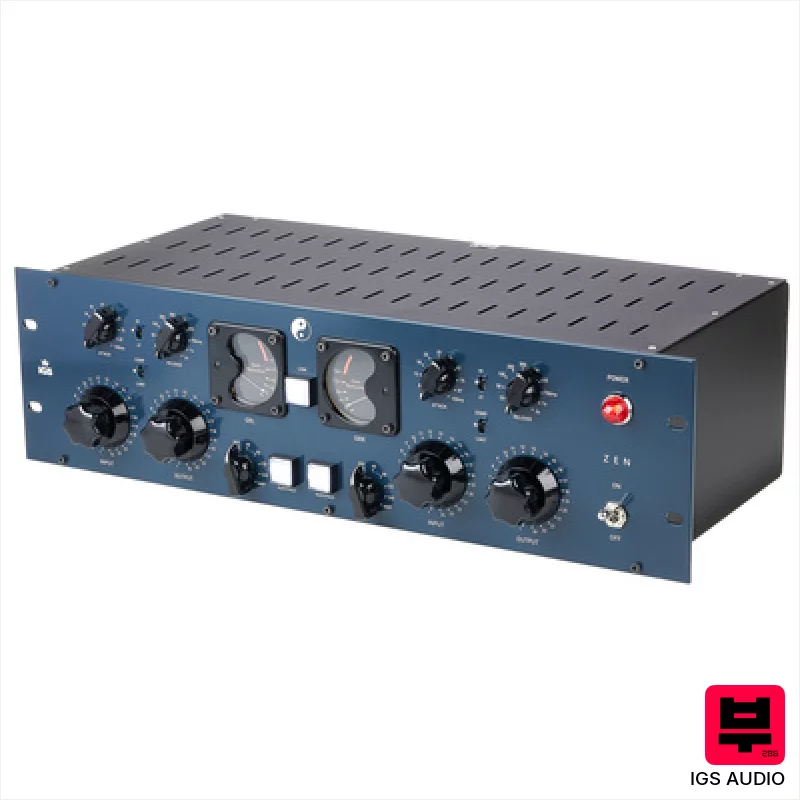
IGS Audio Zen
- • Zener diode character imparts a uniquely smooth, musical compression.
- • Discrete transistor design delivers exceptional headroom and clarity.
- • Input/output transformers add warmth and subtle harmonic enhancement.
- • Sidechain HPF is genuinely useful for cleaning up low-end muddiness.
- • The attack times, while adjustable, feel a little limited for modern, aggressive genres.
- • Its vintage-inspired design might not suit all modern mixing aesthetics.
- • The weight makes it less ideal for portable or mobile recording setups.
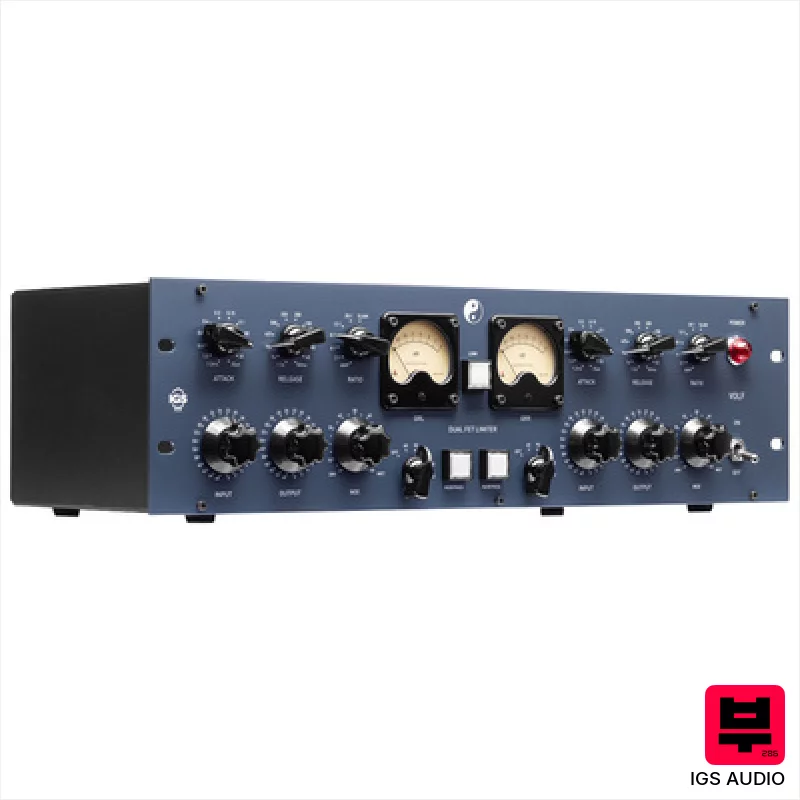
IGS Audio Volf
- • ELMA switches offer unparalleled precision and reliability in routing.
- • Discrete IGS 2520 op-amps deliver exceptional clarity and low noise.
- • Transformer/IC input selection provides genuine tonal shaping flexibility.
- • Stepped controls guarantee repeatable settings for consistent compression.
- • The Class A design will demand a significant power draw from your mains.
- • Its stepped controls, while precise, can feel less fluid than continuous pots.
- • The price point firmly positions it as a studio-only tool.

IGS Audio Tubecore 3U
- • Transformer imparts a warm, harmonically rich character to the signal
- • MID/SIDE processing offers exceptional stereo control and depth
- • Elma switches provide precise and reliable control over parameters
- • User-replaceable tubes allow for tonal customization and future maintenance
- • The 3U form factor demands significant rack space in a studio environment
- • Premium-priced, making it a substantial investment for smaller studios
- • Vari-mu design may not suit all genres requiring extreme dynamic range

IGS Audio One LA 19"
- • Tube warmth adds pleasing harmonic richness and character.
- • Elma switches offer precise, repeatable gain reduction settings.
- • Solid 19” rack construction feels robust and well-built.
- • Fast attack time (1ms) handles transients exceptionally well.
- • Limited to a single channel, restricting tracking/stereo applications.
- • Price places it in a premium-priced category for a single-channel comp.
- • Attack and release times, while adjustable, might be too fast for some.
How to Choose the Best Compressors, Gates and De-essers
Heritage
IGS Audio is rooted in the UK's pro audio scene, drawing inspiration from classic analog designs but with a modern sensibility. It's not a direct clone of anything, but you'll hear echoes of Neve and API in their sonic signature.
Tone Characteristics
Their compressors don't just reduce dynamic range; they impart a pleasing warmth and subtle harmonic enhancement. The gates are surprisingly musical, avoiding that harsh, gated drum sound that so many units produce. It's a subtle but important difference - they preserve the feel of the performance.
Build Quality
These aren't flimsy plastic boxes. The construction is solid, with robust metal chassis and high-quality components. They're built to withstand the rigors of gigging and studio use, which is crucial when you're investing in something this important.
User Interface
IGS prioritizes usability. The controls are intuitive and well-spaced, making it easy to dial in the sound you're after quickly, whether you're a seasoned engineer or just starting out. No cryptic knobs or confusing metering - just straightforward functionality.
Dynamic Range & Headroom
IGS designs don't seem to sacrifice headroom for character. You get a good amount of clean gain before any noticeable distortion, allowing for flexible use across a variety of sources and levels - crucial for both subtle compression and more aggressive processing.
Buying Guide
Look, you're paying for a certain vibe with IGS. They're not the cheapest option out there, but they offer a level of musicality and build quality that justifies the investment. Don't expect surgical precision - these are tools for adding character, not correcting mistakes. If you're chasing absolute transparency, look elsewhere. But if you want something that adds a little something extra to your signal, these are worth a serious look, especially for vocals, drums, and guitars.
How This List Is Built
We don't play these instruments — we're a catalog, not a review desk, and we'd rather say so than pretend otherwise. This page ranks 6 compressors, gates and de-essers from the Thomann catalogue, which is the largest single source of specification data in this category.
Position is computed, not curated. Four signals, in order of weight: how completely the manufacturer documents the instrument (number of published specifications), where it sits in the price range, how specific the model designation is — which filters out generic accessories — and whether a product image exists. The same inputs always produce the same order, so nothing here is shuffled to look fresh.
What this list is good for: narrowing a category down to a shortlist by spec and budget. What it isn't: a substitute for hearing an instrument. Before you buy, read hands-on reviews and, where you can, play it. Full methodology.

