
Best Column PA Systems for Speech 2026
So, you need a PA for speeches, presentations, or maybe even a small corporate event? Forget about those booming concert rigs - you're not chasing a wall of sound, you're after clarity and intelligibility. Column PAs are a smart choice for this, but not all of them are created equal. Let's break down what to look for so your message cuts through, not gets lost in a muddy mess.
Last updated: July 8, 2026 • Next update: July 15, 2026
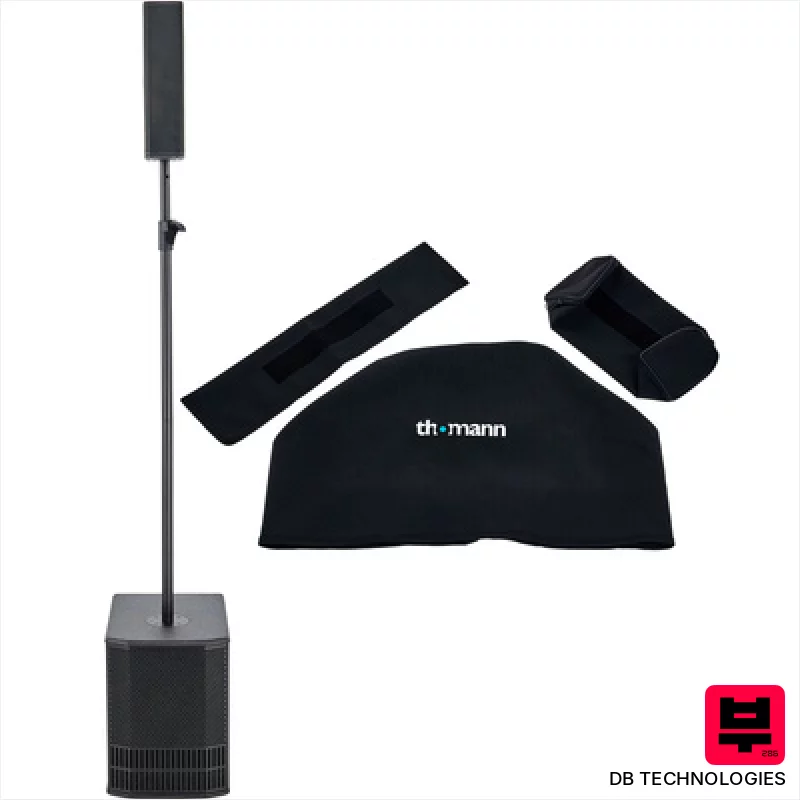
dB Technologies ES602 Cover Bundle
- • Compact and lightweight design facilitates easy transport and setup for solo performers.
- • Speaker Twist connector system allows for quick and secure top/sub integration.
- • Digital bi-amping and DSP provide clean, controlled sound with preset versatility.
- • Subwoofer's bass reflex design delivers surprisingly punchy low-end for its size.
- • Limited channel options restrict flexibility for complex sound reinforcement scenarios.
- • The plastic construction, while lightweight, might not withstand heavy road use.
- • Lack of Bluetooth connectivity feels like an oversight in a modern PA system.
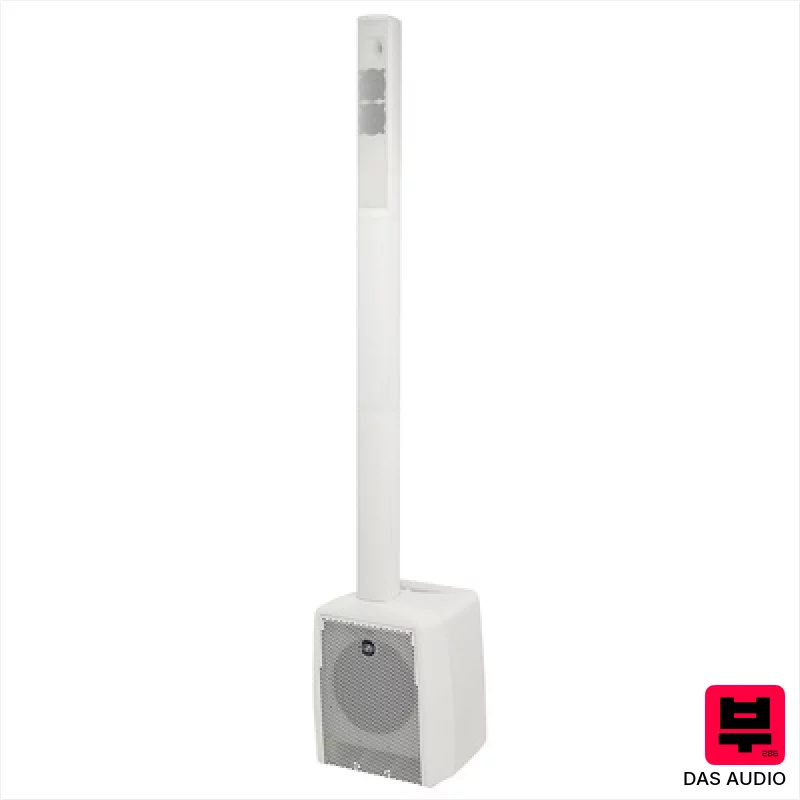
DAS Audio Altea-Duo-10A-W
- • Excellent clarity and focused vertical coverage for vocal-heavy gigs.
- • The integrated DASlink app offers genuinely useful remote control features.
- • Robust Class-D amplification delivers impressive headroom without excessive weight.
- • The included accessories (bag, cover, spacers) add significant value.
- • The white finish, while stylish, is a fingerprint magnet and shows dust easily.
- • Limited low-end extension compared to larger, dedicated subwoofers.
- • The column design, while elegant, can be unwieldy in very tight spaces.
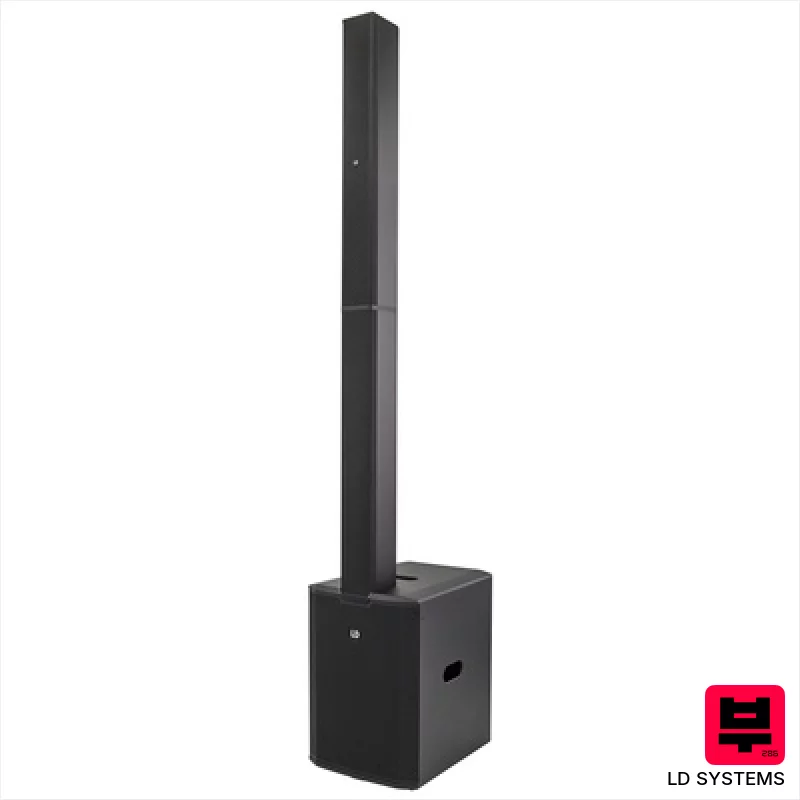
LD Systems Maui 28 G3 MIX
- • Exceptional clarity thanks to BEM waveguide and phase plugs.
- • DynX DSP Gen.2 minimizes distortion even at high output levels.
- • Integrated 6-channel mixer simplifies setup and eliminates external gear.
- • Cardioid dispersion minimizes feedback, ideal for live performance.
- • Subwoofer’s low-end extension may require additional units for larger venues.
- • Integrated mixer limits flexibility for complex routing scenarios.
- • Column design, while elegant, can be unwieldy for tight spaces.
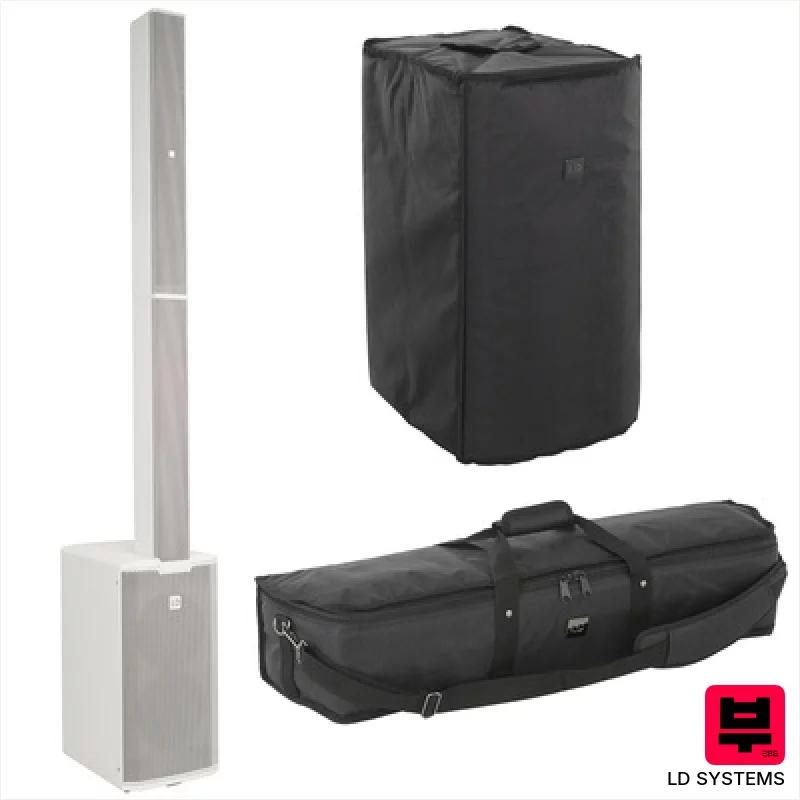
LD Systems Maui 11 G3 WH Bundle
- • DynX DSP provides surprisingly clean and powerful amplification.
- • Column design delivers impressively even coverage across a wide area.
- • Compact size and integrated design make transport and setup remarkably easy.
- • The white finish offers a more refined aesthetic compared to standard black PA systems.
- • Bass extension, while decent, will require a subwoofer for truly low-end applications.
- • Cardioid dispersion isn’t ideal for all performance environments; feedback can be an issue.
- • Limited input channel options restrict complex routing or multiple instrument setups.
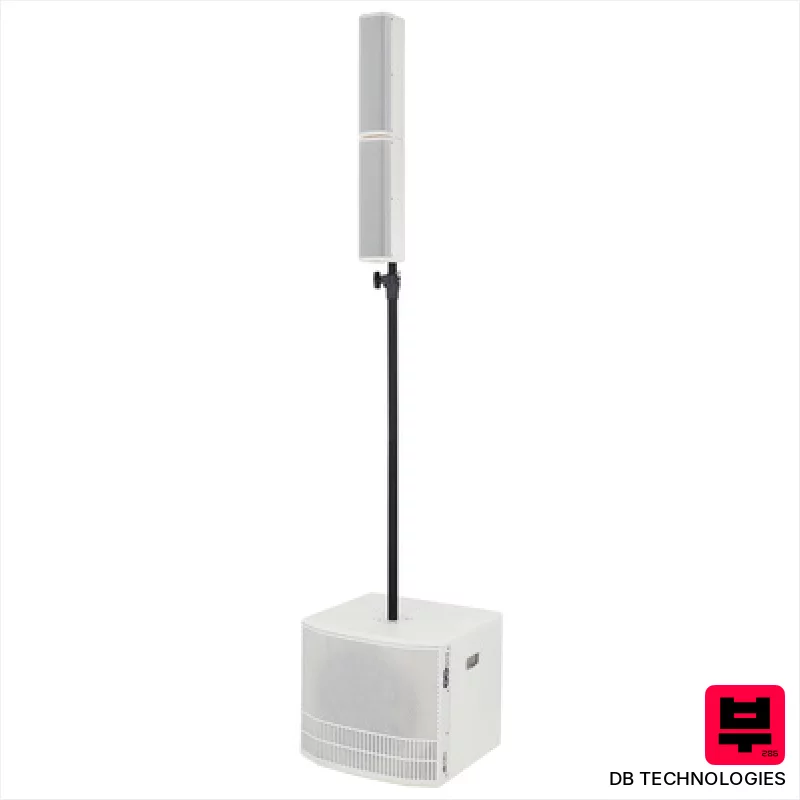
dB Technologies ES503 Stereo White
- • The Digipro G3 amplification delivers a surprisingly clean and powerful sound.
- • Flexible configuration allows for stereo, mono, or paired operation, increasing versatility.
- • OLED display and integrated mixer simplify setup and operation, a real time-saver.
- • The 12” woofer provides a robust low-end response, suitable for many genres.
- • The white finish might not suit every aesthetic or venue preference.
- • While adaptable, it's not a full-fledged studio monitor solution.
- • Transporting two ES503s and a subwoofer can be cumbersome for solo performers.
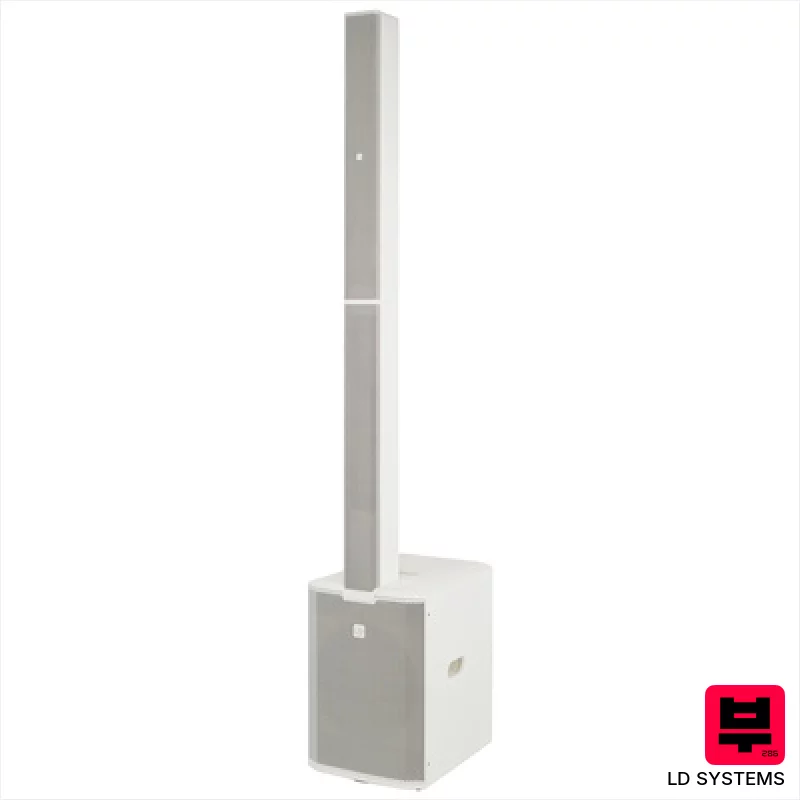
LD Systems Maui 28 G3 White
- • Excellent clarity across the frequency spectrum, thanks to BEM optimization.
- • DynX DSP Gen.2 delivers impressively clean, distortion-free output at high levels.
- • Cardioid dispersion minimizes feedback, crucial for live performance scenarios.
- • Compact, all-in-one design offers portability without sacrificing significant power.
- • The integrated design limits flexibility compared to separate components.
- • Weight, while manageable, can be a factor for solo performers or frequent travel.
- • While versatile, its cardioid pattern isn’t ideal for all room acoustics.
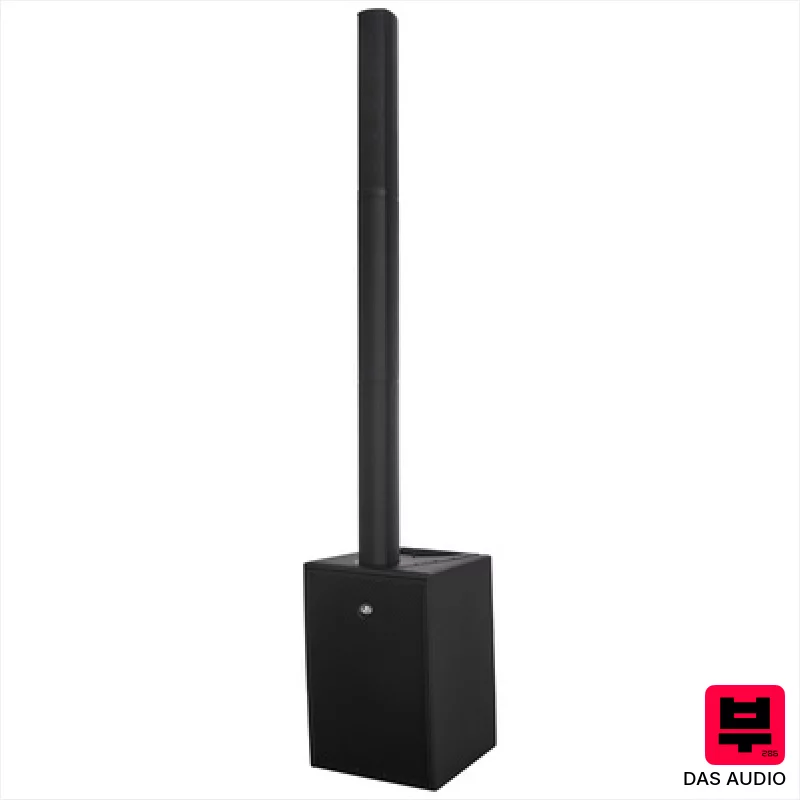
DAS Audio Altea-Duo-20A
- • Birch multiplex subwoofers deliver tight, controlled low-end response.
- • The column array provides remarkably even coverage for medium-sized spaces.
- • DASlink app offers genuine control over presets and subwoofer levels.
- • Integrated Bluetooth and True Wireless Stereo add significant convenience on the fly.
- • 39kg is substantial; portability will be a consideration for solo performers.
- • The 50° vertical coverage might be limiting for larger venues or complex room acoustics.
- • EQ is basic; serious sound engineers will likely want external processing.
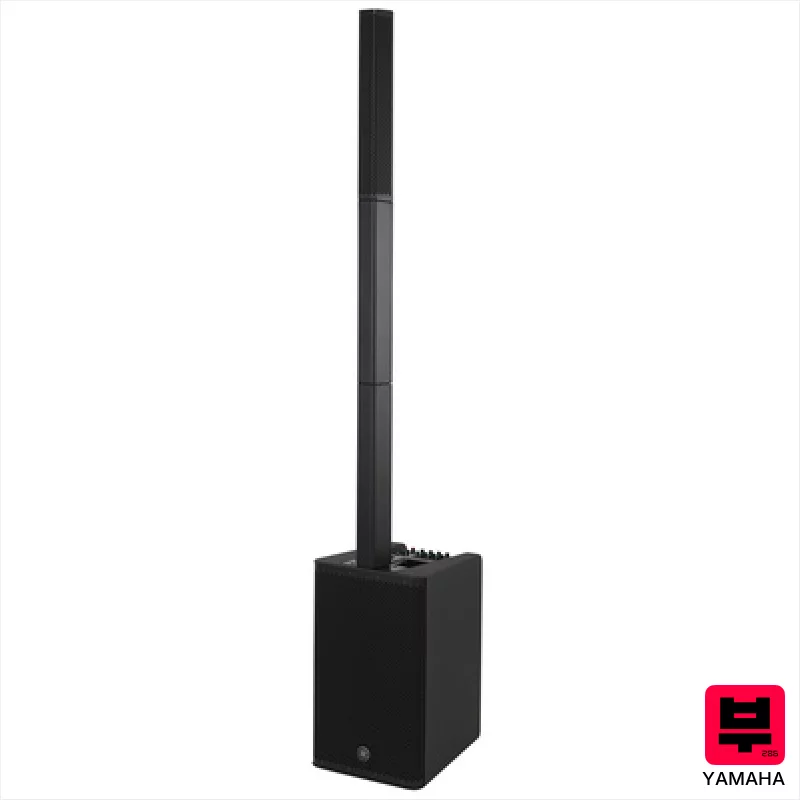
Yamaha Stagepas 1K MK2
- • Excellent clarity and projection from the line array design.
- • Powerful Class-D amplifier delivers ample headroom for most gigs.
- • Integrated digital mixer simplifies operation with intuitive 1-Pot EQ.
- • Bluetooth connectivity offers convenient streaming and control options.
- • Subwoofer, while good, may lack the deepest low-end for bass-heavy genres.
- • Slim design, while portable, can feel somewhat less robust than heavier PA systems.
- • Limited channel flexibility compared to full-fledged mixing consoles.
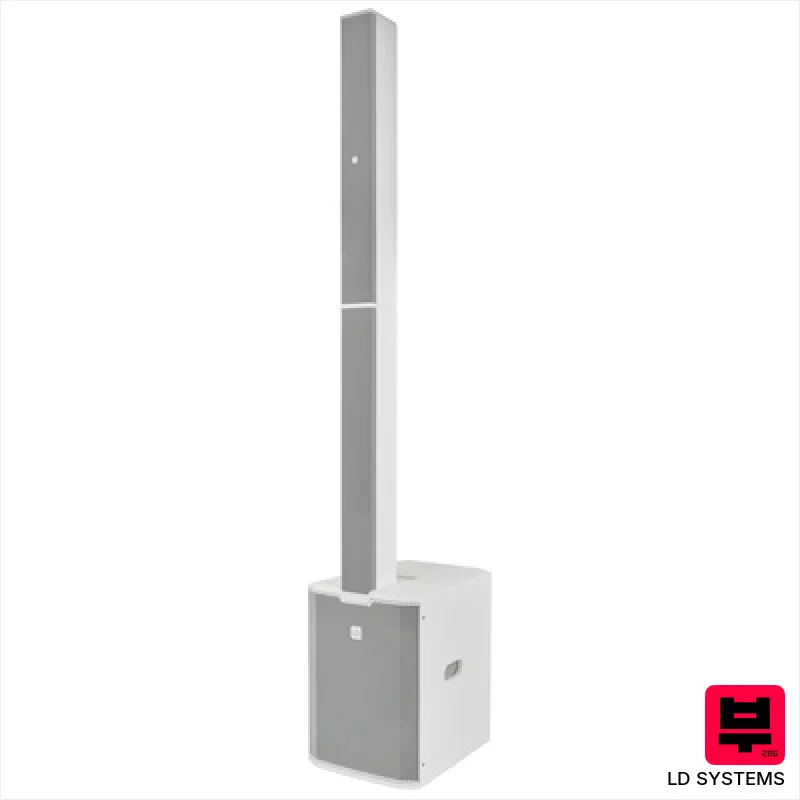
LD Systems Maui 28 G3 MIX W
- • Excellent BEM waveguide delivers remarkably even sound coverage.
- • Integrated digital mixer simplifies setup and reduces external gear needs.
- • DynX DSP Gen.2 minimizes distortion and maximizes headroom significantly.
- • Cardioid subwoofer pattern helps control stage feedback and room interaction.
- • The integrated mixer, while convenient, limits routing flexibility for complex setups.
- • Weight makes transport a challenge for solo performers or frequent travel.
- • Premium-priced compared to more basic PA systems; cost-benefit needs careful consideration.

Turbosound iP1000 V2
- • Neodymium drivers offer excellent power-to-weight ratio for portability.
- • Integrated digital mixer simplifies setup and provides flexible routing.
- • Column design delivers surprisingly even sound distribution across a wide area.
- • DSP presets offer quick, optimized sound for various applications and genres.
- • Subwoofer size limits portability, making transport a two-person job.
- • Integrated mixer's feature set might feel basic for experienced sound engineers.
- • Column design isn't ideal for very loud, bass-heavy music applications.
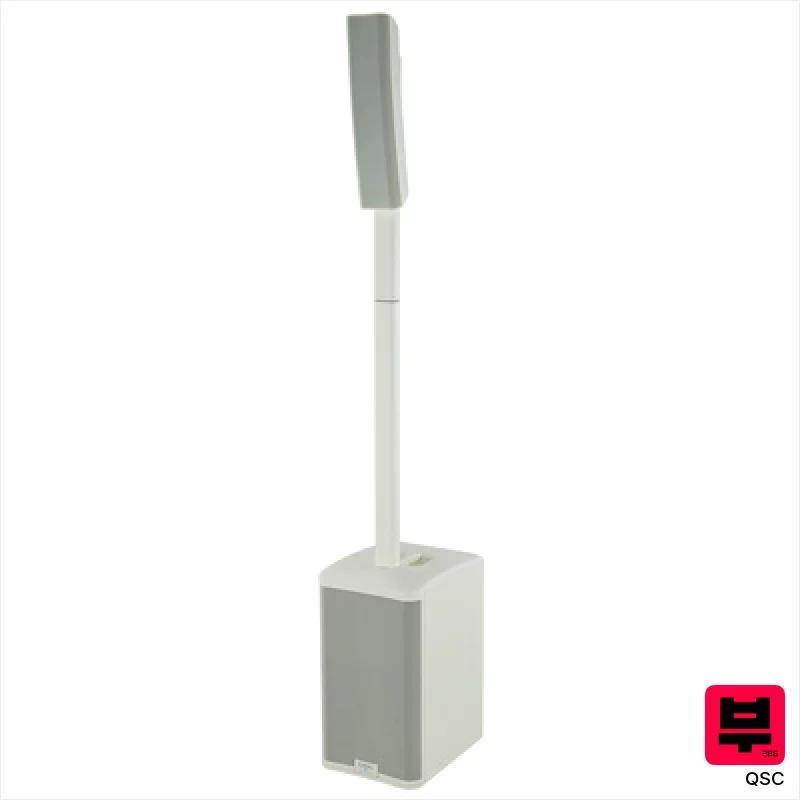
QSC KC 12 WH
- • Exceptional clarity across the frequency spectrum, thanks to the compression driver.
- • Column design provides surprisingly even coverage, reducing feedback issues.
- • Integrated presets offer quick, usable sounds for common performance scenarios.
- • Robust build quality; the enclosure feels solid and ready for gigging.
- • Significant weight makes transport a challenge for solo performers.
- • Limited versatility for very complex sound reinforcement needs.
- • The monochrome LCD, while functional, isn't the most user-friendly.
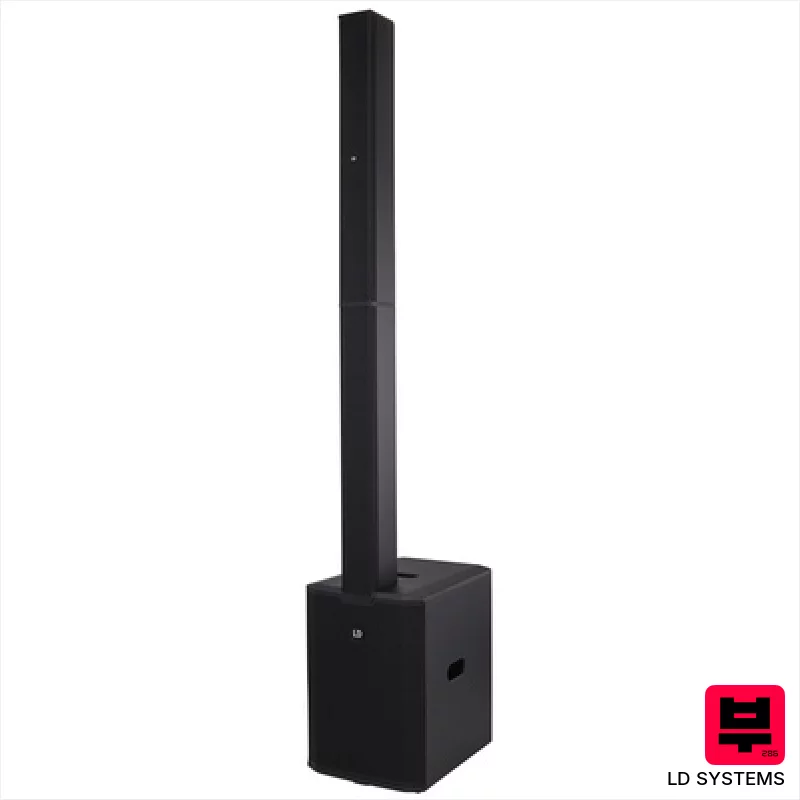
LD Systems Maui 28 G3
- • DynX DSP Gen.2 delivers remarkably clean, distortion-free playback at high volumes.
- • BEM-optimized waveguide ensures exceptionally even sound dispersion, minimizing dead spots.
- • Cardioid subwoofer pattern effectively reduces stage feedback and monitors nearby performers.
- • Integrated Bluetooth 5.0 with AAC provides convenient, high-quality wireless streaming.
- • The overall system weight makes transport and setup a two-person job consistently.
- • While versatile, the column design isn't ideal for all performance environments.
- • The top-end clarity, while good, might lack the airiness some audiophiles desire.
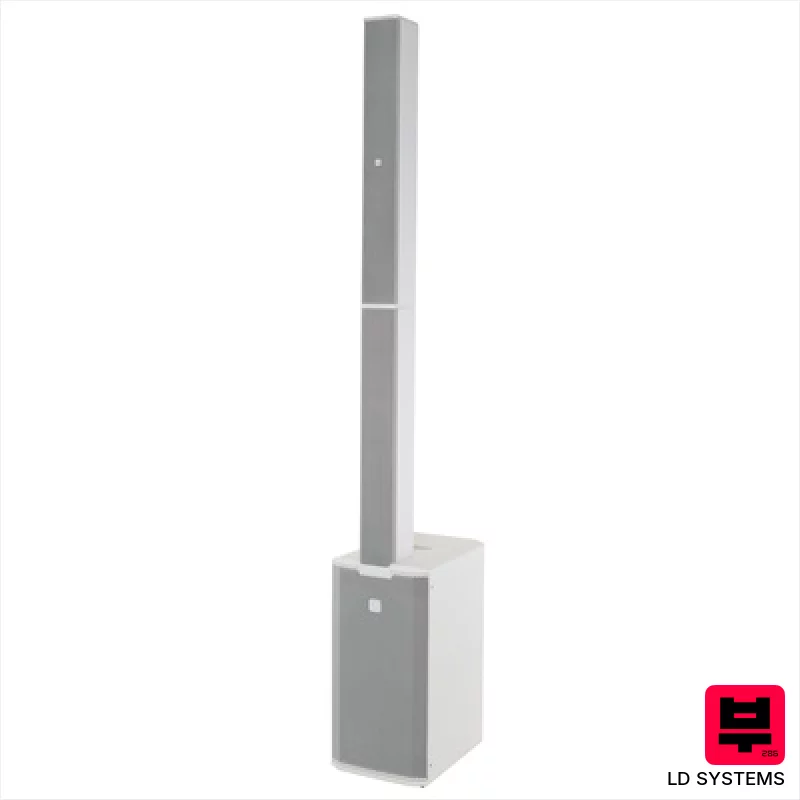
LD Systems Maui 11 G3 Mix W
- • Excellent sound clarity, especially noticeable in vocal reproduction.
- • DynX DSP Gen.2 provides genuinely useful dynamic processing.
- • Integrated mixer simplifies setup and eliminates external gear needs.
- • Cardioid column minimizes feedback and improves stage monitoring.
- • Limited routing options compared to a dedicated mixer and power amp.
- • Weight makes transport a two-person job for frequent gigs.
- • Subwoofer extension is limited without the MAUI 28 G3 companion.
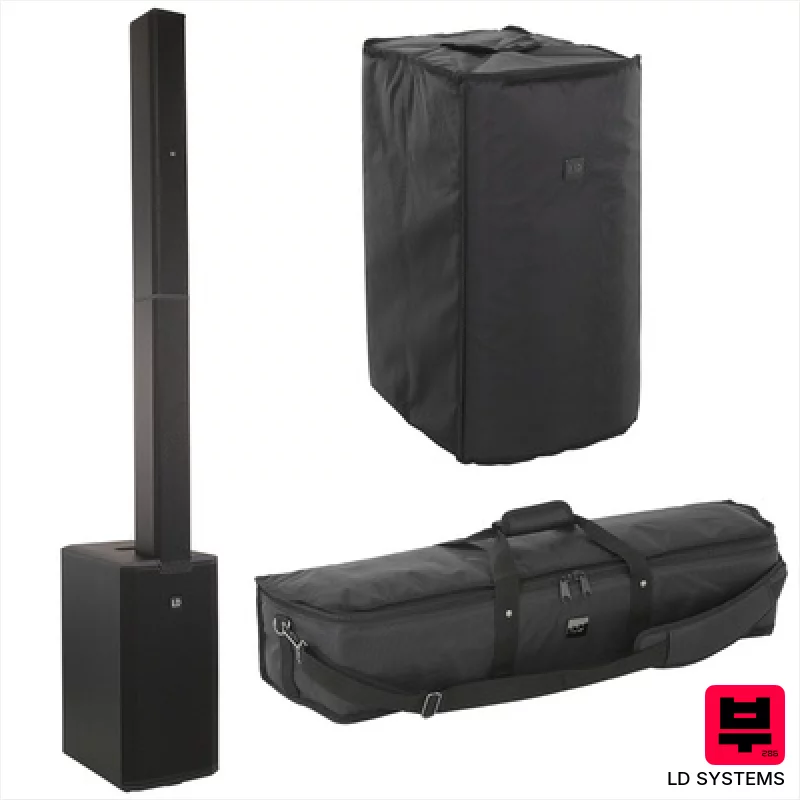
LD Systems Maui 11 G3 Bundle
- • DynX DSP provides exceptional clarity and control over the sound.
- • The column array design offers remarkably even coverage, minimizing dead spots.
- • Integrated subwoofers deliver surprisingly powerful and well-defined bass response.
- • Compact design and plug-and-play functionality simplifies setup and transport.
- • The integrated subwoofers, while good, might not satisfy serious low-frequency demands.
- • Cardioid subwoofer pattern can be tricky to manage in complex acoustic environments.
- • While portable, the bundle's total weight can still be a factor for solo performers.
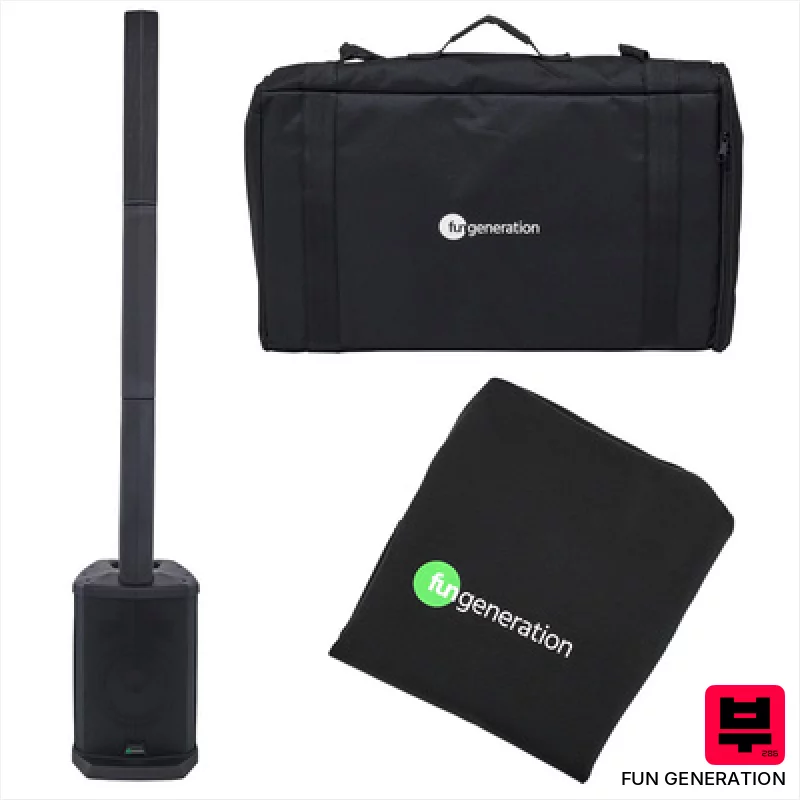
Fun Generation ColumnMix Cover Bundle
- • Cordura cover offers excellent protection against bumps and weather.
- • Columnar design provides surprisingly even sound distribution for its size.
- • Integrated echo effect adds basic vocal enhancement capabilities.
- • Bluetooth 5.0 ensures a stable, long-range wireless connection.
- • 200W RMS is adequate but won't drive large venues effectively.
- • Limited input channel options restrict complex mixing scenarios.
- • Cordura material, while durable, isn't fully waterproof – just water-resistant.
How to Choose the Best Column PA Systems
Frequency Response
For speech, a flatter response is king. You don't want hyped lows or brittle highs. We're looking for something that reproduces the natural timbre of the voice without adding unwanted coloration; a slight lift in the upper mids can help articulation, but avoid anything harsh.
Directivity
Column arrays are designed to project sound forward in a focused beam. This minimizes reflections and helps the voice cut through a room without creating feedback issues. Wider directivity is generally better for larger, less controlled spaces.
Dispersion Pattern
Related to directivity, but more about the spread of the sound. Too narrow, and only the front row hears clearly. Too wide, and you get reflections and muddy the sound. A good column PA balances these for even coverage.
Power & Headroom
A small presentation doesn't need a ton of wattage, but you still need enough headroom to handle unexpected peaks in volume without distortion. Clipping on a speech is not a good look, and it's distracting.
Feedback Rejection
This is critical. Any PA used for speech needs to handle proximity effects and minimize the likelihood of feedback loops. Built-in processing or adjustable EQ can be a lifesaver in tricky acoustic environments.
Buying Guide
Don't be swayed by the sheer number of drivers; more isn't always better. A well-designed two-way column PA will outperform a poorly designed four-way system any day. Pay attention to the quality of the drivers - cheap drivers will sound boxy and lack detail. Also, consider portability; lugging around a massive column PA just for a small event is a pain. Spend a little more for something manageable.
Our Methodology
We're not just looking at specs here. We've put these systems through their paces - from boardroom presentations to outdoor announcements, A/B testing against more conventional setups. We're listening for clarity, tonal balance, and how well they handle different vocal styles and room acoustics; it's about real-world performance, not just numbers on a page.

