
Best Column PA Systems for Presentation 2026
So, you're doing presentations - corporate events, conferences, maybe even a wedding toast. Forget about stadium rock tones; you need clarity, intelligibility, and a sound that doesn't fatigue the audience after an hour. Column PA systems are a smart move for this, but not all of them are created equal. Let's break down what to look for when you're aiming for a polished, professional presentation sound.
Last updated: July 8, 2026 • Next update: July 15, 2026
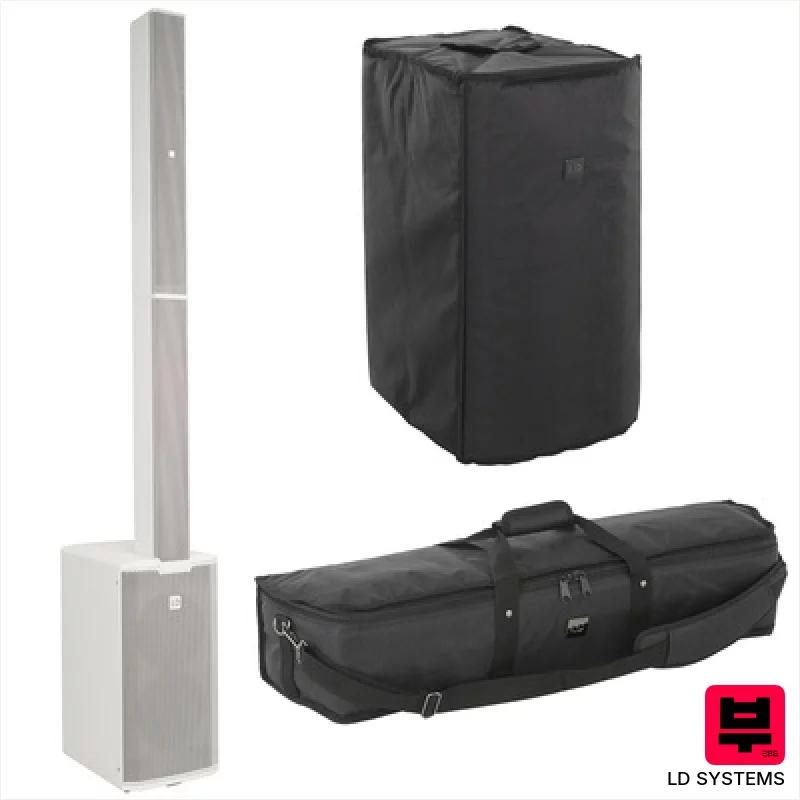
LD Systems Maui 11 G3 WH Bundle
- • DynX DSP provides surprisingly clean and powerful amplification.
- • Column design delivers impressively even coverage across a wide area.
- • Compact size and integrated design make transport and setup remarkably easy.
- • The white finish offers a more refined aesthetic compared to standard black PA systems.
- • Bass extension, while decent, will require a subwoofer for truly low-end applications.
- • Cardioid dispersion isn’t ideal for all performance environments; feedback can be an issue.
- • Limited input channel options restrict complex routing or multiple instrument setups.
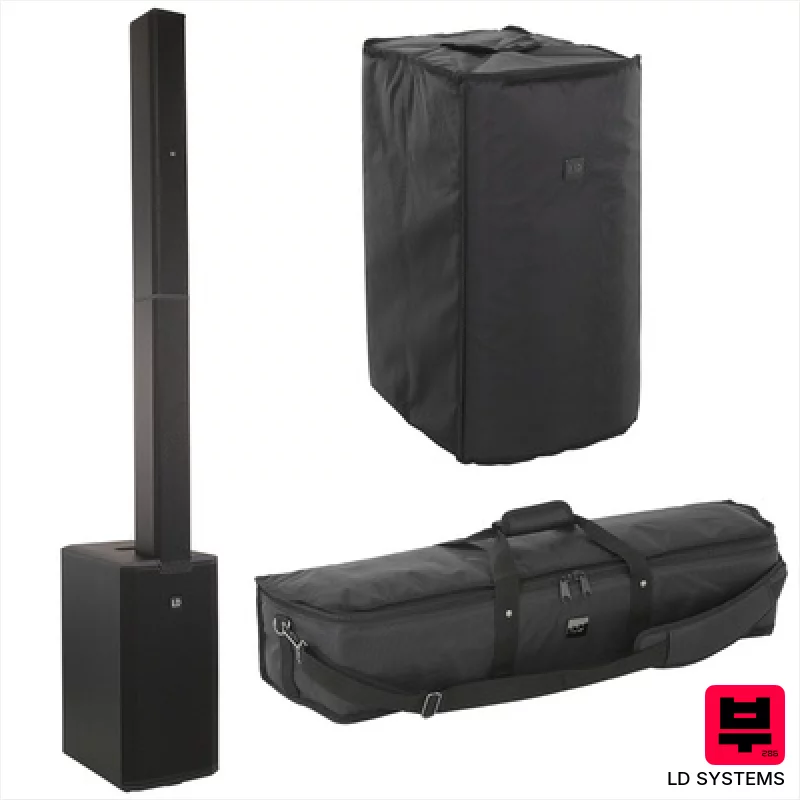
LD Systems Maui 11 G3 Bundle
- • DynX DSP provides exceptional clarity and control over the sound.
- • The column array design offers remarkably even coverage, minimizing dead spots.
- • Integrated subwoofers deliver surprisingly powerful and well-defined bass response.
- • Compact design and plug-and-play functionality simplifies setup and transport.
- • The integrated subwoofers, while good, might not satisfy serious low-frequency demands.
- • Cardioid subwoofer pattern can be tricky to manage in complex acoustic environments.
- • While portable, the bundle's total weight can still be a factor for solo performers.
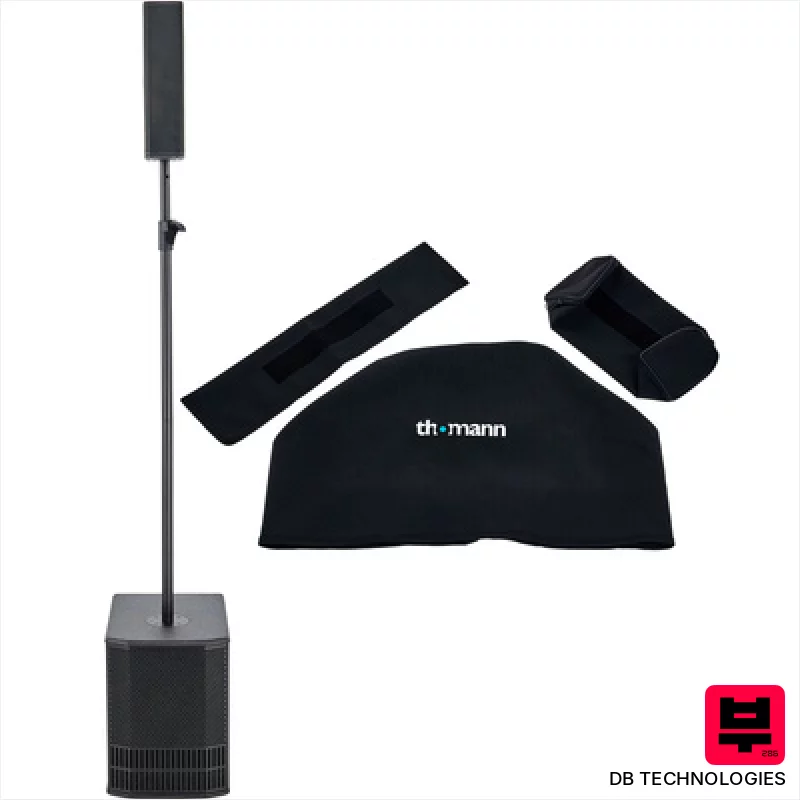
dB Technologies ES602 Cover Bundle
- • Compact and lightweight design facilitates easy transport and setup for solo performers.
- • Speaker Twist connector system allows for quick and secure top/sub integration.
- • Digital bi-amping and DSP provide clean, controlled sound with preset versatility.
- • Subwoofer's bass reflex design delivers surprisingly punchy low-end for its size.
- • Limited channel options restrict flexibility for complex sound reinforcement scenarios.
- • The plastic construction, while lightweight, might not withstand heavy road use.
- • Lack of Bluetooth connectivity feels like an oversight in a modern PA system.
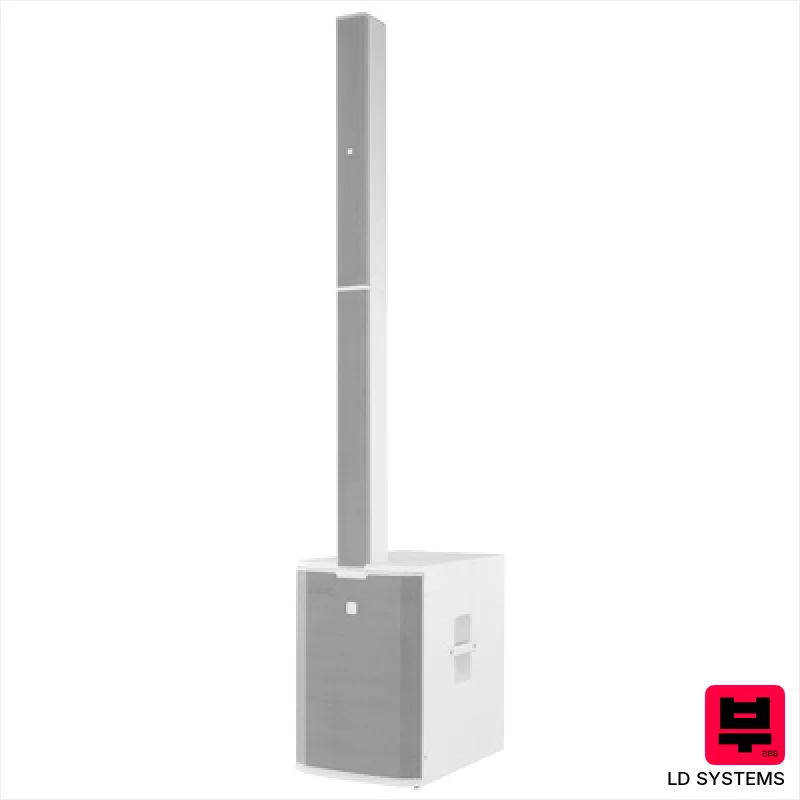
LD Systems Maui 44 G2 White
- • Birch plywood cabinet offers exceptional durability and resonance.
- • DynX DSP provides remarkably clean, distortion-free output at high SPL.
- • BEM-optimized tweeter delivers clear, detailed highs with excellent imaging.
- • TrueWireless stereo pairing unlocks a significantly wider soundstage for larger venues.
- • The substantial weight makes transportation a two-person job, realistically.
- • Cardioid subwoofer pattern requires careful placement for optimal low-end response.
- • Limited channel flexibility restricts complex mixing scenarios.
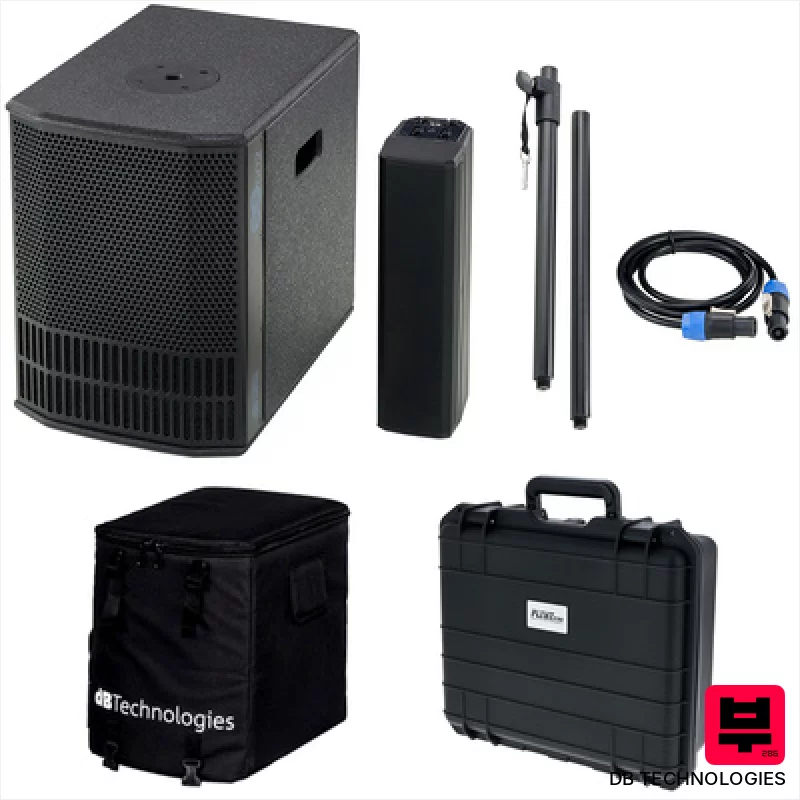
dB Technologies ES 602 Touring Set
- • Excellent clarity and focused sound projection for its size.
- • The Speaker Twist system offers surprisingly effective bass extension.
- • DSP presets provide a good starting point for various applications.
- • Lightweight top speaker makes transport and setup significantly easier.
- • Subwoofer's power may be limiting for larger venues or louder gigs.
- • Limited channel flexibility compared to more complex PA systems.
- • The plastic-feeling distance rod feels a bit flimsy for frequent travel.
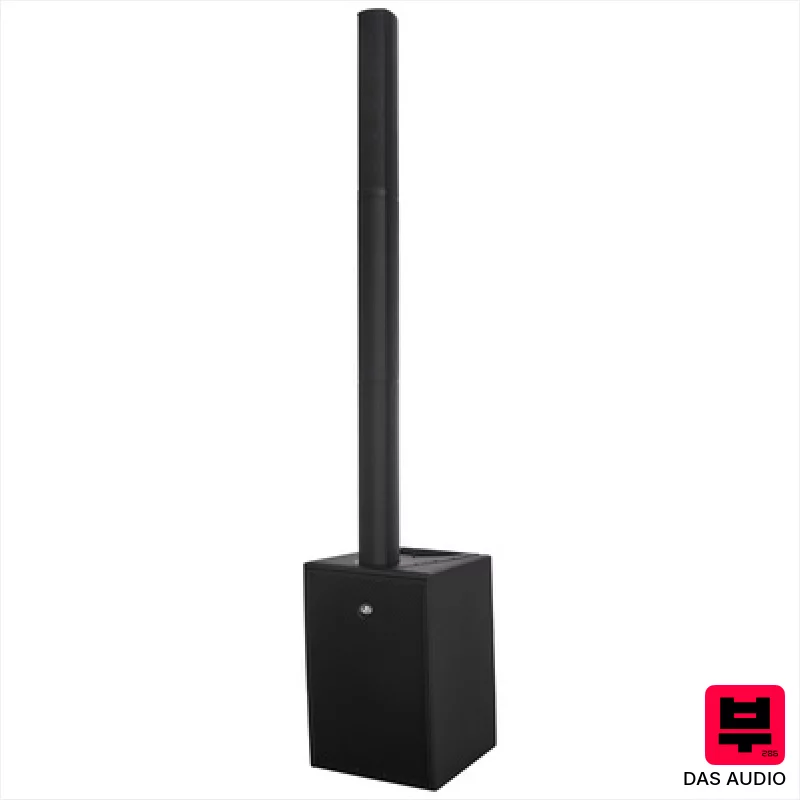
DAS Audio Altea-Duo-20A
- • Birch multiplex subwoofers deliver tight, controlled low-end response.
- • The column array provides remarkably even coverage for medium-sized spaces.
- • DASlink app offers genuine control over presets and subwoofer levels.
- • Integrated Bluetooth and True Wireless Stereo add significant convenience on the fly.
- • 39kg is substantial; portability will be a consideration for solo performers.
- • The 50° vertical coverage might be limiting for larger venues or complex room acoustics.
- • EQ is basic; serious sound engineers will likely want external processing.
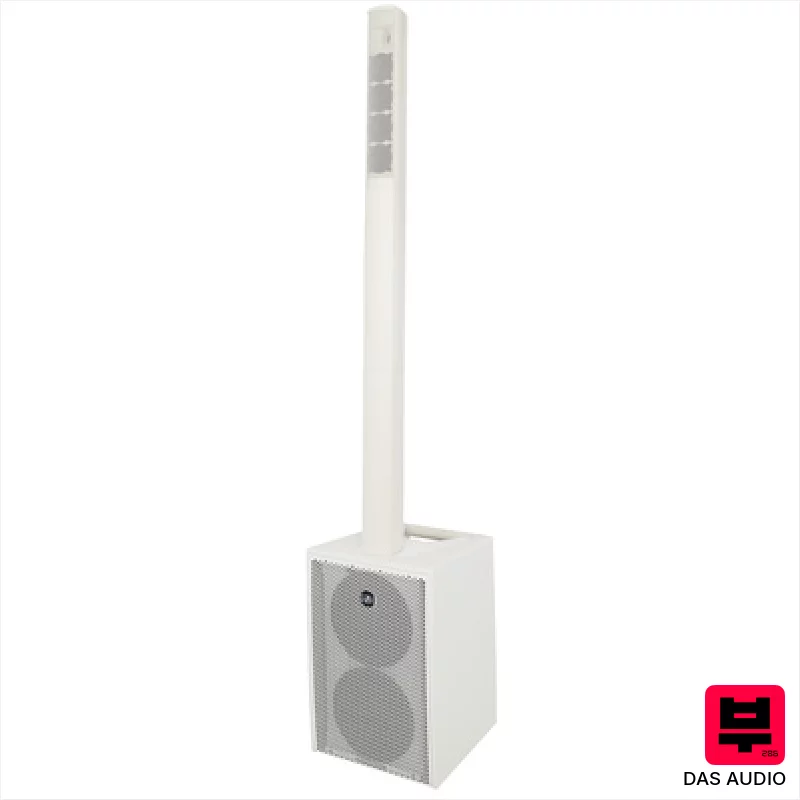
DAS Audio Altea-Duo-20A-W
- • Birch multiplex subwoofers offer exceptional rigidity and resonance control.
- • The column array design provides remarkably even coverage across a wide area.
- • DASlink app offers genuinely useful remote control and system management.
- • High SPL (127dB) and extended frequency response (37Hz-20kHz) delivers impressive clarity.
- • Significant weight (39kg) makes transport and setup a two-person job.
- • Column design isn't ideal for very small spaces or close-range monitoring.
- • Limited EQ flexibility compared to dedicated mixing consoles or processors.
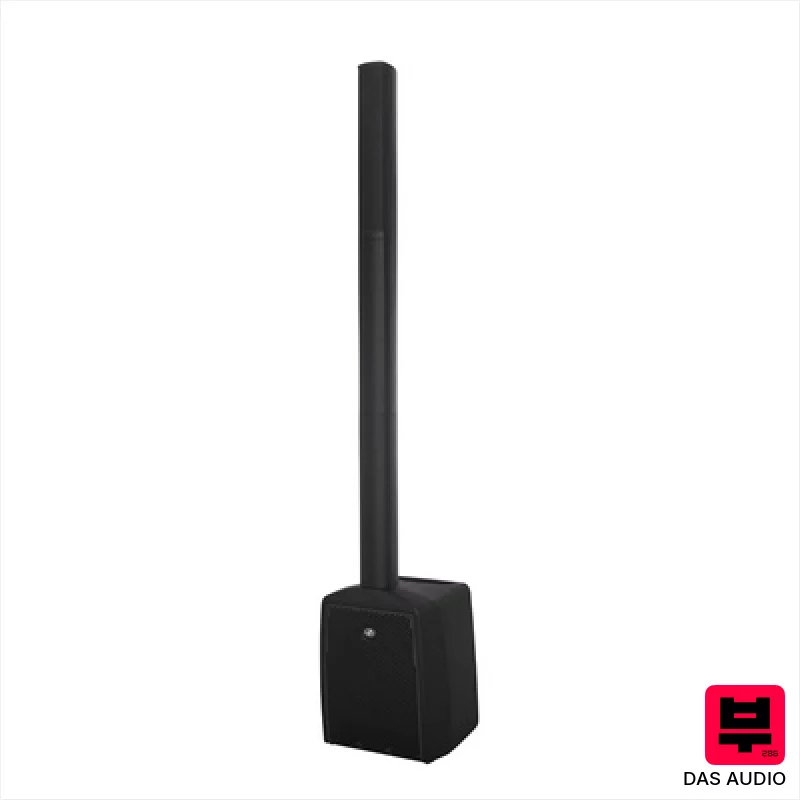
DAS Audio Altea-Duo-10A
- • Excellent clarity across the frequency range, surprisingly detailed mids.
- • The integrated DASlink app offers genuinely useful real-time control.
- • Column design provides wide horizontal coverage, minimizes feedback risk.
- • Subwoofer delivers a surprisingly powerful and clean low-end response.
- • The 2000mm height can be unwieldy in smaller spaces or for single-person transport.
- • EQ is basic; more advanced processing would be beneficial for complex setups.
- • While versatile, it's primarily geared towards live performance, less suited for studio recording.
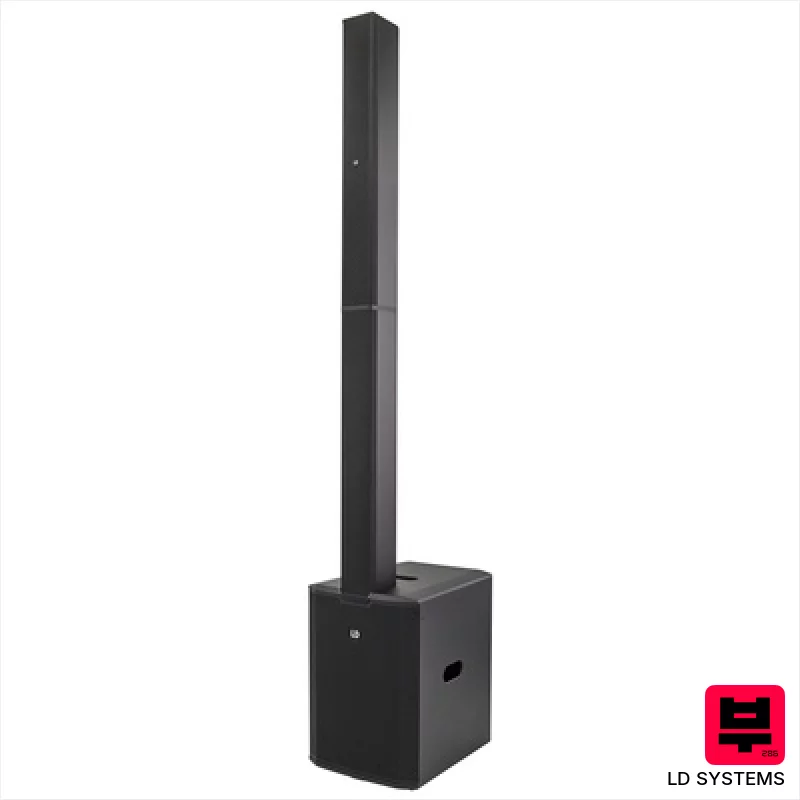
LD Systems Maui 28 G3 MIX
- • Exceptional clarity thanks to BEM waveguide and phase plugs.
- • DynX DSP Gen.2 minimizes distortion even at high output levels.
- • Integrated 6-channel mixer simplifies setup and eliminates external gear.
- • Cardioid dispersion minimizes feedback, ideal for live performance.
- • Subwoofer’s low-end extension may require additional units for larger venues.
- • Integrated mixer limits flexibility for complex routing scenarios.
- • Column design, while elegant, can be unwieldy for tight spaces.
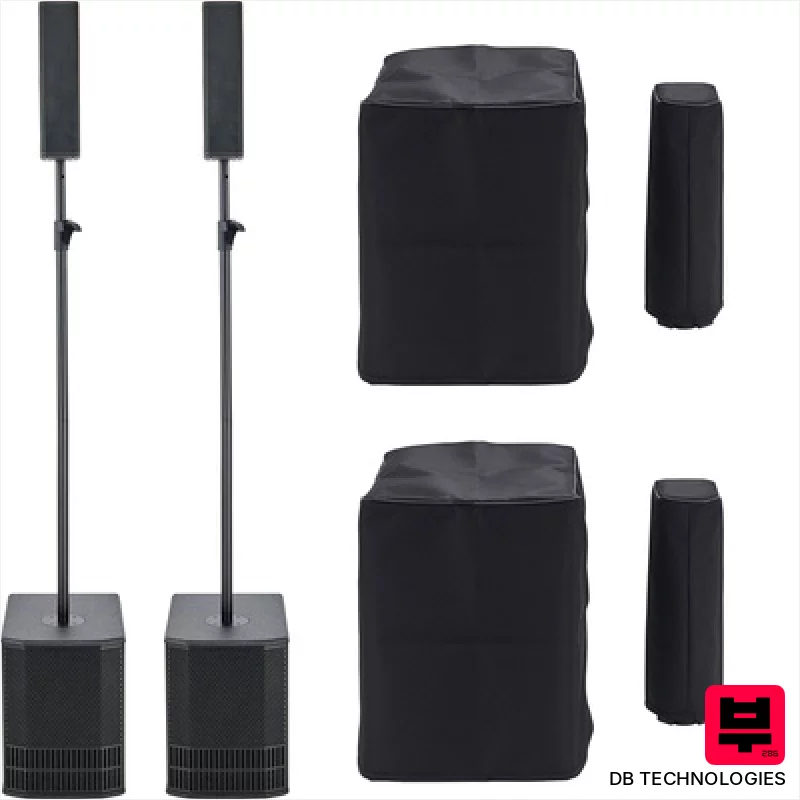
dB Technologies ES602 Stereo Bundle
- • Column design provides excellent vertical coverage for stage monitoring and front-of-house.
- • Integrated DSP with presets simplifies setup and optimizes sound for various applications.
- • Subwoofer delivers surprisingly punchy bass response for a compact, powered system.
- • Speaker Twist connectivity offers a clean, secure, and efficient connection between top and sub.
- • 14.2 kg per speaker makes transport a chore, especially for solo performers.
- • While versatile, the ES602’s power is better suited for smaller venues or background music.
- • RCA inputs limit flexibility for users needing higher-quality line-level sources.
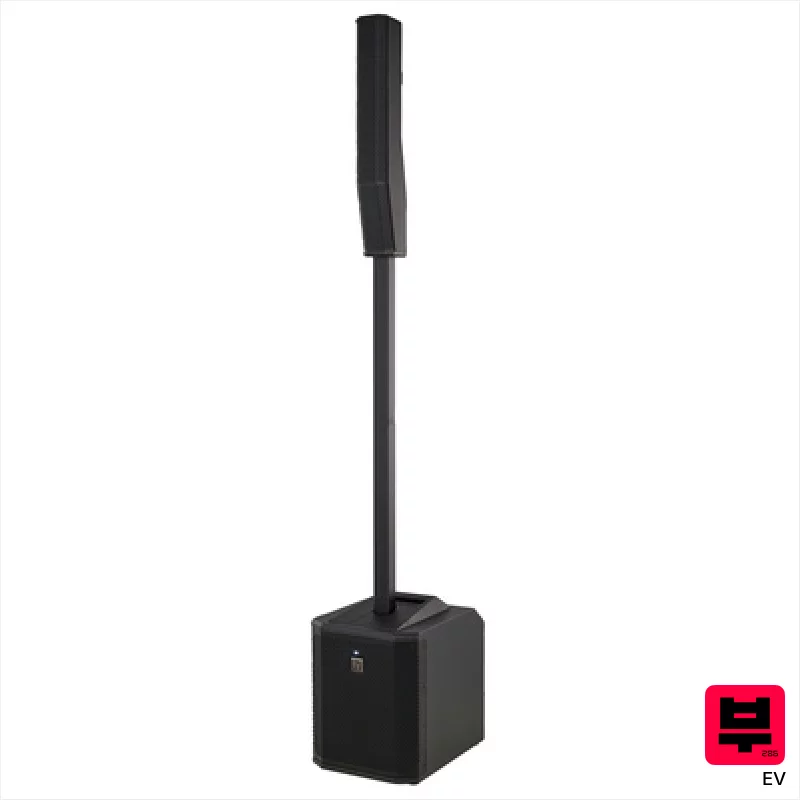
EV EVOLVE 30M
- • Excellent vertical dispersion for focused sound projection
- • Robust 15mm plywood bass cabinet offers surprising durability
- • QuickSmart DSP provides genuinely useful presets and customization
- • Integrated Bluetooth simplifies streaming and eliminates external gear
- • Column design limits low-frequency extension compared to traditional PA
- • 10in woofer might feel underpowered for larger venues or bass-heavy music
- • Magnetic locking, while convenient, could be a point of potential failure over time
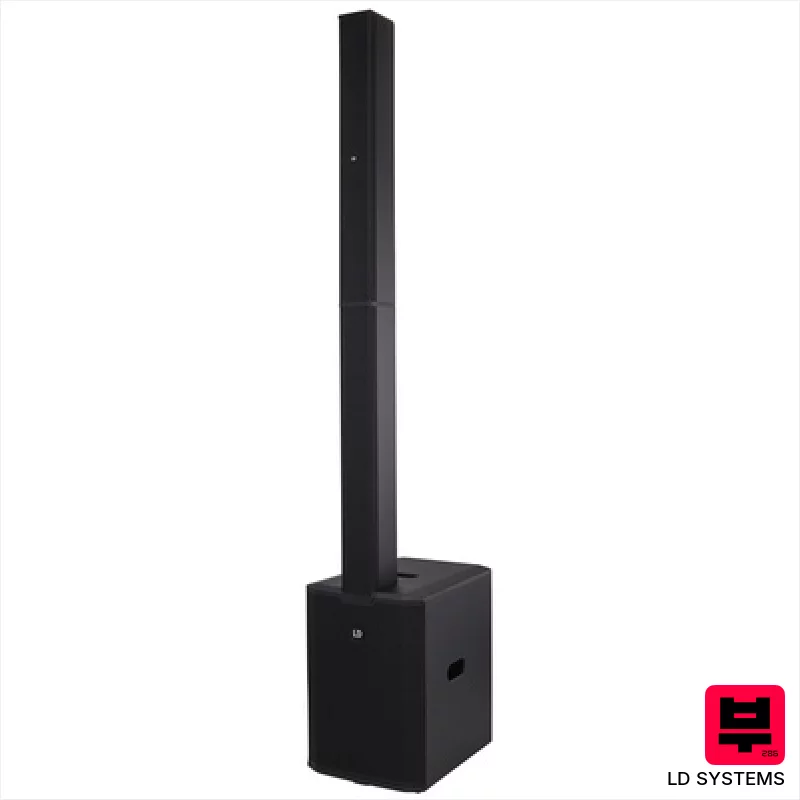
LD Systems Maui 28 G3
- • DynX DSP Gen.2 delivers remarkably clean, distortion-free playback at high volumes.
- • BEM-optimized waveguide ensures exceptionally even sound dispersion, minimizing dead spots.
- • Cardioid subwoofer pattern effectively reduces stage feedback and monitors nearby performers.
- • Integrated Bluetooth 5.0 with AAC provides convenient, high-quality wireless streaming.
- • The overall system weight makes transport and setup a two-person job consistently.
- • While versatile, the column design isn't ideal for all performance environments.
- • The top-end clarity, while good, might lack the airiness some audiophiles desire.
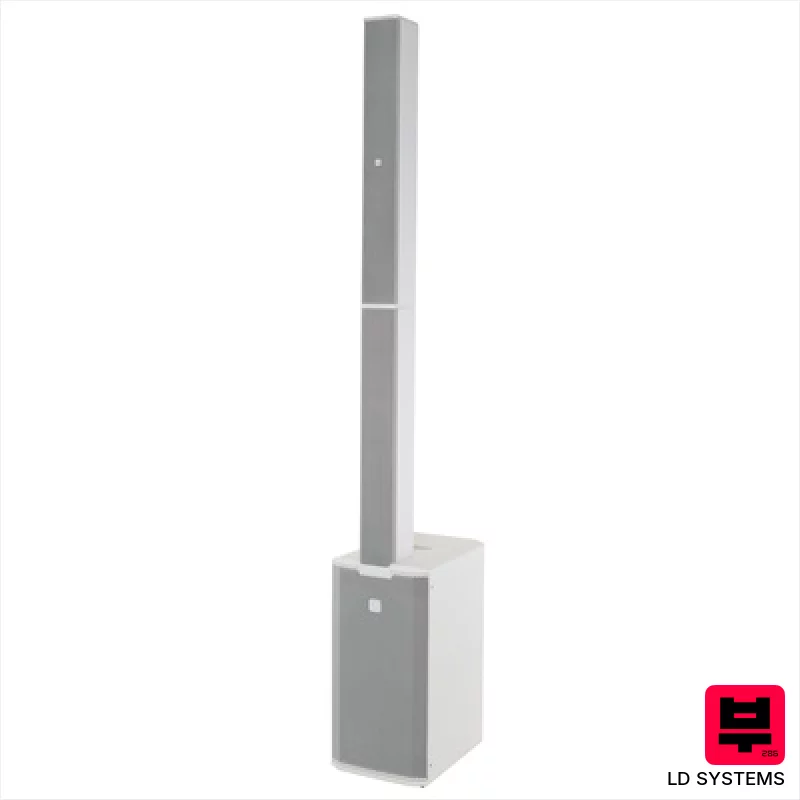
LD Systems Maui 11 G3 Mix W
- • Excellent sound clarity, especially noticeable in vocal reproduction.
- • DynX DSP Gen.2 provides genuinely useful dynamic processing.
- • Integrated mixer simplifies setup and eliminates external gear needs.
- • Cardioid column minimizes feedback and improves stage monitoring.
- • Limited routing options compared to a dedicated mixer and power amp.
- • Weight makes transport a two-person job for frequent gigs.
- • Subwoofer extension is limited without the MAUI 28 G3 companion.
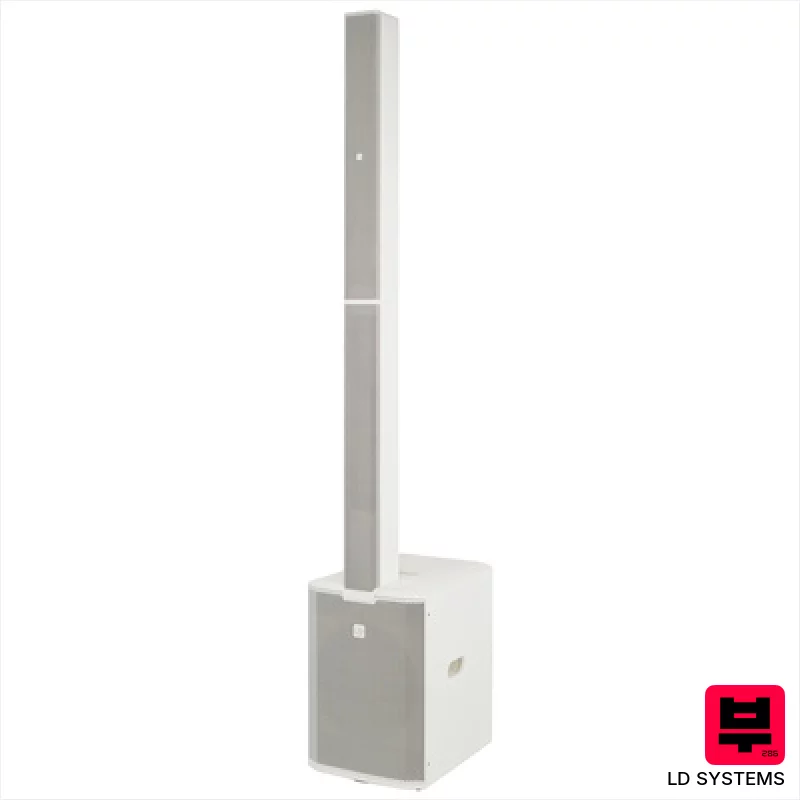
LD Systems Maui 28 G3 White
- • Excellent clarity across the frequency spectrum, thanks to BEM optimization.
- • DynX DSP Gen.2 delivers impressively clean, distortion-free output at high levels.
- • Cardioid dispersion minimizes feedback, crucial for live performance scenarios.
- • Compact, all-in-one design offers portability without sacrificing significant power.
- • The integrated design limits flexibility compared to separate components.
- • Weight, while manageable, can be a factor for solo performers or frequent travel.
- • While versatile, its cardioid pattern isn’t ideal for all room acoustics.
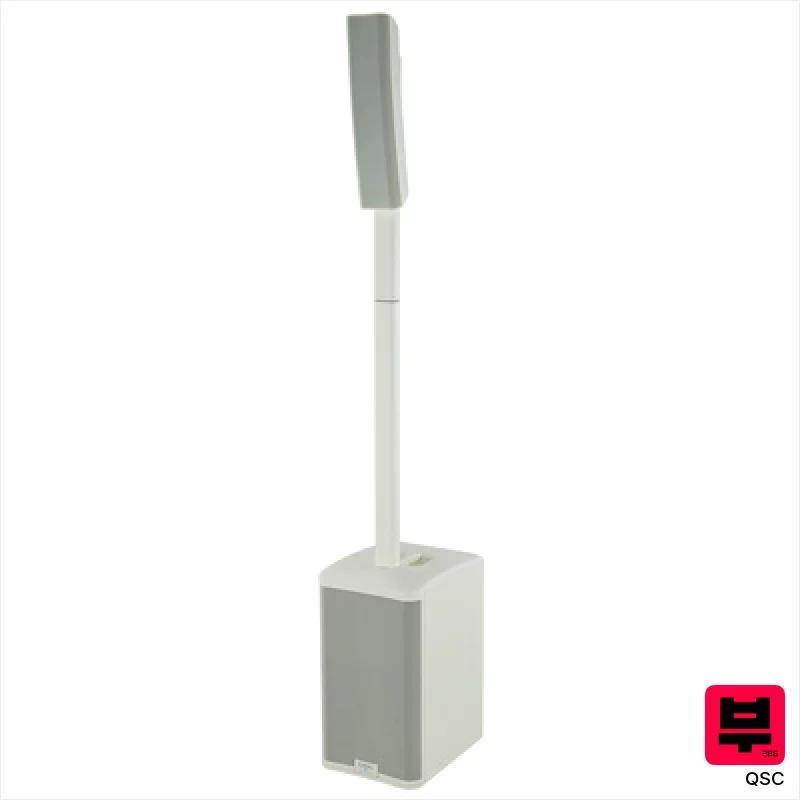
QSC KC 12 WH
- • Exceptional clarity across the frequency spectrum, thanks to the compression driver.
- • Column design provides surprisingly even coverage, reducing feedback issues.
- • Integrated presets offer quick, usable sounds for common performance scenarios.
- • Robust build quality; the enclosure feels solid and ready for gigging.
- • Significant weight makes transport a challenge for solo performers.
- • Limited versatility for very complex sound reinforcement needs.
- • The monochrome LCD, while functional, isn't the most user-friendly.
How to Choose the Best Column PA Systems
Clarity & Intelligibility
This isn't about low-end thump. It's about crisp vocal reproduction. You need a system that delivers a clean midrange - no muddiness, no harshness - so every word is understood. A slight lift around 2-3 kHz can help vocals cut through, but too much and it's fatiguing.
Directivity
Column arrays are designed to focus sound. You want a tight vertical dispersion to keep the sound off the ceiling and walls, minimizing reflections and feedback. Wider horizontal dispersion is also good to cover a wider area without hotspots.
Flat Frequency Response
While you don't need a perfectly neutral sound, a system with a relatively flat response will give you a more accurate representation of the source material. This is especially important for presentations where accurate audio is key.
Feedback Rejection
A system's ability to handle feedback is crucial. Look for features like built-in limiters and phase alignment to help prevent those squealing moments that can derail a presentation.
Portability & Setup
Let's be real - you might be setting up in a conference room one day, a ballroom the next. A lightweight, compact system that's quick to deploy is a huge time-saver, especially when you're on a tight schedule.
Buying Guide
Don't be fooled by flashy marketing. Many cheaper column systems sacrifice build quality for price. You'll often hear a lack of detail in the highs, a boxy low-end, and a generally less-refined sound. Spending a little more on a reputable brand usually gets you better drivers, more robust construction, and a system that'll survive the rigors of gigging. Ultimately, prioritize clarity and feedback rejection over sheer loudness.
Our Methodology
We're not just looking at specs here. We've put these systems through their paces - running voice-over tracks, playing back pre-recorded music, and even simulating a live presentation with multiple speakers. It's about how they actually sound in a room, how they handle feedback, and how easy they are to use under pressure - the kind of stuff you deal with when you're actually on the job.

