AudioFu Chart · October 2026
Best Closed Hole Flutes Under $300 2026
The top pick is Startone SFL-55 G Flute Turquoise ($134). Thomann FL-1000 CE Flute leads the high end. Ranked by the AudioFu Index from 4 models across 2 brands, prices checked every night.
Last updated: October 22, 2026
Top 4
Full detail for the 4 highest AudioFu Index scores. Every other model is listed below.
-
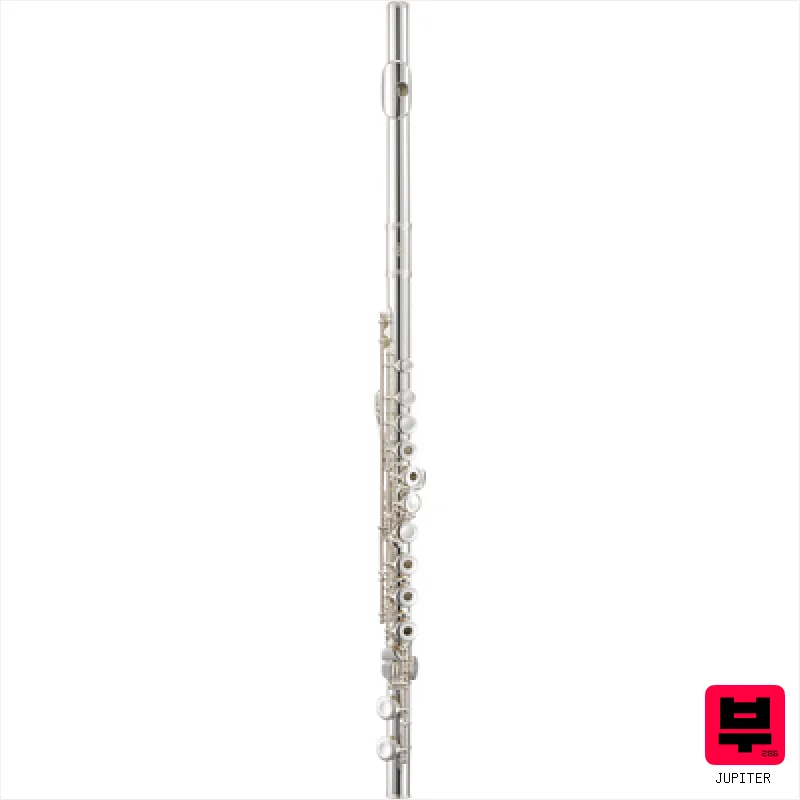
The Startone SFL-55 is a surprisingly solid entry-level flute, especially considering the price. The offset G makes it comfortable for younger or smaller-handed students, and the turquoise coloring is a fun touch. It's a great option for beginners or those needing a reliable, affordable practice instrument.
Pros
- Nickel silver construction provides a decent, bright tone.
- Offset G key improves hand position for smaller players.
- Completely silvered for better intonation and response.
Cons
- Nickel silver isn't as resonant as higher-grade alloys like solid silver.
- E mechanism is basic; lacks advanced keywork options.
46AudioFu
IndexStableno change since Aug 17Aug 17$134 now$134€119 at Thomann · in stockCheck price ↗ -
The Thomann FL-200 is a surprisingly decent student flute, offering a usable tone and comfortable ergonomics for a budget-friendly price. It’s a great starting point for beginners or those needing a reliable, secondary instrument – don’t expect professional-level performance, but it’s a solid value for the money.
Pros
- Silver-plated headjoint offers a surprisingly warm, responsive tone.
- Closed hole design facilitates faster articulation and improved intonation.
- Offset G enhances comfort, especially for smaller hands and younger players.
Cons
- Nickel body and keys will tarnish faster than solid silver, requiring more frequent cleaning.
- E mechanism limits advanced playing techniques and higher register exploration.
45AudioFu
IndexStableno change since Aug 17Aug 17$179 now$179€159 at Thomann · in stockCheck price ↗ -
The Thomann FL-1000 CE is a solid, budget-friendly option for beginner flute students. The offset G and easy response make it comfortable to play, and the nickel silver construction ensures it can withstand some wear and tear. It’s a great starting point for those getting into the flute without a huge investment.
Pros
- Nickel silver construction offers good durability for a student instrument
- Offset G enhances comfort and reach for younger players
- Italian Pisoni pads provide a reliable and airtight seal
Cons
- Nickel silver finish, while durable, lacks the warmth of solid silver
- Silver plating can tarnish relatively quickly, requiring occasional cleaning
45AudioFu
IndexStableno change since Aug 17Aug 17$280 now$280€249 at Thomann · in stockCheck price ↗ -
This Thomann FL-100 Junior is a surprisingly well-built entry-level flute, perfect for introducing young children to the instrument. The shorter length and simplified design make it less intimidating, and the nickel silver construction offers a respectable sound for its class. Don't expect professional-level performance, but it's a solid starting point.
Pros
- Nickel silver construction provides a decent, bright tone for the price.
- Curved headjoint simplifies embouchure for younger players.
- Simplified mechanism minimizes complexity, ideal for beginners.
Cons
- Silver plating is thin and will require frequent polishing to avoid tarnish.
- Lack of trill keys limits advanced playing capabilities significantly.
37AudioFu
IndexStableno change since Aug 17Aug 17$167 now$167€149 at Thomann · in stockCheck price ↗
Closed Hole Flutes by the numbers
Measured across all 10 models we track, not a sample.
Median $167 — half of all closed hole flutes here cost less.
How to choose the best closed hole flutes
Tone
Forget 'bright' or 'dark.' We're looking for a usable core-something with enough sustain to hold a note, and a bit of projection without being harsh. A flabby low register is a deal-breaker, as is a shrill, ice-picky top end that cuts like a knife.
Action & Keywork
The action needs to be responsive enough to allow for decent articulation, without feeling sluggish. Keywork should be relatively smooth - you're not expecting buttery-smooth, but it shouldn't fight you at every turn. Stiff keys will kill your stamina during gigs.
Intonation
This is huge. A flute that's consistently out of tune is useless. We're looking for something that's reasonably accurate across the range, even if it needs a little tweaking.
Build Quality
Let's be honest, at this price point, things are going to feel a little... plasticky. We're evaluating the overall robustness - will it survive a gigging life, or will keys start falling off after a few months? Look for a solid headjoint joint and a comfortable neck profile.
Headjoint Voicing
The headjoint is the heart of the flute's tone. A well-voiced headjoint will give you more control over the instrument's overall character, letting you coax a bit more warmth or projection out of it. Expect some limitations here, but a decent headjoint can make a big difference.
Buying guide
Alright, so you're looking for a closed-hole flute without dropping a grand? It's a realistic goal, but you gotta know what to expect. You're not getting a Powell or a Sankey here, but you can find something that'll gig reliably and let you practice without feeling like you're torturing yourself. This list is about finding the best bang-for-your-buck, period.
Don't expect miracles. At this price, you're trading off somewhere - often in the metal used (it'll likely be silver-plated nickel-brass), the precision of the keywork, or the overall finish. Look for consistent key action and listen carefully for intonation issues - a tuner is your friend.
If possible, try before you buy, but realistically, online is often your only option. Read reviews, but take them with a grain of salt - everyone's ears are different.
How the AudioFu Index works
Five measured signals and nothing else — no stars from strangers, no “tested by experts” we didn’t do. The weights are fixed and public. We don’t play these instruments; we measure the market around them.
This chart covers 10 closed hole flutes from the Thomann catalogue. Before you buy, read hands-on reviews and, where you can, play it. Full methodology.
AudioFu earns a commission when you buy through our Thomann links. It never changes the order — the index does.
- Demand40%
How many of this exact model are for sale on Reverb right now — what musicians actually buy and resell.
- Lineup20%
How many finishes Thomann stocks — makers expand the models that sell.
- Price15%
Where the price has moved since we started tracking in August.
- Specs15%
How completely the maker documents it.
- Maker10%
How deep the brand’s range is in this category.
Questions
Are closed-hole flutes better than open-hole?
For a beginner or intermediate player, not necessarily. Closed-hole flutes are easier to maintain and less prone to moisture buildup. Open-hole flutes offer more tonal flexibility for advanced players, but require more care and a good embouchure.
What's the difference between nickel-silver and silver-plated?
Nickel-silver is the base metal; silver-plating is a thin layer over it. The plating will wear off over time, revealing the nickel-silver underneath. It's a cost-saving measure - solid silver flutes are way more expensive.
Can I upgrade the headjoint later?
Absolutely. The headjoint has the biggest impact on tone. Swapping it out is a common upgrade path as you progress.
What about student models from Yamaha or Pearl?
They're solid, reliable choices and often a good starting point. However, closed-hole models in this price range from those brands might be slightly pricier than alternatives offering similar features. It's worth comparing specs and trying them out if possible.
Is it worth buying used?
Definitely. You can often find a higher-quality used flute within your budget. Just be sure to inspect it carefully for any damage or wear - especially the pads and keywork.