AudioFu Chart · October 2026
Best Azumi Closed Hole Flutes 2026
The top pick is Azumi AZ-Z1 E Flute ($1,291). Azumi AZ-S3 E Flute leads the high end. Ranked by the AudioFu Index from 5 models, prices checked every night.
Last updated: October 22, 2026
Top 5
Full detail for the 5 highest AudioFu Index scores. Every other model is listed below.
-
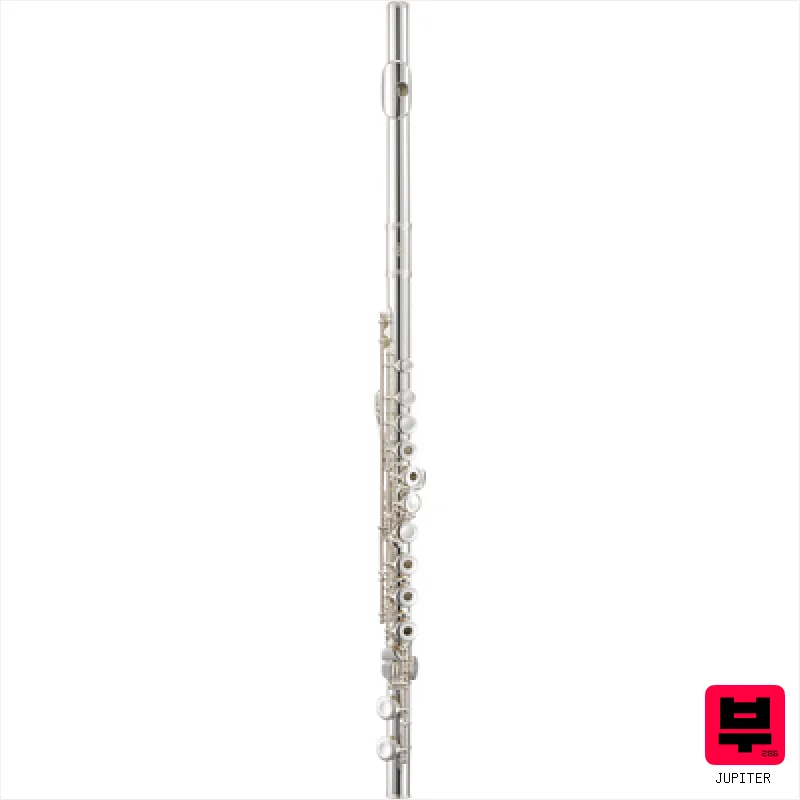
The Azumi AZ-Z1E is a fantastic option for intermediate to advanced players seeking a professional feel without the top-tier price tag. It borrows heavily from Altus's renowned design principles, resulting in a flute that's responsive, well-balanced, and surprisingly easy to control – a great stepping stone to a higher-end instrument.
Pros
- Altus Z-Cut headjoint provides exceptional ease of response.
- Nickel silver body with silver-plating offers a warm, focused tone.
- Pointed top mechanism enhances key stability and longevity.
Cons
- Silver-plated nickel silver may require more frequent polishing than solid silver.
- E-mechanism adds complexity; potential for maintenance needs.
34AudioFu
IndexStableno change since Aug 17Aug 17$1,291 now$1,291€1,149 at Thomann · in stockCheck price ↗ -
The Azumi AZ-Z2E is a thoughtfully designed flute offering a surprising amount of professional-level features at a premium-priced point. The Altus headjoint truly delivers a responsive, focused sound, making it a fantastic option for intermediate to advanced students and players looking for a reliable, well-built instrument without the absolute top-tier price tag.
Pros
- Altus Z-Cut headjoint provides exceptional ease of response
- Pointed top design enhances key stability during rigorous practice
- Nickel silver body with silver plating offers a balanced tone
Cons
- Nickel silver body might not offer the projection of solid silver
- E-mechanism adds complexity; potential maintenance considerations
34AudioFu
IndexStableno change since Aug 17Aug 17$1,841 now$1,841€1,639 at Thomann · in stockCheck price ↗ -
The Azumi AZ-S2 E is a seriously well-built flute, clearly drawing inspiration from Altus’s renowned designs. The S-Cut headjoint really opens up the tonal palette, making it a great choice for intermediate to advanced players seeking a more expressive sound without stepping into the ultra-premium price range. It's a solid, reliable instrument for students and professionals alike.
Pros
- Altus S-Cut headjoint delivers expressive, colorful tonal possibilities
- Pointed arm design enhances mechanism stability and durability
- Nickel silver body with silver plating offers a bright, responsive feel
Cons
- Britannia silver headjoint increases the price point significantly
- Slightly higher blowing resistance demands more developed embouchure
34AudioFu
IndexStableno change since Aug 17Aug 17$1,841 now$1,841€1,639 at Thomann · in stockCheck price ↗ -
The Azumi AZ-Z3E is a seriously impressive flute, clearly drawing inspiration from Altus's renowned craftsmanship. It's a fantastic option for advancing students and professional players seeking a reliable, responsive instrument with a warm, focused sound and expanded range thanks to the E-mechanism. The build quality feels solid and refined, offering a professional-level playing experience.
Pros
- Handmade Altus headjoint offers exceptional response and tonal focus
- 925 sterling silver body provides a warm, resonant tone
- Pointed arm design enhances mechanism stability and durability
Cons
- Sterling silver can be prone to tarnishing, requiring regular polishing
- Offset G may not suit all players' embouchure preferences
34AudioFu
IndexStableno change since Aug 17Aug 17$2,673 now$2,673€2,379 at Thomann · in stockCheck price ↗ -
The Azumi AZ-S3 E is a beautifully crafted instrument drawing heavily from Altus’s renowned design philosophy. Its warm, focused tone and enhanced technical features make it a fantastic choice for serious intermediate to advanced players looking for a step up without the full price tag of a top-tier Altus. This flute truly excels in lyrical passages and expressive playing.
Pros
- Altus S-Cut headjoint delivers rich, expressive tonal color.
- Britannia silver body offers a warm, responsive core tone.
- Pointed lid design enhances key stability for demanding players.
Cons
- Britannia silver body requires diligent polishing to prevent tarnish.
- Slightly higher blowing resistance demands a developed embouchure.
34AudioFu
IndexStableno change since Aug 17Aug 17$2,998 now$2,998€2,669 at Thomann · in stockCheck price ↗
Closed Hole Flutes by the numbers
Measured across all 71 models we track, not a sample.
median of 12 models · 0.1 kg–1.3 kg
How to choose the best closed hole flutes
Tone
Azumi's signature is a warmth that's surprisingly present without being muddy. It's got a really nice fundamental that sits well in a mix, avoiding that ice-picky brightness you get with some other closed-hole designs. It's not a super-bright, sparkly tone - think more 'smooth and controlled' which is a huge asset for gigs where you need to be heard without being abrasive.
Response & Articulation
The action is generally lighter than you find on some European flutes, which encourages a quicker, more responsive articulation. It's fantastic for fast passages and ornamentation; you'll notice the difference immediately if you're used to something that feels a bit sluggish. This responsiveness also means you need to be mindful of your breath control - it'll expose sloppy playing.
Build Quality & Materials
Azumi uses solid silver headjoints almost exclusively, which contributes significantly to that warm tone. The body is usually a high-grade grenadilla wood, beautifully finished, but it's the subtle details - like the precision of the hole placement - that really shine. You can feel the care that goes into each instrument.
Neck Profile & Comfort
The neck profile is a crucial, often overlooked aspect. Azumi's necks tend to be slightly more generous than some other brands, making them comfortable for players with larger hands or those who prefer a more relaxed grip. It's a small thing, but it can make a big difference during long gigs.
Intonation
While not perfect across the board, Azumi flutes generally have excellent intonation, particularly in the middle and upper registers. You'll still need to work it, of course - all flutes do - but it's a good starting point. Be prepared to tweak the headjoint position slightly to dial it in for your playing style.
Buying guide
Alright, so you're looking at Azumi closed-hole flutes? Smart move. They've flown a bit under the radar for a while, but serious players are starting to recognize what these Japanese instruments offer - a really unique blend of responsiveness and a warm, focused tone. If you're tired of flutes that sound sterile or struggle to cut through a band mix, an Azumi might just be your ticket to a more expressive sound.
Don't chase the absolute top-end models right away. The mid-range Azumis offer the most value for the money. Used instruments can be a great way to get into the brand, but be sure to have a tech check the headjoint seating and pads.
While the build quality is generally excellent, even the best flutes need occasional maintenance.
How the AudioFu Index works
Five measured signals and nothing else — no stars from strangers, no “tested by experts” we didn’t do. The weights are fixed and public. We don’t play these instruments; we measure the market around them.
This chart covers 5 closed hole flutes from the Thomann catalogue (of 71 in the category). Before you buy, read hands-on reviews and, where you can, play it. Full methodology.
AudioFu earns a commission when you buy through our Thomann links. It never changes the order — the index does.
- Demand40%
How many of this exact model are for sale on Reverb right now — what musicians actually buy and resell.
- Lineup20%
How many finishes Thomann stocks — makers expand the models that sell.
- Price15%
Where the price has moved since we started tracking in August.
- Specs15%
How completely the maker documents it.
- Maker10%
How deep the brand’s range is in this category.
Questions
Are Azumi flutes easy to find?
Not always. They're not as widely distributed as Yamaha or Jupiter. You'll likely need to shop online or find a specialty flute dealer.
How do Azumi flutes compare to Yamaha?
Yamaha is known for consistency and a bright, projecting sound. Azumi offers a warmer, more nuanced tone, but may require more precise breath control to achieve the same projection. Yamaha is generally easier to find and often more affordable.
What's the deal with the different headjoint options?
Azumi offers a few different headjoint designs, each subtly altering the tone and response. The standard headjoint is a good all-around choice, but if you're looking for something with a bit more brilliance or a darker tone, explore the other options.
Do I need a special cleaning rod?
Standard flute cleaning rods will work, but a rod specifically designed for wooden flutes is a good investment to prevent damage. The wood is porous and can be easily scratched.
Are Azumi flutes good for beginners?
While they're not specifically marketed for beginners, a motivated student will benefit from the instrument's responsiveness and tone. It's a step up from a basic student flute, but might be overwhelming for someone just starting out.