
Best Classical Organs (2 Manuals) for Concert Performance 2026
So, you're looking for a two-manual classical organ for concert performance? That's a serious undertaking, and not just any digital or hybrid instrument will cut it. We're talking about instruments that need to convincingly recreate the grandeur of a pipe organ, handle complex registrations, and project beautifully in concert halls - not just sound decent in your living room. This isn't about a cheesy preset; it's about delivering a genuine, authentic experience for both performer and audience.
Last updated: July 22, 2026 • Next update: July 29, 2026
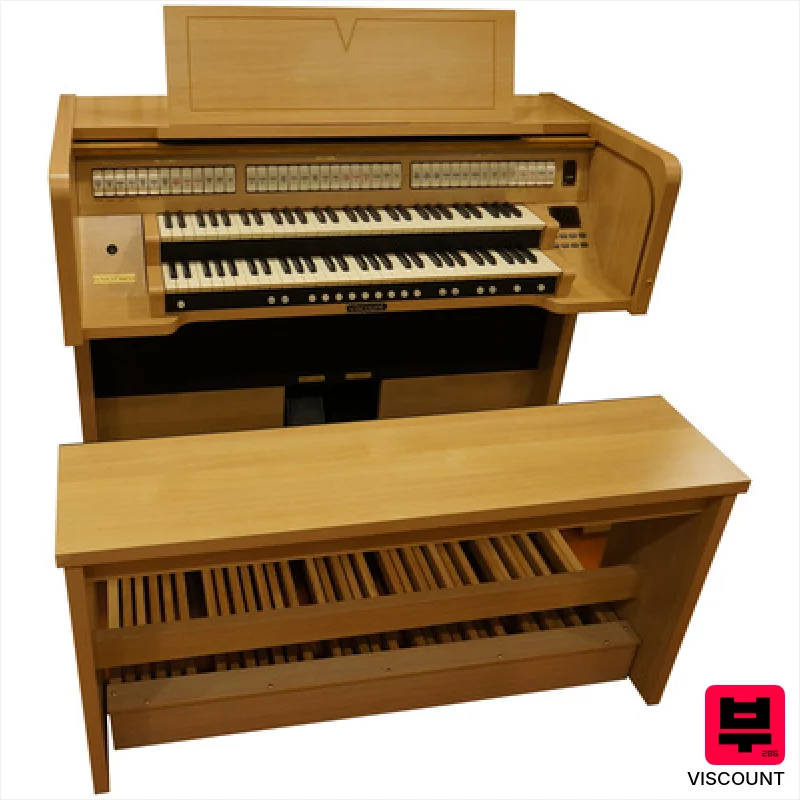
Viscount Unico CLV 4
- • Patented intracker touchin keyboard offers remarkably responsive key action
- • Solid laminated light oak cabinet provides a quality aesthetic and resonance
- • Comprehensive 35 register voicing caters to a wide range of classical styles
- • Integrated delivery, assembly, and disposal simplifies the setup process
- • The light oak finish, while attractive, might not suit all stage or church aesthetics
- • Weight of 121 kg makes relocation a two-person job, even with included delivery
- • Limited user soundstyle slots may restrict customization for advanced users
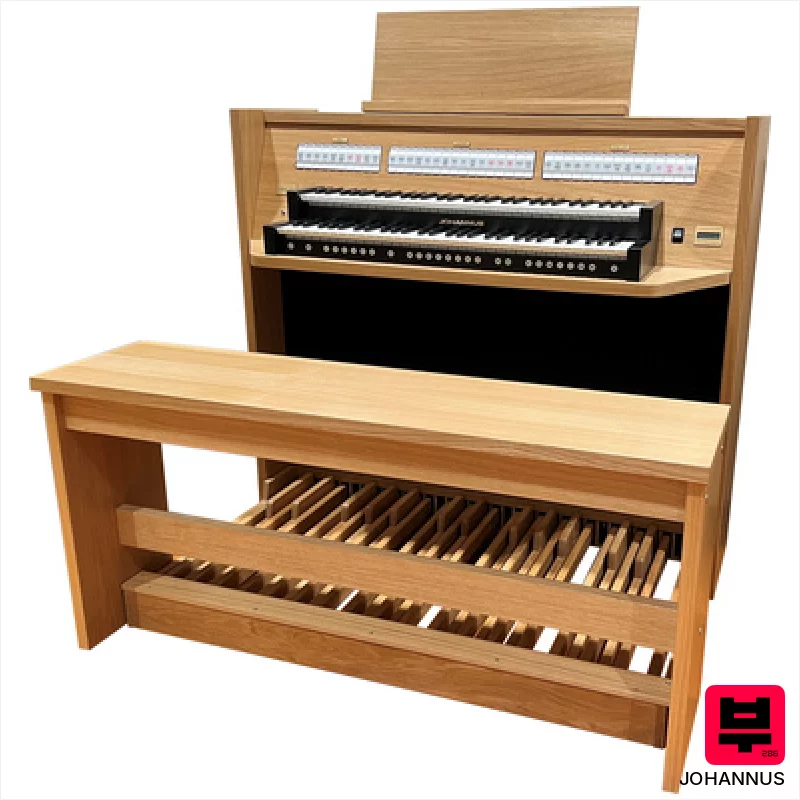
Johannus Opus 260, Light Oak Concave
- • Light oak concave design offers a warm, visually appealing aesthetic.
- • Escapement keys provide a responsive, traditional organ playing feel.
- • The open soundboard design contributes to a surprisingly resonant and full sound.
- • Double-curved pedalboard with wenge keys enhances pedal technique and comfort.
- • The 36 registers, while respectable, limit tonal flexibility compared to larger organs.
- • At 165 kg, it's a substantial instrument requiring careful placement and potentially professional moving.
- • While versatile for classical, its timbre leans toward a European sound; less suited for American or other styles.
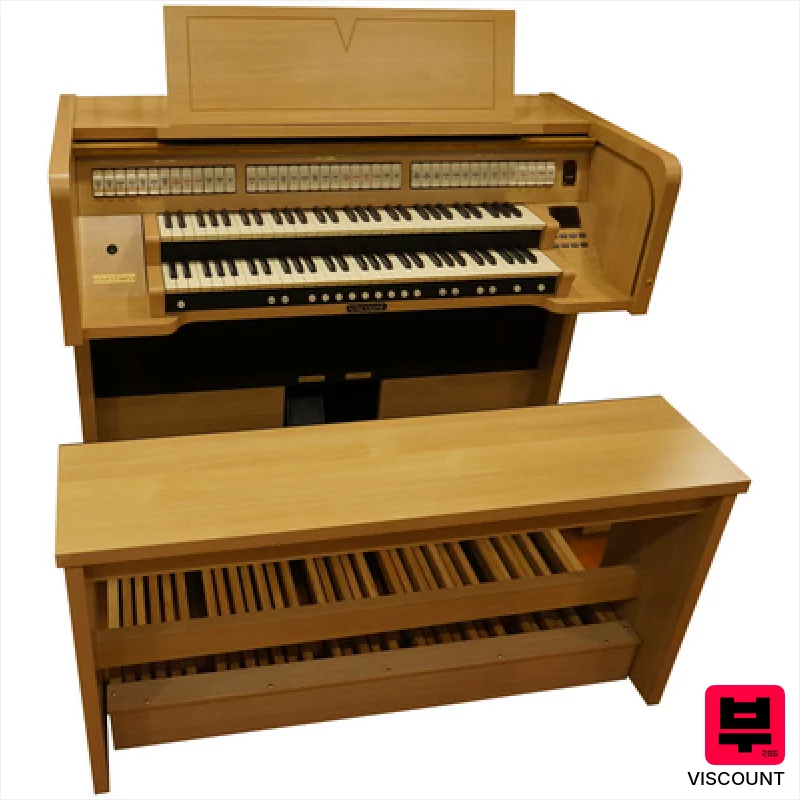
Viscount Unico CLV 4 konkav
- • Concave pedalboard enhances responsiveness for nuanced pedal work
- • Intracker touch provides expressive dynamic control across manuals
- • Solid laminated light oak cabinet offers a professional aesthetic
- • Comprehensive memory banks allow for extensive customization of registrations
- • Limited versatility outside of classical organ repertoire
- • The lighter oak finish might show wear more easily than darker finishes
- • Relatively heavy for transport and relocation, requiring assistance

Johannus Studio 260, Nautilus Teak
- • Nautilus Teak housing provides a genuinely warm, classic aesthetic.
- • Escapement keys offer a responsive, piano-like touch for nuanced playing.
- • The double-curved pedalboard feels surprisingly natural for home use.
- • 2x80W full-range + 170W bass amplifier delivers a full, room-filling sound.
- • Plastic swell pedal feels cheap compared to metal alternatives found on higher-end organs.
- • 31 registers offer a good start, but experienced organists may desire more flexibility.
- • Limited tonal palette compared to larger, more complex church organs.

Johannus Studio 260, Nautilus Teak
- • Nautilus Teak console offers a warm, visually appealing, and premium aesthetic.
- • Tracker touch keyboards provide surprisingly authentic organ feel for the price point.
- • The 30-tone pedalboard offers a decent range for Baroque and Classical repertoire.
- • Dedicated low-range amplifier delivers satisfying bass response for organ textures.
- • The 31 stops, while adequate, limit versatility compared to larger, more complex organs.
- • While compact, the 130 kg weight makes moving it a two-person job.
- • The Nautilus Teak finish, while attractive, might not suit all decor styles.
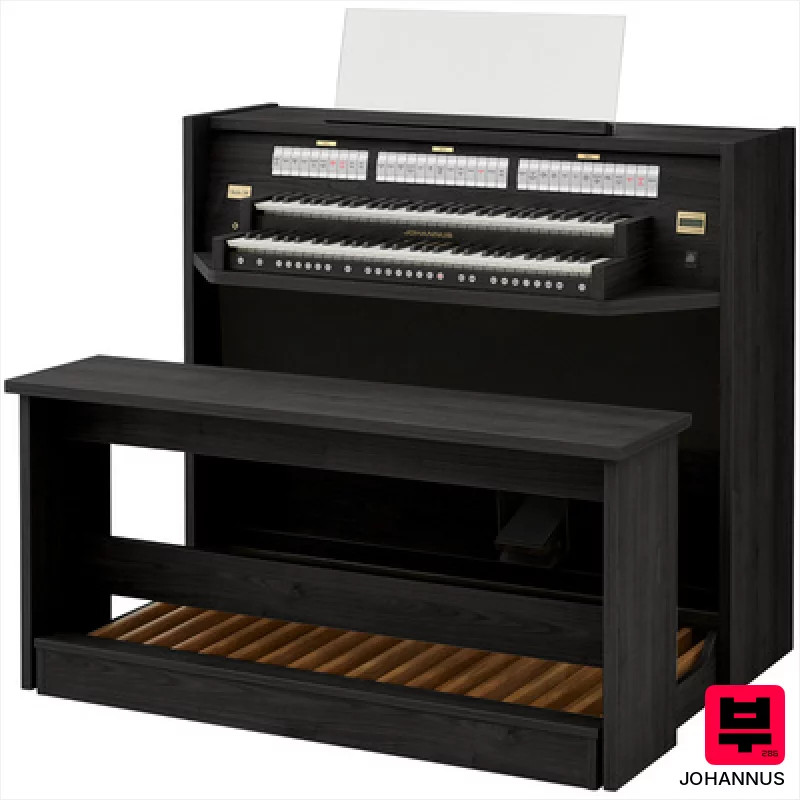
Johannus Studio 260, Charcoal Straight
- • Solid build quality; the charcoal finish is surprisingly durable.
- • Open soundboard design delivers a surprisingly resonant and full tone.
- • The 31 registers offer a decent range for hymn playing and practice.
- • MIDI connectivity expands versatility for composing and digital integration.
- • Plastic swell pedal feels cheap compared to traditional wooden alternatives.
- • 30-note pedalboard limits complex pedal work for advanced organists.
- • The sound, while good, lacks the nuanced complexity of higher-end instruments.

Johannus Studio 260, Light Riverside
- • Excellent tracker action mimics pipe organ feel convincingly.
- • Light Riverside finish offers a refined, classic aesthetic.
- • The 30 tone pedalboard provides surprisingly nuanced bass response.
- • Johannus's drawstops offer a satisfying level of registration control.
- • Limited stop count compared to larger, more expensive organs.
- • The speaker system, while adequate, lacks the depth of true pipe organ voicing.
- • Relatively compact size restricts full-scale organ immersion.
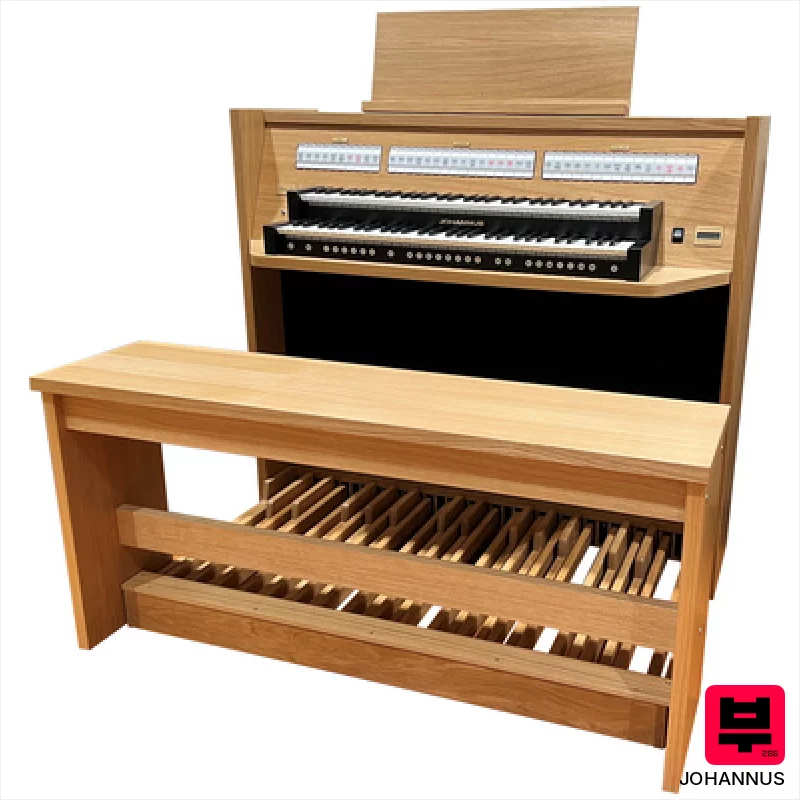
Johannus Opus 260, Light Oak Straight
- • Light oak finish provides a warm, traditional aesthetic and resonance.
- • The escapement action on the keyboards offers a responsive, tactile playing experience.
- • 36 registers provide a surprisingly broad tonal palette for a compact organ.
- • Straight pedalboard is space-saving and well-suited for smaller rooms.
- • The 30-note pedalboard limits complex pedal work compared to larger organs.
- • While versatile, the tonal range is still geared towards classical repertoire.
- • Weight (165 kg) makes moving it a two-person job, potentially requiring professional installation.

Viscount Unico CLV 4 konkav
- • Concave pedalboard enhances responsiveness for nuanced bass lines
- • Intracker touch provides remarkably expressive dynamic control
- • Dark oak laminate finish offers a classic, respectable aesthetic
- • Integrated delivery, assembly, and disposal simplifies the setup process
- • Limited versatility beyond classical organ repertoire
- • The 61-key manual may feel cramped for some experienced players
- • Relatively heavy, potentially requiring assistance for maneuvering
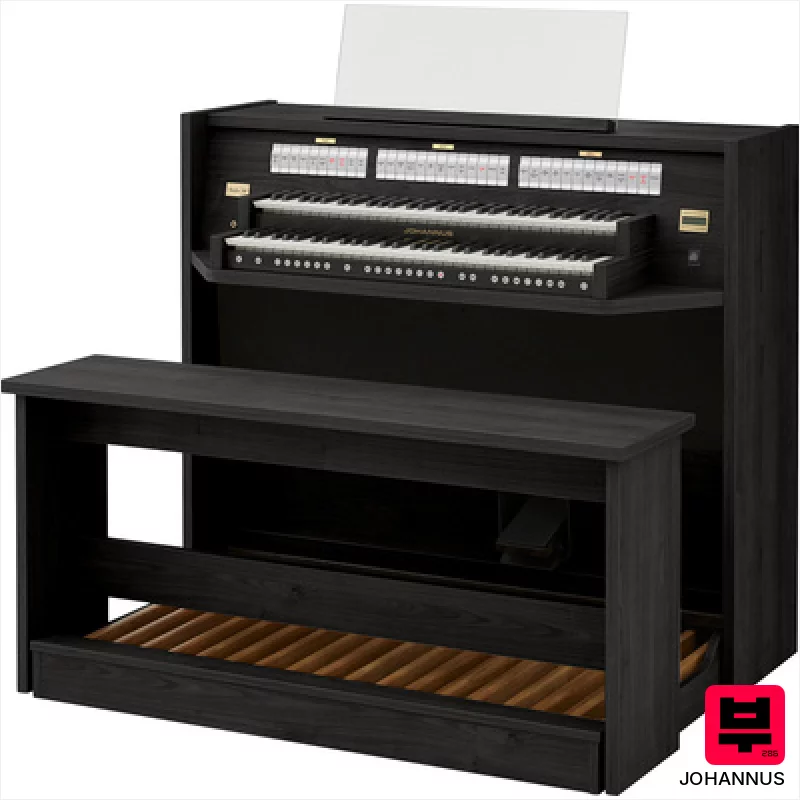
Johannus Studio 260, Charcoal Concave
- • Charcoal Concave finish offers a refined, dignified aesthetic.
- • Escapement action provides a responsive, piano-like touch.
- • Double-curved pedalboard enhances pedal technique and comfort.
- • Open soundboard design delivers surprisingly full and resonant voicing.
- • Plastic swell pedal feels budget and potentially less durable long-term.
- • Limited register count compared to larger, more premium organs.
- • Relatively heavy for home placement; requires two people to move.
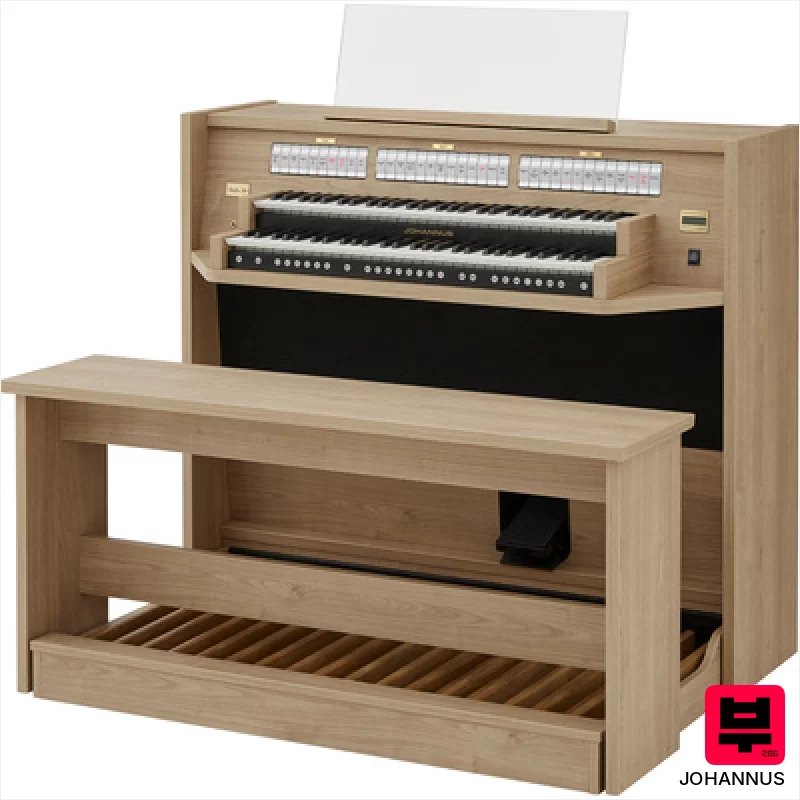
Johannus Studio 260, Fine Oak
- • Fine Oak cabinet offers a warm, resonant acoustic character.
- • Escapement keys provide a realistic, responsive playing feel.
- • The 31 registers offer a surprisingly broad tonal palette for its size.
- • Built-in amplification delivers a powerful, full-bodied sound even at moderate volumes.
- • The plastic swell pedal feels noticeably cheap compared to metal alternatives.
- • Limited number of stops restricts complex registrations and advanced repertoire.
- • Straight pedalboard, while compact, lacks the nuance of a curved design.
How to Choose the Best Classical Organs (2 Manuals)
Tonal Palette
Forget bright, sterile sounds. Concert organs need a full spectrum - a deep, resonant bass for the 16' stops, a singing chorus of principals, and a range of flutes and reeds capable of delivering that characteristic 'French' or 'English' voicing. It's not just about having the stops; it's about them sounding real.
Action & Key Resistance
A heavy, responsive action is absolutely crucial. You need to feel the connection between your fingers and the sound, allowing for precise articulation and dynamic control. A light, springy action just won't cut it for complex registrations and fast passages.
Dynamic Range & Voicing
The instrument needs to breathe. A true concert organ needs to respond to subtle dynamic shifts and maintain clarity even at fortissimo. Poor voicing often manifests as a muddy low end or a harsh, brittle top end - neither of which are acceptable for serious performance.
Pedal Response & Sustain
The pedalboard isn't an afterthought. It needs a responsive action, a wide range, and a powerful low-end thump that can fill a concert hall. Sustain is equally critical - you need those bass notes to linger and resonate, creating that sense of grandeur.
Versatility & Registration Flexibility
While a focused sound is good, a concert organ should offer a degree of flexibility to cover a wide range of repertoire. The ability to create custom registrations and adjust parameters is essential for tailoring the instrument to specific pieces and venues.
Buying Guide
Don't be fooled by marketing buzzwords. Many 'classical' organs are glorified home keyboards. Pay close attention to the action - that's the first thing that will betray an instrument's limitations. Also, listen critically for that tell-tale digital edge - a lack of genuine resonance and harmonic complexity. Spending a little more on a hybrid instrument with physical modeling and good speaker system is often better than a cheaper purely digital option.
Our Methodology
We've spent countless hours behind these instruments, playing everything from Bach to contemporary works, A/B testing against recordings of actual pipe organs. Our evaluations aren't based on manufacturer specs - we're focused on the nuances of the sound, the responsiveness of the action, and how the instrument behaves under the pressure of a live performance. It's about the feel, the articulation, and whether it moves you.

