
Best Classical Organs (2 Manuals) for Church 2026
So, you're looking for a two-manual organ for church? It's a big decision - more than just plugging something in and playing. You need something that can handle a wide range of repertoire, from Bach to contemporary hymns, and that sounds like a real instrument, not a cheesy preset. Let's cut through the noise and find something that'll actually serve your congregation and inspire you to play.
Last updated: July 22, 2026 • Next update: July 29, 2026
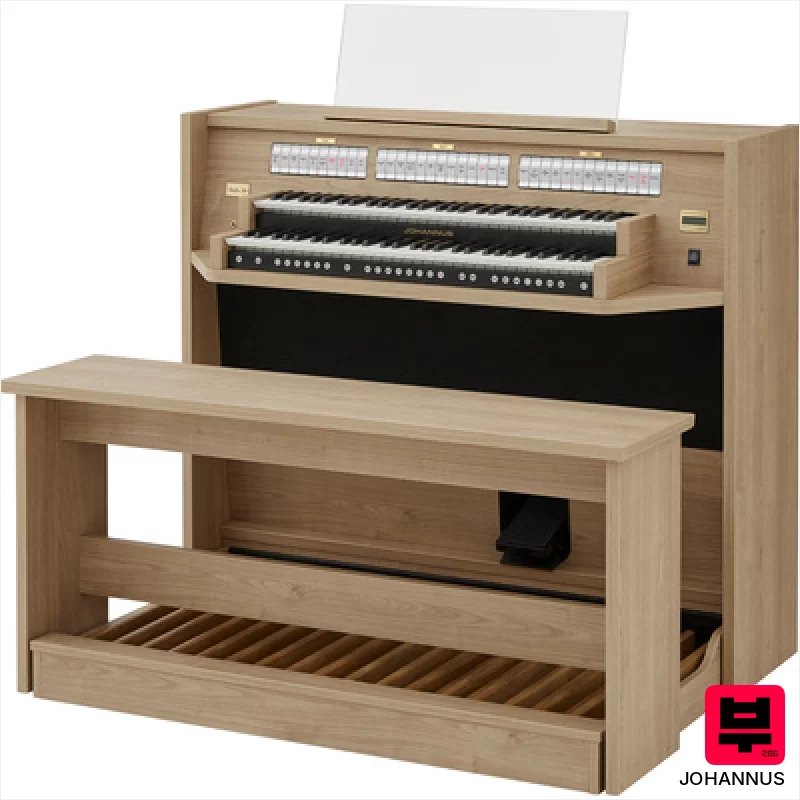
Johannus Studio 260, Fine Oak
- • Fine Oak cabinet offers a warm, resonant acoustic character.
- • Escapement keys provide a realistic, responsive playing feel.
- • The 31 registers offer a surprisingly broad tonal palette for its size.
- • Built-in amplification delivers a powerful, full-bodied sound even at moderate volumes.
- • The plastic swell pedal feels noticeably cheap compared to metal alternatives.
- • Limited number of stops restricts complex registrations and advanced repertoire.
- • Straight pedalboard, while compact, lacks the nuance of a curved design.
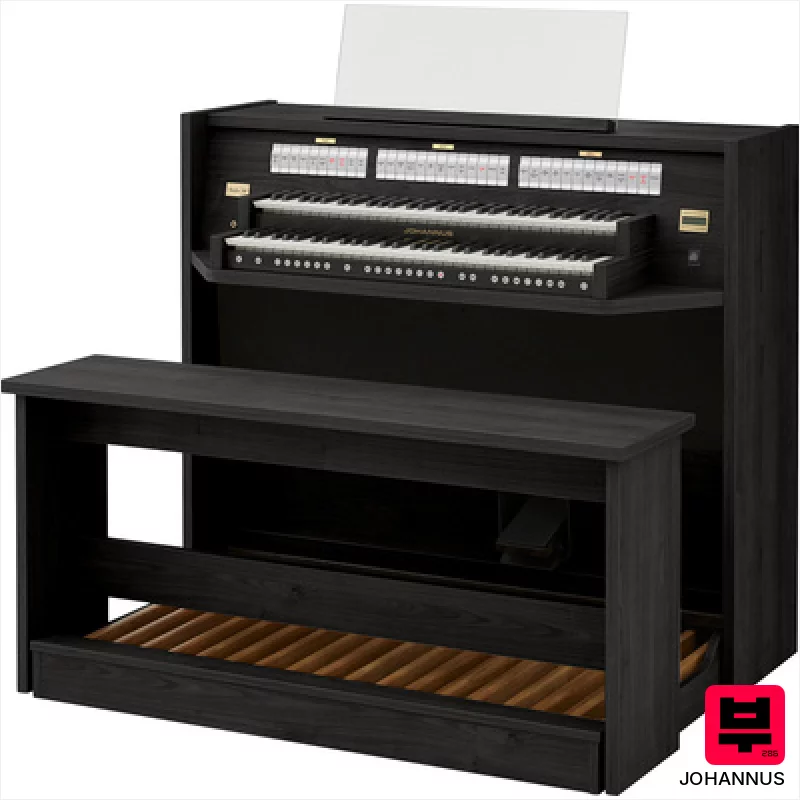
Johannus Studio 260, Charcoal Concave
- • Charcoal Concave finish offers a refined, dignified aesthetic.
- • Escapement action provides a responsive, piano-like touch.
- • Double-curved pedalboard enhances pedal technique and comfort.
- • Open soundboard design delivers surprisingly full and resonant voicing.
- • Plastic swell pedal feels budget and potentially less durable long-term.
- • Limited register count compared to larger, more premium organs.
- • Relatively heavy for home placement; requires two people to move.
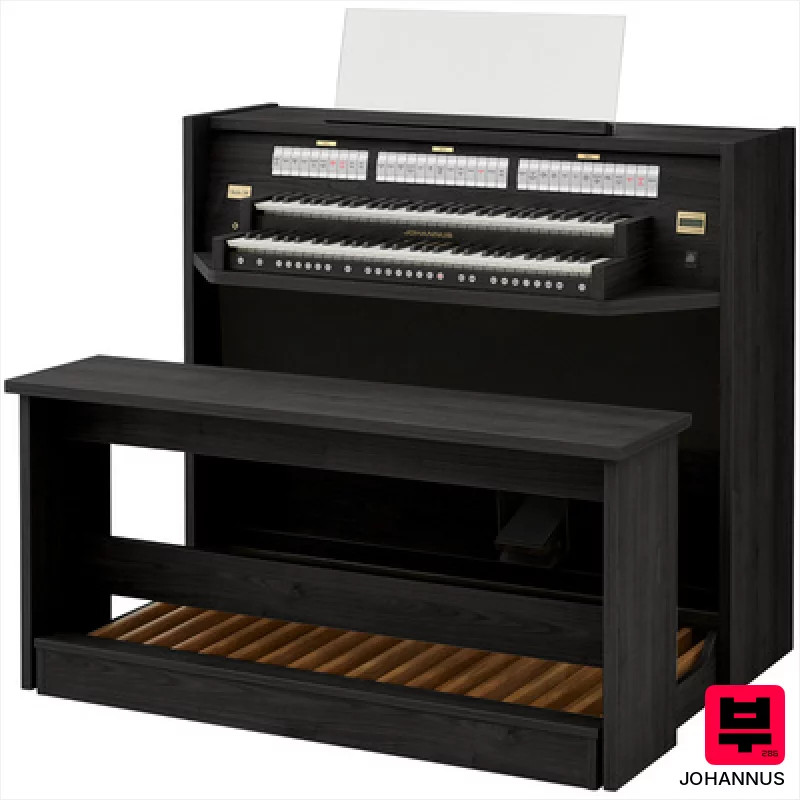
Johannus Studio 260, Charcoal Straight
- • Solid build quality; the charcoal finish is surprisingly durable.
- • Open soundboard design delivers a surprisingly resonant and full tone.
- • The 31 registers offer a decent range for hymn playing and practice.
- • MIDI connectivity expands versatility for composing and digital integration.
- • Plastic swell pedal feels cheap compared to traditional wooden alternatives.
- • 30-note pedalboard limits complex pedal work for advanced organists.
- • The sound, while good, lacks the nuanced complexity of higher-end instruments.

Johannus Studio 260, Nautilus Teak
- • Nautilus Teak housing provides a genuinely warm, classic aesthetic.
- • Escapement keys offer a responsive, piano-like touch for nuanced playing.
- • The double-curved pedalboard feels surprisingly natural for home use.
- • 2x80W full-range + 170W bass amplifier delivers a full, room-filling sound.
- • Plastic swell pedal feels cheap compared to metal alternatives found on higher-end organs.
- • 31 registers offer a good start, but experienced organists may desire more flexibility.
- • Limited tonal palette compared to larger, more complex church organs.

Viscount Unico CLV 4 konkav
- • Concave pedalboard enhances responsiveness for nuanced bass lines
- • Intracker touch provides remarkably expressive dynamic control
- • Dark oak laminate finish offers a classic, respectable aesthetic
- • Integrated delivery, assembly, and disposal simplifies the setup process
- • Limited versatility beyond classical organ repertoire
- • The 61-key manual may feel cramped for some experienced players
- • Relatively heavy, potentially requiring assistance for maneuvering

Johannus Studio 260, Light Riverside
- • Excellent tracker action mimics pipe organ feel convincingly.
- • Light Riverside finish offers a refined, classic aesthetic.
- • The 30 tone pedalboard provides surprisingly nuanced bass response.
- • Johannus's drawstops offer a satisfying level of registration control.
- • Limited stop count compared to larger, more expensive organs.
- • The speaker system, while adequate, lacks the depth of true pipe organ voicing.
- • Relatively compact size restricts full-scale organ immersion.

Johannus Studio 260, Nautilus Teak
- • Nautilus Teak console offers a warm, visually appealing, and premium aesthetic.
- • Tracker touch keyboards provide surprisingly authentic organ feel for the price point.
- • The 30-tone pedalboard offers a decent range for Baroque and Classical repertoire.
- • Dedicated low-range amplifier delivers satisfying bass response for organ textures.
- • The 31 stops, while adequate, limit versatility compared to larger, more complex organs.
- • While compact, the 130 kg weight makes moving it a two-person job.
- • The Nautilus Teak finish, while attractive, might not suit all decor styles.
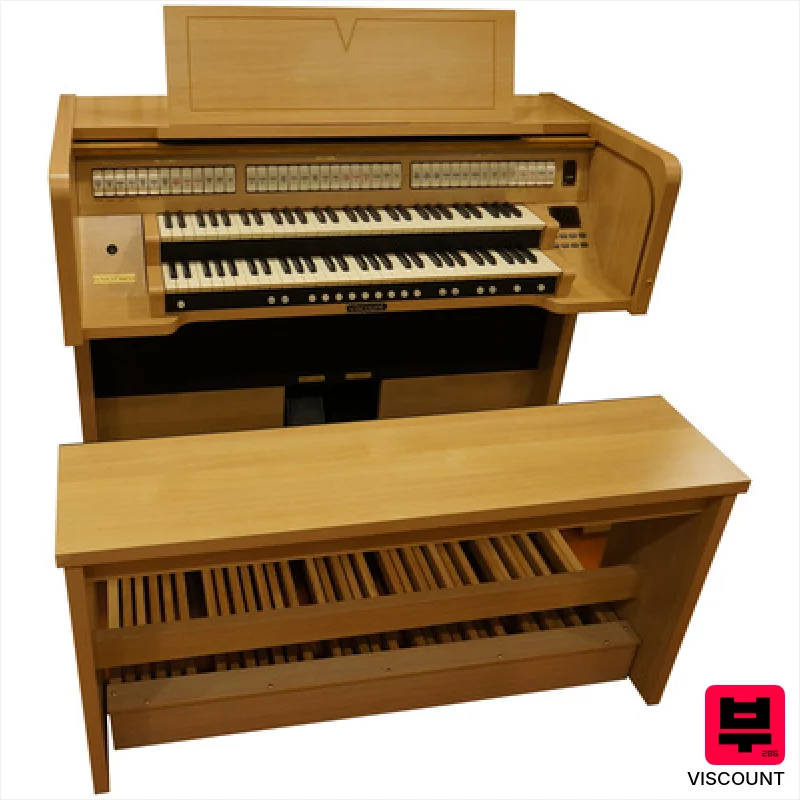
Viscount Unico CLV 4
- • Patented intracker touchin keyboard offers remarkably responsive key action
- • Solid laminated light oak cabinet provides a quality aesthetic and resonance
- • Comprehensive 35 register voicing caters to a wide range of classical styles
- • Integrated delivery, assembly, and disposal simplifies the setup process
- • The light oak finish, while attractive, might not suit all stage or church aesthetics
- • Weight of 121 kg makes relocation a two-person job, even with included delivery
- • Limited user soundstyle slots may restrict customization for advanced users
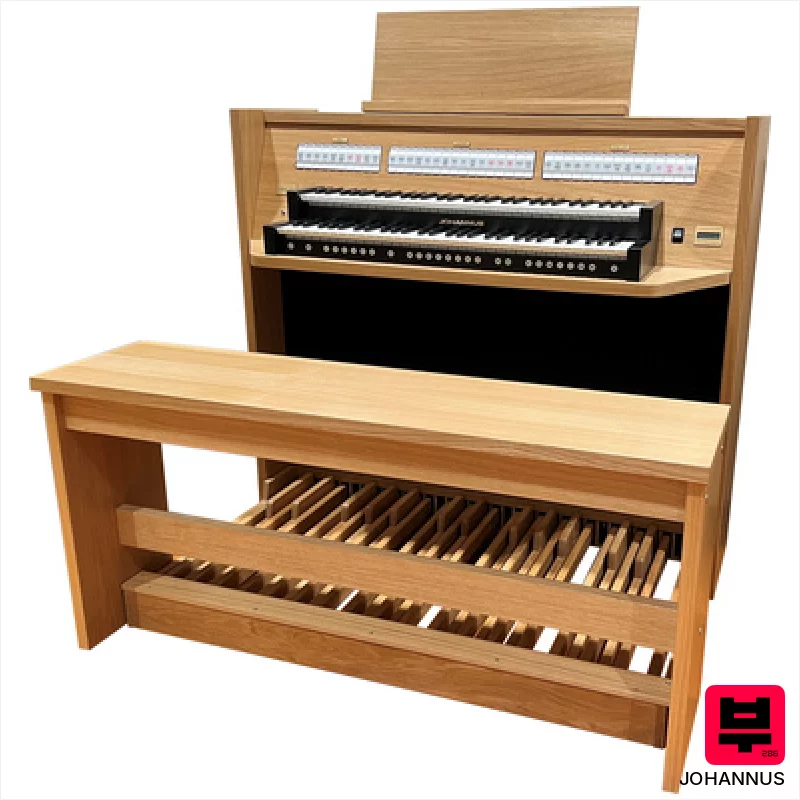
Johannus Opus 260, Light Oak Concave
- • Light oak concave design offers a warm, visually appealing aesthetic.
- • Escapement keys provide a responsive, traditional organ playing feel.
- • The open soundboard design contributes to a surprisingly resonant and full sound.
- • Double-curved pedalboard with wenge keys enhances pedal technique and comfort.
- • The 36 registers, while respectable, limit tonal flexibility compared to larger organs.
- • At 165 kg, it's a substantial instrument requiring careful placement and potentially professional moving.
- • While versatile for classical, its timbre leans toward a European sound; less suited for American or other styles.
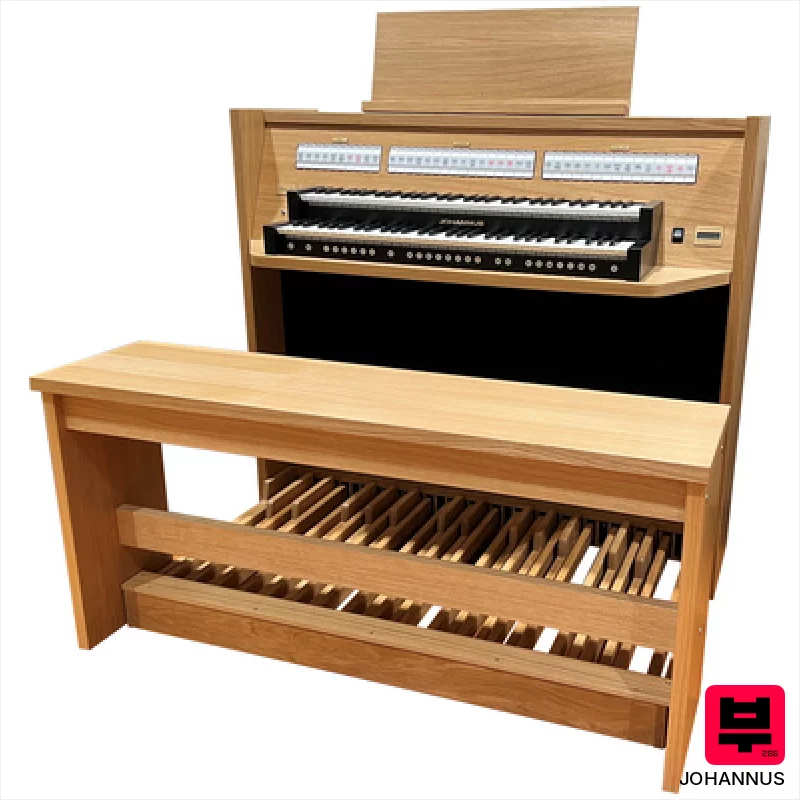
Johannus Opus 260, Light Oak Straight
- • Light oak finish provides a warm, traditional aesthetic and resonance.
- • The escapement action on the keyboards offers a responsive, tactile playing experience.
- • 36 registers provide a surprisingly broad tonal palette for a compact organ.
- • Straight pedalboard is space-saving and well-suited for smaller rooms.
- • The 30-note pedalboard limits complex pedal work compared to larger organs.
- • While versatile, the tonal range is still geared towards classical repertoire.
- • Weight (165 kg) makes moving it a two-person job, potentially requiring professional installation.
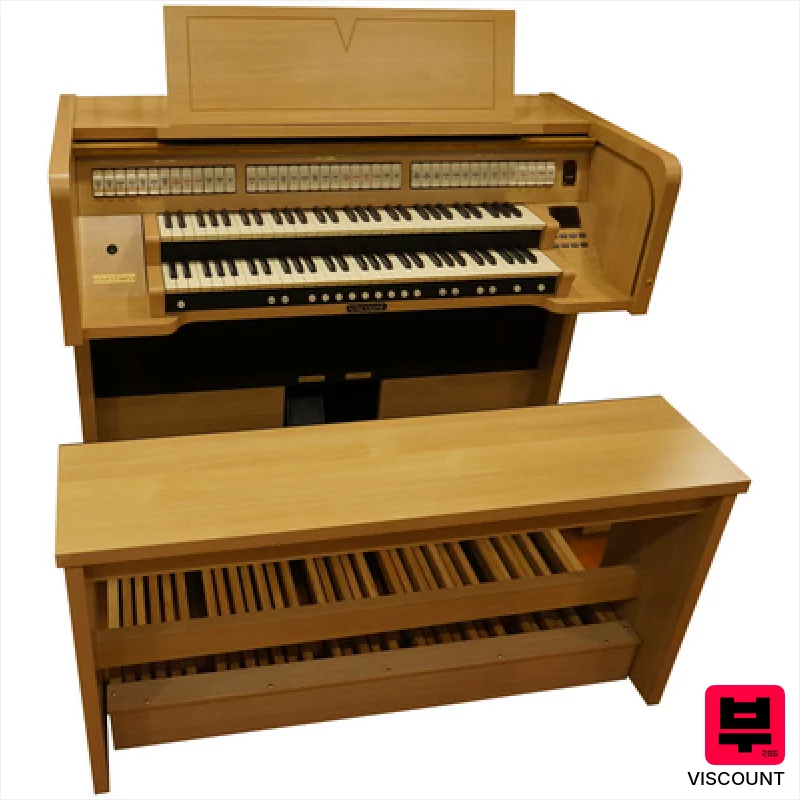
Viscount Unico CLV 4 konkav
- • Concave pedalboard enhances responsiveness for nuanced pedal work
- • Intracker touch provides expressive dynamic control across manuals
- • Solid laminated light oak cabinet offers a professional aesthetic
- • Comprehensive memory banks allow for extensive customization of registrations
- • Limited versatility outside of classical organ repertoire
- • The lighter oak finish might show wear more easily than darker finishes
- • Relatively heavy for transport and relocation, requiring assistance
How to Choose the Best Classical Organs (2 Manuals)
Tonal Palette
Church organs need versatility. A good two-manual will offer a range of registrations - from a delicate flute stop for quiet passages to a powerful tuba for triumphant fanfares. Look for stops that genuinely sound like their acoustic counterparts, avoiding that generic, overly-bright, digital sound. The low end needs some real thump without becoming muddy.
Key Action & Expression
The key action is paramount. A heavy, unresponsive action will kill your touch and articulation. You need something that allows for subtle dynamic control, especially when playing complex contrapuntal passages. Expression pedals need to be smooth and responsive, providing a wide range of volume control without abrupt transitions.
Stop Modeling & Voicing
The quality of the stop modeling is what separates the good organs from the truly great. Listen for realistic attack transients, convincing harmonic development, and a natural decay. Poorly modeled stops can sound brittle and lifeless, lacking that characteristic organ 'breath'.
Reverb & Spatialization
Church spaces are naturally reverberant, so the organ's built-in reverb needs to be convincing and adjustable. Cheap reverbs sound artificial and smear the sound, making it difficult to hear individual voices. A good spatialization system will also help place the sound realistically within the room.
Connectivity & Expandability
Consider future needs. Multiple MIDI ports, USB connectivity, and the ability to add additional ranks or manuals later on can be a real asset. Think about recording capabilities too - it's a good way to document services or practice your playing.
Buying Guide
Don't be swayed by flashy features or low price tags. Cheap digital organs often cut corners on the key action and stop modeling, resulting in a disappointing playing experience. Investing in a reputable brand with a good track record and a responsive support team is worth the extra money. Try before you buy, absolutely - a demo in your church's space is the best way to assess its suitability.
Our Methodology
We're not relying on marketing hype here. We've spent countless hours playing these organs, A/B'ing them against each other and, crucially, listening to them in actual church spaces - which is vital because acoustics really matter. Our evaluations are based on how they perform in real-world scenarios, not just on spec sheets and manufacturer claims.

