
Best Classical Organs (2 Manuals) for Classical 2026
So, you're looking for a two-manual classical organ? Forget the cheesy, preset-driven behemoths you find in some churches - we're talking about instruments that capture the nuance and grandeur of Bach, Buxtehude, and beyond. Finding the right one is about more than just the number of stops; it's about the voicing, the responsiveness, and how it translates to a truly convincing classical experience, whether you're gigging, recording, or just practicing at home. Let's break down what to look for.
Last updated: July 1, 2026 • Next update: July 8, 2026

Viscount Unico CLV 4 konkav
- • Concave pedalboard enhances responsiveness for nuanced bass lines
- • Intracker touch provides remarkably expressive dynamic control
- • Dark oak laminate finish offers a classic, respectable aesthetic
- • Integrated delivery, assembly, and disposal simplifies the setup process
- • Limited versatility beyond classical organ repertoire
- • The 61-key manual may feel cramped for some experienced players
- • Relatively heavy, potentially requiring assistance for maneuvering

Johannus Studio 260, Nautilus Teak
- • Nautilus Teak housing provides a genuinely warm, classic aesthetic.
- • Escapement keys offer a responsive, piano-like touch for nuanced playing.
- • The double-curved pedalboard feels surprisingly natural for home use.
- • 2x80W full-range + 170W bass amplifier delivers a full, room-filling sound.
- • Plastic swell pedal feels cheap compared to metal alternatives found on higher-end organs.
- • 31 registers offer a good start, but experienced organists may desire more flexibility.
- • Limited tonal palette compared to larger, more complex church organs.
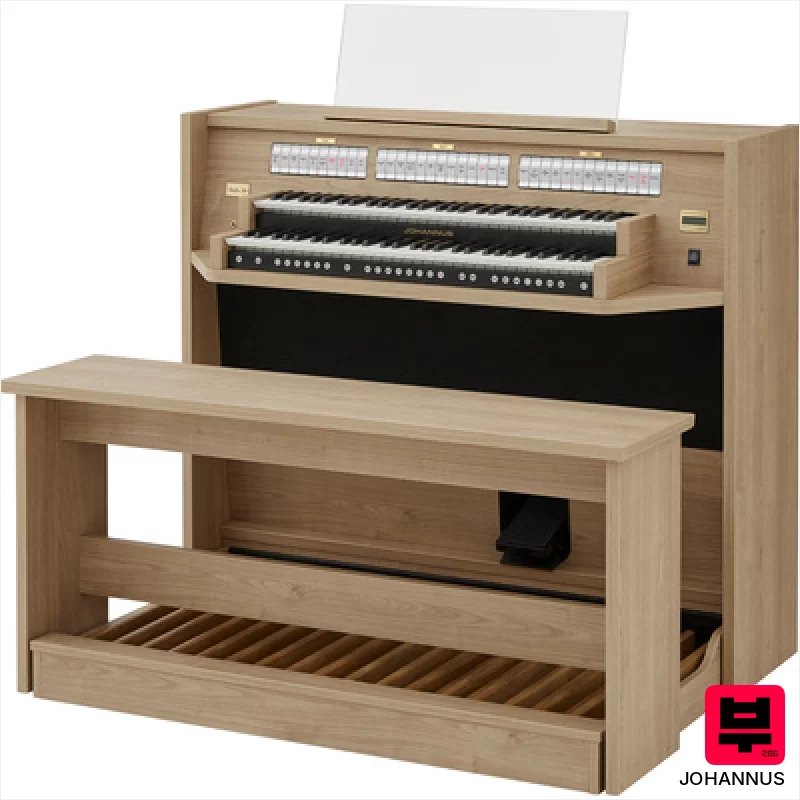
Johannus Studio 260, Fine Oak
- • Fine Oak cabinet offers a warm, resonant acoustic character.
- • Escapement keys provide a realistic, responsive playing feel.
- • The 31 registers offer a surprisingly broad tonal palette for its size.
- • Built-in amplification delivers a powerful, full-bodied sound even at moderate volumes.
- • The plastic swell pedal feels noticeably cheap compared to metal alternatives.
- • Limited number of stops restricts complex registrations and advanced repertoire.
- • Straight pedalboard, while compact, lacks the nuance of a curved design.

Johannus Studio 260, Light Riverside
- • Excellent tracker action mimics pipe organ feel convincingly.
- • Light Riverside finish offers a refined, classic aesthetic.
- • The 30 tone pedalboard provides surprisingly nuanced bass response.
- • Johannus's drawstops offer a satisfying level of registration control.
- • Limited stop count compared to larger, more expensive organs.
- • The speaker system, while adequate, lacks the depth of true pipe organ voicing.
- • Relatively compact size restricts full-scale organ immersion.
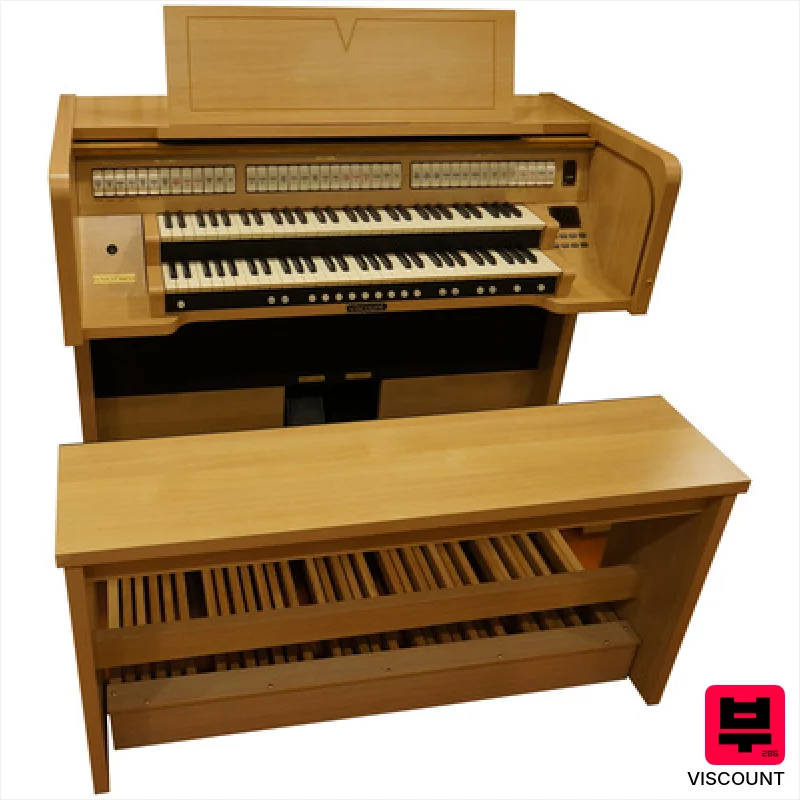
Viscount Unico CLV 4
- • Patented intracker touchin keyboard offers remarkably responsive key action
- • Solid laminated light oak cabinet provides a quality aesthetic and resonance
- • Comprehensive 35 register voicing caters to a wide range of classical styles
- • Integrated delivery, assembly, and disposal simplifies the setup process
- • The light oak finish, while attractive, might not suit all stage or church aesthetics
- • Weight of 121 kg makes relocation a two-person job, even with included delivery
- • Limited user soundstyle slots may restrict customization for advanced users
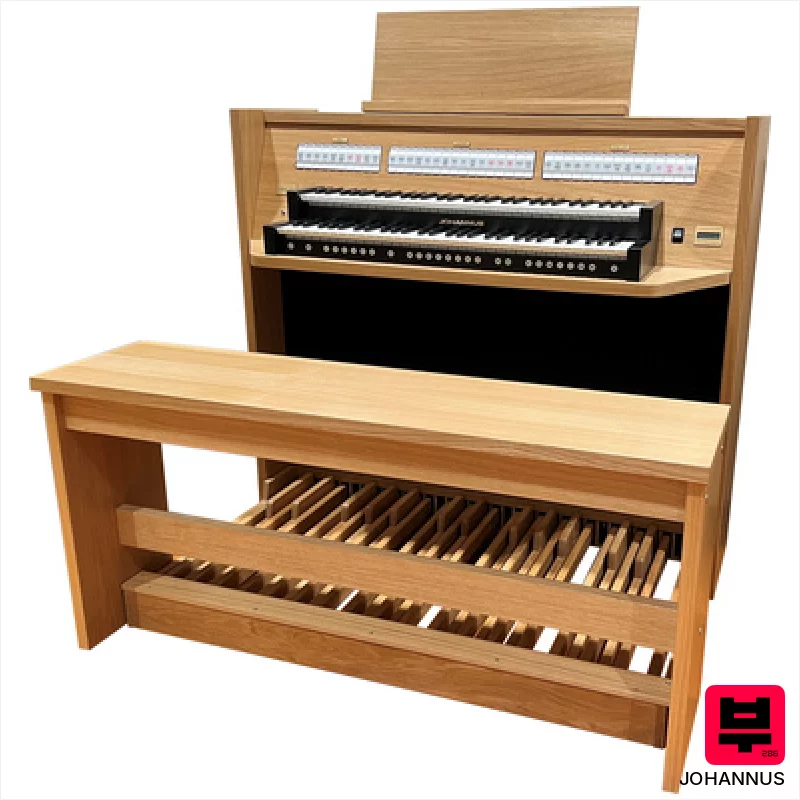
Johannus Opus 260, Light Oak Concave
- • Light oak concave design offers a warm, visually appealing aesthetic.
- • Escapement keys provide a responsive, traditional organ playing feel.
- • The open soundboard design contributes to a surprisingly resonant and full sound.
- • Double-curved pedalboard with wenge keys enhances pedal technique and comfort.
- • The 36 registers, while respectable, limit tonal flexibility compared to larger organs.
- • At 165 kg, it's a substantial instrument requiring careful placement and potentially professional moving.
- • While versatile for classical, its timbre leans toward a European sound; less suited for American or other styles.
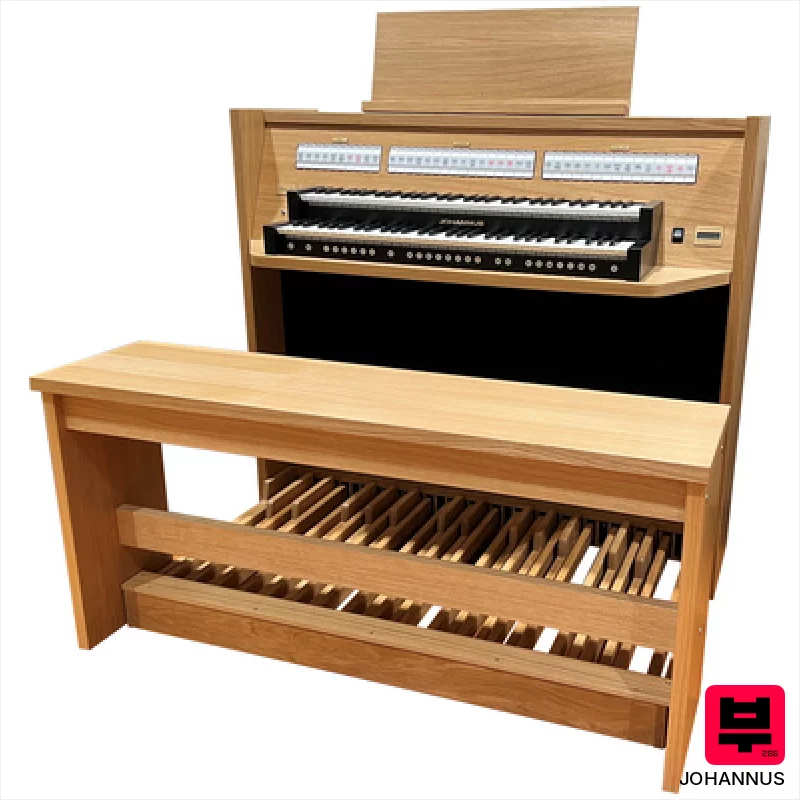
Johannus Opus 260, Light Oak Straight
- • Light oak finish provides a warm, traditional aesthetic and resonance.
- • The escapement action on the keyboards offers a responsive, tactile playing experience.
- • 36 registers provide a surprisingly broad tonal palette for a compact organ.
- • Straight pedalboard is space-saving and well-suited for smaller rooms.
- • The 30-note pedalboard limits complex pedal work compared to larger organs.
- • While versatile, the tonal range is still geared towards classical repertoire.
- • Weight (165 kg) makes moving it a two-person job, potentially requiring professional installation.
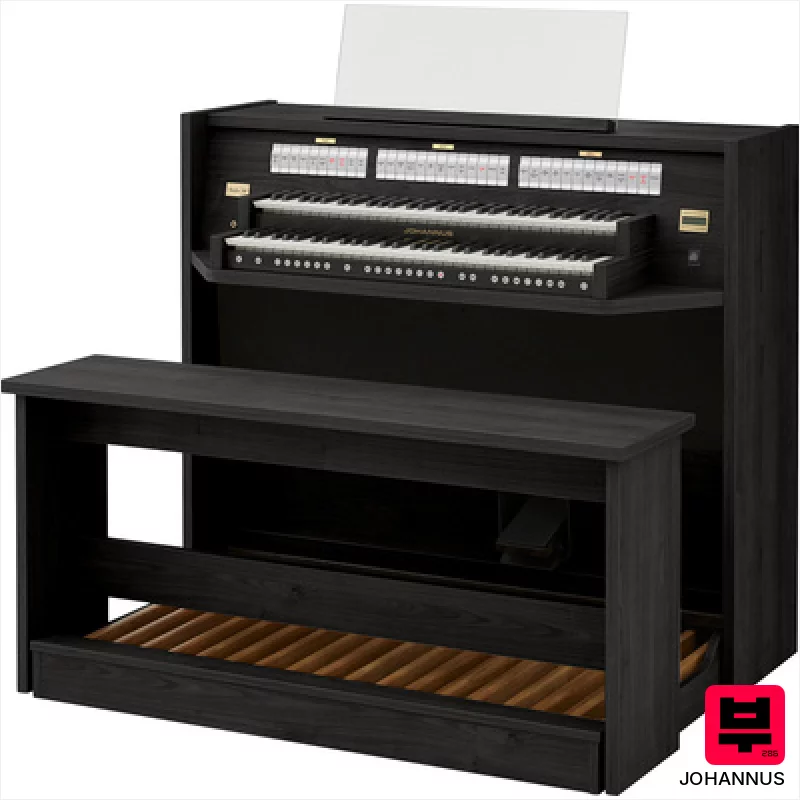
Johannus Studio 260, Charcoal Concave
- • Charcoal Concave finish offers a refined, dignified aesthetic.
- • Escapement action provides a responsive, piano-like touch.
- • Double-curved pedalboard enhances pedal technique and comfort.
- • Open soundboard design delivers surprisingly full and resonant voicing.
- • Plastic swell pedal feels budget and potentially less durable long-term.
- • Limited register count compared to larger, more premium organs.
- • Relatively heavy for home placement; requires two people to move.
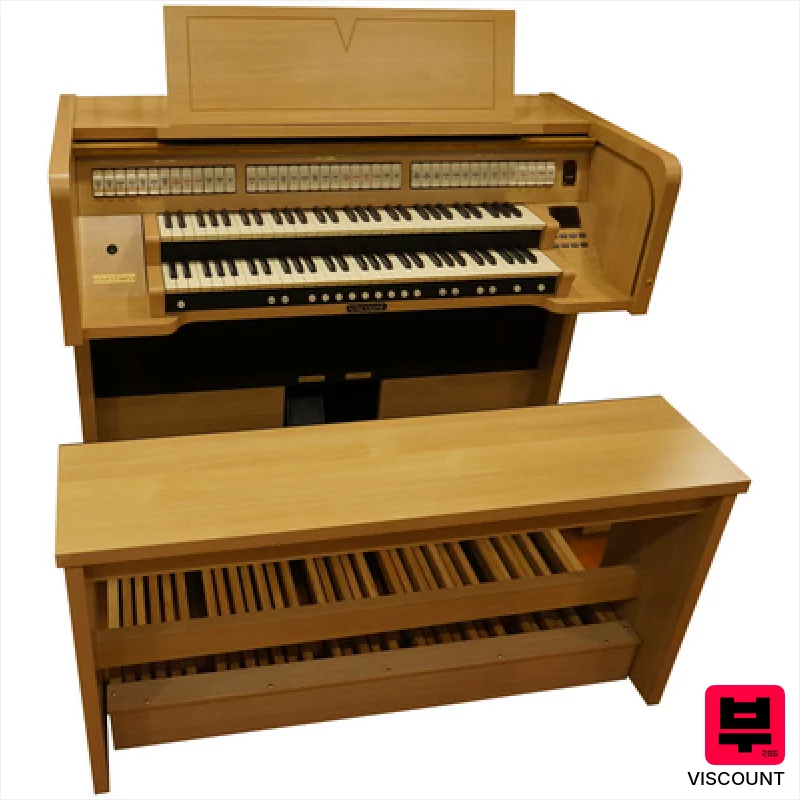
Viscount Unico CLV 4 konkav
- • Concave pedalboard enhances responsiveness for nuanced pedal work
- • Intracker touch provides expressive dynamic control across manuals
- • Solid laminated light oak cabinet offers a professional aesthetic
- • Comprehensive memory banks allow for extensive customization of registrations
- • Limited versatility outside of classical organ repertoire
- • The lighter oak finish might show wear more easily than darker finishes
- • Relatively heavy for transport and relocation, requiring assistance
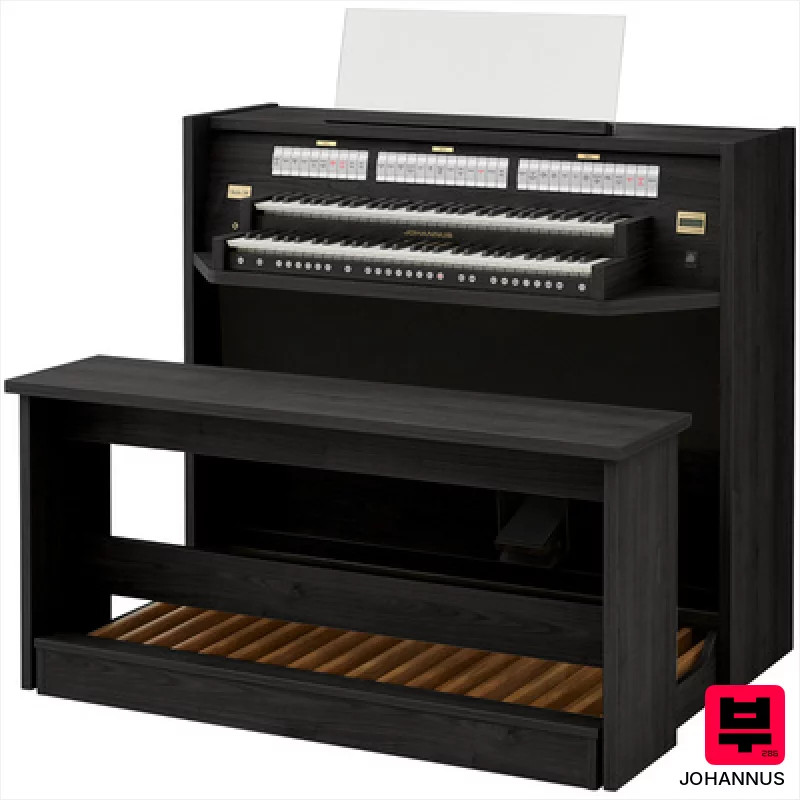
Johannus Studio 260, Charcoal Straight
- • Solid build quality; the charcoal finish is surprisingly durable.
- • Open soundboard design delivers a surprisingly resonant and full tone.
- • The 31 registers offer a decent range for hymn playing and practice.
- • MIDI connectivity expands versatility for composing and digital integration.
- • Plastic swell pedal feels cheap compared to traditional wooden alternatives.
- • 30-note pedalboard limits complex pedal work for advanced organists.
- • The sound, while good, lacks the nuanced complexity of higher-end instruments.

Johannus Studio 260, Nautilus Teak
- • Nautilus Teak console offers a warm, visually appealing, and premium aesthetic.
- • Tracker touch keyboards provide surprisingly authentic organ feel for the price point.
- • The 30-tone pedalboard offers a decent range for Baroque and Classical repertoire.
- • Dedicated low-range amplifier delivers satisfying bass response for organ textures.
- • The 31 stops, while adequate, limit versatility compared to larger, more complex organs.
- • While compact, the 130 kg weight makes moving it a two-person job.
- • The Nautilus Teak finish, while attractive, might not suit all decor styles.
How to Choose the Best Classical Organs (2 Manuals)
Tonal Palette
Classical organs need a wide range of stops - principals for clarity, flutes for warmth, reeds for brilliance, and mixtures for that characteristic 'pipe' sound. The voicing is critical; you want a natural, balanced response, avoiding anything that feels overly bright, muddy, or thin. That fat midrange honk is essential for a convincing Baroque feel.
Key Action & Responsiveness
Forget sluggish, digital feeling keys. Classical playing demands a responsive, tactile action that allows for subtle dynamic changes and precise articulation. Look for something with a decent weight, mimicking the feel of a pipe organ's mechanical key action - this is where a lot of cheaper models fall apart.
Stop Modeling & Flexibility
While a massive library of stops is nice, it's the quality of those stops that matter. A smaller selection of well-voiced stops is far better than a huge number of poorly-modeled ones. The ability to create and save your own combinations is also a huge plus for adapting to different repertoire.
Dynamic Range & Headroom
Classical organ music requires a wide dynamic range - from the quietest chorale to the most thunderous tutti. Adequate headroom is essential to avoid clipping and distortion when you really lay into it, especially when recording. A lack of headroom results in a compressed, lifeless sound.
Speaker System & Output
The built-in speakers (or the ability to connect to a decent external system) are crucial. Cheap organs often have tinny, unconvincing speakers that completely ruin the experience. A full-range system with good bass response is needed to capture the low-end thump that's characteristic of a pipe organ.
Buying Guide
Be wary of anything claiming to be a 'complete' organ package for under $500 - those are almost always compromises. The best classical organs are going to be a significant investment, but the payoff in terms of realism and playability is worth it. Focus on the action and the voicing above all else; a slightly smaller library of excellent stops is far better than a massive library of mediocre ones. Don't underestimate the importance of a good speaker system, either - it's the final link in the chain.
Our Methodology
We've spent countless hours playing these organs, both in controlled studio environments and in the less-than-ideal conditions of real gigs. Our evaluations aren't based on spec sheets - we're listening for that authentic pipe organ timbre, the responsiveness to touch, and the ability to cut through a mix without sounding brittle or artificial. We've A/B'd modeled organs against each other and against recordings of actual pipe organs to find the ones that truly deliver.

