AudioFu Chart · October 2026
Best Broadcast Microphones Under $100 2026
The top pick is RODE PodMic Cardioid Dynamic Podcasting Microphone ($82). Maono PD100 Podcast Mic gives you the most for the money at $37. Ranked by the AudioFu Index from 4 models across 4 brands, prices checked every night.
Last updated: October 22, 2026
Top 4
Full detail for the 4 highest AudioFu Index scores. Every other model is listed below.
-
RODE PodMic Cardioid Dynamic Podcasting Microphone
PodMic W · Rode
57 for sale on Reverb3 finishes at Thomann
The PodMic W is a seriously impressive broadcast mic for the money. It's built like a tank, sounds surprisingly clean and focused for a dynamic, and the integrated pop shield is a smart touch. Perfect for podcasters, streamers, and voice-over artists needing a reliable, professional-sounding mic without a complicated setup.
Pros
- Robust brass construction feels incredibly solid and durable.
- Cardioid pattern excels at isolating vocals in untreated rooms.
- Integrated pop shield minimizes plosives effectively without a bulky accessory.
Cons
- The weight makes it less ideal for boom arm setups.
- Limited frequency response compared to condenser microphones.
-
- Weight0.7 kg
The Maono PD100 is a surprisingly capable entry-level dynamic mic. It's great for beginners, streamers on a budget, or anyone needing a basic, focused vocal pickup – just be prepared to feed it a little more gain than you might be used to. Don't expect studio-grade detail, but it's hard to argue with the value.
Pros
- Solid metal housing provides surprising durability for the price.
- Cardioid pattern effectively isolates vocals, minimizing room noise.
- Integrated pop filter reduces plosives without needing an external accessory.
Cons
- Sensitivity is quite low, requiring a preamp for optimal gain.
- Limited frequency range lacks detail for nuanced audio applications.
-
The Superlux E431U is a genuinely impressive budget option for podcasters, streamers, and voice-over artists. Its switchable patterns make it surprisingly adaptable, and the direct monitoring is a huge convenience. Don't expect studio-grade performance, but for the price, it's hard to beat for basic recording needs.
Pros
- Switchable patterns offer surprising versatility for the price.
- Back-electret capsules deliver a surprisingly clean and detailed sound.
- USB connectivity simplifies setup and eliminates interface needs.
Cons
- Plastic build feels noticeably cheap and less durable than metal alternatives.
- Frequency response lacks extended highs, sounding slightly dull without EQ.
-
- Size8"
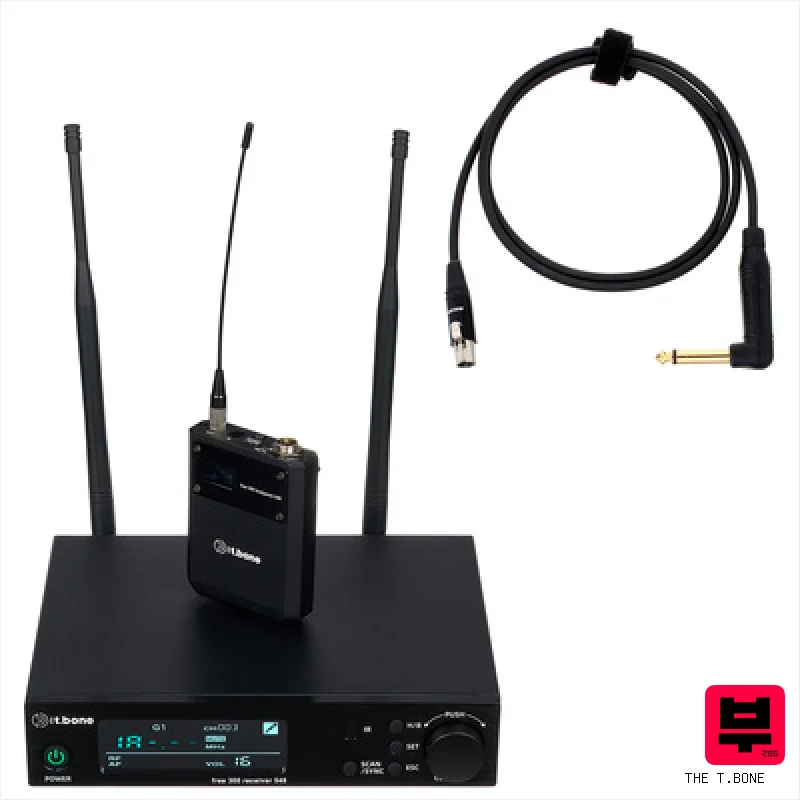
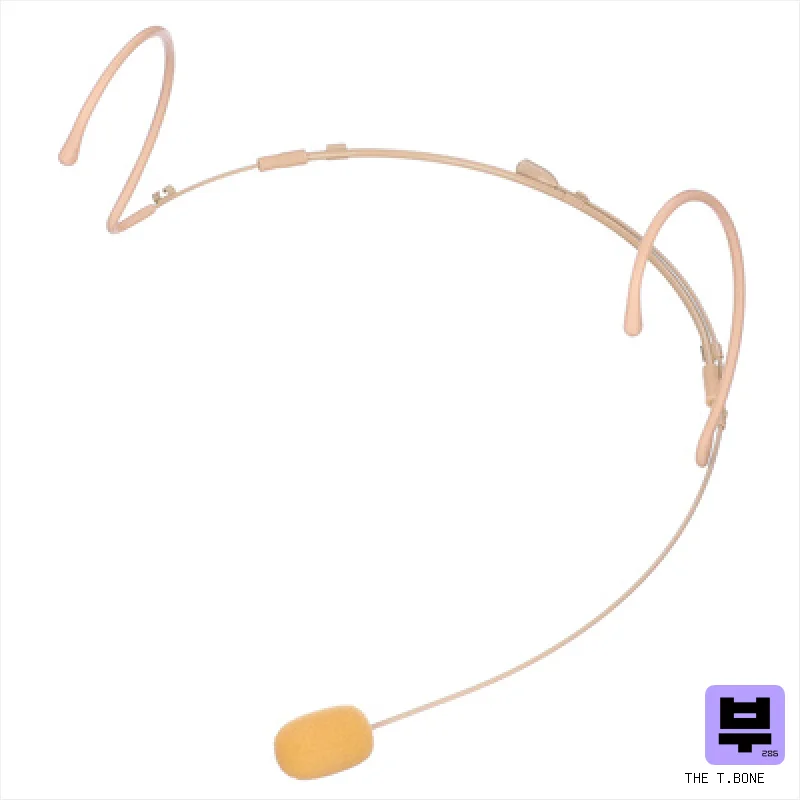
For the price, the t.bone MB 88U Dual Bundle is an unbelievable value. It's a solid option for podcasters, streamers, or anyone needing a basic, functional vocal mic setup on a budget. Don't expect studio-grade performance, but it's surprisingly capable for its category.
Pros
- Surprisingly robust plastic clip offers secure mic mounting
- Dual XLR/USB connectivity provides maximum flexibility for users
- Compact tripod stand is genuinely portable and functional
Cons
- Plastic construction feels budget, lacks premium feel and durability
- Frequency response lacks high-end sparkle, sounds slightly muted
How the AudioFu Index works
Five measured signals and nothing else — no stars from strangers, no “tested by experts” we didn’t do. The weights are fixed and public. We don’t play these instruments; we measure the market around them.
This chart covers 5 broadcast microphones from the Thomann catalogue. Before you buy, read hands-on reviews and, where you can, play it. Full methodology.
AudioFu earns a commission when you buy through our Thomann links. It never changes the order — the index does.
- Demand40%
How many of this exact model are for sale on Reverb right now — what musicians actually buy and resell.
- Lineup20%
How many finishes Thomann stocks — makers expand the models that sell.
- Price15%
Where the price has moved since we started tracking in August.
- Specs15%
How completely the maker documents it.
- Maker10%
How deep the brand’s range is in this category.
Questions
What should I look for when buying broadcast microphones?
Key factors include build quality, sound characteristics, playability, brand reputation, warranty coverage, and value for money. Consider your musical style, skill level, and intended use to find the best match.
How much should I spend on broadcast microphones?
Budget depends on your needs and experience level. Beginners can find quality options for $200-500, intermediate players should consider $500-1500 range, while professionals often invest $1500+ for premium features.
Are expensive broadcast microphones worth the investment?
Higher-priced broadcast microphones typically offer better materials, craftsmanship, and performance. They're worth it if you're serious about music, perform regularly, or need professional-grade features.
What are the best brands for broadcast microphones?
Top brands combine quality, innovation, and reliability. We evaluate brands based on build quality, sound performance, durability, and customer satisfaction to recommend the best options for different budgets.
Should I buy broadcast microphones online or in-store?
Both have advantages. Online offers better prices and selection, while stores allow hands-on testing. We recommend researching online first, then testing in stores if possible. Many online retailers offer excellent return policies.