
Best Bass Preamps Under $300 2026
Alright, so you need a bass preamp but your wallet's looking a little thin? Been there. Getting that extra punch and definition, especially when you're trying to cut through a loud band or dial in some serious grit for recording, doesn't have to bankrupt you. We've scoured the under-$300 range to find preamps that actually deliver usable tone and some real bang for your buck.
Last updated: September 29, 2026
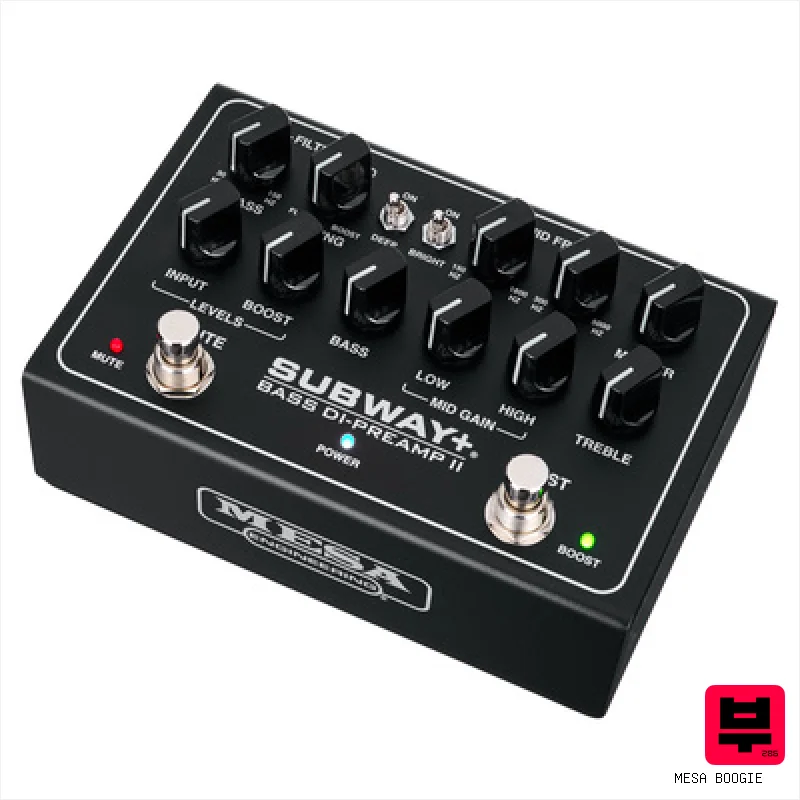
Mesa Boogie Subway + Bass DI-Preamp II
- • Based on famous Subway amplifier preamp circuits
- • Offers multiple voicing options for different tones
- • Includes dedicated ground lift switch for XLR use
- • Compact size fits easily on a pedalboard
- • No battery option mentioned for standalone use
- • No power adapter included in the box
- • Lacks built-in effects like delay or reverb
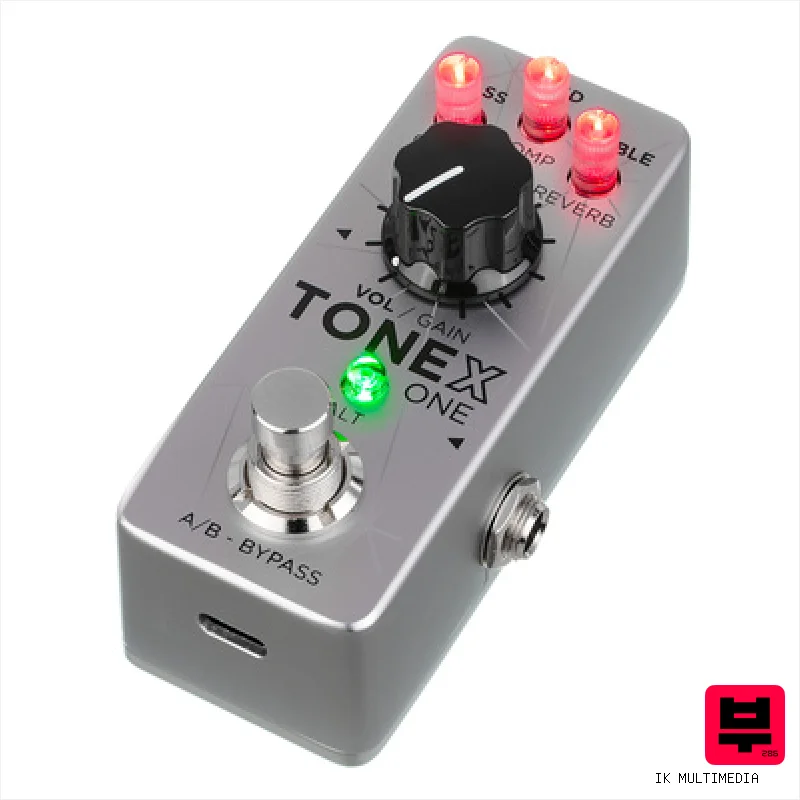
IK Multimedia ToneX One Bass Edition
- • Includes bass signature collection after registration
- • Over 20,000 free tone models available online
- • Direct access to volume and EQ controls
- • AI machine modelling technology for realistic tones
- • Physical weight not listed in description
- • No specific power source type mentioned
- • Premium collections require extra payment
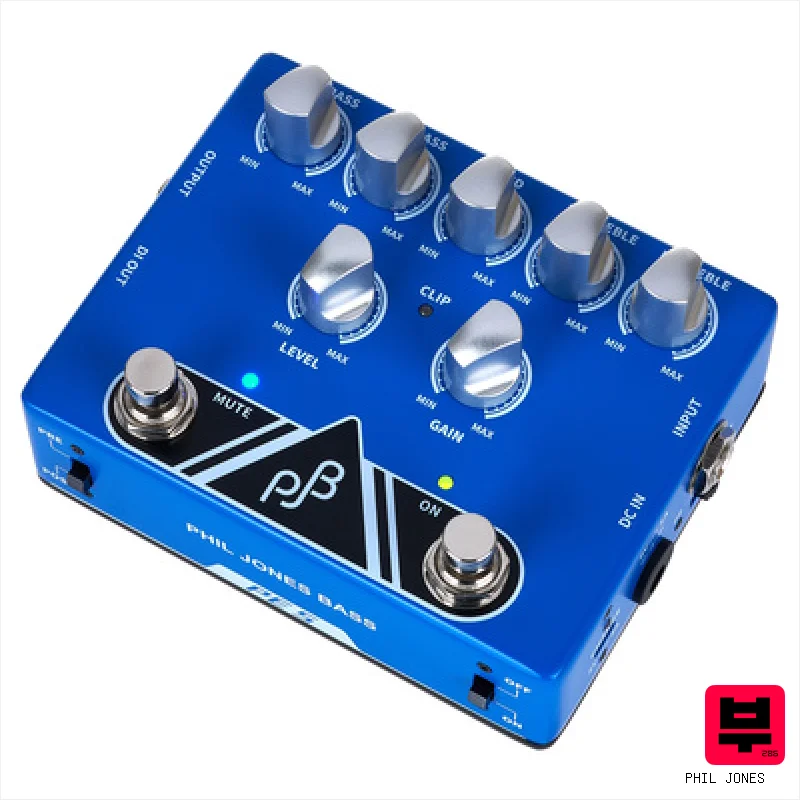
Phil Jones PE-5 Pedal Preamp
- • Transparent sound design matches pickup output precisely
- • 5-band EQ adjusts frequencies at specific bass and treble points
- • Switchable input impedance handles both magnetic and piezo pickups
- • Long battery life offers up to 8 hours of play
- • No external power adapter option mentioned in description
- • Single channel design lacks stereo or multi-channel routing
- • No specific gain stage voltage or headroom data provided
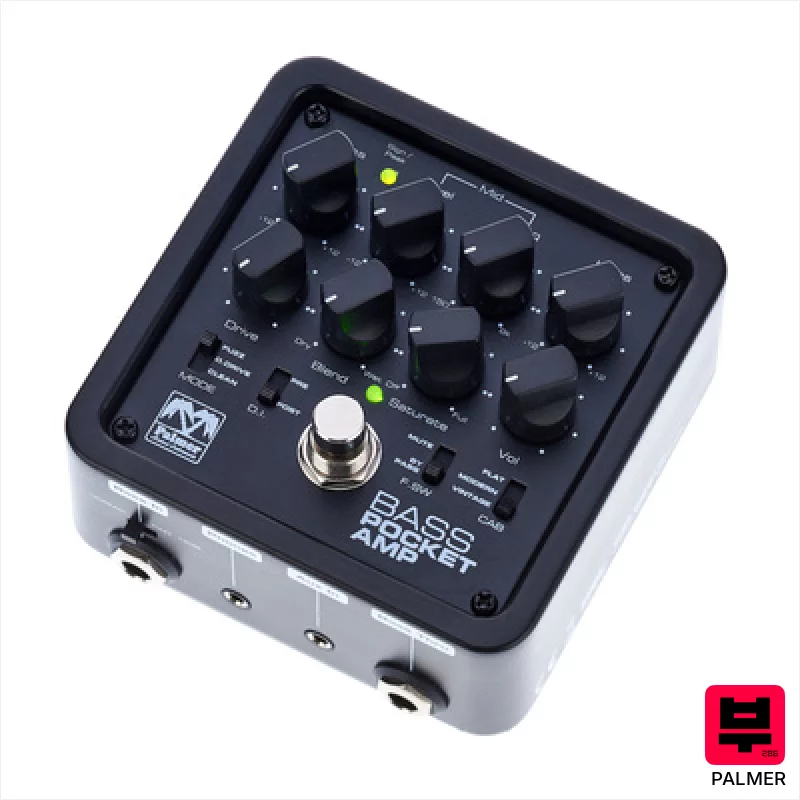
Palmer Pocket Amp Bass
- • Robust aluminum diecast housing provides excellent durability for gigging.
- • Semi-parametric mids offer precise tonal shaping, avoiding harshness.
- • Speaker emulation convincingly simulates a cabinet for DI recording.
- • Versatile three-mode preamp delivers clean, overdrive, and fuzz tones.
- • Battery power option adds weight and necessitates frequent replacements.
- • Effects loop is basic, best suited for simple delays or reverbs.
- • Limited headroom in fuzz mode; can get muddy at higher volumes.
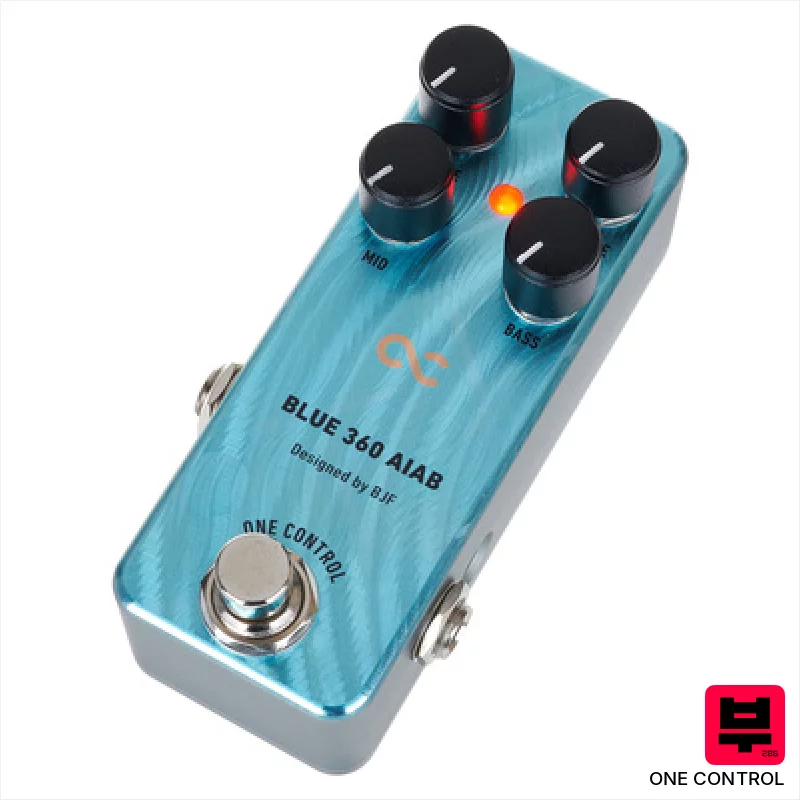
One Control 360 AIAB - Bass Preamp
- • Brushed aluminum housing feels robust and adds a premium touch.
- • 3-band EQ offers surprising tonal flexibility for its size.
- • The -18dB 'side' mode is a useful tool for cleaner, more controlled sounds.
- • Compact size makes it incredibly pedalboard-friendly for gigging bassists.
- • Power supply options (battery or adapter) add to the cost; neither is included.
- • EQ range, while flexible, lacks a semi-parametric mid control for precise shaping.
- • The 32Hz bass boost can quickly become muddy with less-than-ideal amp settings.
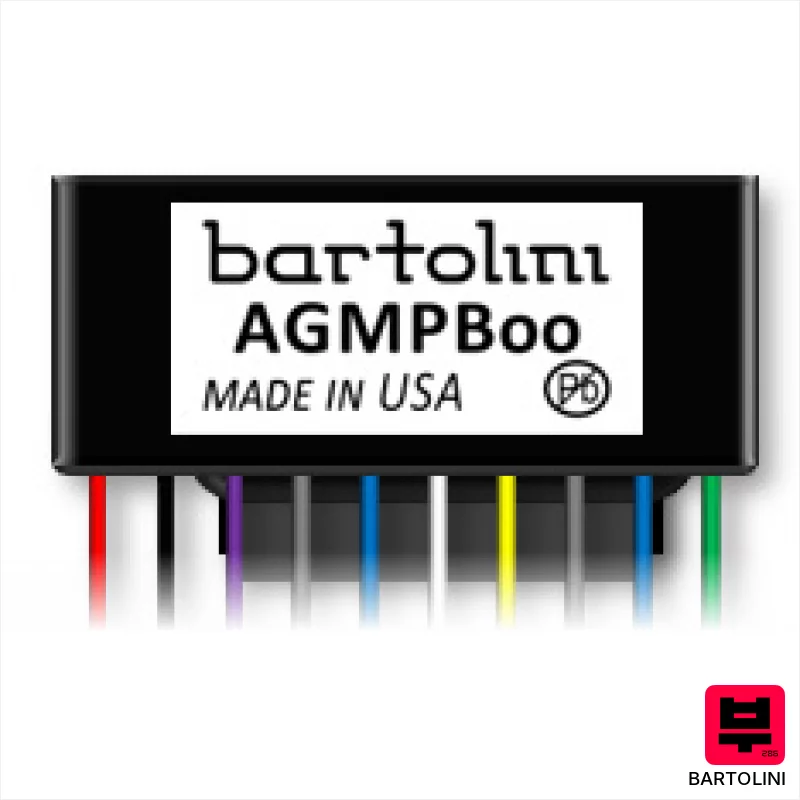
Bartolini Dual Piezo Buffer AGMPBoo Kit
- • Exceptional clarity with piezo pickups, minimizing muddiness and harshness.
- • High input impedance preserves delicate piezo signals without loading.
- • Adjustable gain offers substantial headroom and tonal shaping capabilities.
- • Compact size allows for easy installation in various bass guitar configurations.
- • Requires external power source (battery) which adds to running costs.
- • Limited EQ capabilities; primarily a buffer and gain stage.
- • Piezo channel input can be sensitive to noise in poorly shielded environments.
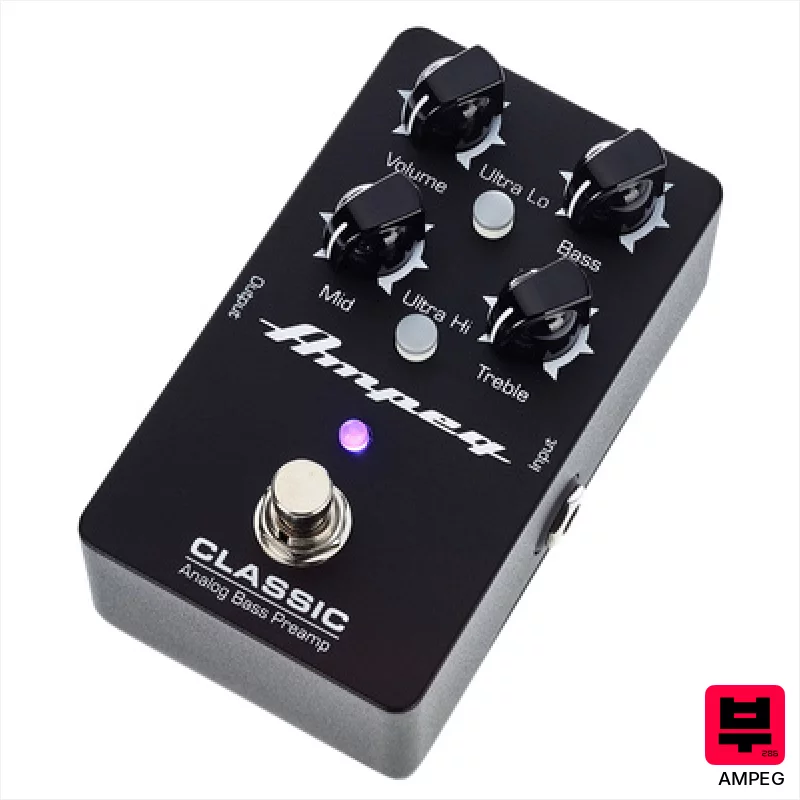
Ampeg Classic Analog Bass Preamp
- • Metal housing provides robust protection for gigging musicians
- • 3-band EQ offers surprisingly detailed tone shaping capabilities
- • True bypass preserves your signal when the effect is disengaged
- • Delivers classic Ampeg warmth and grit at an accessible price point
- • Power supply not included, adding to the overall cost of ownership
- • Compact size might be limiting for complex pedalboard layouts
- • EQ range is somewhat limited compared to more expensive preamps
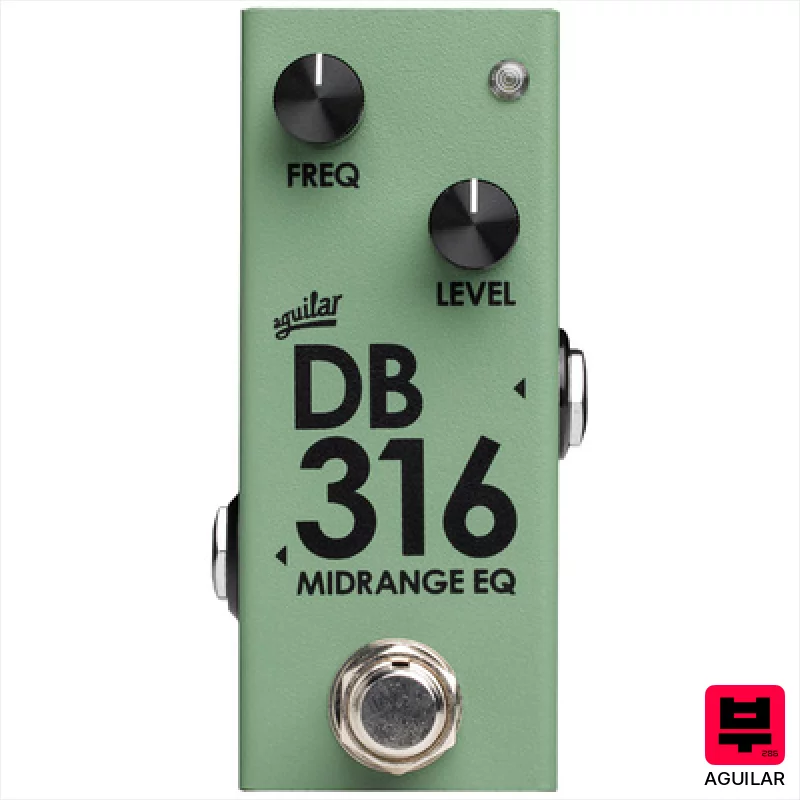
Aguilar DB 316 Midrange EQ
- • Aguilar's Tone Hammer preamp voicing delivers a focused, musical mid-range boost.
- • Steel housing provides robust durability for gigging and travel.
- • Wide frequency range (180-1000Hz) offers precise mid-sculpting capabilities.
- • Includes power supply – a welcome convenience for pedalboard setup.
- • Limited to midrange shaping; lacks broader EQ flexibility for full tonal control.
- • 9V DC power requirement can be a constraint for some pedalboard power solutions.
- • Small footprint means careful pedalboard planning to avoid crowding.
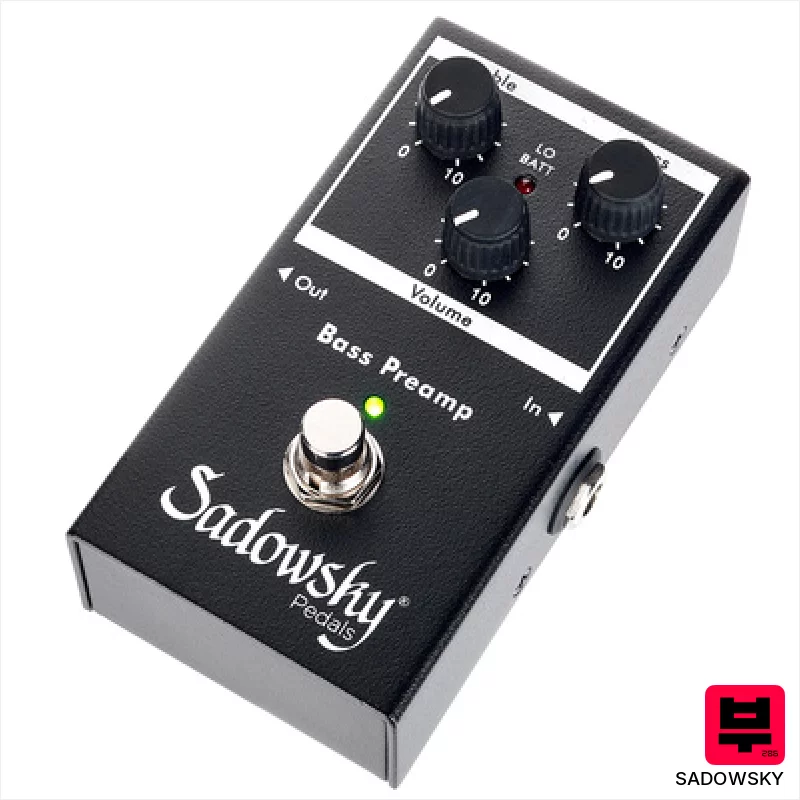
Sadowsky SBP-2 Bass Preamp V2
- • Utilizes Sadowsky’s renowned electronics, delivering a refined, balanced tone.
- • Simple EQ design focuses on essential bass and treble boosts, very effective.
- • True bypass ensures signal integrity when the pedal isn’t engaged.
- • Robust metal housing feels solid and durable for gigging reliability.
- • Limited EQ functionality; lacks a full parametric EQ for nuanced shaping.
- • Requires a separate power supply or 9V battery – no included power adapter.
- • The fixed frequencies (40Hz & 4kHz) might not suit all tonal preferences.
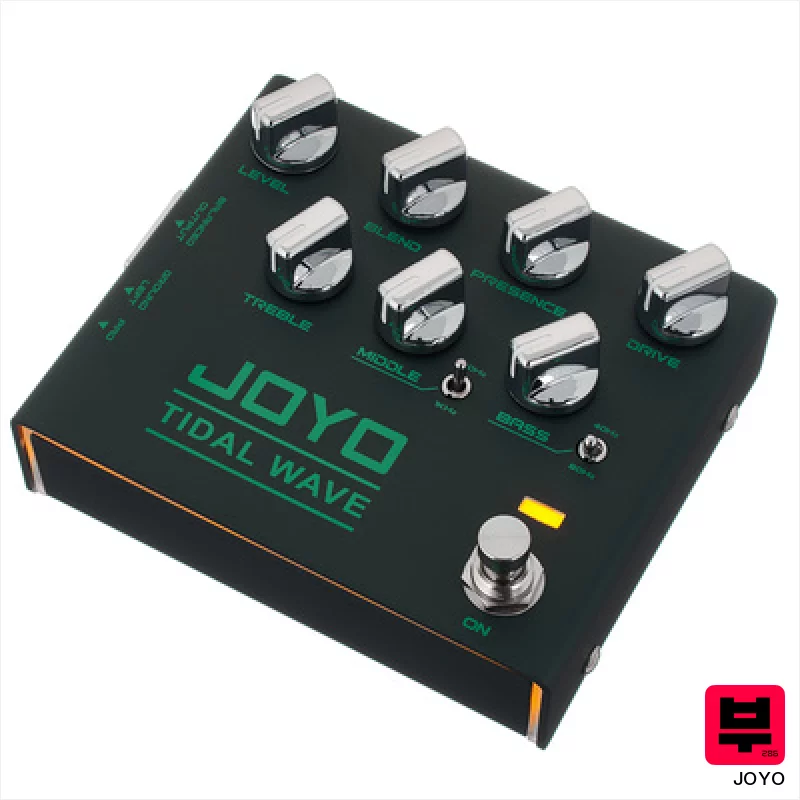
Joyo R-30 Tidal Wave Bass Preamp
- • Surprisingly robust enclosure for the price point.
- • The blend control offers genuine clean/dirty mixing.
- • Balanced XLR output is a welcome addition for recording.
- • 90s-inspired tones are genuinely usable and characterful.
- • Plastic enclosure feels a bit cheap despite decent build.
- • Limited tonal flexibility outside of its intended 90s vibe.
- • Headphone output lacks power; best for monitoring only.
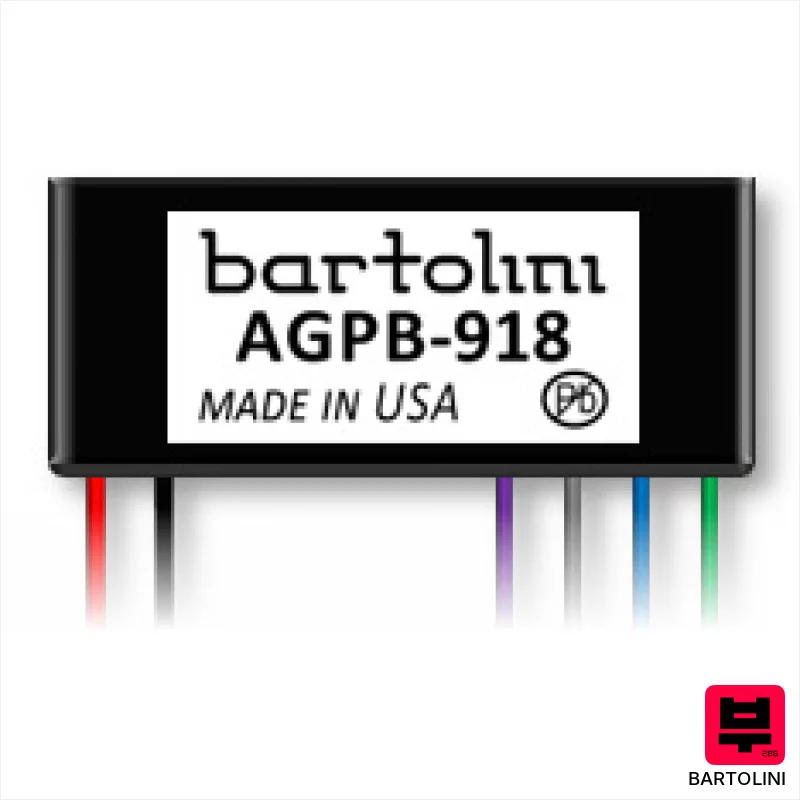
Bartolini Gain Piezo Buffer (AGBP/918)
- • Exceptional clarity for piezo pickups, minimizing brittle high-end frequencies.
- • High input impedance preserves delicate transducer signals faithfully.
- • Compact size allows for easy integration into pedalboards or bass rigs.
- • 18V operation provides noticeable headroom, avoiding unwanted compression.
- • Battery operation can be inconvenient compared to wall-powered options.
- • Limited gain range might not suit players needing significant signal boosting.
- • Lacks EQ controls, requiring external shaping for tonal customization.

Behringer V-Tone Bass BDI21
- • Surprisingly decent amp modeling for the price point.
- • Gold-plated XLR provides clean, noise-free DI signal.
- • Ground lift switch effectively eliminates hum issues.
- • Compact size makes it ideal for pedalboard travel.
- • Plastic enclosure feels flimsy and not very roadworthy.
- • Modeling sounds are a caricature, not true vintage emulation.
- • Limited EQ control restricts tonal shaping flexibility.
Bass Preamps by the numbers
Measured across all 12 models in this category, so «wide», «short» or «expensive» mean something you can check.
How to Choose the Best Bass Preamps
Clean Gain Staging
How well does it handle a dynamic range? Does it clip easily, or can you really push it without introducing unwanted noise? A good preamp provides headroom without sounding sterile.
EQ Flexibility
Don't expect surgical precision at this price point, but a usable EQ section-even just a simple bass/mid/treble-is essential for shaping your tone and carving out space in the mix.
Noise Floor
Let's be real, budget gear often introduces hiss. We're looking for the quietest possible operation-a low noise floor is critical, especially for recording.
Build Quality
Plastic enclosures and flimsy pots are a sign of corners being cut. We're assessing how durable these units feel, because a gig-ready preamp needs to survive the road.
Sonic Character
Does it impart a distinct flavor to your bass? Some preamps offer a subtle warmth, while others lean toward a more aggressive, saturated tone. Finding a preamp that complements your bass and playing style is key.
Buying Guide
At this price point, you're making trade-offs. Don't expect fully parametric EQ or a ton of features. The biggest compromise will likely be build quality - you might encounter some plastic parts and less-refined controls. Focus on finding a preamp with a clean gain stage and a usable EQ, and be prepared to work with its limitations. If you're primarily recording, a low noise floor is paramount; if you're gigging, durability takes precedence.
How This List Is Built
We don't play these instruments — we're a catalog, not a review desk, and we'd rather say so than pretend otherwise. This page covers 12 bass preamps from the Thomann catalogue, which is the largest single source of specification data in this category: 12 in detail, the rest listed with their specifications.
Position is computed, not curated. We parse the manufacturer's own description into actual values — nut width, scale, fret count, fingerboard radius, size, alloy — and rank on them: how many specifications a model has published, how many of them are measurable numbers, and how precisely it meets this page's criterion. A product image adds a little. Price is not a ranking signal: it tells you nothing about whether a neck fits your hand. The same inputs always produce the same order, so nothing here is shuffled to look fresh.
What this list is good for: narrowing a category down to a shortlist by spec and budget. What it isn't: a substitute for hearing an instrument. Before you buy, read hands-on reviews and, where you can, play it. Full methodology.

