
Best Bass Preamps for Recording 2026
So, you're finally tracking bass? Awesome. Forget amp sims for a minute - a good preamp can elevate your bass tone from 'meh' to 'seriously dialed in.' It's about more than just gain; it's about shaping the character, adding warmth, or tightening up the low-end to really cut through the mix. Let's look at some preamps that'll get you closer to that studio-quality sound.
Last updated: September 30, 2026
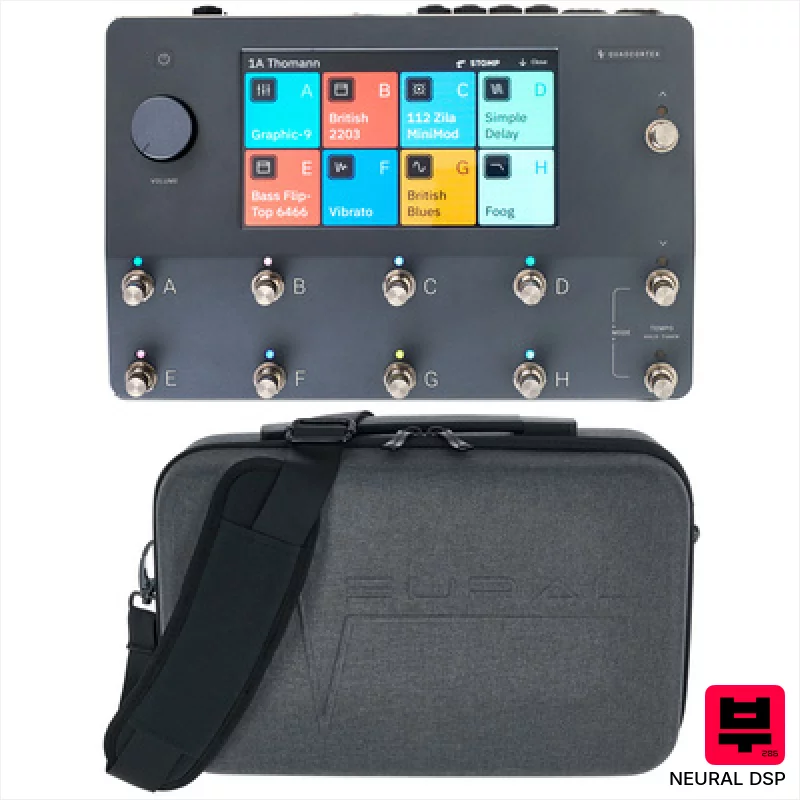
Neural DSP Quad Cortex Bundle
- • Neural Capture technology delivers incredibly realistic amp and cab simulations.
- • The SHARC Quad-Core DSP provides virtually zero latency for responsive playing.
- • Multi-touch display offers intuitive navigation and visual feedback for complex rigs.
- • Pre-loaded custom rigs from top producers offer immediate, professional-sounding tones.
- • The high-end price point makes it inaccessible for many gigging musicians.
- • The extensive routing options can be overwhelming for beginners to navigate.
- • The compact size, while convenient, might feel cramped for users accustomed to larger floor units.
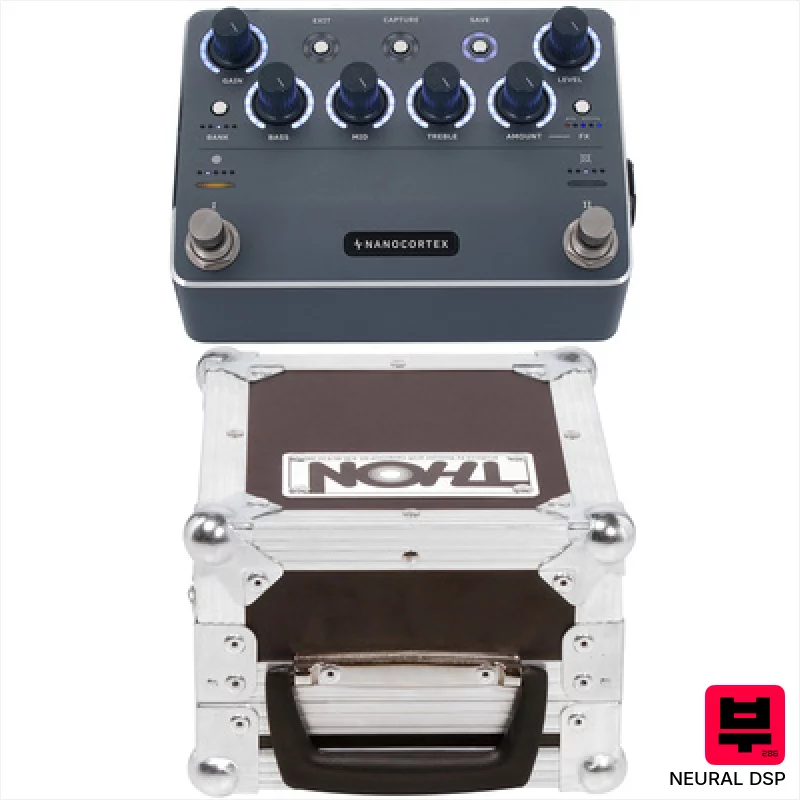
Neural DSP Nano Cortex Bundle
- • Exceptional Quad Cortex sound quality in a compact, affordable format
- • Massive library of Neural Captures expands tonal possibilities immensely
- • Flexible seven-block system allows for complex signal chains
- • Intuitive interface and free updates keep the unit evolving.
- • Fixed signal path limits experimentation with unconventional routing
- • Reliance on Neural DSP’s ecosystem for full potential can be restrictive
- • Processing power, while impressive, can introduce latency at higher buffer settings.
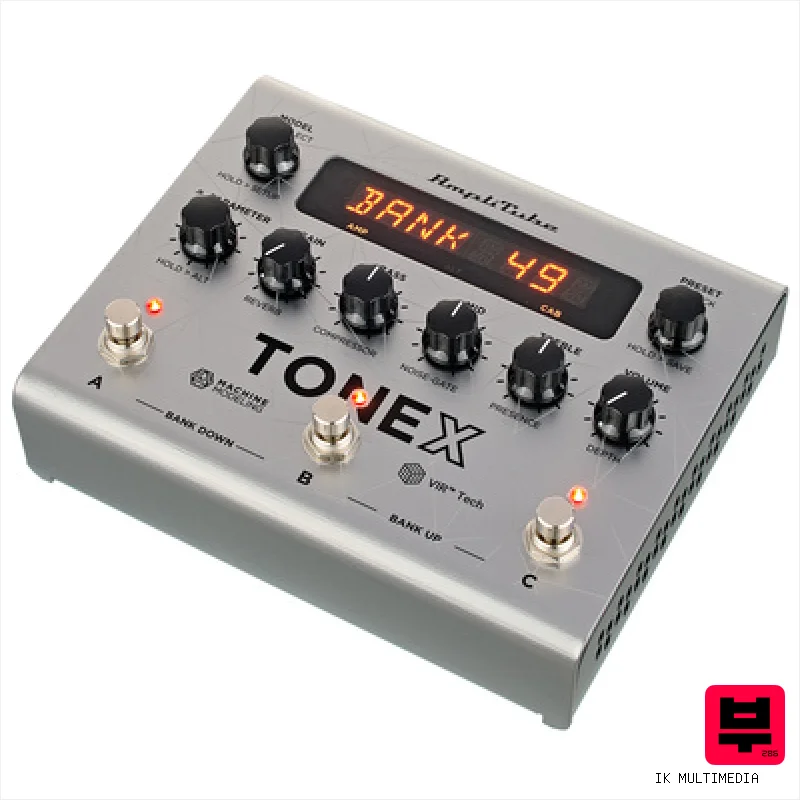
IK Multimedia ToneX Pedal Bass Edition
- • Includes 150 bass-specific presets ready to use immediately.
- • Features AI machine modelling for realistic amp and distortion sounds.
- • Adds useful effects like compressor, noise gate, and equalizer.
- • Supports expression pedal for dynamic control during playing.
- • No built-in speaker cabinet or power amp to hear true tone.
- • Requires a computer to access Bass Signature Collection library.
- • Sound quality depends entirely on your computer's audio hardware.
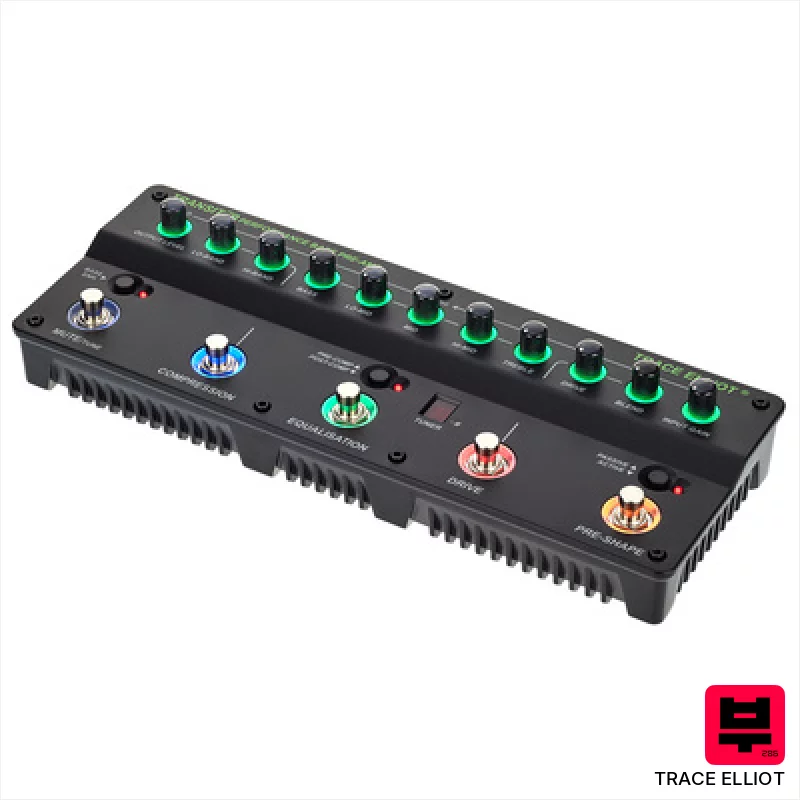
Trace Elliot Multipedal TRANSIT-B
- • Classic Trace Elliot tone delivered in a compact, versatile package
- • Dual-band compression smooths dynamics without sacrificing punch
- • The Pre-shape switch provides a surprisingly usable vintage warmth
- • Excellent DI output for stage and recording applications.
- • Limited headroom compared to larger Trace Elliot amp heads
- • EQ can be a little muddy if not carefully dialed in
- • AUX input lacks a dedicated level control, can be overpowering.
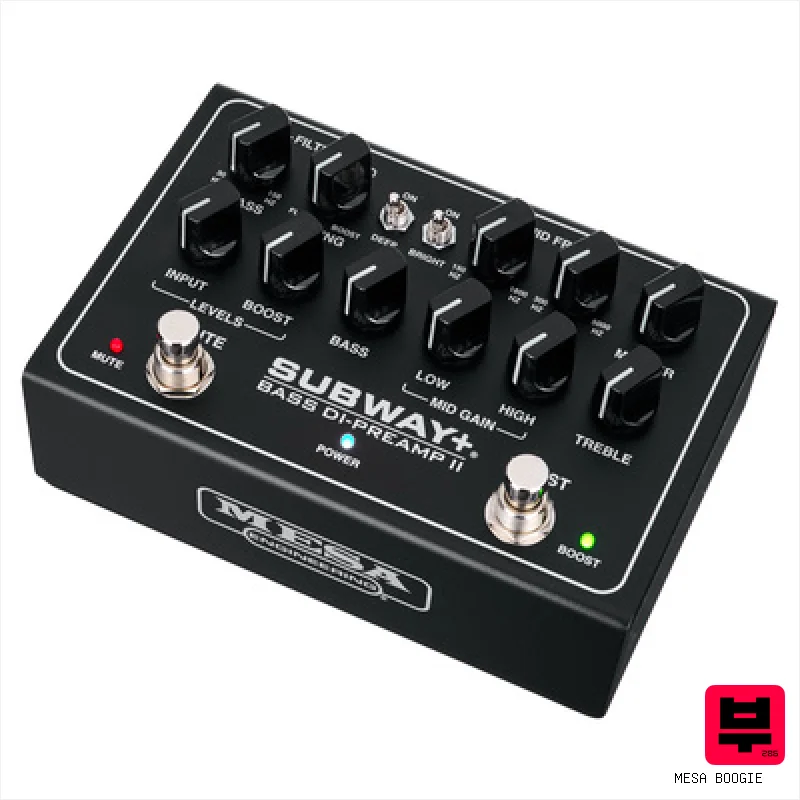
Mesa Boogie Subway + Bass DI-Preamp II
- • Based on famous Subway amplifier preamp circuits
- • Offers multiple voicing options for different tones
- • Includes dedicated ground lift switch for XLR use
- • Compact size fits easily on a pedalboard
- • No battery option mentioned for standalone use
- • No power adapter included in the box
- • Lacks built-in effects like delay or reverb
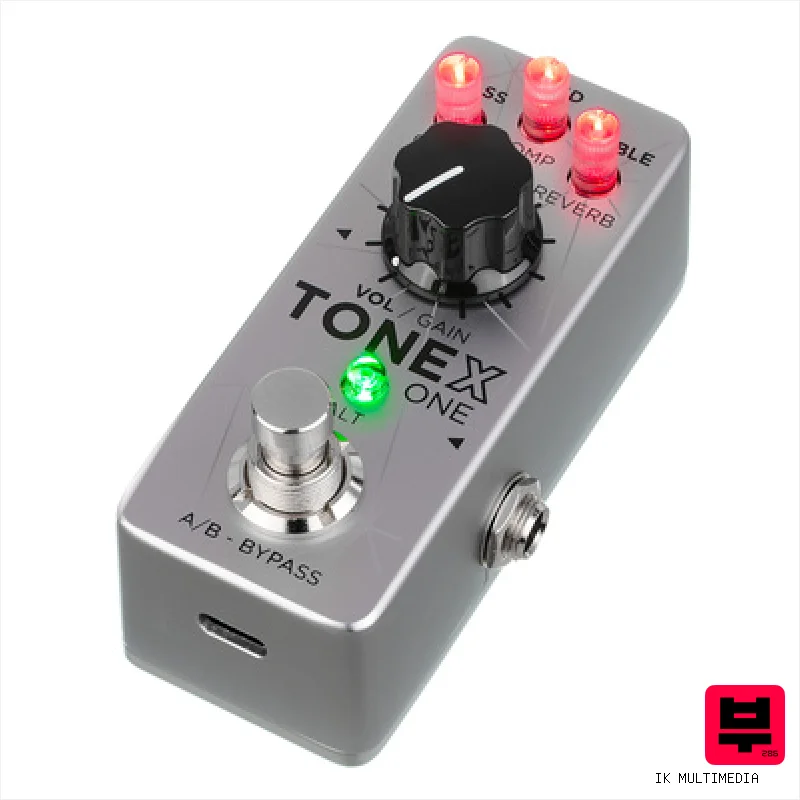
IK Multimedia ToneX One Bass Edition
- • Includes bass signature collection after registration
- • Over 20,000 free tone models available online
- • Direct access to volume and EQ controls
- • AI machine modelling technology for realistic tones
- • Physical weight not listed in description
- • No specific power source type mentioned
- • Premium collections require extra payment
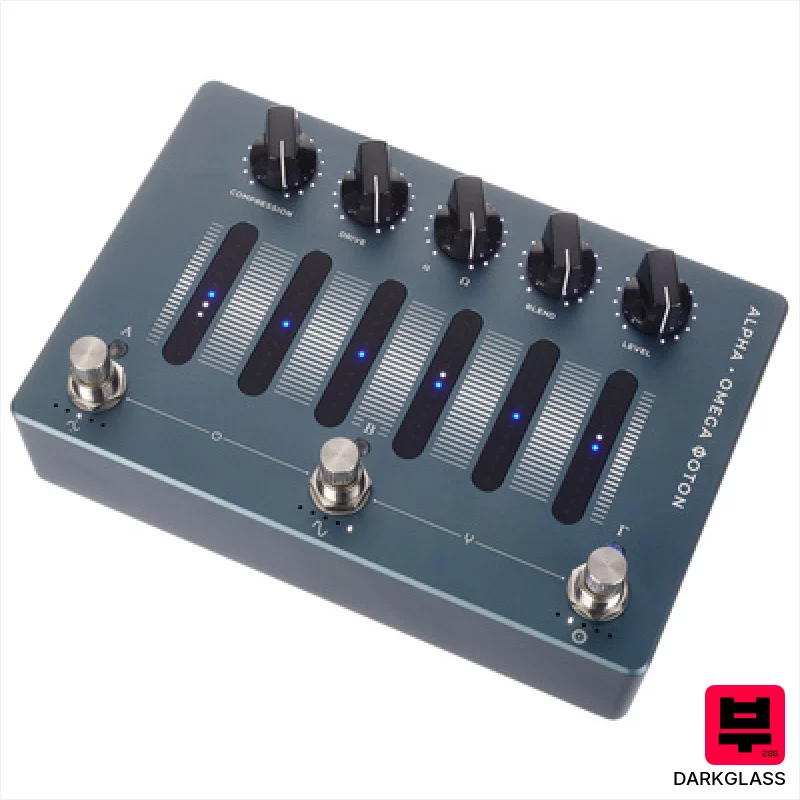
Darkglass Alpha·Omega Photon
- • Highly flexible signal chain allows for complex tone sculpting and layering.
- • Bluetooth integration and mobile app control expand functionality and customization.
- • Darkglass’ signature Alpha-Omega distortion delivers a uniquely aggressive, modern tone.
- • XLR DI output provides a clean, professional signal for recording and live use.
- • The extensive feature set can feel overwhelming for less experienced users.
- • Relatively compact size might limit pedalboard space for some bassists.
- • Aux input quality is limited by the 3.5mm jack – not ideal for critical listening.
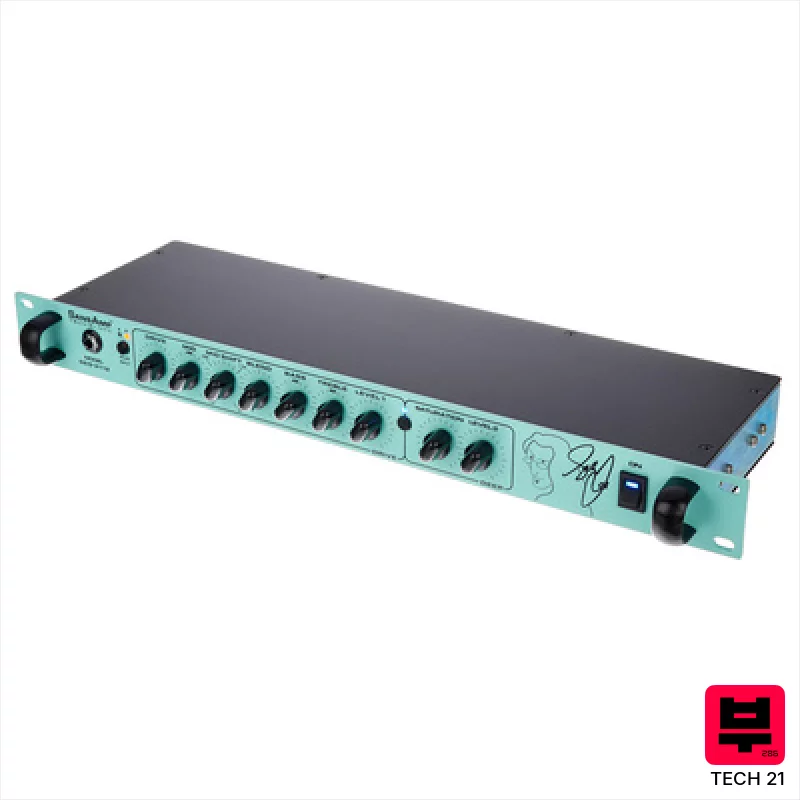
Tech 21 SansAmp GED-2112
- • Two distinct preamp circuits offer incredible tonal flexibility.
- • Geddy Lee's voicing provides a signature, powerful, and articulate low-end.
- • Balanced/unbalanced outputs allow for versatile routing and recording options.
- • Rugged metal enclosure and solid build quality ensure lasting durability.
- • EQ range, while effective, might be limiting for extreme tonal sculpting.
- • Can be a bit complex to dial in quickly for beginners.
- • Size and weight make it less ideal for ultra-portable setups.
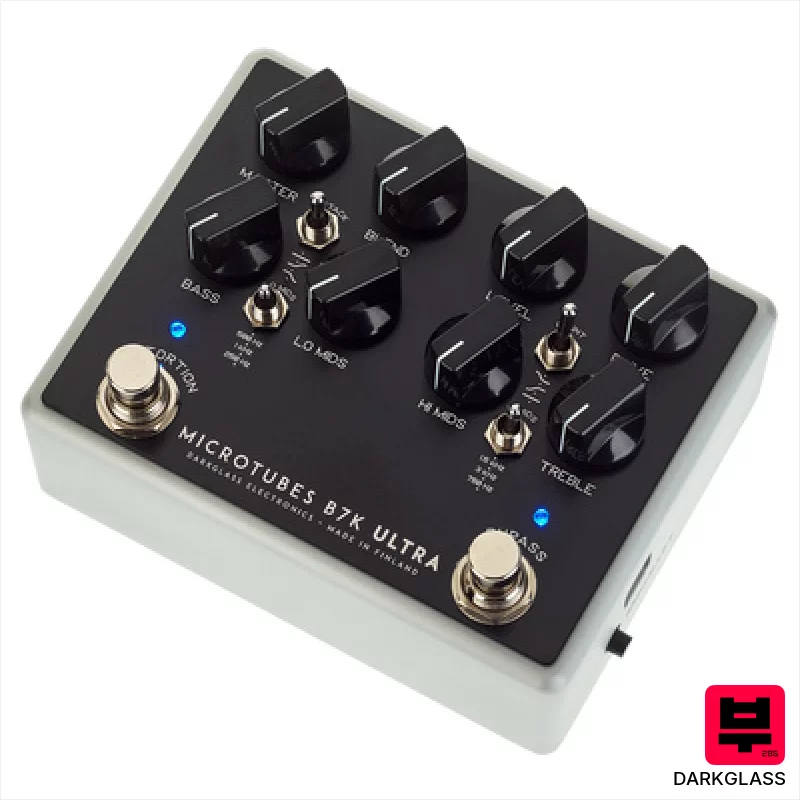
Darkglass Microtubes B7K Ultra v2 Aux
- • Exceptional Darkglass 'B7K' overdrive character, instantly recognizable
- • Versatile EQ section allows for precise tonal shaping and customization
- • Aux input expands creative possibilities with external audio sources
- • Speaker simulation options provide studio-ready direct recording convenience
- • Can be overly aggressive for players seeking subtle overdrive tones
- • Size, while compact, might be a constraint in smaller pedalboards
- • The Impulse Response loading process can be a bit cumbersome initially
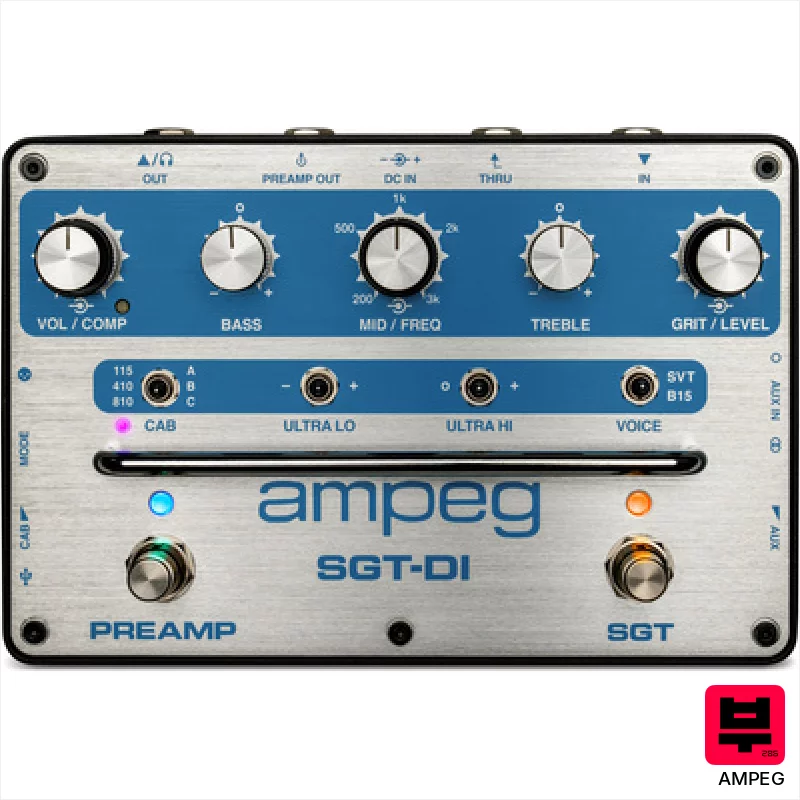
Ampeg SGT-DI Blue Line Anniv. Ed.
- • Excellent Ampeg tone, authentically replicating SVT and B15 sounds.
- • Flexible EQ with selectable mids offers precise tonal shaping.
- • Impressive onboard IR loader expands sonic possibilities significantly.
- • Compact design and lightweight for portability; surprisingly robust build.
- • IR loading process via the app could be more streamlined and intuitive.
- • Aux input is limited; not ideal for complex backing tracks or effects loops.
- • The 3-band EQ, while versatile, may feel restrictive for some advanced users.
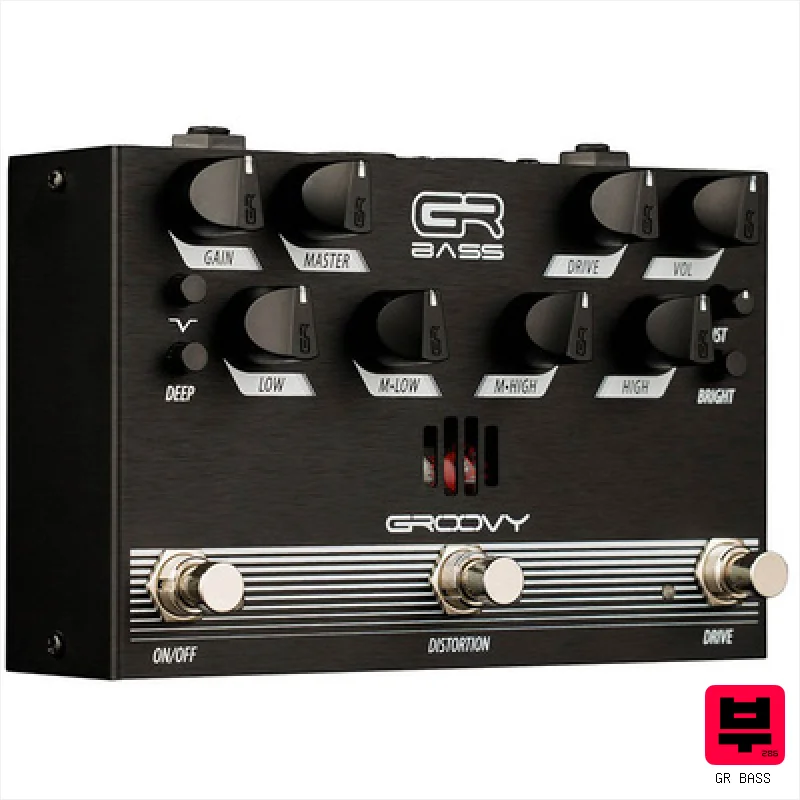
GR Bass Groovy Real Tube Preamp
- • Four distinct EQ bands shape tone precisely
- • Two separate footswitches control drive and distortion
- • Dual balanced XLR outputs offer clean or full signal
- • Rugged metal housing built for touring use
- • Power supply not included in the box
- • No gain staging or master volume control
- • Compact size limits pedalboard space
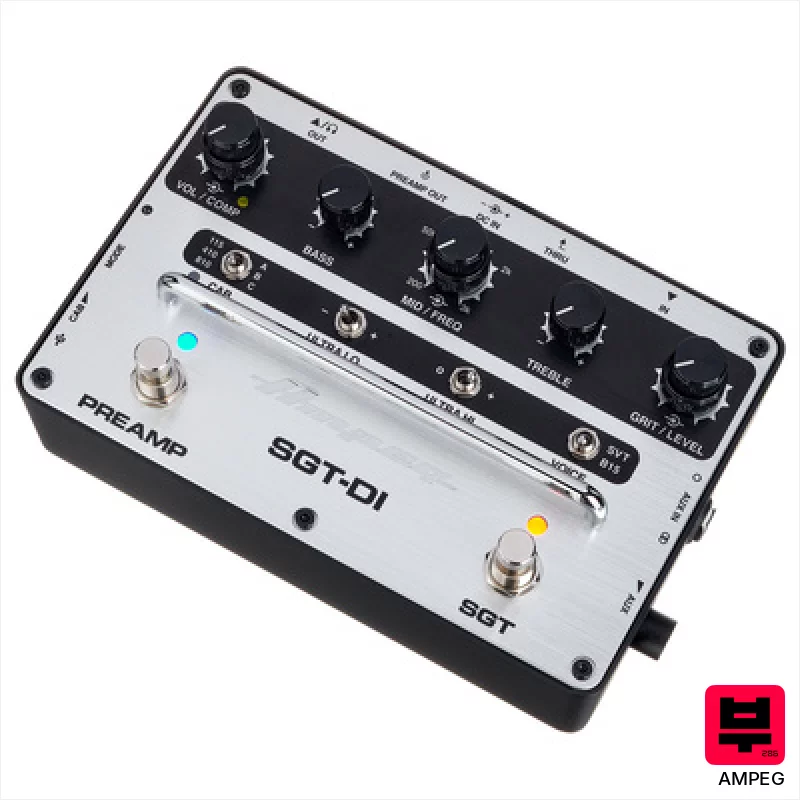
Ampeg SGT-DI
- • Ampeg's SGTC circuit delivers authentic SVT and B15 tones.
- • The onboard IR loader significantly expands tonal possibilities for direct recording.
- • Variable compressor offers subtle to aggressive dynamic shaping without external pedals.
- • Solid build quality; metal enclosure feels robust and gig-ready.
- • Limited EQ control compared to full-fledged preamps; lacks a sweepable mid.
- • IR loading can introduce latency, potentially problematic for live performance.
- • Aux input is somewhat basic, lacking advanced routing options.
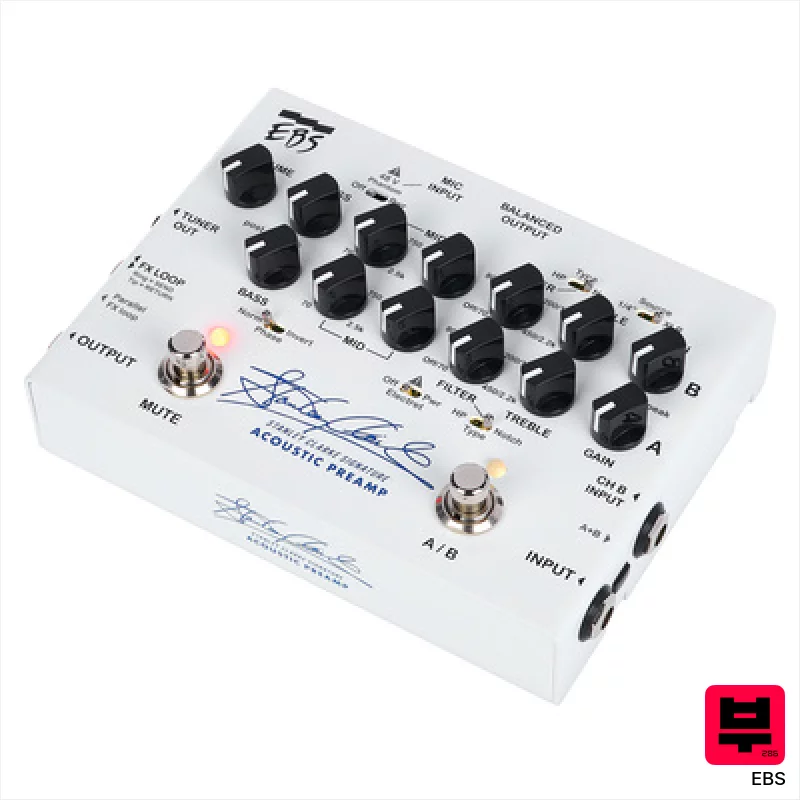
EBS Stanley Clarke Pre Amp
- • Stanley Clarke’s signature warmth adds unique character to acoustic sources
- • Flexible EQ section with adjustable mid-band offers precise tonal shaping
- • Parallel FX loop preserves signal integrity for pristine effects processing
- • Compact size and robust build quality ideal for studio and stage use
- • Limited input options might require external preamps for complex setups
- • White finish can show fingerprints and smudges easily
- • Premium-priced compared to basic preamp solutions
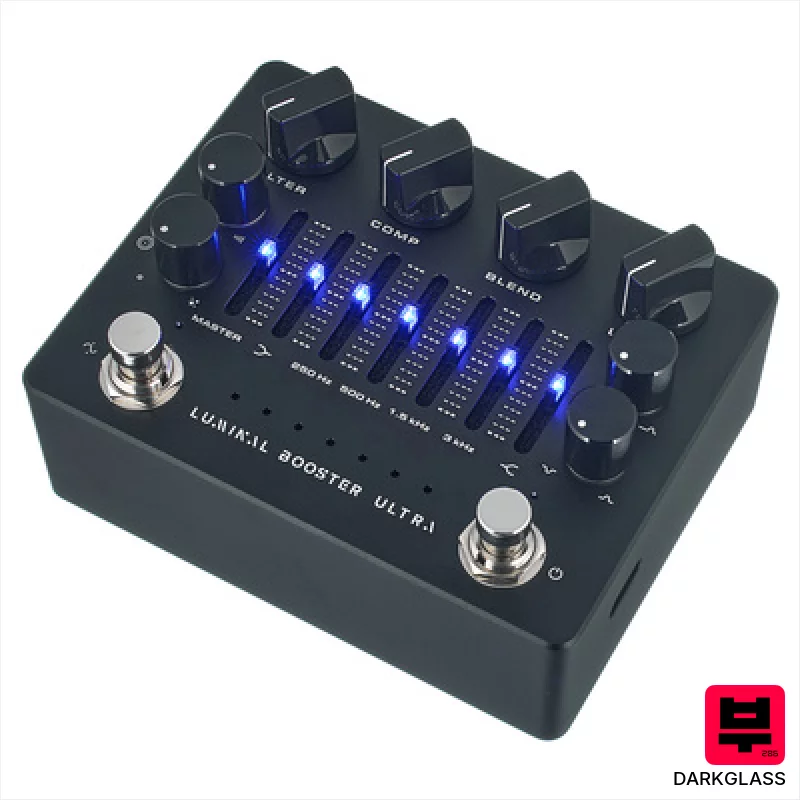
Darkglass Luminal Booster Ultra
- • Exceptional Harmonic Booster character delivers thick, defined low-end.
- • Parallel compression provides dynamic control without sacrificing punch.
- • Versatile 6-band EQ allows precise tonal shaping and sculpting.
- • USB integration for impulse responses expands sonic possibilities significantly.
- • Price point positions it as a premium investment for serious bassists.
- • 400mA current draw may require a robust power supply.
- • Aux input and headphone output are a bit niche for most gigging scenarios.
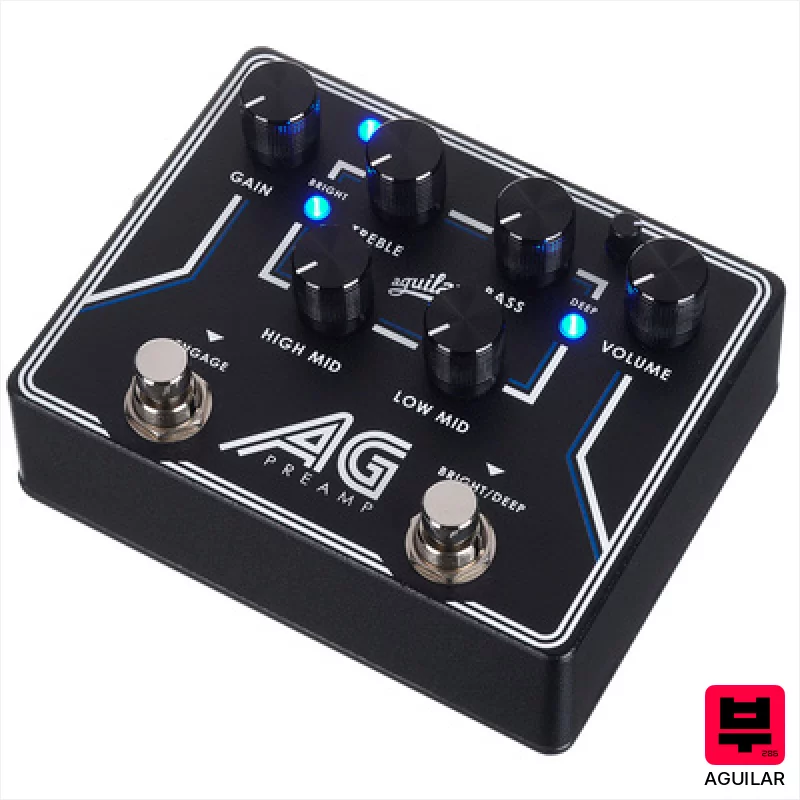
Aguilar AG Preamp
- • Aguilar's signature preamp voicing delivers a tight, articulate, and punchy low-end.
- • Robust metal enclosure provides excellent durability for gigging and studio use.
- • Flexible EQ section with Bright/Deep switch allows for broad tonal shaping.
- • High-quality DI output with pre/post ground lift is excellent for recording and live sound.
- • Requires a separate power supply, adding to the overall cost and complexity.
- • Limited effects options; focuses purely on preamp and EQ functionality.
- • Aux input level can be a bit low, requiring careful gain staging.
Every bass preamps that matches
30 models match this page. The 15 above are covered in detail; the rest are listed here with their published specifications.
| # | Model | Specifications | Price |
|---|---|---|---|
| 16 | EBS Micro Bass 3 | not published | $396 |
| 17 | Genzler Magellan Preamp DI Pedal | not published | $396 |
| 18 | Bartolini NTMB+F 3-Band Bass Preamp | not published | $336 |
| 19 | Warwick by Bartolini Electronic Robert Trujillo | not published | $335 |
| 20 | Bartolini NTMB+F 3-Band Bass Preamp 4 | not published | $325 |
| 21 | Phil Jones PE-5 Pedal Preamp | not published | $169 |
| 22 | Palmer Pocket Amp Bass | not published | $158 |
| 23 | One Control 360 AIAB - Bass Preamp | not published | $142 |
| 24 | Bartolini Dual Piezo Buffer AGMPBoo Kit | not published | $139 |
| 25 | Ampeg Classic Analog Bass Preamp | not published | $126 |
| 26 | Aguilar DB 316 Midrange EQ | not published | $124 |
| 27 | Sadowsky SBP-2 Bass Preamp V2 | not published | $103 |
| 28 | Joyo R-30 Tidal Wave Bass Preamp | not published | $93 |
| 29 | Bartolini Gain Piezo Buffer (AGBP/918) | not published | $75 |
| 30 | Behringer V-Tone Bass BDI21 | not published | $28 |
Bass Preamps by the numbers
Measured across all 30 models in this category, so «wide», «short» or «expensive» mean something you can check.
How to Choose the Best Bass Preamps
Tonal Character
This isn't just about 'warmth' or 'brightness.' It's about the type of warmth - is it a thick, vintage tube vibe, or a clean, modern solid-state response? A preamp's tonal signature is the first thing to consider, especially when layering with other instruments.
Headroom & Clean Breakup
How much can you push the preamp before it starts to distort unpleasantly? A little bit of controlled harmonic distortion can add character, but too much just sounds muddy. We're looking for that sweet spot where it can handle a driving groove without collapsing.
EQ Capabilities
A few simple controls - bass, mid, treble - are essential. Some preamps offer more complex EQ options (parametric, semi-parametric) which are great for surgical tone shaping, but can be overwhelming if you're just starting out. Versatility is key.
Noise Floor
Let's be honest, noise is a killer. A preamp with a high noise floor will force you to crank the gain, which exacerbates the problem. Clean signal chains are the goal. A quiet preamp means more flexibility in post-processing.
Input/Output Options & Connectivity
XLR, TRS, DI - what do you need? Consider your interface's inputs and how the preamp will fit into your signal chain. Some offer multiple outputs for more complex routing, which is a plus for more advanced setups.
Buying Guide
Don't fall for the hype - a big price tag doesn't always equal a big improvement. Many cheaper preamps offer surprisingly good performance, but you'll often find corners cut in terms of build quality or noise performance. Spending a bit more on a reputable brand generally guarantees a cleaner signal and more reliable operation, which are huge when you're tracking for real.
How This List Is Built
We don't play these instruments — we're a catalog, not a review desk, and we'd rather say so than pretend otherwise. This page covers 30 bass preamps from the Thomann catalogue, which is the largest single source of specification data in this category: 15 in detail, the rest listed with their specifications.
Position is computed, not curated. We parse the manufacturer's own description into actual values — nut width, scale, fret count, fingerboard radius, size, alloy — and rank on them: how many specifications a model has published, how many of them are measurable numbers, and how precisely it meets this page's criterion. A product image adds a little. Price is not a ranking signal: it tells you nothing about whether a neck fits your hand. The same inputs always produce the same order, so nothing here is shuffled to look fresh.
What this list is good for: narrowing a category down to a shortlist by spec and budget. What it isn't: a substitute for hearing an instrument. Before you buy, read hands-on reviews and, where you can, play it. Full methodology.

