
Best 6-String Basses Under $800 2026
So, you're chasing that extended range vibe, huh? Six-string basses open up a whole new world of possibilities-extended chord voicings, digging into those sub-bass frequencies, and generally just sounding bigger. But let's be real, dropping a grand-plus on a sixer isn't always in the cards. This list is about getting you into the game without breaking the bank, finding the best bang-for-your-buck 6-string basses under $800.
Last updated: April 11, 2026
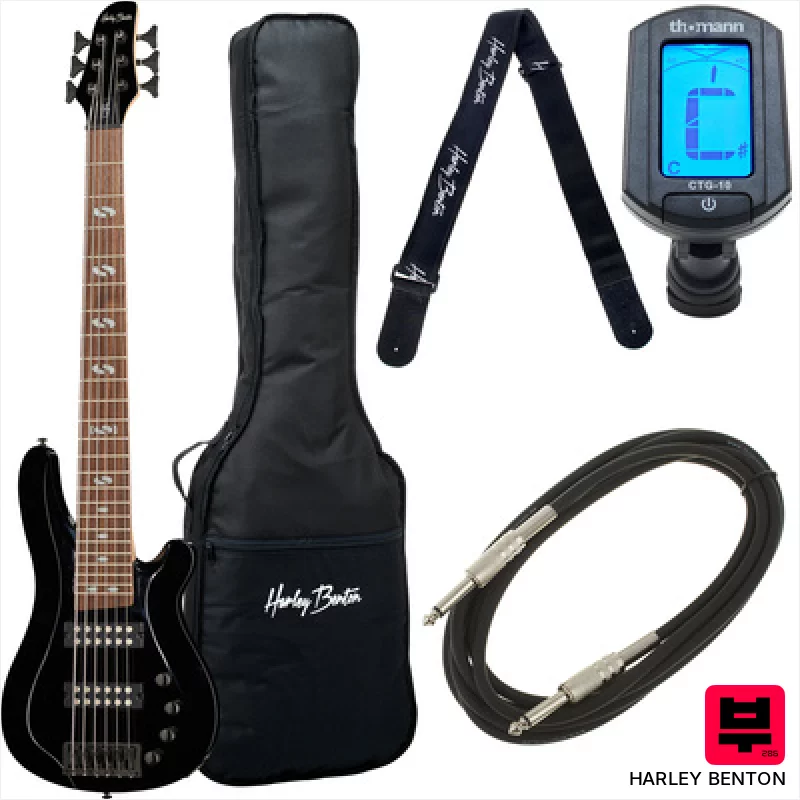
Harley Benton B-650 Black Progressive Bundle
- • Alder body provides a solid foundation with balanced tonal response.
- • Canadian maple neck offers stability and a comfortable, modern 'D' profile.
- • Active preamp adds versatility and a noticeable boost in output and clarity.
- • Die-cast tuners ensure reliable tuning stability, a step above typical budget hardware.
- • Black walnut fingerboard may lack the slickness of rosewood or ebony.
- • Long scale (864mm) might feel unwieldy for players with smaller hands.
- • Factory strings are basic; upgrading will significantly improve the overall tone.
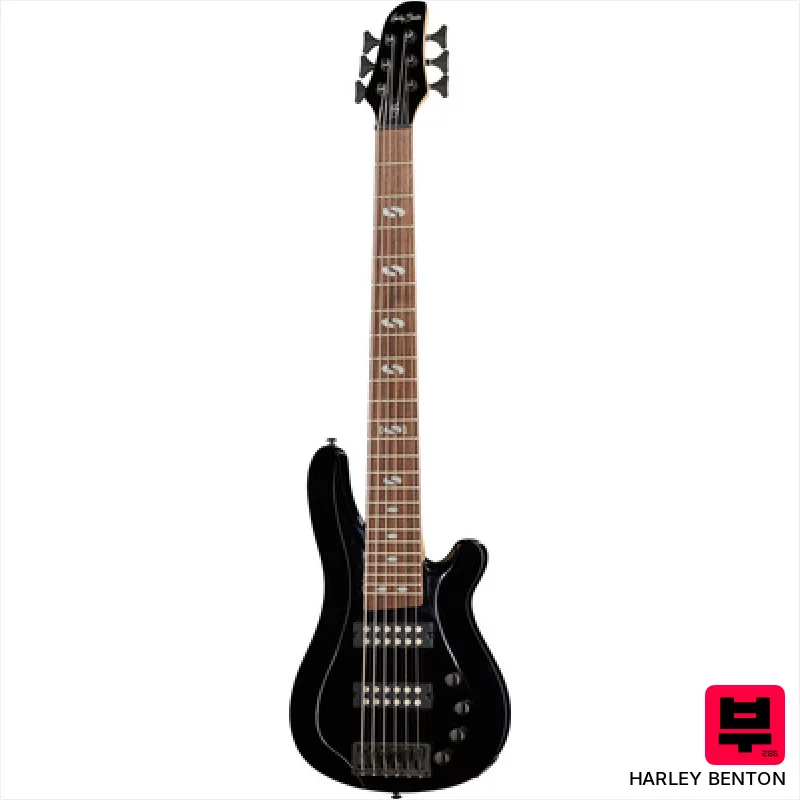
Harley Benton B-650 Black Progressive Series
- • Alder body delivers a balanced, resonant tone with good sustain.
- • Canadian maple neck offers comfortable playability and stability with dual truss rods.
- • Active preamp adds versatility and punch, enhancing low-end definition.
- • Die-cast tuners provide reliable tuning stability, a welcome upgrade at this price.
- • Black walnut fingerboard might feel slightly less refined than rosewood or ebony.
- • Long scale (864mm) could feel unwieldy for smaller hands or beginners.
- • High-gloss finish might be prone to fingerprints and require diligent cleaning.

Squier LTD CV Bass VI Antigua
- • Antigua finish is stunning; a truly unique and classy aesthetic.
- • The inCin neck profile is surprisingly comfortable and fast for a short scale.
- • Fender-designed alnico single coils deliver a warm, vintage-voiced tone.
- • The Stranglein circuit adds a unique, gritty character for unexpected sounds.
- • Short scale might feel a bit cramped for bassists used to longer lengths.
- • Floating vibrato can impact tuning stability if not meticulously set up.
- • Limited pickup configurations restrict versatility compared to more modern basses.

Squier Affinity Jazz Bass VI BKM
- • Solid poplar body provides a surprisingly resonant and balanced tone.
- • Maple neck with a comfortable 'C' profile facilitates easy playability.
- • Ceramic pickups deliver a punchy, modern Jazz Bass sound with clarity.
- • Indian laurel fingerboard offers a smooth playing surface and attractive visual appeal.
- • Bolt-on neck construction limits sustain compared to set-neck designs.
- • Synthetic bone nut is a cost-saving measure; upgrades are readily available.
- • The included strings are basic and will likely be replaced by most players.
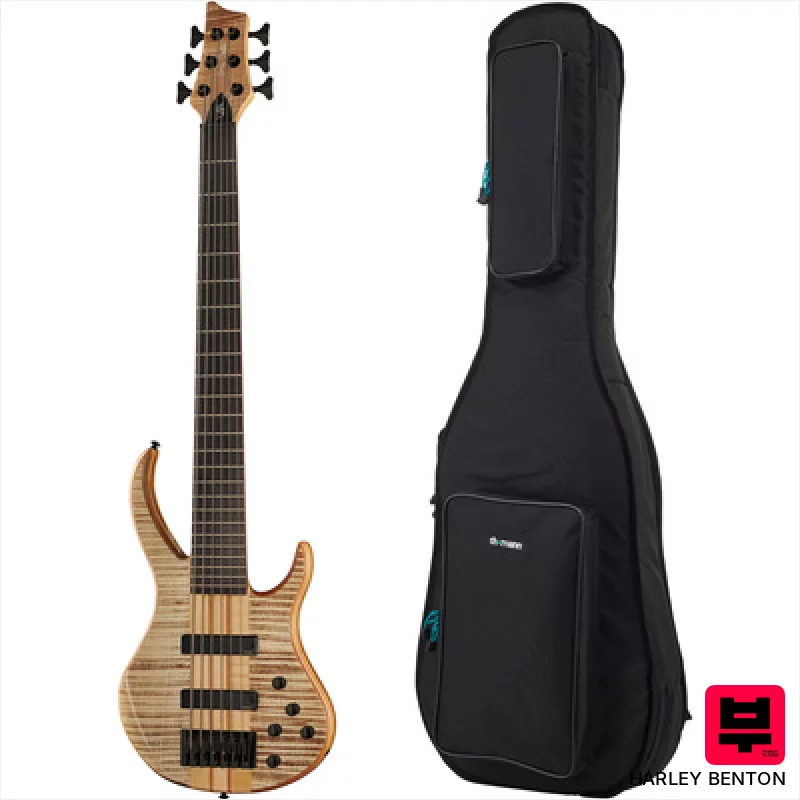
Harley Benton BZ-6000 II NT w/Bag
- • Mahogany/Ash body provides a warm, resonant, and articulate tone.
- • Ebony fingerboard offers exceptional clarity and snappy response.
- • Tesla pickups deliver a surprisingly powerful and versatile sound profile.
- • 5-piece neck-thru design enhances sustain and provides excellent upper fret access.
- • 35” scale length may feel unwieldy for players accustomed to shorter scales.
- • Active EQ requires a power source; battery life needs monitoring.
- • Flamed maple top, while beautiful, might be a thin veneer prone to damage.
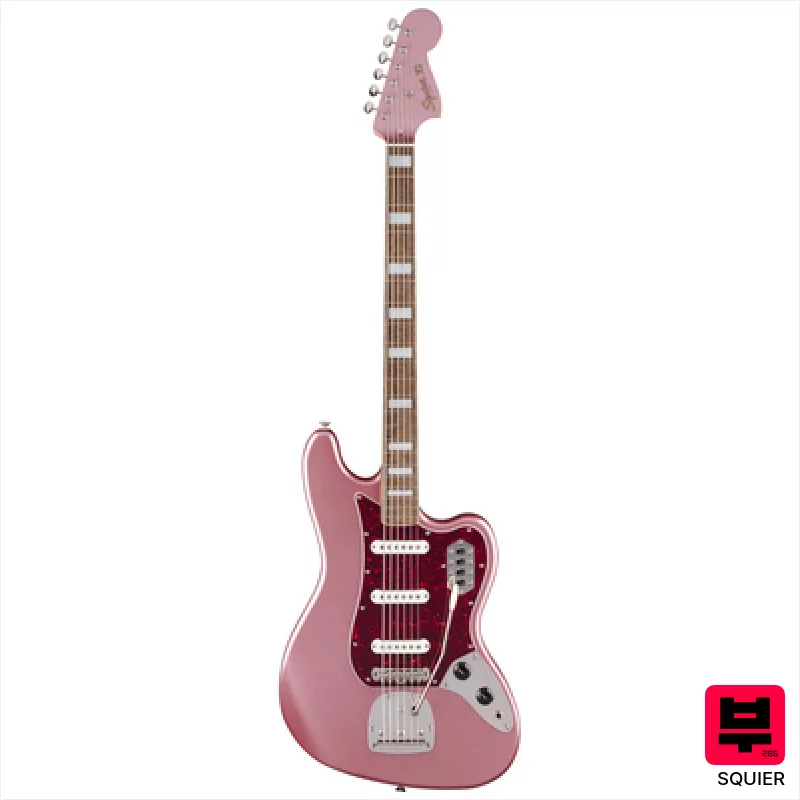
Squier CV Bass VI LRL BGM
- • Indian laurel fingerboard offers a snappy, articulate playing feel.
- • Fender-designed ceramic single coils deliver a surprisingly punchy, vintage-inspired tone.
- • The 'Strangle' circuit adds unique tonal textures for creative experimentation.
- • Bolt-on maple neck provides comfortable access and a responsive feel.
- • Short scale length may feel unwieldy for players accustomed to longer scales.
- • Floating vibrato system can impact tuning stability if not properly set up.
- • Poplar body, while resonant, lacks the premium feel of mahogany or alder.

Squier CV Bass VI MN BLK
- • Maple neck offers a snappy, responsive feel for quick playing.
- • Fender-designed alnico pickups deliver a warm, vintage-voiced tone.
- • Bolt-on neck construction provides a bright, articulate attack.
- • Floating vibrato adds expressive pitch bending capabilities.
- • The 30-inch scale can feel unwieldy for players accustomed to shorter scales.
- • Poplar body, while resonant, isn't as tonally complex as some hardwoods.
- • Limited electronics offer less tonal shaping than more modern basses.
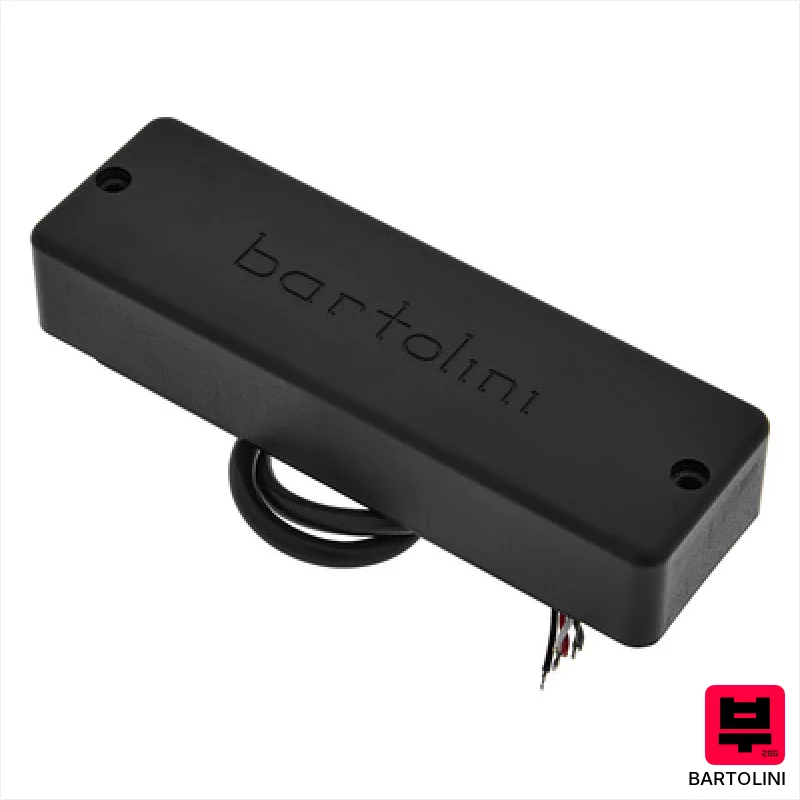
Bartolini 6-string Bass MK Soapbar BB
- • Unique magnet blend delivers a complex, articulate low-end.
- • Soapbar design minimizes hum, crucial for a 6-string bass.
- • 4.5kHz resonance provides a surprisingly modern, cutting tone.
- • Excellent value for a Bartolini pickup – professional sound at a reasonable price.
- • Limited to bridge positions, restricting placement flexibility.
- • Plastic housing, while typical for Bartolini, isn't the most premium feel.
- • Requires careful installation due to 4-wire cable and specific mounting.
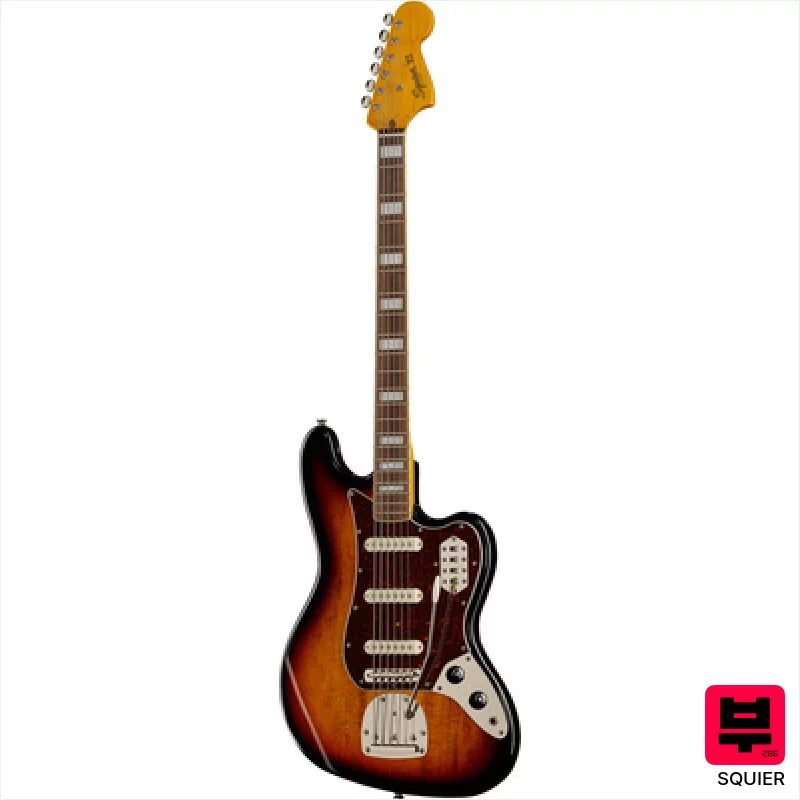
Squier CV Bass VI LRL 3TS
- • Poplar body delivers a surprisingly resonant and balanced tone.
- • Maple neck with a comfortable 'C' profile enhances playability.
- • Fender-designed Alnico single coils offer a warm, vintage-inspired voice.
- • Floating vibrato adds expressive pitch bending capabilities.
- • Short scale may feel cramped for players accustomed to longer scales.
- • Bolt-on neck construction lacks the sustain of a set-neck design.
- • Limited tonal versatility compared to basses with more complex electronics.

Bartolini 6-Str P4 Soapbar Bridge BK
- • Carbon/brass/ceramic magnet blend delivers a unique, balanced tonal character.
- • Parallel coil design effectively cancels hum for a clean, quiet signal.
- • Focused detection area provides clarity and articulation, even with complex 6-string lines.
- • 4-conductor wiring allows for flexible pickup blending and custom installations.
- • The plastic housing, while functional, might not feel as premium as metal alternatives.
- • 5.7kΩ DC resistance might require tweaking EQ for some bass setups.
- • The fixed design lacks adjustability for fine-tuning string-to-pickup spacing.
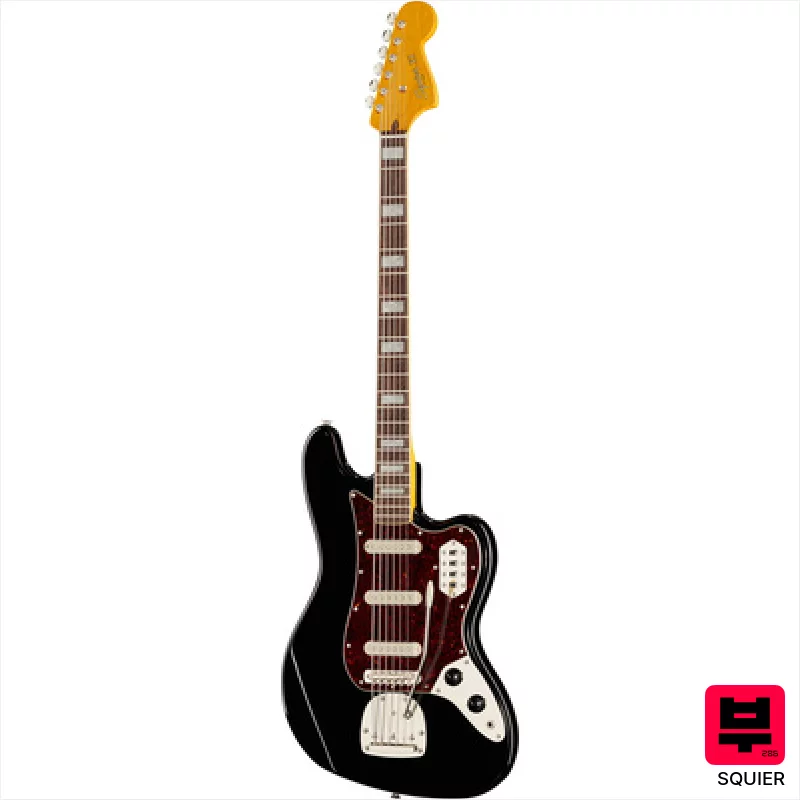
Squier CV Bass VI LRL BK
- • Poplar body provides a balanced, resonant tone with good sustain
- • Vintage-style alnico pickups deliver a warm, articulate, and surprisingly punchy sound
- • Bolt-on neck offers a comfortable, snappy feel and easy playability
- • Floating tremolo adds expressive possibilities, though with some tuning compromises
- • Short scale limits low-end extension and can feel cramped for larger hands
- • The strangle circuit, while interesting, is a niche feature with limited practical use
- • Nickel hardware, while aesthetically pleasing, can be prone to tarnishing over time
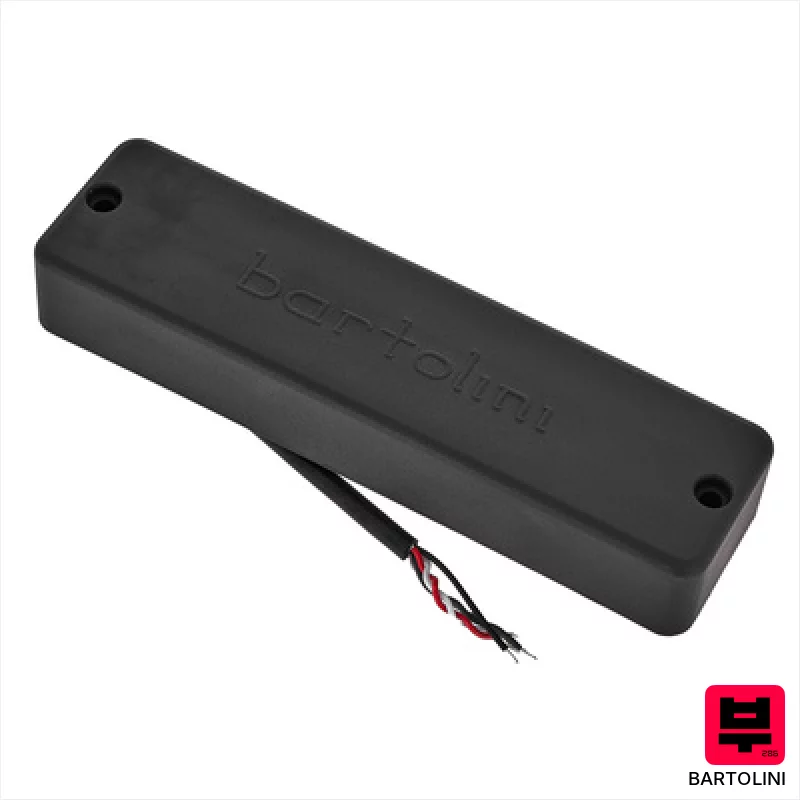
Bartolini 6-Str P4 Soapbar Neck BK
- • Carbon/brass/ceramic magnet blend delivers a uniquely balanced, articulate tone.
- • P4 soapbar design provides a classic, vintage-inspired humbucker warmth.
- • 4-conductor wiring allows for flexible pickup tapping and series/parallel configurations.
- • Focused detection area enhances note clarity and string separation on a 6-string.
- • Plastic housing can feel less premium than metal options, though structurally sound.
- • DC resistance indicates a lower output, might require preamp for certain styles.
- • Limited versatility compared to active pickups; best suited for classic tones.
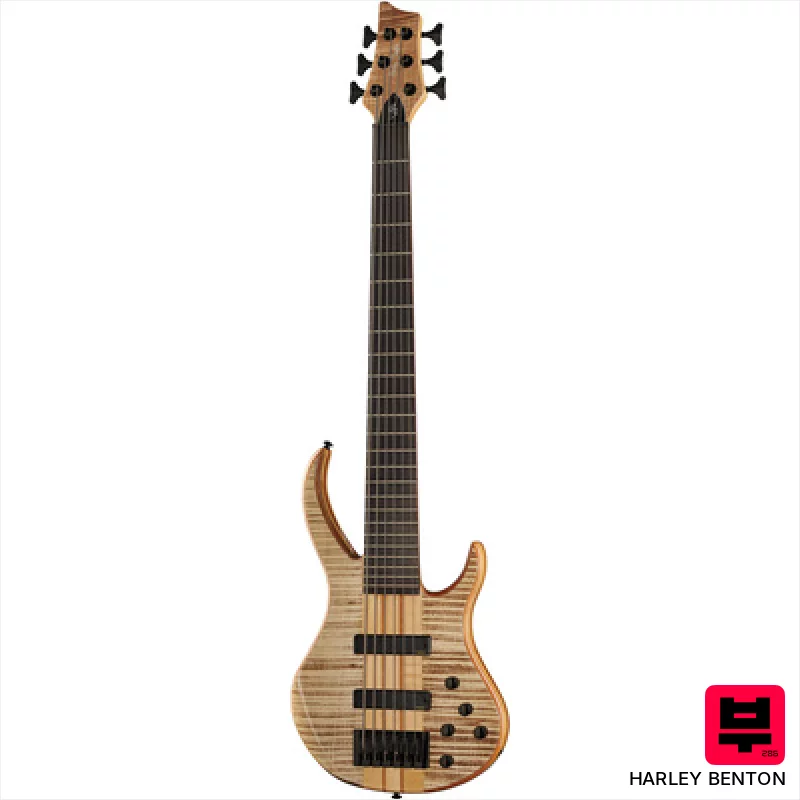
Harley Benton BZ-6000 II NT
- • Mahogany/Ash body provides a resonant, warm tone with surprising clarity.
- • Tesla pickups deliver a powerful, articulate sound suitable for diverse genres.
- • Ebony fingerboard offers a smooth, fast playing experience with excellent note definition.
- • 35” scale length extends the low end and adds a unique, modern bass response.
- • The extended scale may feel unwieldy for players accustomed to shorter scales.
- • Mahogany body can make it somewhat heavier than basses with lighter woods.
- • Active EQ requires a power source, limiting passive tone shaping options.

EMG 45Hz BassPickup
- • Passive design retains natural wood resonance and feel
- • Warm tone excels for funk, jazz, and mellow rock styles
- • Included potentiometers and wiring simplify installation for many
- • Solid construction and EMG quality inspire confidence and longevity
- • Limited tonal versatility compared to active pickups
- • 95.25 mm spacing may require modification for wider string spacing
- • Passive nature means less output and less ability to drive amp
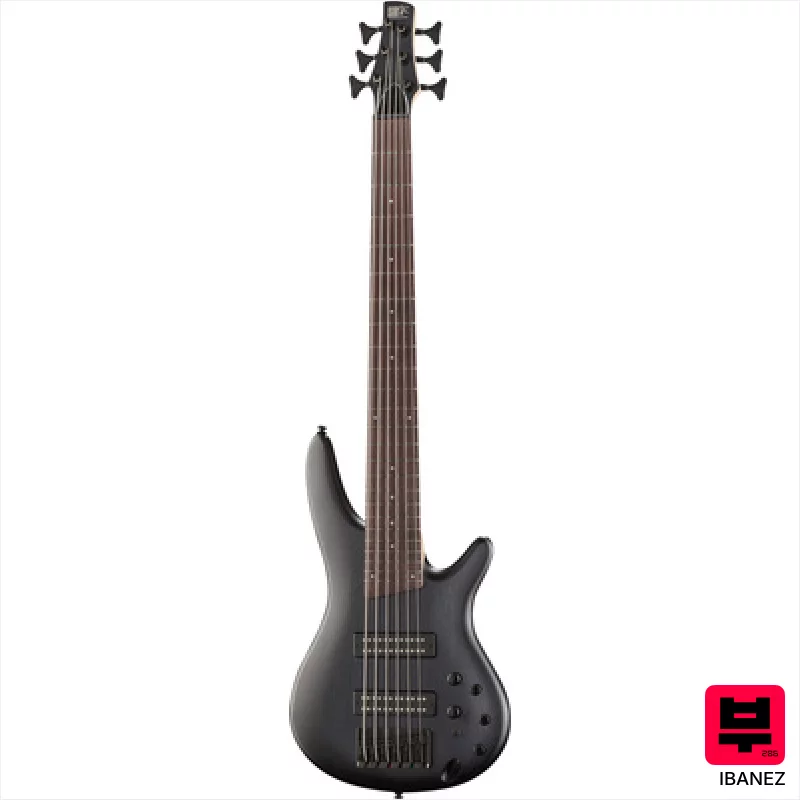
Ibanez SR306EB-WK
- • Nyatoh body delivers a warm, resonant foundation.
- • Maple/Walnut neck provides excellent stability and feel.
- • PowerSpan dual coils offer a versatile, powerful tone palette.
- • Accu-Cast bridge ensures accurate intonation and sustain.
- • Nyatoh body can feel a little less premium than mahogany or ash.
- • The weathered black finish might not appeal to all tastes.
- • 6-string basses inherently require more fingerboard space; can be challenging for smaller hands.
How to Choose the Best 6-String Basses
Neck Profile
This is critical. A thick, unwieldy neck on a six-string is a recipe for fatigue. Look for something comfortable, ideally C-shape or a thinner D-shape. It's gotta be playable, especially when navigating those lower registers.
Pickup Voicing
Many budget basses suffer from muddy low-end or harsh highs. We're looking for pickups that offer a balanced response, a bit of that fundamental low-end thump without getting lost in the mix, and enough articulation to define individual notes.
Hardware Quality
Cheap tuners are the enemy of sustain and intonation. Pay attention to the bridge and tuning stability - you want something that'll hold its tuning through a gig, not a quick bedroom session. A flimsy bridge will kill your sustain.
Body Wood & Construction
Don't expect mahogany or figured maple at this price point. Most will be basswood or nato, which are fine-it's the construction that matters. Solid body is ideal, but a well-built laminate can still be surprisingly resonant. Look for tight joints and minimal fret buzz.
String Spacing
Six-string basses inherently have narrower string spacing. Make sure the spacing isn't so tight that it's uncomfortable to play, especially if you're coming from a standard 4 or 5-string.
Buying Guide
At this price point, expect some compromises. You're likely looking at basswood bodies, simpler hardware, and potentially some minor fretwork that might need tweaking. Don't chase the flashy finishes - focus on the fundamentals: playability, tone, and build quality. A good setup from a local tech can do wonders for a budget bass, so factor that into the overall cost.
How This List Is Built
We don't play these instruments — we're a catalog, not a review desk, and we'd rather say so than pretend otherwise. This page ranks 15 6-string basses from the Thomann catalogue, which is the largest single source of specification data in this category.
Position is computed, not curated. Four signals, in order of weight: how completely the manufacturer documents the instrument (number of published specifications), where it sits in the price range, how specific the model designation is — which filters out generic accessories — and whether a product image exists. The same inputs always produce the same order, so nothing here is shuffled to look fresh.
What this list is good for: narrowing a category down to a shortlist by spec and budget. What it isn't: a substitute for hearing an instrument. Before you buy, read hands-on reviews and, where you can, play it. Full methodology.

