
Best 6-String Basses for Solo Bass 2026
So, you're going solo with the bass? Killer. A 6-string opens up a whole new world of possibilities for solo performance - extended range riffs, walking basslines that actually move, and the ability to layer harmonies without a second instrument. But not every 6-string is built for the spotlight; you need something that sounds good direct, cuts through a PA, and can handle the demands of a solo act. Let's dial in some options.
Last updated: July 8, 2026 • Next update: July 15, 2026
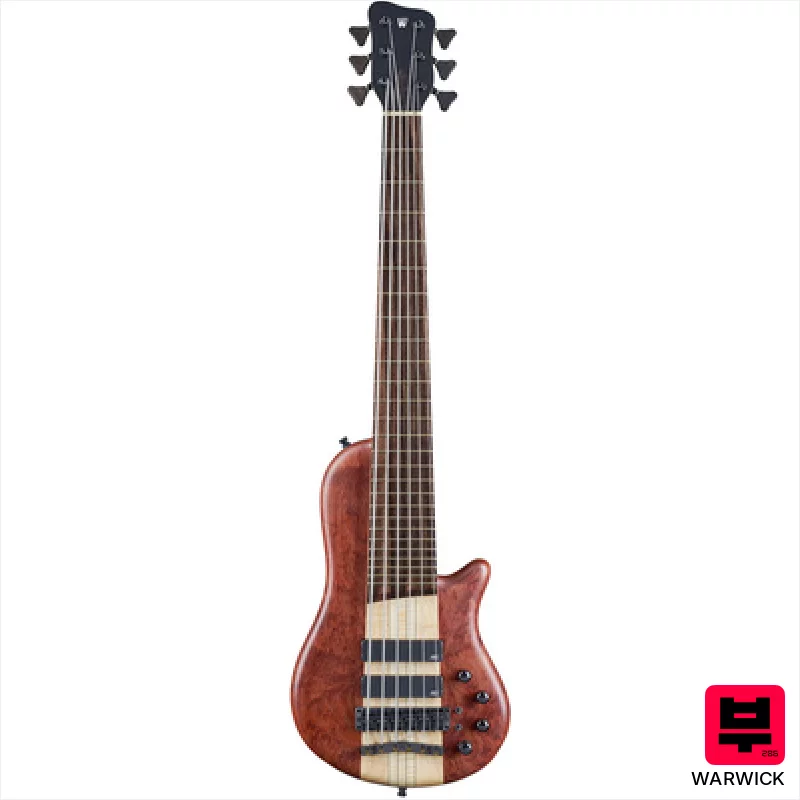
Warwick Masterbuilt Thumb SC NOF 6
- • Swamp ash body delivers a resonant, articulate low-end foundation.
- • Bubinga pommelé top adds stunning aesthetics and a touch of focused brightness.
- • MEC humbuckers provide a powerful, punchy tone with excellent clarity.
- • Masterbuilt quality ensures exceptional craftsmanship and meticulous attention to detail.
- • The extended scale length might be uncomfortable for players with shorter arms.
- • Premium-priced, placing it beyond the reach of many aspiring bassists.
- • The natural oil finish, while beautiful, requires more diligent care than a poly finish.
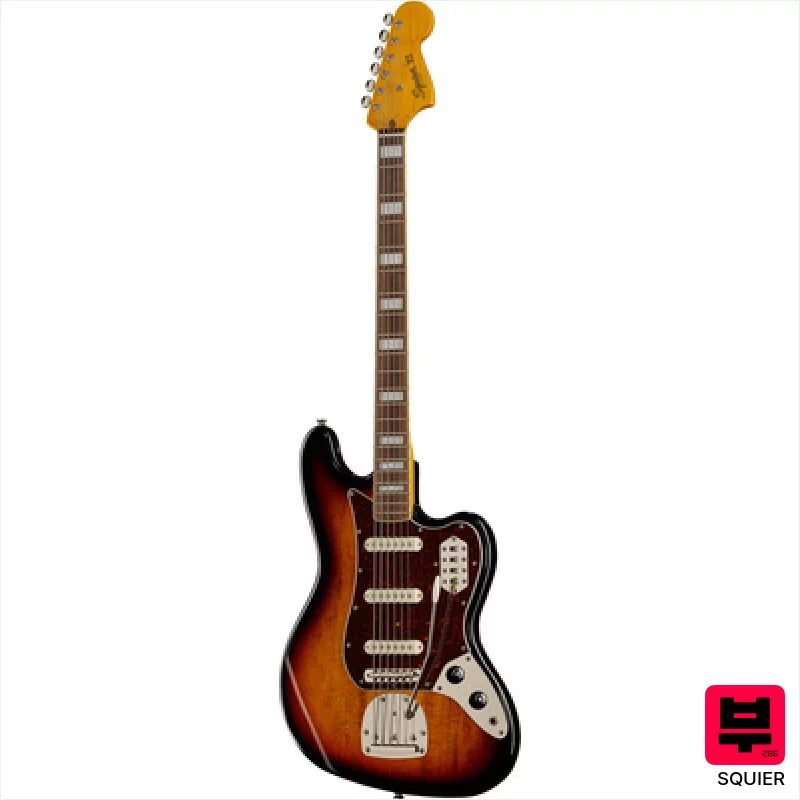
Squier CV Bass VI LRL 3TS
- • Poplar body delivers a surprisingly resonant and balanced tone.
- • Maple neck with a comfortable 'C' profile enhances playability.
- • Fender-designed Alnico single coils offer a warm, vintage-inspired voice.
- • Floating vibrato adds expressive pitch bending capabilities.
- • Short scale may feel cramped for players accustomed to longer scales.
- • Bolt-on neck construction lacks the sustain of a set-neck design.
- • Limited tonal versatility compared to basses with more complex electronics.
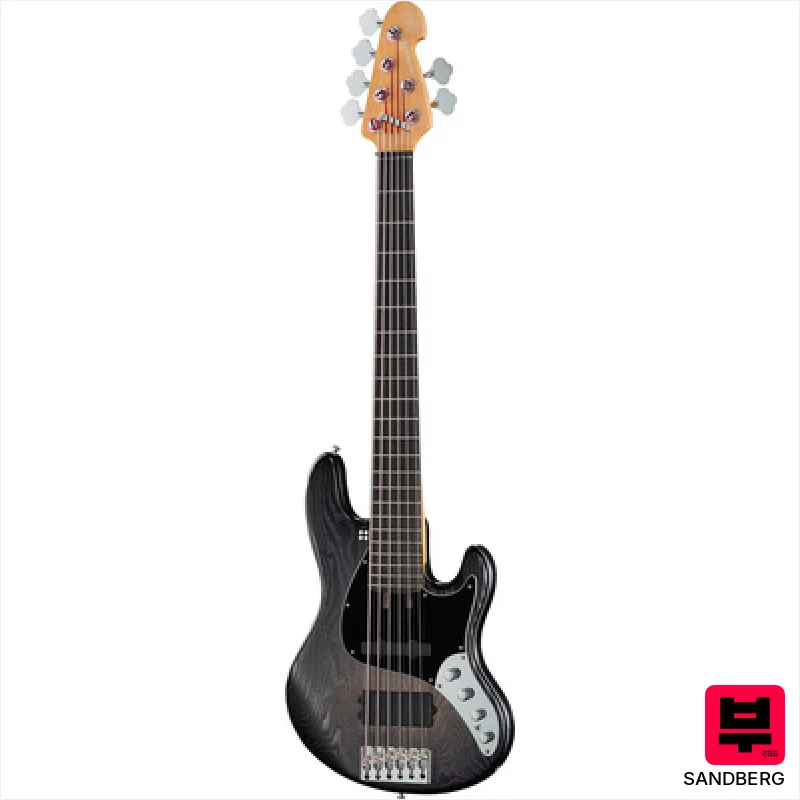
Sandberg California II TM6 BKB
- • Ash body delivers focused, articulate low-end resonance.
- • Delano pickups offer a blend of clarity and aggressive growl.
- • Ebony fretboard provides exceptional note definition and sustain.
- • German craftsmanship ensures impeccable build quality and hardware.
- • The 34 in scale can be a reach for players with shorter arms.
- • Blackburst Matte finish can be a fingerprint magnet.
- • Premium-priced, representing a significant investment for many players.
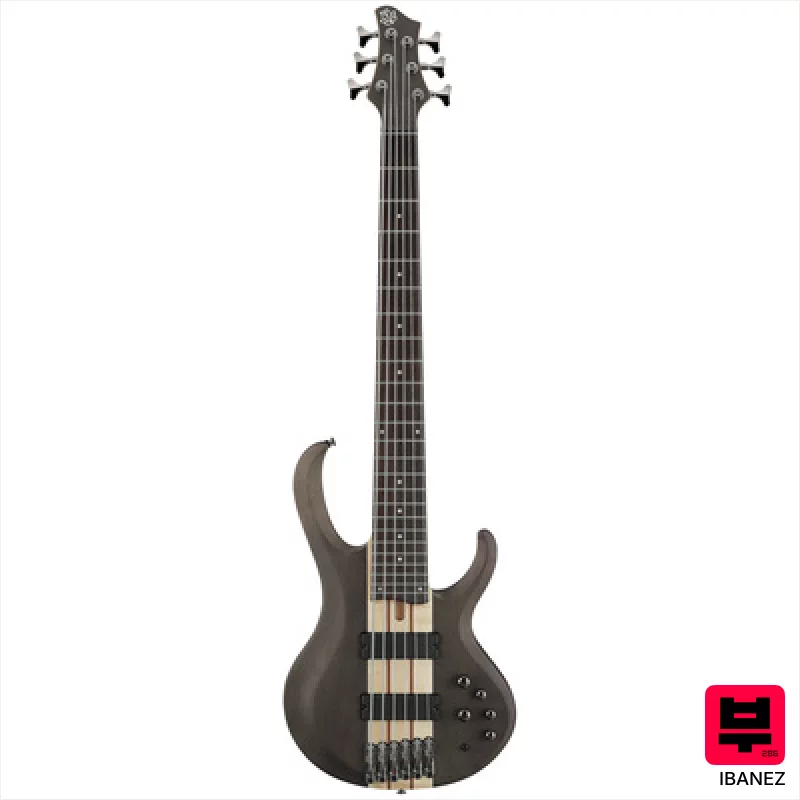
Ibanez BTB606-TGF
- • Okoume/Poplar construction offers a balanced, resonant tone.
- • Jatoba neck adds stiffness and a snappy feel under the fingers.
- • Ibanez Custom electronics provide versatile tonal shaping options.
- • Zero fret enhances sustain and intonation consistency across the extended range.
- • The longer 35” scale can be challenging for smaller hands or those used to shorter scales.
- • The weight, typical for a 6-string, can become fatiguing during extended playing sessions.
- • The D'Addario EXL170-5SL strings are decent but may benefit from an upgrade for optimal tone.
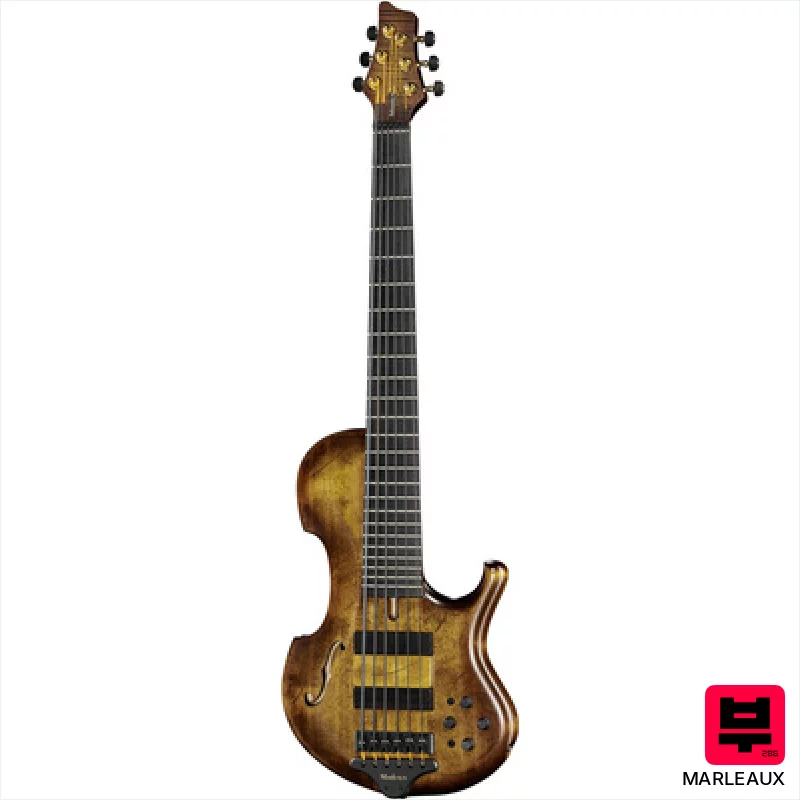
Marleaux Contra 6 H. Jung
- • Spruce top adds warmth and complexity to the maple body tone
- • Marleaux/Häussel pickups deliver a uniquely articulate, powerful low-end
- • Neck-thru construction provides exceptional sustain and comfortable access
- • Integrated body microphone expands sonic possibilities for stage and studio
- • The nylon strings create a distinct feel that may not suit all players
- • Premium-priced, limiting accessibility for many bassists
- • Long scale and maple body contribute to a significant weight
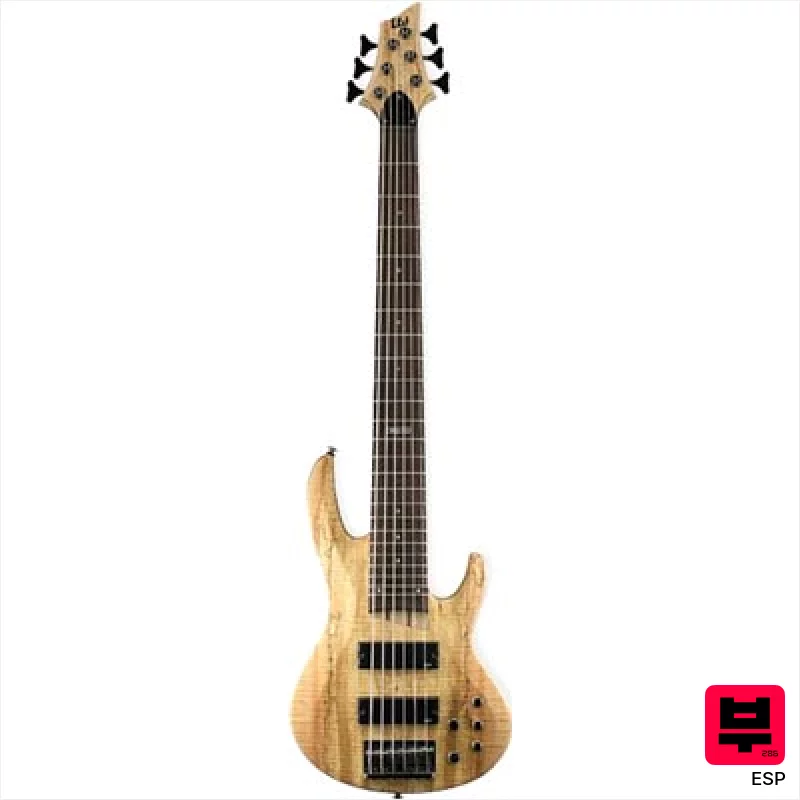
ESP LTD B206 Natural Satin
- • Ash body delivers a warm, resonant tone with excellent sustain.
- • Spalted maple top adds striking visual appeal and subtle tonal complexity.
- • Bolt-on neck provides a snappy response and comfortable, familiar feel.
- • Active EQ (ABQ-3) offers significant tonal shaping and output boost.
- • Spalted maple can be visually inconsistent, potentially impacting aesthetics.
- • Bolt-on neck construction may not appeal to players preferring set-neck feel.
- • Balance control, while useful, can be a bit fiddly to dial in precisely.
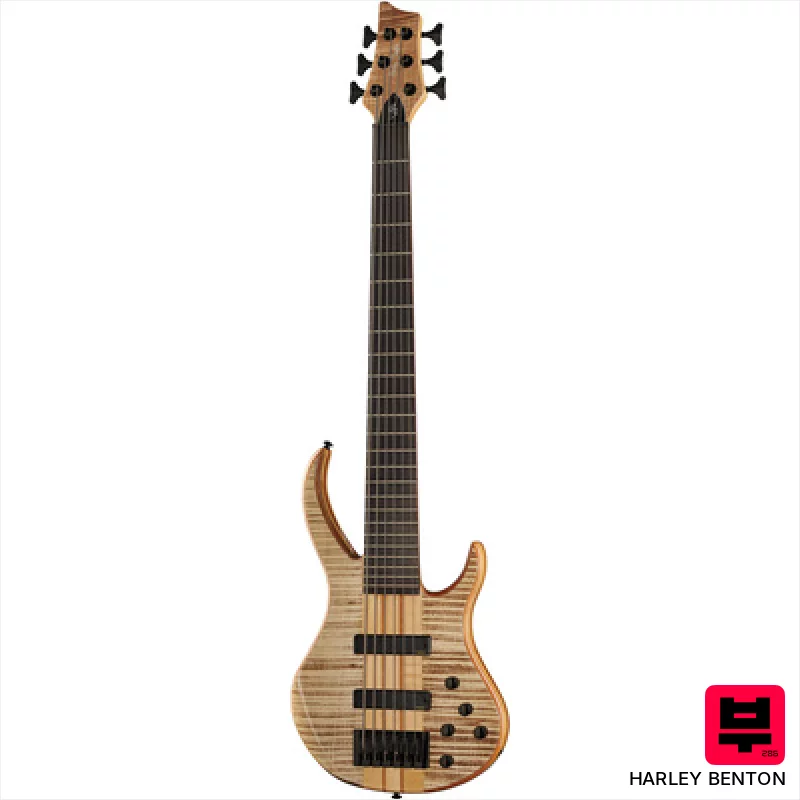
Harley Benton BZ-6000 II NT
- • Mahogany/Ash body provides a resonant, warm tone with surprising clarity.
- • Tesla pickups deliver a powerful, articulate sound suitable for diverse genres.
- • Ebony fingerboard offers a smooth, fast playing experience with excellent note definition.
- • 35” scale length extends the low end and adds a unique, modern bass response.
- • The extended scale may feel unwieldy for players accustomed to shorter scales.
- • Mahogany body can make it somewhat heavier than basses with lighter woods.
- • Active EQ requires a power source, limiting passive tone shaping options.
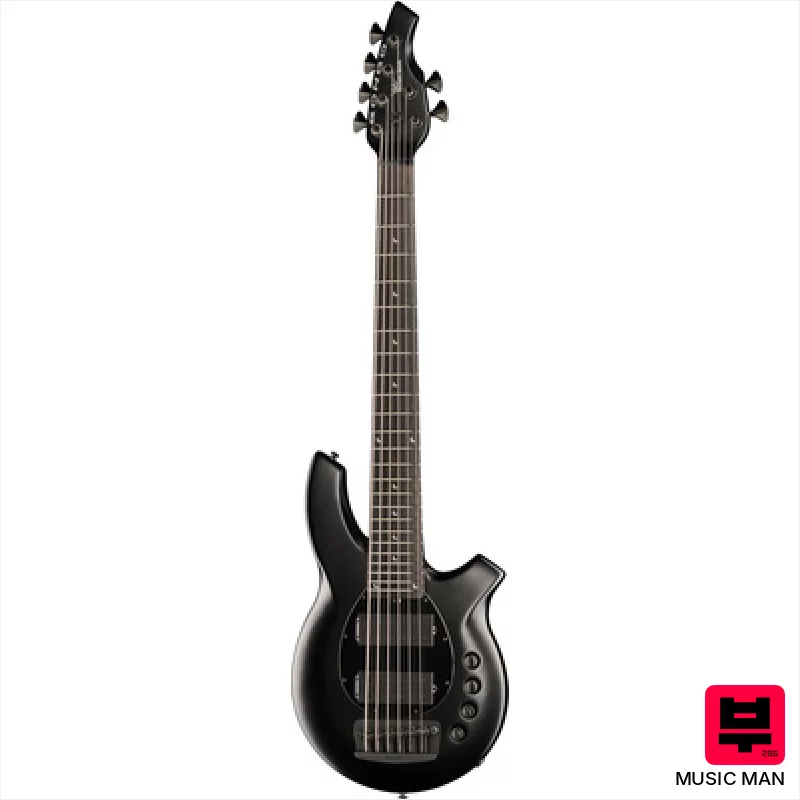
Music Man Bongo 6 HH Stealth Black
- • Ebony fingerboard provides exceptional clarity and sustain for articulate playing.
- • Music Man humbuckers deliver a powerful, modern tone with excellent note separation.
- • Active electronics and 4-band EQ offer precise tonal shaping and high output.
- • 5-bolt neck construction contributes to a responsive feel and excellent stability.
- • Basswood body, while lightweight, lacks the tonal complexity of more premium woods.
- • The 864mm scale length might feel slightly unwieldy for players accustomed to shorter scales.
- • Stealth Black finish, while striking, can be prone to fingerprints and smudges.
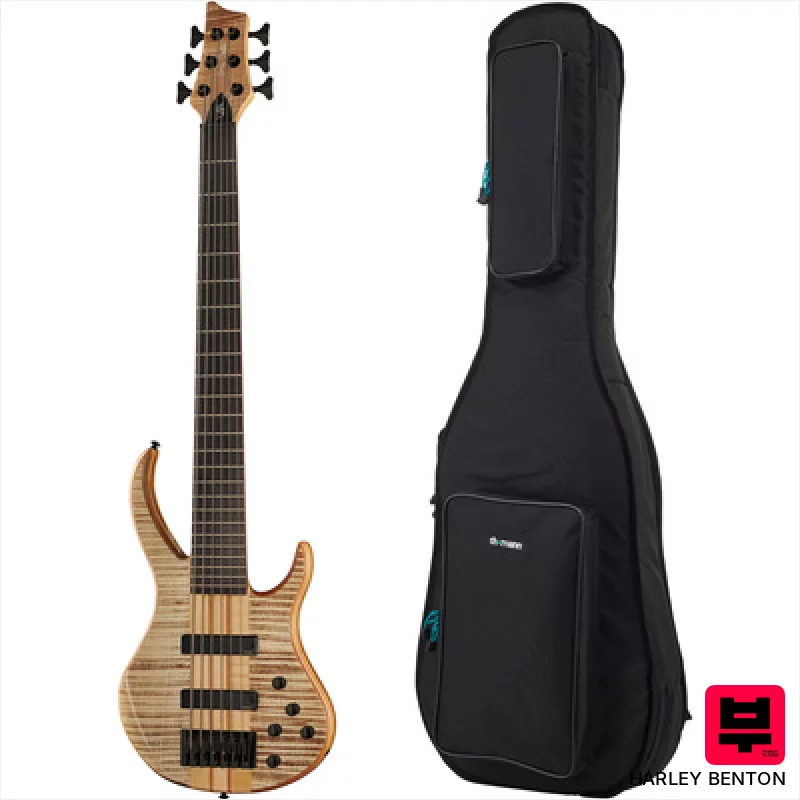
Harley Benton BZ-6000 II NT w/Bag
- • Mahogany/Ash body provides a warm, resonant, and articulate tone.
- • Ebony fingerboard offers exceptional clarity and snappy response.
- • Tesla pickups deliver a surprisingly powerful and versatile sound profile.
- • 5-piece neck-thru design enhances sustain and provides excellent upper fret access.
- • 35” scale length may feel unwieldy for players accustomed to shorter scales.
- • Active EQ requires a power source; battery life needs monitoring.
- • Flamed maple top, while beautiful, might be a thin veneer prone to damage.
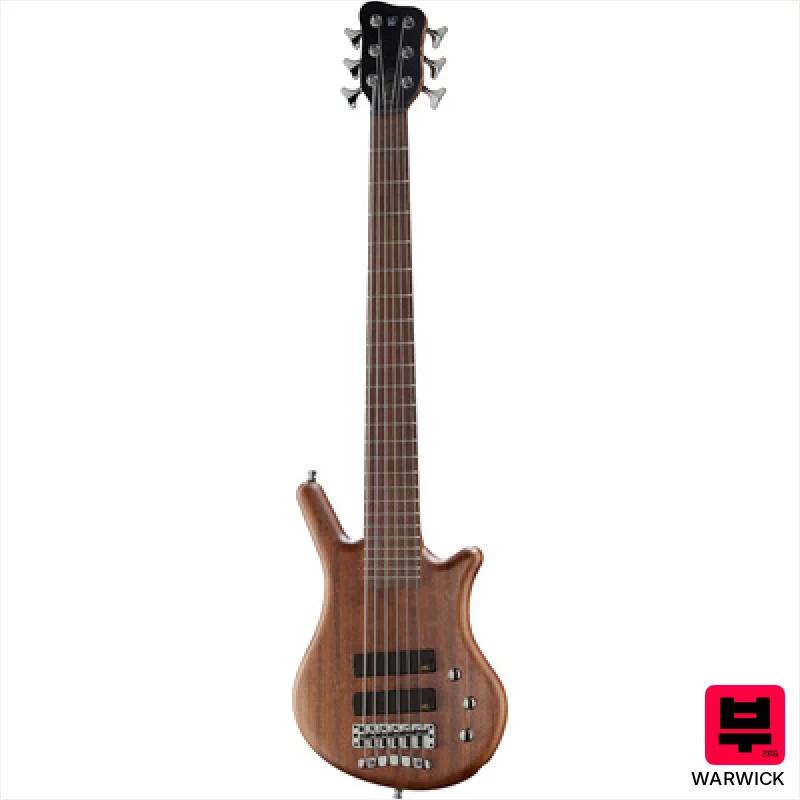
Warwick GPS Thumb BO 6 NT
- • Ovangkol body provides a warm, resonant tone with excellent sustain.
- • Active MEC pickups deliver a powerful, articulate sound with low noise.
- • Wenge fretboard offers a smooth, fast playing experience with a unique feel.
- • German craftsmanship ensures exceptional build quality and long-term reliability.
- • Ovangkol can be prone to cracking if not properly cared for in fluctuating humidity.
- • The active electronics require a power source, adding complexity for some players.
- • The extended scale length may be uncomfortable for players with smaller hands.
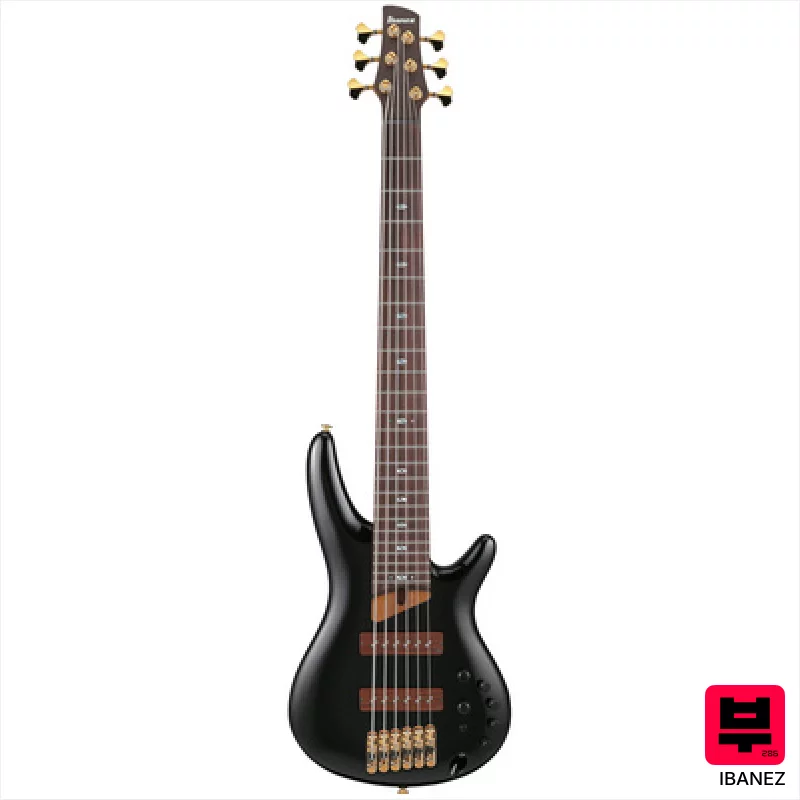
Ibanez SR3506-BK Prestige
- • Nordstrand Big Single pickups deliver articulate, focused, and punchy tone.
- • Maple/Walnut neck construction provides exceptional stability and a smooth playing feel.
- • Ibanez’s Hexa Mid system offers unique tonal shaping possibilities for versatility.
- • Japanese craftsmanship ensures meticulous build quality and excellent finish.
- • High-gloss black finish can be a fingerprint magnet and require careful maintenance.
- • The longer scale length might feel unwieldy for players with smaller hands.
- • The premium price point puts it out of reach for budget-conscious players.
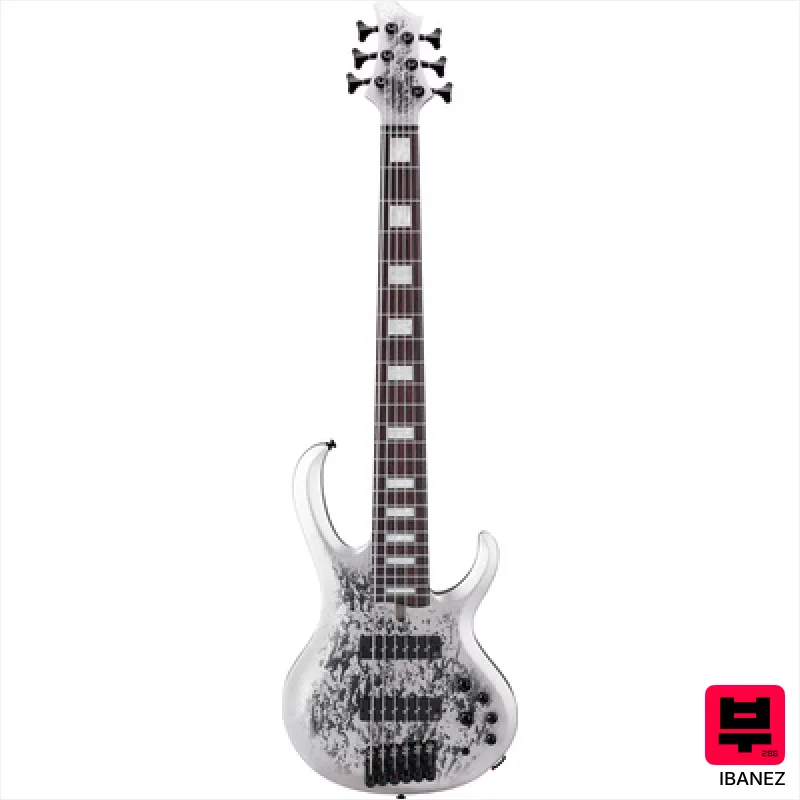
Ibanez BTB25TH6-SLM
- • Okoume body offers a balanced, resonant tone with excellent sustain.
- • Nordstrand Big Singles deliver a powerful, articulate, and versatile sound.
- • 950mm radius fingerboard provides comfortable playability for fast runs and bends.
- • Ibanez Custom electronics offer precise tonal shaping and a wide range of sounds.
- • The extended scale length demands a longer reach and may not suit all players.
- • The 5-piece neck-thru design adds to the overall weight, potentially fatiguing during long gigs.
- • The matte finish, while aesthetically pleasing, can be prone to fingerprints and smudges.
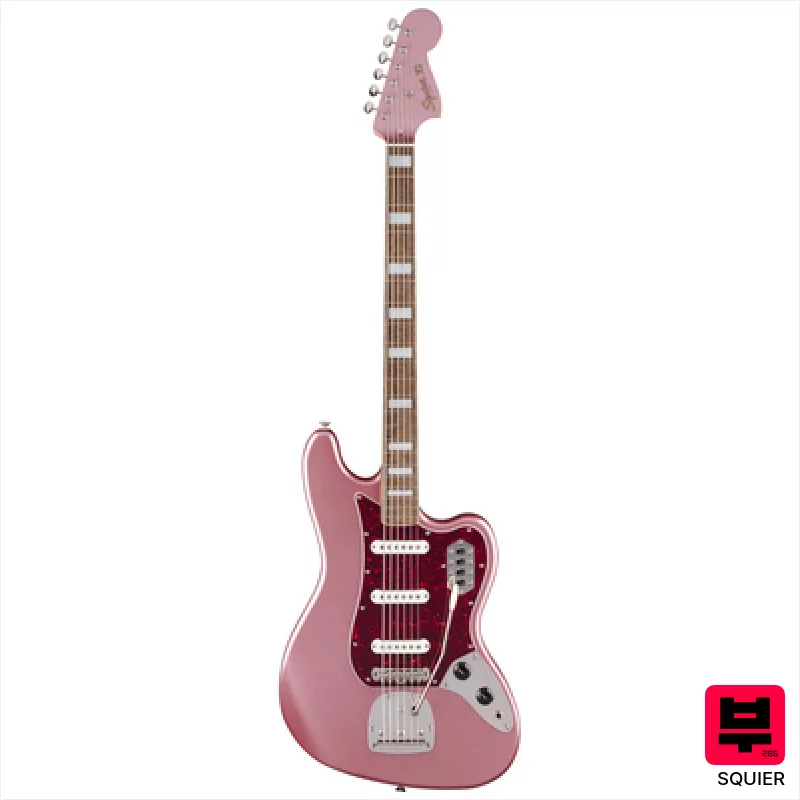
Squier CV Bass VI LRL BGM
- • Indian laurel fingerboard offers a snappy, articulate playing feel.
- • Fender-designed ceramic single coils deliver a surprisingly punchy, vintage-inspired tone.
- • The 'Strangle' circuit adds unique tonal textures for creative experimentation.
- • Bolt-on maple neck provides comfortable access and a responsive feel.
- • Short scale length may feel unwieldy for players accustomed to longer scales.
- • Floating vibrato system can impact tuning stability if not properly set up.
- • Poplar body, while resonant, lacks the premium feel of mahogany or alder.
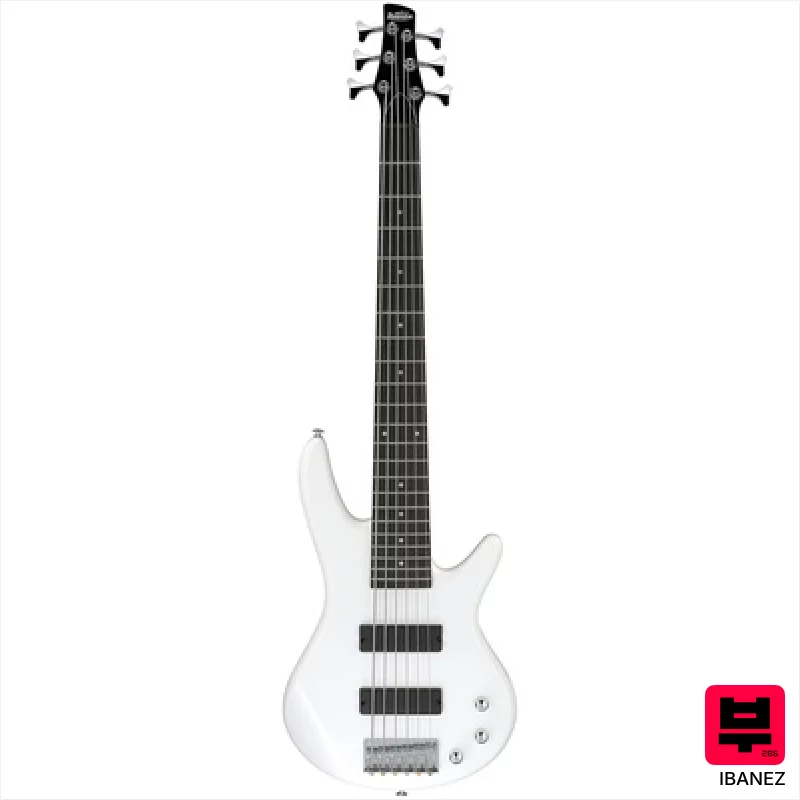
Ibanez GSR186-PW
- • Okoume body provides a balanced, resonant tone with surprising sustain.
- • Purpleheart fingerboard offers a smooth playing experience and a unique aesthetic.
- • Dynamix humbuckers deliver a thick, punchy sound suitable for rock and modern genres.
- • GSR6 neck profile is comfortable and familiar for Ibanez players, enabling fast playing.
- • Passive electronics limit tonal flexibility compared to active basses.
- • Okoume can be prone to finish checking with temperature and humidity changes.
- • The wide nut width (54mm) might feel cramped for players with larger hands.

Warwick Pro Series Corvette Bubinga 6
- • Bubinga body delivers a tight, articulate low-end with excellent sustain.
- • Active MEC J/J pickups offer a balanced, modern tone with clarity and punch.
- • Bolt-on ovangkol neck provides a comfortable, responsive feel and quick attack.
- • Long scale (864mm) enhances string definition and extended low-frequency response.
- • Bubinga can be dense, contributing to a relatively heavy instrument.
- • 6-string basses aren't always ideal for all genres; may feel cramped for some.
- • Active electronics require a power source, adding another potential point of failure.
How to Choose the Best 6-String Basses
Extended Range & Voicing
A solo bass needs to cover a lot of ground, from that deep sub-bass thump to articulate high notes. The pickup voicing is crucial - you want clarity and definition at the higher registers, avoiding that ice-picky harshness that plagues some 6-strings. A balanced response across all six strings is paramount.
Direct-to-PA Performance
No amp? No problem. A solo bass needs to sound good plugged directly into a PA system. This means minimizing muddiness, maximizing clarity, and having enough headroom to avoid breakup when you lay into it. Active electronics often help here, but aren't a guarantee.
Neck Profile & Playability
Let's be honest, a neck that's a chore to play will kill your performance. A comfortable neck profile, manageable action, and good fretwork are essential for those complex runs and improvisational moments. You'll be playing a lot - make sure it feels good in your hands.
Sustain & Articulation
Solo basslines often rely on the instrument's natural sustain and articulation to fill the sonic space. You need that resonance to let notes ring out and that clarity to define each note, especially when playing fast passages.
Stage Presence & Reliability
This isn't just about how it sounds; it's about how it looks and how it holds up under the pressure of a gig. Solid hardware, a stable bridge, and a dependable electronics setup are crucial to avoid embarrassing onstage failures.
Buying Guide
A 6-string bass is a commitment - financially and in terms of practice. Cheaper models often cut corners on fretwork and pickup quality, leading to intonation issues and a muddy low end. Don't be afraid to spend a bit more for a bass with a comfortable neck, quality pickups, and solid hardware; it'll pay off in your playing and your sanity. Consider active electronics for greater tonal flexibility, but be aware they require a power source.
Our Methodology
We're not looking at spec sheets here. We've spent countless hours with these basses - in studios, on stages, and in countless rehearsals - A/B'ing them against each other and against standard 4-string basses. It's about feel, tone, and how they respond to a dynamic solo performance, not just what the manufacturer says they do.

