
Best 6-String Basses 2026
So, you're thinking about stepping up to a 6-string bass? It's a big jump, no doubt. You're essentially adding another full octave of range, which opens up a whole new world of possibilities - from slapping complex chord voicings to laying down walking basslines that would make Jaco proud. But it's not just about having more strings; it's about handling the added complexity and making it work in a band or recording situation.
Last updated: April 11, 2026
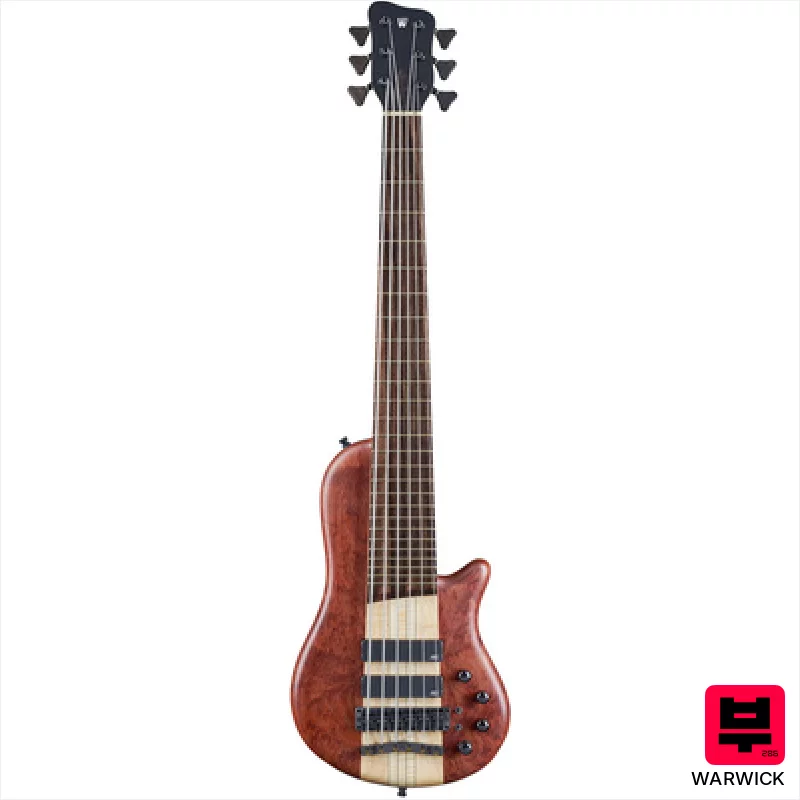
Warwick Masterbuilt Thumb SC NOF 6
- • Swamp ash body delivers a resonant, articulate low-end foundation.
- • Bubinga pommelé top adds stunning aesthetics and a touch of focused brightness.
- • MEC humbuckers provide a powerful, punchy tone with excellent clarity.
- • Masterbuilt quality ensures exceptional craftsmanship and meticulous attention to detail.
- • The extended scale length might be uncomfortable for players with shorter arms.
- • Premium-priced, placing it beyond the reach of many aspiring bassists.
- • The natural oil finish, while beautiful, requires more diligent care than a poly finish.
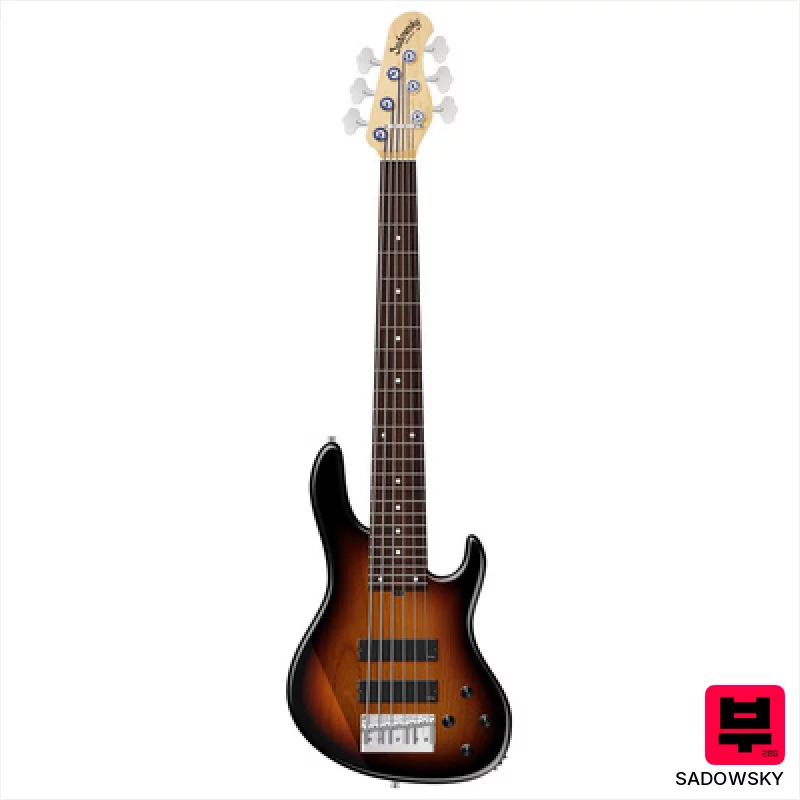
Sadowsky MetroLine 24-6 Mod MO BTHP
- • Exceptional Sadowsky build quality; tight tolerances, flawless finish.
- • The Morado fingerboard offers a unique feel and snappy response.
- • Modern Sadowsky pickups deliver a balanced, articulate tone.
- • VTC provides versatile tonal shaping, easily dialing in vintage warmth.
- • The 6-string format can feel unwieldy for players accustomed to 4 or 5-string basses.
- • Premium-priced, representing a significant investment for many bassists.
- • Alder body may lack the sustain and complexity of more exotic woods.
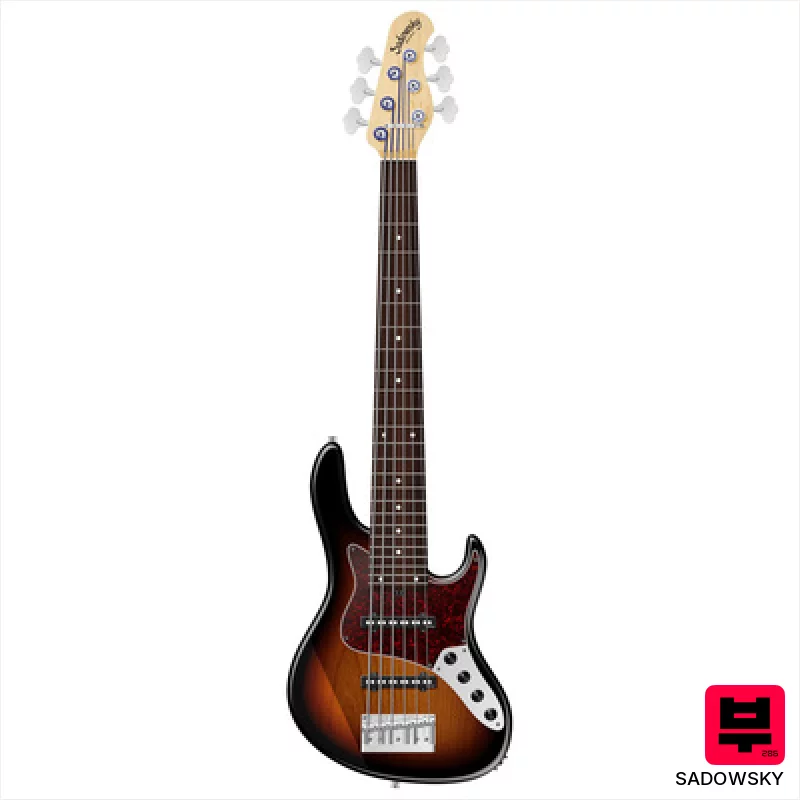
Sadowsky MetroLine 24-6 Vin MO BTHP
- • Exceptional Morado fingerboard provides smooth, fast playability.
- • Sadowsky’s J-style hum-free pickups offer a balanced, articulate tone.
- • Bolt-on neck construction delivers a snappy, responsive feel and attack.
- • Vintage Tone Control (VTC) provides subtle shaping of the tonal spectrum.
- • Premium-priced, placing it out of reach for many players.
- • The alder body, while resonant, can be slightly less characterful than other woods.
- • 6-string basses inherently have wider spacing, requiring adjustment for some.

Warwick Pro Series Corvette Bubinga 6
- • Bubinga body delivers a tight, articulate low-end with excellent sustain.
- • Active MEC J/J pickups offer a balanced, modern tone with clarity and punch.
- • Bolt-on ovangkol neck provides a comfortable, responsive feel and quick attack.
- • Long scale (864mm) enhances string definition and extended low-frequency response.
- • Bubinga can be dense, contributing to a relatively heavy instrument.
- • 6-string basses aren't always ideal for all genres; may feel cramped for some.
- • Active electronics require a power source, adding another potential point of failure.
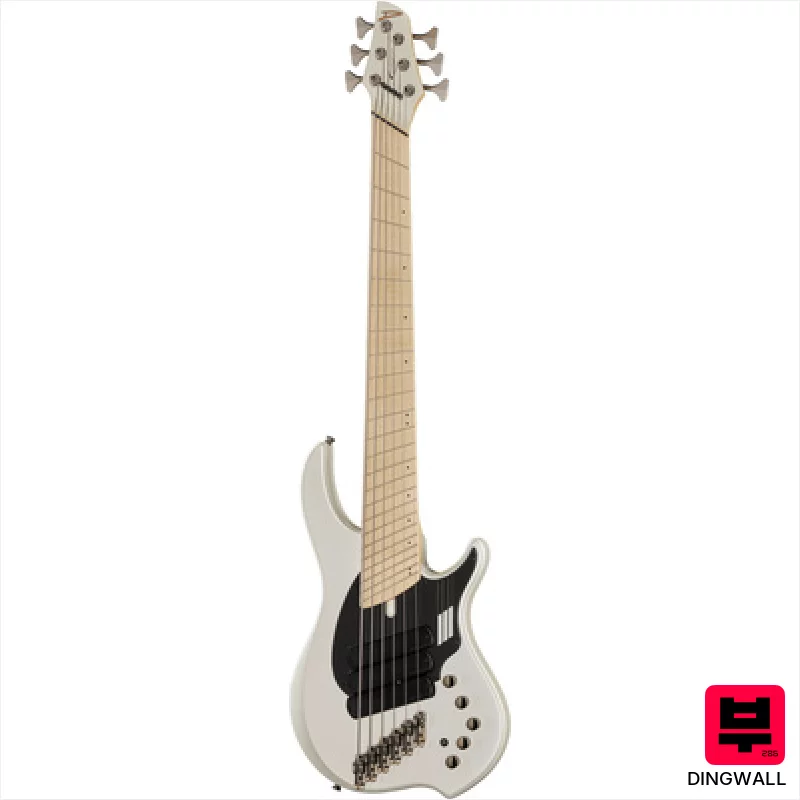
Dingwall NG3 Nolly Sig.6 Duc Pearl WH
- • Nolly Signature design offers a uniquely refined and articulate tonal palette.
- • Multiscale construction optimizes string tension for enhanced playability and intonation.
- • Alder body delivers a balanced, resonant tone with excellent sustain.
- • Darkglass electronics provide powerful, modern bass tones with impressive clarity.
- • Ducati Pearl White finish may be prone to fingerprints and smudging.
- • Bolt-on neck, while responsive, isn't quite as resonant as a neck-through design.
- • Premium-priced, making it a significant investment for many players.

Dingwall CB3 Combustion 6 Black BR PF
- • Swamp ash body delivers resonant, punchy low-end with excellent sustain.
- • Multiscale design optimizes string tension for improved playability and intonation across all six strings.
- • FD-3N pickups offer a modern, articulate tone with plenty of growl and clarity.
- • Dingwall hardware ensures reliable tuning stability and precise intonation.
- • The multiscale design can be a learning curve for players accustomed to traditional basses.
- • Swamp ash body, while resonant, can make it feel somewhat top-heavy for some players.
- • Premium-priced, representing a significant investment for many bassists.
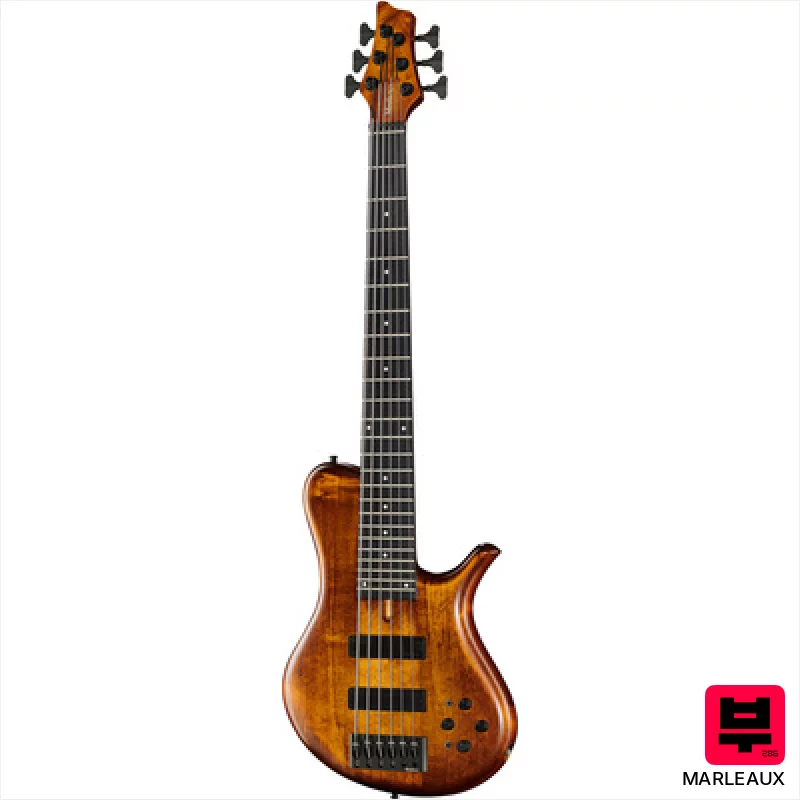
Marleaux MBass 6 Worn Spruce Ltd
- • Spruce top delivers exceptional clarity and nuanced dynamic response.
- • Häussel pickups offer a refined, articulate tone with serious low-end authority.
- • Marleaux Votan EQ provides versatile tonal shaping, both active and passive.
- • German craftsmanship ensures impeccable build quality and long-term reliability.
- • The semi-hollow body construction makes it less suitable for very aggressive playing styles.
- • The 'Old Violin Aged' finish might not appeal to players preferring a modern aesthetic.
- • At a premium price point, it's a significant investment for most bassists.
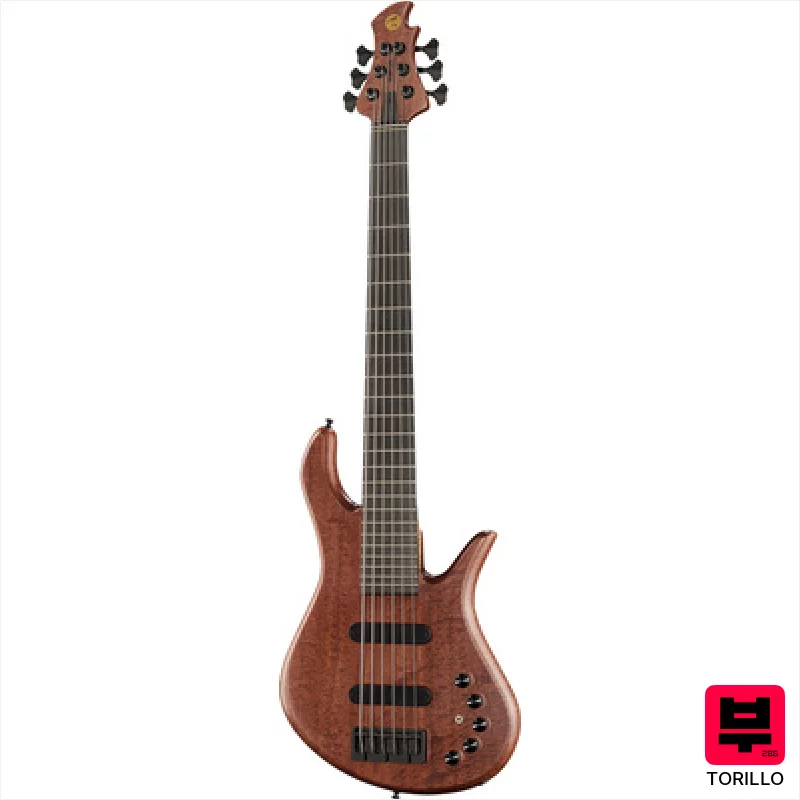
Torillo Shevette 6 Double Cut Pom
- • Sapele Pomele body offers stunning visuals and a surprisingly resonant tone.
- • Maple/Amaranth neck with carbon rods ensures exceptional stability and feel.
- • Torillo single coils deliver a unique, articulate voice with surprising clarity.
- • Hipshot bridge provides rock-solid tuning stability and excellent sustain.
- • The extra-long scale (889mm) might feel unwieldy for players with shorter arms.
- • Sapele, while beautiful, can be prone to cracking if not properly cared for.
- • The active/passive preamp, while versatile, might require some tweaking to dial in the perfect tone.
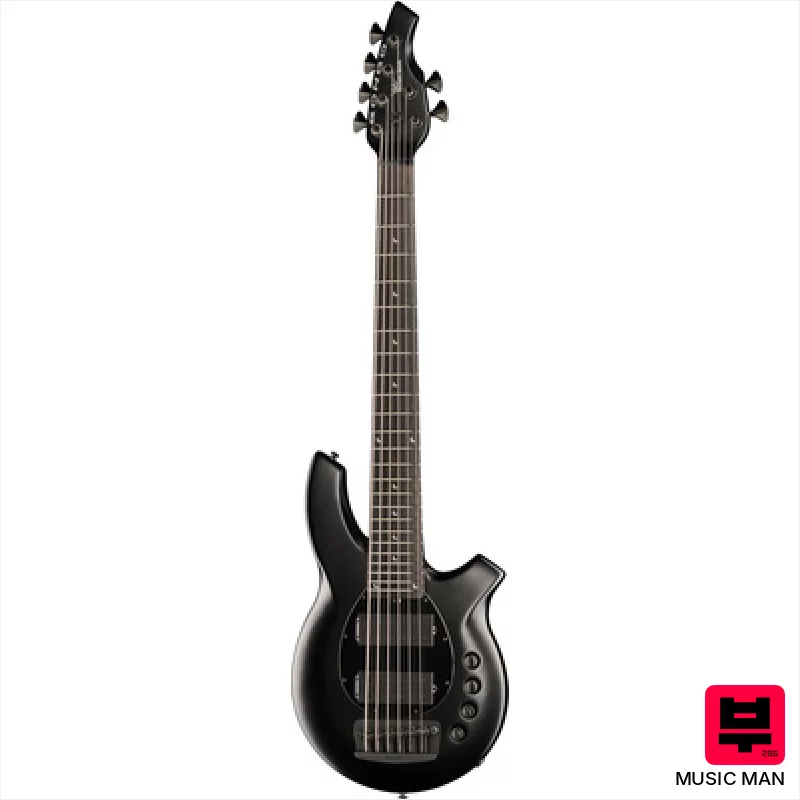
Music Man Bongo 6 HH Stealth Black
- • Ebony fingerboard provides exceptional clarity and sustain for articulate playing.
- • Music Man humbuckers deliver a powerful, modern tone with excellent note separation.
- • Active electronics and 4-band EQ offer precise tonal shaping and high output.
- • 5-bolt neck construction contributes to a responsive feel and excellent stability.
- • Basswood body, while lightweight, lacks the tonal complexity of more premium woods.
- • The 864mm scale length might feel slightly unwieldy for players accustomed to shorter scales.
- • Stealth Black finish, while striking, can be prone to fingerprints and smudges.
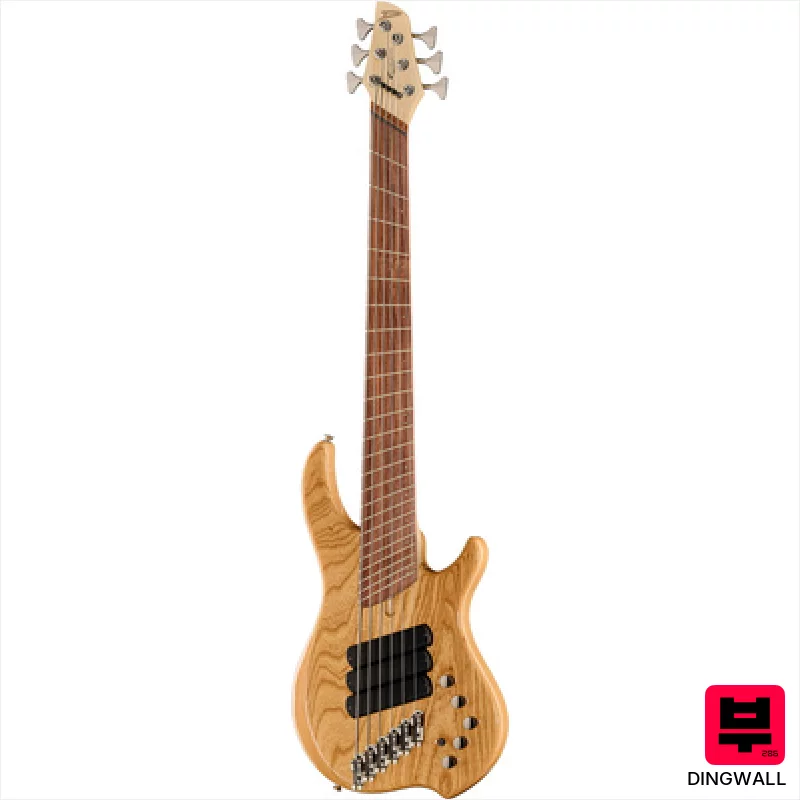
Dingwall CB3 Combustion 6 NAT PF
- • Swamp ash body delivers resonant, punchy low-end tones.
- • Multi-scale design enhances intonation and string tension consistency.
- • FD-3N pickups offer a versatile, modern, and articulate sound.
- • Dingwall hardware ensures reliable tuning stability and smooth action.
- • Swamp ash body can make it a bit heavier than some players prefer.
- • The natural finish shows every fingerprint and requires diligent care.
- • The 3-band EQ, while powerful, might feel limiting for some advanced users.
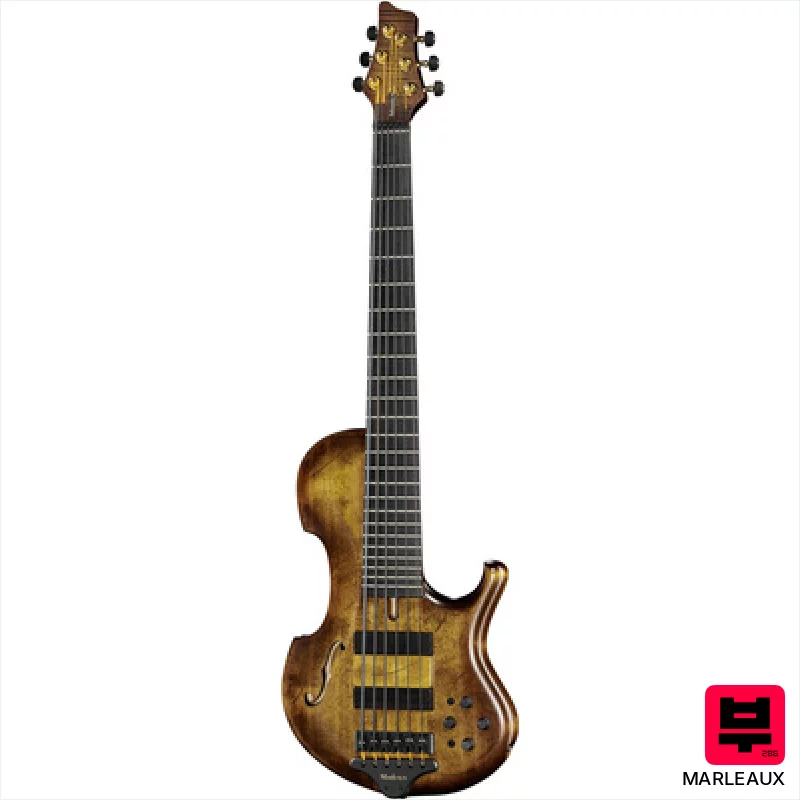
Marleaux Contra 6 H. Jung
- • Spruce top adds warmth and complexity to the maple body tone
- • Marleaux/Häussel pickups deliver a uniquely articulate, powerful low-end
- • Neck-thru construction provides exceptional sustain and comfortable access
- • Integrated body microphone expands sonic possibilities for stage and studio
- • The nylon strings create a distinct feel that may not suit all players
- • Premium-priced, limiting accessibility for many bassists
- • Long scale and maple body contribute to a significant weight

Sandberg California II SL TT 6 BK MN
- • Paulownia body provides surprisingly light, resonant tone and feel
- • Delano J-style pickups offer a warm, vintage-inspired growl with clarity
- • Maple neck and fretboard ensure smooth playability and sustain
- • Sandberg’s 2-band EQ provides focused tonal shaping and flexibility
- • Paulownia, while light, can be less dense than other body woods, potentially affecting sustain slightly
- • 6-string basses aren't always ideal for smaller hands or players focused on simplicity
- • Black matte finish can show fingerprints and smudges more easily than gloss finishes

Ibanez SR5506-MHF Prestige
- • Mahogany/Ovangkol construction delivers rich, warm, and resonant low-end tones.
- • Nordstrand Big Single pickups offer clarity and articulation with surprising punch.
- • The Ibanez Sonitech preamp provides excellent tonal shaping and flexibility.
- • Japanese craftsmanship ensures exceptional build quality and reliable performance.
- • The mahogany body contributes to a relatively heavy feel, potentially fatiguing in long sessions.
- • 6-string basses aren’t universally suited; requires adaptation for certain playing styles.
- • The Ovangkol top, while beautiful, can be susceptible to dryness and requires occasional maintenance.
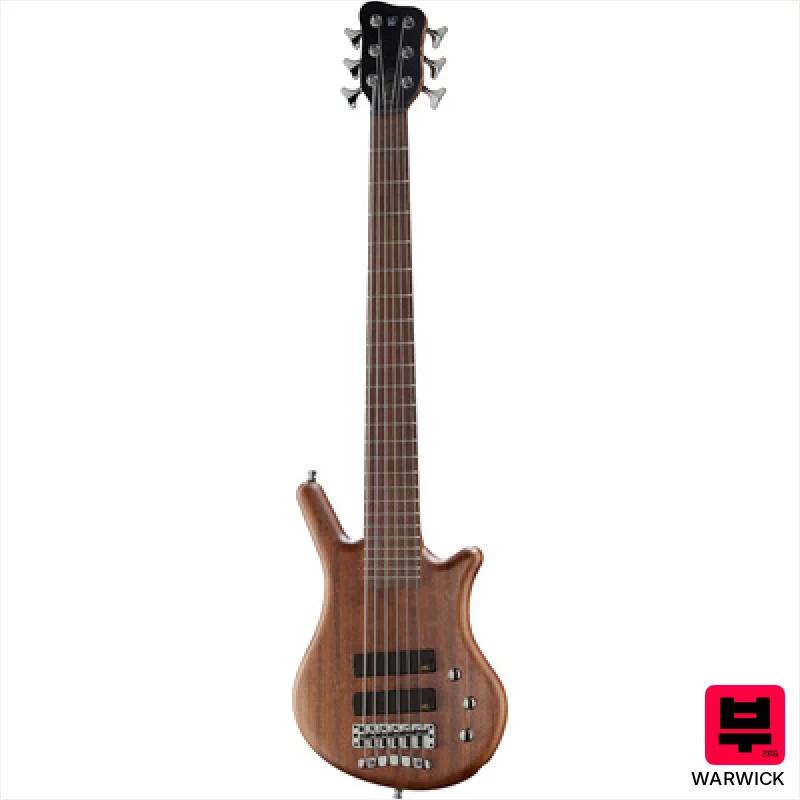
Warwick GPS Thumb BO 6 NT
- • Ovangkol body provides a warm, resonant tone with excellent sustain.
- • Active MEC pickups deliver a powerful, articulate sound with low noise.
- • Wenge fretboard offers a smooth, fast playing experience with a unique feel.
- • German craftsmanship ensures exceptional build quality and long-term reliability.
- • Ovangkol can be prone to cracking if not properly cared for in fluctuating humidity.
- • The active electronics require a power source, adding complexity for some players.
- • The extended scale length may be uncomfortable for players with smaller hands.
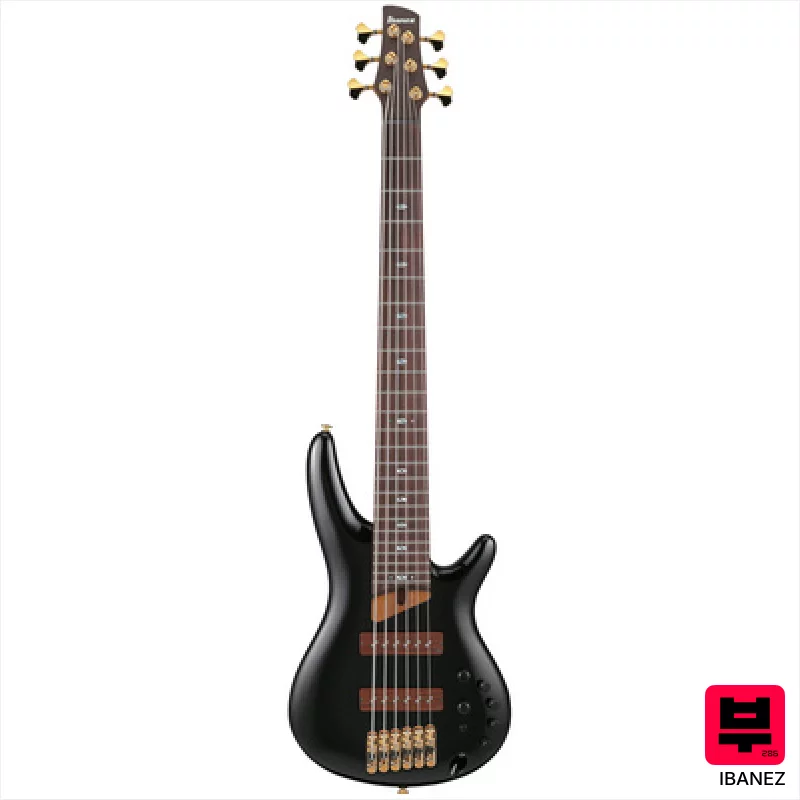
Ibanez SR3506-BK Prestige
- • Nordstrand Big Single pickups deliver articulate, focused, and punchy tone.
- • Maple/Walnut neck construction provides exceptional stability and a smooth playing feel.
- • Ibanez’s Hexa Mid system offers unique tonal shaping possibilities for versatility.
- • Japanese craftsmanship ensures meticulous build quality and excellent finish.
- • High-gloss black finish can be a fingerprint magnet and require careful maintenance.
- • The longer scale length might feel unwieldy for players with smaller hands.
- • The premium price point puts it out of reach for budget-conscious players.
How to Choose the Best 6-String Basses
Neck Profile & Width
A wider neck is standard on 6-strings, and it's not for everyone. Get your hands on one before you commit - a chunky neck can be a real workout, especially for smaller hands. A comfortable neck profile is crucial for playing fast and cleanly, especially when navigating those extra strings.
String Spacing
This is huge. Too tight, and you'll be muting strings constantly. Too wide, and it's a reach. Finding the sweet spot is key to playing efficiently and accurately. String spacing is often a compromise on cheaper models - expect more fret buzz and intonation issues if it's poorly executed.
Pickup Voicing & Balance
With six strings, the pickup needs to handle a wider range of frequencies. Look for pickups that offer a balanced response across all strings, avoiding that dreaded ice-picky top end or muddy low-end. A versatile pickup voicing will let you dial in everything from a warm, woody tone to a punchy, aggressive growl.
Intonation & Setup
6-string basses are inherently more challenging to intonate than 4-stringers. A poorly set-up 6-string will be a nightmare to play and sound awful. Factor in the cost of a professional setup, or be prepared to learn how to do it yourself.
Construction & Hardware
Solid body construction is preferred for sustain and resonance, but it comes at a price. Cheaper 6-strings often use laminate bodies which can sound a bit lifeless. Tuners also matter - cheap tuners will fight you every time you try to tune down or alternate tunings, which you'll likely be doing a lot of on a 6-string.
Buying Guide
A 6-string bass isn't a casual purchase. Don't rush it. Be realistic about your skill level - it's not a shortcut to being a better bassist. The added range is only useful if you can actually use it musically. Expect to pay a premium for a well-made 6-string, and don't skimp on the setup - that's where a lot of the magic happens.
How This List Is Built
We don't play these instruments — we're a catalog, not a review desk, and we'd rather say so than pretend otherwise. This page ranks 15 6-string basses from the Thomann catalogue, which is the largest single source of specification data in this category.
Position is computed, not curated. Four signals, in order of weight: how completely the manufacturer documents the instrument (number of published specifications), where it sits in the price range, how specific the model designation is — which filters out generic accessories — and whether a product image exists. The same inputs always produce the same order, so nothing here is shuffled to look fresh.
What this list is good for: narrowing a category down to a shortlist by spec and budget. What it isn't: a substitute for hearing an instrument. Before you buy, read hands-on reviews and, where you can, play it. Full methodology.

