
Best Squier 6-String Basses 2026
So, you're thinking about a Squier 6-string bass? Smart move. They've come a long way from the budget instruments of the '80s. A 6-string opens up a whole new world of possibilities - extended range riffs, drop tunings that actually work, and the ability to layer tones like a mini-synth. But not all Squiers are created equal, and figuring out which one's right for you can be a little confusing.
Last updated: April 11, 2026

Squier LTD CV Bass VI Antigua
- • Antigua finish is stunning; a truly unique and classy aesthetic.
- • The inCin neck profile is surprisingly comfortable and fast for a short scale.
- • Fender-designed alnico single coils deliver a warm, vintage-voiced tone.
- • The Stranglein circuit adds a unique, gritty character for unexpected sounds.
- • Short scale might feel a bit cramped for bassists used to longer lengths.
- • Floating vibrato can impact tuning stability if not meticulously set up.
- • Limited pickup configurations restrict versatility compared to more modern basses.

Squier Affinity Jazz Bass VI BKM
- • Solid poplar body provides a surprisingly resonant and balanced tone.
- • Maple neck with a comfortable 'C' profile facilitates easy playability.
- • Ceramic pickups deliver a punchy, modern Jazz Bass sound with clarity.
- • Indian laurel fingerboard offers a smooth playing surface and attractive visual appeal.
- • Bolt-on neck construction limits sustain compared to set-neck designs.
- • Synthetic bone nut is a cost-saving measure; upgrades are readily available.
- • The included strings are basic and will likely be replaced by most players.
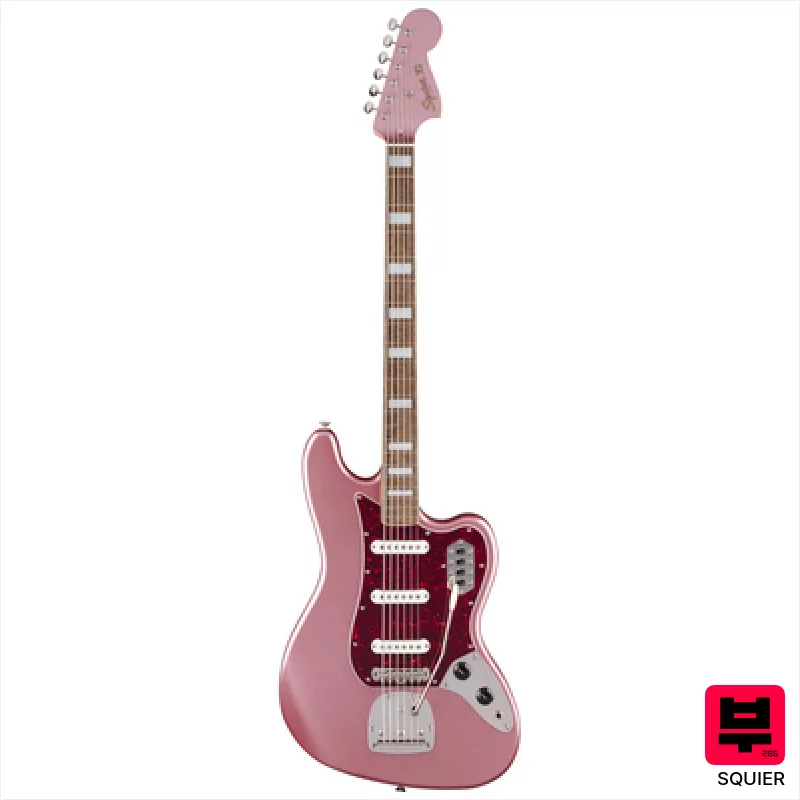
Squier CV Bass VI LRL BGM
- • Indian laurel fingerboard offers a snappy, articulate playing feel.
- • Fender-designed ceramic single coils deliver a surprisingly punchy, vintage-inspired tone.
- • The 'Strangle' circuit adds unique tonal textures for creative experimentation.
- • Bolt-on maple neck provides comfortable access and a responsive feel.
- • Short scale length may feel unwieldy for players accustomed to longer scales.
- • Floating vibrato system can impact tuning stability if not properly set up.
- • Poplar body, while resonant, lacks the premium feel of mahogany or alder.

Squier CV Bass VI MN BLK
- • Maple neck offers a snappy, responsive feel for quick playing.
- • Fender-designed alnico pickups deliver a warm, vintage-voiced tone.
- • Bolt-on neck construction provides a bright, articulate attack.
- • Floating vibrato adds expressive pitch bending capabilities.
- • The 30-inch scale can feel unwieldy for players accustomed to shorter scales.
- • Poplar body, while resonant, isn't as tonally complex as some hardwoods.
- • Limited electronics offer less tonal shaping than more modern basses.
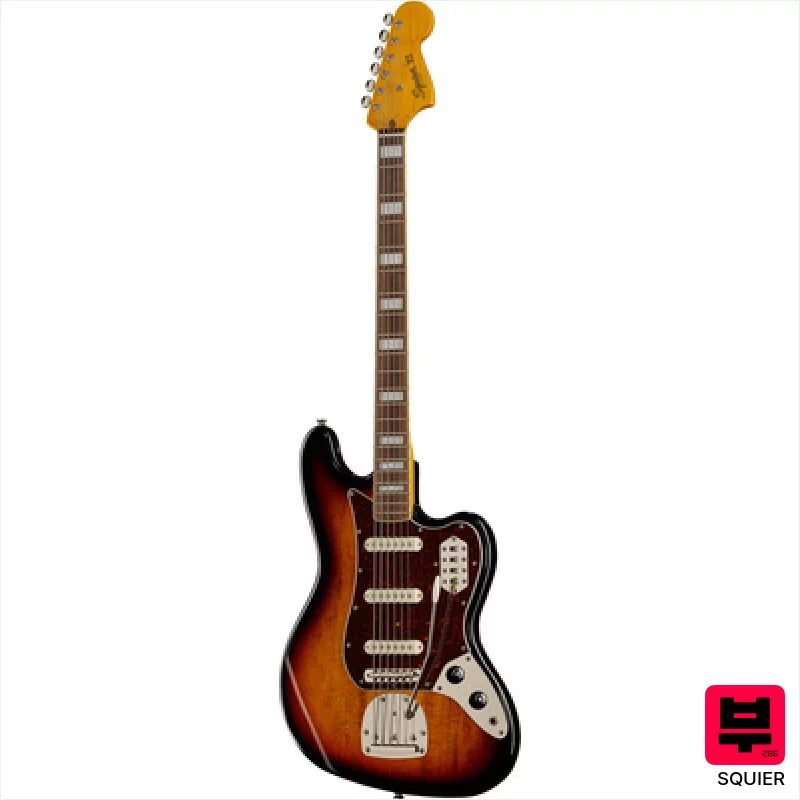
Squier CV Bass VI LRL 3TS
- • Poplar body delivers a surprisingly resonant and balanced tone.
- • Maple neck with a comfortable 'C' profile enhances playability.
- • Fender-designed Alnico single coils offer a warm, vintage-inspired voice.
- • Floating vibrato adds expressive pitch bending capabilities.
- • Short scale may feel cramped for players accustomed to longer scales.
- • Bolt-on neck construction lacks the sustain of a set-neck design.
- • Limited tonal versatility compared to basses with more complex electronics.
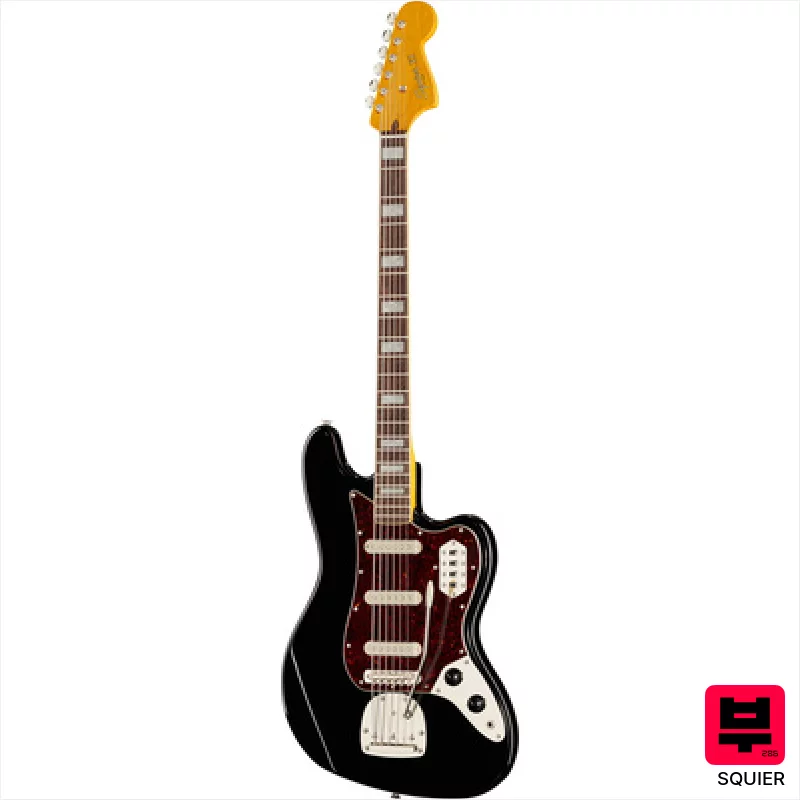
Squier CV Bass VI LRL BK
- • Poplar body provides a balanced, resonant tone with good sustain
- • Vintage-style alnico pickups deliver a warm, articulate, and surprisingly punchy sound
- • Bolt-on neck offers a comfortable, snappy feel and easy playability
- • Floating tremolo adds expressive possibilities, though with some tuning compromises
- • Short scale limits low-end extension and can feel cramped for larger hands
- • The strangle circuit, while interesting, is a niche feature with limited practical use
- • Nickel hardware, while aesthetically pleasing, can be prone to tarnishing over time
How to Choose the Best 6-String Basses
Neck Profile
Squier necks have historically been a bit of a gamble - sometimes too thick, sometimes surprisingly thin. The modern 'C' profile is generally comfortable, but check the feel in your hand. A chunky neck can kill your speed, while a too-thin neck can feel noodly.
Pickup Voicing
Early Squier 6-strings often had pickups that were...well, underwhelming. The modern pickups, particularly in the Classic Vibe and Contemporary series, are significantly improved, offering a surprisingly punchy low-end and decent articulation - not as refined as a Fender, but respectable for the price. Expect a slightly scooped midrange, which can be a plus for cutting through a dense mix.
Hardware Quality
Let's be honest, Squier hardware is the first place they cut corners. The tuners can be a little mushy, and the bridge might not be the most stable. Upgrading these components isn't a crime and can dramatically improve tuning stability and sustain, especially if you're gigging regularly.
Body Wood & Construction
Most Squier 6-strings use nato or agathis for the body. These woods are lightweight and resonate well, but don't offer the same tonal complexity as alder or ash. Bolt-on construction is standard, which means less sustain than a neck-through design, but it's also more cost-effective.
String Spacing
Playing a 6-string bass is different. The wider string spacing takes getting used to, and muting unwanted strings becomes a skill. Consider this if you're new to 6-string basses - it can be a real challenge at first, but the payoff is worth it once you get the hang of it.
Buying Guide
Don't expect a Squier 6-string to sound like a $2,000 Fender. But, they offer incredible value for the money. The Classic Vibe series generally offers better build quality and more refined pickups than the Affinity series. If you're serious about playing out, budget for at least a tuner upgrade - it's a worthwhile investment. And remember, neck feel is subjective - try before you buy if possible.
How This List Is Built
We don't play these instruments — we're a catalog, not a review desk, and we'd rather say so than pretend otherwise. This page ranks 6 6-string basses from the Thomann catalogue, which is the largest single source of specification data in this category.
Position is computed, not curated. Four signals, in order of weight: how completely the manufacturer documents the instrument (number of published specifications), where it sits in the price range, how specific the model designation is — which filters out generic accessories — and whether a product image exists. The same inputs always produce the same order, so nothing here is shuffled to look fresh.
What this list is good for: narrowing a category down to a shortlist by spec and budget. What it isn't: a substitute for hearing an instrument. Before you buy, read hands-on reviews and, where you can, play it. Full methodology.

