AudioFu Chart · October 2026
Best 3/4 Cellos Under $1,000 2026
The top pick is Gewa Allegro VC1 Cello 3/4 ($952). Ranked by the AudioFu Index from 6 models across 5 brands, prices checked every night.
Last updated: October 21, 2026
Top 6
Full detail for the 6 highest AudioFu Index scores. Every other model is listed below.
-
- Size3/4 size
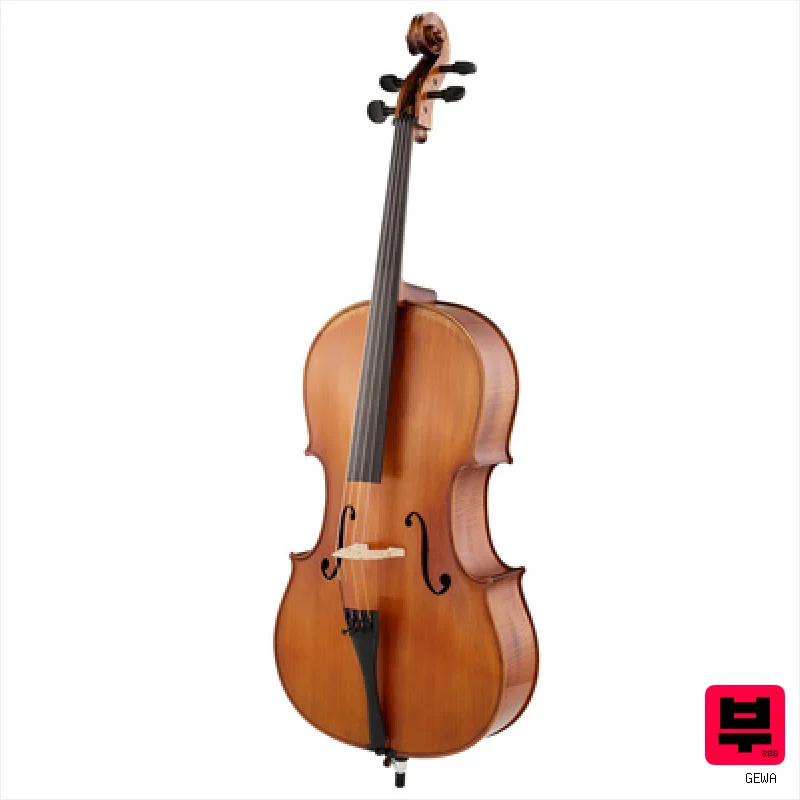
The Gewa Allegro VC1 3/4 is a solid entry-level cello, well-suited for serious young students or smaller adults needing a manageable size. The combination of European tonewoods and Larsen strings provides a surprisingly mature and pleasant sound, offering excellent value for the price and a great foundation for developing technique.
Pros
- European spruce top delivers a bright, responsive, and focused tone.
- Solid maple back and sides contribute to a warm, resonant, and mature sound.
- Larsen Aurora strings offer a professional-level playing experience right out of the box.
Cons
- The brown-amber varnish, while attractive, might be a bit thick for some players’ preferences.
- 3/4 size is naturally best suited for younger or smaller players, limiting its appeal to adults.
57AudioFu
IndexStableno change since Aug 17Aug 17$952 now$952€849 at Thomann · in stockCheck price ↗ -
- Size3/4 size
This Gewa Pure Celloset is a solid starting point for young cellists. The solid wood construction gives it a surprisingly mature tone for an entry-level instrument, and the included bag and bow make it a complete package. It's a dependable option for beginners and early intermediate students looking for a well-rounded cello set.
Pros
- Solid spruce top delivers a warm, resonant tone suitable for student development
- Maple back provides good projection and a balanced sonic character
- Nytex cello bag offers excellent protection against bumps and humidity
Cons
- The bow hair, while natural, may require frequent re-rosining for optimal playability
- Solid maple back and sides can make the cello feel slightly heavier for younger players
-
Alfred Stingl by Höfner AS260 C3/
4 Celloset Not on Reverb yet1 finish at Thomann
- Size3/4 size
This cello set offers a solid spruce top and pretty flamed maple body, making it look and feel professional. It comes with a nice brazilwood bow and a sturdy case for easy transport. It's a good choice for young players who want a sturdy instrument without breaking the bank.
Pros
- Solid Manchurian spruce top ensures strong projection
- Beautifully flamed maple back and sides add visual appeal
- Hand-applied spirit varnish gives a warm, dark gold-brown finish
Cons
- No specific tonal character or sound profile is described
- Lacks details on back and side wood types beyond maple
38AudioFu
IndexStableno change since Aug 17Aug 17$952 now$952€849 at Thomann · in stockCheck price ↗ -
- Size3/4 size
This Thomann cello set is a solid entry point for young students or those just starting out. The included accessories and decent string set make it a complete package, and the maple neck offers a relatively comfortable playing experience. It's a great way to get started without a huge investment.
Pros
- Jargar Young Talent strings offer a surprisingly good, warm beginner tone.
- Solid maple neck provides decent stability and a playable feel for young hands.
- Composite tailpiece with fine tuners simplifies tuning for less experienced players.
Cons
- Plywood back and sides limit resonance and overall tonal complexity.
- Jujube tuning pegs can be a bit finicky and require careful adjustment.
22AudioFu
IndexStableno change since Aug 17Aug 17$616 now$616€549 at Thomann · in stockCheck price ↗ -
- Size3/4 size
This Roth & Junius RJC is a solid choice for young or beginner cellists needing a full-size experience without the premium price tag. The all-solid wood construction provides a surprisingly mature tone, and the German setup makes it immediately playable. It's a well-rounded package that’s ideal for students progressing beyond a beginner’s instrument.
Pros
- Solid spruce top delivers a surprisingly warm, resonant tone for the price.
- Ebony fingerboard and pegs offer improved precision and responsiveness.
- Jargar Young Talent strings provide a good starting point for developing cellists.
Cons
- The included bow, while functional, lacks the responsiveness of higher-end models.
- Solid wood construction means it’s susceptible to temperature and humidity changes.
22AudioFu
IndexStableno change since Aug 17Aug 17$671 now$671€598 at Thomann · in stockCheck price ↗ -
- Size3/4 size
The Hidersine Vivente 3/4 cello is a well-considered package for younger students or those just starting out. The solid spruce top delivers a respectable tone, and the maple back adds a touch of elegance. It’s a solid choice for beginners needing a complete, affordable set.
Pros
- Solid spruce top provides a surprisingly resonant, warm tone.
- Flamed maple back offers visual appeal and contributes to projection.
- Ebony fingerboard facilitates smoother, faster playing for developing technique.
Cons
- The included bow is entry-level; an upgrade will significantly improve tone.
- Silk matte finish can be prone to fingerprints and requires careful cleaning.
22AudioFu
IndexStableno change since Aug 17Aug 17$952 now$952€849 at Thomann · in stockCheck price ↗
3/4 Cellos by the numbers
Measured across all 6 models we track, not a sample.
most common · 6 models
How to choose the best 3/4 cellos
Tonewood
Expect spruce tops and maple backs/sides, but the grade of the wood is the big factor. Lower grades can sound a bit muddy or lack sustain - it's not a dealbreaker, but be aware. Better tonewoods will have a more responsive and nuanced tone.
Setup & Playability
This is critical. A poorly set-up cello will be a nightmare, regardless of how it's built. Look for a comfortable neck profile, reasonable action (string height), and intonation that's reasonably close. A bad setup can make an otherwise decent cello unplayable.
Bass Response
In a band setting, you need some low-end thump to cut through the mix. Many budget cellos get thin and reedy in the lower register. Listen for a solid foundation without being boomy - it's a delicate balance.
Varnish & Finish
The finish isn't just about looks. A thick, poorly applied varnish can dampen the cello's resonance. A thinner, more transparent finish (even if it's not the prettiest) will generally let the wood breathe more and give you a richer tone.
Bow Quality
Don't sleep on the bow! A bad bow can make even a good cello sound terrible. Look for a bow that's responsive and doesn't require excessive rosin to produce a clear, even tone. A decent bow is a huge part of the overall experience.
Buying guide
So, you're looking at a 3/4 cello and trying to keep the budget under a grand? Smart move. A lot of kids (and smaller adults) get stuck with instruments that feel like they're fighting them, and that's a recipe for frustration. Let's find you something that plays well, sounds decent, and won't break the bank - something you can actually grow with.
At this price point, you're making trade-offs. Expect some compromises in tonewood quality and finish. The biggest thing to focus on is the setup - a good setup can often make a significant difference in playability.
Don't be afraid to have a local luthier give it a once-over; it's money well spent. Also, factor in the cost of a decent rosin and potentially a new set of strings.
How the AudioFu Index works
Five measured signals and nothing else — no stars from strangers, no “tested by experts” we didn’t do. The weights are fixed and public. We don’t play these instruments; we measure the market around them.
This chart covers 6 3/4 cellos from the Thomann catalogue. Before you buy, read hands-on reviews and, where you can, play it. Full methodology.
AudioFu earns a commission when you buy through our Thomann links. It never changes the order — the index does.
- Demand40%
How many of this exact model are for sale on Reverb right now — what musicians actually buy and resell.
- Lineup20%
How many finishes Thomann stocks — makers expand the models that sell.
- Price15%
Where the price has moved since we started tracking in August.
- Specs15%
How completely the maker documents it.
- Maker10%
How deep the brand’s range is in this category.
Questions
Can I realistically expect a 'great' sounding cello for under $1000?
'Great' is subjective, but you can find instruments that sound good and are enjoyable to play. Don't expect the complex overtones and nuanced response of a professional-grade cello, but a solid, playable instrument is definitely achievable.
What's the deal with 'student' cellos? Are they all the same?
'Student' is a marketing term. They're typically built with less expensive materials and simpler construction, but quality varies widely. Some are genuinely terrible, others are surprisingly decent. It's still crucial to play it yourself.
Should I buy new or used?
Used can be a great option for getting more bang for your buck, but you need to be comfortable inspecting the instrument for cracks, repairs, and a good setup. New instruments often have a warranty and a fresh setup, which can be reassuring for beginners.
What about electric cellos?
Electric cellos are a different beast entirely and generally cost more than $1000 for something decent. While they offer versatility for recording and amplification, acoustic cellos are what we're focusing on here.
How important is the case?
A decent case is essential to protect your investment. Many budget cellos come with flimsy cases that offer minimal protection. Consider upgrading to a padded case if the included one feels inadequate.