
Best 17" Crash Cymbals Under $300 2026
Alright, so you're in the market for a 17" crash and you're not looking to break the bank. It's a sweet spot size - big enough to get a decent wash and volume, but still manageable for gigging. Finding a crash that cuts through the mix without sounding brittle or thin under $300 can be tricky, but it's definitely doable. Let's break down some solid options and what to realistically expect.
Last updated: September 29, 2026
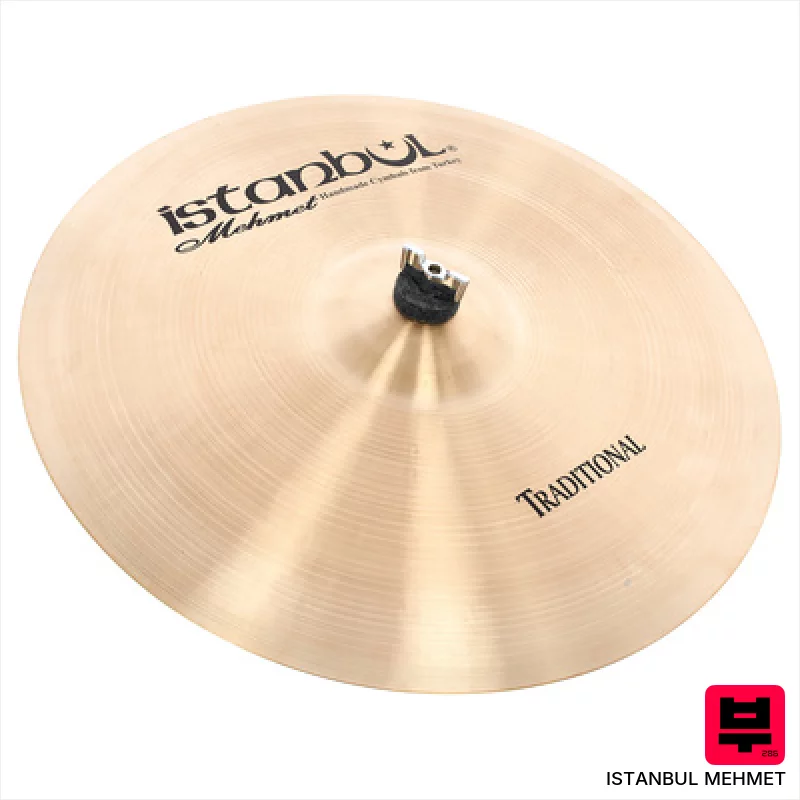
Istanbul Mehmet 17" Paper Thin Crash Tradit.
- • Extremely responsive, fast decay ideal for delicate musical passages.
- • Fully lathed construction yields a complex, nuanced wash and articulation.
- • Traditional series offers a vintage, open sound characteristic of classic jazz.
- • Paper-thin profile provides exceptional sensitivity and quick response.
- • Paper-thin construction makes it fragile and susceptible to cracking.
- • Limited projection; not suited for louder, more aggressive musical styles.
- • Sound might be considered too 'washy' by drummers preferring a drier crash.

Istanbul Mehmet 17" Thin Crash Traditional
- • Hand-hammered Turkish bronze delivers a warm, complex tonal character.
- • Thin profile provides exceptionally quick response and short sustain.
- • Fully lathed surface promotes even cymbal vibration and clear wash.
- • Traditional series construction offers a vintage feel and versatile application.
- • The thinness makes it less durable than heavier crash models.
- • Lacks the projection needed for very loud, modern rock/metal styles.
- • The wash, while pleasant, might be too subtle for some players.
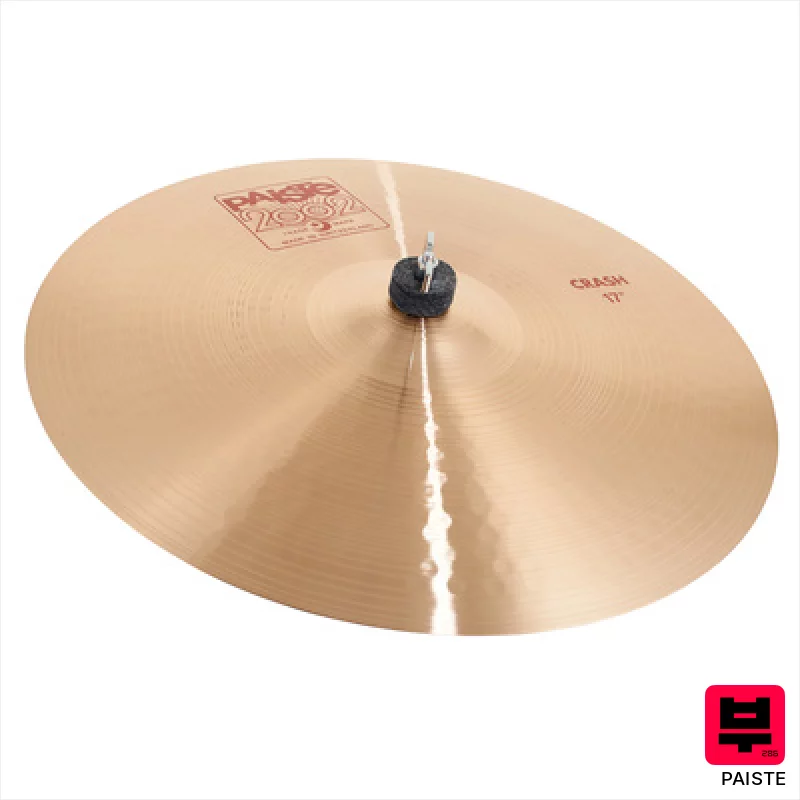
Paiste 2002 Classic 17" Crash
- • Bright, shimmering wash provides excellent cut and clarity
- • Paiste's Swiss bronze construction ensures consistent quality and durability
- • Medium sustain prevents wash from overpowering the initial attack
- • Versatile enough for rock, pop, and lighter jazz applications
- • Can be overly bright for very mellow or darker musical styles
- • Lacks the complex overtones of higher-end Paiste series
- • The 17in size is a bit limiting for larger kits or louder playing
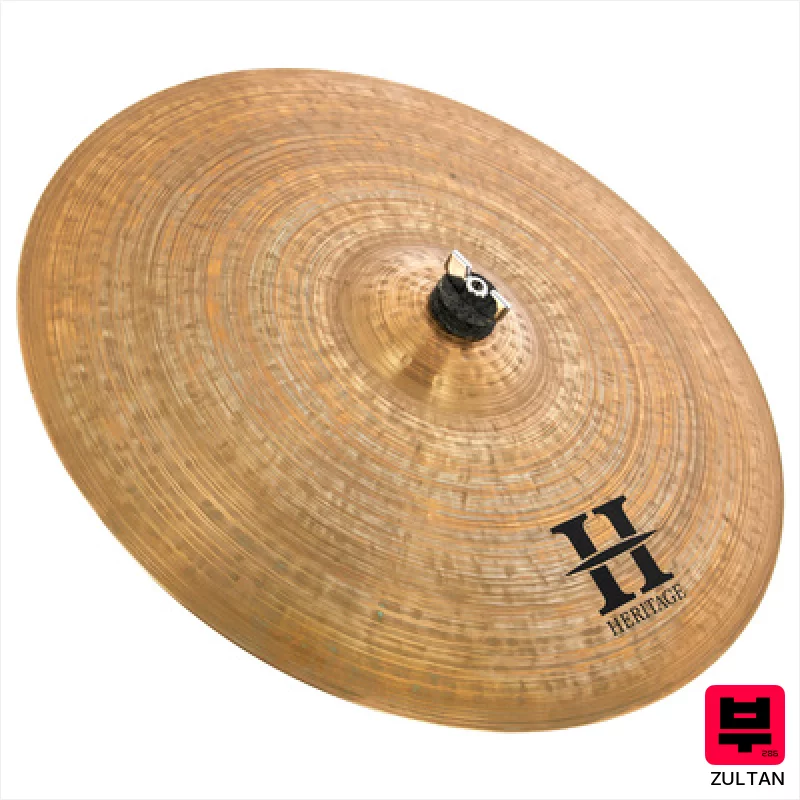
Zultan 17" Heritage Crash
- • B20 bronze construction delivers a warm, complex, and musical tone.
- • Hand-hammered finish creates a unique wash and responsive feel.
- • 17-inch size offers a balanced volume and controlled sustain.
- • Heritage series voicing provides a vintage-inspired character suitable for diverse genres.
- • The warm tone might lack the aggressive brightness for modern metal styles.
- • Handmade nature introduces slight variations in sound and appearance.
- • While affordable, the price point might be a stretch for absolute beginners.
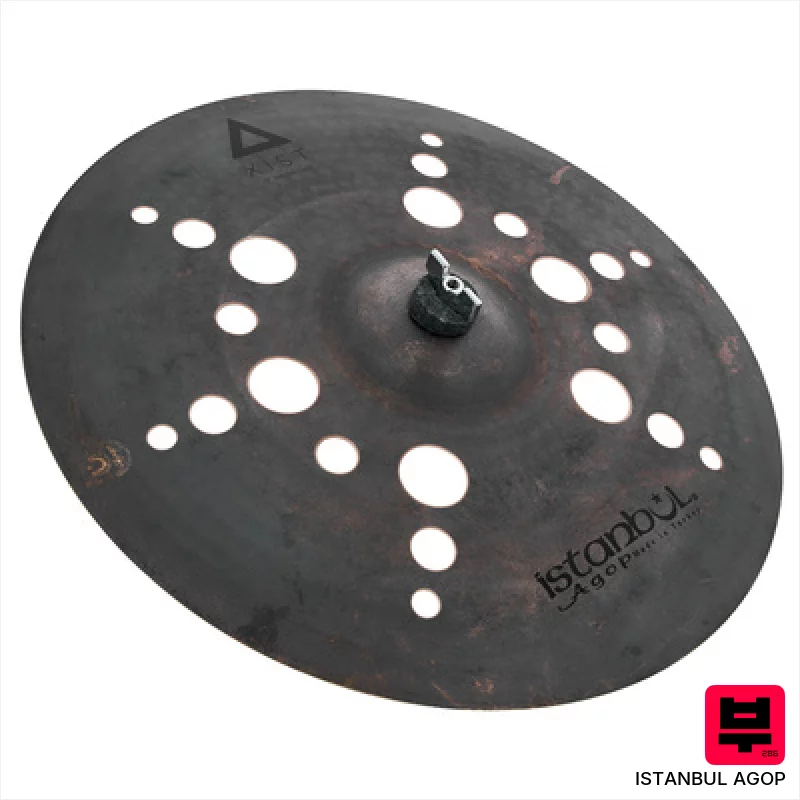
Istanbul Agop 17" Xist Dark ION Crash
- • B20 bronze alloy delivers complex, trashy overtones.
- • Fast response and short decay suit modern, dynamic playing styles.
- • Thin profile facilitates quick, articulate crashes and splashes.
- • Excellent value within the premium B20 crash cymbal market.
- • Dark, trashy sound isn't ideal for all genres; lacks bright shimmer.
- • Thinness can make it prone to cracking with aggressive playing.
- • May require careful miking to capture full sonic character.
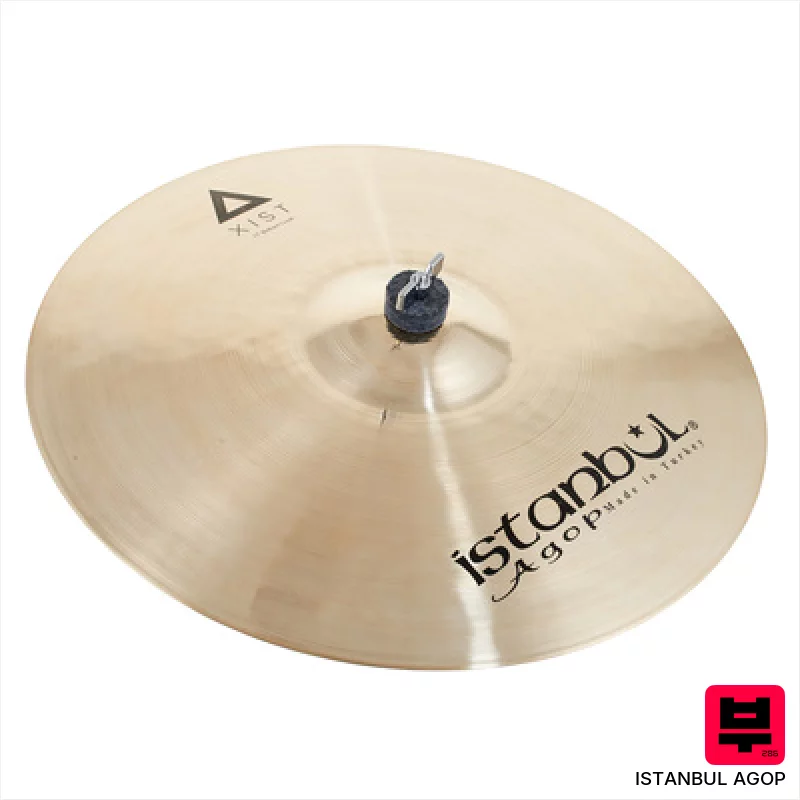
Istanbul Agop 17" Xist Crash Brilliant
- • The B20 bronze delivers a warm, complex tone with excellent sustain.
- • Fast attack and paper-like crackle add significant character and responsiveness.
- • Brilliant finish enhances projection and visual appeal on stage.
- • Medium decay prevents washiness, maintaining clarity in a full drum kit.
- • The thinner profile might not hold up to aggressive, heavy hitters.
- • Brilliant finish shows fingerprints and handling marks easily.
- • While versatile, it’s not a dark, washy crash for quieter, more nuanced styles.
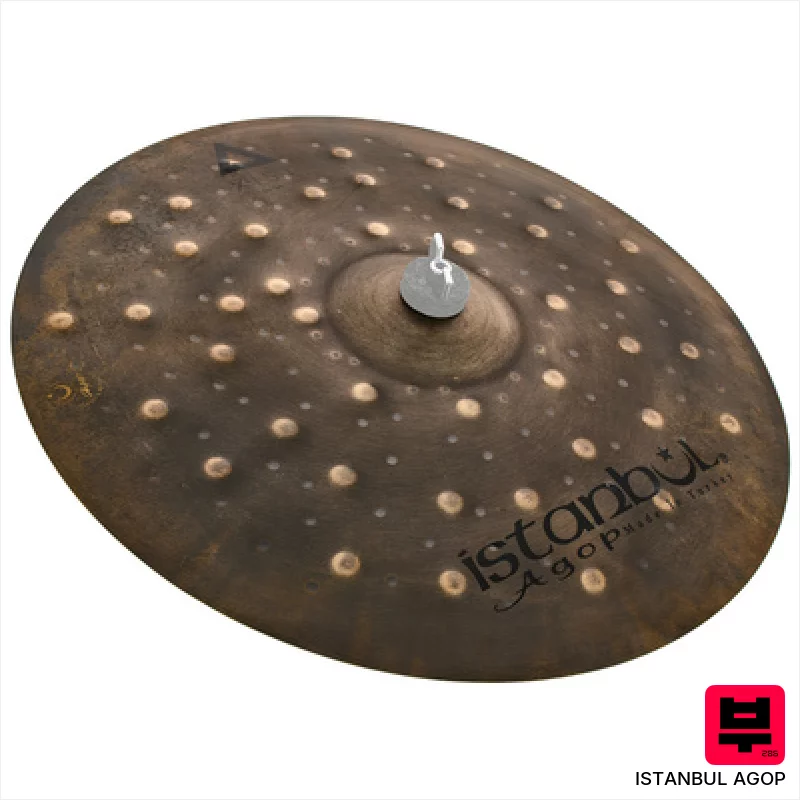
Istanbul Agop 17" Xist Dry Dark Crash
- • B20 bronze delivers a complex, trashy, and surprisingly musical tone.
- • Paper-thin construction provides explosive, short decay perfect for modern styles.
- • Hand-hammering adds unique character and responsiveness; feels alive under the stick.
- • Excellent for cymbal stacks, creating unique and interesting textural layers.
- • The extremely thin weight makes it fragile; requires careful handling and transport.
- • Dry, dark sound isn't universally appealing; lacks bright, shimmering qualities.
- • Limited versatility compared to more versatile, all-around crash cymbals.
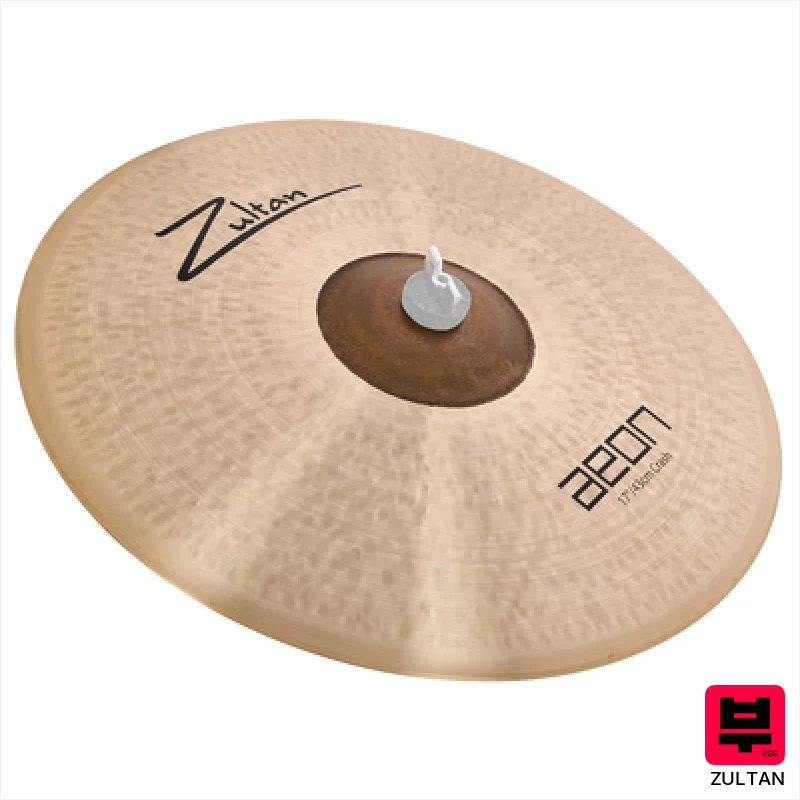
Zultan 17" Aeon Crash
- • B25 bronze delivers a bright, responsive tone with excellent projection.
- • Hand-hammering creates complex overtones and a lively, organic feel.
- • Longer decay provides a washiness suitable for dynamic playing styles.
- • Untreated bell maintains a pure, uncolored fundamental tone – very clean.
- • B25 alloy might lack the dark complexity of B8 or B20 bronze.
- • The bright sound may not be ideal for heavier, darker musical genres.
- • Handmade nature introduces slight variations; consistency isn't guaranteed.
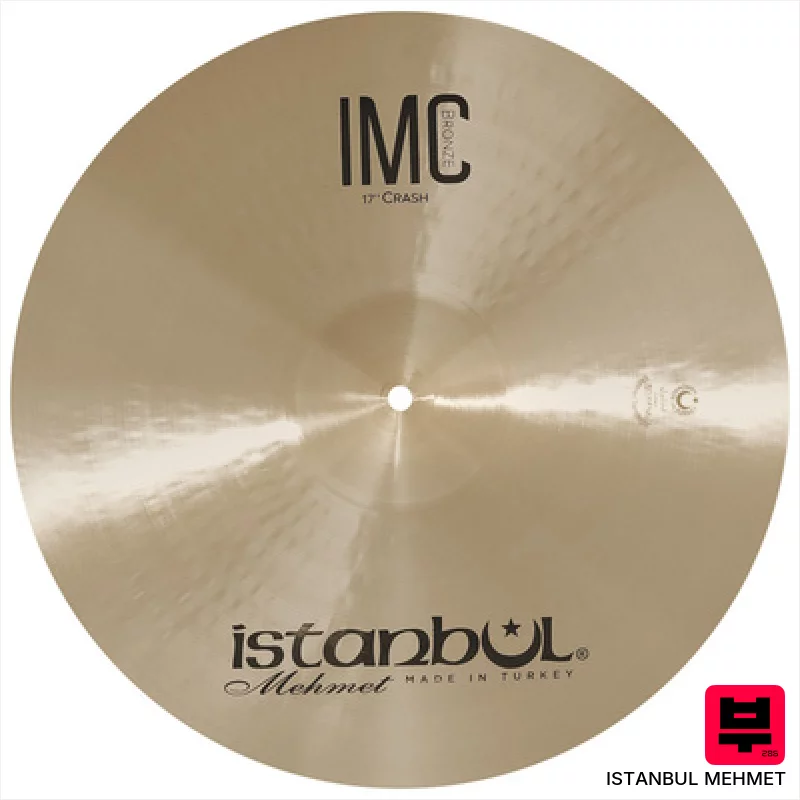
Istanbul Mehmet 17" Crash IMC Natural
- • B20 bronze delivers warm, complex overtones and sustain
- • IMC series offers excellent value without sacrificing quality
- • Natural finish provides a responsive, lively playing feel
- • Well-suited for a variety of genres, from jazz to rock
- • Natural finish can be prone to oxidation and requires more care
- • 17 in size might lack projection for louder ensemble settings
- • Sound leans towards a darker tone; not ideal for bright, cutting sounds
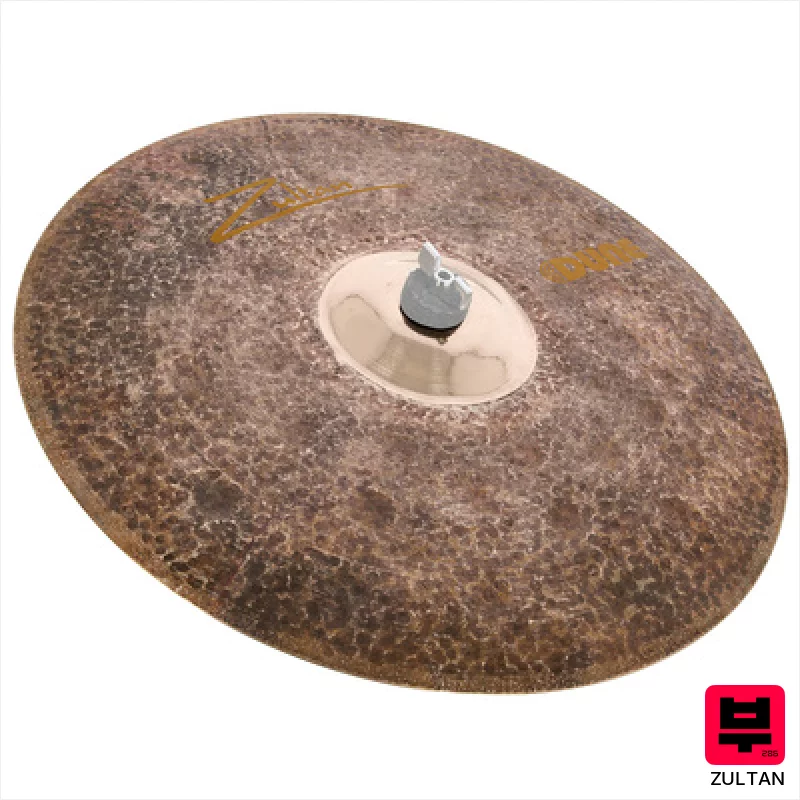
Zultan 17" Dune Crash
- • B20 bronze delivers a complex, nuanced sonic character.
- • Hand-hammering creates a unique, organic feel and responsiveness.
- • Fast decay and controlled overtones are great for busy mixes.
- • Polished bell offers a clear, articulate strike when needed.
- • Dune series leans heavily into a dry sound; not ideal for wash or shimmer.
- • Hammering can lead to slight inconsistencies in playing feel between samples.
- • The thinner profile might not hold up to aggressive, heavy hitters.
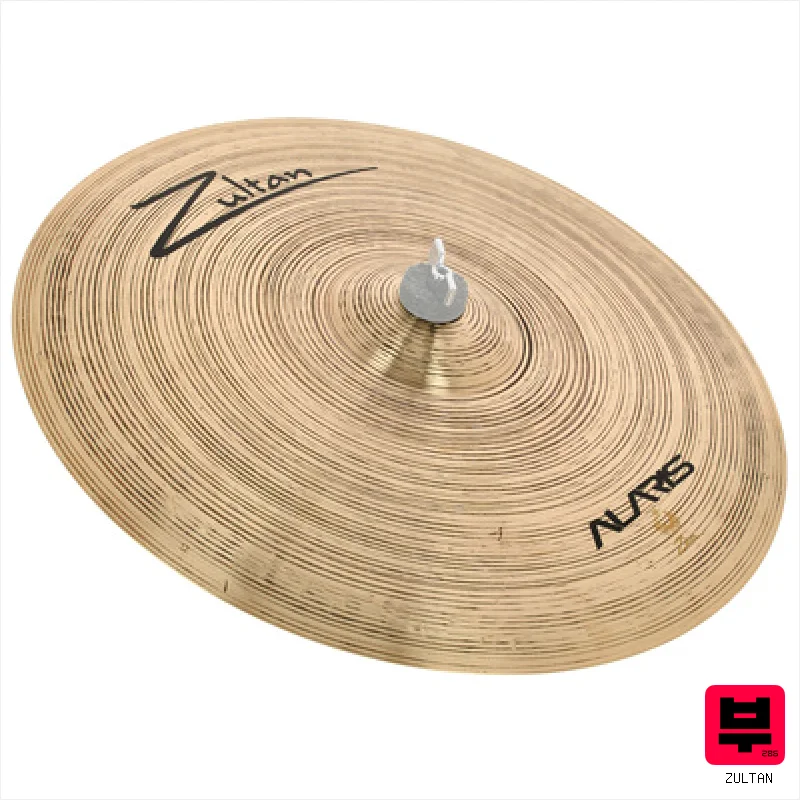
Zultan 17" Alaris Crash
- • Handcrafted in Turkey from B20 bronze
- • Bright and full-bodied sound character
- • Fast response with smooth decay
- • Clear projection and rich overtones
- • No specific weight listed for handling
- • No stated playability or feel details
- • Lacks specific brand availability info
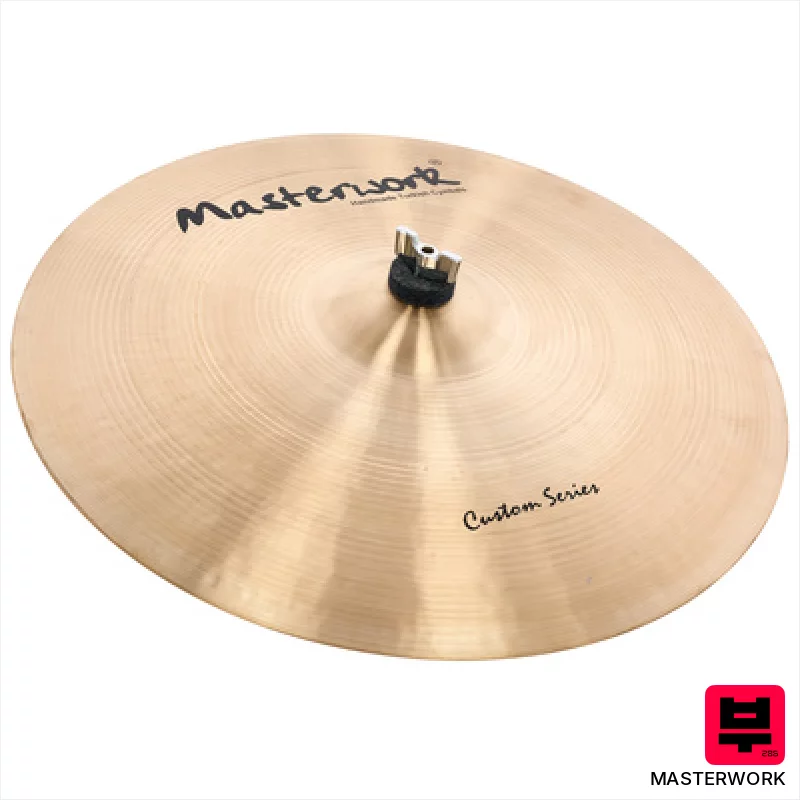
Masterwork 17" Custom Crash
- • B-25 alloy delivers a warm, full-bodied tone with surprising complexity.
- • Traditional surface finish enhances responsiveness and a vintage aesthetic.
- • Handmade construction ensures consistent quality and nuanced sonic character.
- • Excellent dynamic range – responds well to both subtle and powerful playing.
- • The B-25 alloy might lack the brilliant shimmer some modern players desire.
- • Traditional finish may require more diligent care to prevent tarnishing.
- • 17 in size can be limiting for drummers needing a larger crash presence.
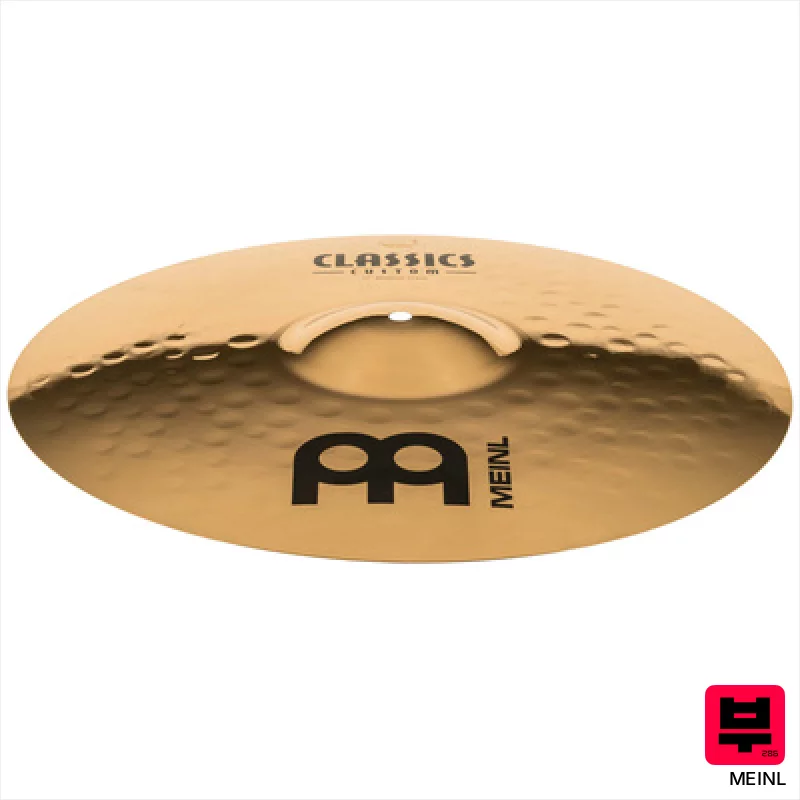
Meinl 17" Classics Custom Med. Crash
- • Excellent all-around versatility across many musical genres.
- • The Brilliant finish provides a clean, professional aesthetic.
- • Meinl’s B12 bronze alloy delivers a warm, complex tone.
- • Well-balanced frequencies offer a musical, non-washy crash.
- • The medium weight may feel slightly heavy for some players.
- • Brilliant finish shows fingerprints and marks easily, requiring frequent cleaning.
- • While versatile, it lacks the extreme articulation of thinner crashes.

Meinl 17" Classics Custom Dark Crash
- • B12 bronze offers a warm, complex tonal character.
- • Natural finish preserves the bronze's inherent sonic qualities.
- • Responsive attack allows for dynamic playing and clear articulation.
- • Well-balanced sound avoids excessive sustain or harshness.
- • Dark cymbals can lack brilliance for brighter musical styles.
- • The 17 in size might feel small for players needing a bigger crash.
- • Natural finish requires more careful maintenance to prevent discoloration.
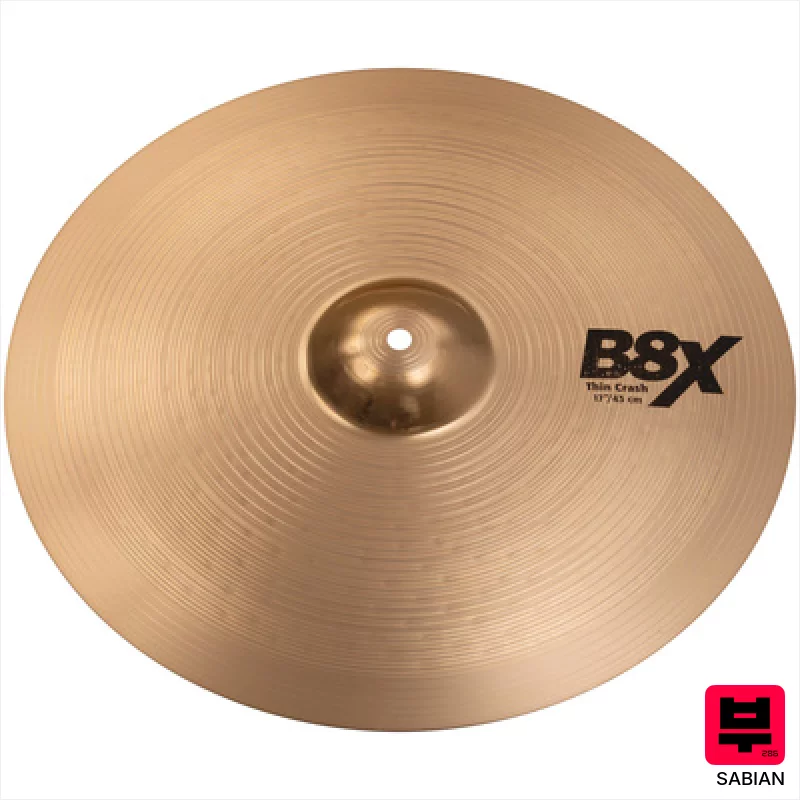
Sabian 17" B8X Thin Crash
- • B8 bronze alloy delivers a surprisingly warm, musical tone.
- • Thin profile provides a quick, responsive wash and easy playability.
- • Hammered bell adds a touch of complexity and shimmer to the sound.
- • Heavier hammering contributes to a darker, more mature crash character.
- • B8 bronze isn’t the highest quality, expect some patina and potential cracking.
- • The thinness makes it susceptible to damage from aggressive playing.
- • Sound lacks the sustain and complexity of higher-end bronze cymbals.
Every 17" crash cymbals that matches
36 models match this page. The 15 above are covered in detail; the rest are listed here with their published specifications.
| # | Model | Specifications | Price |
|---|---|---|---|
| 16 | Zultan 17" Z-Series Crash | Size 17" | $215 |
| 17 | Masterwork 17" Resonant Crash | Size 17" | $214 |
| 18 | Zultan 17" Q Crash | Size 17" | $204 |
| 19 | Zultan 17" F5 Crash | Size 17" | $204 |
| 20 | Zultan 17" Caz Crash | Size 17" | $204 |
| 21 | Paiste 17" 900 Color Crash PRP | Size 17" | $199 |
| 22 | Paiste 17" 900 Series Crash | Size 17" | $192 |
| 23 | Paiste 17" 900 Series Heavy Crash | Size 17" | $192 |
| 24 | Paiste 17" 900 Color Sound Crash BK | Size 17" | $192 |
| 25 | Paiste 17" 900 Color Heavy Crash BK | Size 17" | $192 |
| 26 | Zultan 17" Rock Beat Crash | Size 17" | $192 |
| 27 | Paiste 17" 900 Color Sound Crash Blue | Size 17" | $188 |
| 28 | Zultan 17" Raw Crash | Size 17" | $181 |
| 29 | Paiste 17" PST8 Reflector Rock Crash | Size 17" | $170 |
| 30 | Zildjian 17" I Family Trash Crash | Size 17" | $170 |
| 31 | Zultan 17" Crash Dark Matter | Size 17" | $170 |
| 32 | Zultan 17" Dark Matter Holey Crash | Size 17" | $170 |
| 33 | Paiste PST7 17" Thin Crash | Size 17" | $147 |
| 34 | Paiste PST7 17" Crash | Size 17" | $142 |
| 35 | Zultan 17" Aja Blaze Crash | Size 17" | $101 |
| 36 | Zultan 17" Aja Crash | Size 17" | $97 |
17" Crash Cymbals by the numbers
Measured across all 36 models in this category, so «wide», «short» or «expensive» mean something you can check.
How to Choose the Best 17" Crash Cymbals
Sustain
This is crucial. A short, choked sustain leaves you sounding weak. We're looking for a decent hang, enough to fill out the rhythm section, but not so long it gets muddy in a dense mix. Expect shorter sustain than a higher-end cymbal.
Wash vs. Stick Definition
A good crash balances a broad wash with clear articulation. Too much wash and it's just a blurry noise; too much stick definition and it sounds like a rimshot. Finding that sweet spot is tough at this price point.
Overall Tone
We're listening for a balanced tone - not overly bright and ice-picky, nor dull and lifeless. A little warmth and some complexity are desirable. Cheap cymbals often lean too far in one direction, lacking nuance.
Durability & Lathe Marks
Let's be honest, budget cymbals are often thinner. Watch for excessive dents and those super-visible lathe marks - they're a sign of cost-cutting. A little wear and tear is expected, but you want something that'll survive a few gigs.
Cut Through
Can it be heard? A crash needs to cut through the guitars, bass, and drums without being harsh or overpowering. This is often the biggest compromise in budget cymbals - they might disappear in a full band.
Buying Guide
At this price range, you're making trade-offs. Expect thinner profiles, less complex hammering, and potentially a more basic finish. Don't expect the shimmering, complex overtones of a Zildjian A Custom or Sabian AAX. Look for brands known for good value - consider B8 Bronze or similar alloys. Listen for a balanced tone, and don't be afraid to shop around for deals; used gear can be a goldmine.
How This List Is Built
We don't play these instruments — we're a catalog, not a review desk, and we'd rather say so than pretend otherwise. This page covers 36 17" crash cymbals from the Thomann catalogue, which is the largest single source of specification data in this category: 15 in detail, the rest listed with their specifications.
Position is computed, not curated. We parse the manufacturer's own description into actual values — nut width, scale, fret count, fingerboard radius, size, alloy — and rank on them: how many specifications a model has published, how many of them are measurable numbers, and how precisely it meets this page's criterion. A product image adds a little. Price is not a ranking signal: it tells you nothing about whether a neck fits your hand. The same inputs always produce the same order, so nothing here is shuffled to look fresh.
What this list is good for: narrowing a category down to a shortlist by spec and budget. What it isn't: a substitute for hearing an instrument. Before you buy, read hands-on reviews and, where you can, play it. Full methodology.

