
Best 17" Crash Cymbals for Intermediate 2026
So, you're past the beginner stage and looking to expand your crash arsenal? A 17" crash is a sweet spot - not too aggressive, not too timid. They're versatile enough for everything from subtle accents in jazz to adding some shimmer to rock and pop. But choosing the right one can be tricky; you need something that responds well to your developing dynamics and doesn't sound like a dinner plate.
Last updated: September 29, 2026

Istanbul Agop 17" Agop Signature Crash
- • Exceptional dark, dry tone ideal for complex musical passages
- • Hand-hammered construction yields nuanced sonic character and responsiveness
- • B20 bronze provides a warm, full sound with excellent sustain
- • Thin profile allows for effortless playing and a wide dynamic range
- • Limited versatility; not suited for bright, cutting cymbal sounds
- • The dry character might be too subdued for some modern genres
- • Thinness requires careful handling to avoid damage from aggressive playing

Zildjian 17" A-Custom Projection Crash
- • Brilliant finish offers a bright, shimmering aesthetic appeal.
- • A-Custom alloy delivers a fast response and clear, articulate sound.
- • Projection design enhances volume and cut for louder stage environments.
- • Sustain is noticeably longer than standard A Custom crashes of similar size.
- • The brighter sound may not suit players seeking a darker, more washy tone.
- • Premium-priced, making it a significant investment for budget-conscious drummers.
- • Relatively thin profile might be prone to cracking with aggressive playing.

Ufip 17" Blast Extra Dry Crash
- • B20 bronze delivers a warm, complex fundamental tone.
- • Double hammering provides a responsive, nuanced wash.
- • The 'Extra Dry' profile cuts through the mix without excessive sustain.
- • Solid build quality; Ufip’s lathing is consistently clean and even.
- • Limited versatility; not ideal for genres requiring a bright, explosive crash.
- • The 'dry' nature might feel dampened for players seeking more shimmer.
- • B20 bronze cymbals can develop patina faster than other alloys.

Ufip 17" Blast Series Crash
- • B20 bronze construction delivers a complex, shimmering core tone.
- • Fast response and short decay ideal for quick, modern playing styles.
- • Double hammering creates a raw, textured surface for unique overtones.
- • Blast series offers a distinctive, explosive character lacking in many crashes.
- • The trashy character might not suit all genres; less suited for orchestral work.
- • Short sustain limits its use for drawn-out, atmospheric washes.
- • Higher price point places it above entry-level crash cymbals.
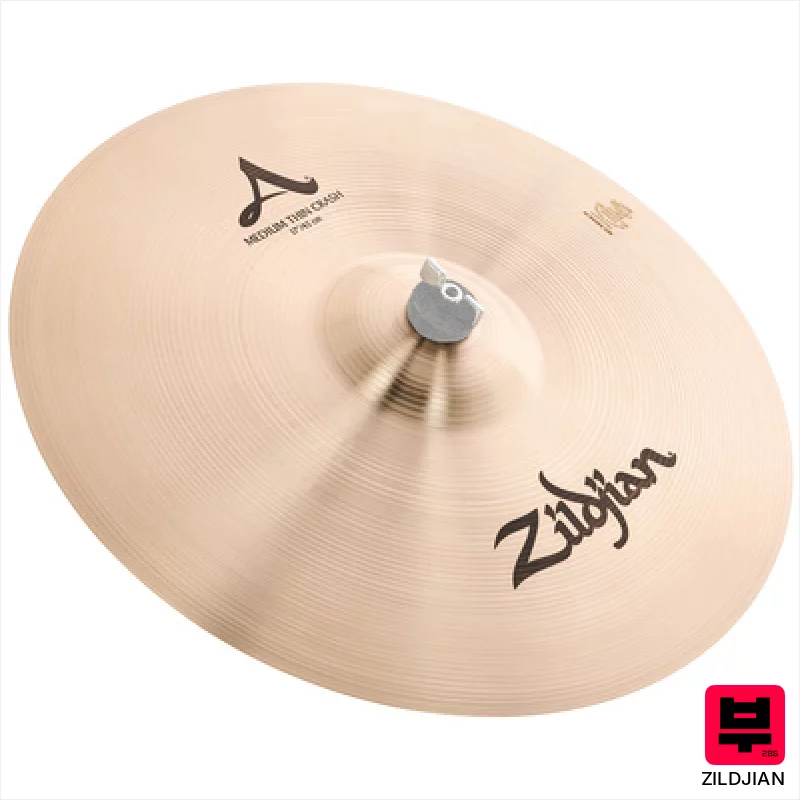
Zildjian 17" A-Series Medium Thin Crash
- • Brilliant, clean wash with a quick, responsive decay.
- • The medium thin profile delivers a musical, bell-rich tone.
- • A-Series bronze provides a balanced warmth and clarity.
- • Excellent projection for smaller venues and quieter playing styles.
- • Lacks the raw, trashy character of heavier crash cymbals.
- • May not cut through in extremely loud, high-energy rock bands.
- • A-Series bronze isn't as complex as higher-end Zildjian alloys.
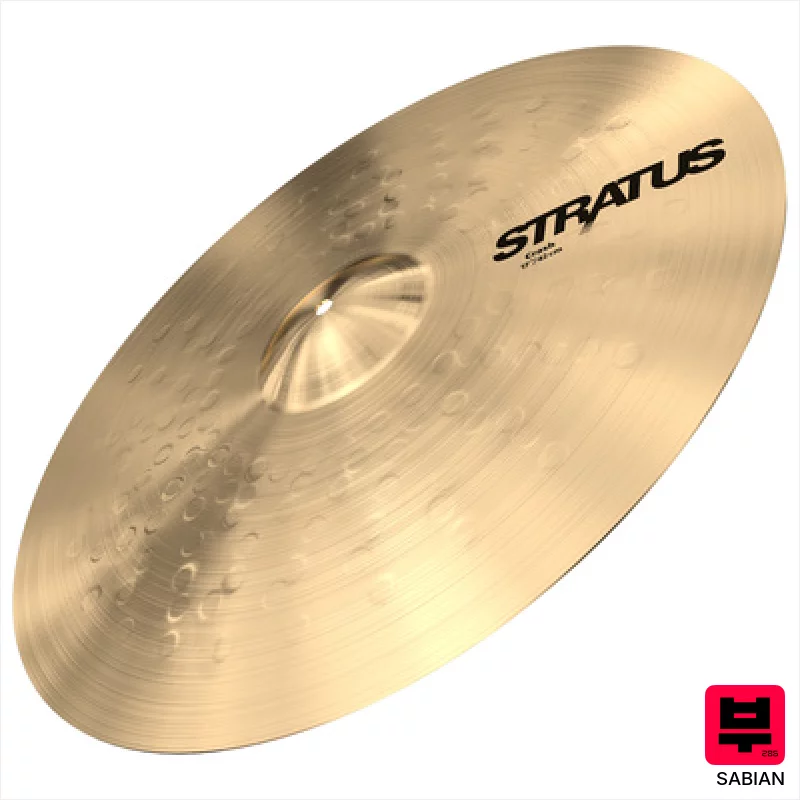
Sabian 17" Stratus Crash
- • The B20 bronze alloy delivers a warm, complex fundamental tone.
- • High-impact hammering creates a responsive, explosive initial attack.
- • Thin profile allows for a quick, controlled decay, avoiding washiness.
- • Traditional finish provides a vintage aesthetic and nuanced sonic character.
- • The thin weight might not hold up to aggressive, heavy hitters.
- • Limited versatility; best suited for genres prioritizing warmth and subtlety.
- • The darker tone may be lost in very bright, heavily mic’d recordings.
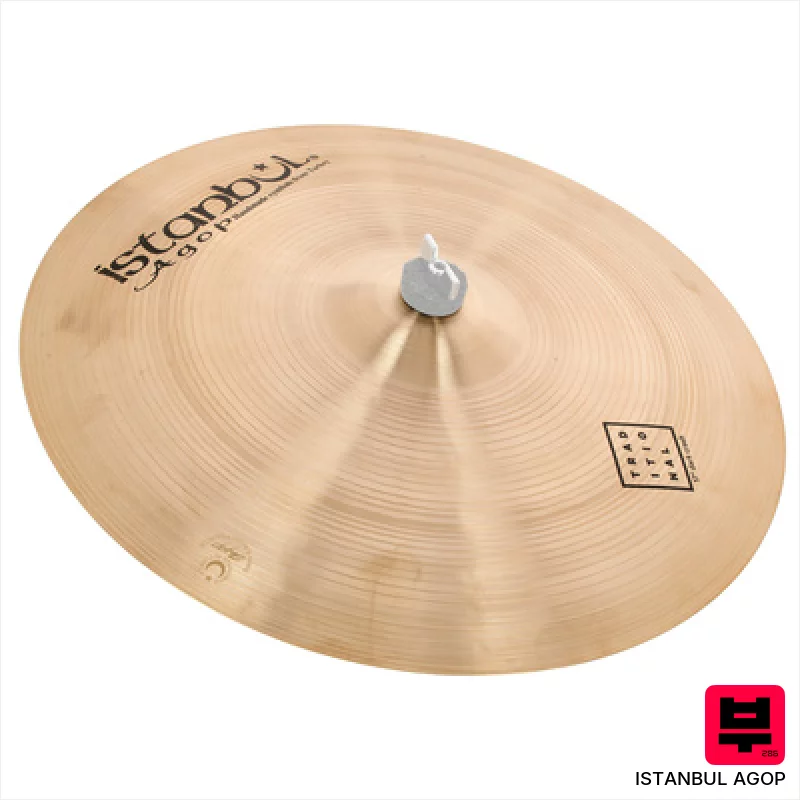
Istanbul Agop 17" Traditional Dark Crash
- • The B-20 bronze alloy delivers a warm, complex fundamental tone.
- • Its thinner profile produces a relatively quick, responsive attack.
- • The Traditional Dark series hammering creates a uniquely nuanced wash.
- • Excellent projection for a 17” crash, cuts through a dense mix.
- • Lacks the bright, shimmering sustain of more modern crash cymbals.
- • The darker tone might not be ideal for very bright, modern genres.
- • Requires careful playing to avoid unwanted overtones due to complexity.

Istanbul Agop 17" Traditional Thin Crash
- • B20 bronze delivers warm, complex overtones and a pleasing sustain.
- • Hand-hammering creates a responsive feel and unique sonic signature.
- • Thin profile facilitates a quick, articulate response ideal for nuanced playing.
- • Traditional series offers a darker, more vintage-inspired sound than brighter Agops.
- • Thinness makes it potentially less durable under heavy, aggressive playing.
- • Darker sound might not suit genres requiring a bright, cutting crash.
- • Traditional hammering can introduce slight inconsistencies in tone and volume.
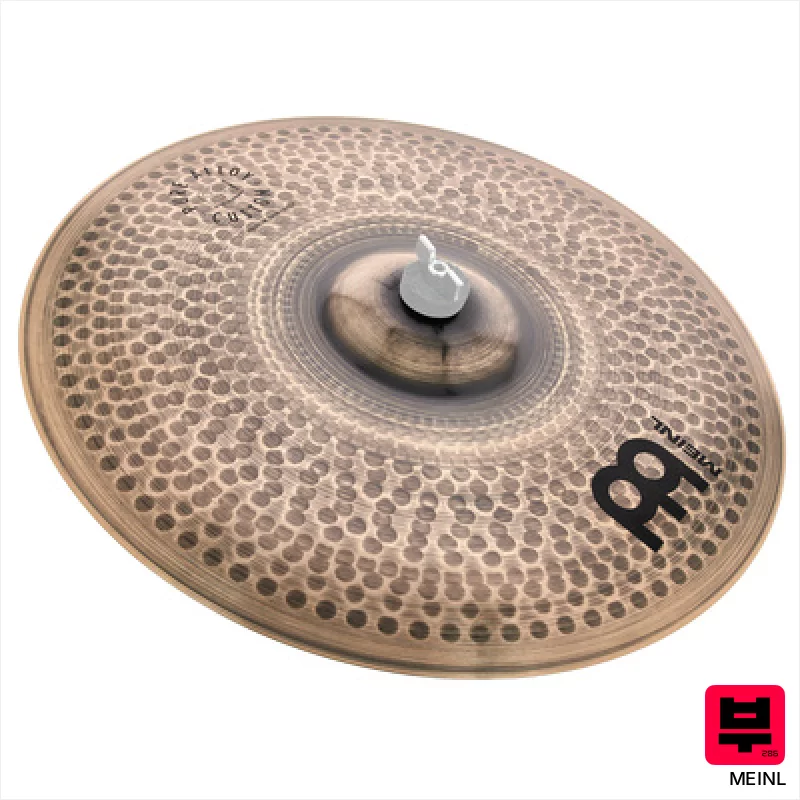
Meinl 17" Pure Alloy Custom Crash
- • The Pure Alloy blend delivers a surprisingly warm, musical initial attack.
- • Meinl’s hammering creates complex overtones without being overwhelming.
- • The medium-thin weight provides responsiveness for quieter dynamic playing.
- • Smoke Bronze finish reduces stick marks and offers a sophisticated aesthetic.
- • The short sustain limits its effectiveness for large, reverb-heavy spaces.
- • Pure Alloy isn't as bright or cutting as traditional B12 bronze cymbals.
- • The price point places it in a premium-priced category for a 17” crash.
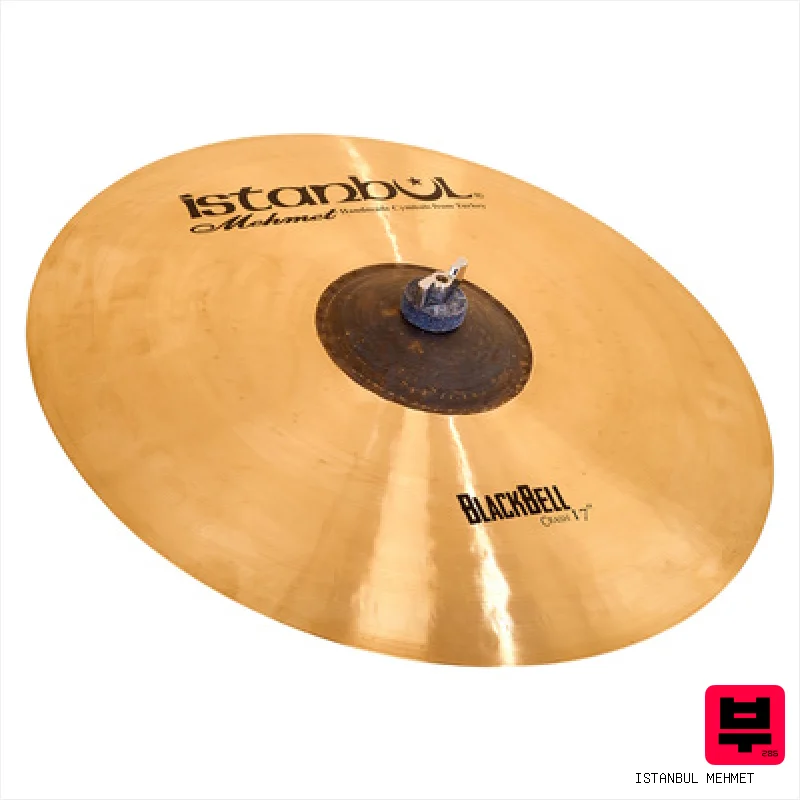
Istanbul Mehmet 17" Black Bell Crash
- • Traditional finish looks classic on any stage.
- • B20 Bronze alloy offers a solid, warm tone.
- • Untreated bell provides a pure, clear ringing sound.
- • 17-inch size works perfectly for big kit setups.
- • No specific sound character described in text.
- • Weight is not listed in the provided info.
- • Finish type could vary slightly from standard.

Istanbul Mehmet 17" Crash Samatya Series
- • B20 bronze alloy delivers a warm, complex, and musical wash.
- • Samatya hammering creates a focused, articulate, and relatively quick response.
- • Brilliant finish enhances projection and offers a clean, modern aesthetic.
- • Well-latted construction ensures durability and consistent sound across the cymbal.
- • Might be too bright for players seeking a darker, vintage crash tone.
- • Samatya series, while versatile, isn’t ideal for extremely heavy metal applications.
- • The 17 in size offers less volume and sustain compared to larger crashes.
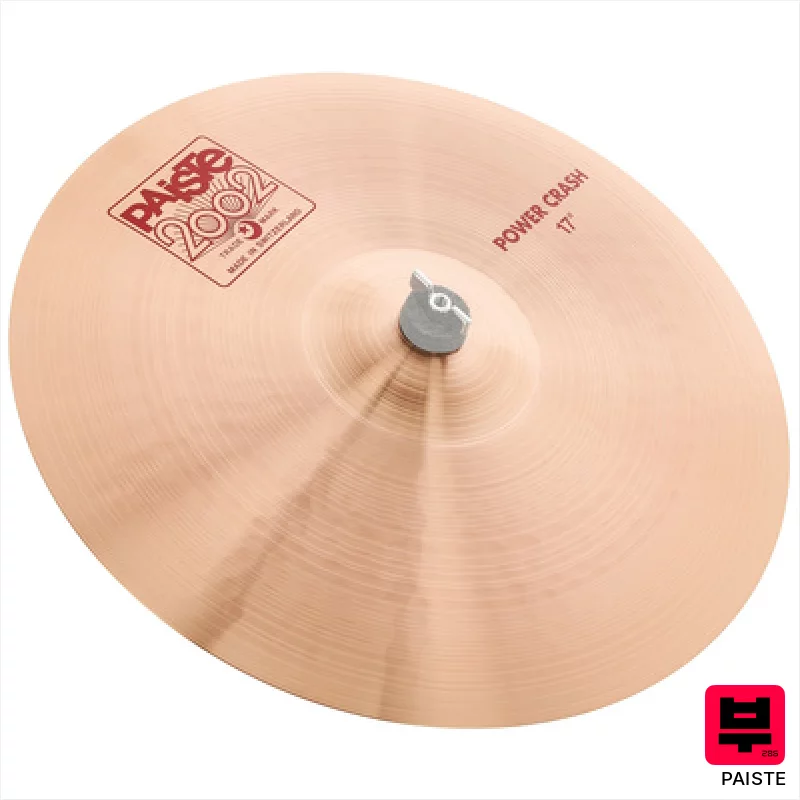
Paiste 2002 Classic 17" Power Crash
- • Bright, cutting sound excels in louder, more aggressive musical settings
- • Paiste’s Signature 2002 bronze alloy provides excellent projection and sustain
- • Well-laced hammering creates a complex, shimmering wash alongside the attack
- • Durable construction ensures longevity even with frequent, powerful playing
- • Limited versatility; not ideal for subtle, nuanced musical passages
- • Can be overwhelming in quieter, more intimate recording environments
- • The higher pitch may clash with darker-sounding cymbals in a kit
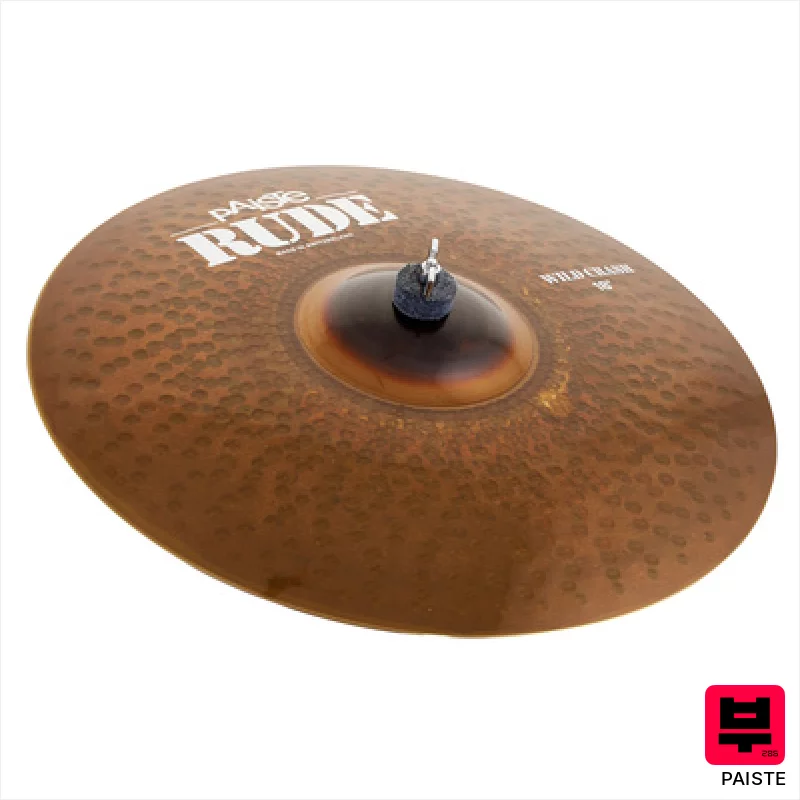
Paiste 17" Rude Wild Crash
- • Aggressive, complex wash with a distinct metallic sizzle.
- • Paiste's Signature Wild hammering provides incredible projection.
- • Robust bronze alloy construction ensures exceptional durability.
- • Excellent response across a wide dynamic range, surprisingly playable.
- • The intense high frequencies can be fatiguing over extended use.
- • Limited versatility; not ideal for quieter, nuanced musical styles.
- • The 'Rude' series' raw sound isn't for everyone; can be harsh.
- • Higher price point compared to some entry-level crash cymbals.
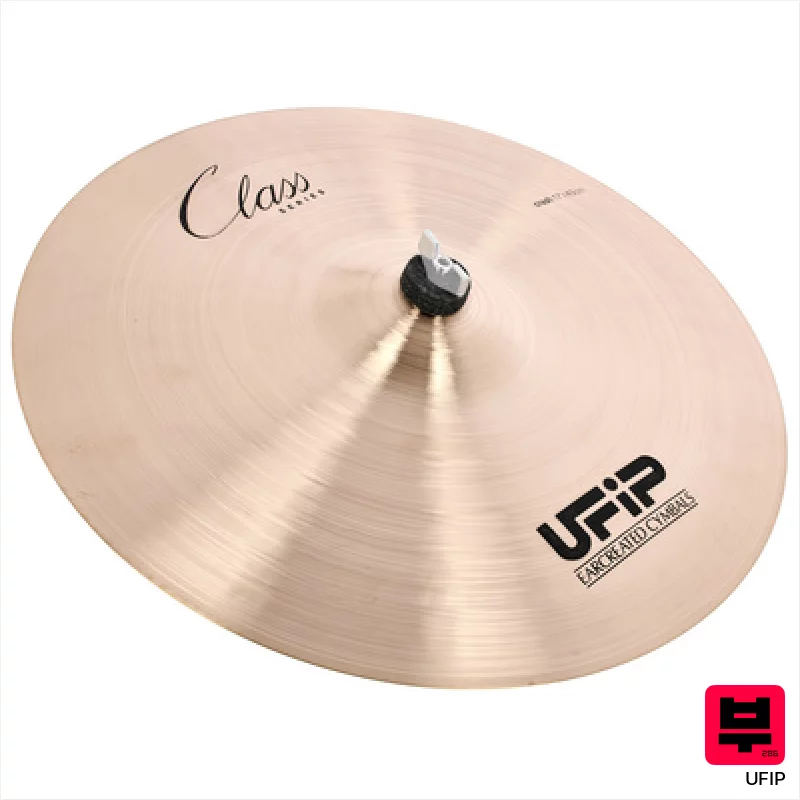
UFIP 17" Class Series Crash Medium
- • Full, warm tone provides excellent wash and sustain
- • UFIP’s B20 bronze alloy delivers balanced, complex overtones
- • Well-latted construction ensures consistent response and durability
- • Versatile enough for various genres, from jazz to modern rock
- • May lack the extreme brightness preferred by some metal players
- • The medium weight might feel slightly heavy for quick, intricate playing
- • Class series represents a mid-range offering; higher UFIP lines offer more refinement
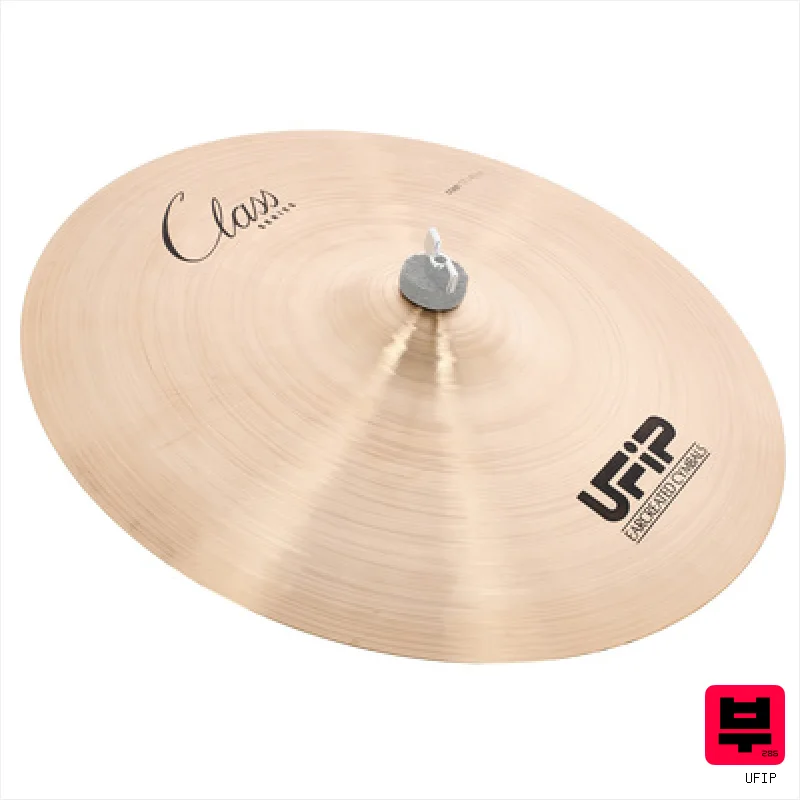
Ufip 17" Class Series Crash Light
- • Delivers extra volume for the stage
- • Provides warm tone characteristics
- • Offers full dynamic range control
- • Works well in pop, jazz, rock, and metal
- • Lacks specific material composition details
- • No stated weight for handling info
- • Missing finish type information
Every 17" crash cymbals that matches
100 models match this page. The 15 above are covered in detail; the rest are listed here with their published specifications.
17" Crash Cymbals by the numbers
Measured across all 100 models in this category, so «wide», «short» or «expensive» mean something you can check.
How to Choose the Best 17" Crash Cymbals
Wash vs. Stick Definition
Intermediate players need a crash that's responsive to quieter playing but can still cut through a loud band. Too much wash and it'll get lost; too much stick definition and it'll be brittle.
Sustain & Decay
You want enough sustain to create a wash, but not so much that it rings forever and gets muddy. A good crash should decay naturally, leaving space for the other instruments.
Weight & Action
A lighter crash will be more responsive and easier to control, which is good for developing technique. However, a slightly heavier crash might have more projection. Finding the right balance is key.
Bell Tone & Harmonic Complexity
A lively bell is crucial for that initial 'ping' and overall shimmer. Intermediate players are starting to hear nuances - you want a crash that offers more than just a single, flat tone.
Trashiness/Rawness
Too clean and it'll sound sterile. A little bit of raw, unrefined character can add a lot of vibe and feel, but too much and it'll just sound cheap and clangy.
Buying Guide
Don't chase the loudest crash you can find; control and responsiveness are more important as you improve. Entry-level cymbals often cut corners on alloy and hammering, leading to a dull, lifeless sound. Spending a little more on a well-made 17" crash will pay dividends in your playing and recording. Listen for the 'ping' and the overall decay - those are the details that separate a usable crash from a paperweight.
How This List Is Built
We don't play these instruments — we're a catalog, not a review desk, and we'd rather say so than pretend otherwise. This page covers 100 17" crash cymbals from the Thomann catalogue, which is the largest single source of specification data in this category: 15 in detail, the rest listed with their specifications.
Position is computed, not curated. We parse the manufacturer's own description into actual values — nut width, scale, fret count, fingerboard radius, size, alloy — and rank on them: how many specifications a model has published, how many of them are measurable numbers, and how precisely it meets this page's criterion. A product image adds a little. Price is not a ranking signal: it tells you nothing about whether a neck fits your hand. The same inputs always produce the same order, so nothing here is shuffled to look fresh.
What this list is good for: narrowing a category down to a shortlist by spec and budget. What it isn't: a substitute for hearing an instrument. Before you buy, read hands-on reviews and, where you can, play it. Full methodology.

