AudioFu
AudioFu Chart · October 2026
Best 17" Crash Cymbals for Advanced 2026
The top pick is Sabian 17" HHX Complex O-Zone Crash Cymbal ($449). Ranked by the AudioFu Index from 98 models across 9 brands, prices checked every night.
Last updated: October 17, 2026
Top 10
Full detail for the 10 highest AudioFu Index scores. Every other model is listed below.
-
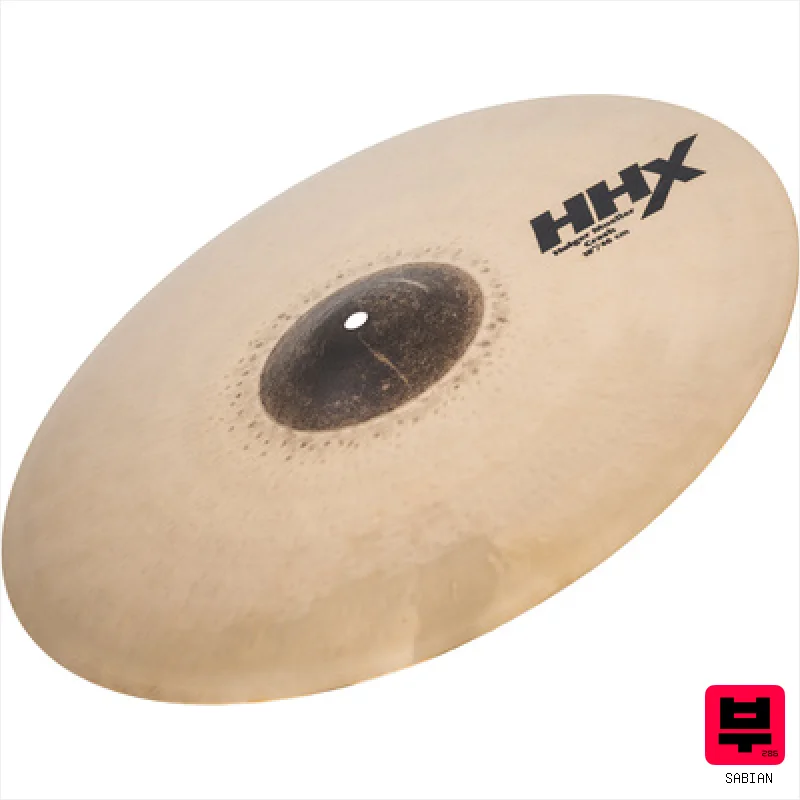
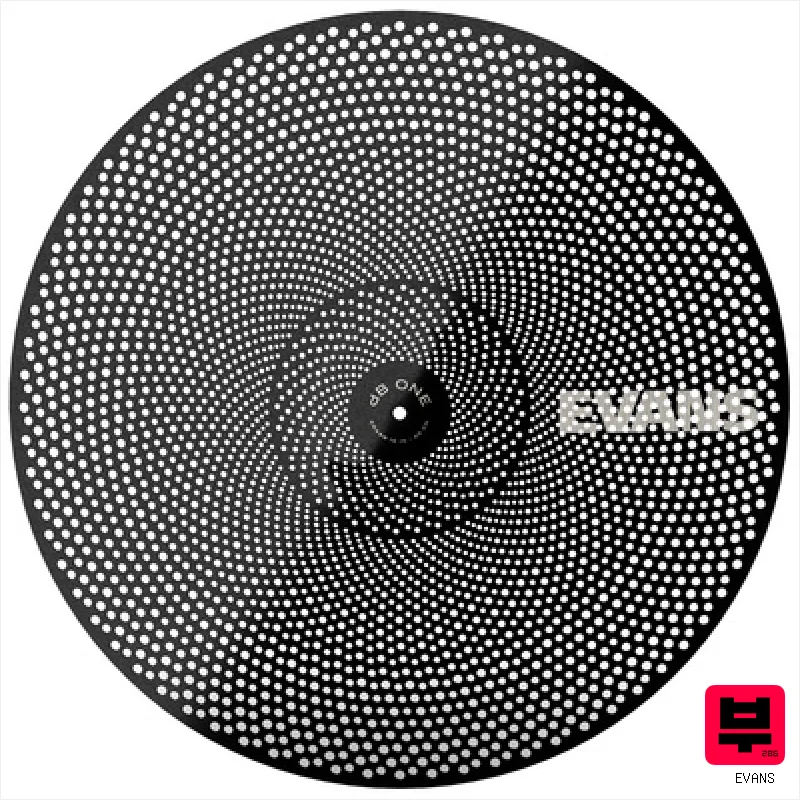
Sabian 17" HHX Complex O-Zone Crash Cymbal
17" FRX Crash · Sabian
23 for sale on Reverb1 finish at Thomann
- Size17"
The Sabian FRX 17 in crash is a real game-changer if you're tired of cymbals that overwhelm a mix. It's fantastic for modern pop, orchestral, or any genre where you need a crash that sits well without being overpowering - think film scores or quieter rock styles. The reduced frequencies create a unique, musical decay, making it a welcome addition to a discerning drummer's arsenal.
Pros
- B20 bronze construction delivers a warm, complex fundamental tone.
- Frequency reduction minimizes harshness, excellent for dense mixes.
- Compressed sound offers controlled volume without sacrificing sustain.
Cons
- Limited versatility; not suited for bright, explosive playing styles.
- Premium-priced, a significant investment for many drummers.
83AudioFu
Index↓ 16.7%since Aug 14 · lowest so far$539 · Aug 14$449 now$449€399 at Thomann · in stockCheck price ↗ -
Zildjian 17" K Series Sweet Crash Cymbal
17" K Sweet Crash · Zildjian
57 for sale on Reverb1 finish at Thomann
- Size17"
The Zildjian K Sweet 17 is a fantastic crash, offering a bright shimmer balanced by a warm, complex undertone. It's a great all-around choice for drummers seeking a refined, musical crash that’s not overly aggressive – perfect for session players and those wanting a sophisticated sound.
Pros
- Bell produces a bright, shimmering wash with excellent projection.
- The hammering pattern yields a complex, musical decay.
- K bronze alloy provides a warm, yet defined sonic character.
Cons
- The 'sweet' designation can be misleading – it’s not *extremely* mellow.
- Higher price point compared to Zildjian’s A or S series offerings.
-
Sabian 17" HHX Complex O-Zone Crash Cymbal
17" HHX Complex O-Zone Crash · Sabian
23 for sale on Reverb1 finish at Thomann
- Size17"
This Complex O-Zone is a real character cymbal – it's not your go-to for pristine, shimmering sounds. It's fantastic for rock, metal, and heavier styles where you want a gritty, explosive crash with a full body; think modern worship or progressive rock. It's a statement piece, not a workhorse.
Pros
- B20 bronze delivers a warm, complex fundamental tone.
- Hammered bell provides a distinct, trashy shimmer and articulation.
- Six soundholes create a unique, controlled wash and sustain.
Cons
- The trashy sound might be too aggressive for very subtle, delicate playing.
- Complex O-Zone's character limits versatility across all genres.
76AudioFu
Index↓ 2.2%since Aug 14 · lowest so far$517 · Aug 14$505 now$505€449 at Thomann · in stockCheck price ↗ -
Zildjian 17" K Custom Dark Crash Cymbal
17" K-Custom Dark Crash · Zildjian
28 for sale on Reverb1 finish at Thomann
- Size17"
This 17' K-Custom Dark Crash is a real character cymbal – it’s got that dry, almost muted sound that's perfect for genres like indie, alternative, and even quieter jazz settings. It’s not a loud, splashy crash, but if you're after a unique, textured accent that cuts through a mix without being overwhelming, this is a fantastic choice.
Pros
- Exceptional 'trashy' character adds unique rhythmic textures.
- B20 bronze alloy delivers a darker, more complex tone.
- Fast attack responds instantly for dynamic playing.
Cons
- Limited versatility; not ideal for bright, shimmering crash sounds.
- Can be a bit brittle if played aggressively.
76AudioFu
IndexStableno change since Aug 14Aug 14$448 now$448€398 at Thomann · in stockCheck price ↗ -
Sabian 17" AAX X-Plosion Crash Cymbal
17" HHX Plosion Crash · Sabian
23 for sale on Reverb1 finish at Thomann
- Size17"
This 17-inch crash hits hard with a clear, well-defined sound that handles big dynamics well. It shines bright and fits every music style you play. Great for drummers who want a reliable, high-end crash that sounds professional right out of the box.
Pros
- Delivers a clear and well defined sound
- Offers a wide dynamic range for expression
- Works well across all styles of music
Cons
- No specific metal thickness is listed
- Weight details are not provided in text
75AudioFu
IndexStableno change since Aug 17Aug 17$505 now$505€449 at Thomann · in stockCheck price ↗ -
Sabian 17" HHX Evolution Crash Cymbal
17" HHX Evolution Crash · Sabian
14 for sale on Reverb1 finish at Thomann
- Size17"
The HHX Evolution is a really well-crafted crash; it’s got a modern, explosive sound with plenty of clarity, thanks to the brilliant finish. It’s a great choice for players in rock, pop, and funk who want a cymbal that cuts through the mix without being overly splashy. It’s a step up from entry-level cymbals, offering a professional feel and sound.
Pros
- Hand-hammering creates complex overtones and a lively, responsive wash.
- HHX series offers a modern, controlled sound – avoids excessive sustain.
- Brilliant finish enhances clarity and projection, cutting through dense mixes.
Cons
- The brilliant finish shows fingerprints and handling marks easily.
- May be too bright for drummers seeking a dark, vintage cymbal tone.
72AudioFu
Index↓ 4.5%since Aug 14 · lowest so far$505 · Aug 14$483 now$483€429 at Thomann · in stockCheck price ↗ -
Sabian 17" HHX Complex Thin Crash Cymbal
17" HHX Complex Thin Crash · Sabian
16 for sale on Reverb1 finish at Thomann
- Size17"
This Complex Thin Crash is a real gem – a warm, responsive cymbal that sings with a gorgeous wash. It’s fantastic for players in jazz, fusion, or anyone wanting a sophisticated, nuanced crash without being overly aggressive. It’s a serious upgrade from entry-level cymbals, and the build quality reflects that.
Pros
- B20 bronze construction delivers a warm, complex, and musical tone.
- Hammered bell provides a shimmering, explosive wash beyond the fundamental.
- Thin profile allows for responsive playing and dynamic control across genres.
Cons
- The thinness makes it potentially less durable under aggressive playing.
- The warm character might be too mellow for players seeking a bright, cutting crash.
72AudioFu
IndexStableno change since Aug 14Aug 14$505 now$505€449 at Thomann · in stockCheck price ↗ -
Zildjian 17" K Series Dark Thin Crash Cymbal
17" K-Series Dark Crash Thin · Zildjian
29 for sale on Reverb1 finish at Thomann
- Size17"
The Zildjian K-Series Dark Crash Thin is a beautifully voiced cymbal, offering a warm and complex tone that’s perfect for players seeking a sophisticated crash sound. It’s a fantastic choice for jazz, acoustic, and more subtle styles where a shorter, darker response is desired – it won’t overpower a quieter kit.
Pros
- Exceptional warmth and complexity due to B20 bronze alloy.
- Thin profile delivers a surprisingly quick and responsive feel.
- Dark, musical tone blends seamlessly across many genres.
Cons
- Sustain is shorter than many crash cymbals; less wash.
- Higher price point places it in a premium-priced category.
76AudioFu
IndexStableno change since Aug 14Aug 14$438 now$438€389 at Thomann · in stockCheck price ↗ -
Zildjian 17" K Custom Special Dry Trash Crash Cymbal
17" K Custom Special Dry Trash · Zildjian
15 for sale on Reverb1 finish at Thomann
- Size17"
This Special Dry Trash cymbal is a real character piece, perfect for drummers chasing a raw, percussive edge in genres like industrial, hip-hop, or experimental music. It cuts through the mix beautifully with its short sustain and trashy overtones – not your go-to crash, but a vital color for creative drumming.
Pros
- B20 bronze alloy delivers a uniquely trashy, complex sonic signature.
- Hammered and latted construction provides intricate stick definition and texture.
- Short sustain allows for tight, controlled rhythms in busy mixes.
Cons
- Limited versatility; excels in specific genres, less ideal for traditional crash roles.
- Higher price point reflects the premium K Custom series construction.
70AudioFu
IndexStableno change since Aug 14Aug 14$448 now$448€398 at Thomann · in stockCheck price ↗ -
Sabian 17" HHX Legacy Crash Cymbal
17" HHX Legacy Crash · Sabian
12 for sale on Reverb1 finish at Thomann
- Size17"
This Legacy Crash from Sabian, designed with Dave Weckl, is a serious piece of kit. It’s got that warm, controlled darkness perfect for jazz, fusion, and anything needing a sophisticated crash. If you’re looking for a crash that cuts through without being overly aggressive, this is a top contender.
Pros
- Dave Weckl’s signature voicing provides a focused, articulate crash sound.
- The B20 bronze alloy delivers a dark, complex tonal character.
- Hammered bell provides a distinct, shimmering overtone response.
Cons
- The darker sound might be too subdued for brighter musical styles.
- Premium-priced, representing a significant investment for many drummers.
69AudioFu
IndexStableno change since Aug 14Aug 14$500 now$500€444 at Thomann · in stockCheck price ↗
All 98 17" crash cymbals
Same index, same nightly prices — compact. Colour options of one model share a row. Tap a photo to zoom.
- 11
Paiste 17" Signature Full Crash Cymbal17" Signature Full Crash · Paiste74↓ 2.3%$438€389$438€389Check ↗
- 12
Zildjian 17" K Custom Hybrid Crash Cymbal17" K-Custom Hybrid Crash · Zildjian74Stable$438€389$438€389Check ↗
- 13
Paiste 17" Masters Dark Crash Cymbal17" Masters Dark Crash · Paiste67Stable$448€398$448€398Check ↗
- 14
Zildjian 17" A Custom Crash Cymbal17" Z Custom Crash · Zildjian79↓ 1.6%$415€369$415€369Check ↗
- 15
Sabian 17" AAX Thin Crash Cymbal17" AAX Thin Crash · Sabian72Stable$426€379$426€379Check ↗
- 16
Paiste 17" Signature Fast Crash Cymbal17" Signature Fast Crash · Paiste72↓ 2.6%$426€379$426€379Check ↗
- 17
Paiste 17" Thin Crash 602 SeriesPaiste60↓ 5.6%$472€419$472€419Check ↗
- 18
Meinl 17" Byzance Traditional Medium Thin Crash Cymbal17"Byzance J.Medium Thin Crash · Meinl65Stable$438€389$438€389Check ↗
- 19
Paiste 17" 602 Mod. Essentials CrashPaiste59↓ 4.6%$472€419$472€419Check ↗
- 20
Paiste 17" Traditional Thin CrashPaiste58↓ 1.1%$500€444$500€444Check ↗
- 21
Meinl 17" Byzance Extra Dry Thin Crash17" Byzance Med. Thin Crash B. · Meinl63↑ 5.4%$438€389$438€389Check ↗
- 22
Paiste 17" Signature Dark Energy MK1Paiste57Stable$494€439$494€439Check ↗
- 23
Paiste 17" 602 Medium CrashPaiste57Stable$505€449$505€449Check ↗
- 24
Meinl 17" Byzance Traditional Medium Thin Crash Cymbal17" Byzance Medium Thin Crash · Meinl62↑ 5.4%$438€389$438€389Check ↗
- 25
Sabian 17" HHX Evolution Effect CrashSabian56Stable$483€429$483€429Check ↗
- 26
Sabian 17" HHX HHXtrem Crash trad.Sabian56Stable$505€449$505€449Check ↗
- 27
Sabian 17" HHX HHXtrem CrashSabian56Stable$505€449$505€449Check ↗
- 28
Sabian 17" Artisan Thin CrashSabian56Stable$692€615$692€615Check ↗
- 29
Zildjian 17" K' Constantinople Susp.Zildjian55Stable$591€525$591€525Check ↗
- 30
Meinl 17" Byzance Extra Dry Thin Crash17" Byzance Extra Dry T. Crash · Meinl64↑ 2.7%$426€379$426€379Check ↗
- 31
Meinl 17" Byzance Extra Dry Thin Crash17" Byzance Thin Crash · Meinl65↑ 2.2%$424€377$424€377Check ↗
- 32
Meinl 17" Byzance Jazz Extra Thin Crash17" Byzance Jazz Extra Thin Cr · Meinl56↑ 5.4%$438€389$438€389Check ↗
- 33
Zildjian 17" A Custom Fast Crash Cymbal17" A-Custom Fast Crash · Zildjian76↑ 4.8%$393€349$393€349Check ↗
- 34
Paiste 17" Signature Power Crash Cymbal17" Signature Power Crash · Paiste70↓ 7.7%$404€359$404€359Check ↗
- 35
Paiste 17" Signature Mellow Crash Cymbal17" Signature Mellow Crash · Paiste64↓ 2.6%$415€369$415€369Check ↗
- 36
Meinl 17" Byzance Jazz Extra Thin Crash17" Byzance Jazz Thin Crash · Meinl58↑ 2.7%$426€379$426€379Check ↗
- 37
Sabian 17" AAX AAXplosion CrashSabian56Stable$426€379$426€379Check ↗
- 38
Zildjian 17" A Custom Crash Cymbal17" A-Custom Crash · Zildjian72↑ 13.7%$393€349$393€349Check ↗
- 39
Meinl 17" Byzance Dark CrashMeinl65Stable$404€359$404€359Check ↗
- 40
Sabian 17" AAX Crystal Thin Crash Cymbal17" AAX Crystal Thin Crash · Sabian57Stable$402€357$402€357Check ↗
- 41
Istanbul Agop 17" Signature Crash17" Agop Signature Crash · Istanbul Agop52↑ 6.5%$388€345$388€345Check ↗
- 42
Paiste 17" Color Sound 900 Series Crash Cymbal17" 900 Color Sound Crash Blue · Paiste · 2 finishes84↓ 5.7%$186€165$186€165Check ↗
- 43
Paiste 16" PST 7 Thin Crash CymbalPST7 17" Crash · Paiste · 2 finishes76Stable$141€125$141€125Check ↗
- 44
Zildjian 17" A Custom Projection Crash Cymbal17" A-Custom Projection Crash · Zildjian76Stable$381€339$381€339Check ↗
- 45
Paiste 17" Color Sound 900 Series Crash Cymbal17" 900 Color Crash PRP · Paiste75↓ 1.7%$197€175$197€175Check ↗
- 46
Paiste 17" Color Sound 900 Series Crash Cymbal17" 900 Series Crash · Paiste74Stable$190€169$190€169Check ↗
- 47
Paiste 17" RUDE Crash / Ride Cymbal17" Rude Crash/Ride · Paiste73↓ 3.5%$314€279$314€279Check ↗
- 48
Paiste 17" RUDE Thin Crash Cymbal17" Rude Thin Crash · Paiste71↓ 3.5%$314€279$314€279Check ↗
- 49
Sabian 17" B8X Thin Crash Cymbal17" B8X Thin Crash · Sabian70Stable$213€189$213€189Check ↗
- 50
Sabian 17" AAX X-Plosion Fast Crash Cymbal17" XSR Fast Crash · Sabian70Stable$314€279$314€279Check ↗
- 51
Paiste 17" Color Sound 900 Series Heavy Crash Cymbal17" 900 Color Heavy Crash BK · Paiste69↓ 3.4%$190€169$190€169Check ↗
- 52
Meinl 17" Classics Custom Dark Crash Cymbal 201917" Classics Custom Med. Crash · Meinl69↑ 2.7%$213€189$213€189Check ↗
- 53
Sabian 17" Stratus Crash Cymbal17" Stratus Crash · Sabian69Stable$354€315$354€315Check ↗
- 54
Zildjian 17" I Family Trash Crash Cymbal17" I Family Trash Crash · Zildjian68Stable$168€149$168€149Check ↗
- 55
Paiste 17" Color Sound 900 Series Heavy Crash Cymbal17" 900 Series Heavy Crash · Paiste68Stable$190€169$190€169Check ↗
- 56
Meinl 17" Classics Custom Dark Crash Cymbal 201917" Classics Custom Dark Crash · Meinl68↑ 5.6%$213€189$213€189Check ↗
- 57
Zildjian 17" A Series Medium Thin Crash Cymbal17" A-Series Medium Thin Crash · Zildjian68↑ 6.7%$359€319$359€319Check ↗
- 58
Paiste 17" PST 8 Reflector Rock Crash Cymbal17" PST8 Reflector Rock Crash · Paiste67Stable$168€149$168€149Check ↗
- 59
Paiste 17" RUDE Wild Crash Cymbal17" Rude Wild Crash · Paiste61Stable$325€289$325€289Check ↗
- 60
Meinl 17" Pure Alloy Custom Medium Thin Crash Cymbal17" Pure Alloy Custom Crash · Meinl60↑ 7.2%$336€299$336€299Check ↗
- 61
Zultan 17" Aeon CrashZultan57↓ 4.6%$235€209$235€209Check ↗
- 62
Istanbul Agop 17" Xist Brilliant Crash17" Xist Crash Brilliant · Istanbul Agop57↑ 7.7%$269€239$269€239Check ↗
- 63
Paiste 2002 Classic 17" CrashPaiste57Stable$291€259$291€259Check ↗
- 64
Paiste 2002 Classic 17" Thin CrashPaiste57Stable$320€284$320€284Check ↗
- 65
Paiste 2002 Classic 17" Power CrashPaiste57Stable$325€289$325€289Check ↗
- 66
Istanbul Agop 17" Traditional Series Paper Thin Crash Cymbal17" Traditional Thin Crash · Istanbul Agop56↑ 7.2%$336€299$336€299Check ↗
- 67
Zultan 17" Aja CrashZultan55Stable$96€85$96€85Check ↗
- 68
Zultan 17" Aja Blaze CrashZultan55Stable$100€89$100€89Check ↗
- 69
Zultan 17" Alaris CrashZultan55Stable$224€199$224€199Check ↗
- 70
Zultan 17" Dune CrashZultan55Stable$224€199$224€199Check ↗
- 71
Zultan 17" Heritage CrashZultan55Stable$280€249$280€249Check ↗
- 72
Ufip 17" Class Series Crash LightUfip54↓ 2.1%$314€279$314€279Check ↗
- 73
Istanbul Mehmet 17" Black Bell CrashIstanbul Mehmet54Stable$325€289$325€289Check ↗
- 74
Zultan 17" Rock Beat CrashZultan53↑ 6.3%$190€169$190€169Check ↗
- 75
Zultan 17" Caz CrashZultan53↑ 5.9%$201€179$201€179Check ↗
- 76
Meinl Pure Alloy 17" Medium CrashMeinl53↑ 5.3%$314€279$314€279Check ↗
- 77
Zultan 17" Dark Matter Holey CrashZultan52↑ 6.7%$179€159$179€159Check ↗
- 78
Zultan 17" Raw CrashZultan52↑ 6.7%$179€159$179€159Check ↗
- 79
Zultan 17" Crash Dark MatterZultan52↑ 6.7%$179€159$179€159Check ↗
- 80
Istanbul Mehmet 17" Traditional Series Dark Crash Cymbal17" Dark Crash Traditional · Istanbul Mehmet52↑ 1.5%$303€269$303€269Check ↗
- 81
Ufip 17" Bionic Series CrashUfip51↑ 3.7%$314€279$314€279Check ↗
- 82
Istanbul Mehmet 17" Samatya Crash Cymbal17" Crash Samatya Series · Istanbul Mehmet51↑ 9.1%$325€289$325€289Check ↗
- 83
Ufip 17" Blast Extra Dry CrashUfip51↑ 3.2%$359€319$359€319Check ↗
- 84
Ufip 17" Blast Series CrashUfip51↑ 3.2%$359€319$359€319Check ↗
- 85
Zultan 17" Z-Series CrashZultan50↑ 11.8%$213€189$213€189Check ↗
- 86
Istanbul Agop 17" Xist Dry Dark CrashIstanbul Agop50↑ 5.9%$264€235$264€235Check ↗
- 87
Istanbul Mehmet 17" Traditional Series Paper Thin Crash Cymbal17" Thin Crash Traditional · Istanbul Mehmet50↓ 2.3%$291€259$291€259Check ↗
- 88
Istanbul Agop 17" Traditional Dark CrashIstanbul Agop50↑ 7.2%$336€299$336€299Check ↗
- 89
Istanbul Mehmet 17" Crash IMC NaturalIstanbul Mehmet49↑ 11.2%$224€199$224€199Check ↗
- 90
Zultan 17" F5 CrashZultan48↑ 20.1%$201€179$201€179Check ↗
- 91
Zultan 17" Q CrashZultan48↑ 20.1%$201€179$201€179Check ↗
- 92
Masterwork 17" Custom CrashMasterwork48↑ 5.6%$213€189$213€189Check ↗
- 93
Istanbul Mehmet 17" Turk Crash Cymbal17" Crash Turk Series · Istanbul Mehmet48↑ 1.5%$303€269$303€269Check ↗
- 94
Masterwork 17" Resonant CrashMasterwork47↑ 7.4%$212€188$212€188Check ↗
- 95
Ufip 17" Class Series Crash MediumUfip47↑ 12.0%$314€279$314€279Check ↗
- 96
Istanbul Agop 17" Xist Dark ION CrashIstanbul Agop46↑ 17.2%$276€245$276€245Check ↗
- 97
Istanbul Mehmet 17" Traditional Series Paper Thin Crash Cymbal17" Paper Thin Crash Tradit. · Istanbul Mehmet45↑ 8.8%$291€259$291€259Check ↗
- 98
Istanbul Mehmet 17" Traditional Series Medium Crash Cymbal17" Medium Crash Traditional · Istanbul Mehmet44↑ 11.3%$298€265$298€265Check ↗
17" Crash Cymbals by the numbers
Measured across all 100 models we track, not a sample.
Median $325 — half of all 17" crash cymbals here cost less.
median of 100 models · 17"–17"
How to choose the best 17" crash cymbals
Wash vs. Stick Definition
Advanced players need a 17" that can cut through a dense mix. Too much wash will bury you; too little stick definition and you'll sound brittle. We're looking for a balance where the stick sound is articulate but the wash provides musical context, not just noise.
Sustain & Decay
A shorter, more controlled sustain is key. You want to be able to shape the sound, not have it ring forever and clash with other instruments. It's about musicality, not just volume.
Dynamic Range
Can it whisper? Can it roar? A 17" needs to respond to your touch. We're looking for cymbals that offer a wide range of tonal colors, from subtle accents to powerful swells.
Bell Profile & Lathing
The bell's the engine of the sound. A thicker bell generally means more low-end content and a richer tone. Lathing - the grooves around the bell - affects the cymbal's responsiveness and articulation. Deeper lathing is usually more responsive, but can also introduce more wash.
Overall Complexity
Cheap 17" crashes are often one-dimensional. We're after cymbals with harmonic richness, complexity, and a character that inspires creativity. It's about finding something with a little 'voice' - something that reacts uniquely to your playing.
Buying guide
Okay, so you're past the beginner crash phase and you're looking for a 17" that's actually going to work for you? A 17" isn't just a smaller crash; it's a different animal. They demand more nuance, more control, and they need to hold up in a mix without disappearing or getting muddy. This isn't about a splashy 'ting' - it's about a controlled, musical statement.
Don't be fooled by marketing hype. A smaller cymbal doesn't automatically mean it's easier to play. Cheap 17" crashes often have a brittle, thin tone that lacks sustain and body.
You're paying for the metal and the hand-hammering - that's where the complexity comes from. If a cymbal sounds 'flat' or one-dimensional, move on. This size demands quality.
How the AudioFu Index works
Five measured signals and nothing else — no stars from strangers, no “tested by experts” we didn’t do. The weights are fixed and public. We don’t play these instruments; we measure the market around them.
This chart covers 100 17" crash cymbals from the Thomann catalogue. Before you buy, read hands-on reviews and, where you can, play it. Full methodology.
AudioFu earns a commission when you buy through our Thomann links. It never changes the order — the index does.
- Demand40%
How many of this exact model are for sale on Reverb right now — what musicians actually buy and resell.
- Lineup20%
How many finishes Thomann stocks — makers expand the models that sell.
- Price15%
Where the price has moved since we started tracking in August.
- Specs15%
How completely the maker documents it.
- Maker10%
How deep the brand’s range is in this category.
Questions
Are 17" crashes good for beginners?
Honestly, probably not. Beginners need to learn basic technique and a larger crash can be more forgiving. A 17" requires a more refined touch.
I need something that cuts through a loud rock band. Is a 17" enough?
It depends. A well-chosen 17" can cut through, but you'll need to be mindful of your technique and mic placement. It's not a substitute for good overall drum tuning and a decent PA.
What's the difference between a 17" crash and a 16" crash?
The 17" generally has a bit more low-end and a slightly longer sustain, but it's also more focused. The 16" is often brighter and splashier. It's a subtle difference, but noticeable in a musical context.
Are B8 bronze cymbals a viable option for a 17" crash?
B8 can be okay for a budget, but expect compromises. The tone will be less complex, the sustain will likely be shorter, and the overall feel won't be as inspiring. You'll hear the difference - and your kit will too.
How do I prevent my 17" crash from sounding too 'washy'?
Muffling can help, but it's better to choose a cymbal with inherent stick definition. Also, experiment with your playing technique - a lighter touch and more precise striking will give you more control.