
Best 17" Crash Cymbals for Rock 2026
Alright, let's talk 17" crashes for rock. It's a sweet spot - big enough to cut through a loud band, but not so huge you're drowning out the vocals or triggering sympathetic vibrations on your other cymbals. Finding the right one can be tricky; you need something with enough body to be heard, but still articulate enough to not sound like a trashcan lid. This isn't about flashy shimmer, it's about reliable, impactful crashes that fit the gig.
Last updated: July 22, 2026 • Next update: July 29, 2026

Zildjian 17" K Custom Special Dry Trash
- • B20 bronze alloy delivers a uniquely trashy, complex sonic signature.
- • Hammered and latted construction provides intricate stick definition and texture.
- • Short sustain allows for tight, controlled rhythms in busy mixes.
- • Natural finish preserves the inherent tonal qualities of the K Custom alloy.
- • Limited versatility; excels in specific genres, less ideal for traditional crash roles.
- • Higher price point reflects the premium K Custom series construction.
- • Can sound brittle if played too aggressively, requiring a nuanced touch.
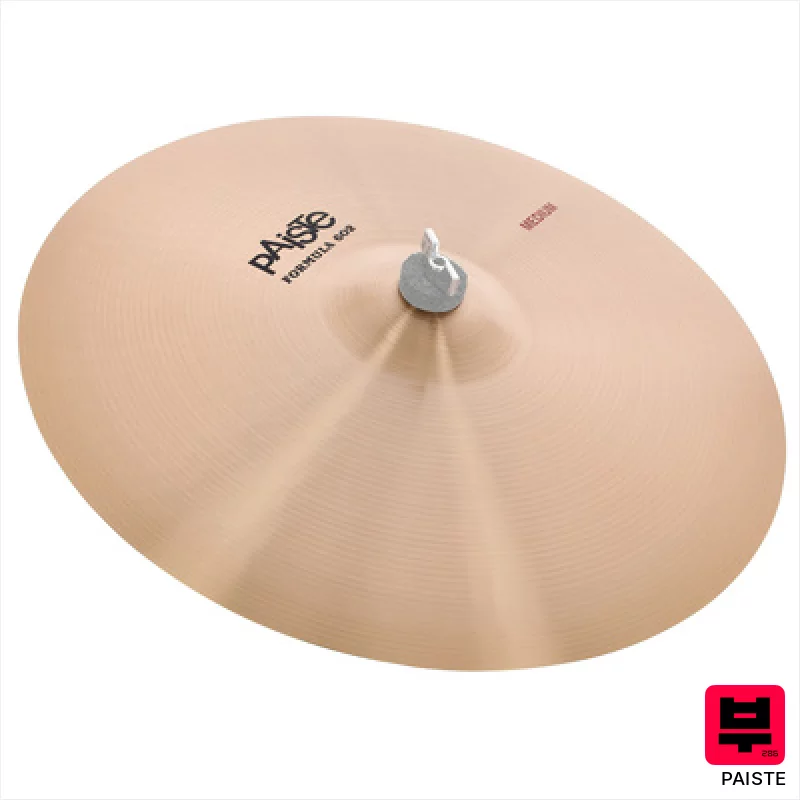
Paiste 17" 602 Medium Crash
- • Paiste’s signature 602 bronze delivers a warm, complex tonal character.
- • The medium weight provides a responsive feel without being overly brittle.
- • Its silvery, transparent sound cuts through a mix effectively.
- • The 'inRetroin' voicing offers a vintage vibe that’s surprisingly versatile.
- • The medium weight can feel a little 'floppy' for heavier hitters.
- • The 'inRetroin' sound isn’t the brightest or most modern option.
- • Paiste 602 series is premium-priced compared to budget cymbal alternatives.
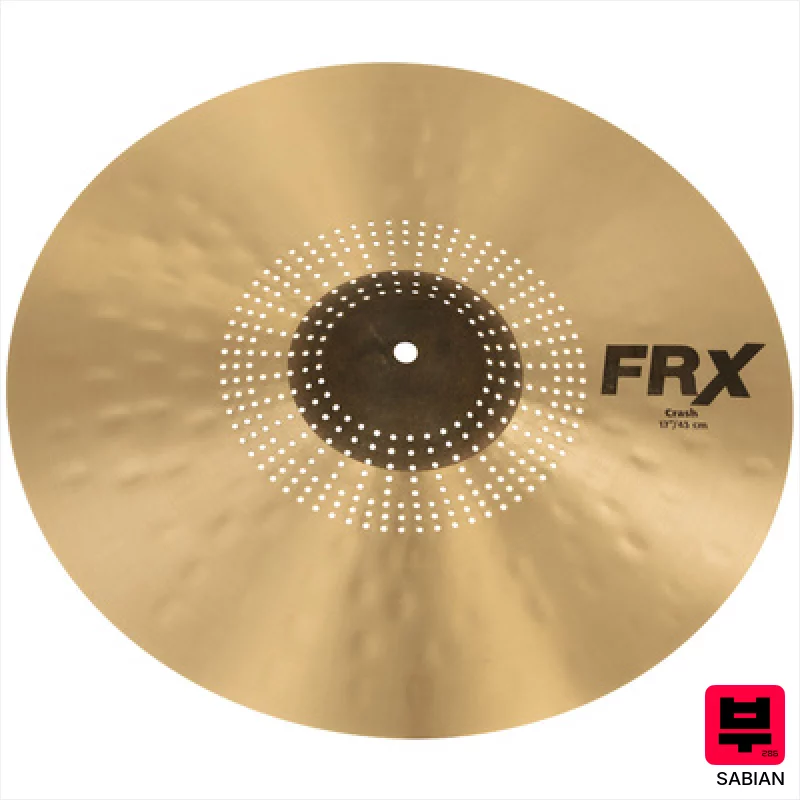
Sabian 17" FRX Crash
- • B20 bronze construction delivers a warm, complex fundamental tone.
- • Frequency reduction minimizes harshness, excellent for dense mixes.
- • Compressed sound offers controlled volume without sacrificing sustain.
- • Ideal for drummers seeking a balanced, less fatiguing crash sound.
- • Limited versatility; not suited for bright, explosive playing styles.
- • Premium-priced, a significant investment for many drummers.
- • Reduced frequencies might feel 'damped' to those preferring a traditional crash.
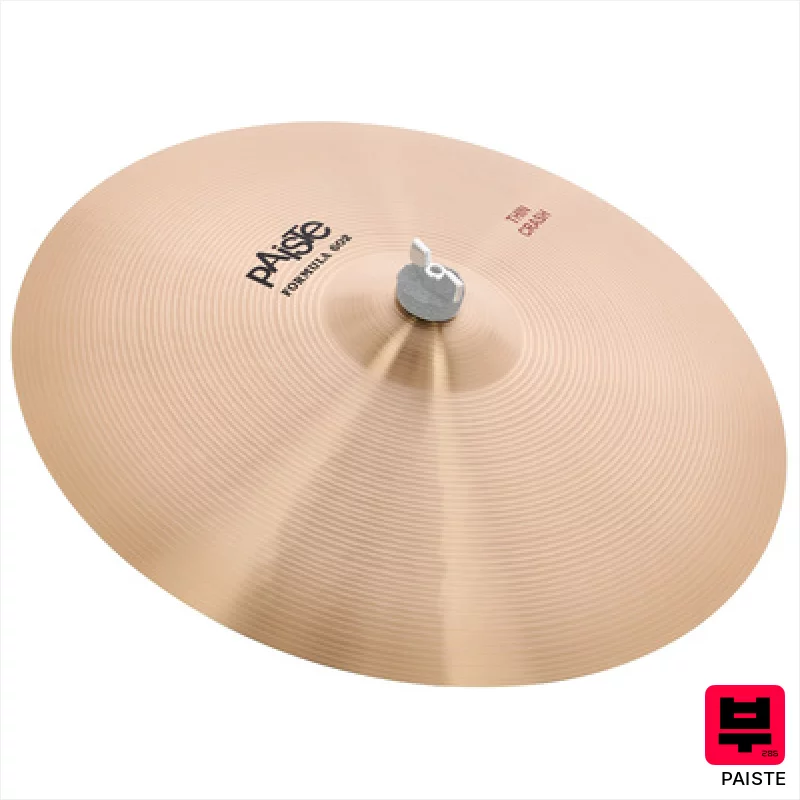
Paiste 17" Thin Crash 602 Series
- • Warm, silvery tone offers a pleasing, musical wash.
- • Thin profile provides excellent responsiveness and quick decay.
- • 602 series delivers Paiste’s signature quality at a more accessible price point.
- • Versatile enough for rock, pop, jazz, and lighter orchestral applications.
- • The thinness makes it prone to cracking with aggressive playing.
- • 602 finish isn’t as durable as Paiste’s higher-end lines.
- • Lacks the projection and sustain of heavier Paiste crash models.

Ufip 17" Blast Extra Dry Crash
- • B20 bronze delivers a warm, complex fundamental tone.
- • Double hammering provides a responsive, nuanced wash.
- • The 'Extra Dry' profile cuts through the mix without excessive sustain.
- • Solid build quality; Ufip’s lathing is consistently clean and even.
- • Limited versatility; not ideal for genres requiring a bright, explosive crash.
- • The 'dry' nature might feel dampened for players seeking more shimmer.
- • B20 bronze cymbals can develop patina faster than other alloys.
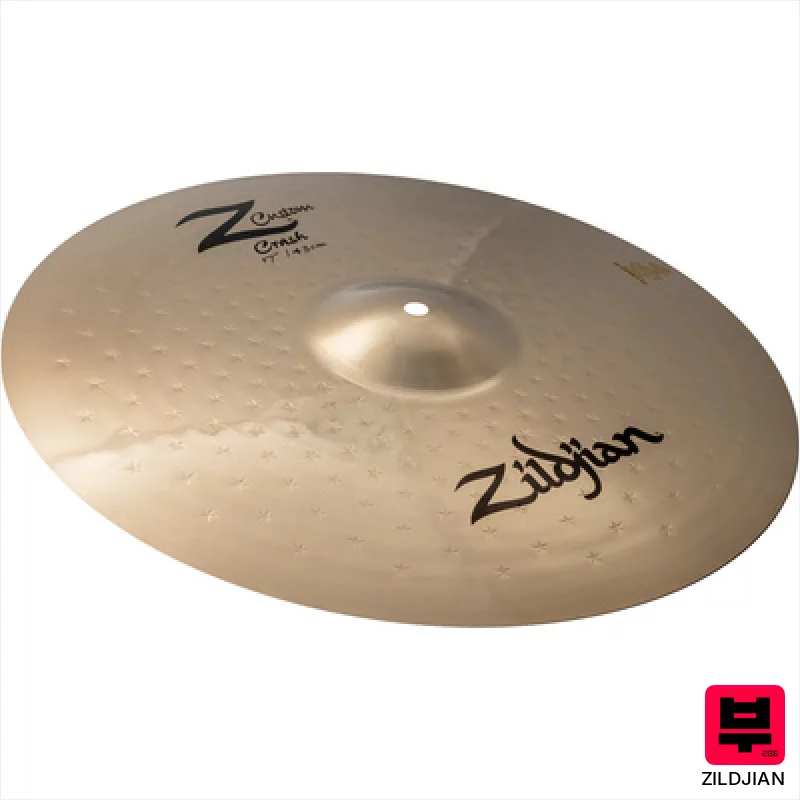
Zildjian 17" Z Custom Crash
- • Bright, explosive sound cuts through dense mixes effectively.
- • Original star hammering provides a unique, complex wash.
- • Slightly thinner profile offers quicker response and feel.
- • Brilliant finish resists tarnish and maintains visual appeal.
- • Can be overly bright for genres needing a darker, more mellow tone.
- • The thinner weight might not suit players who hit very hard.
- • Price point places it in a premium-priced category for a crash.
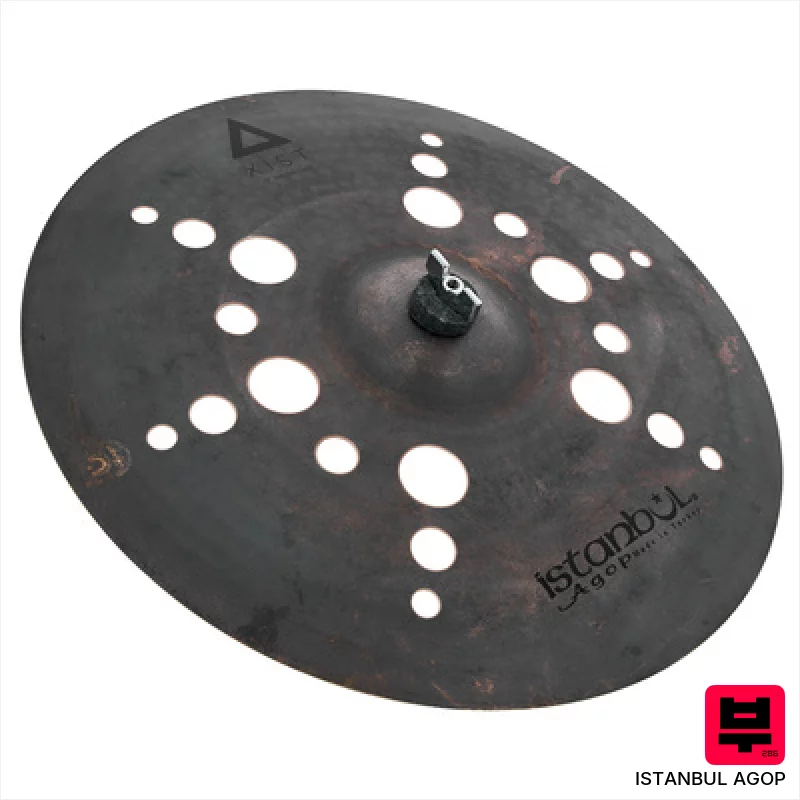
Istanbul Agop 17" Xist Dark ION Crash
- • B20 bronze alloy delivers complex, trashy overtones.
- • Fast response and short decay suit modern, dynamic playing styles.
- • Thin profile facilitates quick, articulate crashes and splashes.
- • Excellent value within the premium B20 crash cymbal market.
- • Dark, trashy sound isn't ideal for all genres; lacks bright shimmer.
- • Thinness can make it prone to cracking with aggressive playing.
- • May require careful miking to capture full sonic character.
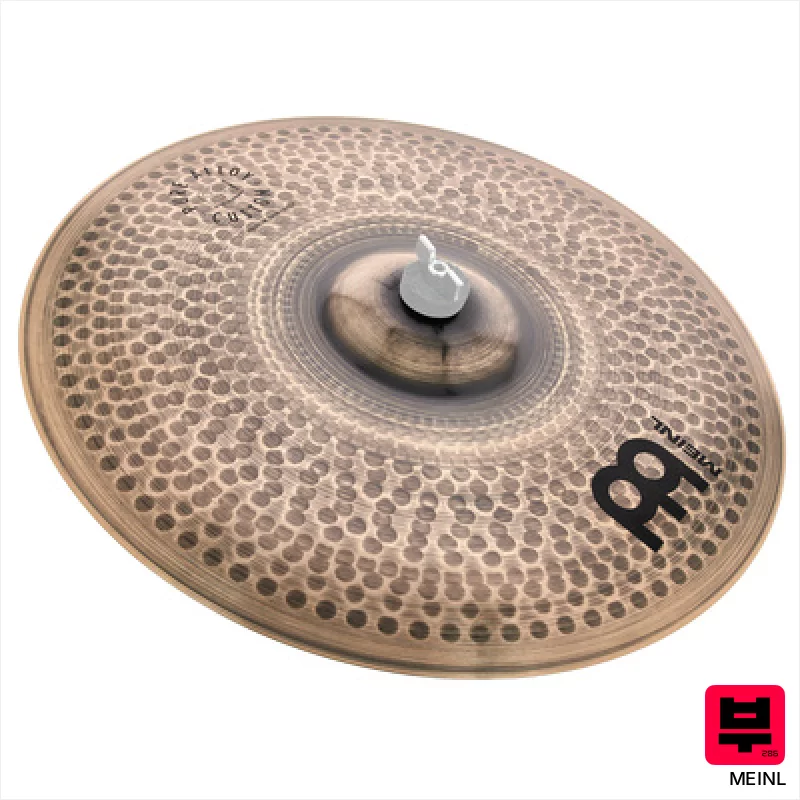
Meinl 17" Pure Alloy Custom Crash
- • The Pure Alloy blend delivers a surprisingly warm, musical initial attack.
- • Meinl’s hammering creates complex overtones without being overwhelming.
- • The medium-thin weight provides responsiveness for quieter dynamic playing.
- • Smoke Bronze finish reduces stick marks and offers a sophisticated aesthetic.
- • The short sustain limits its effectiveness for large, reverb-heavy spaces.
- • Pure Alloy isn't as bright or cutting as traditional B12 bronze cymbals.
- • The price point places it in a premium-priced category for a 17” crash.
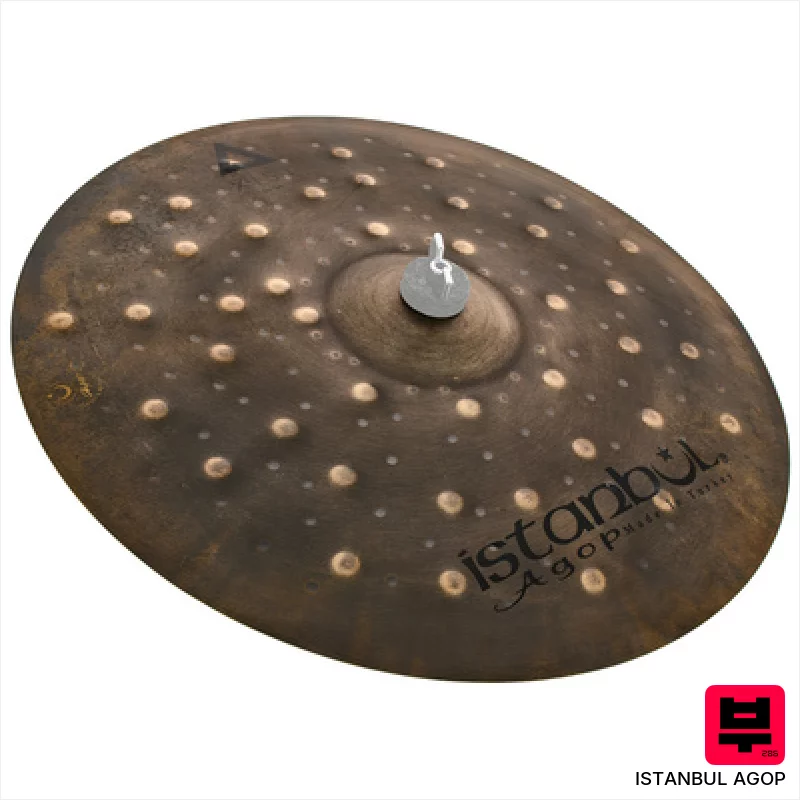
Istanbul Agop 17" Xist Dry Dark Crash
- • B20 bronze delivers a complex, trashy, and surprisingly musical tone.
- • Paper-thin construction provides explosive, short decay perfect for modern styles.
- • Hand-hammering adds unique character and responsiveness; feels alive under the stick.
- • Excellent for cymbal stacks, creating unique and interesting textural layers.
- • The extremely thin weight makes it fragile; requires careful handling and transport.
- • Dry, dark sound isn't universally appealing; lacks bright, shimmering qualities.
- • Limited versatility compared to more versatile, all-around crash cymbals.
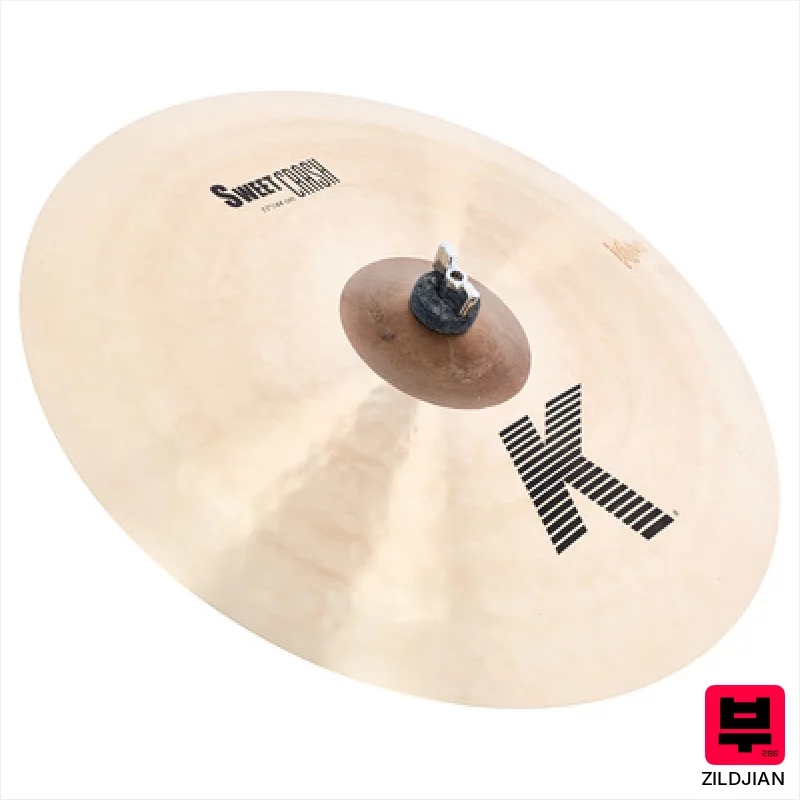
Zildjian 17" K Sweet Crash
- • Bell produces a bright, shimmering wash with excellent projection.
- • The hammering pattern yields a complex, musical decay.
- • K bronze alloy provides a warm, yet defined sonic character.
- • Versatile enough for jazz, pop, and lighter rock applications.
- • The 'sweet' designation can be misleading – it’s not *extremely* mellow.
- • Higher price point compared to Zildjian’s A or S series offerings.
- • May be too thin for heavier hitters or aggressive playing styles.
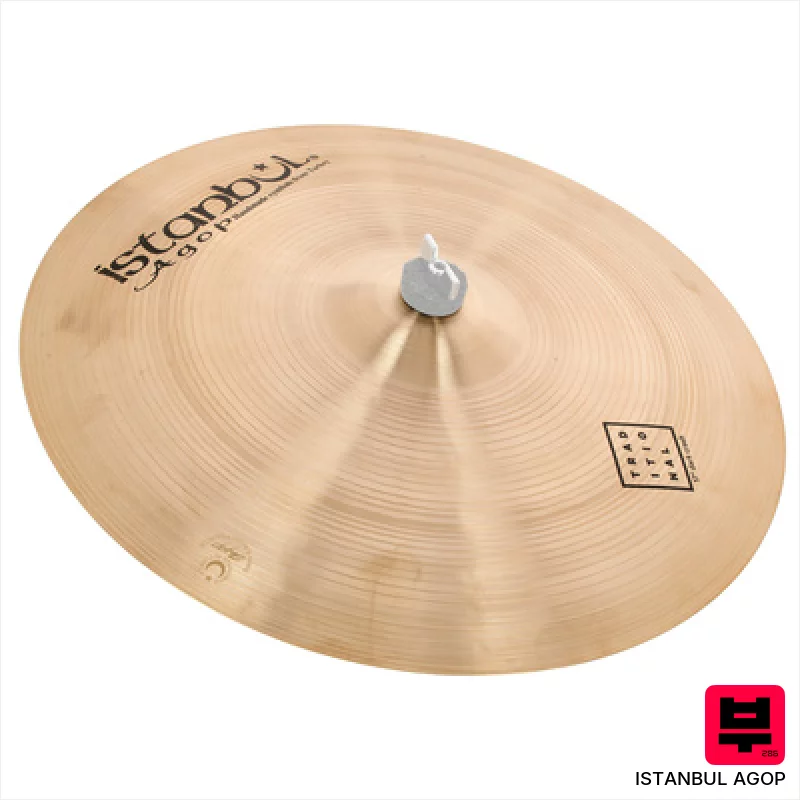
Istanbul Agop 17" Traditional Dark Crash
- • The B-20 bronze alloy delivers a warm, complex fundamental tone.
- • Its thinner profile produces a relatively quick, responsive attack.
- • The Traditional Dark series hammering creates a uniquely nuanced wash.
- • Excellent projection for a 17” crash, cuts through a dense mix.
- • Lacks the bright, shimmering sustain of more modern crash cymbals.
- • The darker tone might not be ideal for very bright, modern genres.
- • Requires careful playing to avoid unwanted overtones due to complexity.

Sabian 17" HHX Complex O-Zone Crash
- • B20 bronze delivers a warm, complex fundamental tone.
- • Hammered bell provides a distinct, trashy shimmer and articulation.
- • Six soundholes create a unique, controlled wash and sustain.
- • HHX hammering blends modern responsiveness with vintage character.
- • The trashy sound might be too aggressive for very subtle, delicate playing.
- • Complex O-Zone's character limits versatility across all genres.
- • Premium-priced, requiring a significant investment for a single crash.
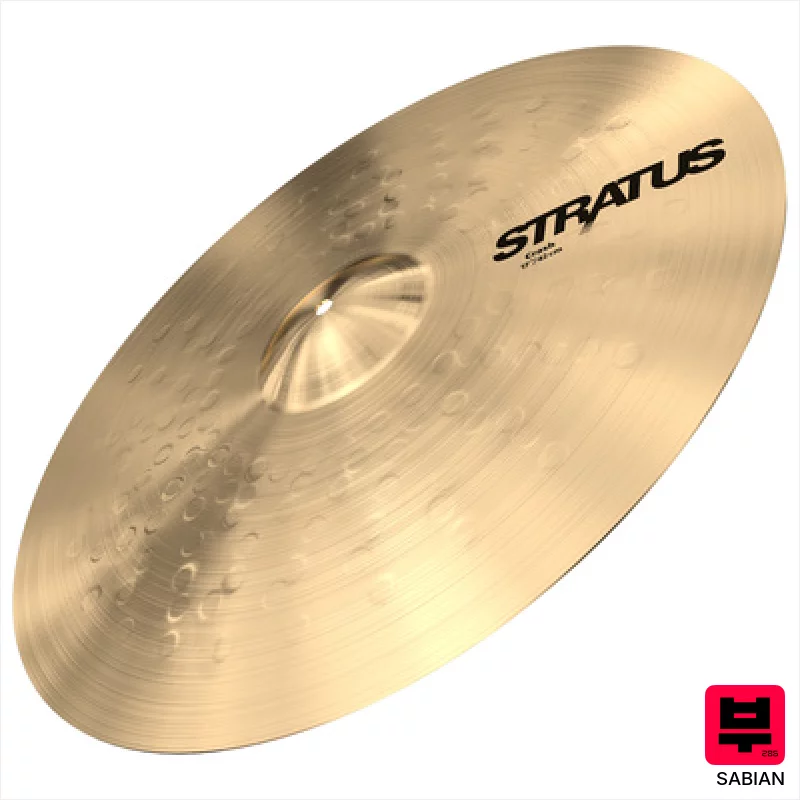
Sabian 17" Stratus Crash
- • The B20 bronze alloy delivers a warm, complex fundamental tone.
- • High-impact hammering creates a responsive, explosive initial attack.
- • Thin profile allows for a quick, controlled decay, avoiding washiness.
- • Traditional finish provides a vintage aesthetic and nuanced sonic character.
- • The thin weight might not hold up to aggressive, heavy hitters.
- • Limited versatility; best suited for genres prioritizing warmth and subtlety.
- • The darker tone may be lost in very bright, heavily mic’d recordings.
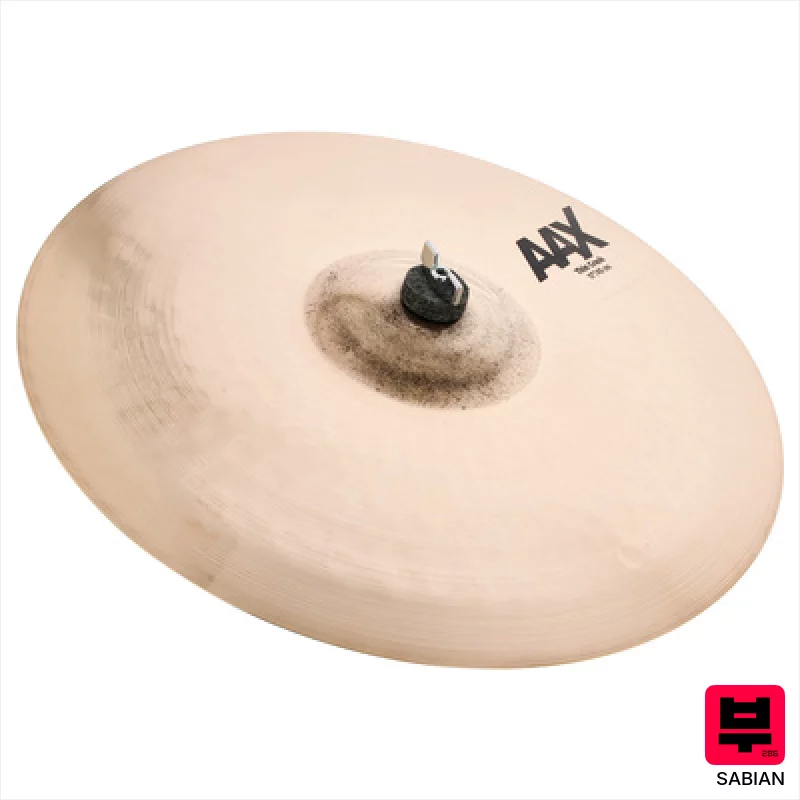
Sabian 17" AAX Thin Crash
- • B20 bronze delivers a bright, shimmering wash with excellent sustain
- • Thin profile offers a quick, responsive feel ideal for complex rhythms
- • Smaller bell provides a focused, articulate high-end presence
- • Brilliant finish enhances projection and visual appeal on stage
- • Thinness makes it susceptible to cracking with aggressive playing
- • AAX series can lack the complex overtones of higher-end Sabian lines
- • Brilliant finish shows fingerprints and requires frequent cleaning

Istanbul Agop 17" Agop Signature Crash
- • Exceptional dark, dry tone ideal for complex musical passages
- • Hand-hammered construction yields nuanced sonic character and responsiveness
- • B20 bronze provides a warm, full sound with excellent sustain
- • Thin profile allows for effortless playing and a wide dynamic range
- • Limited versatility; not suited for bright, cutting cymbal sounds
- • The dry character might be too subdued for some modern genres
- • Thinness requires careful handling to avoid damage from aggressive playing
How to Choose the Best 17" Crash Cymbals
Sustain
Rock demands crashes that linger, but not endlessly. Too much sustain and you're fighting the mix; too little and you're just getting a 'thud.' We're talking a solid 2-4 seconds of decay, depending on the overall sound you're after.
Articulation & Definition
A muddy crash is useless. You need clear, defined stick attack - that 'crack' that cuts through the guitars and bass. This is especially crucial for more complex rock subgenres like progressive rock or anything with intricate fills.
Wash vs. Bite
The balance is key. Too much wash and it's just a blurry noise; too much bite and it's harsh and brittle. A good 17" crash for rock usually leans slightly towards a balanced wash with enough defined edge to cut through.
Volume & Projection
Rock isn't quiet. The cymbal needs to project over a loud band without cracking or distorting. Low-volume practice is one thing, a gig is another.
Overall Tone
We're chasing a fundamental, resonant tone, not some overly bright or processed sound. Think a controlled 'boom' with a quick decay, not a ping or a splash. That fat midrange honk is a plus - it helps the crash sit in the mix.
Buying Guide
Don't get lured in by cheap, thin crashes that promise the world. Those are usually just brittle and lifeless. Spending a little more gets you better bronze alloys and more refined hammering, which translates to a more complex and musical sound. Pay attention to the weight - heavier is generally better for rock, but too heavy and it becomes unmanageable. Ultimately, listen to videos, read reviews, but try to play them in person if possible. What sounds good online might be a disaster in your kit.
Our Methodology
We're not pulling numbers off a spec sheet here. We've spent countless hours playing these cymbals, A/B'ing them against each other and against industry standards, and, most importantly, putting them through the wringer in band rehearsals and live gigs. We're looking for what actually sounds good and performs well in a real-world rock context - not just what looks nice in a catalog.

