AudioFu Chart · October 2026
Best 1/2 Cellos Under $1,000 2026
The top pick is Gewa Allegro VC1 Cello 1/2 ($975). Thomann Classic Cello Set 1/2 gives you the most for the money at $492. Ranked by the AudioFu Index from 5 models across 4 brands, prices checked every night.
Last updated: October 21, 2026
Top 5
Full detail for the 5 highest AudioFu Index scores. Every other model is listed below.
-
- Size1/2 size
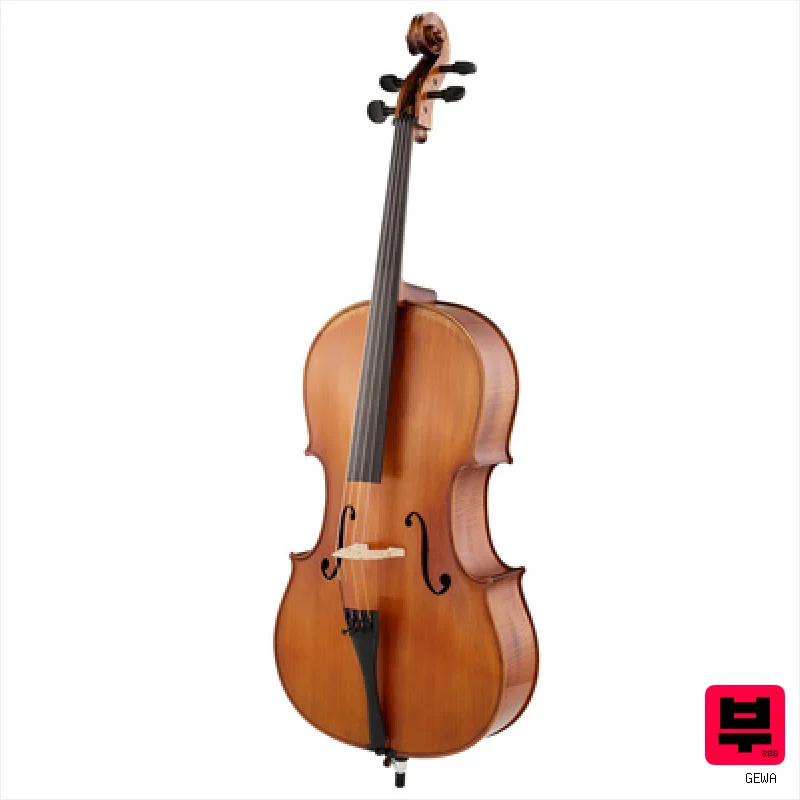
The Gewa Allegro VC1 1/2 is a solid choice for younger, developing cellists or those needing a smaller instrument. The all-solid construction and quality materials like Larsen strings provide a surprisingly mature sound for its price point. It's a great starting point for serious students looking for a step up from beginner-level instruments.
Pros
- European spruce top delivers a bright, responsive, and clear tonal projection.
- Solid European maple back/sides contribute to a warm, resonant, and mature sound.
- Larsen Aurora strings offer a professional-level playing experience and excellent tone.
Cons
- The brown-amber varnish, while attractive, can be somewhat thick, potentially dampening high frequencies.
- At a 1/2 size, it might feel a little bulky for younger or smaller players.
64AudioFu
IndexStableno change since Aug 17Aug 17$975 now$975€869 at Thomann · in stockCheck price ↗ -
- Size1/2 size
The Hidersine Uno is a solid starter cello, especially for younger students or those on a budget. The spruce top gives it a surprisingly good voice, and the ebony fingerboard makes it comfortable to play. It's a well-rounded package to get someone started with the cello.
Pros
- Spruce top offers a surprisingly resonant, clear tone for its class
- Ebony fingerboard provides a smooth, responsive playing experience
- Well-fitted maple bridge contributes to good sound transmission
Cons
- Laminated back and sides limit the instrument's potential for complex overtones
- Included bow is functional but basic, will likely need upgrading
45AudioFu
IndexStableno change since Aug 17Aug 17$750 now$750€669 at Thomann · in stockCheck price ↗ -
- Size1/2 size
The Vivente 1/2 is a solid starter cello for young musicians, offering a good balance of quality and affordability. The solid spruce top gives it a surprisingly mature sound, and the matte finish is practical for smaller hands. It's ideal for beginners or students progressing beyond a very basic instrument.
Pros
- Solid spruce top delivers a surprisingly resonant, warm tone.
- Flamed maple back provides visual appeal and contributes to projection.
- Ebony fingerboard offers smooth playability and consistent response.
Cons
- The included bow is serviceable but a significant upgrade is recommended for serious study.
- The bag is basic; a padded case would offer better protection and comfort.
45AudioFu
IndexStableno change since Aug 17Aug 17$952 now$952€849 at Thomann · in stockCheck price ↗ -
- Size1/2 size
This Thomann cello set is a solid entry point for young cellists or those on a budget. The 1/2 size makes it manageable for smaller students, and the included accessories get them playing immediately. While not a concert-level instrument, it's surprisingly well-made for the price and a great way to see if the cello is a good fit.
Pros
- Jargar Young Talent strings offer a surprisingly warm and responsive tone.
- Solid maple neck provides improved stability and a comfortable playing feel.
- Composite tailpiece with fine tuners simplifies tuning for beginners.
Cons
- Plywood construction limits tonal complexity compared to solid wood instruments.
- Jujube tuning pegs can be a bit finicky and require occasional tightening.
44AudioFu
IndexStableno change since Aug 17Aug 17$492 now$492€439 at Thomann · in stockCheck price ↗ -
- Size1/2 size
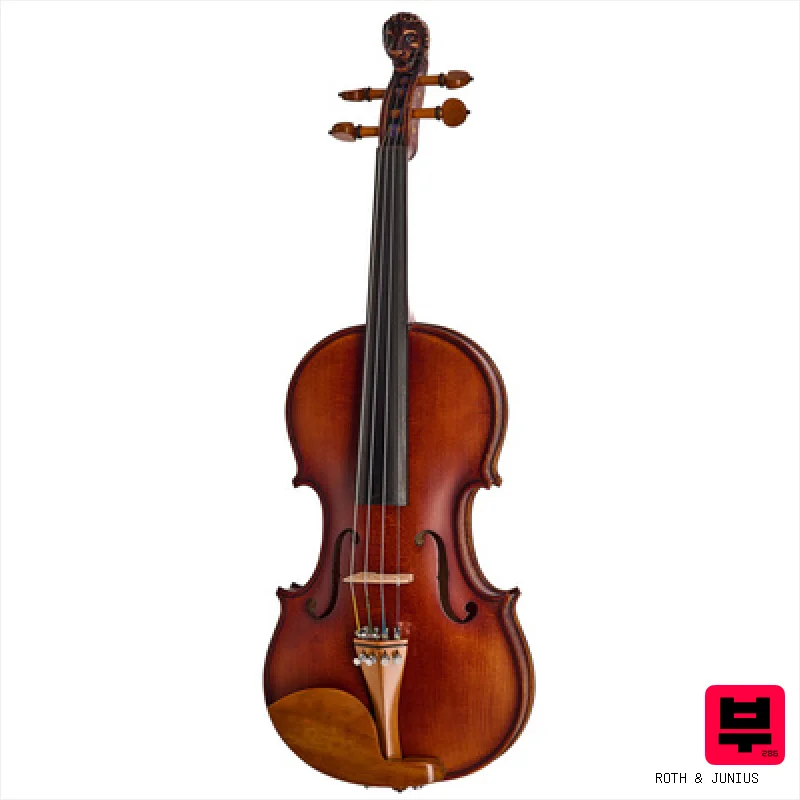
This Roth & Junius RJC is a really solid choice for younger students or those just starting out with the cello. The all-solid wood construction gives it a much better sound than many beginner instruments, and the included accessories make it truly ready to play straight out of the box. It’s a great foundation for developing good technique.
Pros
- Solid spruce top provides a surprisingly resonant and warm tone.
- Ebony fingerboard and pegs offer improved playability and tuning stability.
- Complete set includes bow and rosin, a great value for beginners.
Cons
- The included bow is serviceable but a significant upgrade is recommended later.
- Solid wood construction means it's more susceptible to humidity and temperature changes.
44AudioFu
IndexStableno change since Aug 17Aug 17$616 now$616€549 at Thomann · in stockCheck price ↗
1/2 Cellos by the numbers
Measured across all 5 models we track, not a sample.
most common · 5 models
How to choose the best 1/2 cellos
Tonewood
Even in this price range, the quality of the spruce top and maple back/sides matters. Better tonewood generally translates to more sustain and a richer, more complex tone - though don't expect miracles. A solid spruce top is a must; laminated tops sound lifeless.
Setup & Action
This is HUGE. A cello with high action (the distance between the strings and the fingerboard) is a nightmare for beginners. A proper setup, even a basic one, can make a world of difference in playability and prevent frustration.
Bass Response
A cello's low-end thump is crucial for its character. Many budget instruments get thin and reedy, lacking that fundamental warmth. Listen for a solid, even bass response - it's what helps the cello cut through a band mix.
Varnish & Finish
The finish isn't just about looks. A good varnish allows the wood to vibrate more freely, improving resonance. Cheap, thick finishes can dampen the tone. Expect a basic, often uneven finish at this price point, but look for signs of decent application.
Bow Quality
Don't underestimate the bow! A bad bow can make even a decent cello sound terrible. Look for a bow with decent hair quality (not brittle or easily shed) and a smooth, consistent response. This is often where corners get cut the most.
Buying guide
So, your kiddo's showing interest in the cello? Awesome! But let's be real, a full-size instrument is a big commitment (and a big expense). Finding a decent 1/2 cello that won't sound like a wet cardboard box under $1000 is doable, but requires a little digging. We're not chasing Stradivari here, but we are aiming for something that'll inspire a beginner and won't drive the teacher crazy.
At this budget, compromises are inevitable. Expect a basic, functional instrument, not a masterpiece. The biggest trade-off is usually in the tonewood and finish - don't expect a ton of complexity or nuance.
A good setup is worth its weight in gold; if possible, have a local luthier check the action and bridge placement. Don't buy based on looks alone - listen carefully to online demos or, better yet, try it in person.
How the AudioFu Index works
Five measured signals and nothing else — no stars from strangers, no “tested by experts” we didn’t do. The weights are fixed and public. We don’t play these instruments; we measure the market around them.
This chart covers 5 1/2 cellos from the Thomann catalogue. Before you buy, read hands-on reviews and, where you can, play it. Full methodology.
AudioFu earns a commission when you buy through our Thomann links. It never changes the order — the index does.
- Demand40%
How many of this exact model are for sale on Reverb right now — what musicians actually buy and resell.
- Lineup20%
How many finishes Thomann stocks — makers expand the models that sell.
- Price15%
Where the price has moved since we started tracking in August.
- Specs15%
How completely the maker documents it.
- Maker10%
How deep the brand’s range is in this category.
Questions
What's the difference between a 'solid' and 'laminated' top?
A solid top (usually spruce) is made from a single piece of wood, allowing for better vibration and tone. Laminated tops are made of layers of wood glued together - they're cheaper, but sound noticeably duller.
Can I upgrade the strings later?
Absolutely. Strings are the easiest and most impactful upgrade you can make. Moving to a higher-quality string set can significantly improve the cello's tone and responsiveness.
Is a beginner cello kit a good deal?
Sometimes. Kits often include a bow and rosin, which can be convenient. However, the quality of the included bow is often low - consider upgrading that separately.
What size cello does my child need?
Generally, a 1/2 cello is suitable for children between 9 and 11 years old, or those who are 4'0" to 4'6" tall. It's best to have a teacher or experienced player assess the fit.
I found a 'student' cello for $500 - is it a steal?
Be cautious. Extremely cheap cellos often have serious setup issues or low-quality components that will hinder progress. A slightly higher price point usually gets you a more playable and enjoyable instrument.