AudioFu Chart · October 2026
Best Gewa 1/2 Cellos 2026
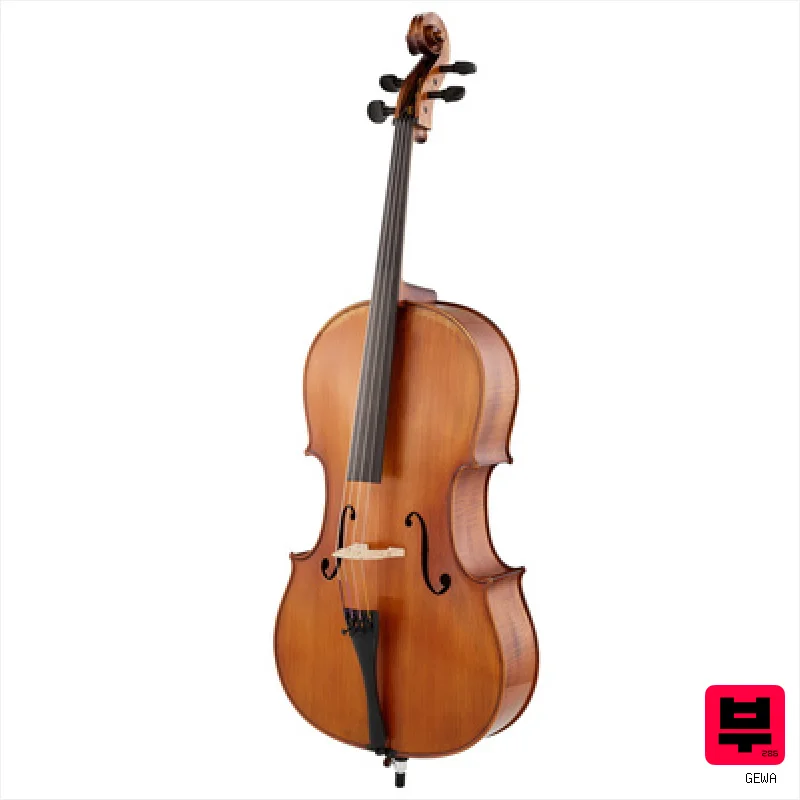
The top pick is Gewa Allegro VC1 Cello 1/2 ($975). Gewa Maestro 2 Cello Set 1/2 CB leads the high end. Ranked by the AudioFu Index from 6 models, prices checked every night.
Last updated: October 20, 2026
Top 6
Full detail for the 6 highest AudioFu Index scores. Every other model is listed below.
-
- Size1/2 size
The Gewa Allegro VC1 1/2 is a solid choice for younger, developing cellists or those needing a smaller instrument. The all-solid construction and quality materials like Larsen strings provide a surprisingly mature sound for its price point. It's a great starting point for serious students looking for a step up from beginner-level instruments.
Pros
- European spruce top delivers a bright, responsive, and clear tonal projection.
- Solid European maple back/sides contribute to a warm, resonant, and mature sound.
- Larsen Aurora strings offer a professional-level playing experience and excellent tone.
Cons
- The brown-amber varnish, while attractive, can be somewhat thick, potentially dampening high frequencies.
- At a 1/2 size, it might feel a little bulky for younger or smaller players.
64AudioFu
IndexStableno change since Aug 17Aug 17$975 now$975€869 at Thomann · in stockCheck price ↗ -
- Size1/2 size
The Gewa Ideale VC2 1/2 is a solid starter cello for younger players progressing beyond beginner instruments. The use of European tonewoods and hand-applied varnish gives it a surprisingly mature sound, making it a great value for the serious student who's ready to step up.
Pros
- Solid European spruce top delivers a surprisingly rich, warm tone.
- Flamed maple back & sides contribute to focused projection and resonance.
- Ebony fingerboard offers a smooth playing experience and excellent clarity.
Cons
- The 1/2 size can feel a bit bulky for smaller or younger students.
- While well-made, the included bow is a basic model and might need upgrading later.
55AudioFu
IndexStableno change since Aug 17Aug 17$1,345 now$1,345€1,198 at Thomann · in stockCheck price ↗ -
- Size1/2 size
The Gewa Maestro 1 is a really solid option for younger, developing cellists. The solid wood construction and quality fittings give it a mature sound and feel that punches well above its class. It's a great starting point for serious students who want a cello that will grow with them.
Pros
- Solid European spruce top delivers a surprisingly resonant and warm tone for the price.
- Hand-selected maple back and sides offer a pleasing visual aesthetic and contribute to projection.
- Ebony fittings provide excellent response and a refined feel under the fingers.
Cons
- Hand-applied varnish, while beautiful, can exhibit slight inconsistencies in color and finish.
- The Massanduruba bow is adequate for a beginner but will likely be upgraded later.
55AudioFu
IndexStableno change since Aug 17Aug 17$1,729 now$1,729€1,540 at Thomann · in stockCheck price ↗ -
- Size1/2 size
The Gewa Maestro 2 is a solid choice for a developing cellist. The tonewoods provide a surprisingly mature sound for a student instrument, and the included accessories make it a complete package. It's a great value for a young player ready to step up from a beginner instrument, offering a noticeably improved playing experience.
Pros
- Solid European spruce top delivers a surprisingly resonant and warm tonal foundation.
- Well-flamed maple back and sides contribute to a refined, mature acoustic projection.
- Ebony fittings enhance response and offer a premium feel under the fingers.
Cons
- Hand-applied varnish, while beautiful, can exhibit slight color variations – a cosmetic quirk.
- The included carbon fiber bow is adequate, but a higher-quality bow would significantly improve tone.
55AudioFu
IndexStableno change since Aug 17Aug 17$1,897 now$1,897€1,690 at Thomann · in stockCheck price ↗ -
- Size1/2 size
The Gewa Maestro 1 1/2 is a solid choice for serious young cellists or smaller adults. The European woods and hand-applied varnish give it a surprisingly mature sound for an instrument in this category, and the ebony fittings add a touch of refinement. It's a great stepping stone before moving to a full-size instrument.
Pros
- European tonewood selection delivers a warm, resonant, and mature tonal character.
- Hand-applied spirit varnish provides excellent projection and a pleasing aesthetic.
- Ebony fittings contribute to a refined feel and enhanced string response.
Cons
- The 1/2 size is best suited for younger or smaller players, limiting its appeal.
- Hand-applied varnish means color variations are inevitable, impacting aesthetic consistency.
51AudioFu
IndexStableno change since Aug 17Aug 17$1,627 now$1,627€1,449 at Thomann · in stockCheck price ↗ -
- Size1/2 size
The Gewa Maestro 2 1/2 is a really solid choice for a serious young cellist. The quality of the tonewood and the hand-applied finish really elevate it above many student instruments, giving it a surprisingly mature sound. It’s a great step up for a student ready to progress beyond a basic beginner cello.
Pros
- European tonewood selection yields a warm, resonant, and mature tonal character.
- Solid maple back/sides contribute to projection and sustain, uncommon for student instruments.
- Ebony fittings offer improved durability and a smoother feel compared to plastic alternatives.
Cons
- 1/2 size limits suitability for older or taller students; check sizing carefully.
- Hand-applied varnish, while beautiful, may exhibit slight inconsistencies in finish.
51AudioFu
IndexStableno change since Aug 17Aug 17$1,794 now$1,794€1,598 at Thomann · in stockCheck price ↗
1/2 Cellos by the numbers
Measured across all 22 models we track, not a sample.
Median $1,345 — half of all 1/2 cellos here cost less.
most common · 22 models
How to choose the best 1/2 cellos
Tonewood Quality
Gewa tends to use a decent spruce top and maple back/sides for their 1/2 cellos, which is a step up from some of the lamination you see elsewhere. This contributes to a more resonant and complex tone - you'll get more character than a purely synthetic instrument.
Neck Profile & Action
The neck profile is surprisingly comfortable, even for smaller hands. Gewa generally ships these with a reasonably playable action - not too high, not too low - which is crucial for developing good technique and avoiding frustration. It's still something you might want to tweak by a luthier, but it's a good starting point.
Bass Response & Projection
These cellos have a surprising amount of low-end thump for their size. They project well enough for small ensembles or even solo practice, and won't completely disappear if you're playing with a guitar and drums - a common problem with cheaper instruments.
Varnish & Finish
Gewa's varnish isn't museum-quality, but it's relatively even and doesn't significantly dampen the instrument's tone. You'll notice some minor imperfections, which is to be expected at this price point, but it's generally a clean and functional finish.
Overall Build Quality
The construction is solid - the seams are tight, the fittings are functional, and you're unlikely to see major structural issues. It's not the level of precision you'd find on a professional instrument, but it's reliable for student use.
Buying guide
Finding a 1/2 cello for a younger player can be tricky - you want something that sounds decent, plays comfortably, and won't be outgrown too quickly. Gewa's been making a name for themselves in the student instrument world, and their 1/2 cellos consistently show up as a solid starting point. They're not going to compete with a Giovanni Testori, but for the price, they offer a surprisingly mature feel and a surprisingly good voice - something that's often lacking in cheaper options.
Don't expect miracles - this is a student instrument. However, the Gewa 1/2 cellos consistently offer more value than their price tag suggests. Pay attention to the setup - a quick trip to a local luthier for a proper action adjustment can make a huge difference in playability.
Also, remember that a case and bow are often sold separately, so factor that into your budget.
How the AudioFu Index works
Five measured signals and nothing else — no stars from strangers, no “tested by experts” we didn’t do. The weights are fixed and public. We don’t play these instruments; we measure the market around them.
This chart covers 15 1/2 cellos from the Thomann catalogue (of 22 in the category). Before you buy, read hands-on reviews and, where you can, play it. Full methodology.
AudioFu earns a commission when you buy through our Thomann links. It never changes the order — the index does.
- Demand40%
How many of this exact model are for sale on Reverb right now — what musicians actually buy and resell.
- Lineup20%
How many finishes Thomann stocks — makers expand the models that sell.
- Price15%
Where the price has moved since we started tracking in August.
- Specs15%
How completely the maker documents it.
- Maker10%
How deep the brand’s range is in this category.
Questions
Are Gewa cellos made in Germany?
No, Gewa instruments are primarily made in China, but under European design and quality control. They have workshops in Germany that oversee the production process.
What's the difference between a 1/2 and a 3/4 cello?
The 1/2 cello is smaller and lighter, designed for younger or smaller players. The 3/4 is a more standard size, generally suitable for ages 9-12, but it depends on the individual's size and arm length.
Can a 1/2 cello be used by an adult?
While technically possible, it's not ideal. The smaller size can be uncomfortable and limit the instrument's potential. It's really best suited for younger players.
What kind of bow comes with the Gewa 1/2 cello?
The included bows are typically decent student-grade bows, but often the weakest point of the package. Upgrading to a better bow can significantly improve the cello's overall tone and response - something to consider down the line.
Is the Gewa 1/2 cello suitable for recording?
It can be, but you'll need to be mindful of its limitations. It won't have the complexity or nuance of a professional instrument, so careful mic placement and EQ are essential to get a usable sound.