
To choose a microphone for your voice, answer four questions in order: where you'll use it, which type suits that place, which pickup pattern you need, and only then what your voice sounds like. Most singers start with the last question and end up with a beautiful studio microphone that sounds harsh in their bedroom.
1. Where will you use it?
- On stage: a dynamic microphone. It handles loud monitors, rejects the band and survives being dropped.
- At home, in an ordinary room: usually a dynamic too, because it picks up less of the room.
- In a treated room or studio: a large-diaphragm condenser, for detail and air.
2. Dynamic or condenser?
Dynamic mics hear what's in front of them; condensers hear more of everything. We compared them in detail in condenser vs dynamic mic.
3. Cardioid or supercardioid?
A cardioid mic picks up the front and rejects the back; it's forgiving if you move around. A supercardioid has a narrower pickup and rejects more of the stage around you, which helps against feedback, but you have to stay on-axis.
Sennheiser E845, $102
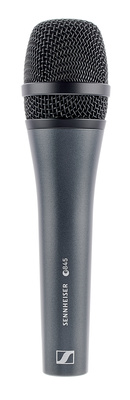
A supercardioid dynamic for loud stages, with a clamp and a bag in the box. #7 of 73 dynamic microphones.
Shure Beta 58 A, $208
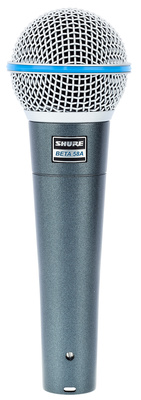
The supercardioid version of Shure's classic, with high feedback rejection for live vocals. #4 of 73 dynamic microphones.
4. What does your voice sound like?
A rough rule: bright, sharp voices often sound best on a warmer microphone, and dark or soft voices benefit from a brighter, more detailed one. Try before you buy if you can, or choose a neutral microphone that EQ can shape.
Shure SM58 LC, $129

A warm, forgiving cardioid that works on almost any voice, which is why it's the default. #2 of 73 dynamic microphones.
Warm Audio WA-47jr, $304
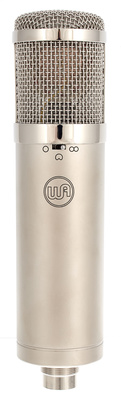
A transformerless take on the classic '47 large-diaphragm condenser, with switchable patterns, for a big, rich studio vocal. #1 of 214 large diaphragm microphones.
Neumann TLM 102, $762
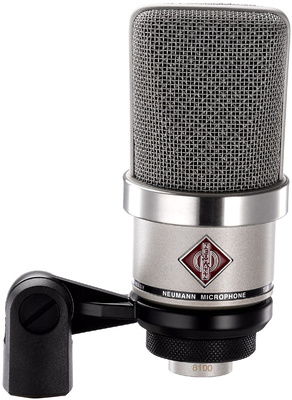
A compact Neumann large-diaphragm condenser with a clear, slightly forward sound that suits many voices in the studio. #6 of 214 large diaphragm microphones.
Questions
What is the best microphone for a beginner singer?
A dynamic cardioid like the Shure SM58 ($129). It works on stage and at home and is almost impossible to break.
How do I know which microphone suits my voice?
Try a few with the same song, through the same headphones. If you can't, pick a neutral studio standard and shape it with EQ.
Do I need a condenser mic to record vocals?
Only in a quiet, treated room. In a normal bedroom, a good dynamic often records a cleaner vocal.
How we picked. Every product comes from an AudioFu ranking, scored on demand, price, specs and brand; specs from Thomann's product data. Prices are converted from euros at the European Central Bank rate and updated every night, as are the ranks.
Share this story

Denis Kataev runs AudioFu. Every night the site records the prices of more than 38,000 instruments and studio tools at Thomann, and he writes about what those numbers show: what got cheaper, what just arrived, and which discounts are real.
All stories by Denis Kataev →


