
A microphone produces a tiny analog signal. Something has to amplify it and turn it into numbers a computer understands. In a USB microphone, both parts are built in. With an XLR microphone, they live in a separate box: an audio interface, a mixer or a recorder.
On November 3, 2026, Thomann had about 1,380 microphones in stock, not counting wireless systems. Around 55 of them have USB; the rest are XLR.
The same microphone, both ways
| Setup | Price |
|---|---|
| Audio-Technica AT2020 (XLR) + Focusrite Scarlett Solo 4th Gen | $252 |
| Audio-Technica AT2020USB-X | $145 |
| Rode PodMic (XLR) + Scarlett Solo 4th Gen | $233 |
| Rode PodMic USB (USB and XLR) | $199 |
For one microphone on one computer, USB is cheaper and simpler: no extra box, no extra cable, nothing to configure.
Audio-Technica AT2020USB-X, $144

A cardioid condenser with a 24-bit, 96 kHz converter, a headphone output and a mix knob for hearing yourself without delay. It shares third place among 218 large-diaphragm microphones with its XLR sibling. #3 of 216 large diaphragm microphones.
What XLR gives you
Audio-Technica AT2020, $103
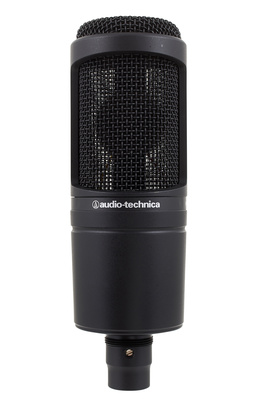
The XLR version, at $103. It needs 48 V phantom power, which every audio interface with a microphone input supplies. #3 of 216 large diaphragm microphones.
An XLR setup costs more on day one, but every part can be upgraded on its own. A better interface improves every microphone you own. A second microphone, for an interview or a guitar, only needs a second input. XLR microphones also work with mixers and PA systems, so the same mic goes to a gig. A USB microphone is tied to one computer and to the converter inside it, and two USB mics on one computer rarely work well together.
The hybrids: USB and XLR in one
Rode PodMic USB, $198
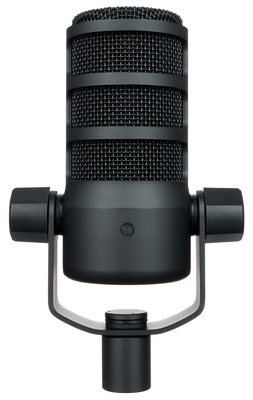
A dynamic podcast microphone with both USB-C and XLR outputs and built-in Aphex processing. Start on USB, move to an interface later. It is number one of 21 podcast and broadcast microphones. #1 of 21 broadcast microphones.
Rode's NT1 5th Generation at $205 does the same for a studio condenser, with 32-bit float recording over USB. Shure's MV7 Plus at $331 is a USB and XLR version of its MV7X, which is XLR-only at $219. A hybrid costs more than either version alone, but less than buying twice.
Which one?
- Podcasts, streams and calls with one voice: USB, or a hybrid if you might grow.
- Recording vocals and instruments at home: XLR and an interface. Two inputs cost little more than one, and you'll want the second.
- Playing live as well: XLR only.
Whatever you buy, the room matters more than the connector. A quiet room with soft furnishings does more for a voice recording than any upgrade from USB to XLR.
Where the numbers come from. Every microphone Thomann had in stock on November 3, 2026, from its partner feed, without wireless systems and bundles. USB microphones are those with USB named in Thomann's descriptions. Places are from our microphone rankings. Prices are Thomann's US-dollar prices.
Share this story

Denis Kataev runs AudioFu. Every night the site records the prices of more than 38,000 instruments and studio tools at Thomann, and he writes about what those numbers show: what got cheaper, what just arrived, and which discounts are real.
All stories by Denis Kataev →


