Korg Minilogue XD vs Moog Messenger
Detailed comparison to help you choose the right General Synthesizers for your music.
Last updated: June 17, 2026 • Next update: June 24, 2026
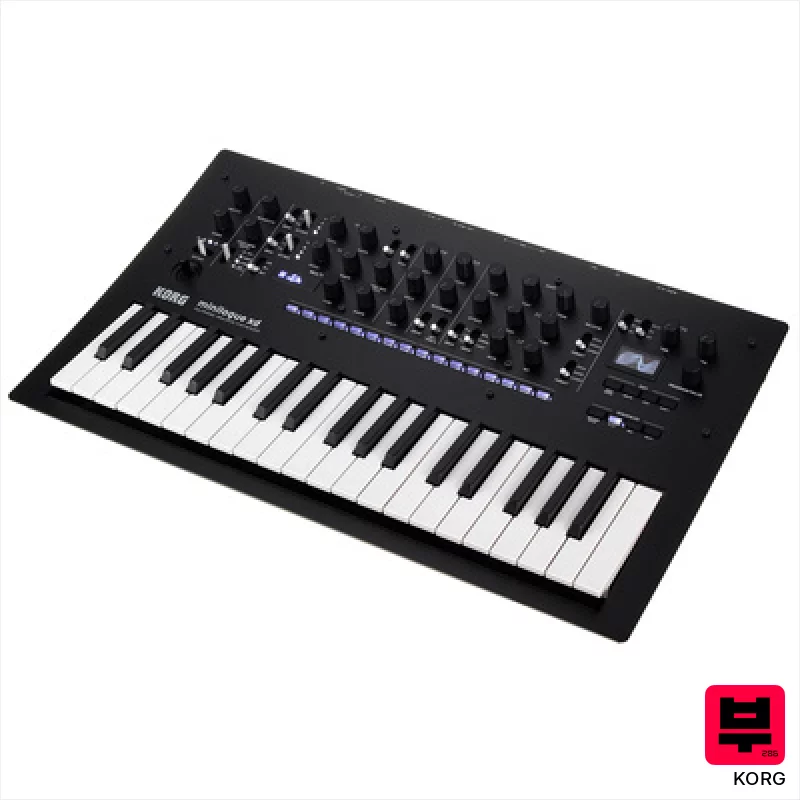
Korg Minilogue XD
The Minilogue XD is a fantastic entry point into hybrid synthesis, offering a surprising amount of sonic depth for its size and price. It’s a brilliant choice for songwriters, bedroom producers, and anyone wanting a versatile, portable synth with a unique character – especially those who enjoy experimenting with sequencing and modulation.
$626

Moog Messenger
The Moog Messenger is a surprisingly capable little monosynth, dripping with that iconic Moog sound. It’s perfect for basslines, leads, and experimental sound design where you want immediate, hands-on control – a real winner for synth explorers and those craving a portable Moog experience.
$879
Detailed Comparison
| Feature | Korg Minilogue XD | Moog Messenger |
|---|---|---|
| Brand | Korg | Moog |
| Model | Minilogue XD | Messenger |
| Price | $625 | $878 |
| Expert Rating | ⭐ 4.6/5 | ⭐ 4.9/5 |
| Keys | 37 | 32 |
| Key Type | Velocity-sensitive slim keys | Velocity-Sensitive, Aftertouch |
| Synthesis Type | Hybrid (Analog/Digital) | Analog Subtractive |
| Polyphony | 4 Voices | Monophonic |
| Effects | Modulation, Delay, Reverb, Chorus, Phaser | None (filter resonance provides some inherent coloration) |
| Connections | Stereo Line Output, MIDI In/Out, USB | Audio Out, External Input, MIDI In/Out, CV/Gate |
| Weight | Approximately 7.7 lbs | Approximately 12 lbs |
| Pros | + Aluminum control panel feels solid, a premium touch. | + Excellent Moog filter character delivers classic, creamy analog tones. |
| Pros | + Hybrid engine delivers surprisingly diverse, usable sounds. | + Lightweight keys offer surprising velocity sensitivity and aftertouch. |
| Pros | + Motion sequencer adds significant creative possibilities beyond basic sequencing. | + Sub-oscillator adds considerable low-end punch and textural depth. |
| Pros | + Joystick provides expressive, immediate modulation control. | + Compact design makes it highly portable for studio and stage use. |
| Cons | - Slim keys may not suit players accustomed to full-sized action. | - Monophonic nature limits its utility for chordal or layered sounds. |
| Cons | - 4-voice polyphony limits complexity in dense arrangements. | - Limited modulation options compared to larger, more complex synths. |
| Cons | - Limited modulation matrix restricts advanced routing options. | - The 32-key layout demands careful planning and potentially awkward reach. |
| Category | General Synthesizers | General Synthesizers |
| Article Number | 457066 | 614034 |
| Check Price | Check Price |