
Johannus Opus 260, Light Oak Concave vs Johannus Opus 260, Light Oak Straight
Detailed comparison to help you choose the right Classical Organs (2 Manuals) for your music.
Last updated: June 3, 2026 • Next update: June 10, 2026
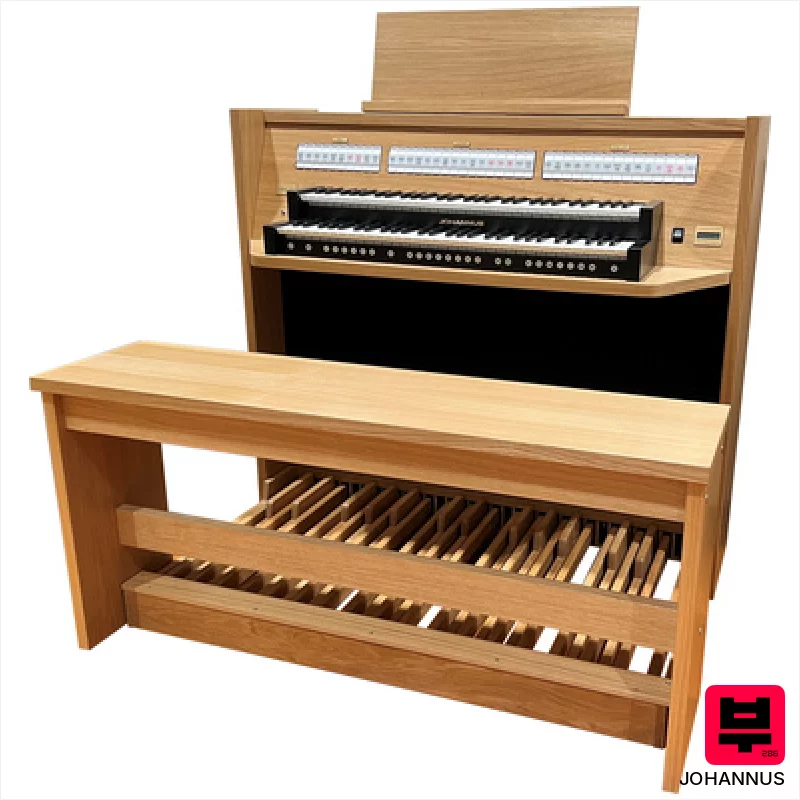
Johannus Opus 260, Light Oak Concave
The Opus 260 is a beautifully crafted, compact classical organ ideal for smaller churches, music rooms, or serious hobbyists. Its light oak finish and responsive escapement keys offer a traditional feel, while the open soundboard delivers a surprisingly powerful voice. It's a premium-priced instrument that prioritizes authentic classical tone over extreme versatility.
$9,719
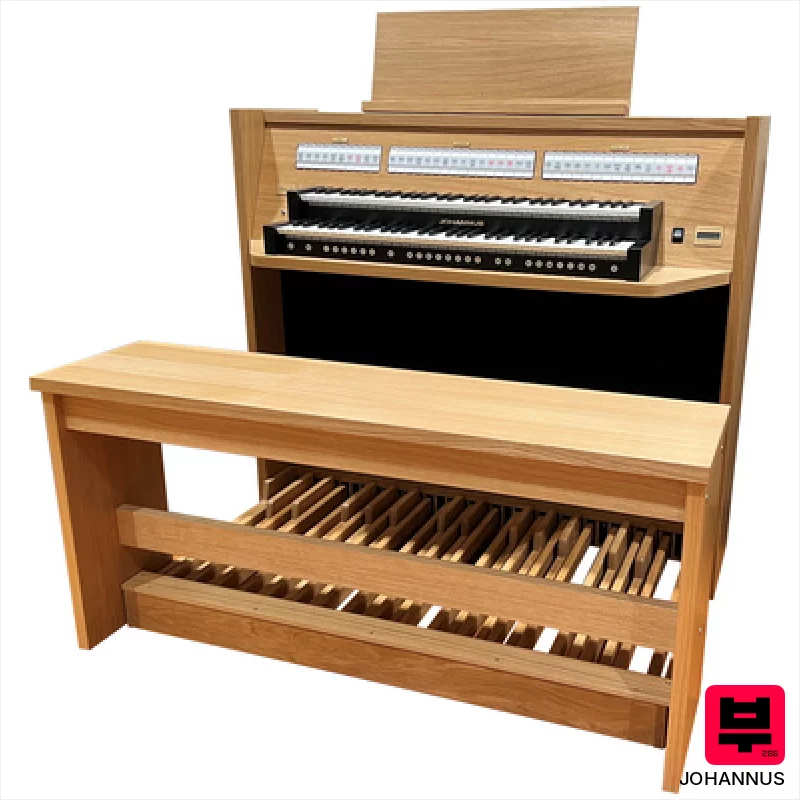
Johannus Opus 260, Light Oak Straight
The Johannus Opus 260 is a remarkably well-built instrument, perfect for church use or serious home practice. It nails the classic organ sound in a relatively compact footprint, and the light oak finish is genuinely beautiful. It’s a premium-priced option, but delivers a lot of value for those seeking an authentic, playable classical organ.
$9,229
Detailed Comparison
| Feature | Johannus Opus 260, Light Oak Concave | Johannus Opus 260, Light Oak Straight |
|---|---|---|
| Brand | Johannus | Johannus |
| Model | Opus 260, Light Oak Concave | Opus 260, Light Oak Straight |
| Price | $9718 | $9229 |
| Expert Rating | ⭐ 4.7/5 | ⭐ 4.3/5 |
| Keys | 61 | 61 keys per manual |
| Manuals | 2 | 2 manuals |
| Stops/Registers | 36 | 36 registers |
| Pedals | 30-note, double-curved, wenge upper keys | 30-note straight pedalboard |
| Speakers | 4 x 80W full range + 1 x 170W bass (9 speakers total) | 4 x 80W full range + 1 x 170W bass, 9 speakers |
| Weight | 165 kg | 165 kg |
| Pros | + Light oak concave design offers a warm, visually appealing aesthetic. | + Light oak finish provides a warm, traditional aesthetic and resonance. |
| Pros | + Escapement keys provide a responsive, traditional organ playing feel. | + The escapement action on the keyboards offers a responsive, tactile playing experience. |
| Pros | + The open soundboard design contributes to a surprisingly resonant and full sound. | + 36 registers provide a surprisingly broad tonal palette for a compact organ. |
| Pros | + Double-curved pedalboard with wenge keys enhances pedal technique and comfort. | + Straight pedalboard is space-saving and well-suited for smaller rooms. |
| Cons | - The 36 registers, while respectable, limit tonal flexibility compared to larger organs. | - The 30-note pedalboard limits complex pedal work compared to larger organs. |
| Cons | - At 165 kg, it's a substantial instrument requiring careful placement and potentially professional moving. | - While versatile, the tonal range is still geared towards classical repertoire. |
| Cons | - While versatile for classical, its timbre leans toward a European sound; less suited for American or other styles. | - Weight (165 kg) makes moving it a two-person job, potentially requiring professional installation. |
| Category | Classical Organs (2 Manuals) | Classical Organs (2 Manuals) |
| Article Number | 601153 | 590257 |
| Check Price | Check Price |

