Dexibell Classico L3 vs Johannus One
Detailed comparison to help you choose the right Keyboard Organs for your music.
Last updated: June 3, 2026 • Next update: June 10, 2026

Dexibell Classico L3
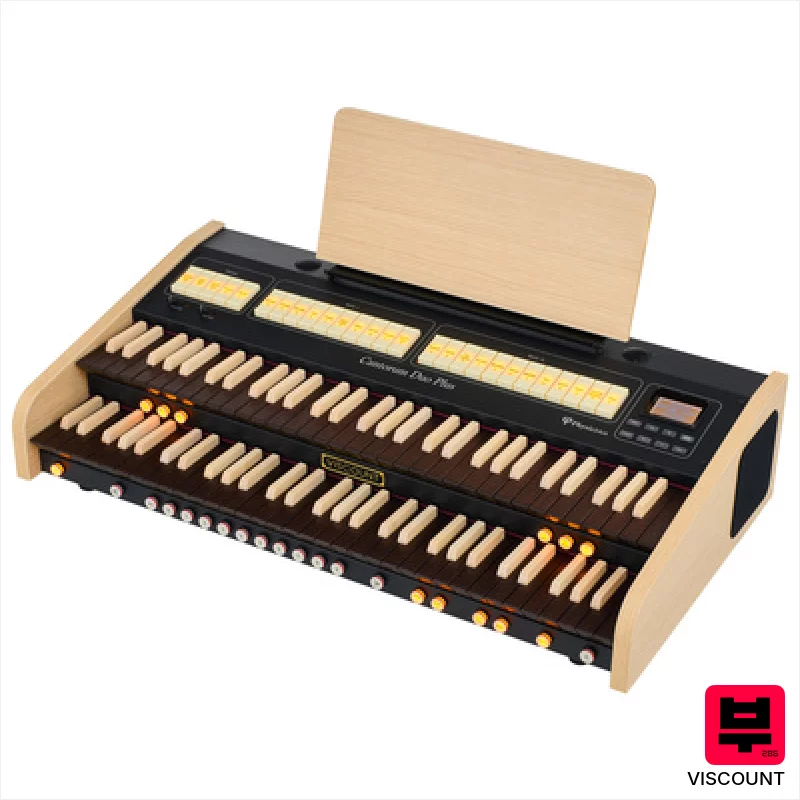
The Dexibell Classico L3 is a solid entry-level digital organ, perfect for church organists or hobbyists looking for a portable, all-in-one solution. Its organ voices are convincingly modeled, and the recording features are a real bonus for practice and learning. It's a good value for those wanting a realistic organ experience without a massive investment.
$2,199

Johannus One
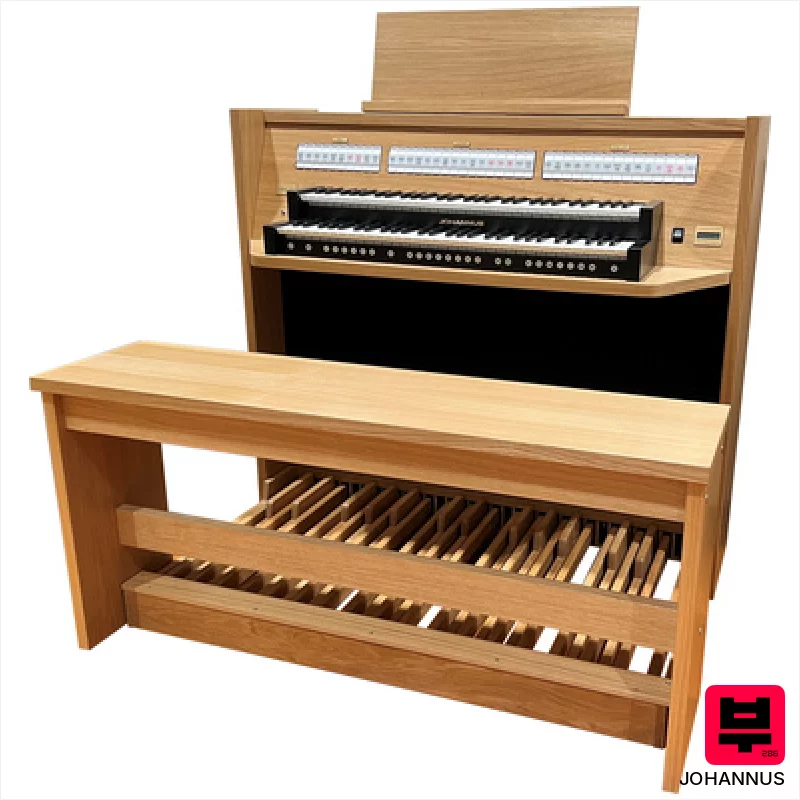
The Johannus One is a surprisingly capable entry-level digital organ. It's ideal for church practice, smaller venues, or anyone wanting a genuinely convincing organ experience without a massive footprint. The T2L technology really shines, but be aware of its dedicated nature.
$2,525
Detailed Comparison
| Feature | Dexibell Classico L3 | Johannus One |
|---|---|---|
| Brand | Dexibell | Johannus |
| Model | Classico L3 | One |
| Price | $2198 | $2524 |
| Expert Rating | ⭐ 4.8/5 | ⭐ 4.4/5 |
| Keys | 76, dynamic touch action | 76 velocity-sensitive |
| Sounds | Classic, symphonic, romantic, Baroque organ voices; 39 orchestral voices | 16 registers, 34 solo/orchestral parts, XXL samples |
| Drawbars | 3 stops (pedal) + 7 stops (manual I) + 6 stops (manual II) – limited drawbar control | None – T2L modelling replaces traditional drawbars |
| Speakers | 2 Full-range speakers | 2 x 35 watts |
| Weight | 14 kg | 14 kg |
| Pros | + Excellent organ simulations, especially the Baroque and Romantic voices. | + T2L technology delivers remarkably realistic organ voicing and response. |
| Pros | + Surprisingly responsive dynamic touch action for a keyboard organ. | + 76 velocity-sensitive keys offer nuanced expression for organ playing. |
| Pros | + Built-in audio player and recorder are genuinely useful for practice and performance. | + Compact size and relatively light weight (14kg) allows for portability. |
| Pros | + Compact footprint and relatively lightweight for a stage organ. | + Comprehensive register selection provides a wide range of tonal possibilities. |
| Cons | - Limited drawbar control – lacks the nuanced flexibility of traditional organs. | - Limited to organ sounds; lacks versatility for other genres. |
| Cons | - 76-key range feels restrictive for complex registrations. | - The speaker power (2x35W) is adequate but may lack projection in larger spaces. |
| Cons | - The onboard speakers, while adequate, lack the power for larger venues. | - No drawbars for traditional organ tone shaping – a significant omission. |
| Category | Keyboard Organs | Keyboard Organs |
| Article Number | 414135 | 585878 |
| Check Price | Check Price |