Behringer XM8500 vs Shure PGA48
Detailed comparison to help you choose the right Dynamic Microphones for your music.
Last updated: June 10, 2026 • Next update: June 17, 2026
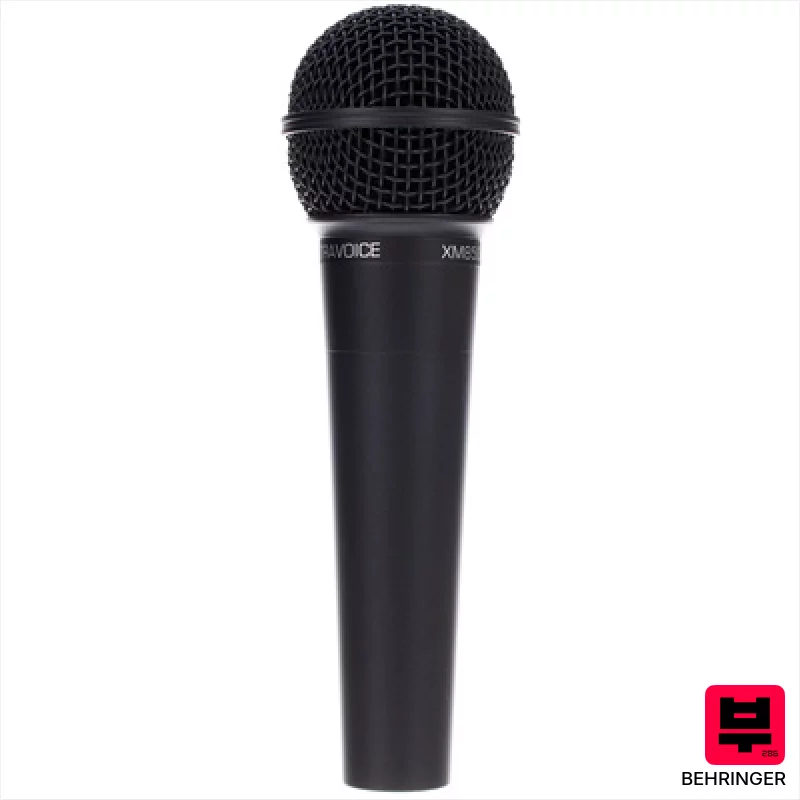
Behringer XM8500
Seriously, for the price, the XM8500 is a steal. It's a solid, reliable mic that'll handle live vocals and even some basic recording duties surprisingly well. Perfect for beginners, home studios, or anyone needing a dependable backup mic – it punches way above its weight class.
$22

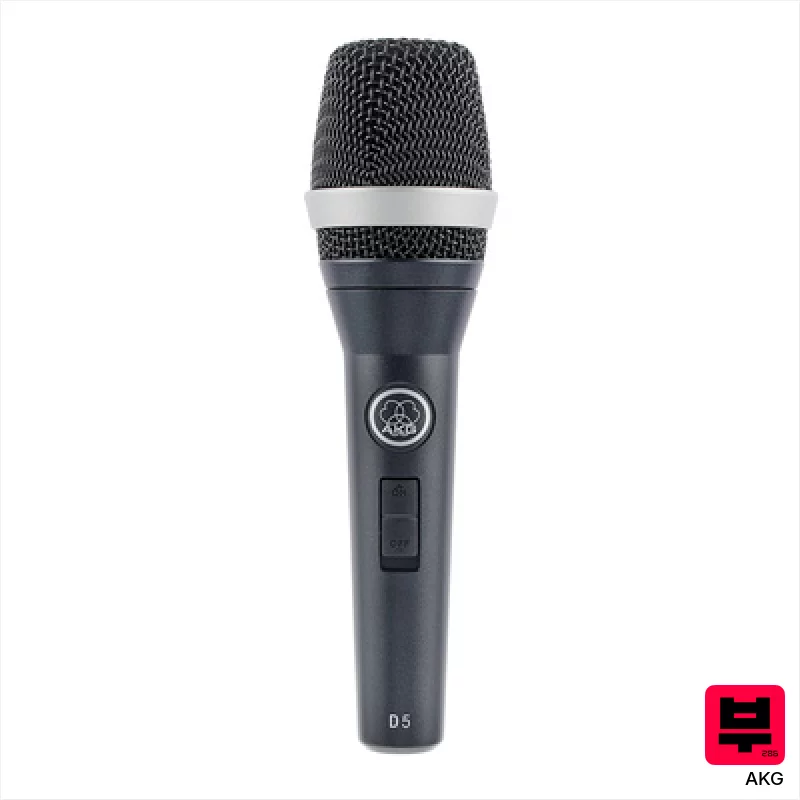
Shure PGA48
The PGA48 is a workhorse dynamic mic – simple, reliable, and surprisingly capable for the price. It’s perfect for karaoke, budget-conscious vocalists, or anyone needing a solid, no-fuss mic for live performance where durability and feedback rejection are key. Don't expect pristine studio quality, but it'll handle a lot of punishment and deliver usable vocals.
$63
Detailed Comparison
| Feature | Behringer XM8500 | Shure PGA48 |
|---|---|---|
| Brand | Behringer | Shure |
| Model | XM8500 | PGA48 |
| Price | $21 | $62 |
| Expert Rating | ⭐ 4.8/5 | ⭐ 4.9/5 |
| Polar Pattern | Cardioid | Cardioid |
| Frequency Range | 50 Hz - 15 kHz | 70 / 15,000 Hz |
| Sensitivity | -72 dBV/Pa (1 kHz) | -53.5 DBV / Pa (2.10 mV) |
| Impedance | 150 Ohm | 600 Ω |
| Connector | XLR | XLR |
| Weight | 240 g | 300g |
| Pros | + Robust zinc die-cast body handles serious stage abuse. | + Robust construction; feels solid and gig-ready, immediately. |
| Pros | + Surprisingly clear midrange presence for a budget dynamic. | + Cardioid pattern effectively rejects stage bleed – great for live use. |
| Pros | + Cardioid pattern effectively rejects background noise on stage. | + Included XLR cable and holder offer immediate usability and value. |
| Pros | + Included clamp and case offer convenient portability and protection. | + Surprisingly clear vocal reproduction for its price point; cuts through a mix. |
| Cons | - High-frequency response can sound slightly harsh with brighter vocalists. | - Limited frequency response; lacks detail for critical studio recording. |
| Cons | - Limited frequency extension; lacks low-end warmth for bass instruments. | - Lower sensitivity requires a decent preamp for optimal gain. |
| Cons | - Simple design lacks features found on more premium microphones. | - Basic build; lacks the refined feel of more premium Shure models. |
| Category | Dynamic Microphones | Dynamic Microphones |
| Article Number | 136587 | 360105 |
| Check Price | Check Price |