
AKG PCC-160 vs Audio-Technica U851RWb
Detailed comparison to help you choose the right Boundary Microphones for your music.
Last updated: June 3, 2026 • Next update: June 10, 2026
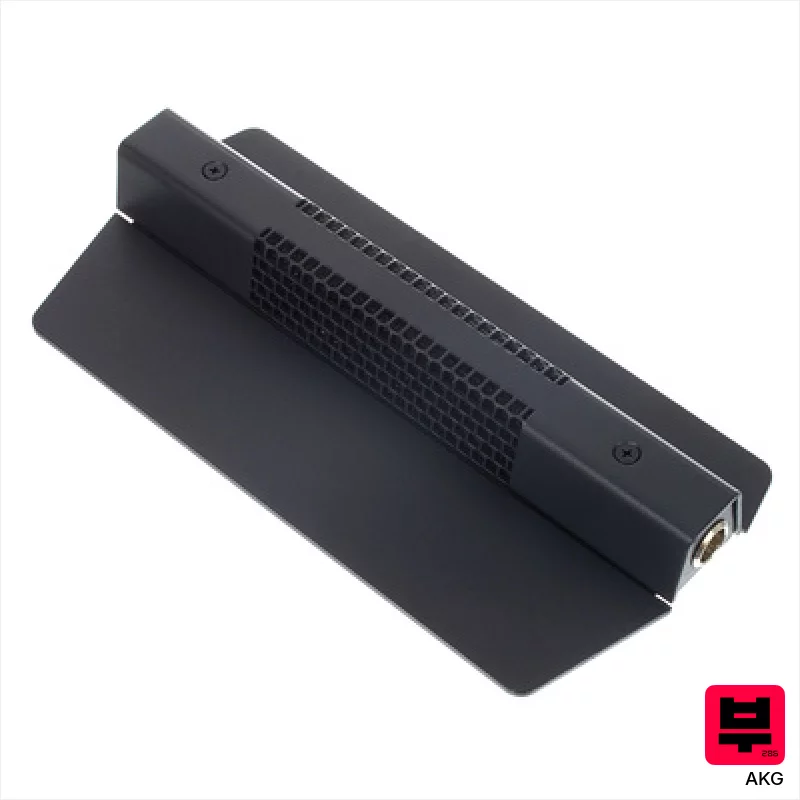
AKG PCC-160
The AKG PCC-160 is a solid choice for drum overheads, kick drums, or any application needing a low-profile boundary mic. Its supercardioid pickup pattern and robust build make it great for live sound or recording situations where isolation is key – just be mindful of mic placement. It’s a very capable mic for the price, offering a good balance of performance and practicality.
$472

Audio-Technica U851RWb
The U851RWb is a solid boundary mic—really clean and accurate, especially for applications where you need to capture a wide area of sound. It’s a workhorse for lecterns and tables, and that RF shielding is a genuine lifesaver in noisy environments. If you need a reliable, flat-response boundary mic for speech or ambient sound, this is a great choice.
$303
Detailed Comparison
| Feature | AKG PCC-160 | Audio-Technica U851RWb |
|---|---|---|
| Brand | AKG | Audio-Technica |
| Model | PCC-160 | U851RWb |
| Price | $471 | $302 |
| Expert Rating | ⭐ 4.7/5 | ⭐ 4.8/5 |
| Mic Type | Condenser Boundary | Condenser |
| Polar Pattern | Supercardioid | Semi-cardioid |
| Frequency Range | 50 Hz - 18,000 Hz | 30 - 20,000 Hz |
| Max SPL | 120 dB | 138 dB |
| Connector | TQG/XLR | TAF3 |
| Weight | 170 g | 0.44 kg |
| Pros | + Robust metal chassis ensures durability for stage or studio use | + Exceptional transient response for accurate, detailed sound capture |
| Pros | + Supercardioid pattern excels at isolating sound sources effectively | + Robust construction with a chemically-treated aluminum boundary surface |
| Pros | + Switchable bass cut/boost offers tonal shaping flexibility | + UniGuard RF shielding effectively minimizes stage interference issues |
| Pros | + TQG connector simplifies setup and reduces cable clutter | + Switchable low-cut provides flexibility for various acoustic environments |
| Cons | - Limited frequency response compared to higher-end condenser mics | - Semi-cardioid pattern offers less isolation than tighter patterns |
| Cons | - Supercardioid pattern demands precise mic placement for optimal results | - Boundary design limits placement options compared to handheld mics |
| Cons | - TQG connector isn't as universally compatible as standard XLR | - Detachable cable adds a potential point of failure; TAF3 connector less common |
| Category | Boundary Microphones | Boundary Microphones |
| Article Number | 125115 | 239029 |
| Check Price | Check Price |

