
Audio-Technica AT2040 vs Audio-Technica BP40
Detailed comparison to help you choose the right Broadcast Microphones for your music.
Last updated: May 27, 2026 • Next update: June 3, 2026
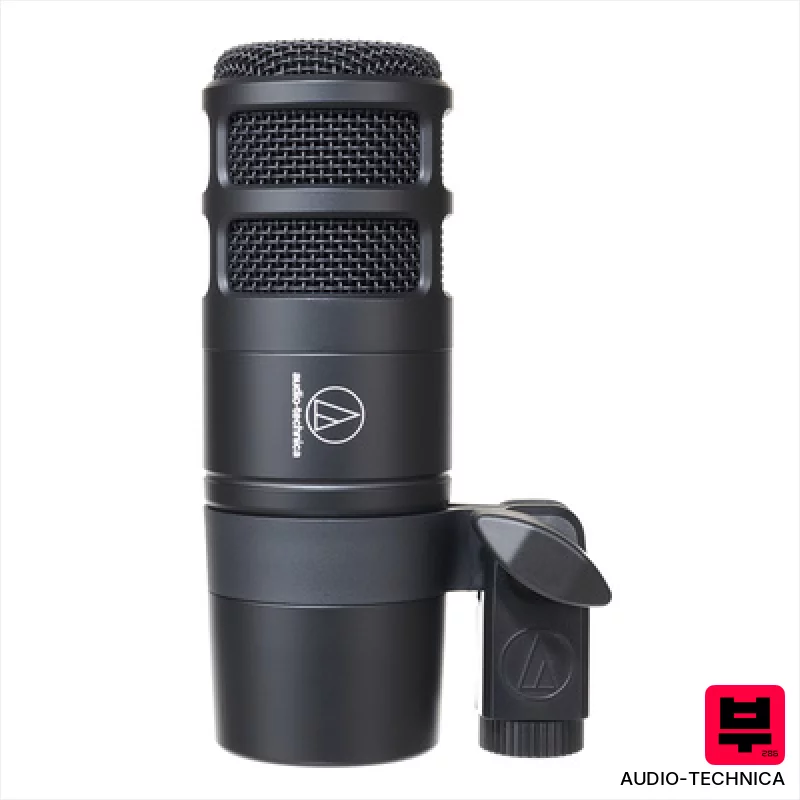
Audio-Technica AT2040
⭐
4.8/5
Expert Rating
Sound:
8/10
Build:
7/10
Value:
10/10
The AT2040 is a surprisingly capable broadcast mic for the price. Its dynamic nature and tight pattern make it ideal for podcasters, streamers, or voice-over artists in less-than-perfect acoustic environments – just be mindful of mic placement. It won’t replace a high-end studio condenser, but it's a solid, reliable workhorse.
$99
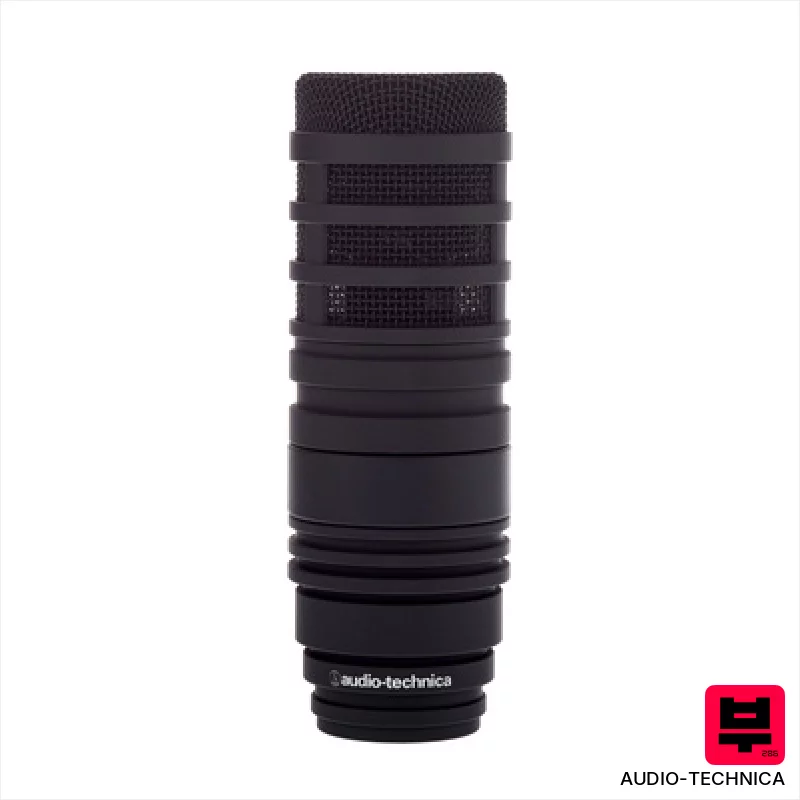
Audio-Technica BP40
⭐
4.4/5
Expert Rating
Sound:
7/10
Build:
8/10
Value:
9/10
The BP40 is a workhorse broadcast mic. Its hypercardioid pickup and robust build make it ideal for podcasters, streamers, or anyone needing clear vocal isolation in less-than-perfect acoustic spaces – just be mindful of your gain levels and mic placement.
$373
Detailed Comparison
| Feature | Audio-Technica AT2040 | Audio-Technica BP40 |
|---|---|---|
| Brand | Audio-Technica | Audio-Technica |
| Model | AT2040 | BP40 |
| Price | $99 | $372 |
| Expert Rating | ⭐ 4.8/5 | ⭐ 4.4/5 |
| Mic Type | Dynamic | Dynamic |
| Polar Pattern | Hypercardioid | Hypercardioid |
| Frequency Range | 80 - 16,000 Hz | 50 - 16,000 Hz |
| Max SPL | 149 dB | 154 dB SPL |
| Sensitivity | -53 dB (2.2 mV) | -48 dB (3.9 mV) |
| Connector | XLR | XLR |
| Weight | 615 g | 1.2 lbs |
| Pros | + Excellent rejection of background noise thanks to the hypercardioid pattern. | + Robust zinc die-cast construction feels incredibly solid and durable |
| Pros | + The integrated windscreen and shockmount noticeably reduce handling noise. | + Hypercardioid pattern excels at isolating vocals in noisy environments |
| Pros | + Robust build quality; feels solid and durable for frequent use. | + Switchable low-cut filter effectively tames proximity effect and rumble |
| Pros | + Delivers a clear, focused sound with a slight warmth, good for voice-over. | + Clear, present vocal reproduction suits broadcast, podcasting, and voiceover work |
| Cons | - Hypercardioid pattern demands careful mic placement; less forgiving than cardioid. | - High sensitivity demands careful gain staging to avoid unwanted noise |
| Cons | - Limited frequency response compared to condenser microphones; lacks high-end sparkle. | - Hypercardioid pattern requires precise mic placement for optimal results |
| Cons | - 600 Ohm impedance requires a preamp with sufficient gain for optimal signal. | - 450 Ohm impedance may need a preamp with sufficient gain and impedance matching |
| Category | Broadcast Microphones | Broadcast Microphones |
| Article Number | 525597 | 368980 |
| Check Price | Check Price |
Frequently Asked Questions
The AT2040 is brighter and less mid-focused than the SM7B; it lacks the SM7B’s characteristic low-end heft, but is more affordable.
Yes, it may require a preamp with a higher gain to achieve a usable signal level; some interfaces may struggle without a dedicated preamp.
While primarily designed for broadcast, it can be used for singing, but the limited frequency response might not suit all vocal styles – especially those needing a lot of high-end detail.
The BP40 lacks the airy detail of a condenser, but its dynamic nature makes it more forgiving of background noise and requires less pristine acoustics.
Absolutely; it significantly reduces muddiness and boominess, particularly when speaking close to the mic.
While primarily designed for broadcast, it can handle vocals, but it’s not going to deliver the warmth of a dedicated vocal mic – expect a more neutral, present tone.

