Audio-Technica AT2040 vs Rode PodMic
Detailed comparison to help you choose the right Broadcast Microphones for your music.
Last updated: May 27, 2026 • Next update: June 3, 2026
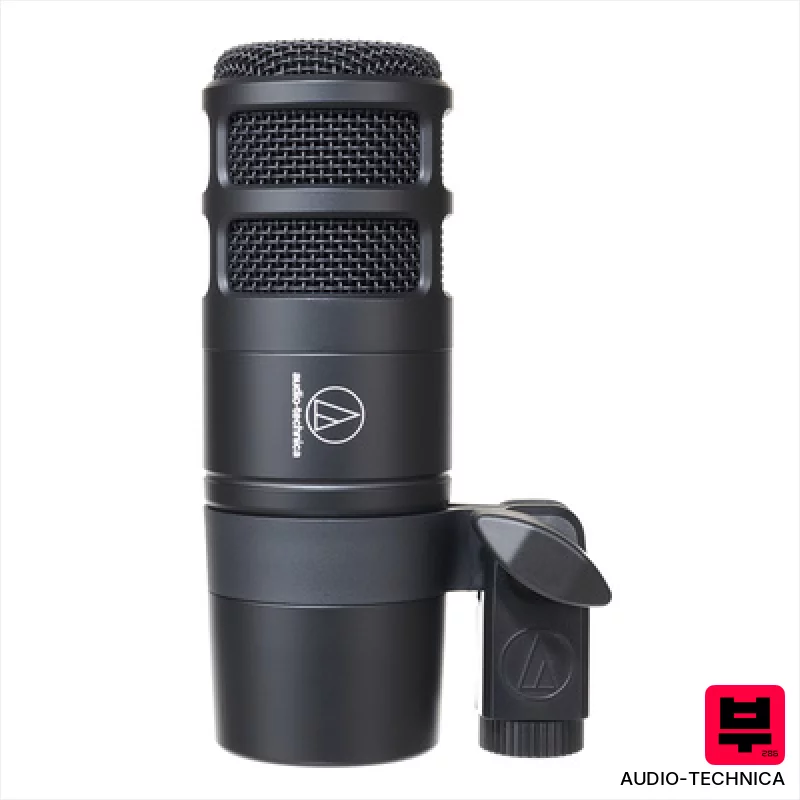
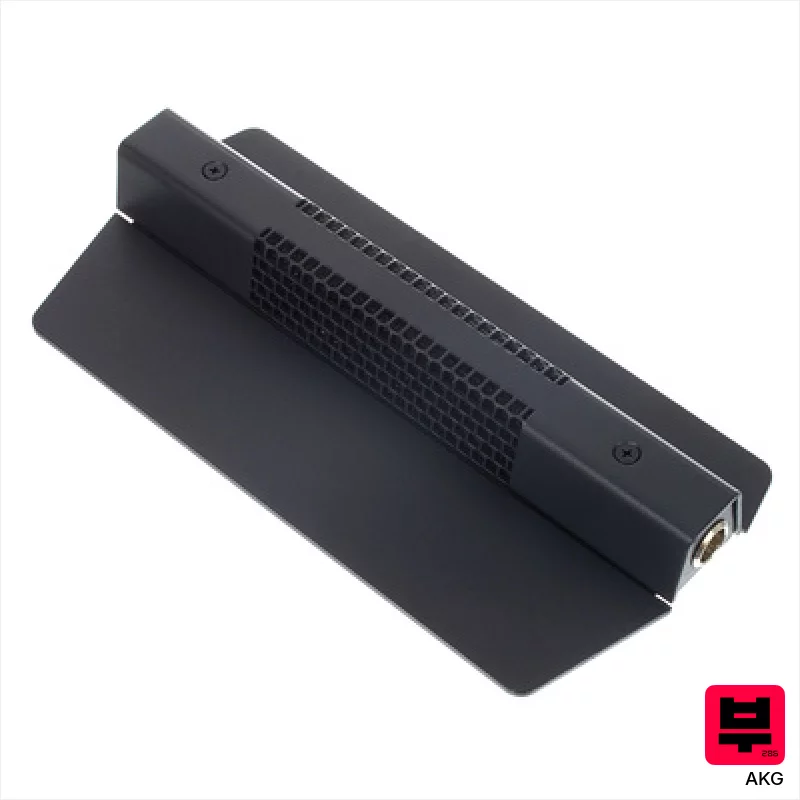
Audio-Technica AT2040
The AT2040 is a surprisingly capable broadcast mic for the price. Its dynamic nature and tight pattern make it ideal for podcasters, streamers, or voice-over artists in less-than-perfect acoustic environments – just be mindful of mic placement. It won’t replace a high-end studio condenser, but it's a solid, reliable workhorse.
$99
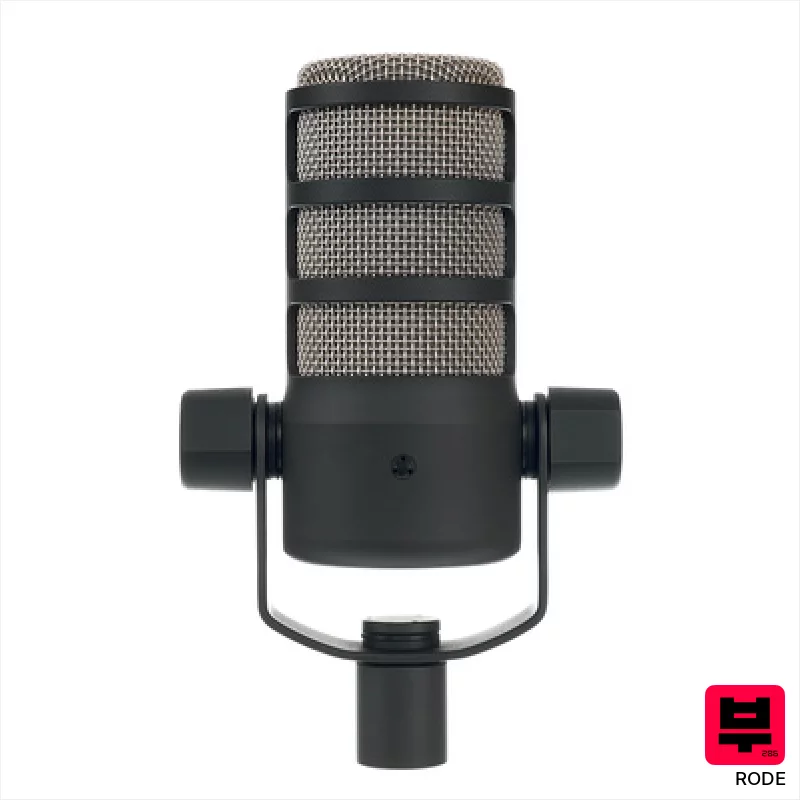
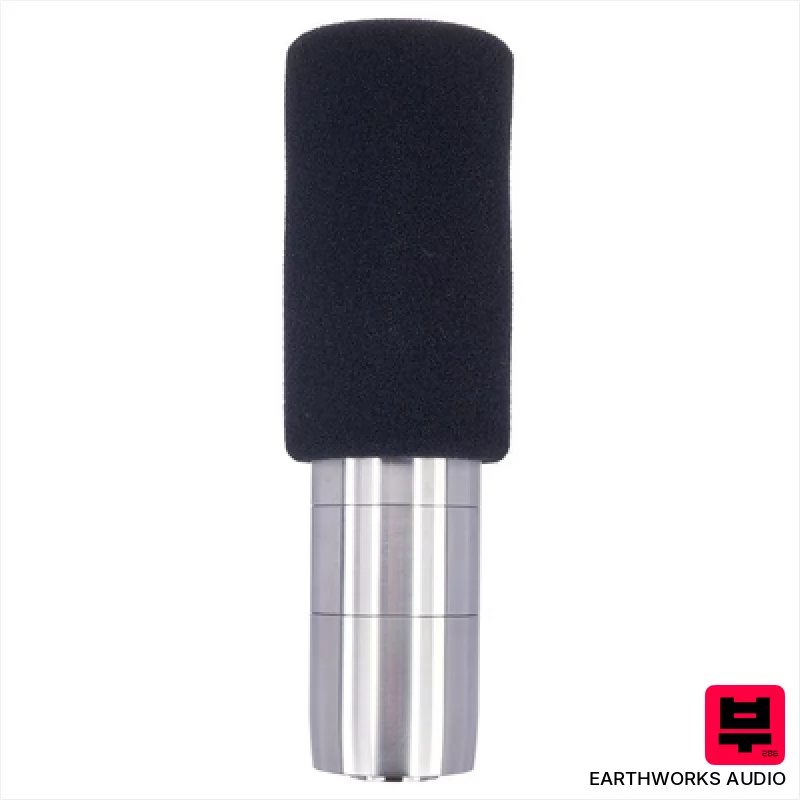
Rode PodMic
The PodMic is a fantastic entry point for podcasters and streamers needing a broadcast-quality vocal pickup. It’s built like a tank and delivers a surprisingly warm, present sound that sits well in a mix without needing tons of EQ. If you’re prioritizing durability and focused vocal capture over ultimate sonic fidelity, this is a solid choice.
$105
Detailed Comparison
| Feature | Audio-Technica AT2040 | Rode PodMic |
|---|---|---|
| Brand | Audio-Technica | Rode |
| Model | AT2040 | PodMic |
| Price | $99 | $104 |
| Expert Rating | ⭐ 4.8/5 | ⭐ 4.7/5 |
| Mic Type | Dynamic | Dynamic |
| Polar Pattern | Hypercardioid | Cardioid |
| Frequency Range | 80 - 16,000 Hz | 50 - 13000 Hz |
| Max SPL | 149 dB | 155 dB |
| Sensitivity | -53 dB (2.2 mV) | -38 dBV/Pa |
| Connector | XLR | XLR |
| Weight | 615 g | 937g |
| Pros | + Excellent rejection of background noise thanks to the hypercardioid pattern. | + Robust all-metal build feels incredibly solid and durable. |
| Pros | + The integrated windscreen and shockmount noticeably reduce handling noise. | + Cardioid pattern effectively isolates vocals, minimizing room noise. |
| Pros | + Robust build quality; feels solid and durable for frequent use. | + Integrated pop filter and steel grille reduce plosives without accessories. |
| Pros | + Delivers a clear, focused sound with a slight warmth, good for voice-over. | + Surprisingly full, warm low-end for a broadcast dynamic mic. |
| Cons | - Hypercardioid pattern demands careful mic placement; less forgiving than cardioid. | - Can be quite heavy, leading to stand fatigue during long sessions. |
| Cons | - Limited frequency response compared to condenser microphones; lacks high-end sparkle. | - Lacks a pad switch; loud sources require careful gain staging. |
| Cons | - 600 Ohm impedance requires a preamp with sufficient gain for optimal signal. | - Limited frequency response compared to condenser mics; less detail overall. |
| Category | Broadcast Microphones | Broadcast Microphones |
| Article Number | 525597 | 455487 |
| Check Price | Check Price |