
Trumpets
466 instruments available
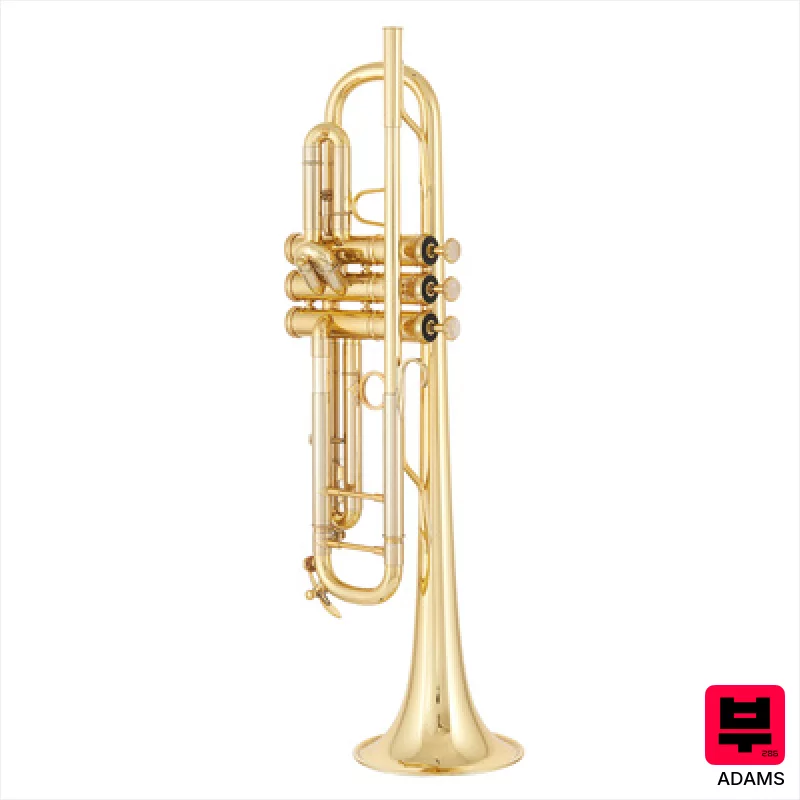

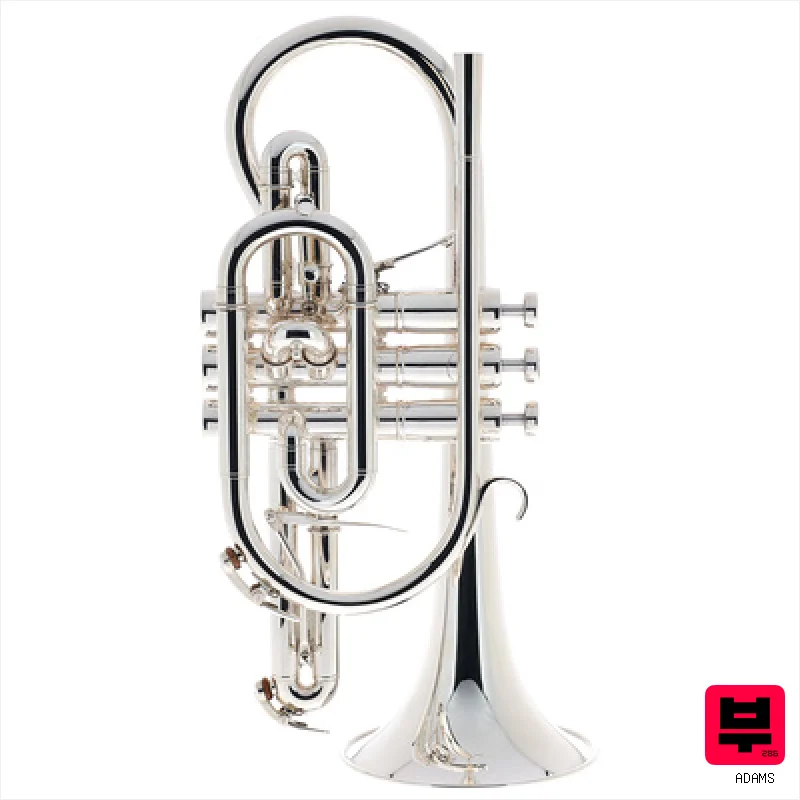
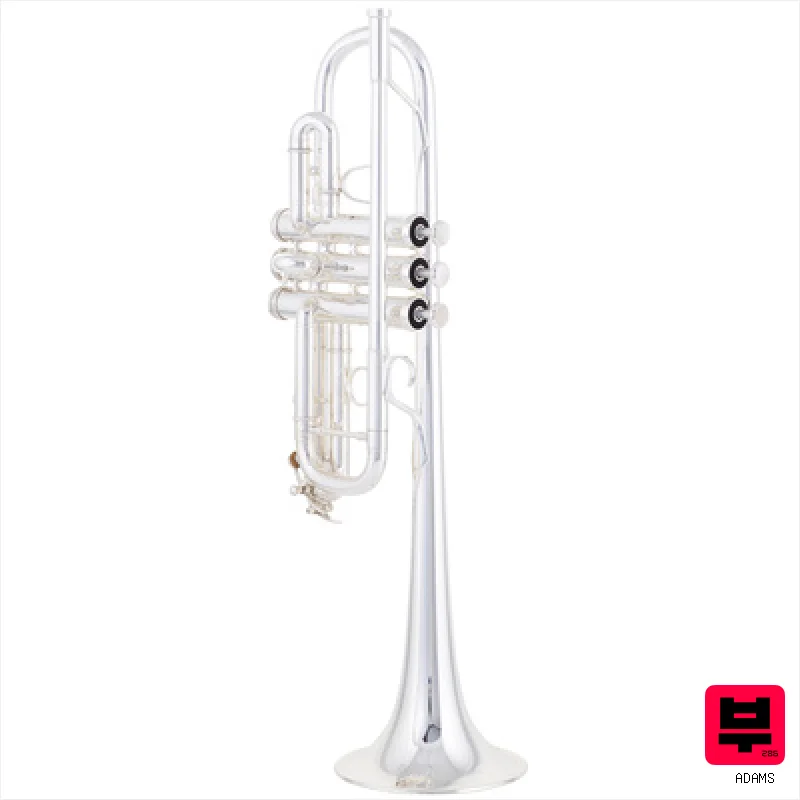
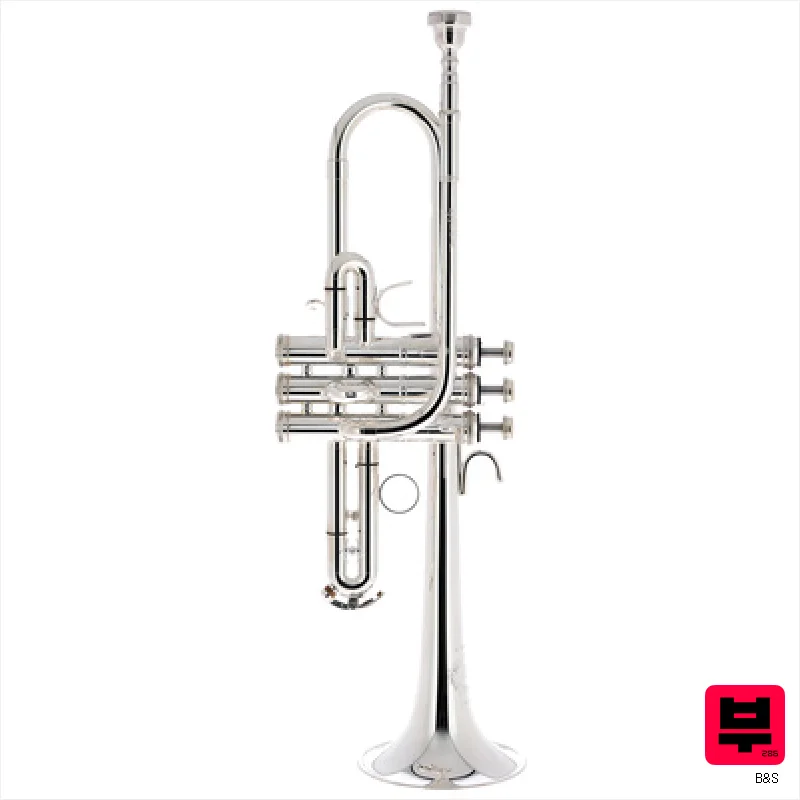
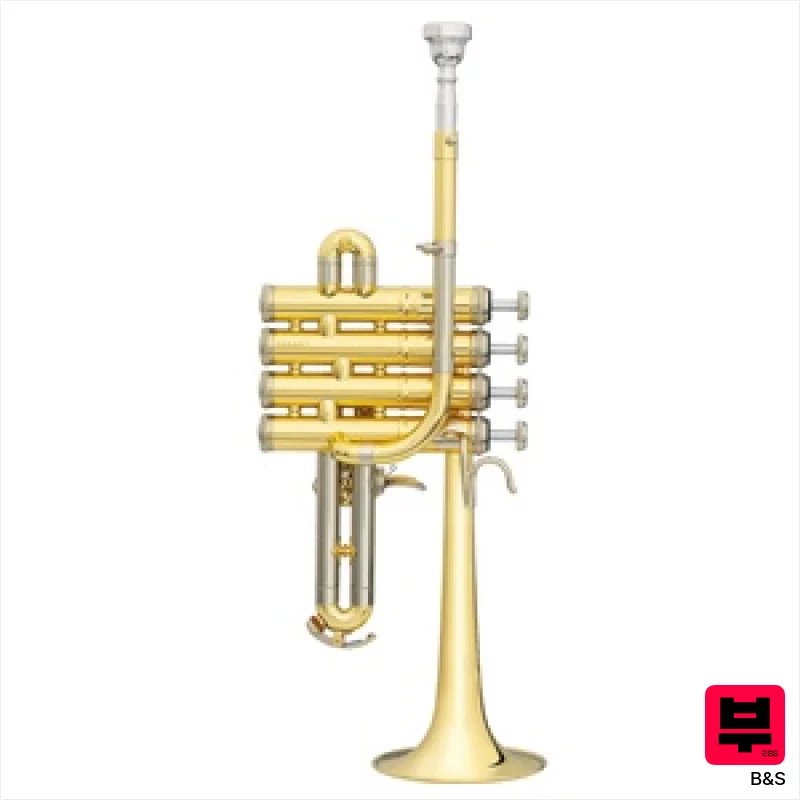
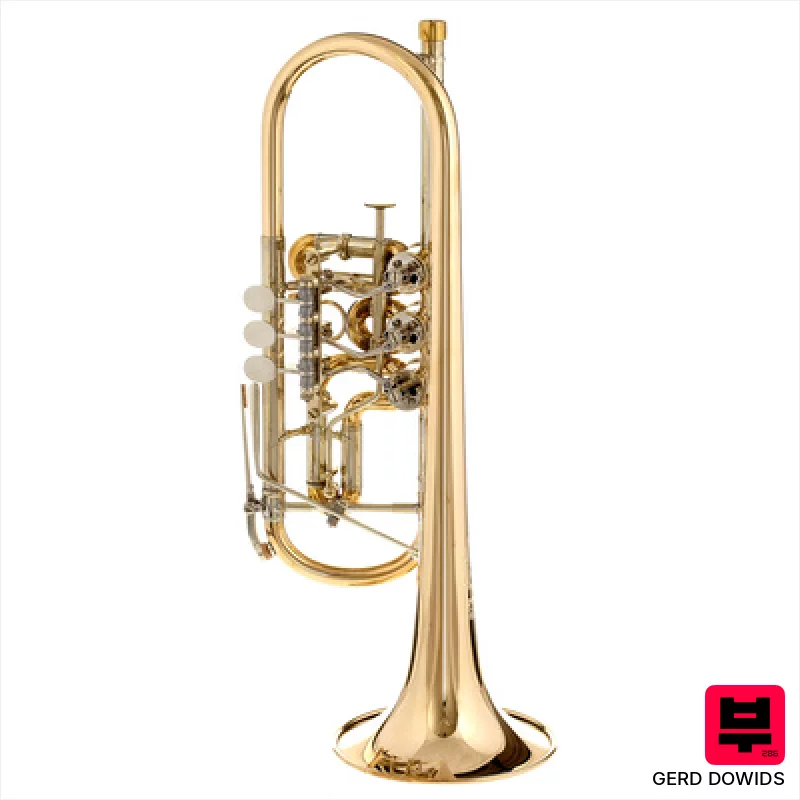
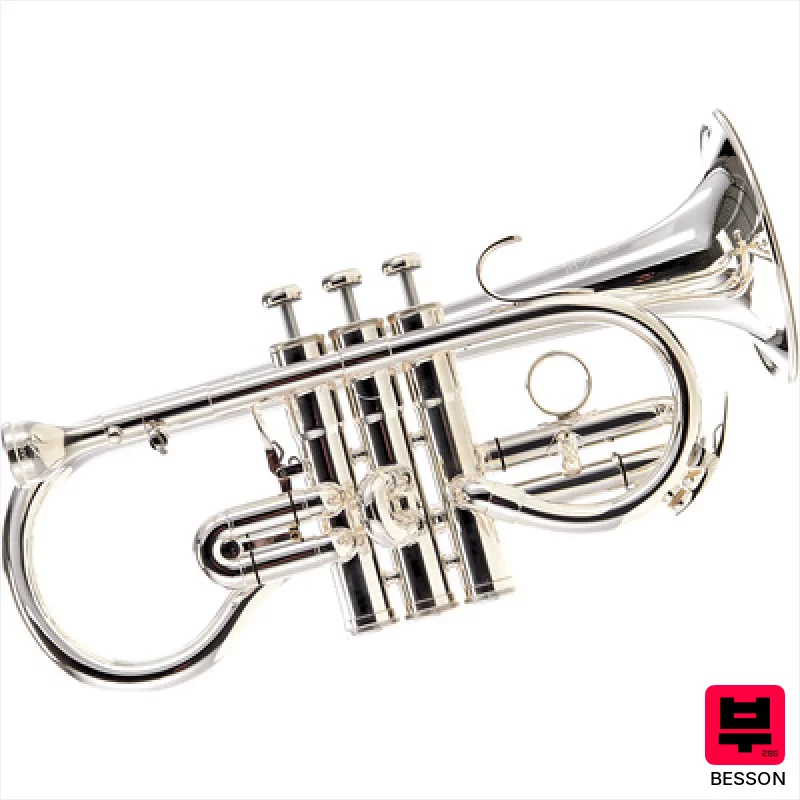
About Trumpets
This category encompasses trumpets and related brass instruments, essential for orchestral, jazz, and commercial music performance. Trumpets provide a bright, assertive voice within an ensemble and are crucial for solo performance. Selecting the right trumpet involves considering factors like valve type, bore size, and bell material to achieve a desired tone and playability.
Trumpets — Pros & Cons
PROS
- Offers a wide range of tonal colors depending on construction.
- Provides excellent projection and cutting power in ensembles.
- Versatile across numerous musical genres and performance contexts.
- Available in various valve configurations to suit player preference.
CONS
- Can be physically demanding to play, requiring strong embouchure.
- Intonation can be sensitive to player technique and environment.
- Higher-end models represent a significant investment.
- Maintenance and care are essential for optimal performance.
Frequently Asked Questions About Trumpets
A Bb trumpet is pitched in B flat and is the most common, transposing instrument. A C trumpet is non-transposing, often preferred for orchestral work or solo playing where accurate pitch is paramount.
Rotary valves use a rotating mechanism, generally providing a darker, more focused tone, while piston valves are more common and offer a brighter, more direct response.
Bell material significantly influences tone. Brass offers a brighter sound, while gold brass tends to be warmer and richer, affecting projection and overall timbre.

