
Eb Cornets
5 instruments available
Shop Eb Cornets 2026
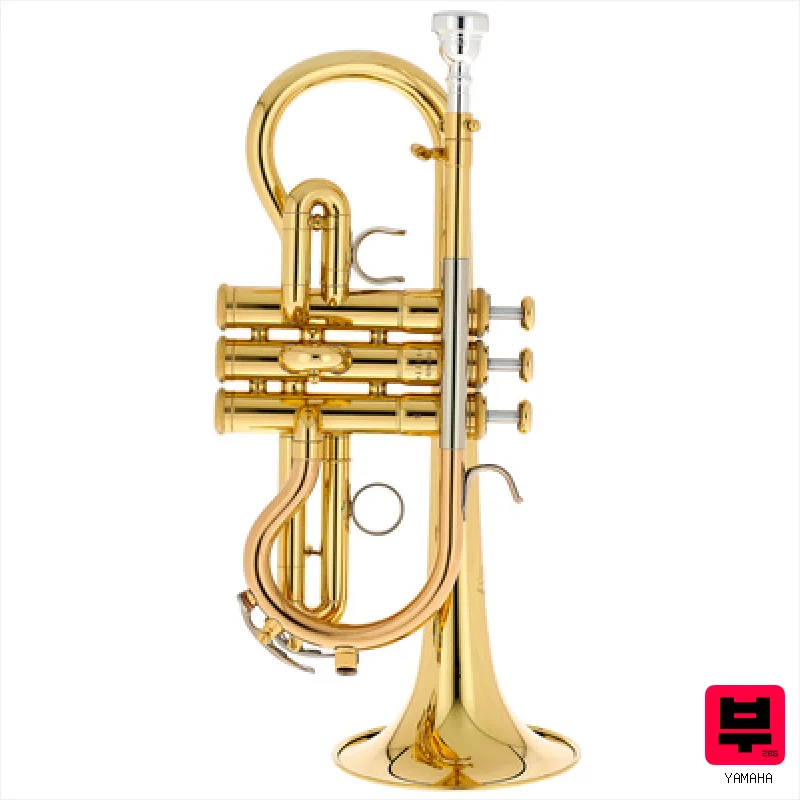
Yamaha YCR-8620 02 Cornet
Eb Cornets
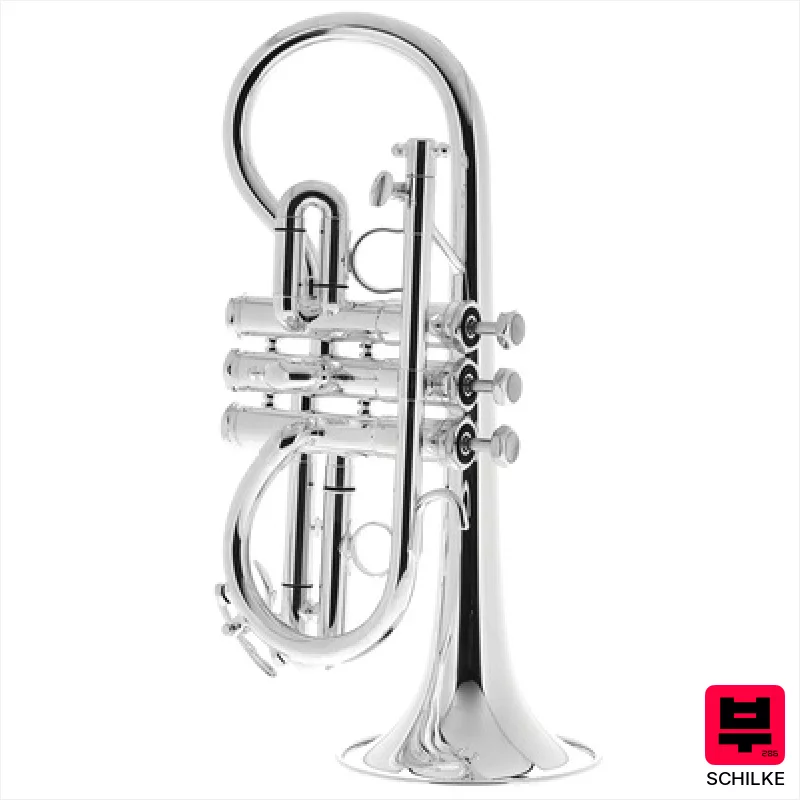
Schilke Eb Cornet
Eb Cornets
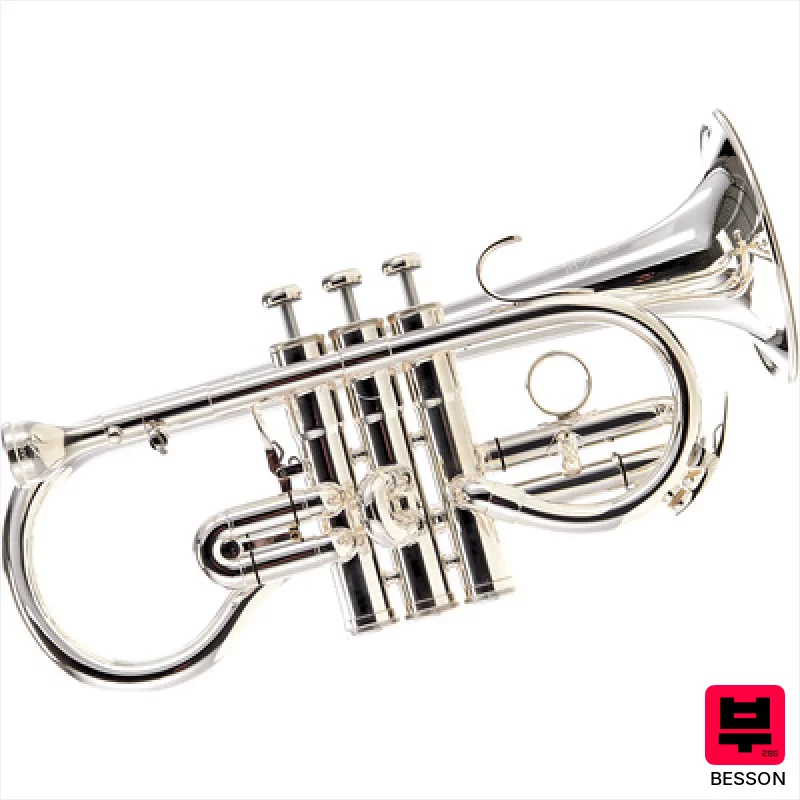
Besson BE924-2 Sovereign Eb-Cornet
Eb Cornets
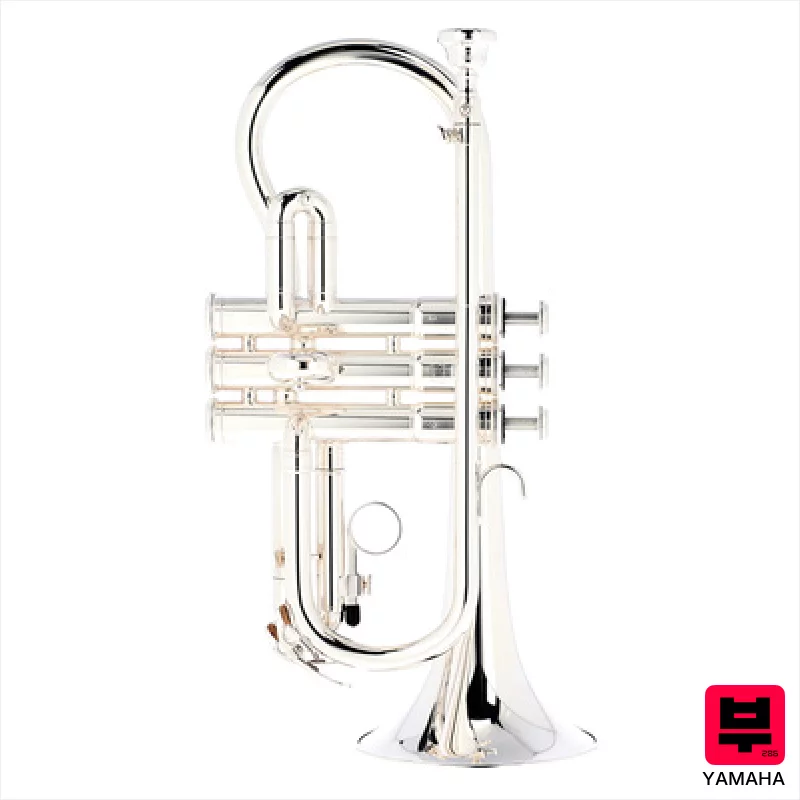
Yamaha YCR-2610 SIII Cornet
Eb Cornets

Yamaha YCR-8620S 02 Cornet
Eb Cornets
About Eb Cornets
Eb Cornets are a close relative to the trumpet, offering a darker, mellower tone and a more compact valve layout. Primarily used by British brass bands and increasingly adopted by orchestral players seeking a unique timbre, the cornet's design provides a different playing experience than a standard trumpet. Their smaller bell size contributes to a focused and intimate sound projection.
Eb Cornets — Pros & Cons
PROS
- Offers a warmer, darker tone compared to trumpets.
- Generally more compact and comfortable for some players.
- Valve layout can be easier for certain fingerings.
- Provides a unique tonal color for orchestral and band settings.
CONS
- Can be perceived as lacking the projection of a trumpet.
- Limited high register capabilities compared to trumpets.
- Smaller bell size can affect dynamic range.
- May require adjustments to embouchure for trumpet players.
Frequently Asked Questions About Eb Cornets
The cornet has a more conical bore and a mellower tone, while the trumpet has a more cylindrical bore and brighter sound. Valve casings are also different, affecting feel.
Historically, the cornet's darker tone blended well with the overall sound of the band, and it became a standard instrument in the British brass band tradition.
While both are in Eb, the different bore and valve feel require adjustments to embouchure and technique. It's not inherently difficult, but takes practice.

