
Rotary Valve C Trumpets
10 instruments available
Shop Rotary Valve C Trumpets 2026

Peter Oberrauch Milano Trumpet C 0,4 raw
Rotary Valve C Trumpets
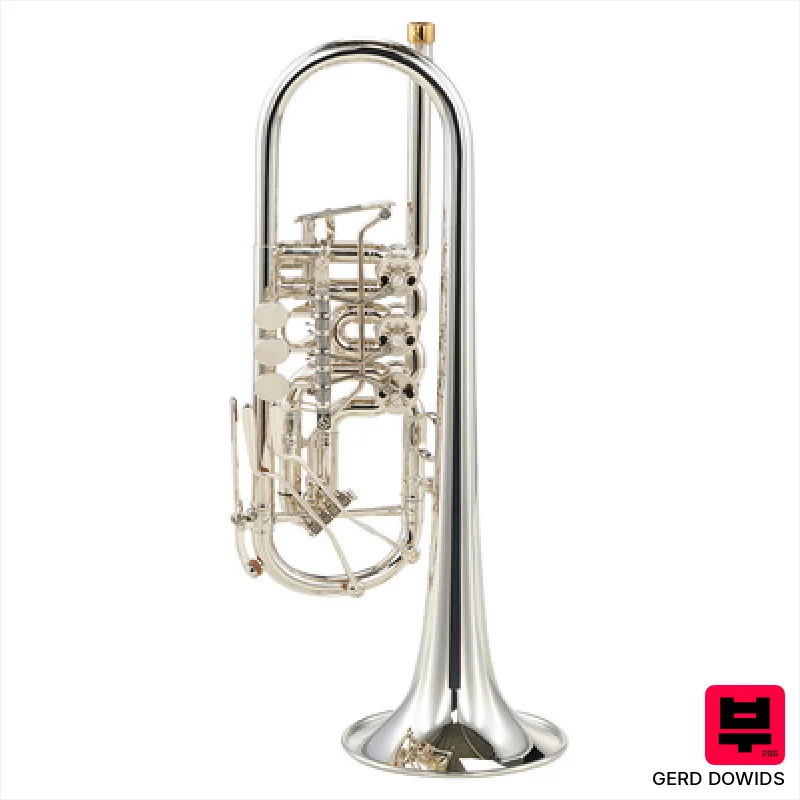
Gerd Dowids BZ-Series C-Trumpet Special
Rotary Valve C Trumpets

Schagerl Wien 2021 C-Trumpet GP
Rotary Valve C Trumpets

Schagerl Berlin Heavy "K" C- Trumpet G
Rotary Valve C Trumpets
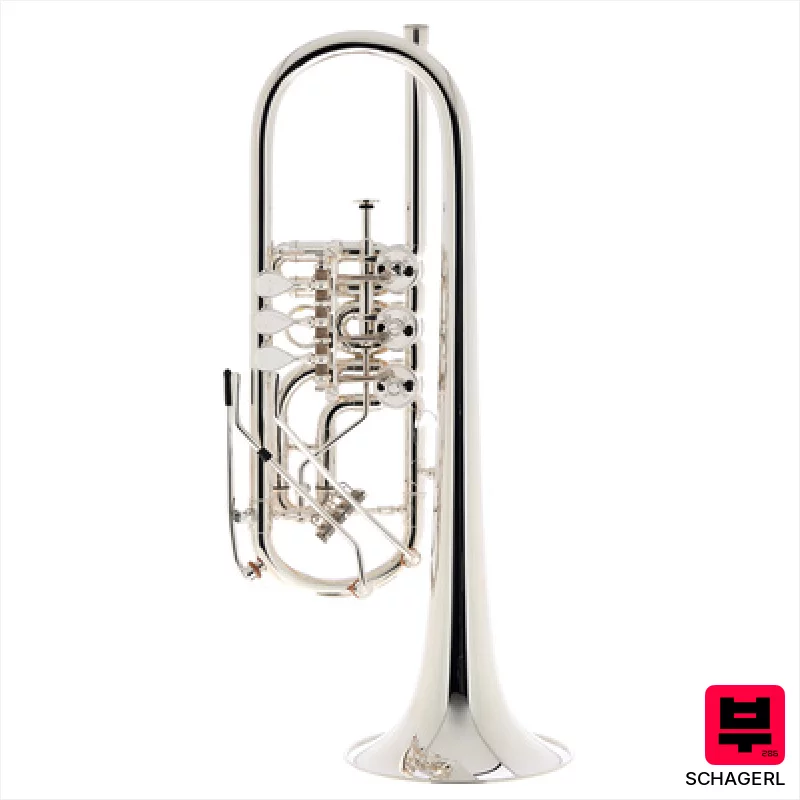
Schagerl Berlin Heavy "K" C- Trumpet S
Rotary Valve C Trumpets
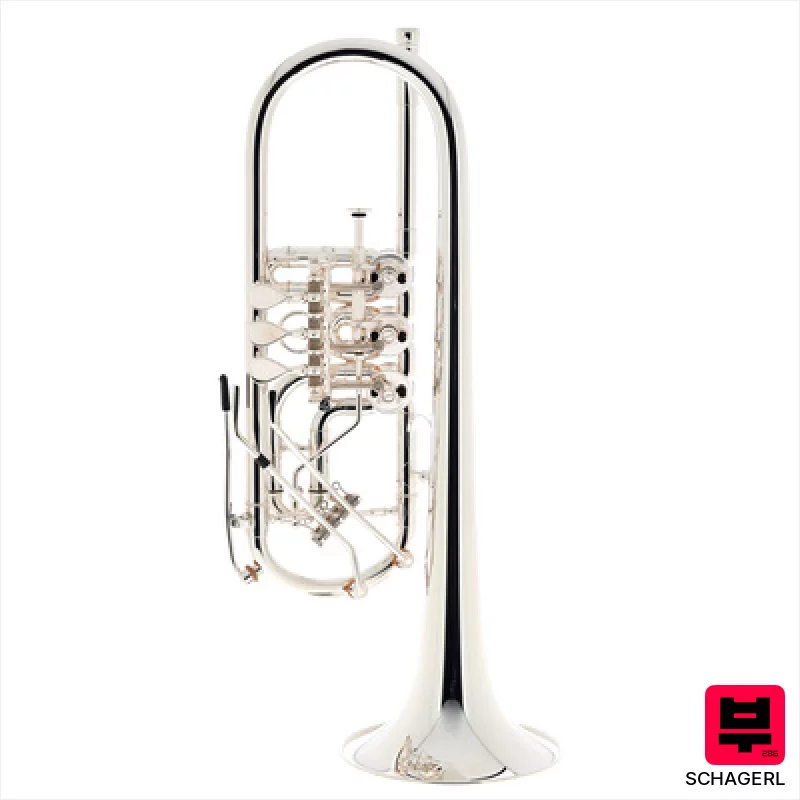
Schagerl Berlin Heavy "Z" C- Trumpet
Rotary Valve C Trumpets
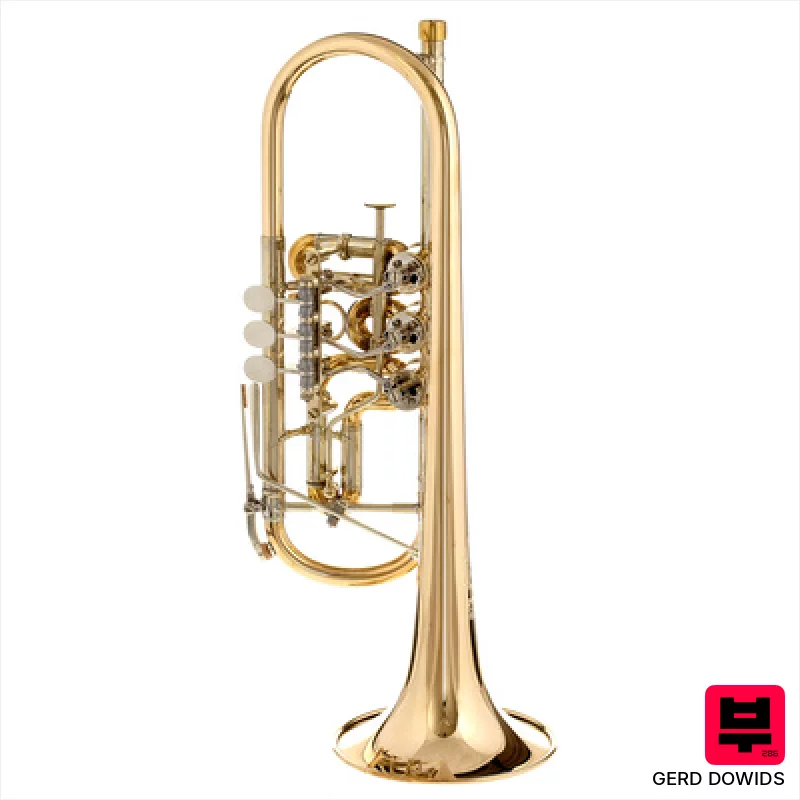
Gerd Dowids BZ-Series C-Trumpet
Rotary Valve C Trumpets

Johannes Scherzer 8217-S C-Trumpet
Rotary Valve C Trumpets
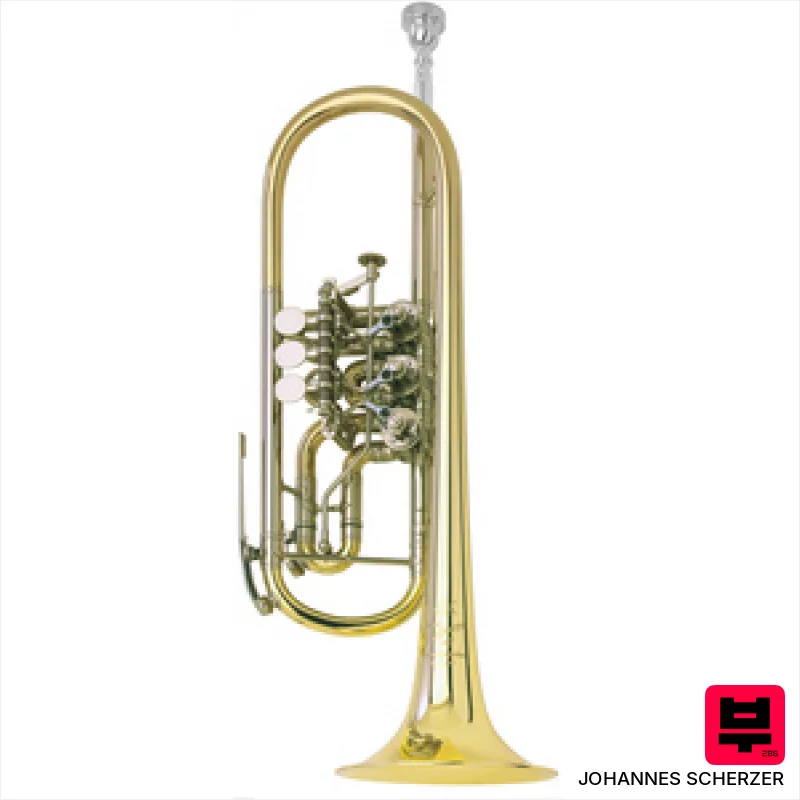
Johannes Scherzer 8217-L C-Trumpet
Rotary Valve C Trumpets
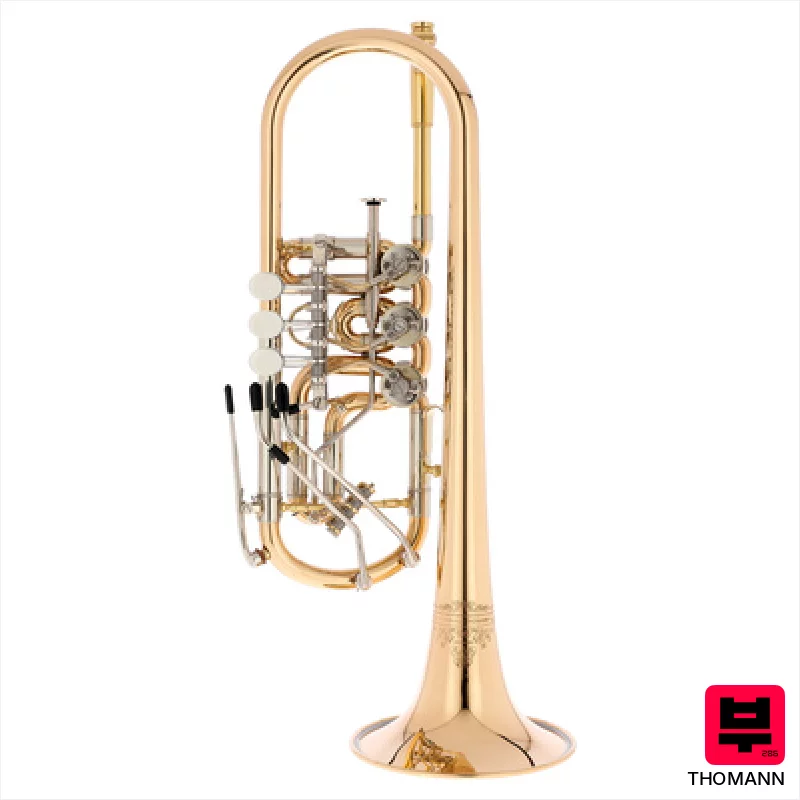
Thomann Classica III GML C- Rotary
Rotary Valve C Trumpets
About Rotary Valve C Trumpets
Rotary valve C trumpets represent a niche within the trumpet world, prized for their unique tonal characteristics and responsive action. Primarily favored by orchestral players and those seeking a distinct sound, these instruments offer a different playing experience compared to piston trumpets. The rotary valve mechanism imparts a darker, more mellow timbre and a slightly different air column feel.
Rotary Valve C Trumpets — Pros & Cons
PROS
- Distinctive, darker tonal color compared to piston trumpets
- Generally responsive and agile playing feel
- Often preferred for blending in orchestral settings
- Unique aesthetic appeal and craftsmanship
CONS
- Can be more complex and expensive to repair
- Valve action may require more maintenance
- Less common, limiting repair and parts availability
- Can feel mechanically different, requiring adjustment for piston players
Frequently Asked Questions About Rotary Valve C Trumpets
Instead of pistons, rotary valves use a rotating mechanism connected to levers, redirecting airflow to change pitch. This affects the feel and response.
The mechanical difference can create a different feel, requiring adaptation. Some find them easier, others more challenging, depending on personal preference and technique.
Historically, piston valves became the dominant design. Rotary valves require more complex manufacturing, contributing to higher costs and limited production.

