 AudioFu
Catalog
Communications Equipment
89 instruments available · See the ranking
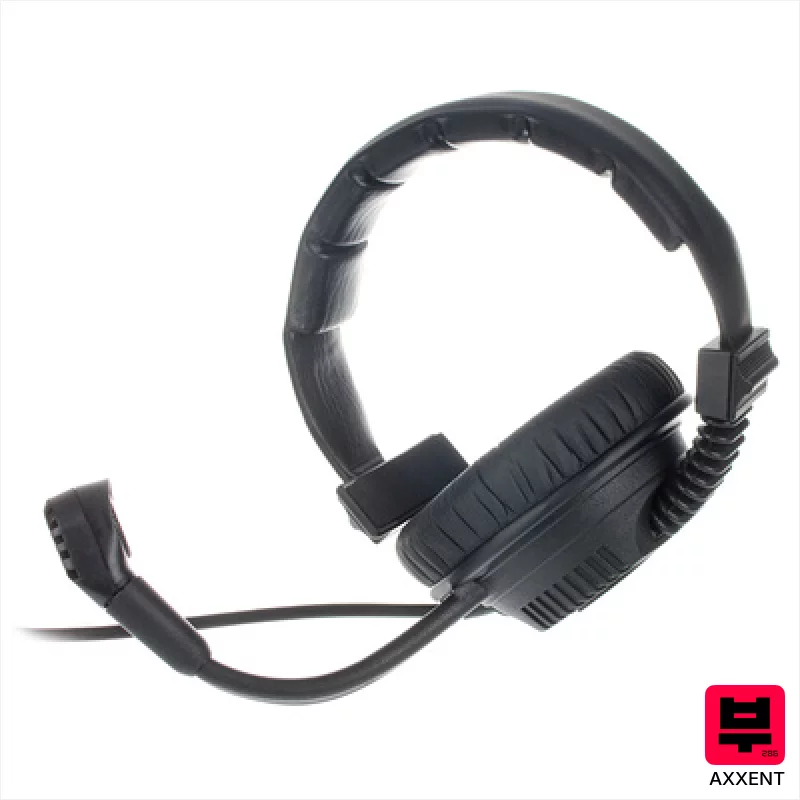
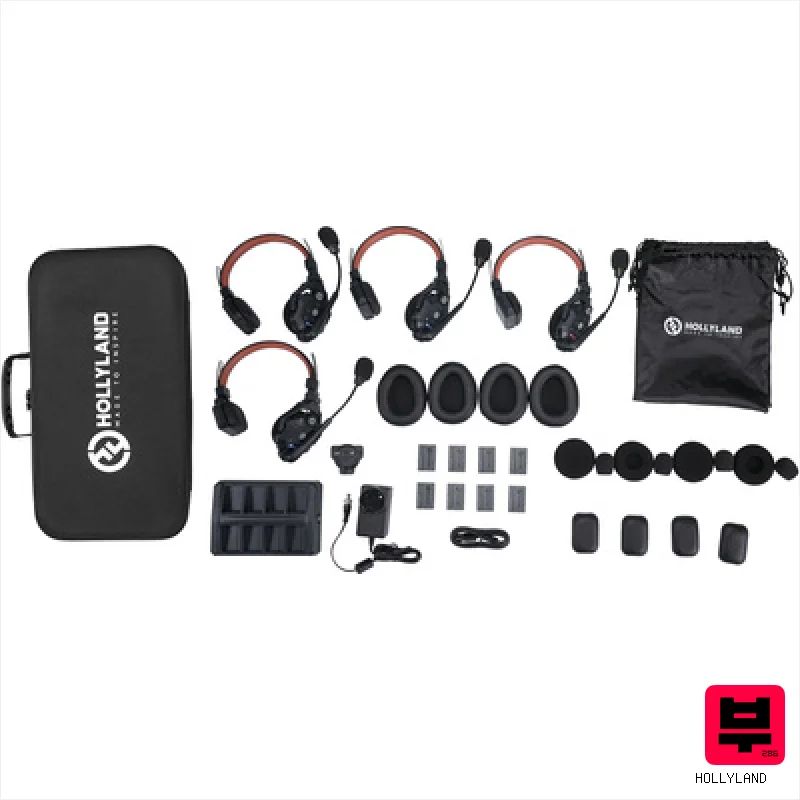
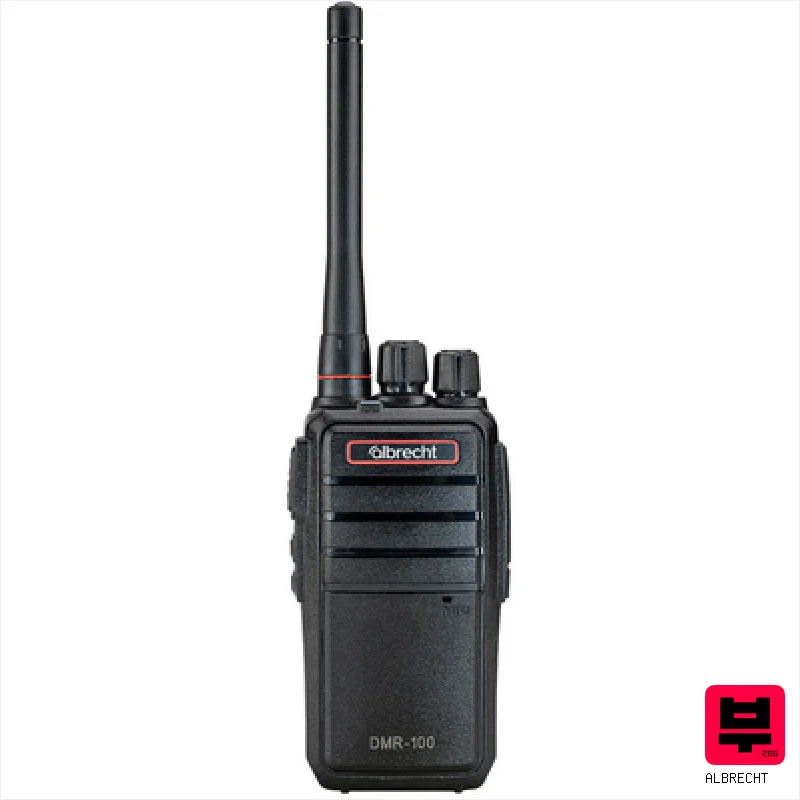
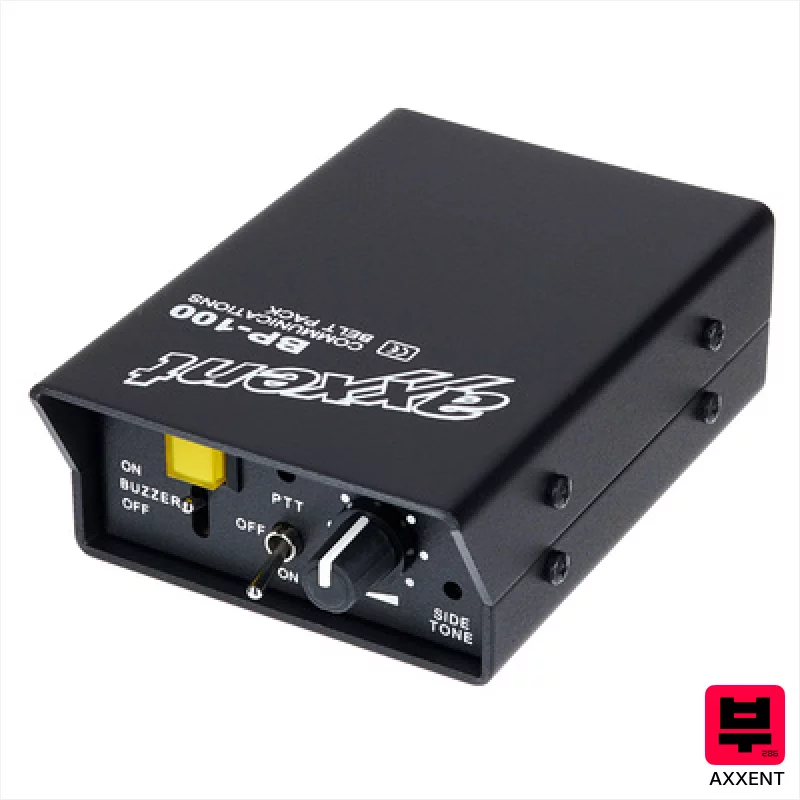
About Communications Equipment
Communications equipment for live performance and production ensures clear, reliable communication between stage managers, sound engineers, musicians, and crew. This category encompasses everything from basic walkie-talkies to sophisticated wireless intercom systems, vital for coordinating complex events and maintaining a professional workflow. Effective communication prevents errors, saves time, and ultimately enhances the overall production quality.
Best for
What to look for
Communications Equipment — pros & cons
- Facilitates seamless coordination and reduces miscommunication on-site
- Improves workflow efficiency and response times in critical situations
- Provides hands-free operation for increased productivity and safety
- Allows for discreet communication without disrupting the performance
- Can be susceptible to interference in crowded radio frequency environments
- Wireless systems require careful frequency management and licensing
- Higher-end systems can be a significant investment upfront
- Battery life is crucial and requires diligent management.
Questions about Communications Equipment
What's the difference between a wireless intercom and a walkie-talkie?
Walkie-talkies are primarily for point-to-point communication, while intercoms offer more sophisticated features like group calling, individual addressing, and often, hands-free operation.
How important is ingress protection (IP) rating for communications equipment?
An IP rating indicates resistance to dust and water, crucial for outdoor events or environments with potential exposure to the elements, safeguarding reliability.
What does 'full duplex' mean in the context of intercom systems?
Full duplex allows simultaneous two-way communication, like a phone call, rather than the half-duplex 'push-to-talk' system of most walkie-talkies.