
Acoustic & Semi-Acoustic Basses
142 instruments available
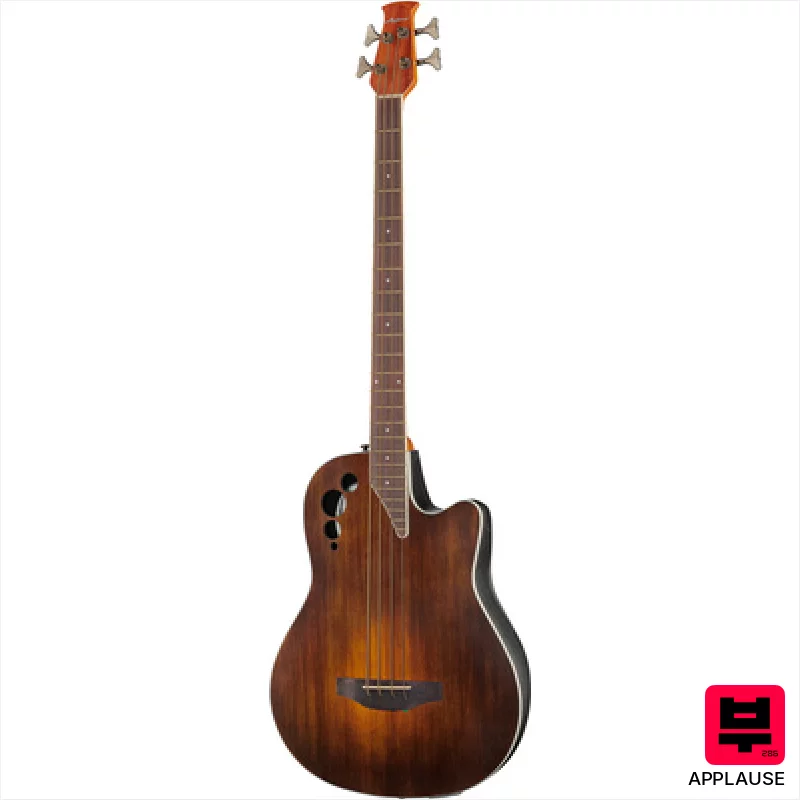
4-String Acoustic Basses
55 items
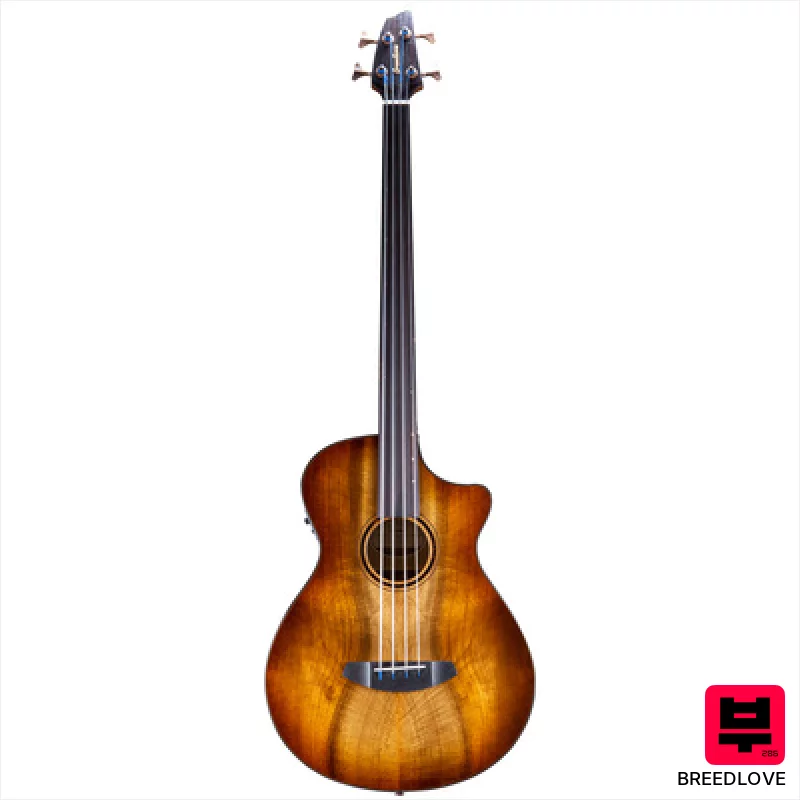
Fretless Acoustic Basses
29 items

4-String Semi-Acoustic Basses
23 items
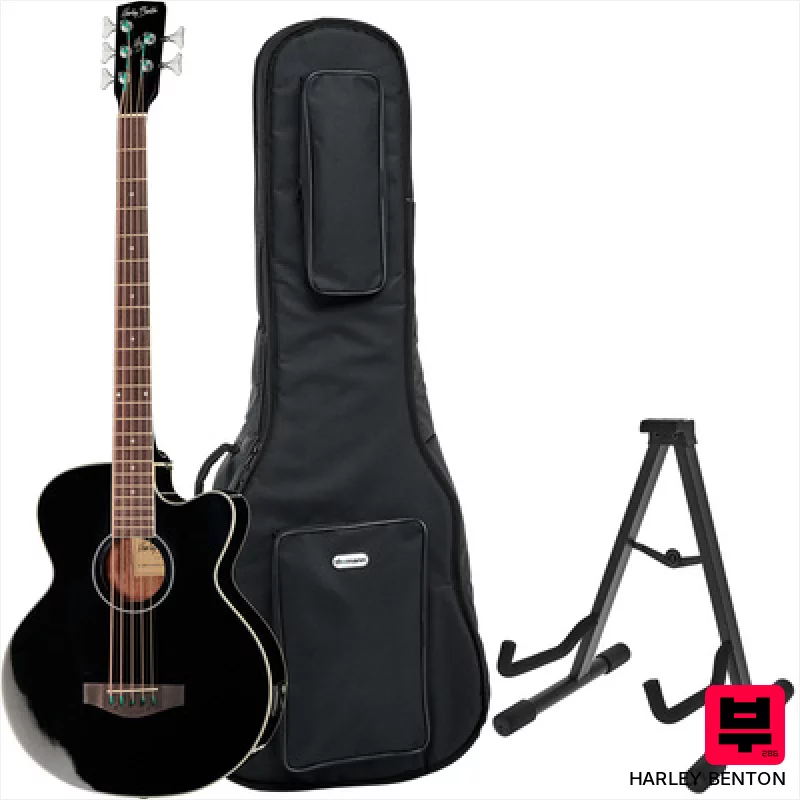
5-String Acoustic Basses
13 items

Lefthanded Acoustic Basses
12 items
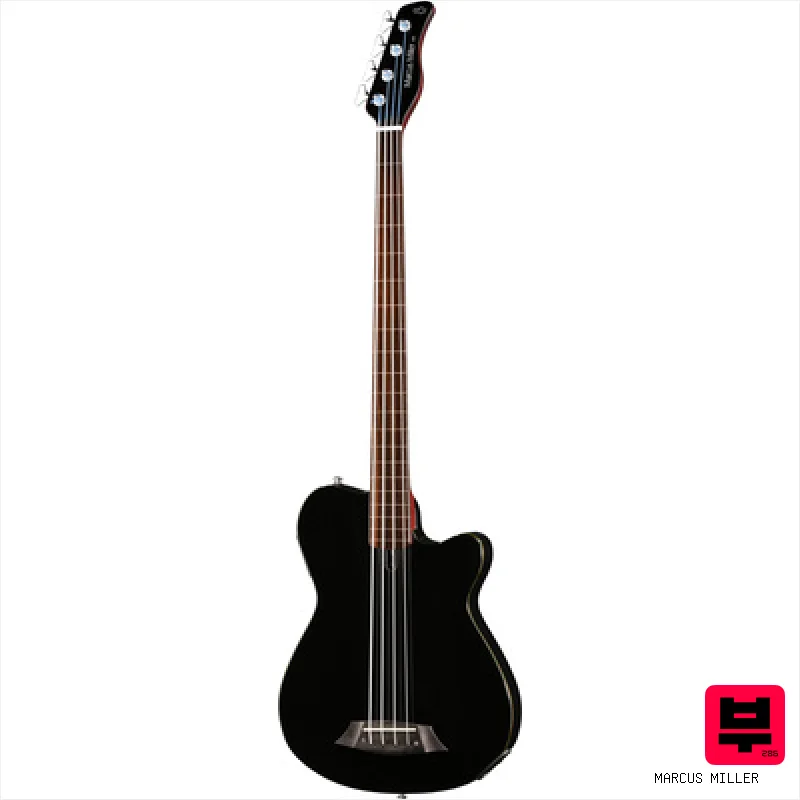
Fretless Semi-Acoustic Basses
3 items
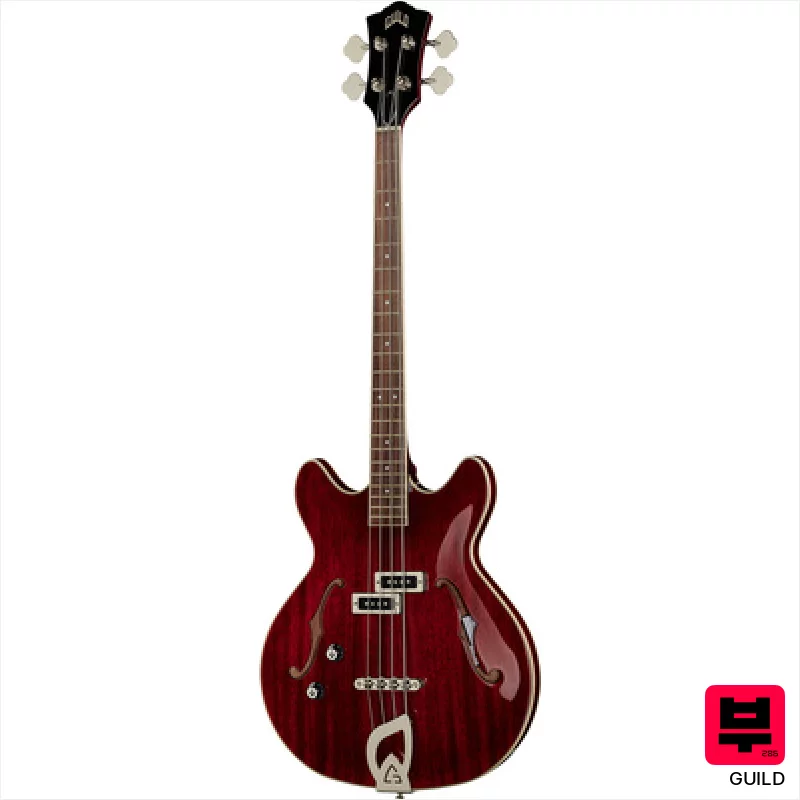
Lefthanded Semi-Acoustic Basses
3 items
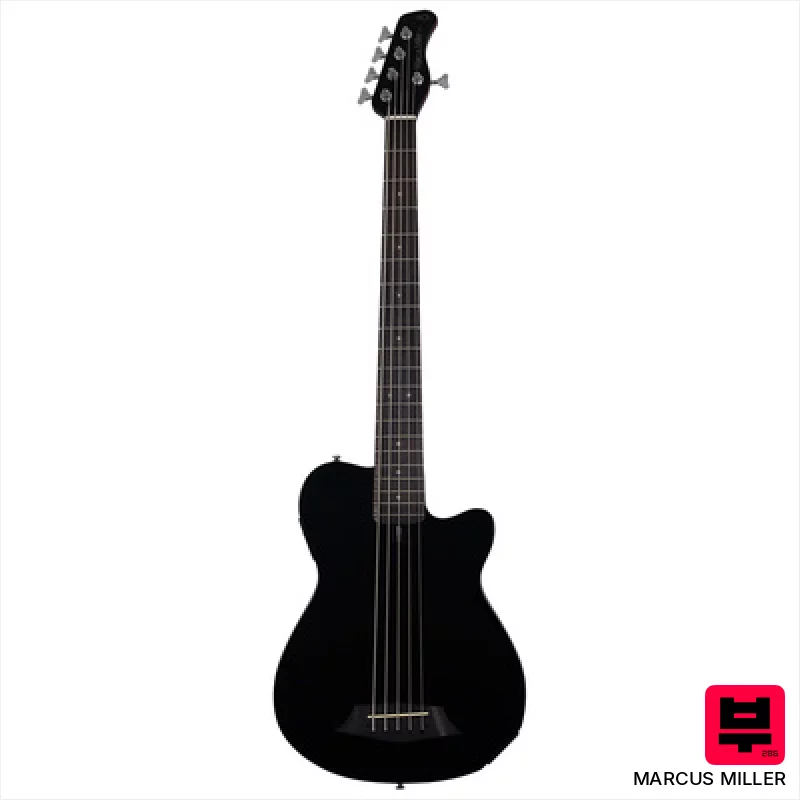
5-String Semi-Acoustic Basses
2 items
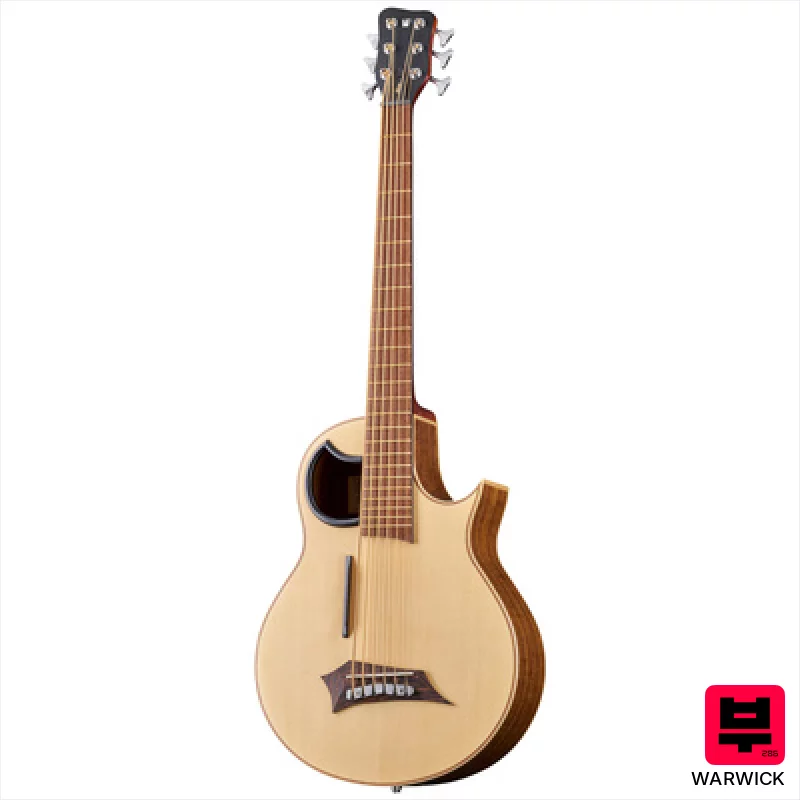
6-String Acoustic Basses
2 items
About Acoustic & Semi-Acoustic Basses
Acoustic and semi-acoustic basses offer a unique blend of warmth and projection, ideal for unplugged performances, folk, jazz, and studio recording where a natural, woody tone is desired. Unlike electric basses, they rely on acoustic resonance, often augmented by pickups for amplification. This category caters to players seeking a more organic and intimate bass sound.
Acoustic & Semi-Acoustic Basses — Pros & Cons
PROS
- Offers a warm, natural tone distinct from electric basses.
- Suitable for unplugged performance and intimate settings.
- Often visually appealing with classic acoustic aesthetics.
- Can provide a unique textural element in studio recordings.
CONS
- Typically lower volume compared to electric basses without amplification.
- Can be more susceptible to feedback when amplified.
- String action and intonation can be more challenging to adjust.
- May lack the versatility of an electric bass in various genres.
Frequently Asked Questions About Acoustic & Semi-Acoustic Basses
Acoustic-electric basses have built-in pickups and preamp systems for amplification, while purely acoustic basses rely solely on natural acoustic resonance.
Different woods impart distinct tonal characteristics; spruce offers brightness, mahogany provides warmth, and rosewood contributes richness and sustain.
They are less common but offer a sliding, vocal-like tone; they’re favored for jazz and solo performance, allowing for microtonal expression.

